When an Old American Shorthair Needs Combing Help
As our beloved American Shorthairs journey into their golden years, many of us start noticing subtle changes in their once effortless routines. One of the most common, and often overlooked, shifts is their ability to maintain their pristine coat. That sleek, easy-care fur that rarely seemed to need a comb can suddenly become a source of discomfort, leading to mats, dandruff, and an overall dull appearance. This guide is here to help you understand why this happens, how to spot the early warning signs that your senior American Shorthair needs a little extra grooming support, and the practical steps you can take to keep them comfortable and looking their best.
The Subtle Shift: Why Senior American Shorthairs Struggle with Self-Grooming
It’s easy to assume our American Shorthairs will always be those self-sufficient, fastidious groomers we’ve known and loved. After all, they’ve been taking care of their coats their entire lives, a skill passed down through generations of working cats. But just like us, age brings its own set of challenges, and for an older cat, the physical demands of a thorough grooming session can become quite taxing. It's not about them becoming lazy or neglecting themselves; it's about physical limitations creeping in that make those acrobatic twists and turns just too difficult or painful.
The Ache of Arthritis and Joint Stiffness
One of the primary culprits behind a senior cat’s struggle with grooming is often arthritis and general joint stiffness. Think about how hard it is for us to bend, twist, or reach certain parts of our bodies as we get older, especially if we have aching joints. For an American Shorthair, who relies on incredible flexibility to reach their back, tail, and hindquarters, stiff hips, elbows, or a sore spine can make those essential stretches agonizing. They might try, only to find the pain too much, or they might simply avoid movements that cause discomfort altogether. This leads to areas becoming neglected, which quickly turn into matted, uncomfortable patches. How an Old American Shorthair Shows Its Joints Hurt delves deeper into spotting these signs of discomfort.
The issue isn't just about reaching, either. The sustained postures required for a full groom, where a cat might spend considerable time contorting to lick various spots, can put undue stress on compromised joints. What was once a fluid, natural movement becomes a slow, painful ordeal, or sometimes, entirely impossible. You might notice them favoring certain positions, or taking shorter, less effective licks at their fur, a clear indication that something isn't quite right beneath the surface. This physical limitation is a huge factor in why your once-immaculate cat might suddenly have a scruffier appearance.
Reduced Flexibility and Muscle Loss
Beyond specific joint pain, a general reduction in flexibility and natural muscle loss are also significant factors. As cats age, their muscle mass naturally diminishes, a process known as sarcopenia, which impacts their strength and agility. Less muscle means less power for those deep stretches and less stability for intricate grooming poses. Their spine might not curve as easily, their neck might not extend as far, and their legs might not lift as high. This isn't just about pain; it's about the sheer physical capacity to execute the full range of motion needed for self-grooming. Why an Old American Shorthair Stops Reaching Its Back explains how these physical changes affect their ability to groom those tricky spots.
Moreover, simply having less energy plays a role. Older cats tend to sleep more and have less stamina for sustained activities, and grooming, while seemingly passive, is quite an active process. A young, vibrant American Shorthair can spend a good chunk of its day meticulously cleaning itself, but a senior cat might simply tire out after a few minutes. They might start a grooming session with good intentions, only to give up halfway, leaving patches of fur unkempt. This accumulation of neglected spots eventually leads to larger problems that they can no longer handle on their own, requiring our intervention.
Oral Health: A Painful Barrier to Grooming
It might seem counterintuitive, but your senior American Shorthair's dental health has a huge impact on their grooming habits. Cats use their tongues and teeth as their primary grooming tools. They lick to remove loose fur and dirt, and their tiny papillae on their tongue act like a natural comb. If their mouth is sore, if they have dental disease, or if they've lost teeth, this essential tool becomes painful or ineffective. Imagine trying to brush your hair with a painful hand – you wouldn't do a very good job, would you? Why an American Shorthair Loses Teeth Nobody Noticed highlights how silently dental issues can progress.
Common dental problems in older cats include gingivitis, periodontal disease, tooth resorption, and painful abscesses. Any of these can make the act of licking, nibbling at mats, or even just holding their mouth in a grooming position excruciating. You might notice them drooling, being finicky with food, or avoiding touch around their face. If grooming suddenly drops off, and especially if you notice a bad smell from their mouth, a dental check-up is absolutely crucial. A healthy mouth is fundamental not just for eating, but for their overall hygiene and comfort.
Spotting the Signs: Your Senior American Shorthair's Call for Help
Our American Shorthairs are famously stoic, often hiding discomfort until it becomes undeniable. This quiet resilience means we, as their caregivers, need to be extra vigilant and learn to read the subtle cues they give us. When it comes to grooming, the signs that they're struggling might not be as dramatic as a limp or a sudden appetite loss, but they are there if you know what to look for. Paying close attention to changes in their coat, skin, and even their behavior can clue you into their needs before small problems become big ones.
Matted Fur, Tangles, and Dandruff Accumulation
The most obvious sign that your senior American Shorthair needs grooming assistance is the appearance of mats and tangles, particularly in hard-to-reach areas. These often start small, perhaps behind the ears, under the armpits, on their belly, or around their hind legs. If left unattended, these small tangles can quickly grow into dense, painful mats that pull at the skin. Matted fur isn't just unsightly; it can be incredibly uncomfortable, restricting movement, causing skin irritation, and even hiding infections.
Along with mats, an increase in dandruff is another tell-tale sign. Dandruff, or flaky skin, occurs when the skin is dry or irritated, and it's often more visible on a cat whose natural oils aren't being distributed properly through regular grooming. A healthy cat's tongue stimulates the skin and spreads natural oils, keeping both skin and coat healthy. If grooming is reduced, these oils build up or become unevenly distributed, leading to flakes and a greasy or dull appearance. What Changes in an Aging American Shorthair's Coat discusses these coat texture changes in more detail.
Changes in Coat Quality and Skin Irritations
Beyond mats and dandruff, take a good look at the overall quality and texture of your American Shorthair's coat. A healthy American Shorthair coat should feel relatively smooth, be clean, and have a natural luster. As they age and their grooming declines, you might notice their coat becoming greasy, sticky, or even coarse in patches. This is often particularly noticeable along their back, near the base of their tail, or on their hindquarters – areas they can no longer reach effectively. How an Old American Shorthair's Coat Coarsens offers insights into why this happens.
Furthermore, a lack of regular grooming can lead to secondary skin problems. The build-up of dead skin cells and oils, combined with the lack of air circulation under matted fur, creates a perfect breeding ground for bacteria or yeast. You might notice redness, scabs, bumps, or even an unpleasant odor emanating from their fur or skin. These skin irritations can be intensely itchy and painful, leading to your cat scratching or licking excessively in an attempt to alleviate the discomfort, sometimes making the problem worse by breaking the skin.
Increased Shedding and Hairball Woes
All cats shed, and American Shorthairs are no exception, especially during seasonal changes. However, if your senior cat isn't grooming themselves adequately, they won't be removing loose and dead hair efficiently. This can result in a noticeable increase in shedding around the house, and more significantly, a greater incidence of hairballs. A cat's tongue is designed to catch loose hairs during grooming, which are then usually passed through the digestive system without issue. But if an excessive amount of hair is ingested due to prolonged or ineffective grooming, it can accumulate in the stomach, forming hairballs.
While occasional hairballs are normal for some cats, a sudden or frequent increase in hacking, vomiting hairballs, or even signs of constipation can indicate a grooming issue. Passing a hairball can be distressing for a cat, and chronic hairball issues can lead to more serious gastrointestinal blockages. If you're consistently finding more fur tumbleweeds than usual, or if your cat is struggling with hairballs more frequently, it's a clear signal that they need help keeping that loose fur at bay.
Becoming Your Cat's Personal Groomer: Gentle Techniques and Essential Tools
Once you've identified that your senior American Shorthair needs a little help, it's time to step in. Remember, this isn't about perfectly replicating their youthful grooming habits; it's about providing comfort, preventing health issues, and strengthening your bond. The key is to be gentle, patient, and consistent, making the experience as positive as possible. Approach each session with calm energy, and always reward their cooperation.
Establishing a Kind and Consistent Brushing Routine
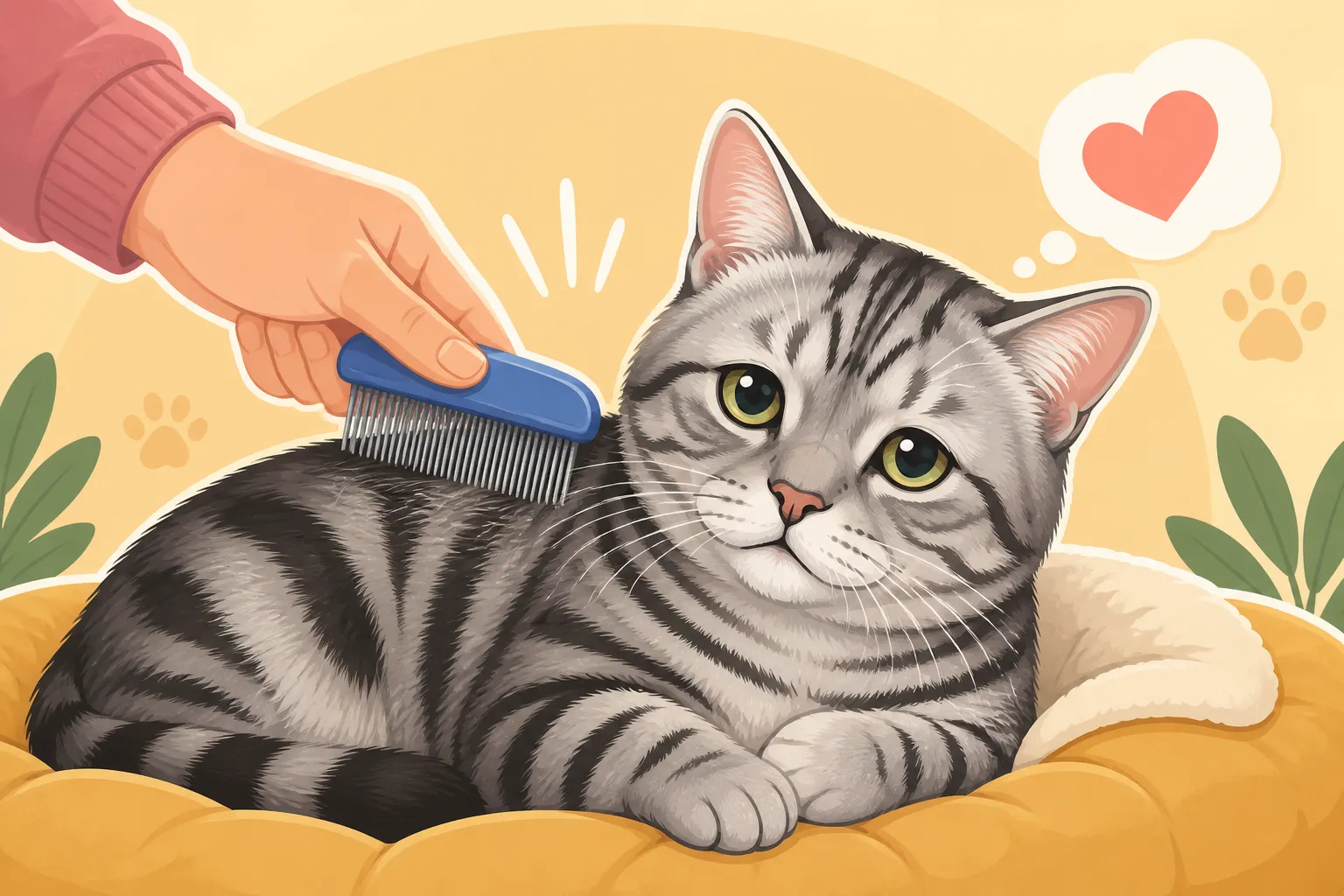
The cornerstone of assisting your senior American Shorthair's grooming is a regular brushing routine. Start small, with short sessions of just a few minutes, gradually increasing the duration as your cat tolerates it. Choose a quiet time when your cat is relaxed, perhaps when they're already purring on your lap. For American Shorthairs, whose coats are dense but relatively short, a good quality metal comb with both fine and wide teeth, or a rubber curry brush, can work wonders. The fine teeth are excellent for getting into the undercoat and removing loose fur, while the wide teeth can gently work through any minor tangles. For removing dead hair and stimulating circulation, a deshedding tool like a Furminator (used gently and sparingly) or a soft-bristled brush can also be beneficial. Many owners find effective grooming tools on Chewy or Amazon.
Focus on areas your cat struggles to reach: their lower back, around the tail, under their chin, and along their belly. Always brush in the direction of hair growth, using short, gentle strokes. If you encounter a mat, do not pull at it. Instead, try to gently tease it apart with your fingers or the wide-toothed comb, working from the outside of the mat inwards. If a mat is too tight or painful, it's better to leave it for a professional groomer or your vet. End each session with praise and a small treat to create a positive association. How Much an American Shorthair Enjoys Being Combed offers tips on making grooming a pleasant experience.
Targeted Spot Cleaning and Thoughtful Bathing
Most American Shorthairs are masters of self-cleaning and rarely need a full bath. However, as they age, you might find certain areas getting a bit dirty or greasy. Instead of a full bath, which can be stressful for an older cat, focus on targeted spot cleaning. Pet-specific grooming wipes are fantastic for this; they're pre-moistened and designed to be safe for cats. Use them to wipe away dirt around their hindquarters, clean any dander from their back, or freshen up greasy patches.
If a small area is particularly soiled or sticky, and wipes aren't enough, a waterless shampoo or foam designed for cats can be a lifesaver. Apply it to the affected area, massage it in, and then towel it off. This avoids the stress and chill of a full bath. If a full bath truly becomes necessary due to extreme soiling or a medical reason, make it as quick and warm as possible, using only cat-specific shampoo, and ensure they are thoroughly dried afterward to prevent chilling. Always remember to make the experience calm and reassuring, offering plenty of gentle words and comfort.
Managing Nails and Paw Health
Grooming isn't just about the coat; it extends to their claws and paws too. Older American Shorthairs might be less active, meaning their claws don't wear down as naturally as they once did. Overgrown claws can curl into their paw pads, causing pain, infection, and making walking difficult. Aim for regular, gentle nail trims. If your cat tolerates it, try to trim the very tip of each claw every few weeks. If they're resistant, try doing just one or two claws at a time. Which Clippers Suit an American Shorthair provides guidance on selecting the right tools.
While you're checking their claws, take a moment to inspect their paw pads. Older cats can develop dry, cracked pads, and sometimes foreign objects can get embedded between their toes. Gently wipe their paws with a damp cloth and check for any redness, swelling, or tenderness. Keeping their paws healthy is essential for their mobility and overall comfort. If you're unsure about nail trimming or notice any paw issues, consult your veterinarian for advice and assistance.
Beyond Home Care: When to Seek Professional Assistance and Holistic Support
There will come a time when your best efforts at home might not be enough, or when grooming challenges signal a deeper issue. Knowing when to escalate your care and involve professionals is a crucial part of looking after your aging American Shorthair. Their health and comfort are paramount, and sometimes that means bringing in the experts or making bigger lifestyle adjustments.
Veterinary Check-ups and Addressing Underlying Health Concerns
Any significant decline in grooming, especially if accompanied by other changes like altered appetite, lethargy, or stiffness, warrants a visit to your veterinarian. Your vet can assess for underlying health conditions such as arthritis, dental disease, kidney issues, diabetes, or even pain from an injury that could be impacting their ability to groom. They can prescribe pain medication for arthritis, address dental problems, or recommend treatments for other illnesses that might be causing discomfort. Caring for an American Shorthair Past Twelve offers a broader look at senior care, emphasizing the importance of regular vet visits.
A veterinarian can also safely remove severe mats that are too close to the skin or too painful for you to handle at home. Attempting to cut out tight mats with scissors can be incredibly risky, as it's easy to accidentally cut the skin, which can be very thin and fragile in older cats. Your vet can often sedate or lightly anesthetize your cat to remove painful mats without causing further stress or injury, ensuring their comfort and safety. Why a Stoic American Shorthair Hides Pain the Longest reminds us that even subtle signs of discomfort should be investigated.
The Expertise of Professional Cat Groomers
For persistent grooming challenges, or if you're simply uncomfortable performing certain tasks, a professional cat groomer can be an invaluable resource. Look for a groomer who specializes in cats and has experience with seniors. They have the right tools, techniques, and often a calmer, more confident approach that can make a difference. A good cat groomer can safely trim nails, provide a thorough bath, remove mats, and even offer advice on home care.
Many groomers offer services specifically tailored for senior cats, focusing on comfort and low-stress environments. They understand the delicate nature of an older cat's skin and joints. While American Shorthairs don't typically require extensive grooming throughout their lives, a professional session every few months in their senior years can help maintain their coat, prevent matting, and keep them feeling much better. Just be sure to communicate any health concerns or sensitivities your cat has to the groomer beforehand.
Nutritional Adjustments and Environmental Aids
Supporting your senior American Shorthair's grooming efforts can also come from within and from their immediate environment. Good nutrition plays a vital role in coat health. Look for senior-specific cat foods that are formulated with higher levels of omega fatty acids, which can improve skin and coat quality. Tailored nutrition can support overall health, including skin and fur, and many specialized senior diets are available. Adequate hydration is also key for healthy skin, so ensure your cat always has access to fresh water, perhaps even considering a cat fountain if they enjoy it. Why an Old American Shorthair Needs Food It Can Manage provides insights into senior feline diets.
Environmentally, make sure their favorite resting spots are easily accessible and comfortable. If they have joint pain, lower shelves or ramps can help them reach elevated areas they once jumped to effortlessly. Provide soft, supportive bedding to ease pressure on aching joints. Regular, gentle exercise appropriate for their age can also help maintain muscle mass and flexibility, indirectly supporting their ability to groom. Ultimately, the goal is to create a supportive environment and a care routine that acknowledges their changing needs, ensuring your beloved American Shorthair remains happy, healthy, and comfortable in their golden years.
Disclaimer
This article is for general informational purposes only and does not constitute professional advice. Laws, prices and regulations vary by location and change over time. Consult a qualified professional for guidance on your specific situation.