Whether Two American Shorthairs Split the Territory or Fight for It
Bringing a new cat into your home, especially when you already have an American Shorthair, can be a time of both excitement and significant anxiety. You're probably picturing a harmonious scene, but the nagging worry about whether your resident feline will accept a newcomer, or if you're setting the stage for endless squabbles, is very real. This guide is here to help you understand the American Shorthair's unique approach to territory and social dynamics, offering actionable steps to encourage peaceful coexistence rather than outright conflict between your beloved furballs.
The American Shorthair's Innate Territorial Nature and Social Dynamics
It’s easy to think of cats as universally similar in how they interact, but the truth is, breed history and individual temperament play a huge role. The American Shorthair, with its rich heritage, often approaches social situations with a distinct personality. Understanding this foundation is key to setting up a successful multi-cat household.
Understanding Their Wild Ancestry
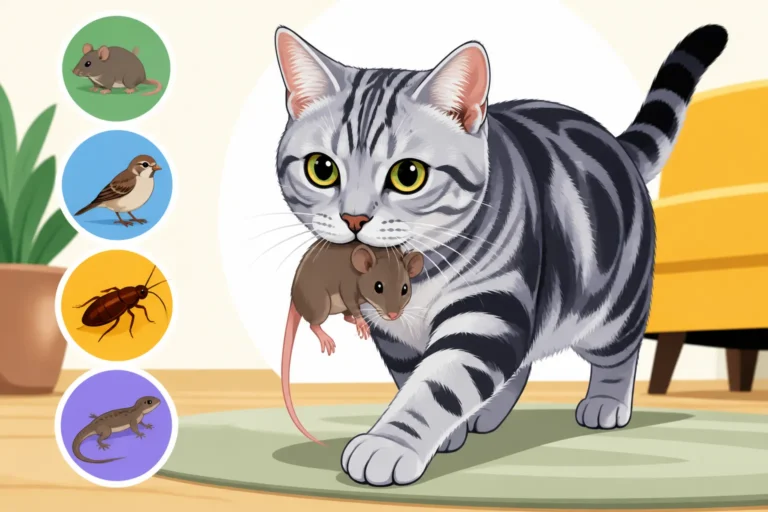
The American Shorthair’s ancestors weren't bred for laps and cuddles in confined spaces; they were working cats, earning their keep on farms, ships, and in homes across the continent. Their job was to hunt rodents, a solitary pursuit that forged a strong sense of independence and territoriality. They operated alone, carving out their own hunting grounds and defending them. This deep-seated instinct for self-reliance means that while they can be incredibly affectionate with their chosen humans, their default setting isn't necessarily to welcome another feline into what they perceive as their space.
Think about it: a solo hunter needs to protect its resources – its hunting patch, its safe sleeping spots. This isn't aggression for aggression's sake; it's survival. Even generations removed from barn life, this genetic blueprint subtly influences how today's American Shorthair views its home. They're often calm and adaptable, yes, but they still possess that quiet, confident sense of ownership over their environment. It’s part of Whether a Landrace Origin Explains the American Shorthair's Health, contributing to their robust nature and also their distinct behavioral patterns.
Defining "Territory" from a Cat's Perspective
For a cat, "territory" isn't just the square footage of your house. It's a complex, multi-layered concept that includes everything vital to their well-being. This invisible map includes primary spaces like their favorite napping spots on the sofa or a high cat tree, strategic pathways they use to patrol, and access to crucial resources.
Specifically, a cat's territory encompasses:
- Food and Water Bowls: These are intensely personal.
- Litter Boxes: A clean, accessible toilet is non-negotiable.
- Sleeping Areas: Safe, comfortable spots where they can truly relax.
- Scratching Posts: Essential for scent marking and claw conditioning.
- Observation Perches: High vantage points that allow them to survey their domain.
- Play Zones: Areas where they engage in their "hunt" simulations.
When you bring a new cat into this established environment, your resident American Shorthair isn't just seeing another cat; they're seeing a potential competitor for every single one of these vital resources. They don't have human concepts of sharing or equality; they understand perceived threats to their survival and comfort.
The Concept of a "Shared" Territory
So, how do two American Shorthairs, with their independent streak, manage to live together peacefully? It's rarely about communal living in the human sense. Instead, it's about negotiated, overlapping boundaries. They don't necessarily become best friends sharing a single bed (though some incredibly tolerant pairs might!), but rather learn to exist side-by-side by establishing individual "shifts" or "zones" within the larger household.
One cat might "own" the living room in the mornings, while the other prefers the bedroom, then they might swap. Or one might claim the top of the cat tree, while the other prefers a cozy bed underneath. It’s a dynamic negotiation process, constantly shifting and evolving as they establish routines and understand each other's preferences. Success lies in providing ample opportunities for these individual territories to exist, overlap, and function without constant friction. This adaptability is one reason Why an American Shorthair Suits a First Time Owner, as their self-sufficient nature means they're not always looking for intense, constant interaction with humans or other pets.
Key Factors Influencing Coexistence: From Personality to Preparation
The good news is that while American Shorthairs are territorial, they are also generally laid-back and adaptable. Their ability to either split territory or fight for it largely depends on a few critical factors, many of which are within your control.
Individual Personalities and Temperament
Just like people, every American Shorthair is an individual. You might have one who is incredibly calm and unflappable, willing to tolerate a lot before getting upset. This cat might be more amenable to sharing its space. On the other hand, you could have a highly dominant, insecure, or anxious American Shorthair who sees any new feline as a direct threat. These personality quirks are often deeply ingrained.
- Age: Younger cats, especially kittens, tend to be more adaptable and less set in their ways than older, established cats. However, a boisterous kitten can also overwhelm a senior cat.
- Sex: Sometimes, same-sex pairings, particularly two unneutered males, can lead to more intense territorial disputes. Neutering both cats drastically reduces hormonal-driven aggression.
- Past Experiences: A rescue American Shorthair that had negative experiences with other cats might be more wary or aggressive. Similarly, a cat that grew up with siblings or other cats might be more socially adept.
Observing your current cat's general demeanor – how they react to visitors, new objects, or changes in routine – can give you a clue about their potential openness to a new feline housemate. Why a Farm Bred American Shorthair's Tolerance Suits a House With Children offers insight into their general ability to adapt to varying home environments.
Resource Allocation and Management
This cannot be stressed enough: insufficient resources are the number one cause of conflict in multi-cat households. Cats don't share naturally when it comes to essentials. Imagine if you had to share your toothbrush or toilet with a stranger – not ideal, right? Cats feel the same way about their litter box, food, and prime sleeping spots.
The golden rule for preventing resource-driven conflicts is the "number of cats + 1" rule for most essentials.
- Litter Boxes: If you have two American Shorthairs, aim for at least three litter boxes, spread out in different, quiet locations. This prevents one cat from guarding access to the only box. How Many Litter Boxes an American Shorthair Needs delves deeper into this.
- Food and Water Bowls: Have separate feeding stations. Ideally, feed them in different rooms or at opposite ends of a large room so they don't feel pressured or have to compete. Consider having multiple water bowls throughout the house, or even a water fountain.
- Sleeping Spots: Provide plenty of cozy beds, blankets, and quiet nooks.
- Scratching Posts: Have several, of varying materials and heights, in different areas.
When I needed extra scratching posts and puzzle feeders for my two, I found a fantastic selection on Amazon that offered different textures and heights, which helped immensely in letting them both mark their territories without overlap.
The Importance of Gradual Introductions
Rushing an introduction is almost guaranteed to lead to friction, fear, or even outright fighting. Cats need time to adjust to each other's presence, primarily through scent, before they even lay eyes on one another. Patience is not just a virtue here; it's a necessity.
A slow, controlled introduction process typically involves:
- Confinement: The new cat starts in its own "safe room" with all its resources.
- Scent Swapping: Exchanging blankets or rubbing a cloth on one cat and letting the other smell it. This allows them to get used to each other's scent without direct contact.
- Visual Access (Gradual): Using a baby gate or screen door to allow them to see each other from a distance while still feeling safe.
- Supervised, Short Meetings: Brief, positive interactions where they are distracted with treats or play.
This step-by-step approach minimizes stress and allows them to build positive associations with each other's presence. My post on How to Introduce an American Shorthair Without a Territory Fight gives a full breakdown of this crucial process. Don't skip steps, no matter how keen you are for them to be friends!
Strategies for Fostering Peaceful Coexistence
Once you understand the underlying factors, you can actively implement strategies to encourage your American Shorthairs to split territory rather than engage in constant power struggles. It’s all about making their shared world feel abundant and safe.
Creating Abundant Resources and Vertical Spaces
Cats feel safest and most secure when they have options and high ground. Since American Shorthairs were historically adept hunters and climbers, offering them ample vertical space taps into their natural instincts and helps alleviate territorial tension.
- Cat Trees and Condos: Invest in at least one large, sturdy cat tree, ideally two, if space permits. Place them near windows or in central areas. These act as observation posts and safe havens. I’ve found some of the most robust and stable cat trees, perfect for a muscular American Shorthair, on Amazon.
- Wall Shelves and Perches: Consider installing cat shelves or window perches. The more elevated resting and viewing spots available, the less likely cats are to fight over the "best" spot.
- Multiple Hiding Spots: Ensure each cat has several places where they can retreat and feel completely undisturbed, such as cat beds in quiet corners, open carriers, or even cardboard boxes. How Much Vertical Space an American Shorthair Needs gives more ideas for making the most of your space.
- Spreading Out Essentials: As mentioned, don't clump all resources together. Disperse food, water, and litter boxes across different rooms and levels of your home. This prevents one cat from "guarding" all the necessities.
Scent Swapping and Familiarity Building
Before your American Shorthairs even meet face-to-face, scent is their primary mode of communication. Familiarizing them with each other's scent can make the actual introduction much smoother.
- Rubbing and Swapping: Gently rub a clean cloth on each cat’s cheeks and head (where their scent glands are located). Then, swap the cloths, allowing each cat to investigate the other’s scent at their own pace. You can also swap bedding or toys.
- Pheromone Diffusers: Consider using feline pheromone diffusers in the areas where the cats will eventually interact. These can help create a calming environment and reduce stress, signaling that the space is safe and familiar.
- Parallel Feeding: Once scent swapping has progressed, try feeding them on opposite sides of a closed door. This creates a positive association (food) with the other cat's scent and presence. Gradually, you can move the bowls closer and eventually use a baby gate or screen.
The goal is to move from "strange, threatening scent" to "familiar, non-threatening scent" before moving to visual contact.
Positive Reinforcement and Play
When you do begin supervised interactions, make them overwhelmingly positive experiences. This helps both American Shorthairs associate each other with good things.
- Treats Galore: Whenever the cats are in the same vicinity, even if separated by a gate, offer high-value treats. This reinforces the idea that the other cat's presence equals rewards.
- Interactive Play: Use wand toys or other interactive toys to engage both cats in play simultaneously during supervised sessions. This simulates their hunting instinct in a fun, shared activity and can help diffuse tension. Remember that Which Wand Toy Reads as Prey to an American Shorthair can encourage this behavior.
- Avoid Forced Interaction: Never force your cats to interact if they seem stressed. If you see signs of tension, end the session calmly and try again later. It's better to have many short, positive interactions than one long, stressful one.
Recognizing and Managing Conflict
Even with the best intentions, some level of tension might occur. It's crucial to distinguish between normal feline posturing and genuine fighting.
- Subtle Signs of Tension: These include direct staring, stiff body language, flattened ears, a low growl or hiss, slow tail swishing (like a snake), blocking access to resources, or one cat attempting to "herd" the other.
- Outright Fighting: This involves swatting with claws, biting, loud hissing and screaming, fur flying, and chasing. This requires immediate, but calm, intervention.
How to Intervene:
- Never use your hands: You could get badly scratched or bitten.
- Distract them: Make a loud noise (clap your hands, bang two pans together), spray water (a gentle mist, not a blast), or throw a pillow nearby.
- Separate them: Once distracted, guide them into separate rooms to cool down.
- Re-evaluate: If fighting occurs, you've likely moved too fast. Go back a step or two in the introduction process.
Remember, a stoic American Shorthair might hide its discomfort for a while. Pay close attention to subtle cues. How an American Shorthair Grieves or When an Already Quiet American Shorthair Has Gone Too Quiet speak to their tendency to internalize feelings, making observation even more critical.
Long-Term Harmony: Beyond the Initial Introduction
A successful introduction is just the beginning. Maintaining a peaceful multi-cat household requires ongoing attention to their needs and a commitment to their enrichment.
Maintaining Separate Spaces and Routines
Even when your American Shorthairs are comfortably coexisting, it’s beneficial to maintain some level of individual space and routine, especially around high-value resources.
- Designated Feeding Spots: Continue to feed them in separate, quiet areas if possible. This eliminates any potential food aggression or stress during meal times.
- Personal Retreats: Ensure each cat still has a "safe zone" – a room, a high perch, or a cozy bed – where they can go to be completely alone when they desire. This respects their independent nature.
- Individual Playtime: While shared play is great, also ensure you spend one-on-one quality time with each cat. This reinforces your bond with them individually and ensures neither feels neglected or displaced by the other. A good ten to fifteen minutes of focused interactive play with a wand toy can satisfy their hunting instincts.
This approach acknowledges that American Shorthairs are typically Why a Working Bred American Shorthair Sits Beside You Rather Than On You rather than lap cats, and they value their individual space.
Continued Enrichment and Mental Stimulation
An American Shorthair that is bored, under-stimulated, or frustrated can quickly develop behavioral problems, including territorial aggression. Keeping them physically and mentally active is vital for long-term harmony.
- Regular Play Sessions: Continue daily interactive play sessions with wand toys that mimic hunting. Allowing them to "catch" the toy at the end of the session is crucial for completing their prey drive sequence.
- Puzzle Feeders: These are fantastic for making cats "work" for their food, tapping into their natural foraging instincts. You can find a wide variety of engaging puzzle feeders on Amazon. Whether a Puzzle Feeder Satisfies an American Shorthair explains why these are so important.
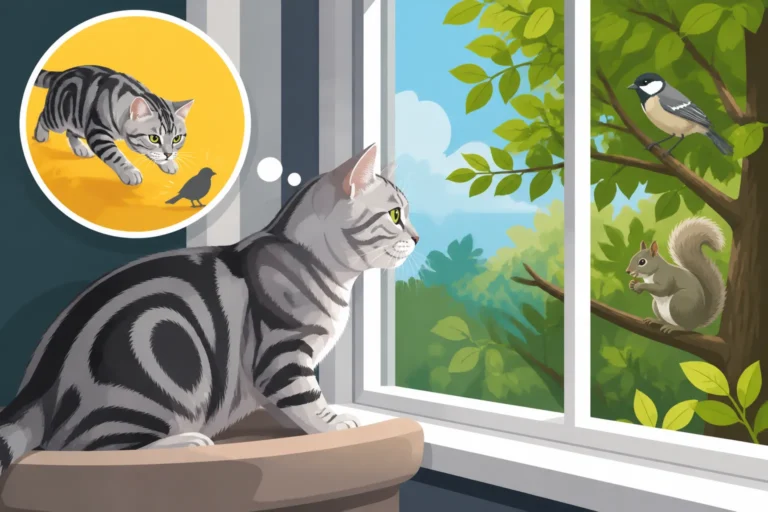
- Window Perches: Give them access to stimulating outdoor views (safely indoors, of course!). A bird feeder outside a window can provide hours of entertainment.
- Rotation of Toys: Keep a variety of toys and rotate them regularly to maintain interest.
- Safe Outdoor Access (if applicable): If you decide to allow supervised outdoor access in a secure catio, it can provide immense enrichment. However, remember The Risks an Outdoor American Shorthair Takes That an Indoor One Does Not.
A well-exercised and mentally engaged American Shorthair is a happy American Shorthair, and less likely to pick fights out of boredom or pent-up energy. What an Indoor American Shorthair Does With a Mouser's Instinct shows how vital this is.
When to Seek Professional Help
Despite all your best efforts, sometimes two cats simply don't mesh perfectly. If you observe persistent, escalating aggression, fear, or anxiety in either cat, it might be time to call in a professional.
- Certified Cat Behaviorist: A qualified cat behaviorist can assess your specific situation, observe the cats' interactions, and provide a tailored plan. They can help identify underlying issues and suggest advanced strategies.
- Veterinary Check-up: Rule out any medical causes for behavioral changes. Pain or illness can make a cat irritable and prone to aggression. Why a Withdrawn American Shorthair Should See a Vet is always good advice when behavior changes.
- Realistic Expectations: Sometimes, the best you can hope for is peaceful coexistence, where the cats tolerate each other's presence but aren't necessarily cuddling companions. That's perfectly okay.
Ultimately, your goal is a home where both your American Shorthairs feel safe, secure, and loved. With patience, understanding, and the right environment, you can absolutely achieve a home where they carve out their own territories and live harmoniously, if not as the closest of friends, then as respectful housemates.
Disclaimer
This article is for general informational purposes only and does not constitute professional advice. Laws, prices and regulations vary by location and change over time. Consult a qualified professional for guidance on your specific situation.