Why a Barn Bred American Shorthair Was Raised Alongside Dogs
It’s a common frustration for many cat lovers: the age-old perception that cats and dogs are natural enemies, making a peaceful multi-pet household feel like an impossible dream. However, for those captivated by the American Shorthair, this historic tension is often a non-issue. Thanks to centuries of development in working environments, a barn-bred American Shorthair was specifically raised alongside dogs, fostering a remarkable tolerance and even companionship that many other breeds lack.
The Shared History of Cats and Dogs in Working Environments
For centuries, before cats became the pampered indoor companions we often know today, their role was primarily functional. They were essential workers, controlling rodent populations wherever humans stored food—be it on ships, in granaries, or in the very barns and farmhouses that dotted the American landscape. In these environments, dogs also had crucial jobs, guarding livestock, herding, and protecting the property from larger predators. Their paths were constantly crossing, and survival often depended on a certain level of peaceful co-existence.
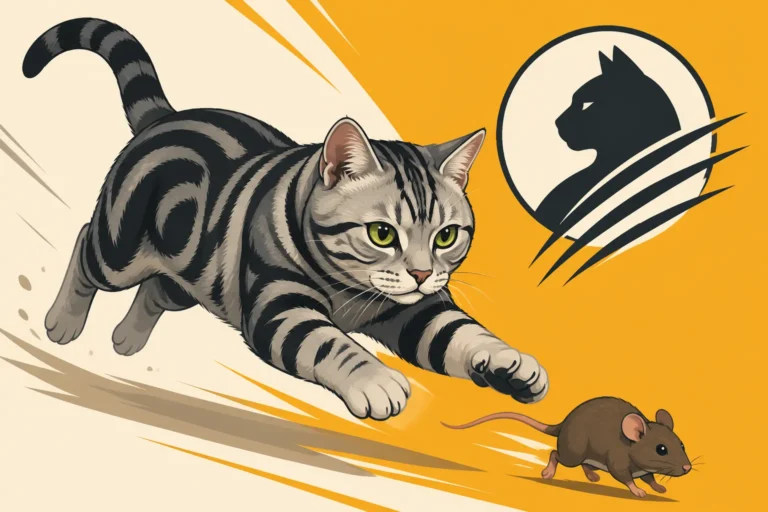
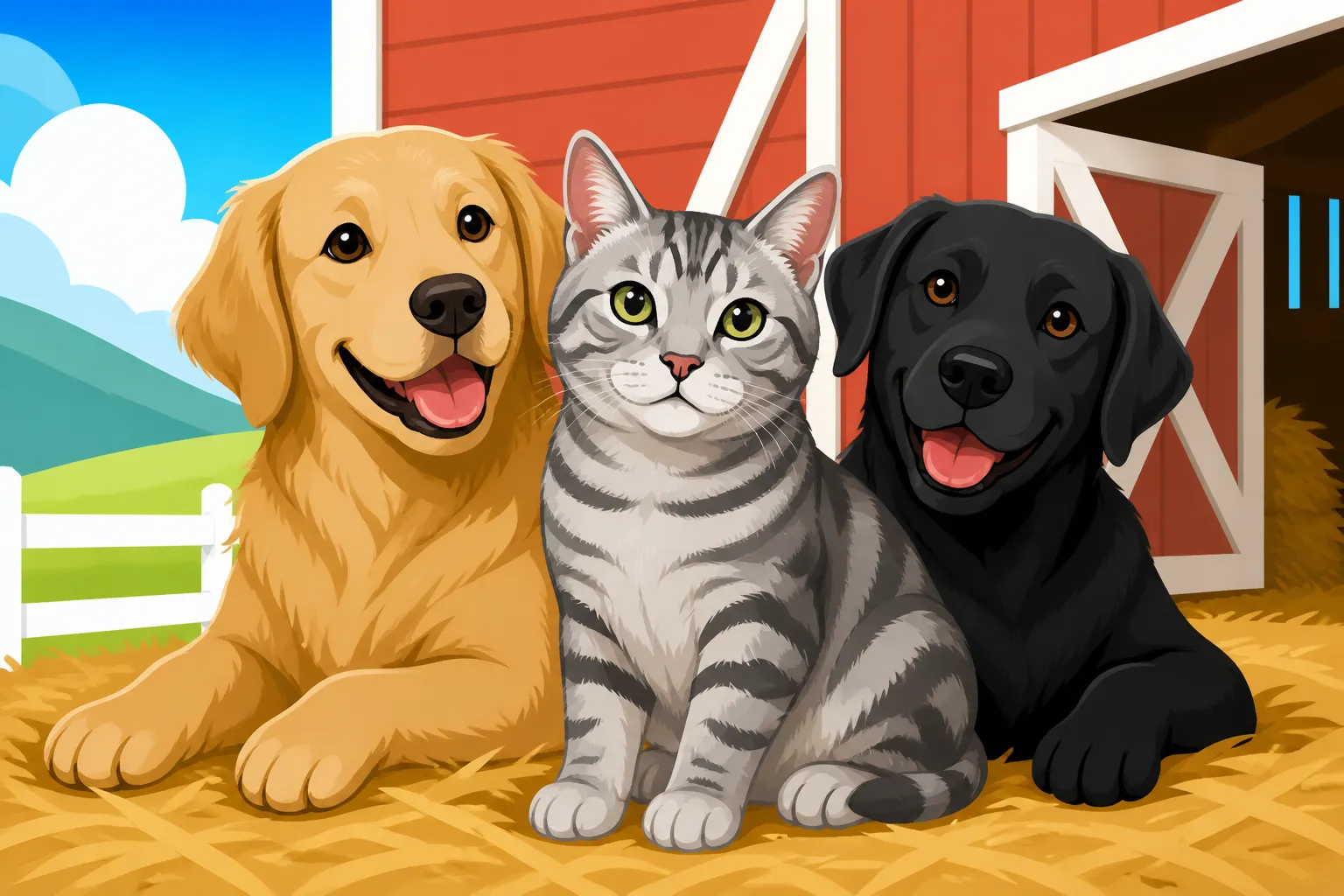
Imagine a bustling farmyard: the farmer's loyal dog patrolling the perimeter, keeping watch, and the swift, silent cat weaving through the hay bales, hunting mice. Both animals were indispensable, and neither had the luxury of picking fights with the other. Their shared purpose, though different in execution, ultimately aligned with the human inhabitants' needs, creating an unspoken understanding. This wasn't about friendship in the modern sense, but about a practical, often grudging, respect born of necessity.
Shared Territory, Shared Purpose
In the rustic settings of early American farms, space was shared, and resources were often limited. A barn cat wasn't a solitary creature roaming miles of untouched wilderness; its territory was defined by the barn, the farmhouse, and the immediate surrounding fields where it found its prey. Dogs, too, considered the farm their domain. For both species to thrive, they had to learn to navigate each other's presence without constant conflict.
The common enemy, pests like rats and mice, often served as a powerful unifier. While dogs rarely hunted these smaller rodents with the same predatory finesse as cats, their presence could certainly deter them. A dog's bark might flush out a rat that a cat could then dispatch, or a cat's persistent hunting could keep vermin away from the dog's food bowl. This synergistic relationship meant that, rather than competing, they were often inadvertently supporting each other's roles in maintaining a healthy farm environment. It was a functional coexistence, a truce declared for the greater good of a pest-free farm.
Natural Selection and Tolerance
Over generations, this constant exposure to dogs in a shared working environment naturally selected for a more tolerant temperament in the ancestral American Shorthair. Cats that were overly aggressive or fearful towards dogs would have faced more stress, potentially leading to lower survival rates for themselves or their kittens. Conversely, those that could ignore, tolerate, or even form a neutral association with the farm dogs would have been more successful at their job of pest control and, ultimately, at reproducing.
This isn't to say every barn cat was best friends with every dog. Far from it. But the instinct to see a dog as an immediate threat was significantly diminished compared to a purely wild feline. The ancestors of the American Shorthair learned that the big, barking creature often meant no harm, or at least, that engaging in conflict was more trouble than it was worth. This evolutionary pressure carved out a unique psychological profile, laying the groundwork for the breed's famously placid and adaptable nature, especially around other species.
Inherent Temperamental Traits of the American Shorthair
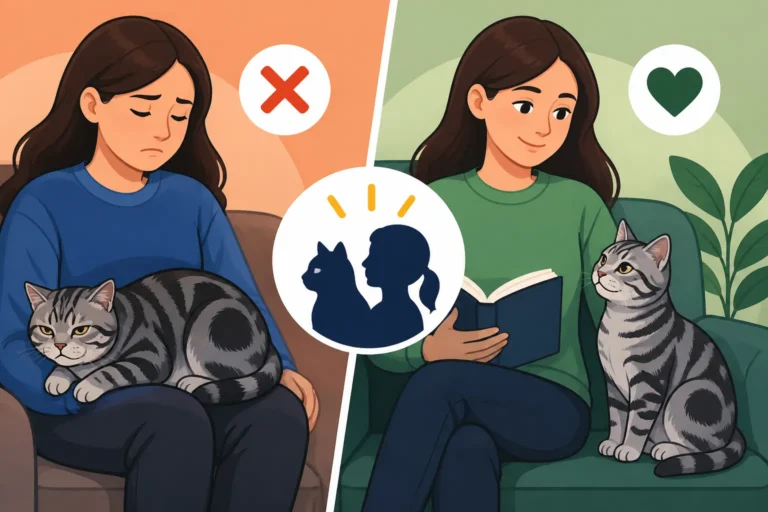
Beyond their historical context, the American Shorthair possesses intrinsic personality traits that make them particularly well-suited to co-existing with dogs. They are not a breed prone to dramatics or excessive neediness; instead, they embody a quiet self-possession that often allows them to seamlessly integrate into various household dynamics, including those with canine residents. This innate calm is a huge advantage.
Their temperament is a testament to their roots as utilitarian animals. They were bred for effectiveness and resilience, not for delicate sensibilities. This means they tend to be less reactive, more observant, and generally unbothered by the hustle and bustle that might send a more high-strung breed scrambling for cover. These traits, refined over many generations, contribute significantly to their ability to tolerate, and even enjoy, the company of dogs. Why an American Shorthair Fits Any Household delves deeper into their adaptable nature.
The Self-Sufficient Hunter
The American Shorthair's core identity as a skilled hunter meant they were never truly reliant on humans for emotional validation or constant companionship in the same way some modern breeds might be. They were capable, independent problem-solvers. This self-sufficiency translates into their interactions with other animals, including dogs. They don't typically seek out conflict, but they also don't constantly demand attention or space, which can often be a flashpoint in multi-pet homes.
A self-sufficient cat is less likely to feel threatened by a dog's playful boisterousness or its attempts to engage. Instead, the American Shorthair might simply observe, retreat to a higher perch if overwhelmed, or even calmly walk away. Their confidence in their own abilities and space means they don't feel the desperate need to assert dominance or control, which often leads to squabbles between pets. They know their worth, and they're usually content to simply be, even when a dog is nearby.
Placid and Observant Nature
One of the most defining characteristics of the American Shorthair is its placid and observant nature. They are often described as easygoing, mellow, and unflappable. This isn't a cat that panics easily or overreacts to new stimuli. Instead, they prefer to assess a situation from a safe distance, making calculated decisions rather than impulsive ones. This careful approach is incredibly beneficial when introducing or managing interactions with dogs.
When a new dog enters the scene, or even when an existing canine companion gets a burst of energy, an American Shorthair is more likely to watch first. They’ll take in the dog's body language, sounds, and movements before deciding on their own response. This calm observation prevents many potential misunderstandings or defensive reactions that could escalate into full-blown conflict. They choose their moments, often opting for peaceful co-existence over confrontation, making them an ideal feline housemate for almost any dog. An American Shorthair With Children, Dogs and Noise further illustrates their calm demeanor in busy environments.
Early Socialization in a Working Environment
The foundation of the American Shorthair's dog tolerance lies significantly in the unique socialization experiences of their ancestors. Kittens born and raised in a barn weren't introduced to dogs; they simply grew up with them as an undeniable, ever-present part of their world. This early, consistent exposure from the moment their eyes opened shaped their understanding of dogs not as predators or rivals, but as fellow inhabitants of their shared territory.
This isn't the same as an intentional, carefully managed introduction of a kitten to a dog in a modern home. This was organic, constant, and survival-driven. The world a barn kitten knew included the sounds, smells, and sights of dogs, alongside horses, cows, chickens, and humans. It was a rich tapestry of different species, and learning to navigate it peacefully was simply part of growing up.
Early Exposure to Canine Companions
Imagine a litter of American Shorthair kittens nestled in a hayloft. Below them, a farm dog might be curled up, or a working dog might pass by multiple times a day. From their earliest days, these kittens would have heard barks, smelled canine scents, and perhaps even seen the dogs from a distance. As they grew and became more mobile, they would have had direct, albeit often supervised by their mother, exposure to the farm dogs. This constant, non-threatening presence normalized dogs for them.
This wasn't always a cuddly, interspecies friendship from day one. It was more about quiet acclimation. The kittens learned quickly what behaviors were acceptable from the dogs and which ones meant to keep a respectful distance. They saw their mothers and other adult cats navigating these interactions successfully, teaching them by example that dogs were just another part of the barn ecosystem. This early, sustained exposure, devoid of fear-inducing confrontations, ingrained a deep-seated acceptance of dogs that persists in the breed today.
Learning Boundaries from a Young Age
Crucially, barn life taught both cats and dogs very clear boundaries. Farm dogs, generally working breeds themselves, were typically well-trained and understood their roles. They weren't usually allowed to harass or chase the cats, as a good working cat was too valuable to antagonize. Similarly, the cats learned not to provoke the dogs. There was an unwritten code of conduct, enforced by the practical needs of the farm.
Kittens observed these interactions and quickly learned the unspoken rules: where a cat could safely walk, which dog to avoid if it was feeling grumpy, and when to simply ignore canine presence. This wasn't training in a formal sense, but an experiential education in co-existence. They understood that a dog's sudden bark wasn't necessarily a declaration of war, but perhaps just a warning to something else, or a response to a human. This deeply embedded understanding of interspecies boundaries makes American Shorthairs remarkably good at respecting a dog's space while still maintaining their own. This is explored further in How a Farm Bred American Shorthair Sizes Up a New Dog.
Differences from Modern, Human-Centric Breeding
Many modern cat breeds have been developed primarily for companionship, often with a focus on specific aesthetic traits or personality quirks that make them ideal lap cats or indoor-only pets. This intense focus on human interaction, while lovely for owners, can sometimes create cats that are less adaptable to other pets, especially dogs. The American Shorthair, however, diverges significantly from this trend due to its practical origins.
Its breeding history was about utility and resilience, not about creating a cuddly show cat (though they certainly can be affectionate!). This fundamental difference in selective pressure means the American Shorthair developed a toolkit of behaviors and an intrinsic temperament that facilitates multi-species living, a far cry from breeds specifically selected to be solely "human cats." Their journey contrasts sharply with many breeds whose lineage is almost entirely about refining specific looks or personalities for a pampered life.
Bred for Function, Not Exclusivity
The primary "function" of the ancestral American Shorthair was pest control. A successful barn cat was one that kept the rodent population down, was healthy, self-sufficient, and could navigate the complex social landscape of a farm. Being exclusively devoted to one human or intolerant of other species would have been detrimental to this purpose. Breeders, in the early days, selected for robustness, intelligence, and an even temperament – traits that allowed the cat to do its job effectively, regardless of what other animals were around.
This means the American Shorthair was never intended to be an exclusive companion. It was a working partner, capable of integrating into a busy, multi-species environment without demanding constant individual attention or becoming agitated by the presence of others. This historical mandate for functionality over exclusivity is why they often adapt so gracefully to homes that include dogs, children, and other pets, making them a wonderfully versatile companion. Why an American Shorthair Was Never Bred to Need You offers more insight into their independent spirit.
The Lack of "Prey Drive" for Dogs
A common issue when introducing cats and dogs is the dog's natural prey drive being triggered by the cat's quick movements, or conversely, the cat seeing the dog as a large, threatening predator. With the barn-bred American Shorthair, this dynamic is often minimized. They learned early on that dogs were not prey, nor were they typically direct threats. This isn't to say all prey drive is absent in a dog, but the specific trigger of a "cat running away" might be less potent for a cat that routinely co-existed with dogs.
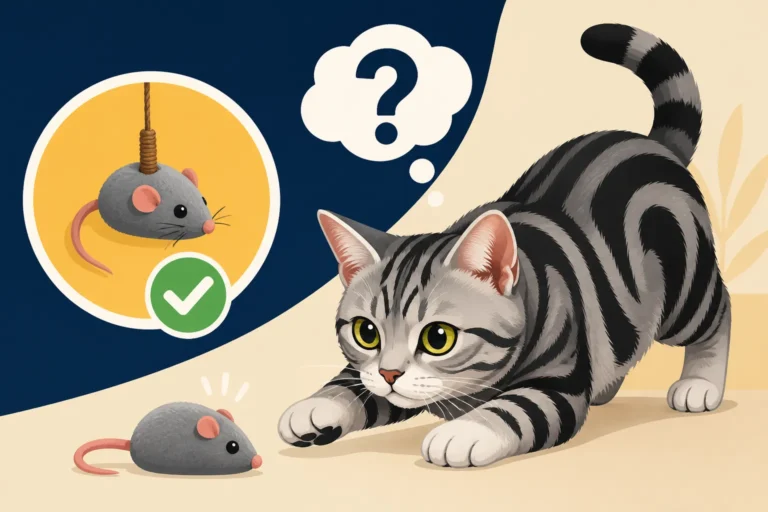
Cats that viewed dogs purely as predators or competition would not have thrived in a barn setting. The ancestral American Shorthair developed a sophisticated understanding of canine body language, distinguishing between genuine threat and playful antics. They learned to avoid confrontation, but also not to instigate it by panicking and fleeing in a way that would trigger a chase response. This nuanced understanding, honed over centuries, gives them an invaluable edge in forming peaceful relationships with dogs today. A good interactive toy from Amazon can help redirect any latent prey drive onto appropriate outlets if a dog is too interested.
Modern Implications for American Shorthair Owners
Understanding the historical context of the American Shorthair’s upbringing alongside dogs offers incredible reassurance and practical guidance for contemporary owners. It means that bringing an American Shorthair into a home with dogs isn't embarking on an uphill battle against nature; rather, you're often working with a cat whose very DNA has been shaped by such cohabitation. This makes the process generally smoother and more successful than with many other breeds.
Their inherent tolerance and calm disposition are gifts from their barn-dwelling ancestors, making them a fantastic choice for multi-pet households. However, even with this genetic predisposition, thoughtful introduction and ongoing management are key to fostering a truly harmonious home.
Introducing an American Shorthair to a Dog
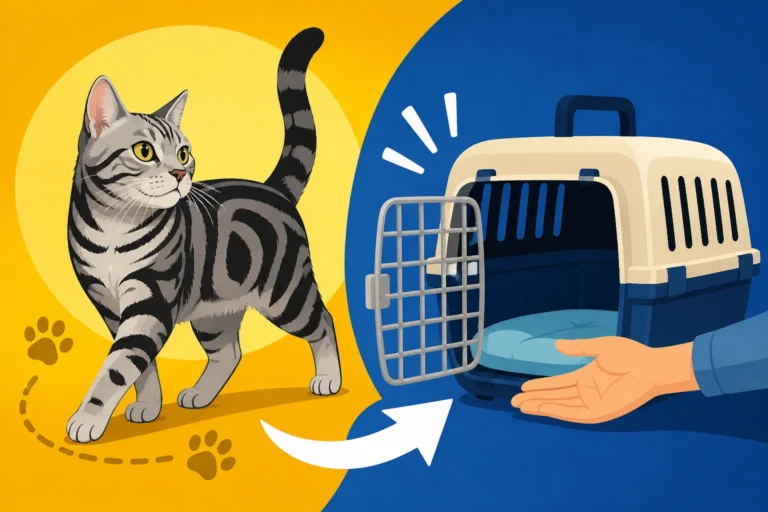
Even with a naturally tolerant breed like the American Shorthair, introductions to dogs should always be gradual and positive. Remember, while their ancestors coexisted, it wasn't always instant best friends. The goal is to build a positive association. Start with scent swapping, allowing each animal to get used to the other's smell. Then, move to visual introductions through a barrier, like a baby gate or crate, where they can see each other without direct contact.
Short, supervised meetings with both animals on leash (if appropriate for the dog) are crucial. Always provide high escape routes and hiding spots for your American Shorthair, should they feel overwhelmed. Reward calm behavior from both pets with treats, praise, or a favorite new toy from Amazon. Never force interaction, and always end sessions on a positive note. The American Shorthair's placid nature means they are less likely to initiate conflict, but they need to feel safe and in control of their environment. How to Introduce an American Shorthair Without a Territory Fight gives more detailed advice on this process.
Here's a quick comparison of introduction methods:
| Method | Description | Pros | Cons |
|---|---|---|---|
| Scent Swapping | Exchange blankets, bedding, or toys between pets. | Low-stress, allows pets to acclimate to scent gradually. | No visual interaction, may not be enough for some animals. |
| Visual Barrier | Use a baby gate or screen to allow pets to see each other. | Safe visual introduction, prevents direct confrontation. | Can still cause stress if one pet reacts strongly; supervision required. |
| Supervised Meetings | Short, controlled interactions with both pets present (leashed dog). | Allows direct interaction under control, facilitates positive reinforcement. | Requires active supervision, risks negative encounters if not managed well. |
| Parallel Play | Engage each pet separately in the same room, without forcing interaction. | Promotes calm coexistence, shows pets they can enjoy activities near each other. | Can be challenging if one pet is overly focused on the other. |
Fostering Harmony in a Multi-Pet Home
Once your American Shorthair and dog have successfully navigated initial introductions, maintaining harmony is about consistent management and understanding their individual needs. Ensure each animal has its own dedicated space for eating, sleeping, and quiet time. For cats, this often means vertical spaces like cat trees or shelves, easily found on Amazon, where they can survey their domain from a safe height.
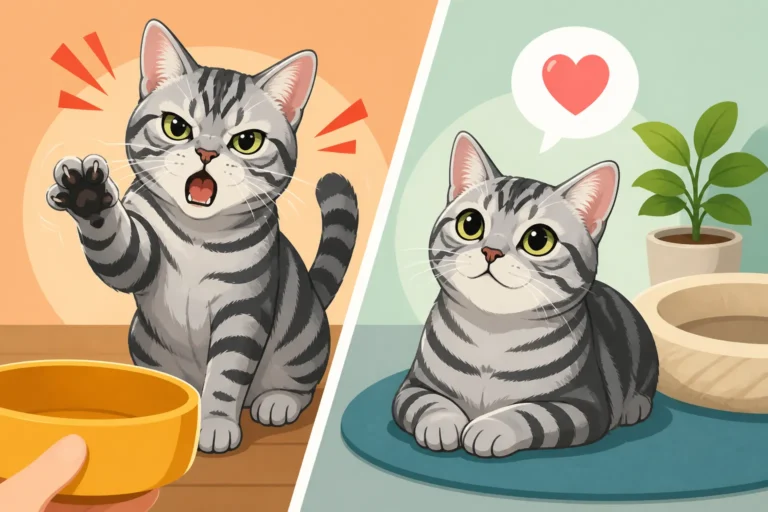
Provide plenty of individual attention to both pets, so neither feels neglected or jealous. Continue to reinforce positive interactions and intervene gently if any tension arises. The American Shorthair's historical independence means they generally don't mind dogs being dogs, as long as their personal boundaries and routines are respected. Their calm demeanor makes them a fantastic anchor for a peaceful multi-species home, a testament to their long history of coexisting.
Disclaimer
This article is for general informational purposes only and does not constitute professional advice. Laws, prices and regulations vary by location and change over time. Consult a qualified professional for guidance on your specific situation.