How Much Vertical Space an American Shorthair Needs
One common frustration for American Shorthair owners, especially those with indoor cats, is seeing their otherwise calm and collected felines pacing restlessly, staring intently at the top of a bookshelf, or even batting at light fixtures. It's easy to assume they're just being silly, but often, it's a clear signal that they're missing something vital in their environment: vertical space. This comprehensive guide will help you understand why vertical territory is so crucial for your American Shorthair's physical and mental well-being, and how to effectively incorporate it into your home.
Understanding the American Shorthair's Innate Need for Height
Even though our beloved American Shorthairs now live comfortably indoors, far from their seafaring and farm-mousing ancestors, they retain powerful instincts. One of the strongest of these is the need to climb, perch, and observe from a vantage point. Providing ample vertical space isn't just a luxury; it's a fundamental part of fulfilling their natural behavioral repertoire.
The Instinctual Drive to Climb and Observe
Think about a wild cat – or even a savvy alley cat. They don't spend all their time on the ground. They're up in trees, on fences, or on top of sheds. This isn't just for fun; it's a survival mechanism. From a higher vantage point, a cat can survey its territory, spot potential prey, and identify threats long before they become an immediate danger. For your American Shorthair, this instinct translates into a strong desire to be elevated. They want to be able to look down on their domain, whether that's your living room or the kitchen. It gives them a sense of security and control. They might seem relaxed, lounging on a high shelf, but internally, their ancient instincts are being satisfied, making them feel safer and more content.
This urge to climb is deeply ingrained. You might notice your American Shorthair attempting to scale curtains, jump onto refrigerators, or find the highest spot on any piece of furniture. These aren't acts of naughtiness; they're expressions of a natural drive. When they're deprived of appropriate vertical outlets, this instinct can manifest in destructive behaviors, frustration, or even stress. A cat that can't get high enough might feel vulnerable, leading to anxiety, especially in multi-pet households or busy environments.
How Their Hunting Heritage Influences Vertical Preference
The American Shorthair's lineage is rooted in centuries of working as a formidable hunter of rodents, from the holds of ships to the barns of early American settlers. The American Shorthair Still Hunts, Whether You Want It To or Not. This history has hardwired them with behaviors that are perfectly suited to their original job. A key part of hunting is observation and ambush. What better place to observe potential "prey" (like a wandering dust bunny or a buzzing fly) than from above?
From a high perch, an American Shorthair can scan the room, track movement, and plan their next "hunt." It allows them to feel like the ultimate predator, even if their prey is just a toy mouse. What an Indoor American Shorthair Does With a Mouser's Instinct perfectly illustrates this. Without vertical opportunities, an indoor American Shorthair's hunting instincts can become stifled, leading to boredom and a lack of mental stimulation. They need to replicate that feeling of surveying their hunting grounds, even if those grounds are confined to your home. Consider how an American Shorthair often positions itself near a window; Why a Window Is a Hunting Post to an American Shorthair because it offers a wide view, much like a tree branch would in the wild.
Vertical Space as a Territorial Strategy
In a multi-cat household, or even just in a single-cat home where your American Shorthair shares space with humans or other pets, vertical territory becomes a crucial tool for managing their personal space and hierarchy. Cats are naturally territorial creatures, and one way they establish boundaries and reduce conflict is by utilizing different levels of a shared environment.
Imagine a scenario where two cats are vying for the same prime napping spot on the sofa. If there's no vertical alternative, this could lead to tension or even squabbles. However, if one cat can retreat to a tall cat tree or a high shelf, both cats can coexist peacefully, each feeling secure in their own chosen territory. The cat on the higher perch often feels more dominant and secure, while the cat on the lower level doesn't feel directly challenged. This concept is vital for maintaining harmony, especially when bringing new pets into the home. How to Introduce an American Shorthair Without a Territory Fight can be significantly easier if you've already established clear vertical territories for each cat.
Beyond multi-cat dynamics, vertical space also offers an American Shorthair a safe haven. If your home gets noisy, or if children or dogs are boisterous, a high perch provides an escape route, a place where your cat can feel safe and undisturbed. How an American Shorthair Handles Household Noise often involves finding a quiet, elevated retreat. It's their personal "safe room" where they can observe without being part of the fray, allowing them to relax and de-stress.
Essential Vertical Elements for Your American Shorthair's Home
Now that we understand why vertical space is so important, let's explore the practical ways you can incorporate it into your home. There are many options, from ready-made solutions to DIY projects, each offering unique benefits for your American Shorthair.
The Versatility of Cat Trees and Condos
Cat trees are often the first thing people think of when it comes to vertical enrichment, and for good reason! They are designed specifically for feline needs, offering multiple levels, scratching surfaces, and cozy hideaways. For a robust cat like the American Shorthair, who can weigh a good bit and has a strong, muscular build, choosing a sturdy, well-constructed cat tree is paramount. You don't want something flimsy that wobbles when they launch themselves onto the top perch. Look for models with wide bases and durable materials.
When selecting a cat tree, consider its height and features. A multi-level tree provides various vantage points, allowing your American Shorthair to choose their preferred elevation. Some trees come with built-in scratching posts (sisal rope is a favorite for many cats), which doubles as an appropriate outlet for their clawing instincts. Enclosed condos or cubbies within the tree offer a sense of security and a quiet place to nap. For larger American Shorthairs, ensure that platforms and cubbies are adequately sized for them to comfortably stretch out and turn around. You can find a vast array of options on sites like Amazon, from basic models to elaborate feline palaces. How Much an American Shorthair Climbs a Cat Tree depends a lot on its design and stability.
Innovative Wall-Mounted Shelves and Climbers
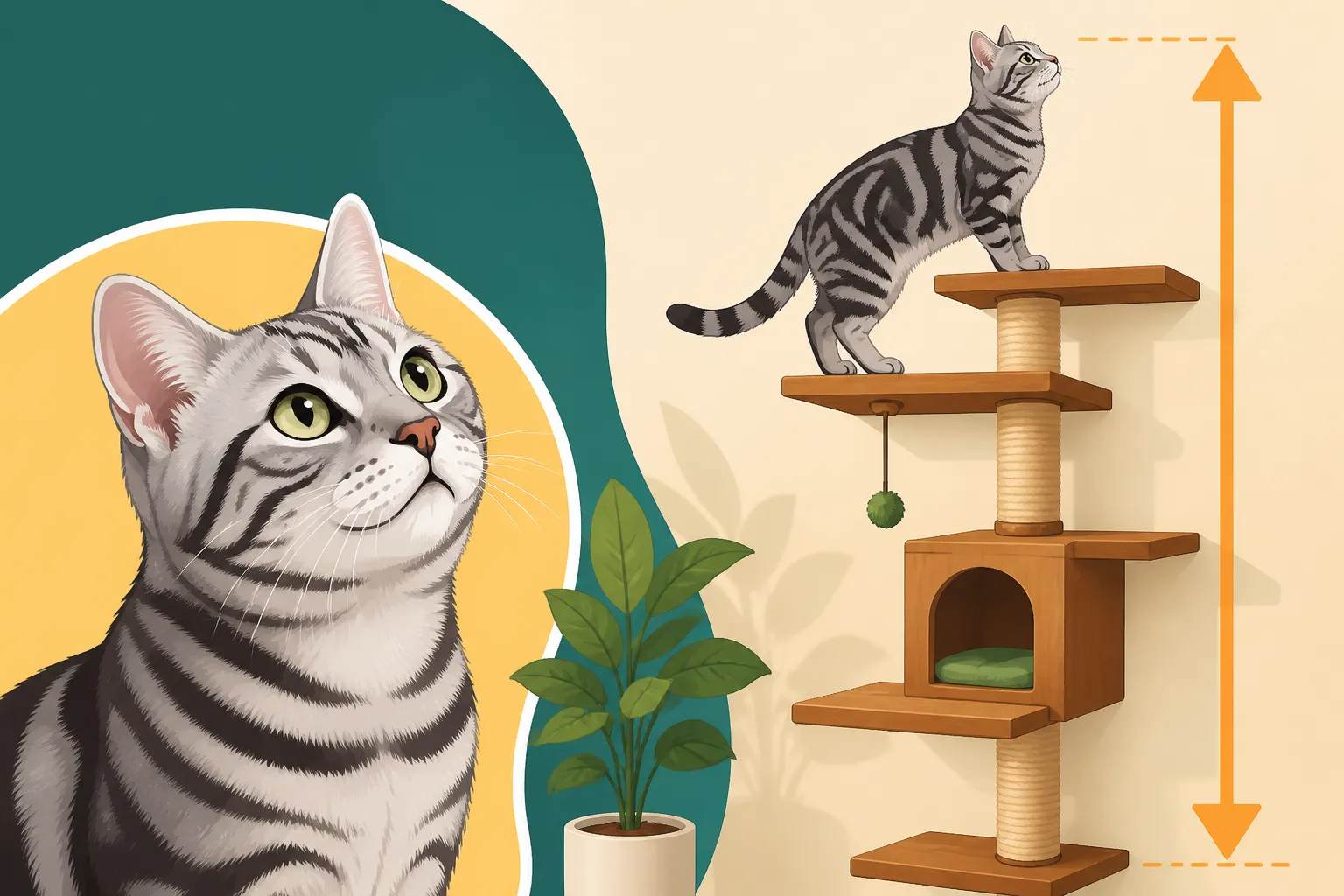
If you're short on floor space or prefer a more minimalist aesthetic, wall-mounted cat shelves and climbing structures are an excellent alternative. These can transform unused vertical wall space into an exciting aerial playground for your American Shorthair. Imagine a series of staggered shelves leading up to a cozy wall-mounted bed, or a climbing pole that allows them to scale new heights.
The beauty of wall-mounted options is their customization. You can design a climbing route that perfectly suits your cat's agility and your home's layout. Some systems include ramps, bridges, and even clear bubble perches for a unique viewing experience. When installing these, always prioritize safety: use sturdy anchors appropriate for your wall type, and ensure each shelf can easily support your American Shorthair's weight. Given that an adult American Shorthair can be quite substantial, especially a male, it's crucial these are securely fastened. What an American Shorthair Weighs at One and How Much Is Left is a good indicator of the weight capacity you need. Many pet supply stores and online retailers like Amazon offer modular wall systems that make it easy to create your own cat superhighway. Don't forget to place them strategically near windows or other areas of interest.
Simple Pleasures: Window Perches and Bookcases
Sometimes, the simplest solutions are the most effective. A sturdy window perch can become an instant favorite, offering your American Shorthair a front-row seat to the world outside. Birds, squirrels, passing cars, and rustling leaves provide endless entertainment and mental stimulation. These perches attach securely to your window sill, often with suction cups or brackets, providing a comfortable spot for your cat to nap in the sun or watch the "wilds" beyond the glass. Again, ensure it's robust enough for your American Shorthair's size and weight.
Beyond dedicated cat furniture, look around your home for existing vertical opportunities. Tall bookcases, shelving units, or even the tops of wardrobes can be repurposed as cat perches. Of course, this requires a bit of cat-proofing. Ensure that any shelves used are clear of breakable items, securely anchored to prevent tipping, and easily accessible for your American Shorthair. You might add a soft blanket or a small cat bed to make these spots more inviting. A well-placed step or ramp can help older cats access these higher areas without straining themselves. These informal perches can be particularly appealing to an American Shorthair, offering diverse observation points and contributing to their sense of command over their territory.
Tailoring Vertical Solutions to Your Cat's Unique Life Stage and Temperament
Just as humans have different needs throughout their lives, so do our feline companions. What works for a playful kitten might not be ideal for a senior cat, and vice versa. Understanding your American Shorthair's specific stage of life and personality will help you provide the most appropriate vertical enrichment.
Kittens and Energetic Adults: Encouraging Exploration
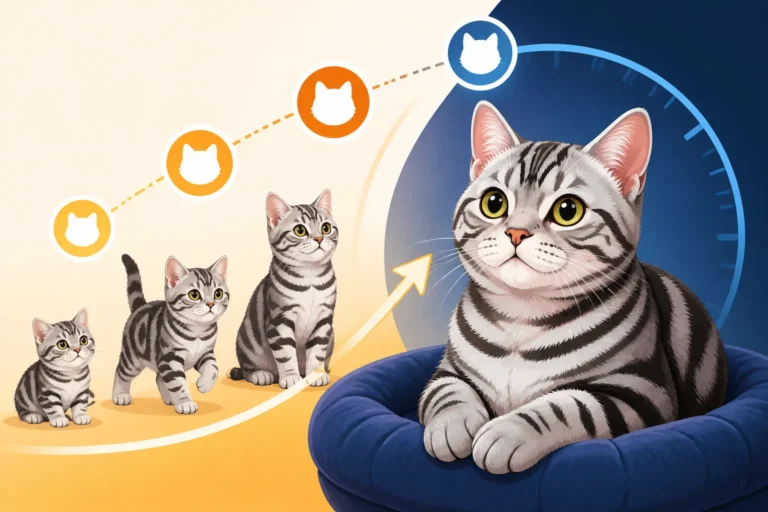
Young American Shorthair kittens are bundles of boundless energy, driven by curiosity and an innate desire to explore. For them, vertical space isn't just about observation; it's about exercise, developing coordination, and engaging their hunting instincts through play. Providing a variety of climbing opportunities, such as multi-level cat trees with ropes, dangling toys, and multiple scratching surfaces, will keep them entertained and help them burn off that youthful exuberance.
As they mature into energetic adults, American Shorthairs still need plenty of opportunities for vertical activity. They are strong, agile, and enjoy a good climb. Consider structures that allow for full-body stretches, vigorous scratching, and powerful leaps. Wall-mounted shelves that require a bit of acrobatic prowess, or a tall cat tree with challenging climbing routes, can keep their muscles toned and their minds sharp. Regularly engaging them with wand toys that mimic prey flying high can encourage them to utilize their vertical spaces for active play. How Many Hunts a Day an Indoor American Shorthair Needs is often more than we realize, and vertical play can satisfy several of these.
Supporting Seniors and Less Agile American Shorthairs
As our beloved American Shorthairs enter their golden years, their physical capabilities naturally change. They might not jump as high, their joints may become stiffer, and their coordination might not be what it once was. Caring for an American Shorthair Past Twelve means making adjustments to their environment, and vertical spaces are no exception. This doesn't mean removing all vertical options, but rather adapting them to be more accessible and safer.
For senior cats, focus on vertical spaces that offer gentle ramps, wider platforms, and fewer strenuous leaps. A cat tree with a gradual incline, or a series of closely spaced shelves that create a "staircase" effect, can allow them to still enjoy elevated views without putting stress on their aging joints. Ensure that any steps or ramps have good traction. A comfortable, supportive bed on a lower, easily accessible perch might be preferred over the very top level. It's also a good idea to ensure they can easily get down from any height they climb. While an older American Shorthair might still want to get high, their ability to navigate back down might be compromised. Remember that a stoic breed like the American Shorthair can hide pain well, so observe them closely for any signs of discomfort.
Multi-Cat Households and Vertical Real Estate
In homes with multiple American Shorthairs or other feline companions, vertical space becomes a critical component in preventing conflicts and fostering a peaceful environment. Cats naturally establish a hierarchy, and access to prime vertical territory often plays a role in this social structure. When there aren't enough desirable high spots, competition and stress can arise.
The general rule of thumb for multi-cat homes is to have one more vertical option than the number of cats. For example, if you have two American Shorthairs, aim for at least three distinct vertical spaces. These don't all have to be towering cat trees; they can be a combination of a tall tree, a window perch, and a cleared-off bookshelf. The goal is to provide enough choices so that each cat can find their own preferred elevated spot without feeling the need to displace another. This allows them to maintain their individual territories and reduces direct confrontations, contributing to overall household harmony. Think about providing multiple routes up and down to avoid bottlenecks where one cat might ambush another. How an American Shorthair Splits Its Day Between Patrol and Sleep often involves using various high vantage points to survey their shared kingdom.
| Vertical Space Type | Ideal For | Key Benefits | Considerations for American Shorthairs |
|---|---|---|---|
| Tall Cat Tree | Active adults, multiple cats | Multiple levels, scratching posts, hideaways | Choose sturdy, wide-based models; ensure platforms are large enough |
| Wall-Mounted Shelves | Small spaces, energetic climbers | Customizable, space-saving, mentally stimulating | Securely anchor into studs; ensure weight capacity for a muscular cat |
| Window Perch | All ages (with support for seniors) | Outdoor viewing, sunbathing, natural light | Verify stability and weight limit; add padding for comfort |
| Bookcase/Shelving | Observer cats, temporary solution | Utilizes existing furniture, various heights | Must be stable and cat-proofed; clear off breakables |
| Cat Condos/Towers | Relaxed cats, safe hideaways, seniors | Enclosed comfort, secure feeling | Ensure openings and interior space are generous for their frame |
Safety Considerations and Placement for Vertical Structures
Once you've decided on the types of vertical enrichment you want to introduce, the next crucial step is ensuring they are safe and placed strategically within your home. A poorly installed cat tree or an unstable shelf can be dangerous, potentially causing injury to your American Shorthair and undermining their sense of security.
Securing Your Cat's Climbing Zones
Safety first, always! This cannot be stressed enough, especially with a sturdy and often enthusiastic climber like the American Shorthair. Whether you're assembling a new cat tree from a retailer like Amazon or installing DIY shelves, meticulous attention to stability is key.
For cat trees, always follow the manufacturer's instructions for assembly. Many larger cat trees come with anti-tip kits that allow you to secure them to a wall stud. Do not skip this step. Even if the tree feels stable to you, a vigorous launch or sudden jump from your American Shorthair can shift its center of gravity and cause it to topple, which can lead to serious injury. Regularly check all screws and fittings to ensure they remain tight. Over time, components can loosen, especially with active use.
When it comes to wall-mounted shelves and climbers, proper installation is even more critical. Locate wall studs using a stud finder and use heavy-duty anchors and screws designed for the weight your American Shorthair exerts. Remember, it's not just their resting weight; it's the force of their jumps and landings. Test the stability by applying pressure yourself before letting your cat use it. Ensure there are no sharp edges, exposed nails, or splinters on any surface. Also, consider the materials; carpeted surfaces should be free of loose threads that could tangle paws or be ingested.
Strategic Placement for Maximum Enjoyment and Safety
Where you place your vertical structures is almost as important as the structures themselves. Thoughtful placement maximizes their benefit for your American Shorthair while integrating them seamlessly into your home environment.
First, consider your American Shorthair's natural habits. Do they love watching birds? Place a window perch or a cat tree near a window. Do they enjoy being near the family but not directly in the middle of the action? A tall cat tree in the corner of the living room can offer them a vantage point to observe everyone without being touched. For a particularly independent American Shorthair, which this breed often is, a well-placed vertical hideaway can provide that necessary solitude. Why an American Shorthair Makes So Few Demands but still needs its personal space.
Think about traffic flow in your home. Avoid placing tall structures in narrow hallways where they could impede movement or be easily knocked. Ensure there's enough clear space around the vertical structure for your cat to comfortably jump on and off without bumping into furniture or walls. Also, consider the height of nearby furniture; sometimes, a strategically placed armchair can act as a natural "stepping stone" for an older or less agile American Shorthair to reach a higher perch.
Finally, offer variety. Don't put all your vertical options in one room. Spread them out throughout the house, creating a "vertical pathway" that allows your American Shorthair to move from one elevated spot to another, patrolling their territory. This not only encourages more exercise but also provides different perspectives and sensory experiences throughout their day. For example, one could be near the kitchen where activity happens, another in a quiet bedroom for undisturbed naps, and a third in a sunny spot for basking. Providing these diverse options ensures your American Shorthair is enriched, safe, and happy in their indoor environment.
Disclaimer
This article is for general informational purposes only and does not constitute professional advice. Laws, prices and regulations vary by location and change over time. Consult a qualified professional for guidance on your specific situation.