When an Already Quiet American Shorthair Has Gone Too Quiet
It can be truly unsettling when your usually calm and composed American Shorthair, a breed known for its quiet demeanor, suddenly becomes even quieter. This isn't just a slight shift; it's a profound change that often signals something is deeply wrong, whether it's a hidden health issue, unaddressed pain, or significant stress in their environment. This guide is here to help you understand the nuances of your American Shorthair's quiet nature, identify the subtle signs that indicate a problem, and take appropriate action to ensure your beloved feline friend gets the help they need.
Understanding the American Shorthair's Baseline Quiet Nature
Let's be real, the American Shorthair isn't exactly known for being a boisterous, demanding chatterbox like some other breeds. These cats are often described as self-sufficient, placid, and wonderfully understated. They carry a dignified air, remnants of their working cat ancestry where survival depended on keen observation and a calm presence, not constant meowing.
The Myth of the "Quiet" Cat
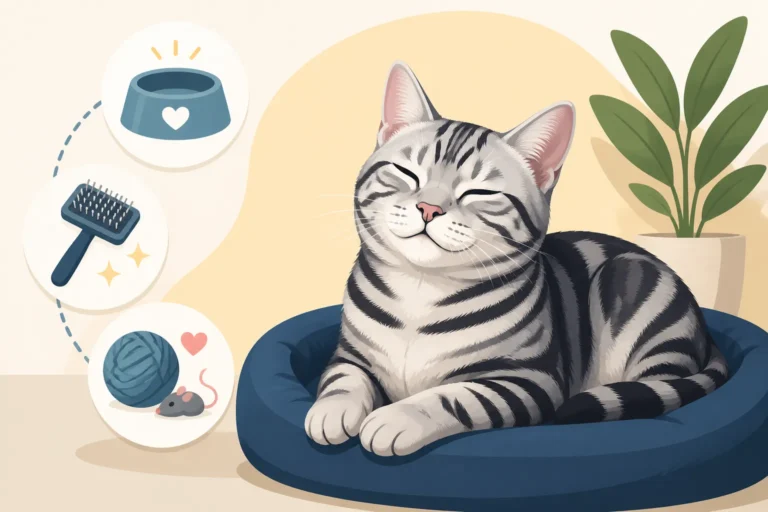
When people say an American Shorthair is "quiet," it often gets misinterpreted as meaning they don't interact or have much personality. Nothing could be further from the truth! An American Shorthair's quietness is a sign of their confidence and contentment. They communicate, but it's often through subtle body language, a soft purr when they finally decide to grace your lap, or a gentle head-bonk. They might sit beside you, offering silent companionship, rather than being a "velcro cat" always in your face. This low-key interaction is entirely normal and, for many owners, one of the most endearing qualities of the breed. They observe, they patrol their territory, and they might spend a good portion of their day napping in a sunbeam, all without making a fuss. How an American Shorthair Splits Its Day Between Patrol and Sleep goes into more detail about their daily rhythm.
What Normal Quiet Behavior Looks Like
A healthy, happy American Shorthair exhibits a kind of quiet confidence. They might greet you with a soft chirp or a slow blink, but they're not typically ones to follow you around the house demanding attention with loud vocalizations. They enjoy their independence, but they are also deeply connected to their humans. You'll see them observing you from a distance, perhaps from their favorite perch on the What a Cat Tree an American Shorthair Will Actually Use Costs or a sunny windowsill. They'll come for petting on their terms, often at a predictable time, and their purr, while not always booming, is a clear sign of comfort. They maintain their routine: eating well, using the litter box consistently, playing with toys (even if it's a solitary hunting game with a dust bunny), and sleeping in their usual spots. If you've been a long-time American Shorthair owner, you know this quiet contentment is their normal state. Why an American Shorthair Suits a First Time Owner highlights how their undemanding nature makes them great companions.
When Quiet Becomes Concerning
The trick with an American Shorthair is recognizing when their usual calm has tipped over into something more worrying. Because they're naturally stoic and not given to dramatics, a truly quiet American Shorthair isn't just relaxing; they might be withdrawing. This isn't just about a lack of meows; it's about a fundamental shift in their typical interactions, routines, and overall presence.
Identifying the Shift: More Than Just Less Meowing
When an American Shorthair goes "too quiet," it's usually accompanied by a host of other subtle changes that, when combined, paint a picture of distress. It's not just that they're not vocalizing as much; it's that they've stopped doing things they normally do. Perhaps they're no longer greeting you at the door, or they've abandoned their favorite napping spot for a hidden corner. They might be less engaged during playtime, or they might not be seeking out interaction with you or other household members as before. Their appetite might change, or their grooming habits. Maybe they're not jumping onto the couch as easily, or they seem reluctant to move. These small behavioral alterations, especially in a cat that already values its composure, are huge red flags. It’s a silent plea for help, masked by their inherent stoicism. Why a Stoic American Shorthair Hides Pain the Longest is a crucial read here.
Subtle Signs to Watch For
Since American Shorthairs are masters of hiding discomfort, you need to become a detective. Look for these subtle indicators:
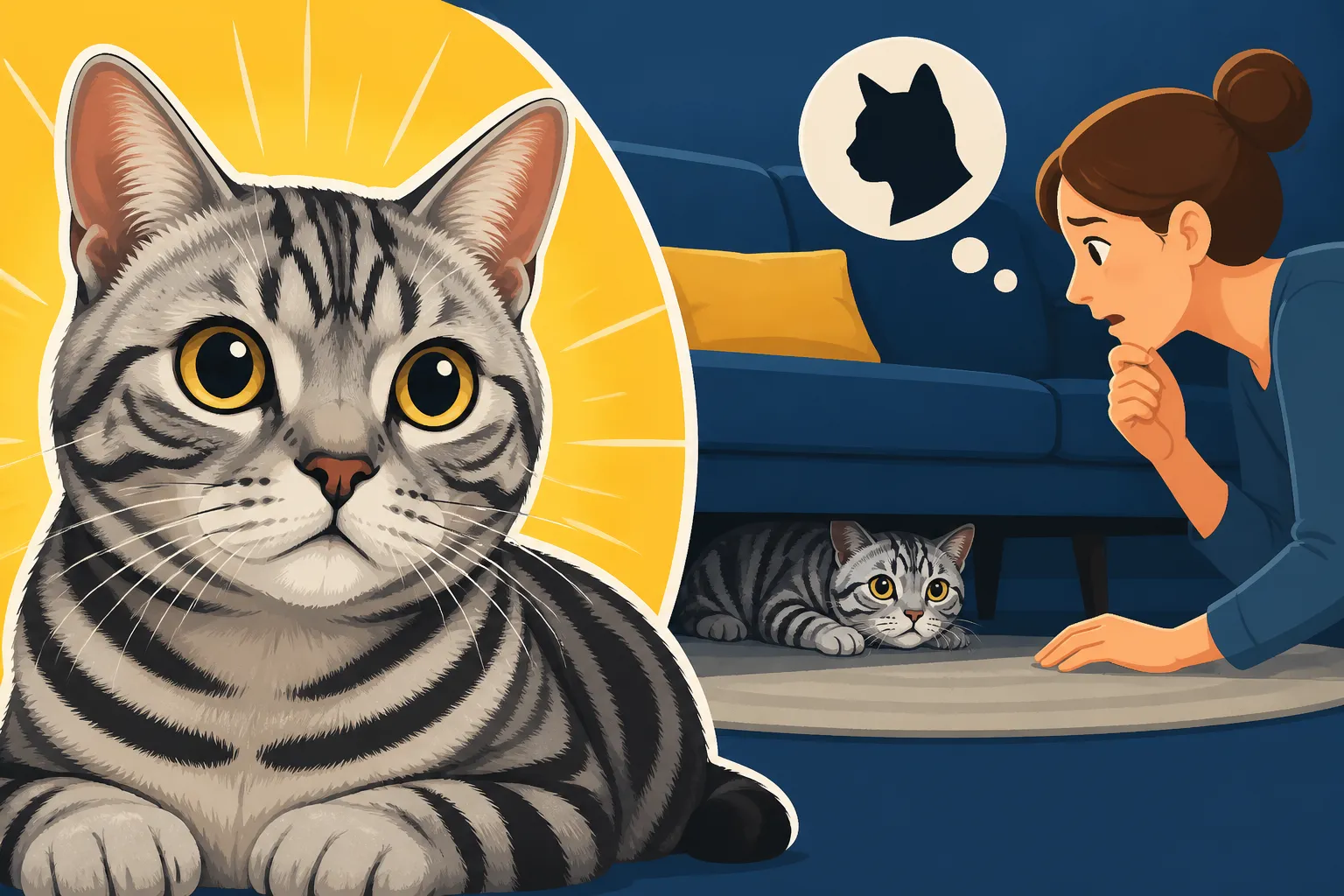
- Changes in Hiding Behavior: Are they spending more time under the bed, in the back of a closet, or in a rarely used room? Normal quietness means they're comfortable in their usual spaces. Excessive hiding suggests fear, pain, or illness.
- Reduced Interaction: A typically quiet American Shorthair still has a routine for engaging with you. If they stop their customary evening cuddle, decline their favorite wand toy game, or no longer rub against your legs, pay attention. How an American Shorthair Greets You After Work can help you recall their normal greeting.
- Altered Appetite or Thirst: Are they eating less, or more? Are they showing less interest in food, even treats? Is their water bowl going untouched, or are they suddenly drinking a lot more? Any change here is significant.
- Changes in Litter Box Habits: Are they going outside the box? Straining to urinate or defecate? Are the clumps in the litter box smaller or larger than usual? This is often one of the first and clearest signs of trouble.
- Changes in Grooming: Are they over-grooming a specific spot, or have they stopped grooming entirely, leading to a dull or matted coat? Cats are meticulous, so changes in grooming signal something is off.
- Mobility Issues: Are they hesitant to jump, climb, or use stairs? Do they seem stiff when they move, or are they guarding a particular limb? Even a slight limp in a cat can indicate significant pain. Why a Limp in a Stoic American Shorthair Is Never Minor
- Unusual Sleeping Patterns: Are they sleeping significantly more, or are they restless and unable to settle? Are they sleeping in odd, uncomfortable positions?
- Changes in Posture or Demeanor: Are they hunched, tense, or holding their head low? Do their eyes seem narrowed, or are their whiskers flattened? Do they seem generally more withdrawn or less alert than usual?
Common Causes for a Suddenly Quieter American Shorthair
When an American Shorthair becomes uncharacteristically quiet, it's rarely for no reason. Their quietness is a symptom, and understanding the potential underlying causes is the first step toward helping them. These causes often fall into a few main categories: pain, illness, stress, and environmental shifts.
Pain and Undiagnosed Medical Conditions
Cats are masters of disguise when it comes to pain. It's a survival instinct, as showing weakness in the wild makes them vulnerable. An American Shorthair, with its naturally stoic disposition, is particularly adept at this.
- Arthritis and Joint Pain: As American Shorthairs age, like any breed, they can develop arthritis. You might not see them limping dramatically, but they might stop jumping onto favorite high places, hesitate before climbing stairs, or simply move more slowly. The quietness comes from their reluctance to engage in activities that cause discomfort. How an Old American Shorthair Shows Its Joints Hurt explains more about these subtle signs. They might spend more time resting, or choose a bed on the floor rather than their usual elevated perch.
- Dental Disease: This is a surprisingly common and incredibly painful issue. Imagine having a constant toothache! Cats will often suffer in silence. Signs might include reduced appetite, difficulty chewing, drooling, or bad breath, all contributing to a general withdrawal and quietness. Why an American Shorthair Loses Teeth Nobody Noticed underscores how silent this problem can be.
- Internal Organ Issues: Conditions affecting kidneys, liver, or the digestive system can cause general malaise, nausea, or discomfort. A cat experiencing these symptoms will often become lethargic, withdrawn, and less interested in their surroundings. You might notice changes in their litter box habits or appetite.
- Cardiac Problems: Heart conditions, like hypertrophic cardiomyopathy (HCM), can progress quietly for a long time. Early on, a cat might just seem a little less energetic or more inclined to rest. As the condition advances, you might see more pronounced lethargy and quietness. What an American Shorthair Shows Before Its Heart Fails details critical symptoms to look for.
- Urinary Tract Issues: Especially in male American Shorthairs, urinary blockages are a painful and life-threatening emergency. Even less severe infections or cystitis can cause discomfort and lead to quiet withdrawal, often accompanied by frequent trips to the litter box or straining. Why a Male American Shorthair's Urethra Blocks First offers more insights into this specific risk.
Stress and Anxiety
Cats thrive on routine and predictability. Any disruption can cause significant stress, even for a generally placid American Shorthair. Their response to stress is often to withdraw and become quiet, rather than acting out aggressively.
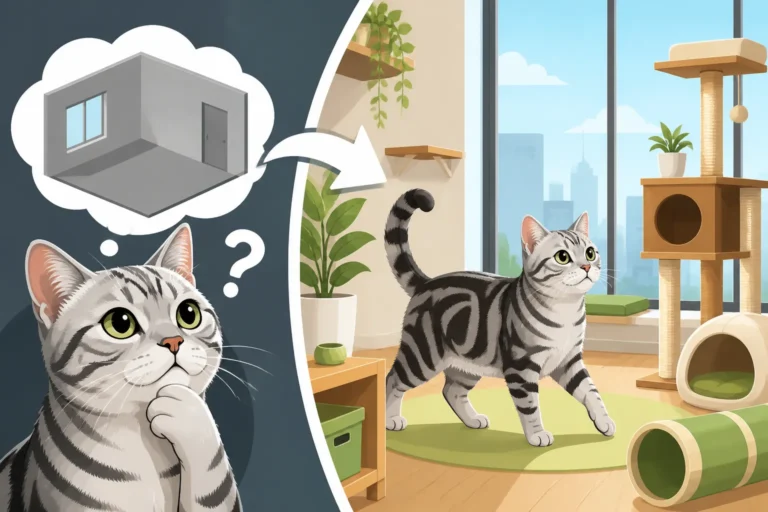
- Environmental Changes: Moving to a new home, rearranging furniture, or even a new piece of noisy equipment (like a new washing machine) can throw a sensitive cat off balance. Their familiar territory has changed, and they might feel insecure. How an American Shorthair Copes With Change delves into this adaptability.
- New People or Pets: The arrival of a new baby, a roommate, a new dog, or even another cat can be incredibly stressful. A new dynamic can make an American Shorthair feel threatened or displaced, leading them to retreat and become quiet. How an American Shorthair Adapts to a New Baby and How a Farm Bred American Shorthair Sizes Up a New Dog offer guidance on these introductions.
- Loss of a Companion: Cats grieve, and the loss of a beloved human or animal companion can lead to profound sadness and withdrawal. They may become less playful, eat less, and spend more time alone. How an American Shorthair Grieves explores this sensitive topic.
- Lack of Enrichment: An indoor American Shorthair still has strong hunting instincts. If they don't have enough appropriate outlets for this energy – through play, puzzle feeders, or vertical spaces – they can become bored, frustrated, and withdrawn. You might find great puzzle feeders on Amazon to help with this! What an Indoor American Shorthair Does With a Mouser's Instinct offers solutions.
- Household Noise: While generally tolerant, constant loud noises or sudden, jarring sounds can make an American Shorthair anxious. They might retreat to a quiet, secluded area of the house to escape the commotion. How an American Shorthair Handles Household Noise explains their typical response.
What to Do When Your American Shorthair Goes Too Quiet
Seeing your usually calm cat become even more withdrawn is worrying, and it's natural to feel a mix of concern and confusion. The most important thing is to act swiftly and methodically, prioritizing their well-being. Don't wait; every moment counts.
Immediate Steps at Home
Before you even call the vet, there are a few things you can do to gather information and make your cat more comfortable.
- Observe Closely (Without Staring): Take note of all changes. Is it just quietness, or are there changes in eating, drinking, litter box use, grooming, or mobility? Note the exact time these changes started and if anything preceded them (e.g., a new visitor, a loud noise, a different food). Keep a diary.
- Check for Obvious Injuries: Gently, if your cat allows, check for any visible wounds, limping, tenderness when touched, or swellings. Be very careful, as a cat in pain might lash out.
- Ensure Comfort and Security: Make sure they have a quiet, safe space where they can retreat. Offer their favorite bed, a soft blanket, or even a cardboard box turned on its side. Ensure fresh water is easily accessible, perhaps in multiple locations, and offer a small amount of their favorite food, even if it's just a treat. If you suspect pain, try to make things easy for them – a lower litter box entry, or food bowls that don't require jumping. Many cozy, calming beds are available on Amazon that can offer extra comfort.
- Minimize Stressors: If possible, identify and reduce any potential stressors in their environment. This might mean temporarily separating them from other pets, keeping young children away, or reducing loud noises.
Consulting Your Veterinarian
Even if you can't pinpoint an obvious cause, a significant change in behavior like profound quietness in an American Shorthair absolutely warrants a veterinary visit. As we've discussed, they hide pain and illness exceptionally well.
- Don't Delay: Call your vet as soon as you notice a concerning change. Explain the shift in behavior and any other symptoms you've observed. The vet will likely want to see your cat for a thorough examination.
- Provide Detailed Information: When you go to the vet, be prepared to share your observations.
- What exactly has changed?
- When did it start?
- Are there any other symptoms (eating, drinking, litter box, energy levels)?
- Have there been any recent changes in the home (new pets, people, routine, food)?
- What is their typical daily routine and how has it deviated?
This information is vital for the vet to help narrow down potential causes. Why a Withdrawn American Shorthair Should See a Vet emphasizes the urgency and importance of this visit.
- Expect a Thorough Examination: Your vet will perform a physical exam, checking their temperature, pulse, respiration, teeth, gums, and palpating their abdomen. They might recommend further diagnostics such as blood tests, urinalysis, or X-rays to rule out underlying medical conditions. What a Full American Shorthair Panel Actually Screens For gives you an idea of common blood tests.
- Follow Veterinary Advice: Once a diagnosis is made, or even if it's a suspected issue, follow your vet's treatment plan diligently. This might involve medication, dietary changes, or recommendations for environmental adjustments.
Supporting Their Recovery
Once you have a plan from your vet, your role in supporting your American Shorthair's recovery is crucial.
- Maintain Routine and Predictability: Cats thrive on routine. Try to keep feeding times, playtime (if appropriate), and interactions as predictable as possible to reduce anxiety.
- Continue Gentle Monitoring: Keep an eye on their progress. Are they eating better? Are they more interactive? Are their litter box habits returning to normal? Report any new or worsening symptoms to your vet.
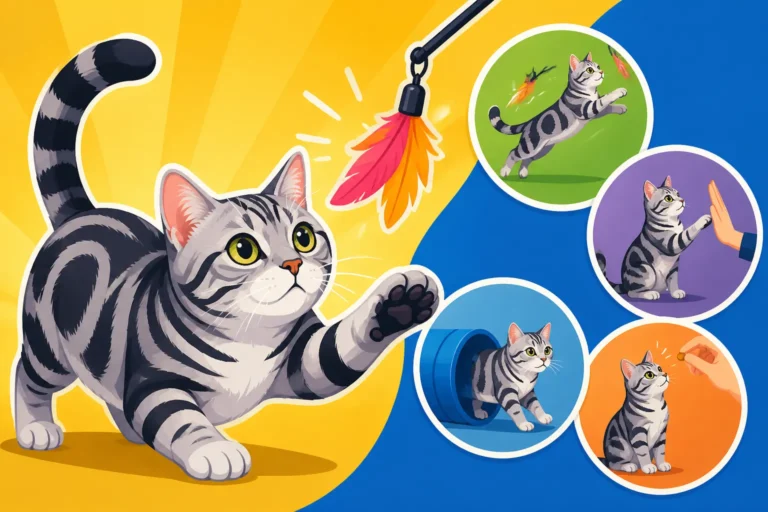
- Enrichment and Play (When Ready): If stress or boredom were factors, slowly reintroduce appropriate enrichment. Use puzzle feeders for meal times, engage them with wand toys that mimic hunting, or provide vertical spaces for climbing and observation. You can find a wide variety of interactive toys and puzzle feeders on Amazon that might pique their interest. Which Toys Finish an American Shorthair's Hunt can give you ideas.
- Provide Ample Resources: Ensure easy access to food, water, and clean litter boxes, especially in a multi-cat household. An American Shorthair should eat away from other cats to reduce stress and competition. Why an American Shorthair Should Eat Away From Other Cats
- Consider Calming Aids: For stress-related issues, your vet might recommend Feliway diffusers, calming supplements, or other aids to help reduce anxiety. These are often readily available at pet supply stores or online through retailers like Amazon.
By being vigilant and understanding the subtle language of your American Shorthair, you can ensure that their quiet nature remains a sign of contentment, and not a cry for help.
Disclaimer
This article is for general informational purposes only and does not constitute professional advice. Laws, prices and regulations vary by location and change over time. Consult a qualified professional for guidance on your specific situation.