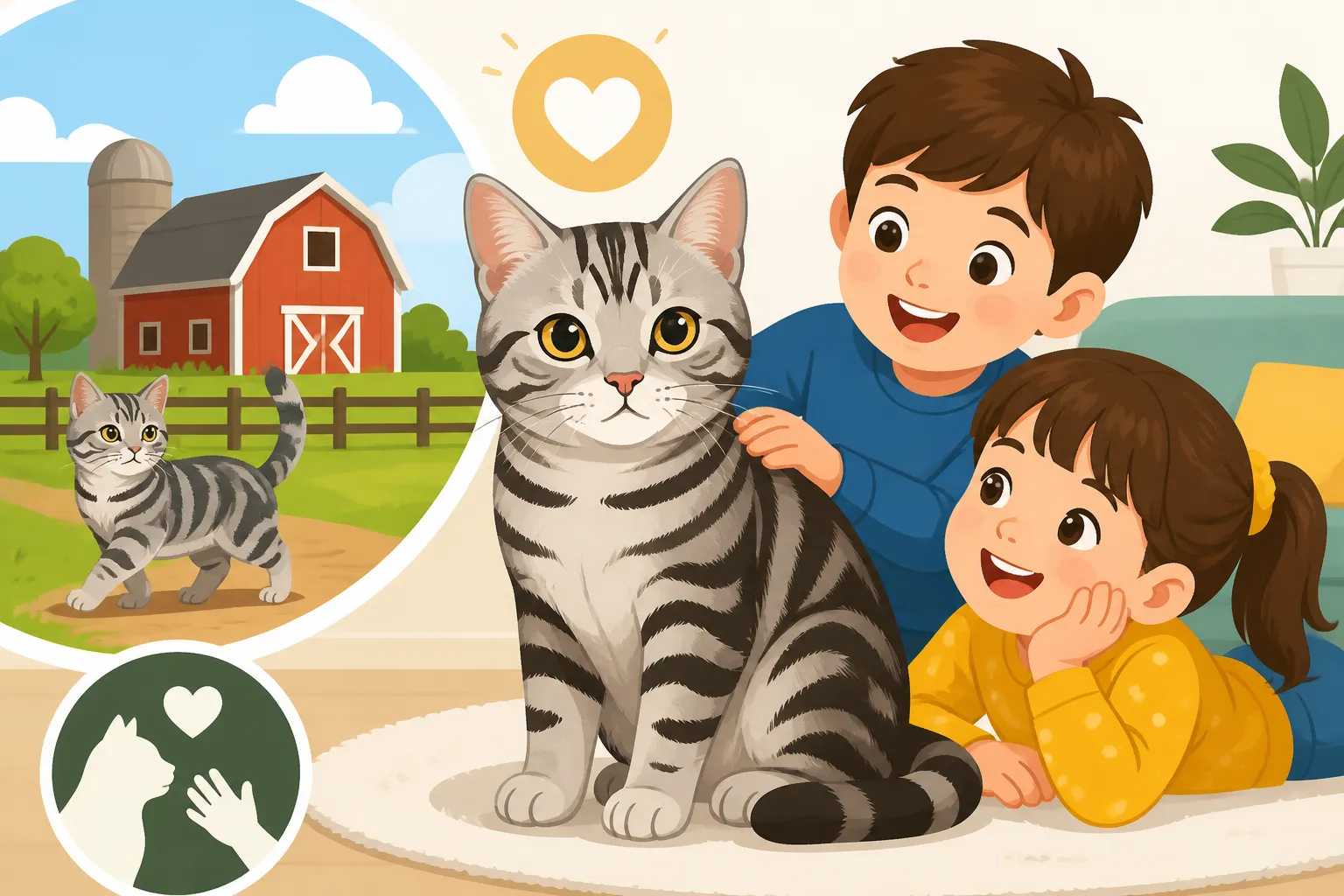
Why a Farm Bred American Shorthair’s Tolerance Suits a House With Children
Bringing a new cat into a home with children can feel like walking a tightrope. You want your kids to have the joy of a pet, but you also worry about the cat's safety and stress levels, not to mention the potential for scratches or unhappy incidents. It’s a common concern, especially when you consider a cat breed that, like the American Shorthair, has deep roots in a working, often independent, lifestyle. But here’s the thing many people don’t realize: the very qualities that made the American Shorthair such an invaluable farm cat – its resilience, its observant nature, and its generally placid demeanor – are precisely what make it an incredibly tolerant and wonderful companion for households bustling with kids. This guide will explore how this breed's unique background fosters a temperament that thrives even amidst the joyful chaos of a family home, and how you can ensure a harmonious relationship between your American Shorthair and your little ones.
The Historical Roots of American Shorthair Tolerance
To truly understand why the American Shorthair is such a gem in a family home, we need to take a step back in time. These cats didn't start their journey as pampered house pets; they were workers, and their environment shaped them in profound ways that persist in the breed's temperament today.
Life on the Farm: Survival of the Adapts
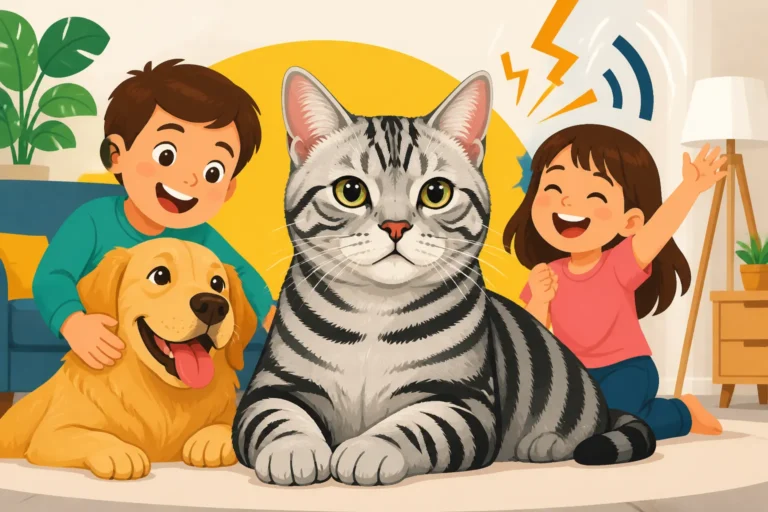
Imagine a bustling farmyard: the clatter of machinery, the lowing of cattle, the squeals of pigs, the constant chatter of people, and the shouts of children playing. This was often the backdrop for the American Shorthair's ancestors. They weren't raised in quiet, secluded catteries, but in environments full of unpredictable sounds, movements, and interactions. Cats that were easily startled, overly aggressive, or highly stressed by this constant activity simply didn't thrive. It was a natural selection process where the cats that could tolerate a high level of environmental stimulation and change were the ones that survived and passed on their genes.
This constant exposure to a diverse array of stimuli from a young age helped cultivate a remarkable adaptability. Think of a kitten born in a barn: it quickly learned to differentiate between dangerous noises and normal background sounds. It saw people, often children, moving quickly, sometimes clumsily, and learned that these movements were usually not a threat. This early immersion in a dynamic, sometimes chaotic, world instilled a deep-seated resilience. They learned to roll with the punches, to find their own quiet corners amidst the hubbub, and to not take every sudden movement as a personal affront. This isn't to say they were fearless, but rather that they developed a robust internal coping mechanism, allowing them to remain calm where a more delicate or sensitive breed might become agitated. Their historical setting truly laid the foundation for the tolerant, "go with the flow" nature we see in many American Shorthairs today.
A Hunter, Not a Pet Initially
Another crucial aspect of their farm upbringing was their primary role: pest control. These cats earned their keep by hunting mice, rats, and other vermin. Their value was tied to their effectiveness as mousers, not their ability to sit on a lap or tolerate endless petting. This utilitarian purpose meant they needed to be self-sufficient, observant, and capable of operating independently. They weren't bred for constant human interaction or to seek out affection as their main goal. While they certainly appreciated a warm barn and a reliable meal, their survival didn't depend on being cuddly.
This history means that many American Shorthairs retain a strong sense of independence. They are confident in their own skin and don't necessarily need constant reassurance or human intervention. When a child, perhaps excitedly, approaches too quickly or too boisterously, a cat bred for this kind of independence often doesn't panic. Instead, it might simply choose to move away. It’s not about being unfriendly, but about being self-reliant and knowing how to manage its own space. This characteristic is a huge advantage in a family with children, as it means the cat is less likely to feel trapped or overwhelmed and resort to defensive aggression. Their early role as working cats rather than ornamental pets cultivated a practical, unruffled temperament that makes them surprisingly well-suited to the demands of a busy home. You can learn more about this by reading Why a Self Sufficient American Shorthair Copes With a Long Day.
Understanding the American Shorthair's Temperament with Children
When we talk about an American Shorthair's "tolerance," it's not just about enduring a situation. It's about a specific behavioral toolkit they've developed that helps them navigate the unique challenges of living with enthusiastic, unpredictable children.
The Art of Assessment and Retreat
One of the most valuable traits an American Shorthair brings to a home with kids is its inherent tendency to assess a situation before reacting impulsively. Unlike some breeds that might immediately lash out if startled or cornered, the American Shorthair's instinct, honed over generations of navigating busy farm environments, is often to observe first. They're like little feline strategists, taking a moment to gauge whether a child's sudden movement is a threat or just typical kid exuberance. This pause, however brief, makes all the difference.
If they determine a situation is too much or potentially uncomfortable, their preferred method of dealing with it is usually retreat. They're not fighters by nature when it comes to human interaction; they'd rather slip away to a quieter spot than engage in a confrontation. This is a huge relief for parents. Instead of worrying about a cat lashing out, you'll more often see an American Shorthair calmly sidestepping a toddler's clumsy advances or finding a higher perch when the noise level gets too high. This self-preservation through withdrawal minimizes negative interactions and teaches children a valuable lesson about respecting boundaries, even when those boundaries are set by a cat quietly walking away. This "flight over fight" response is a cornerstone of their child-friendliness and something that provides immense peace of mind. For more insight into this behavior, consider reading Why an American Shorthair Retreats Before It Scratches.
Less Needy, More Observant
Another characteristic that aligns perfectly with a busy family life is the American Shorthair's moderate need for attention. They are affectionate, absolutely, but they're rarely demanding about it. They aren't the type of cat that will constantly weave between your legs, crying for attention, or insist on being a permanent fixture on your lap. Their independence, a direct legacy of their working heritage, means they are content to be near you, observing the family goings-on, rather than constantly being the center of attention.
This "less needy" disposition is a huge advantage when you have children. Kids, especially young ones, have unpredictable schedules and varying levels of energy. There will be times when they want to play with the cat, and times when they're engrossed in their own activities. An American Shorthair doesn't take the fluctuations in attention personally. They are happy to curl up on a nearby armchair, perhaps on a cozy cat bed purchased from Amazon, soaking in the family atmosphere without feeling neglected if a child is busy with homework or a playdate. They enjoy companionship on their own terms, often choosing to sit beside you on the sofa rather than directly on you, offering a quiet, comforting presence. This observational nature means they are part of the family dynamic without imposing themselves, creating a balanced and stress-free co-existence. The concept of their reserved affection is explored further in Why a Working Bred American Shorthair Sits Beside You Rather Than On You.
Practical Considerations for a Child-Friendly Home
While the American Shorthair's natural temperament is a fantastic starting point, creating a truly harmonious home requires a little proactive effort from the humans involved. It’s about setting up the environment and teaching both species how to interact safely and respectfully.
Introducing Your American Shorthair to Kids
Bringing an American Shorthair into a home with children, or introducing children to an existing cat, needs a thoughtful approach. The key is gentle, supervised introductions that allow both parties to adjust at their own pace. Don't throw them together and expect instant best friends. Start by giving your American Shorthair its own quiet space – a room with its food, water, litter box, and a comfortable bed – where it can retreat and feel secure. This is particularly important in the beginning.
When it's time for introductions, keep them short and positive. Supervise every interaction. Encourage children to approach the cat calmly and speak in soft voices. Teach them how to offer a gentle hand for sniffing, allowing the cat to initiate contact. Show them where the cat likes to be petted (usually around the head, chin, and behind the ears) and, crucially, where it doesn't (like the belly or tail). A great technique is to have the child sit on the floor, letting the cat come to them. Use treats to create positive associations; a tasty cat treat from Amazon can work wonders during these initial meet-and-greets. The goal is to build trust and positive experiences, reinforcing the idea that children mean good things. Never force interaction, and always allow the cat to walk away if it's had enough. Consistency and patience are your best friends here.
Creating Safe Spaces for Both Cat and Child
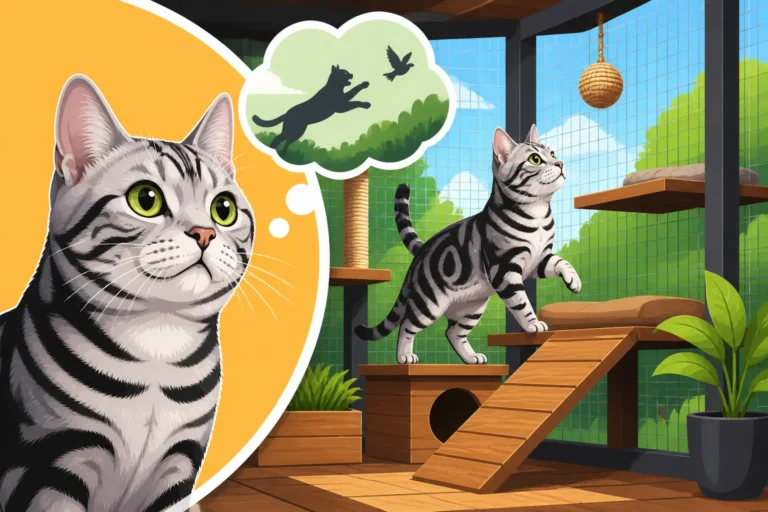
A successful multi-species household relies heavily on providing adequate resources and safe zones for everyone. For your American Shorthair, this means vertical space and quiet retreats. Cats, by nature, feel safer when they can observe their surroundings from a height. A tall cat tree, strategically placed shelves, or even just access to the top of a bookcase can provide a much-needed escape route and a sense of security. If the children's play becomes too boisterous, your American Shorthair can simply hop up to a vantage point where it feels safe and out of reach, observing the fun from a distance without feeling threatened. These elevated spots are crucial for a cat with a patrol-minded history, as it allows them to survey their "territory" from a secure position. Discover more about providing adequate vertical territory in How Much Vertical Space an American Shorthair Needs.
Conversely, it's also important to designate certain areas as "cat-free" zones for children, or at least zones where cat interaction is strictly managed. This isn't just for the cat's benefit; it also helps children understand boundaries and learn respect. A child's bedroom, for instance, could be a place where the cat isn't allowed unsupervised, especially if there are small toys that could be choking hazards for the cat, or if the child needs an undisturbed sleep. Ensuring there are enough litter boxes in quiet, easily accessible locations, and food bowls in a place where they won't be constantly disturbed by curious toddlers, also contributes to the cat's sense of security and well-being. A structured environment with clear boundaries benefits everyone in the household.
| Child Behavior / Situation | American Shorthair's Typical Reaction | Parental Guidance / Response |
|---|---|---|
| Loud noises / sudden shouts | Observes, may retreat calmly. | Teach quiet voices, gentle play. |
| Fast, clumsy movements | Watches, moves away if uncomfortable. | Supervise play, teach soft movements. |
| Attempts to pick up | Often resists, may slip away. | Teach petting, no picking up without support. |
| Pulling tail/ears | Retreats, may give warning hiss if cornered. | Absolutely forbid, teach gentle touch. |
| Offering treats | Approaches cautiously, accepts. | Encourage positive reinforcement with appropriate treats. |
| Sitting quietly nearby | May approach for a sniff or cuddle. | Praise quiet interaction, model calm behavior. |
Setting Expectations and Managing Interactions
It’s one thing to have a tolerant cat, but it’s another to foster a relationship built on mutual respect. This involves teaching children how to interact appropriately and understanding the cat's signals when it needs space.
Teaching Children Respectful Interaction
The responsibility for a positive cat-child relationship largely falls on the adults. Your American Shorthair brings a fantastic foundation of tolerance, but children need to be taught how to build upon that. This means educating them from an early age about gentle petting, always remembering that a cat is a living creature, not a toy. Teach them to stroke softly, usually along the back or behind the ears, and to avoid sensitive areas like the belly, tail, or paws. Explain that pulling tails or ears is never acceptable and can hurt the cat, leading to a negative association.
Crucially, teach your children to read cat body language. Explain that a swishing tail, flattened ears, or a stiff posture are signs that the cat is uncomfortable and needs space. Teach them that if the cat walks away, it means it's had enough, and they should let it go. Modeling this behavior yourself is incredibly powerful. When you interact with your American Shorthair, do so calmly and respectfully. Show your children how you offer a gentle hand, how you pet, and how you respect the cat's boundaries. Children are keen observers, and they will learn more from your actions than from a thousand words. This consistent reinforcement of respectful interaction is key to building a lasting, positive bond.
Handling Energetic Play and Overstimulation
Children, particularly young ones, are bursts of boundless energy. They run, they jump, they make sudden noises, and their play can sometimes be quite boisterous. While an American Shorthair is generally tolerant, there's a limit for any creature. It's vital for parents to recognize the signs that their cat is becoming overstimulated or overwhelmed. These might include pupils dilating, a slight twitch of the tail tip becoming more pronounced, ears rotating back, or a slight stiffening of the body. These are subtle cues that the cat needs a break.
When you see these signs, it's time to intervene gently. Redirect the child's energy, perhaps suggesting a different activity or moving them to another room. Encourage interactive play with appropriate toys, like a wand toy that mimics prey, rather than letting children use their hands or feet as playthings. This not only protects the cat from being accidentally hurt or becoming defensive, but also teaches the cat that children can initiate positive, fun interactions. A good quality wand toy, easily found on Amazon, can be a great way for kids and cats to engage safely. The cat gets to satisfy its hunting instincts, and the child learns a fun, appropriate way to play. Ending a play session on a positive note, before either the cat or child gets too hyped up, helps maintain a harmonious environment. Understanding how to use specific toys for this purpose is elaborated in Which Wand Toy Reads as Prey to an American Shorthair.
Long-Term Harmony and Continued Enrichment
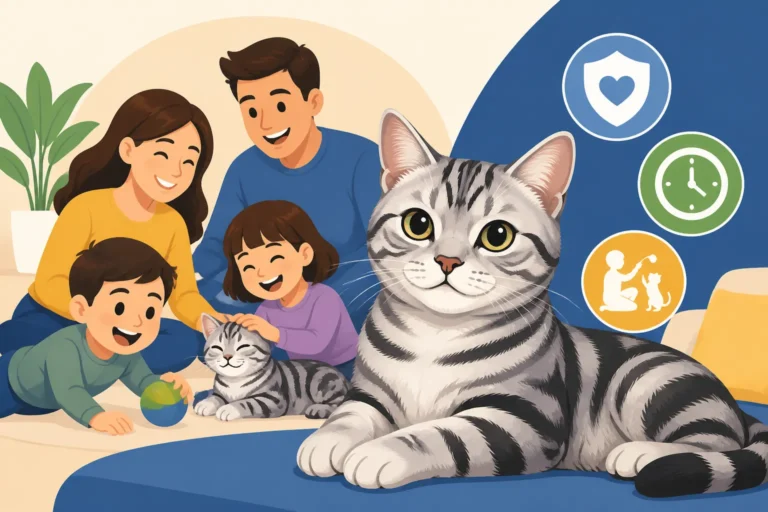
A truly successful multi-species household isn't just about managing potential conflicts; it's about fostering a lasting relationship where both your American Shorthair and your children can thrive. This requires ongoing commitment to routine, mental stimulation, and recognizing the cat's needs as it ages.
Maintaining Routine and Predictability
For a cat whose ancestors valued predictable patrol routes and consistent food sources, routine offers immense comfort and security. This is especially true in a home with children, where daily life can feel unpredictable. Establishing a consistent feeding schedule, regular playtimes, and even predictable times for quiet cuddles can provide your American Shorthair with a sense of stability. They learn what to expect, which reduces anxiety and helps them feel more settled within the family structure.
This predictability also benefits the children. Knowing that "cat play time" happens every evening, or that the cat gets fed at the same time each morning, can help instill a sense of responsibility and routine in kids. It teaches them about the cat's needs and how their actions fit into the wider rhythm of the household. A calm, predictable environment reinforces the American Shorthair's natural tolerance, making them even more likely to be patient and relaxed around the children. When a cat feels secure in its routine, it's far better equipped to handle the occasional unexpected flurry of activity that comes with having kids around.
Ensuring Continued Mental and Physical Stimulation
Even the most placid and tolerant American Shorthair still possesses the instincts of its working ancestors. They are intelligent, active cats who need outlets for their natural behaviors. Without appropriate mental and physical stimulation, even a tolerant cat can become bored, which can lead to behavioral issues. In a home with children, ensuring the cat gets this enrichment is vital for its well-being and to prevent it from seeking out less desirable forms of entertainment.
This means providing a variety of toys that mimic prey, engaging in interactive play sessions daily (which the children can often participate in safely), and utilizing puzzle feeders to make mealtime a more engaging "hunt." These feeders, available widely, including on Amazon, force the cat to use its brain to get food, satisfying its innate drive to work for its meals. This kind of enrichment is particularly important for an American Shorthair, as it directly taps into their historical purpose. A stimulated cat is a happy cat, and a happy cat is much more likely to be a patient and tolerant companion for your children. You can dive deeper into this topic by exploring Whether a Puzzle Feeder Satisfies an American Shorthair. Don't forget, these cats also appreciate vertical spaces, so climbing opportunities, as mentioned before, are essential.
Addressing Common Concerns and Misconceptions
It’s natural to have questions and even some lingering doubts when blending a working-bred cat with a lively family. Let's tackle some common concerns that pop up for prospective American Shorthair owners.
Is "Farm Bred" the Same as "Wild"?
A common misconception is that a "farm-bred" cat is somehow synonymous with a "wild" or "feral" cat. This couldn't be further from the truth, especially when we're talking about the American Shorthair. While their ancestors certainly worked on farms and had a greater degree of independence than many modern breeds, they were still very much domesticated animals. They lived alongside humans, albeit in a more utilitarian capacity, and relied on human settlements for shelter and food, even if they hunted for a significant portion of their diet.
The "farm-bred" aspect refers more to their upbringing in a busy, functional environment rather than a sterile, isolated one. It speaks to a developed resilience and adaptability, a capacity to tolerate noise and activity, and a preference for observing before reacting. It does not mean they are untamed or aggressive. In fact, many American Shorthairs, despite their independent streak, are incredibly affectionate and enjoy being part of the family. They are simply not as prone to anxiety or fragility as some of the more intensely "designer" breeds. Understanding this distinction is key to appreciating their unique suitability for families with children. They are domestic cats, through and through, just with a historical robustness that makes them incredibly forgiving and grounded. This robust temperament is a significant reason why The American Shorthair Is the Control Group of Cat Breeding.
What If My American Shorthair Isn't Tolerant?
While the American Shorthair breed, on the whole, is known for its tolerance and adaptable nature, it's vital to remember that every cat is an individual. Just like people, cats have their own unique personalities, temperaments, and past experiences that can shape their behavior. You might bring home an American Shorthair who, despite the breed's reputation, is more timid, easily startled, or less inclined to tolerate the antics of young children. This isn't necessarily a failure of the breed, but simply an individual variation.
If you find your American Shorthair is struggling to adjust or isn't as tolerant as you expected, don't despair. The first step is to revisit the basics: ensure they have plenty of safe spaces, a consistent routine, and appropriate enrichment. Double-check that children are truly respecting boundaries and interacting gently. Sometimes, a cat's behavior is a direct response to something in its environment or an unmet need. If the issues persist, don't hesitate to seek guidance from a qualified feline behaviorist or your veterinarian. They can help identify the root cause of the behavior and develop a tailored plan to help your cat feel more secure and, in turn, become more tolerant. Often, with patience, understanding, and professional support, even a less-than-textbook American Shorthair can learn to thrive in a family environment. You might find a discussion like Why a Stoic American Shorthair Hides Pain the Longest helpful if you suspect there's a deeper, hidden issue.
Disclaimer
This article is for general informational purposes only and does not constitute professional advice. Laws, prices and regulations vary by location and change over time. Consult a qualified professional for guidance on your specific situation.