Why a Window Is a Hunting Post to an American Shorthair
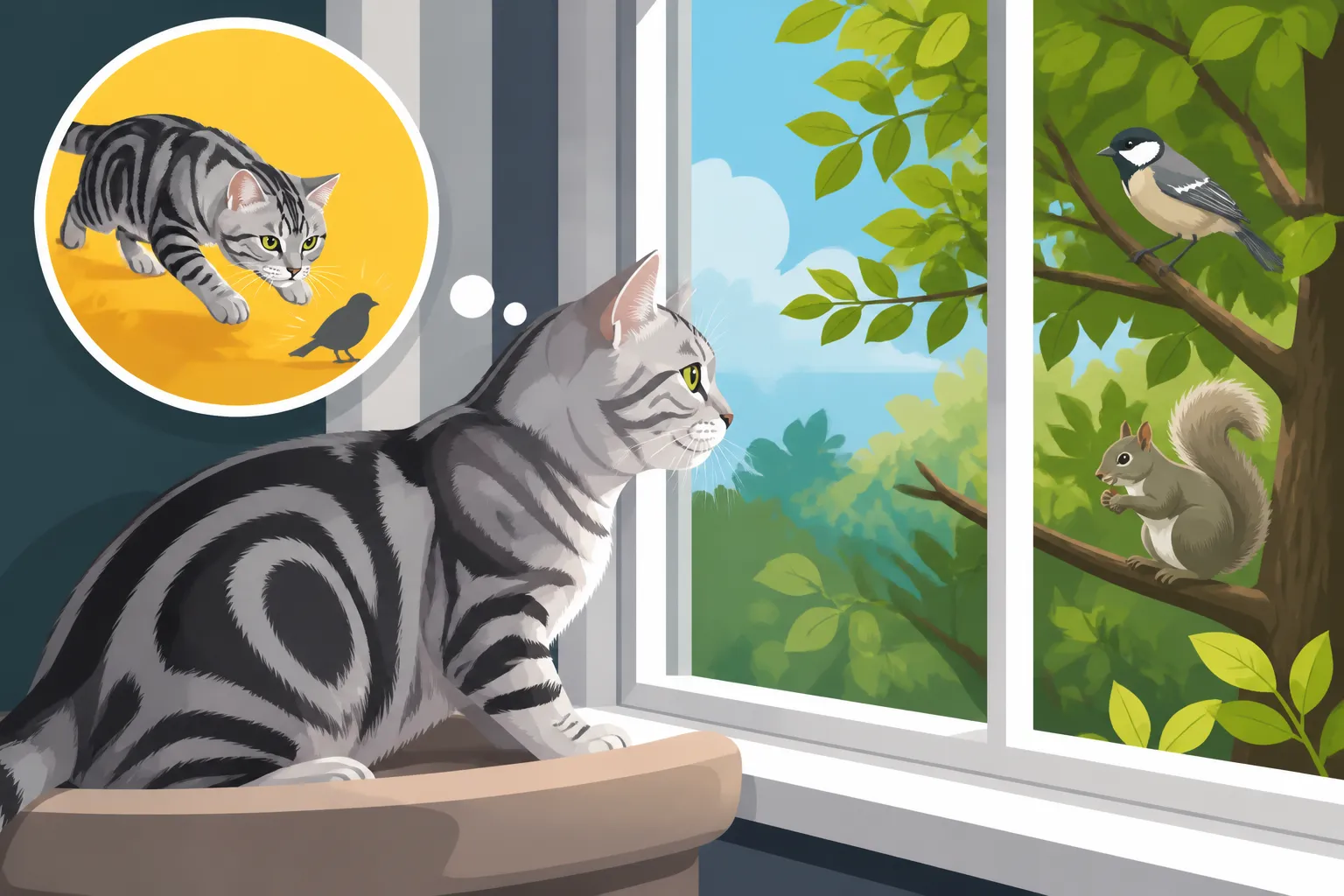
It's a familiar sight for any American Shorthair owner: your usually laid-back companion suddenly frozen, tail twitching almost imperceptibly, eyes narrowed and laser-focused on something beyond the glass. That window isn't just a pane of glass separating your cozy living room from the big, wide world; for your American Shorthair, it's a bustling, ever-changing hunting ground, a front-row seat to the primal drama of the outside. This isn't mere casual observation; it's a deep-seated instinct playing out, and understanding it helps us provide a richer, happier life for our beloved indoor hunters.
The Primal Urge: How the American Shorthair's Hunting Instinct Plays Out
The American Shorthair, despite its calm demeanor and affectionate nature, carries a powerful legacy within its genes. These cats weren't bred for delicate features or exotic coats; they were bred for function, for their prowess as formidable hunters. Centuries of this selective breeding mean that the urge to stalk, chase, and capture is deeply ingrained, even when their dinner comes from a bowl.
Centuries of Stalking and Catching
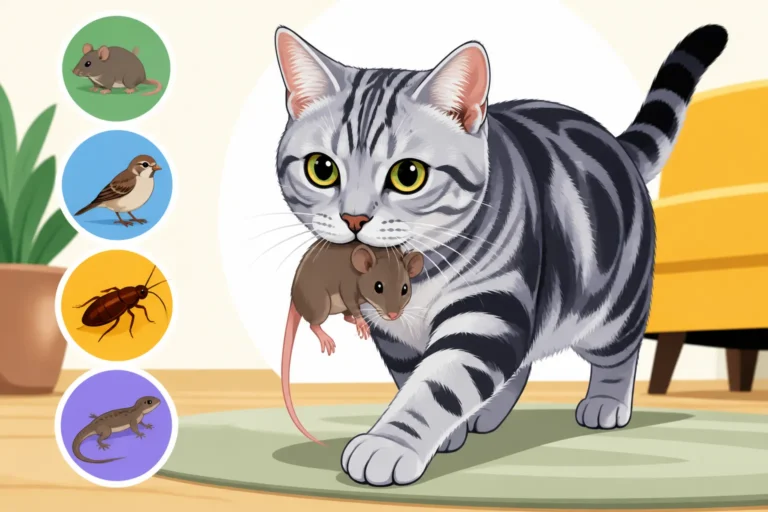
Let's cast our minds back to the origins of this wonderful breed. The ancestors of the American Shorthair weren't pampered pets; they were working cats, essential members of households, farms, and even ships. Their job was clear: keep rodent populations in check. This wasn't a leisure activity; it was a matter of survival, for themselves and for the humans they lived alongside. Imagine a cat aboard a Mayflower-era ship, constantly vigilant for rats that could spoil cargo or spread disease. That constant, high-stakes patrol for prey is etched into their DNA.
This consistent, generations-long task of hunting, stalking, and killing prey has honed their senses and instincts to a remarkable degree. Even today, removed from the demands of a barn or ship, your American Shorthair possesses the same sharp eyesight, acute hearing, and incredible patience that allowed their ancestors to thrive. They haven't forgotten how to hunt, even if the opportunities are now limited. The instinct remains, a powerful, unspoken drive that seeks an outlet. Why Centuries of Ratting Left the American Shorthair Its Drive This isn't just cute behavior; it's a direct link to their hardworking past.
Mimicking the Hunt from the Inside
So, what happens when you take a creature with such a profound hunting drive and place it in a safe, comfortable indoor environment where real prey is scarce? The window becomes a substitute. It transforms into a virtual hunting ground, offering endless opportunities for observation, mental engagement, and the partial fulfillment of that deep-seated predatory sequence.
When your American Shorthair is intently watching a squirrel scale a tree or a bird flit past, they aren't just looking; they're hunting. They're going through the motions mentally: stalking with their eyes, assessing distance, anticipating movement, and even mentally pouncing. You might see their tail twitch, their pupils dilate, or hear a faint chattering sound – all clear signs of a cat fully immersed in the hunt, even if it's behind glass. This engagement is crucial for their mental well-being, providing an essential form of enrichment that taps into their most basic instincts. They are completing the first few stages of the hunting sequence, which includes searching, stalking, and observing, even if the final pounce and kill are impossible. It's a psychological workout, keeping their minds sharp and their instincts primed.
The Window as a Strategic Observation Post
A window isn't just any spot in the house for an American Shorthair; it's a prime location, a strategic observation post that offers unique advantages for their ingrained behaviors. It's about more than just seeing; it's about surveying, analyzing, and engaging with their perceived territory.
The Elevated Vantage Point
If you've ever watched a cat choose its sleeping spot or survey a room, you'll notice a preference for height. This isn't just about comfort; it's a deeply rooted predatory and self-preservation instinct. An elevated position provides a superior vantage point, allowing them to survey their "territory" and spot potential prey or threats from above. A window perch, or a cat tree strategically placed near a window, becomes the ultimate lookout tower for your American Shorthair.
From a higher position, they can see further, track movement more easily, and get a comprehensive view of the activity outside. This allows them to feel secure in their own space while still engaging with the outside world. It reduces surprise and increases their sense of control over their environment, fulfilling that ancient need to be aware of all that surrounds them. Think of it as their personal watchtower, where they can oversee their domain with quiet confidence. This instinct is so strong that many American Shorthairs will actively seek out the highest available perch near a window, even if it's a precarious stack of books or a narrow shelf.
Sensory Overload and Engagement
The world outside a window is a rich tapestry of sensory information for an American Shorthair. It's a constant stream of sights, sounds, and even subtle smells that stimulate their highly developed senses, preventing boredom and providing vital mental exercise. What an American Shorthair Does Instead of Demanding
Visually, there's always something happening: birds hopping on branches, squirrels chasing each other up trees, insects buzzing, leaves rustling, and even distant people or cars moving by. Each movement triggers their visual tracking abilities, forcing their eyes to follow and focus, just as they would in a real hunt. The changing light, shadows, and weather patterns also add to the visual feast. Acoustically, the window acts as a natural microphone, bringing in the chirps of birds, the rustle of wind through leaves, the distant bark of a dog, or even the subtle hum of traffic. These sounds, often imperceptible to us, are finely tuned signals for a cat, indicating potential prey or interesting occurrences. Some even suggest that subtle air currents or temperature changes around the window might carry faint outdoor scents, further engaging their sense of smell. This constant, dynamic input is a powerful antidote to the potential monotony of indoor life, transforming a static view into an active, immersive experience.
Enriching the Indoor Hunter's Window Experience
Since the window is such a vital part of an American Shorthair's mental landscape, it makes sense for us, as their human companions, to optimize this experience. We can make their "hunting post" as comfortable, stimulating, and safe as possible.
Creating the Perfect Window Setup
Don't just leave your American Shorthair with a bare windowsill. There are so many ways to enhance their window-watching pleasure. Consider investing in a comfortable window perch that attaches securely to the sill or wall. These provide a stable, elevated platform where they can relax and observe without fear of falling. Many come with soft, washable covers, making them easy to keep clean. Alternatively, a sturdy cat tree placed directly in front of a window, ideally one with multiple levels, offers both height and cozy spots to nap between "hunting" sessions.
When choosing a spot, look for windows that offer a good view of natural activity – a bird feeder, a tree where squirrels play, or even just a busy street with people walking by. Ensure the window itself is clean for optimal viewing, and that any blinds or curtains can be easily adjusted or kept open for them. You might even find some excellent, durable options for window perches or multi-level cat trees on Amazon, which can be easily installed and provide hours of enjoyment for your feline friend. Remember, their comfort while observing is key to prolonging their engagement. How Much Vertical Space an American Shorthair Needs
Supplementing with Interactive Play
While window watching is incredibly stimulating, it's not a complete substitute for the full hunting sequence. Your American Shorthair still needs to physically engage in play that mimics the chase and the "kill" to truly satisfy their predatory instincts. Think of window watching as the "scouting" phase; interactive play is the "capture" phase.
Dedicate time each day to active, interactive play. Wand toys, especially those with feathers or small, furry attachments, are fantastic because they allow you to mimic the erratic movements of prey. Let your cat stalk, chase, pounce, and catch the toy. This "capture" is incredibly important for their mental satisfaction. Without it, the constant observation can lead to frustration. Puzzle feeders, available on Amazon and other pet supply retailers, are another excellent way to make your cat "work" for their food, simulating the effort of a hunt. They have to bat, nudge, or solve a small puzzle to get a treat or a portion of their meal, engaging both their minds and bodies. Aim for at least 15-20 minutes of vigorous interactive play daily, perhaps broken into a couple of sessions, to round out their hunting needs. Which Wand Toy Reads as Prey to an American Shorthair
Managing Expectations and Instincts
While indulging your American Shorthair's window-watching habit is beneficial, it's also important to understand its potential downsides and how to mitigate them. A deeply rooted instinct, partially fulfilled, still requires careful management.
The Frustration of Unfinished Hunts
Imagine constantly seeing something you desperately want but can never quite reach. That's often the reality for an American Shorthair intently focused on outdoor "prey." The inability to complete the hunting sequence – to pounce, capture, and "kill" – can lead to a build-up of frustration. This isn't just a minor annoyance for them; it's a deep-seated biological need that isn't being fully met.
This frustration can manifest in various ways. You might notice your cat becoming more agitated after a long session at the window, possibly over-grooming themselves as a displacement behavior, or even becoming more vocal. Sometimes, this pent-up energy and frustration can be redirected onto other household members or pets. An American Shorthair that nips at your ankles or suddenly becomes aggressive with another cat might be expressing this unfulfilled hunting drive. Why a Laser Frustrates an American Shorthair That Needs the Catch It's why that interactive playtime where they do get to "catch" the toy is so vital. It acts as a pressure release, allowing them to complete the sequence and feel satisfied, even if it's just with a toy mouse.
Balancing Indoor Safety with Natural Behaviors
While we want to provide stimulating window views, safety must always be paramount. An American Shorthair, driven by instinct, can sometimes forget the barrier between them and their perceived prey. An open window, even slightly ajar, can present a significant escape risk or a danger of falling, particularly if they become overly excited.
Always ensure that windows are securely screened if they are open, and if not, that they are firmly latched. If you have an American Shorthair who is particularly determined, consider reinforced screens or even investing in a catio – a secure outdoor enclosure that allows them to experience the sights, sounds, and smells of the outdoors without any of the risks. You can find pre-made catios or DIY kits, often available from retailers like Amazon, that can give your American Shorthair a safe, enriched outdoor experience. This allows them to patrol a larger territory, feel the sun on their fur, and truly engage with nature in a safe environment. Providing plenty of indoor vertical spaces, like cat trees or shelves, can also help sate their desire for elevated observation posts while keeping them securely inside. Whether an American Shorthair's Cat Flap Is Worth the Risk
| Window Enrichment Type | Benefits for American Shorthair | Considerations |
|---|---|---|
| Window Perch | Provides a comfortable, elevated spot for observation. Satisfies the natural desire for height and territory surveillance. Easy to install and often comes with soft padding. | Ensure it's sturdy and securely mounted to support your cat's weight, especially a larger American Shorthair. Check weight limits. |
| Cat Tree | Offers multiple levels for climbing, scratching, and napping, with prime window access. Good for homes with multiple cats or those who love to climb. | Needs sufficient space. Choose a sturdy, heavy base to prevent tipping. Place near a window with good views. Check the height and platform size to ensure it's suitable for an American Shorthair's muscular build. |
| Bird Feeder | Attracts real "prey" for observation. Provides constant, dynamic visual stimulation, keeping your cat engaged and entertained. | Place it a safe distance from the window to prevent birds from hitting the glass. Ensure it's outside, not directly on the windowsill, to avoid bird strikes and potential spread of disease if birds touch the window glass. |
| Catio (Cat Patio) | Provides safe, secure outdoor access for full sensory engagement without risk. Allows them to feel grass, smell fresh air, and observe wildlife up close. | Requires outdoor space and construction/assembly. Must be completely escape-proof and predator-proof. Can be a significant investment but offers unparalleled enrichment. |
| Puzzle Feeders | Engages hunting instincts by making your cat "work" for food. Mimics the challenge of catching prey and provides mental stimulation. | Start with easy puzzles and gradually increase difficulty. Ensure the feeder is appropriate for your cat's size and dexterity. Helps prevent boredom and rapid eating. |
Disclaimer
This article is for general informational purposes only and does not constitute professional advice. Laws, prices and regulations vary by location and change over time. Consult a qualified professional for guidance on your specific situation.