Why a Working Bred American Shorthair Sits Beside You Rather Than On You
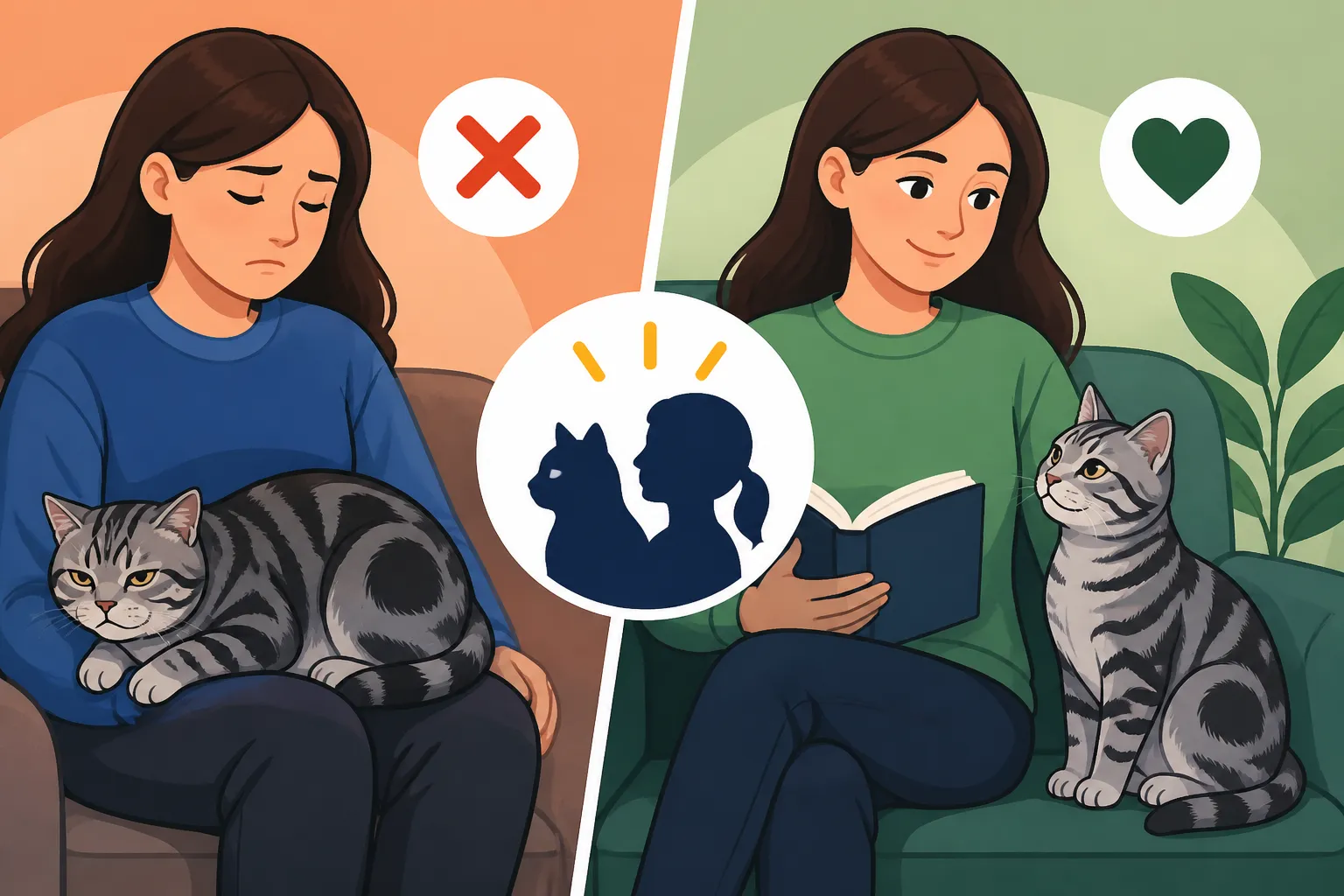
It’s a common scene: you're settled on the sofa, maybe reading a book or watching a show, and your beloved American Shorthair jumps up… not on your lap, but neatly beside you. You might wonder why these wonderful, sturdy cats often prefer a close proximity over direct, clingy physical contact. The truth lies deep in their working-bred history and inherent independence, which shapes their unique way of showing affection and interacting with their human companions. This guide will help you understand this distinct behavior, appreciate their subtle displays of love, and build an even stronger bond with your quiet, self-reliant American Shorthair.
The Independent Roots of the American Shorthair
To truly understand why your American Shorthair might choose to sit next to you instead of on your lap, we need to take a step back in time and look at their lineage. These aren't cats bred in a pampered environment for generations solely for their looks or cuddliness; their heritage is one of purpose and self-reliance, forged over centuries.
From Ship to Farm: A History of Self-Reliance
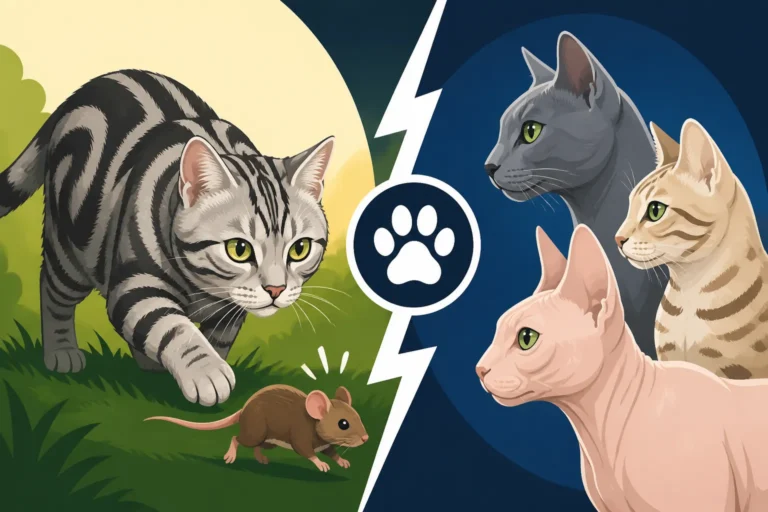
Imagine a cat making the arduous journey across the Atlantic on early European ships. They weren't passengers; they were essential crew members, earning their keep by keeping vermin at bay. Life on a ship demanded a cat that was resilient, resourceful, and capable of fending for itself. There was no time for constant human interaction or demanding attention. They had a job to do, and they did it, quietly and efficiently.
When these cats landed in North America with settlers, their role continued on farms, in barns, and even in burgeoning towns. They were the original pest control, keeping granaries clear of rodents and protecting food stores. This lifestyle further cemented their independent nature. They learned to navigate their territory, hunt for their meals, and rely on their own instincts for survival. While they certainly appreciated a warm barn or a morsel of food from their human companions, their primary focus was on their work. This is a cat that, for centuries, knew how to take care of business on its own. It's a fundamental part of Why an American Shorthair Was Never Bred to Need You.
The Hunter's Instinct and Solitary Nature
The very essence of being a successful hunter is a degree of solitary focus. While some cat breeds were developed in social groups, the American Shorthair's ancestors operated largely as individual units within their given territory. They would patrol, stalk, and catch prey, often without the direct assistance or oversight of humans or other cats. This isn't to say they were anti-social, but rather that their survival didn't hinge on constant companionship or shared activities in the same way some other domesticated animals might.
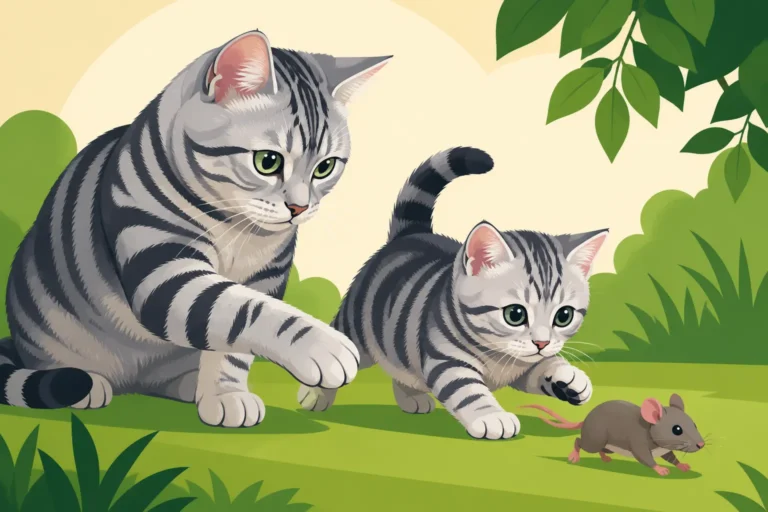
This strong hunting drive is still very much alive in the breed today, even in the most pampered indoor pet. If you've ever watched your American Shorthair intently tracking a dust bunny or a fly, you're witnessing generations of instinct at play. They might bring you their "kill" (a toy, a sock, or even a real critter if they're outdoor-inclined), but the hunt itself is often a solo endeavor. This inherent independence means they're comfortable in their own skin and don't necessarily feel the need to be physically attached to you at all times. They often prefer to observe, to be present in the same room, rather than be physically engaged in a cuddle session. Their focus might be on surveying their domain, even if that domain is just your living room. Indeed, The American Shorthair Still Hunts, Whether You Want It To or Not.
Why a Working Bred American Shorthair Stayed Quiet
A successful barn cat or ship cat wasn't typically a loud, attention-seeking animal. They needed to be observant, stealthy, and effective without drawing undue attention to themselves. Constant meowing or demanding vocalizations would have been counterproductive to their primary role. As a result, the American Shorthair developed a reputation for being a relatively quiet breed. They communicate, of course, but often through subtle body language, soft chirps, or quiet purrs, rather than insistent cries.
This quiet demeanor extends to their physical interactions. They aren't generally ones to forcefully insert themselves into your space. Instead, they’ll often communicate their desire for connection by simply being near you. A silent jump onto the sofa, a gentle rub against your leg as they pass, or a slow blink from across the room are all hallmarks of their understated way of expressing affection. This respectful distance, born from generations of quiet observation and work, means they often prefer to share your space without demanding to be the absolute center of it, respecting both your boundaries and their own need for personal autonomy. If you listen closely, you'll find How Little an American Shorthair Bothers to Say.
Affection on Their Own Terms
When it comes to showing love, American Shorthairs truly have their own unique language. It's not the in-your-face, constant kneading, or purr-machine type of affection you might associate with some other breeds. Instead, their love is often expressed through presence, subtle gestures, and a quiet, consistent companionship that warms the heart in a different, equally profound way.
The Art of Proximity: Sitting Beside You
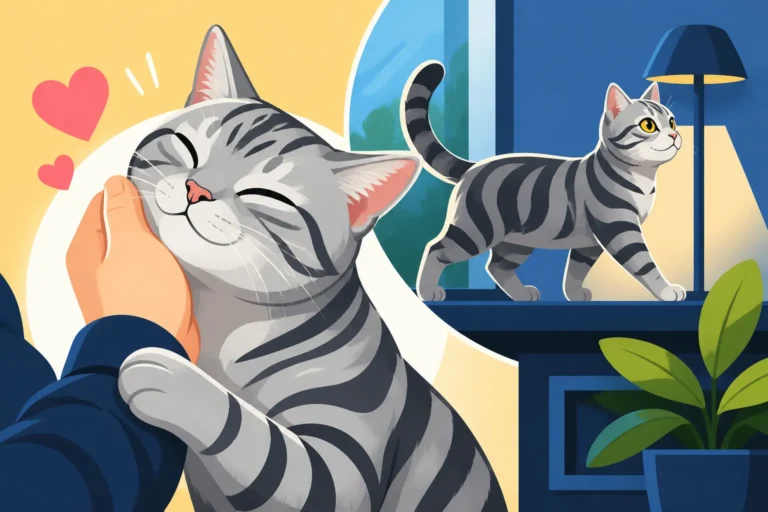
For an American Shorthair, affection is often about sharing space. They want to be with you, but not necessarily on you. Think of it as a comfortable, shared territory. When your American Shorthair hops onto the sofa and settles down next to you, perhaps with a paw barely touching your leg or their body gently pressed against your side, that's their version of a big hug. It says, "I trust you, I feel safe with you, and I enjoy your company."
This behavior stems from their historical roles. A working cat needed to be aware of its surroundings, ready to move or react. Being pinned down on a lap might have felt vulnerable or restrictive. Instead, sitting beside you allows them to maintain a sense of autonomy while still enjoying the warmth and security of your presence. They might even glance at you, offer a slow blink, and then resume their quiet observation of the room, or simply drift off to sleep, secure in the knowledge that you are right there. This subtle act is a profound statement of connection, a testament to their desire to be part of your world without losing their sense of self. It's a key aspect of How an American Shorthair Shows Affection Between Patrols.
Subtle Gestures of Love
Beyond simply sitting nearby, American Shorthairs have a repertoire of subtle gestures that convey their affection. You might not even notice them at first if you're expecting more overt displays.
- The Slow Blink: This is perhaps the most universally recognized cat signal of trust and affection. If your American Shorthair looks at you and slowly closes and then opens their eyes, they are telling you they feel completely at ease in your presence. Try returning the slow blink, and you might just get another one back!
- Head Bumps and Cheek Rubs: These aren't just for scratching an itch. When your cat gently head-butts your leg or rubs their cheek against your hand or arm, they are scent-marking you as part of their family, claiming you as their own. It's a quiet, confident display of ownership and love.
- Following You from Room to Room: While they may not be underfoot, many American Shorthairs will shadow their favorite human throughout the house. You go to the kitchen, they follow. You sit down in the office, they find a spot nearby. This "silent guardian" behavior is a strong indicator that they want to be close to you, even if they're not asking for direct interaction. It shows they value your companionship and feel secure when you're around.
These small, understated actions are incredibly meaningful for an American Shorthair. They are not grand declarations but consistent, heartfelt affirmations of their bond with you.
Understanding the "No Lap" Preference
It's natural to feel a little rejected if your cat prefers the cushion next to you over your actual lap. But for American Shorthairs, it's not a slight; it's simply their preference, deeply ingrained. Their sturdy, muscular build, developed for active hunting and navigating varied terrain, means they're not necessarily built for delicate lap-sitting like some smaller, more fragile breeds. They appreciate having all four paws on a stable surface.
Consider their instinct for patrol and observation. Being on a lap, while cozy, might limit their field of view or their ability to quickly respond to perceived changes in their environment. A spot beside you, however, allows them to lean into your warmth and scent while still feeling grounded and aware. It's about personal preference, not a lack of love. They value their independence and ability to move freely. This doesn't mean they won't occasionally grace your lap, especially on a cold day or if they're feeling particularly sleepy and secure. But if they don't, it simply means they're expressing their affection in a way that feels more authentic to their nature. You'll find that How Much an American Shorthair Likes Being Picked Up is also influenced by this same independence.
Understanding Their Personal Space
Every cat has its boundaries, but for an American Shorthair, respecting their personal space is paramount to building a strong, trusting relationship. Their independent nature means they often dictate the terms of physical interaction, and understanding their cues is key to their comfort and your mutual happiness.
Respecting Boundaries in a Territorial Cat
American Shorthairs, with their heritage of patrolling and defending territory, have a keen sense of their own space. This doesn't mean they're aggressive or antisocial; it means they have clear boundaries about where they feel comfortable and secure. When they choose to sit beside you, they are inviting you into their immediate territory, a sign of immense trust. However, forcing interaction – picking them up when they don't want to be, or trying to make them a lap cat against their will – can be counterproductive.
Imagine them as a benevolent landlord of their domain. They allow you to share it, and they appreciate your company, but they also expect you to respect their property lines. If they move away when you reach for them, it's not a rejection of you, but a communication of their current desire for space. Learning to read these subtle signals – a flick of the tail, ears swiveled back, a tense posture – will deepen your bond. They thrive on predictable interactions and appreciate a human who understands and honors their need for autonomy. This respect for their boundaries builds a foundation of trust that encourages them to seek out your company even more. They are, after all, a cat that still retains a strong sense of How an American Shorthair Splits Its Day Between Patrol and Sleep.
The Comfort of Shared Space, Not Shared Lap
For many American Shorthairs, the ultimate comfort isn't being held aloft or perched precariously on a lap, but rather the quiet assurance of being in the same room, sharing the same air, and occasionally making eye contact with their trusted human. This "parallel play" or "parallel relaxation" is a hallmark of their companionship style. They might be curled up on a nearby chair, draped over the back of the sofa, or even simply sprawled on the rug at your feet.
This preference for shared space over shared lap is tied to their need for security and self-possession. They want to be close enough to feel connected to you, to soak up your warmth and scent, but also to retain the ability to move if an interesting bird flies past the window or a sudden noise startles them. This isn't aloofness; it's a calm, confident presence. They are comfortable in their own skin and comfortable in your presence, and that is a truly special kind of bond. Providing them with comfortable perches, cat trees, or soft blankets near your favorite spots can encourage this shared proximity. You can find many options for cat trees and cozy beds on Amazon that will make them feel secure while still being close to you.
Body Language: Interpreting Their Cues
Since American Shorthairs are often quiet, their body language becomes their primary mode of communication regarding affection and personal space. Learning to interpret these cues is vital for a harmonious relationship.
| Body Language Cue | Interpretation |
|---|---|
| Tail held high | Happy, confident, approaching for interaction |
| Slow Blink | Trust, relaxation, affection |
| Head Bumps/Cheek Rubs | Scent marking, showing affection, claiming you as theirs |
| Gently touching paw | "I'm here, I acknowledge your presence, I'm comfortable." |
| Kneading on a nearby blanket | Comfort, happiness, a sign of deep contentment (often reserved for private moments or on soft surfaces, not directly on you) |
| Ears swiveled forward | Attentive, engaged, interested |
| Ears flattened/back | Feeling threatened, anxious, wanting space |
| Tail twitching rapidly | Irritated, overstimulated, wants to be left alone |
| Turning their back to you | Ultimate trust and relaxation, showing vulnerability |
| Stretching out nearby | Feeling completely safe and content in your presence |
Understanding these signals helps you respond appropriately. If your cat gives you a slow blink while sitting beside you, you know they're feeling loved and safe. If their tail starts twitching rapidly when you try to pet them, it's a clear sign to back off and give them some room. Recognizing these nuanced behaviors allows you to respect their need for space while still fostering deep affection. This awareness is crucial for building trust, especially since Why an American Shorthair Assesses Before It Approaches new situations or interactions.
Creating a Bond with an Independent Cat
Building a strong bond with an American Shorthair, particularly one that prefers proximity over being a lap cat, requires understanding, patience, and engaging with them on their terms. It’s about creating an environment where they feel secure and appreciated for their unique personality.
Building Trust Through Routine and Respect
Consistency and predictability are cornerstones for gaining an American Shorthair's trust. These cats, with their practical, observant nature, thrive on routine. They like to know what to expect from their environment and, more importantly, from their human companions.
Establishing a consistent feeding schedule, regular playtimes, and predictable quiet hours helps them feel secure and allows them to relax into their surroundings. When you respect their desire for space, avoiding forced cuddles or prolonged holding if they’re not amenable, you signal to them that you understand and honor their autonomy. This respect is a powerful currency in the cat world. Over time, they will learn that your presence is a source of comfort and stability, not an imposition. This builds a deep, quiet trust that often manifests in them choosing to spend more time near you, feeling safe enough to let their guard down. Remember, Why a Self Sufficient American Shorthair Copes With a Long Day includes feeling secure in its routine.
Playtime as Connection
For American Shorthairs, playtime isn't just entertainment; it's an essential outlet for their ingrained hunting instincts and a fantastic way to bond with them. Since they might not be traditional lap cats, engaging them in interactive play can become your primary love language.
Focus on toys that simulate the "hunt, catch, kill" sequence. Wand toys with feathers or small plush animals on the end are often big hits. Let them stalk, chase, pounce, and "capture" the toy. Allow them to feel successful at the end of each play session, letting them "catch" the toy. This fulfills their natural drive and provides immense satisfaction. You can find many engaging wand toys and interactive puzzle feeders on Amazon that will appeal to their instincts. Even if they're not sitting on your lap, the shared experience of an exhilarating play session creates a powerful connection. It shows them that you understand their needs and are willing to engage with them in a way that truly speaks to their intrinsic nature. This activity is vital for What an Indoor American Shorthair Does With a Mouser's Instinct.
Positive Reinforcement for Affection
When your American Shorthair does offer a subtle gesture of affection – a head bump, a slow blink, or choosing to sit beside you – acknowledge and reward it. This doesn't necessarily mean showering them with treats every time (though a small, healthy treat can be great!). It can be as simple as a soft, reassuring word, a gentle stroke if they seem receptive, or a return slow blink.
The goal is to reinforce these positive interactions so they learn that expressing affection, in their own way, leads to pleasant outcomes. Never force interaction. If they come to you, respond gently. If they rub against your leg, acknowledge it with a quiet hello. Over time, these small, consistent positive reinforcements will encourage them to initiate more frequent, albeit subtle, displays of affection. They will associate your presence with comfort and positive experiences, deepening their bond with you without ever feeling pressured to be something they're not.
Factors Influencing Cuddliness in American Shorthairs
While the general temperament of the American Shorthair leans towards independence, it's important to remember that every cat is an individual. There are always variations, and several factors can influence just how "cuddly" your specific American Shorthair might be.
Individual Personalities and Early Socialization
Even within a breed known for its independent nature, individual personalities shine through. Just like people, some American Shorthairs are naturally more outgoing and physically affectionate, while others are more reserved. This often comes down to genetics, but also significantly to their early experiences.
A kitten that was handled frequently and positively socialized by its breeder or early caregivers, exposed to gentle human touch and various environments, may grow up to be more amenable to physical contact. Conversely, a kitten that had less human interaction during its critical developmental period (roughly 2-7 weeks of age) might naturally be a bit more wary or less inclined to seek out physical closeness. When choosing a kitten, observing how the mother cat and littermates interact with people can give you some clues about their potential future temperament. Even an older rescue American Shorthair, given patience and a safe, loving environment, can learn to trust and show affection, though it might take more time and understanding. For example, How Often an American Shorthair Sleeps on Your Bed can vary greatly based on individual comfort and early experiences.
Environmental Comfort and Security
A cat that feels secure and comfortable in its environment is much more likely to relax and express affection. Stress, fear, or a sense of vulnerability can make any cat, especially an independent one like the American Shorthair, withdraw and seek solitude rather than companionship.
Ensure your American Shorthair has plenty of safe spaces: high perches (cat trees, shelves), cozy beds, and quiet retreats where they can escape if they feel overwhelmed. A predictable home environment, free from sudden loud noises or constant disruptions, helps them feel safe. Providing multiple resources like food bowls, water stations (many American Shorthairs enjoy water fountains, also available on Amazon), and litter boxes can also reduce competition and stress, especially in multi-pet households. When their basic needs are met and they feel safe from perceived threats, their natural confidence can emerge, making them more likely to seek out companionship on their own terms. This secure environment is crucial for How Undemanding an American Shorthair Really Is but still content.
Age and Health Considerations
A cat's willingness to be physically close can also change with age and health. Older American Shorthairs, for instance, might become more cuddly as they slow down. They might seek out your warmth and comfort more frequently, especially if they start to experience joint pain or other age-related discomforts. Their need for security often increases as their physical abilities decline.
Conversely, if a previously affectionate American Shorthair suddenly becomes withdrawn or avoids touch, it could be a sign of underlying pain or illness. Cats are masters at hiding discomfort, so any significant change in their typical interaction patterns warrants a vet visit. A cat in pain will naturally want to protect itself and might avoid being picked up or having sensitive areas touched. Always observe your cat's behavior for clues about their well-being. A change in interaction could be their subtle way of communicating that something isn't quite right. Always ensure your cat is comfortable; after all, Where a Working Bred American Shorthair Will Let You Touch It can change if they are feeling unwell.
Ultimately, whether your American Shorthair is a full-fledged lap cat or prefers to be your devoted sidekick, their presence is a gift. Understanding their unique way of expressing affection, rooted in centuries of self-reliance, will deepen your appreciation for this wonderful, understated breed.
Disclaimer
This article is for general informational purposes only and does not constitute professional advice. Laws, prices and regulations vary by location and change over time. Consult a qualified professional for guidance on your specific situation.