The Risks an Outdoor American Shorthair Takes That an Indoor One Does Not
It’s a common dilemma many cat guardians face: do you let your beloved American Shorthair explore the great outdoors, or do you keep them safely tucked inside? While the thought of them frolicking in the sunshine might seem idyllic, the reality is that the outside world presents a myriad of dangers that can significantly impact their health and lifespan. This guide will meticulously break down the serious risks an outdoor American Shorthair takes that an indoor one does not, helping you make informed decisions for your feline companion.
The Lure of the Outdoors and Its Hidden Dangers for American Shorthairs
For generations, the image of a cat roaming freely has been deeply ingrained in our perception of feline happiness. We imagine them chasing butterflies, climbing trees, and living out their wildest instincts. This romanticized view, however, often overlooks the harsh realities of the modern world. For a breed like the American Shorthair, whose ancestors were hardy working cats, the call of the wild can be particularly strong, but the dangers they face today are far greater than those encountered by their rat-catching forebears.
The Instinct to Roam vs. Modern Risks
The American Shorthair comes from a long line of utilitarian cats, valued for their prowess as mousers and their ability to thrive in varied environments. Their robust build, keen senses, and independent nature are all traits honed by centuries of working life. This heritage means they often possess a strong prey drive and a natural curiosity that pulls them towards exploration. They instinctively want to patrol a territory, hunt small prey, and generally be "about their business" in the way their ancestors did on farms and ships.
However, the world has changed drastically. The quiet farmlands and open spaces of yesteryear have given way to busy suburbs, bustling city streets, and landscapes peppered with hazards. What was once a relatively safe, instinct-driven existence is now fraught with peril. These modern risks, from speeding cars to aggressive wildlife, were simply not a factor for the cats that sailed on the Mayflower, and an indoor American Shorthair largely avoids these entirely. Understanding this fundamental shift is crucial for responsible pet ownership, especially when considering the choice between an indoor or outdoor lifestyle.
The Illusion of Freedom
Many owners feel that denying their American Shorthair outdoor access is cruel, stripping them of their "natural" freedom. They picture a bored, lethargic cat gazing longingly out a window, missing out on life's adventures. This couldn't be further from the truth. While cats certainly benefit from mental and physical stimulation, the "freedom" of the outdoors often translates into vulnerability and a significantly reduced quality of life, especially in urban and suburban settings.
The supposed freedom often comes at the cost of safety and longevity. An indoor cat, with proper enrichment, can lead a perfectly fulfilling and exciting life without ever stepping paw outside. In fact, by creating a stimulating indoor environment, you're not denying them freedom; you're safeguarding their well-being and ensuring they can enjoy a long, healthy life free from the constant threat of injury, disease, or worse. The concept of freedom for a modern housecat needs to be re-evaluated through the lens of safety and a dramatically altered environment.
Understanding the Direct Dangers of the Open Road
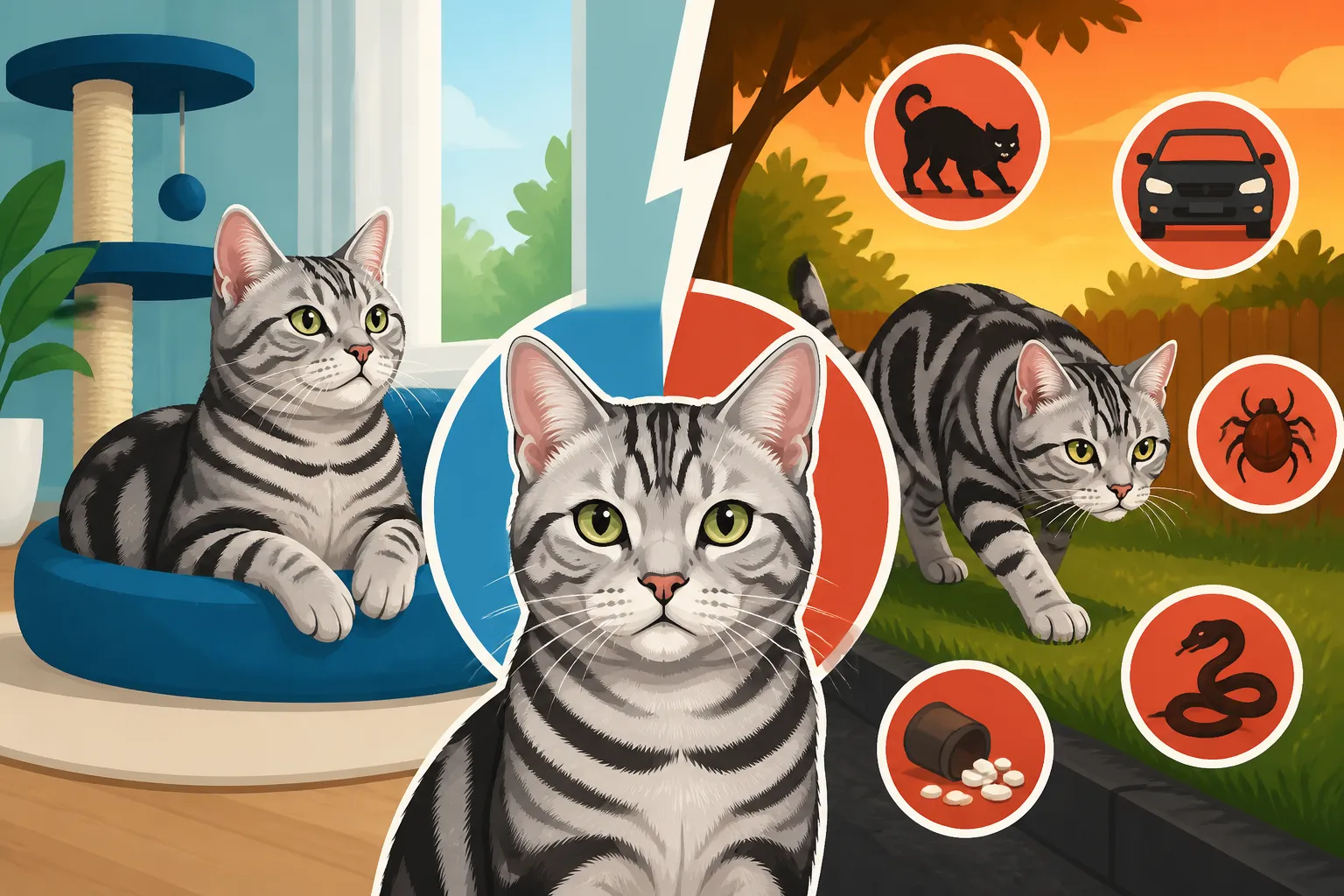
One of the most immediate and horrifying risks for any outdoor cat, including our sturdy American Shorthairs, is road traffic. It’s a danger that is omnipresent and unforgiving, turning what seems like a simple stroll into a life-threatening gamble with every passing vehicle. The swiftness with which these incidents occur often leaves owners devastated and feeling helpless, highlighting why keeping a cat safely indoors significantly mitigates this threat.
Road Traffic Accidents
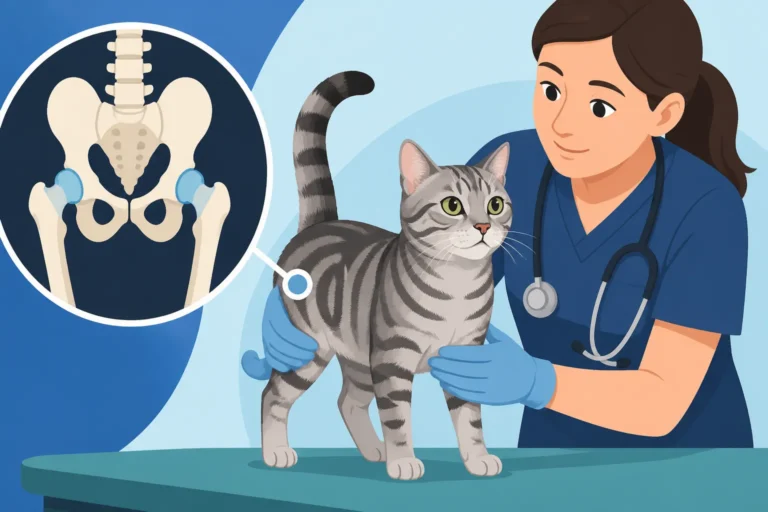
For an American Shorthair, whose instincts compel them to explore and often pay little heed to human-made boundaries like roads, a busy street is an invisible, deadly trap. Cats, despite their agility, are simply no match for the speed and mass of a car or truck. They might dart out suddenly while chasing a bird, fleeing from another animal, or simply crossing their perceived territory. The result is almost always catastrophic. These accidents can range from severe fractures, internal bleeding, head trauma, to immediate fatalities.
Even if an American Shorthair survives a hit-and-run, the injuries are often extensive and require immediate, costly veterinary intervention. We're talking about complex surgeries, prolonged hospital stays, and intensive rehabilitation. The trauma for the cat is immense, and for the owner, the emotional toll is heavy, compounded by the financial strain. Many wonderful organizations and insurance providers, like Healthy Paws, exist to help with these unexpected and often exorbitant costs, but prevention is always the best cure. The heartbreaking reality is that How Road Traffic Shortens an Outdoor American Shorthair's Life is a direct and undeniable consequence of outdoor access.
The Hidden Costs of Emergency Care
When an outdoor American Shorthair is involved in a road traffic accident, the immediate concern is, of course, their survival and recovery. However, the financial implications can be staggering. An emergency vet visit, diagnostics like X-rays or ultrasounds, pain medication, and potentially life-saving surgery for broken bones or internal injuries can quickly accumulate into thousands of dollars. These are not minor expenses; they are major unexpected financial burdens that can catch any pet owner off guard, no matter how prepared they think they are.
Beyond the initial emergency, there’s the recovery period, which might involve follow-up appointments, physical therapy, specialized diets, and long-term medication. This can stretch on for weeks or even months. The emotional cost is equally, if not more, profound. Witnessing your beloved companion in pain, grappling with the guilt of perhaps allowing them outside, and the anxiety of their recovery can be incredibly stressful. For many, this is a wake-up call to the immense, avoidable risks that the outdoor environment poses.
The Threat of Feline Fights and Predator Encounters
While cars represent a human-made hazard, the outdoors also brings your American Shorthair into direct conflict with other animals, both domesticated and wild. These encounters are not just unpleasant; they can lead to serious injuries, infections, and even the transmission of deadly diseases, fundamentally altering the comfortable life an indoor cat enjoys. An American Shorthair, despite its sturdy build and confident demeanor, is not invulnerable in these scenarios.
Cat-on-Cat Aggression and Abscesses
The outdoor world is a complex tapestry of territories, and other cats are often the primary challengers. Your American Shorthair, with its natural instinct to patrol, will inevitably encounter other felines. These meetings can quickly escalate into aggressive confrontations, especially if either cat perceives the other as an intruder. Cat fights are characterized by hissing, growling, and swift, sharp bites and scratches. Even a quick skirmish can leave a cat with painful wounds.
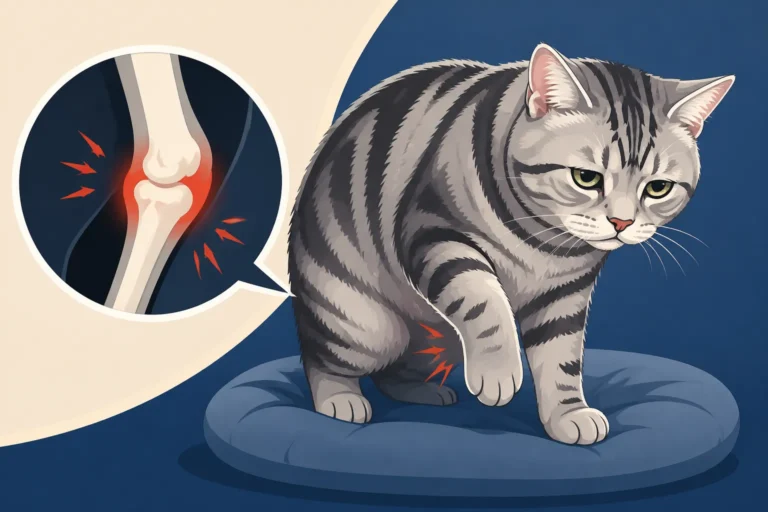
The most common and insidious result of a cat fight is an abscess. A tiny puncture wound from a tooth or claw, especially if it's deep and seals over quickly, can trap bacteria beneath the skin. Within days, this can develop into a swollen, painful, pus-filled pocket that requires veterinary attention. Untreated, these abscesses can rupture, lead to widespread infection (sepsis), or cause significant tissue damage. How an Abscess Forms After an American Shorthair's Cat Fight is a stark reminder of these common occurrences. Furthermore, fight wounds are a primary route for transmitting serious diseases like Feline Immunodeficiency Virus (FIV).
Wildlife Predators and Their Dangers
Beyond other cats, the outdoor environment exposes your American Shorthair to a range of wildlife predators. Depending on your location, this could include coyotes, foxes, raptors like hawks and owls, raccoons, or even aggressive dogs. While an American Shorthair is a capable hunter, they are significantly smaller than many of these predators and are often outmatched in a confrontation. Their hunting instincts, which make them so effective against rodents, can also lead them into dangerous situations when confronting larger, more powerful animals.
Encounters with wildlife can result in severe injuries, from deep bite wounds and lacerations to broken bones, or even death. Predators don't just hunt for food; they can also be territorial or perceive a domestic cat as a threat to their young. Beyond physical trauma, there's the risk of disease transmission. Raccoons, foxes, and other wild animals can carry rabies, distemper, or other zoonotic diseases that could be passed to your cat through a bite or scratch. This makes the question of How Much Wildlife an American Shorthair Takes a grave concern for outdoor cat owners.
The Silent Spread of Parasites and Diseases
One of the less immediately visible, but equally dangerous, aspects of outdoor life for an American Shorthair is the constant exposure to parasites and infectious diseases. While many of these can be prevented with regular veterinary care and preventative medications, outdoor cats face a much higher, continuous risk of infestation and infection compared to their indoor counterparts, who largely live in a controlled environment.
Fleas, Ticks, and Intestinal Worms
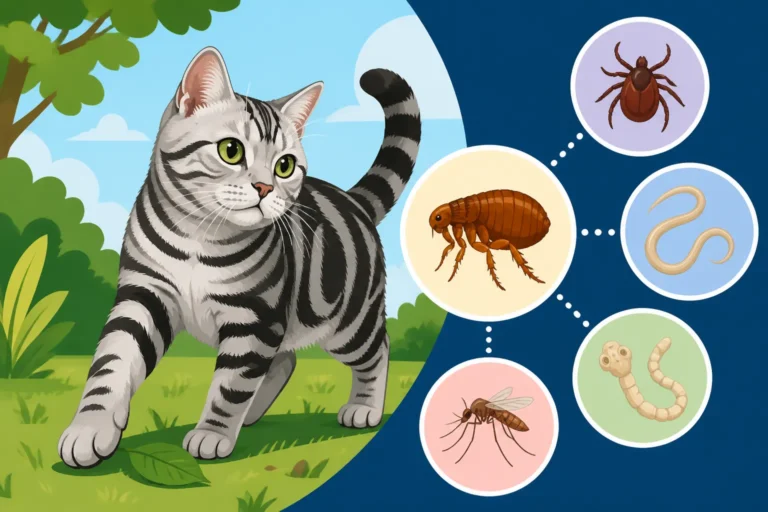
Outdoor cats are a magnet for external parasites like fleas and ticks. Fleas cause intense itching, allergic dermatitis in sensitive cats, and can transmit tapeworms and Bartonella (cat scratch disease). Ticks, on the other hand, latch onto your cat to feed on blood and can transmit a host of serious illnesses, including Lyme disease, anaplasmosis, and ehrlichiosis, though the prevalence of these diseases in cats varies by region. Even a short excursion can be enough for your American Shorthair to pick up these unwelcome hitchhikers.
Beyond external pests, outdoor access dramatically increases the risk of internal parasites, or intestinal worms. Cats can pick up roundworms, hookworms, and whipworms by hunting and eating infected prey (like rodents, which an American Shorthair is naturally inclined to do), by ingesting infected feces from other animals, or even through contaminated soil. These worms can cause digestive upset, weight loss, dull coat, and in severe cases, more serious health issues. This is why Which Parasites an Outdoor American Shorthair Picks Up is a constant concern and necessitates much more frequent deworming protocols for outdoor cats.
Infectious Diseases from Other Animals
Perhaps the most devastating risks are the contagious diseases that an outdoor American Shorthair can contract from other cats or wildlife. Feline Leukemia Virus (FeLV) and Feline Immunodeficiency Virus (FIV) are two of the most serious. FeLV is transmitted through prolonged close contact, shared food/water bowls, or bite wounds, while FIV is primarily spread through deep bite wounds, often sustained during cat fights. Both viruses severely compromise the immune system, making cats susceptible to secondary infections and certain cancers, significantly shortening their lifespan. While vaccines exist for FeLV, they are not 100% effective, and there is no vaccine for FIV currently available in many regions. Whether an Outdoor American Shorthair Needs FeLV Cover is a critical question every owner must consider.
Other infectious diseases, such as upper respiratory infections (like feline herpesvirus and calicivirus), panleukopenia (feline distemper), and rabies, are also more prevalent in outdoor populations due to increased exposure. Rabies, a universally fatal neurological disease, is a particular concern, as it can be transmitted from wildlife (like raccoons, bats, and foxes) and poses a risk to humans. Keeping up with vaccinations is vital for outdoor cats, but even then, they are not entirely immune to all threats. Whether an Outdoor American Shorthair Should Be FIV Tested regularly is a wise precaution for any cat with outdoor access.
Environmental Hazards and Unforeseen Accidents
Beyond direct animal-on-animal conflict or traffic, the outdoor environment is full of inanimate dangers, from toxic substances to physical traps, that can pose a serious threat to an exploring American Shorthair. These are often things we, as humans, don't even consider, but to a curious cat, they can represent irresistible, and ultimately lethal, temptations.
Toxins, Poisons, and Chemical Exposure
Our modern homes and gardens are often full of substances that are highly toxic to cats. Antifreeze, with its sweet taste, is notoriously appealing and lethal. Rodenticides (rat and mouse poison) are designed to be palatable and can cause internal bleeding. Snail and slug bait can contain metaldehyde, which leads to seizures. Common garden chemicals like herbicides, insecticides, and fertilizers can be ingested from treated plants or paws, causing gastrointestinal upset, neurological symptoms, or organ damage. A curious American Shorthair might explore a garage, shed, or even a neighbor's yard and inadvertently come into contact with these deadly substances.
Even seemingly innocuous items can be dangerous. Certain plants commonly found in gardens and homes, such as lilies, sago palms, and azaleas, are highly toxic. Furthermore, spilled automotive fluids, household cleaners, or even residue from pest control applications on sidewalks can be licked off paws, leading to severe poisoning. Unlike an indoor cat, where owners can meticulously control the environment, an outdoor cat is constantly exposed to these hidden, man-made hazards, making the risk of accidental poisoning a significant concern.
Getting Lost, Trapped, or Injured by Humans
An American Shorthair, even one that knows its home territory well, can easily become disoriented or get lost, particularly if they are chasing prey or fleeing from a threat. They might wander further than intended, especially if they are young or newly introduced to an area. This can lead to them struggling to find their way back, ending up in unfamiliar neighborhoods, or getting picked up by well-meaning strangers who mistake them for strays. Even if chipped, the stress and danger of being lost are immense.
Beyond getting lost, there's the risk of physical injury or entrapment. Cats can accidentally get trapped in sheds, garages, or even car engines where they might seek warmth, especially in colder weather. They can fall from heights, get tangled in fencing, or suffer injuries from jumping over obstacles. Sadly, there's also the disturbing reality of intentional harm from malicious individuals. Not everyone is fond of cats, and some individuals may intentionally harm outdoor cats, set traps, or even resort to cruelty. This is a chilling thought for any pet owner, making the choice to keep a cat indoors a protective measure against such horrific possibilities.
The Long-Term Impact on an American Shorthair's Lifespan and Well-being
When we weigh the pros and cons of indoor versus outdoor life for an American Shorthair, it's not just about avoiding immediate dangers. There are profound long-term impacts on their overall health, mental state, and ultimately, how many precious years we get to spend with them. The cumulative effect of outdoor exposure undeniably shortens a cat's life and adds unnecessary stress.
Reduced Lifespan for Outdoor Cats
It's a stark reality supported by countless veterinary studies and anecdotal evidence: outdoor cats have a significantly shorter average lifespan than their indoor counterparts. While an indoor American Shorthair can comfortably live to be 15-20 years old—and indeed, The Fifteen to Twenty Years the American Shorthair Was Given is a testament to their potential longevity—the average lifespan for an outdoor cat is often cited as only 2-5 years. This drastic difference isn't due to one single factor but rather the combined weight of all the risks we've discussed: traffic accidents, fights, predators, parasites, diseases, and exposure to environmental toxins.
Each of these risks, whether it leads to immediate fatality or chronic illness, chips away at their potential lifespan. An outdoor cat is in a constant state of low-level threat, which can also contribute to chronic stress. They might survive one close call, only to succumb to another danger later down the line. Choosing to keep your American Shorthair indoors is, quite simply, the most effective way to protect them from these dangers and maximize their chances of living a full, happy, and long life. Whether an Indoor American Shorthair Lives Longer is a question with a resounding "yes" from veterinary professionals.
Chronic Stress and Anxiety
While we often imagine outdoor cats as carefree explorers, the reality for many is a life lived in a heightened state of alert. The constant need to defend territory, avoid dangers, find food, and evade predators can lead to chronic stress and anxiety. Even if they're not actively involved in a fight or dodging a car, the potential for these events creates an underlying level of physiological and psychological stress that an indoor cat simply doesn't experience.
This chronic stress isn't just a mental state; it has tangible physical consequences. Prolonged stress can suppress the immune system, making an American Shorthair more susceptible to infections and illnesses. It can exacerbate existing health conditions or even contribute to the development of new ones. A cat constantly worried about its surroundings may also display behavioral issues, such as increased aggression, excessive grooming, or inappropriate urination. Creating a safe, predictable indoor environment frees your American Shorthair from this burden, allowing them to relax and thrive, contributing positively to their overall well-being and longevity.
Creating a Safe and Stimulating Indoor Environment
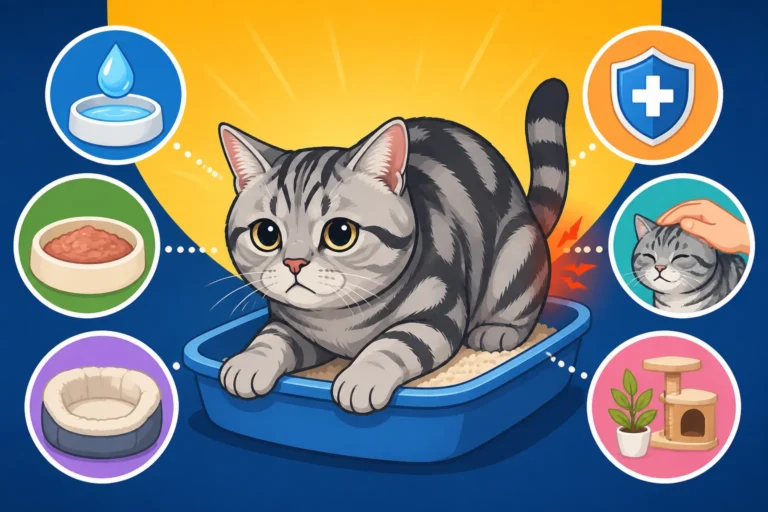
Acknowledging the risks of outdoor access doesn't mean your American Shorthair is doomed to a boring existence. Quite the opposite! By understanding their natural instincts, especially their hunting drive, you can create a vibrant, stimulating indoor environment that caters to their needs and keeps them physically and mentally sharp, without any of the inherent dangers of the outside world.
Enrichment for the Instinctual Hunter
The American Shorthair retains a powerful hunting instinct, a legacy from its working cat ancestors. This instinct needs an outlet, even when living indoors. Simply providing food in a bowl isn't enough to satisfy their primal drive. Instead, think about how to simulate the "hunt" indoors. Puzzle feeders are fantastic for this, requiring your cat to "work" for their food by manipulating objects to release kibble. This slows down eating, prevents boredom, and provides mental stimulation.
Interactive play is also crucial. Wand toys that mimic birds or rodents, especially those with feathers or realistic fur textures, can engage their stalking, pouncing, and catching behaviors. Dedicate at least 15-20 minutes daily to active play sessions, allowing them to "catch" the toy at the end to satisfy the hunting sequence. Vertical space is another key element; cat trees, shelves, and window perches allow them to climb, observe their territory from above, and feel secure, replicating some aspects of tree climbing or high perching for observation. Understanding What an Indoor American Shorthair Does With a Mouser's Instinct is key to successful indoor enrichment.
Safe Outdoor Alternatives: Catios and Leash Training
If you're still keen to give your American Shorthair a taste of the fresh air and sunshine, there are much safer alternatives than unsupervised outdoor roaming. The most popular and effective solution is a "catio" – a secure, enclosed outdoor enclosure. Catios can range from small window boxes to elaborate multi-level structures with ramps, shelves, and toys. They allow your cat to experience the sights, sounds, and smells of the outdoors without any risk of escaping, encountering predators, or being hit by a car. They are truly the best of both worlds, providing mental stimulation and fresh air in a completely safe environment.
Another option, though it requires patience and dedication, is leash training. Many American Shorthairs can be trained to walk on a harness and leash, allowing supervised excursions in a safe area like a quiet backyard. It's important to use a properly fitted harness (not just a collar) and introduce it gradually, making it a positive experience with treats and praise. Not all cats will take to leash walking, but for those who do, it offers a controlled way to explore outside. Remember, even with a harness, constant supervision is essential to prevent encounters with unfamiliar dogs, people, or unexpected hazards. This proactive approach ensures your American Shorthair can experience some outdoor elements while maintaining their safety and health.
Here’s a quick overview of the stark differences in risks:
| Risk Factor | Indoor American Shorthair | Outdoor American Shorthair |
|---|---|---|
| Road Traffic Accidents | Virtually zero | High risk, often fatal or causes severe injury |
| Fights with other cats | None (unless multi-cat household issues) | High risk, leading to abscesses, disease transmission |
| Predator Attacks | None | Moderate to high risk (coyotes, dogs, raptors) |
| Parasites (Fleas, Ticks, Worms) | Very low risk with preventative measures | High and continuous exposure, requiring consistent prevention |
| Infectious Diseases (FIV, FeLV, Rabies) | Very low risk, especially with appropriate vaccinations | High risk, spread through fights and contact with other animals |
| Toxins/Poisons | Controlled household environment minimizes risk | High risk from antifreeze, pesticides, toxic plants, etc. |
| Getting Lost/Trapped | None | Moderate to high risk, causing stress and potential harm |
| Intentional Harm by Humans | None | Low but present risk |
| Average Lifespan | 15-20 years | 2-5 years |
| Chronic Stress | Low in enriched environment | High due to constant threats |
Disclaimer
The information provided in this article is for general informational and educational purposes only and is not a substitute for professional veterinary advice. Always consult with a qualified veterinarian for any health concerns or before making any decisions related to your American Shorthair's care, diet, or lifestyle.