Why an American Shorthair That Hunted Alone Stayed Quiet
It's a common misunderstanding that all cats are boisterous, constantly demanding attention with loud meows or energetic antics. Many people, particularly those new to the American Shorthair breed, might be surprised by just how quiet and unassuming these wonderful felines can be. This guide dives deep into the historical and behavioral reasons behind the American Shorthair's remarkably calm and often silent nature, helping you understand and appreciate this unique aspect of their personality.
The Evolutionary Roots of the American Shorthair's Silence
The quiet demeanor of the American Shorthair isn't an accident or a quirk; it's deeply ingrained in their genetic makeup, a direct inheritance from centuries of evolution and purposeful work. Their ancestors weren't bred for companionship or for noisy, attention-seeking behaviors in a domestic setting. Instead, they were valued for entirely different traits that demanded silence above all else.
Hunting Alone Demanded Stealth, Not Sound
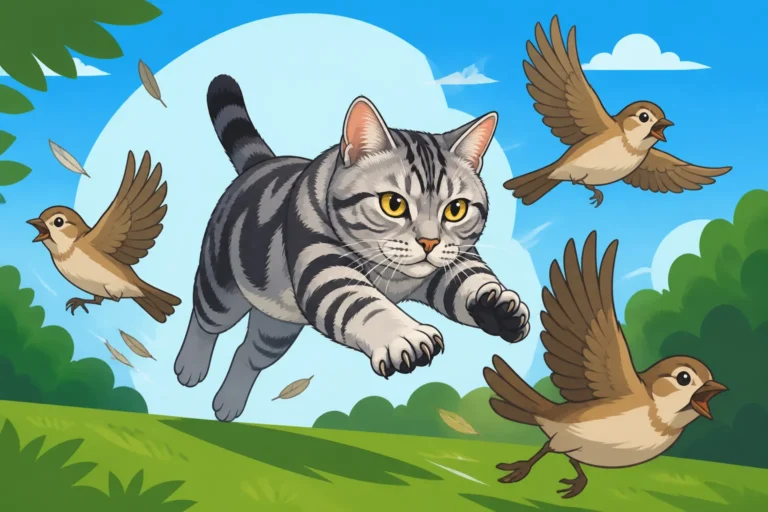
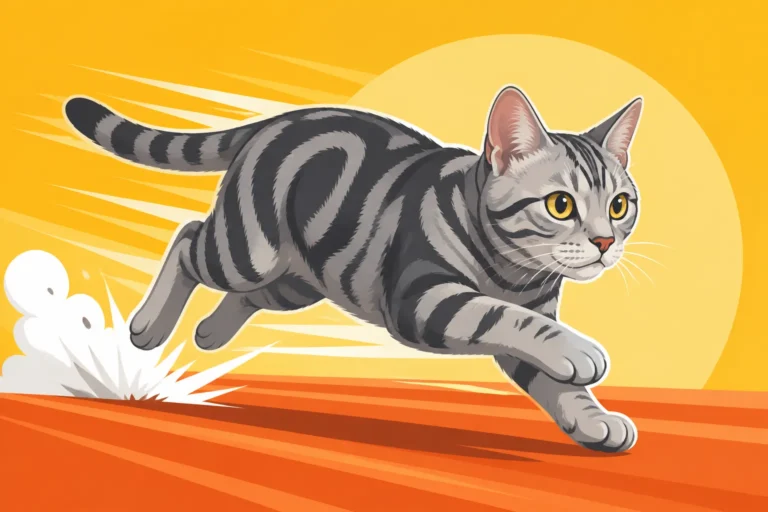
Imagine a world where your next meal depends entirely on your ability to catch it. For the wild ancestors of the American Shorthair, and indeed many feral cat populations today, this was their daily reality. These cats were solitary hunters, meaning they operated without a "pack" to assist them or to communicate with loudly. A rustle in the leaves, a chirping bird, or the scurry of a mouse meant a potential meal, but any vocalization from the cat itself would immediately give away its position.
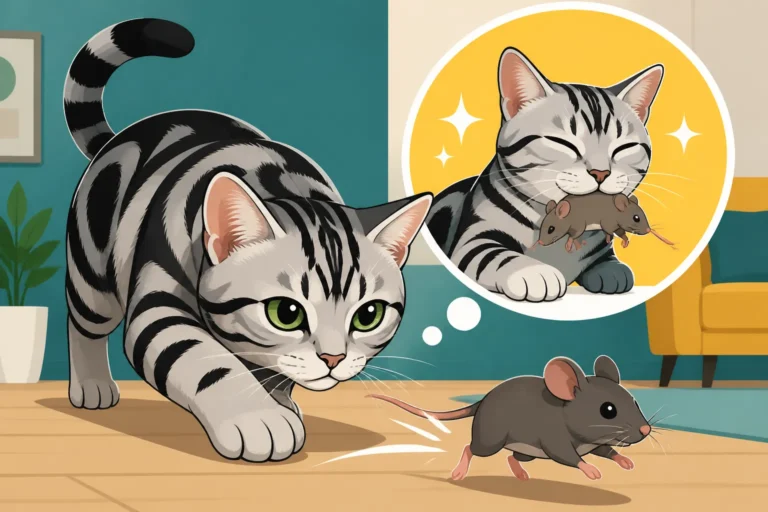
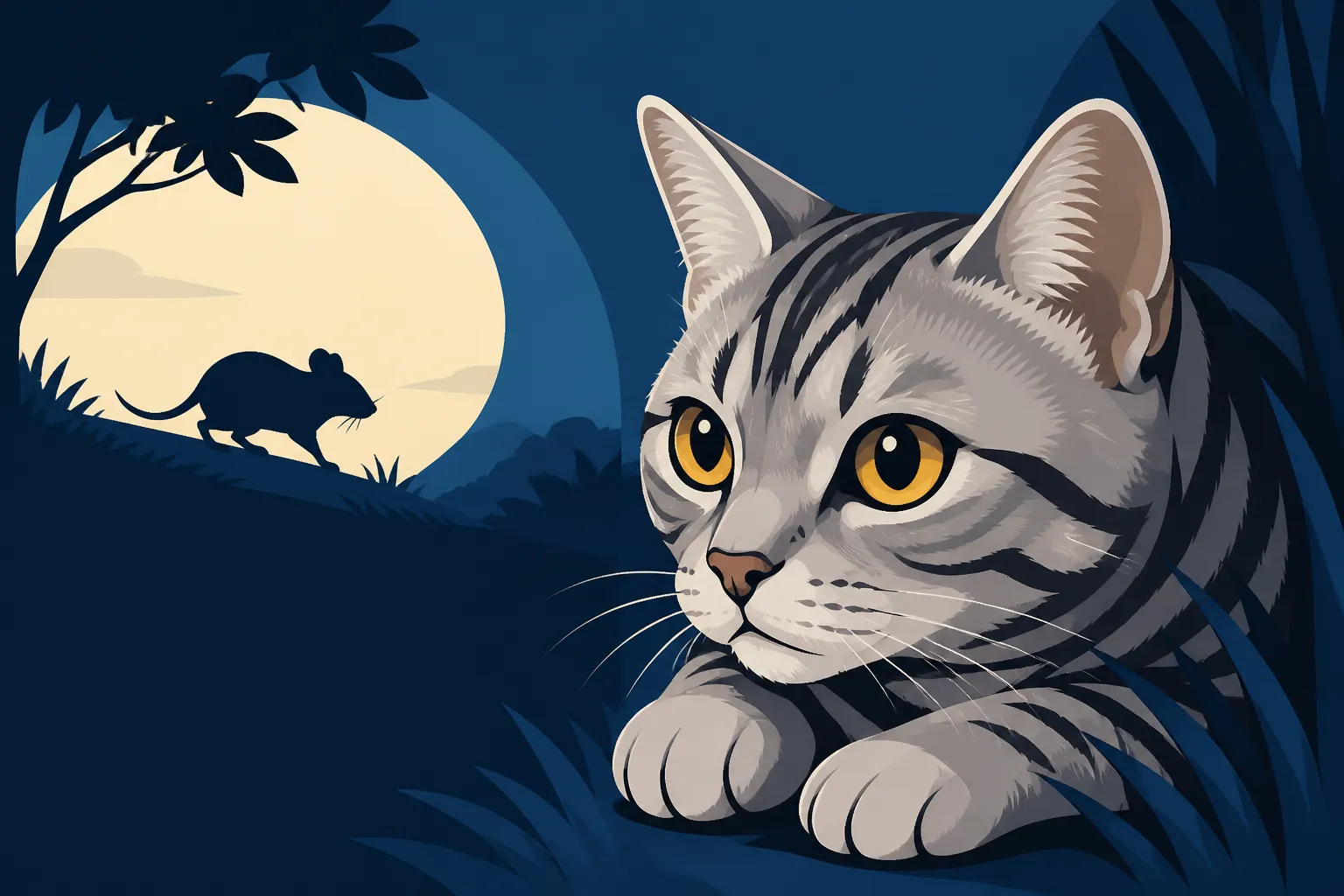
Consider a cat stalking a field mouse. Every step is placed with exquisite care, every movement deliberate and low to the ground. If that cat were to meow, even softly, the mouse would bolt, and the hunt would be over. Their survival hinged on being unseen and, critically, unheard. This constant need for stealth over countless generations molded their behavior, favoring those individuals who were naturally quiet and unobtrusive. It wasn't about calling for help or announcing a kill; it was about silent, efficient self-preservation. This fundamental survival strategy is woven into the very fabric of the American Shorthair's being, making them instinctively cautious about vocalizing unnecessarily.
Communication Through Body Language, Not Meows
While domesticated cats have certainly learned to use their voices to communicate with their human companions – often mimicking human babies to elicit a response – the core instinct of the American Shorthair still leans heavily on non-vocal communication. In the wild, loud vocalizations are often reserved for very specific, high-stakes situations. Think about the caterwauling of cats during mating season, a primal sound meant to attract partners and warn off rivals. Or the sharp, guttural hiss and growl exchanged between two cats fiercely defending their territory or a precious resource. These are not everyday sounds; they are exceptions.
Instead, the American Shorthair, much like its wild predecessors, communicates a rich tapestry of information through subtle body language. An almost imperceptible flick of an ear can convey irritation. A slow, deliberate blink from across the room is a sign of deep trust and affection. The position and movement of their tail can tell you volumes about their mood, from contented swishes to agitated thumps. They use scent marking, rubbing their cheeks against objects and people they consider part of their domain, to establish a familiar and comforting environment. When they interact with you, they might rub against your legs, or offer a gentle head-butt. These are all profound forms of communication, understood without a single spoken word. The quietness isn't a lack of communication; it's just a different, more nuanced language that requires a keen observer.
The Farm Cat's Role: Unobtrusive and Efficient
Beyond their wild ancestry, the more recent history of the American Shorthair as a working cat further reinforced their quiet nature. These were the cats that sailed on ships, guarding valuable cargo from rodents, and later became indispensable residents of barns and homesteads across America. Their job was pest control, pure and simple. A noisy cat on a ship would disrupt the crew and potentially alert the rats it was meant to catch. On a farm, a loud cat would not only scare off prey like mice and voles but also draw unwanted attention to itself, perhaps from dogs or other predators.
Their value lay in their efficiency and their ability to operate without demanding constant human intervention or making a fuss. A farmer didn't want a cat that loudly begged for food or clamored for attention; they wanted a silent, effective hunter that blended into the background, doing its job with minimal supervision. This long history as an independent, working animal meant that traits like self-sufficiency and an unobtrusive presence were selected for, consciously or unconsciously. They learned to be quiet not just for hunting, but to be an accepted and useful part of a busy household or working environment without being a nuisance. Their entire purpose revolved around being effective, and often, effective meant being quiet. How Farm Work Shaped the American Shorthair
A Legacy of Self-Sufficiency and Independence
The quietness of the American Shorthair is intrinsically linked to their deep-seated independence. These aren't cats that typically rely on vocal cues to rally others or to express their every whim. Their self-sufficient past has sculpted them into creatures of quiet action rather than loud declaration.
No Need to Call for the Pack
One of the most striking differences between cats and many other domesticated animals, like dogs, is their social structure. While some cat species do live in colonies, the American Shorthair's direct ancestors were largely solitary hunters. This meant there was no inherent evolutionary pressure to develop a wide range of loud vocalizations for group communication. They weren't calling for a pack to assist in a hunt, warning others of a shared threat, or signaling their location to family members. Their needs were met through their own prowess and instincts.
When an American Shorthair wants something, their first instinct isn't usually to unleash a loud torrent of meows. Instead, they might quietly appear at your feet, look expectantly at a food bowl, or gently head-butt your hand as you pass. It's a subtle, almost dignified request, rather than a demanding clamor. This self-reliance stems from generations where they had to figure things out for themselves. If they were hungry, they hunted. If they needed shelter, they found it. There wasn't a "dinner bell" rung by other cats, and they certainly didn't evolve to create one for themselves. This deep independence translates into a cat that simply doesn't feel the need to broadcast its presence or desires with a lot of noise.
Quiet Observation as a Survival Trait
The phrase "silent observer" perfectly encapsulates a key aspect of the American Shorthair's personality. Their ancestors thrived by carefully assessing their environment before making a move. Charging in blindly or making a loud entrance could mean danger or a missed opportunity for food. This ingrained habit of quiet observation extends to their interactions with humans and their domestic surroundings. An American Shorthair will often sit, watching you, learning your routines, and understanding the rhythm of the household. They process information quietly, taking everything in before deciding how, or if, to engage.
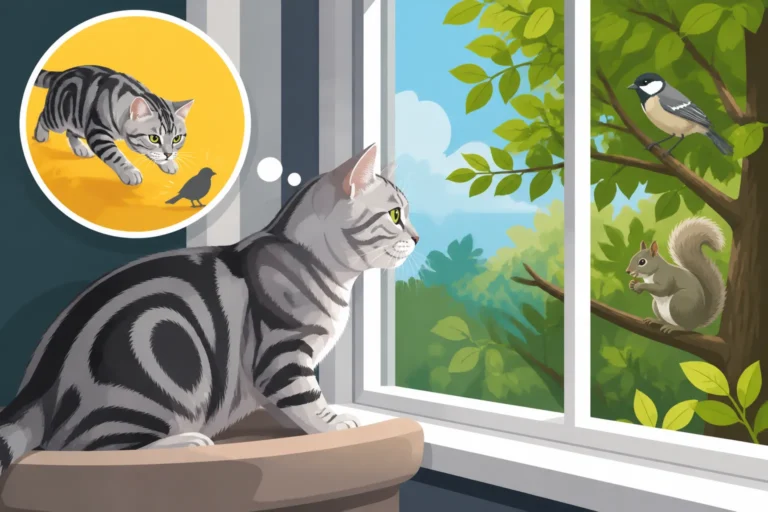
This isn't a sign of aloofness; rather, it's a testament to their intelligence and their deeply rooted survival instincts. They are calculating, strategic thinkers. You might find your American Shorthair perched on a cat tree or a windowsill, seemingly just lounging, but they are constantly monitoring their territory, registering every sound and movement. When guests arrive, they might not greet them with enthusiastic meows but rather by observing from a safe distance, slowly deciding if the newcomer warrants a closer inspection. Why an American Shorthair Watches Guests Instead of Hiding This quiet vigilance is a comforting presence for many owners, providing a sense of calm and a subtle awareness of their surroundings.
Minimal Demands and Unobtrusive Presence
One of the qualities many American Shorthair owners cherish is their low-maintenance, undemanding nature. They aren't typically the type of cat that will sit on your head and scream at 3 AM because their food bowl has a tiny sliver of bottom showing. Their quiet disposition means they rarely make overt demands for attention, food, or playtime. This often leads people to describe them as "easy-going" or "unflappable." They fit into a household seamlessly, requiring companionship and care, of course, but without the constant need for vocal interaction that some more chatty breeds exhibit.
This unobtrusive presence makes them excellent companions for a variety of lifestyles, especially busy families or individuals who appreciate a calm home environment. They are content to share your space, perhaps napping nearby or quietly following you from room to room, rather than being a constant vocal presence. You might realize your American Shorthair has been quietly observing you for twenty minutes before they decide to rub against your leg or hop onto your lap. They wait for opportune moments, respecting your space and time. This can be incredibly validating for owners who don't want a pet that feels like another demanding child, but rather a serene, independent companion. Why an American Shorthair Suits a Busy Family
Understanding the American Shorthair's Vocal Repertoire
While the American Shorthair is famously quiet, it doesn't mean they are entirely silent. They simply use their voices more judiciously and with a different intention than some other breeds. Learning their subtle vocalizations is key to truly understanding your quiet companion.
The Soft Chirps and Trills of Affection
If you're lucky enough to share your life with an American Shorthair, you'll soon discover their secret language of soft chirps and trills. These aren't loud, attention-grabbing meows; they are intimate, gentle sounds reserved for their most trusted humans. A chirp might be a friendly greeting as you walk into a room, a soft "hello" or "I'm glad you're home" without the need for a big production. It's often accompanied by a happy tail flick or a slow blink.
Trills, on the other hand, often signify contentment or an invitation for closer interaction. When your American Shorthair weaves between your legs, perhaps nudging your hand, and lets out a soft, rolling trill, they're likely asking for pets or expressing deep satisfaction. It's a purr with sound, a gentle murmur that speaks volumes about their comfort and affection. These sounds are truly special because they aren't wasted on just anyone. They are a sign that your American Shorthair trusts and loves you enough to let down their guard and share these quiet, affectionate vocalizations. It’s their way of offering a warm, personal greeting or expressing their happiness in your presence. How an American Shorthair Shows Affection Between Patrols
The Purposeful Meow: When an American Shorthair Does Speak Up
When an American Shorthair does meow, it's almost always for a very specific reason, making their vocalizations highly purposeful. They don't typically engage in lengthy "conversations" or endless strings of meows just for the sake of it. Instead, their meows are direct messages, clear and concise. You'll quickly learn to distinguish the "I'm hungry, fill my bowl" meow from the "My litter box needs immediate attention" meow, or even the urgent "I'm stuck in the closet!" meow.
These are not cries for casual attention but requests for action. A classic example is the American Shorthair who leads you directly to their empty food dish, looking at you, then at the dish, and offering a single, meaningful meow. It’s a very practical form of communication. They don't want to chat; they want a problem solved or a need met. This makes their infrequent meows all the more impactful, as they instantly grab your attention because you know something important is being communicated. If your American Shorthair starts meowing more frequently or with a different tone than usual, it's often a sign that something is amiss and warrants investigation. What an American Shorthair's Voice Sounds Like
The Silent Signals You Might Miss
Because American Shorthairs are so adept at non-vocal communication, it's easy to miss many of their signals if you're not paying close attention. Their quiet nature demands that their human companions become experts in feline body language. Their silence isn't a void; it's filled with subtle cues that convey a wealth of information about their mood, intentions, and well-being.
You'll need to observe their eyes—a slow blink indicates comfort and trust, while dilated pupils might signal excitement or fear. Their ears are incredibly expressive; forward ears show interest, flattened ears indicate aggression or fear. The posture of their body, whether relaxed and stretched out or tense and coiled, tells a story. Even the slightest twitch of their whiskers can be a subtle indicator of their emotional state or how they're assessing their environment. Learning to read these silent signals is incredibly rewarding, as it deepens your bond and allows for a more profound understanding of your cat's inner world. It's a continuous learning process, but one that enriches the relationship immeasurably.
Here's a quick guide to some common silent signals from your American Shorthair:
| Body Part | Silent Signal | Meaning |
|---|---|---|
| Eyes | Slow blink, half-closed | Affection, trust, relaxation ("I love you," "I'm comfortable") |
| Dilated pupils | Excitement, fear, surprise, low light | |
| Ears | Forward and alert | Interested, listening, curious |
| Flattened or swiveled back | Irritation, fear, aggression, defensiveness | |
| Tail | Held high, slight curl | Happy, confident, friendly |
| Gentle swish/wag | Contentment, mild interest, thinking | |
| Twitching tip, low swish | Mild annoyance, growing irritation, focused hunting | |
| Puffed up, held low | Fear, aggression, startled | |
| Body | Arching back, fur bristling | Fear, aggression (trying to look bigger) |
| Rubbing against you (head, cheeks, flank) | Affection, marking you with their scent, claiming you as theirs | |
| Kneading ("making biscuits") | Comfort, happiness, contentment (leftover kitten behavior) | |
| Whiskers | Forward, flared | Curious, investigating, happy |
| Pulled back, flattened against face | Fear, pain, defensiveness |
Enriching the Life of a Quiet Hunter
Just because your American Shorthair is quiet doesn't mean they don't have a vibrant inner world and a strong need for engagement. Their hunting instincts, even if no longer used for survival, are still very much present and need an outlet. Enrichment for a quiet cat often focuses on mental and physical stimulation that respects their self-sufficient nature.
Stimulating Their Instincts Without Noise
The American Shorthair's ancestors spent their days actively hunting, a process that engaged both their minds and bodies. While your indoor American Shorthair doesn't need to stalk real prey, their innate drive to hunt is still very powerful. This means providing outlets for that predatory sequence: stalk, chase, pounce, and "kill." This doesn't have to involve loud, chaotic play. In fact, quiet, focused play can be far more satisfying for them. Think about incorporating wand toys that mimic the erratic movements of a bird or a mouse. Items readily available on platforms like Amazon offer a wide variety of feather wands, string toys, and other interactive tools that can simulate a hunt.
Puzzle feeders are another excellent way to engage their silent hunter instincts. Instead of simply eating from a bowl, they have to "work" for their food, using their brains and paws to extract kibble or treats. You can also hide small portions of their daily meal around the house, turning mealtime into a scavenger hunt. This encourages their natural foraging behaviors and provides mental enrichment without requiring any vocalization. Remember, the goal is to provide opportunities for them to express their natural behaviors in a safe and enriching way, validating their quiet hunter persona. Which Wand Toy Reads as Prey to an American Shorthair
Respecting Their Need for Quiet Spaces
A cat that values quiet communication and observation will naturally thrive in an environment that offers them peace and privacy. American Shorthairs, with their history of independent patrol and self-reliance, often appreciate having their own designated quiet spaces within the home. This means more than just a bed on the floor. Think vertical space: cat trees, shelves, or window perches that allow them to survey their "territory" from a safe vantage point without being constantly disturbed.
These elevated spots not only satisfy their natural inclination to climb but also provide a quiet retreat where they can observe the household without feeling overwhelmed. Cozy hiding spots, like cat caves or even a simple box tucked away in a corner, offer them a sense of security and a place to nap undisturbed. Too much constant noise, loud music, or chaotic activity can be genuinely stressful for a cat that is wired for quiet vigilance. By providing them with these calm sanctuaries, you're honoring their nature and allowing them to feel secure and content in their home.
Encouraging Interaction on Their Terms
With a quiet American Shorthair, the key to building a strong bond is to respect their boundaries and encourage interaction on their terms. Unlike some breeds that might demand attention with boisterous vocalizations, the American Shorthair often prefers a more subtle approach. Don't force cuddles or pick them up if they resist; instead, offer a gentle hand for a head scratch or a slow, deliberate pat. They might prefer to sit beside you on the sofa rather than directly on your lap, or initiate a soft head-butt to solicit attention rather than a loud meow.
Engage them in quiet play sessions with those wand toys, allowing them to lead the pace. When they approach you, respond with calm affection, perhaps a soft voice and gentle strokes. Pay attention to their silent cues—if their tail is swishing agitatedly, they might be done with interaction for the moment. If they offer a slow blink, return it. These small, respectful interactions build trust over time, teaching your American Shorthair that their boundaries are respected and that you understand their subtle language. This approach fosters a deeper, more meaningful connection with your reserved yet loving companion.
When Quietness Becomes a Concern
While the American Shorthair is naturally quiet, it's crucial for owners to understand that changes in vocalization, or an absolute lack thereof, can sometimes signal a problem. Their stoic nature can make it difficult to detect illness, so vigilance is key.
Sudden Changes in Vocalization
One of the most important things to remember about your naturally quiet American Shorthair is that a sudden shift in their usual vocal habits is a significant indicator that something might be wrong. If your normally reserved cat suddenly becomes unusually vocal, meowing constantly, loudly, or with a different tone than you've ever heard, it's a red flag. This could be a sign of pain, discomfort, anxiety, cognitive dysfunction, or even an underlying medical condition like hyperthyroidism or kidney issues that increase thirst and vocalization. They are trying to tell you something is seriously amiss in the only way they know how, even if it goes against their usual quiet nature.
Conversely, if your American Shorthair, who might usually offer a soft chirp or a purposeful meow for food, suddenly goes completely silent, becoming even more withdrawn and quiet than their baseline, this too warrants concern. Extreme silence and hiding can be a sign of severe pain, fear, or a serious illness. Cats are masters at masking vulnerabilities, and a profound retreat into silence is often a last resort when they can no longer cope. It's a critical moment for any American Shorthair owner to pay close attention and not dismiss it as "just being themselves." Any marked deviation from their established vocal patterns, whether an increase or a decrease, should prompt a call to your veterinarian. When an Already Quiet American Shorthair Has Gone Too Quiet
Hiding Illness Behind a Stoic Demeanor
This is perhaps the most challenging aspect of caring for a naturally quiet and independent breed like the American Shorthair. Their ancestors' survival depended on not showing weakness, as any sign of vulnerability could make them a target for predators or rivals. This deep-seated stoicism means American Shorthairs are incredibly adept at hiding illness or pain, often until a condition has become quite advanced. They won't usually cry out loudly or dramatically limp; instead, they might subtly alter their routine, eat a little less, sleep a little more, or simply become even quieter and more withdrawn.
It falls to the observant owner to notice these subtle changes. Does your cat usually jump onto the counter but has stopped doing so? Is their coat looking a bit less pristine? Are they drinking more water, or is there a slight shift in their litter box habits? Are they less interested in their favorite Amazon-bought wand toy? These minute alterations, which might go unnoticed in a more outwardly expressive cat, are critical clues for an American Shorthair. Missing these silent signals can mean delaying crucial veterinary intervention. Regularly checking them over, feeling for lumps, noting their gait, and simply observing their daily rhythms can be lifesaving. Why a Stoic American Shorthair Hides Pain the Longest
Regular Vet Checks for the Silent Majority
Given their natural inclination to hide pain and illness, routine veterinary check-ups become even more paramount for the American Shorthair. These aren't just for vaccinations; they are comprehensive health assessments where a trained professional can detect subtle changes that you, as an owner, might not yet perceive. During these visits, the vet can perform a thorough physical examination, listen to their heart and lungs, palpate their abdomen, and check their teeth and gums.
Many veterinarians also recommend regular blood work and urinalysis, especially as your American Shorthair ages, as these tests can uncover underlying issues like kidney disease, hyperthyroidism, or diabetes long before clinical signs become obvious. Since your American Shorthair might not "tell" you they're hurting, these proactive check-ups are your best defense against silent diseases. They ensure that any health concerns are caught early, when they are often most treatable, allowing your quiet, beloved companion to enjoy the longest, healthiest life possible. Don't underestimate the power of these regular appointments in maintaining the well-being of your stoic friend. How Regularly a Healthy American Shorthair Still Needs Checking
Disclaimer
This article is for general informational purposes only and does not constitute professional advice. Laws, prices and regulations vary by location and change over time. Consult a qualified professional for guidance on your specific situation.