Whether a Puzzle Feeder Satisfies an American Shorthair
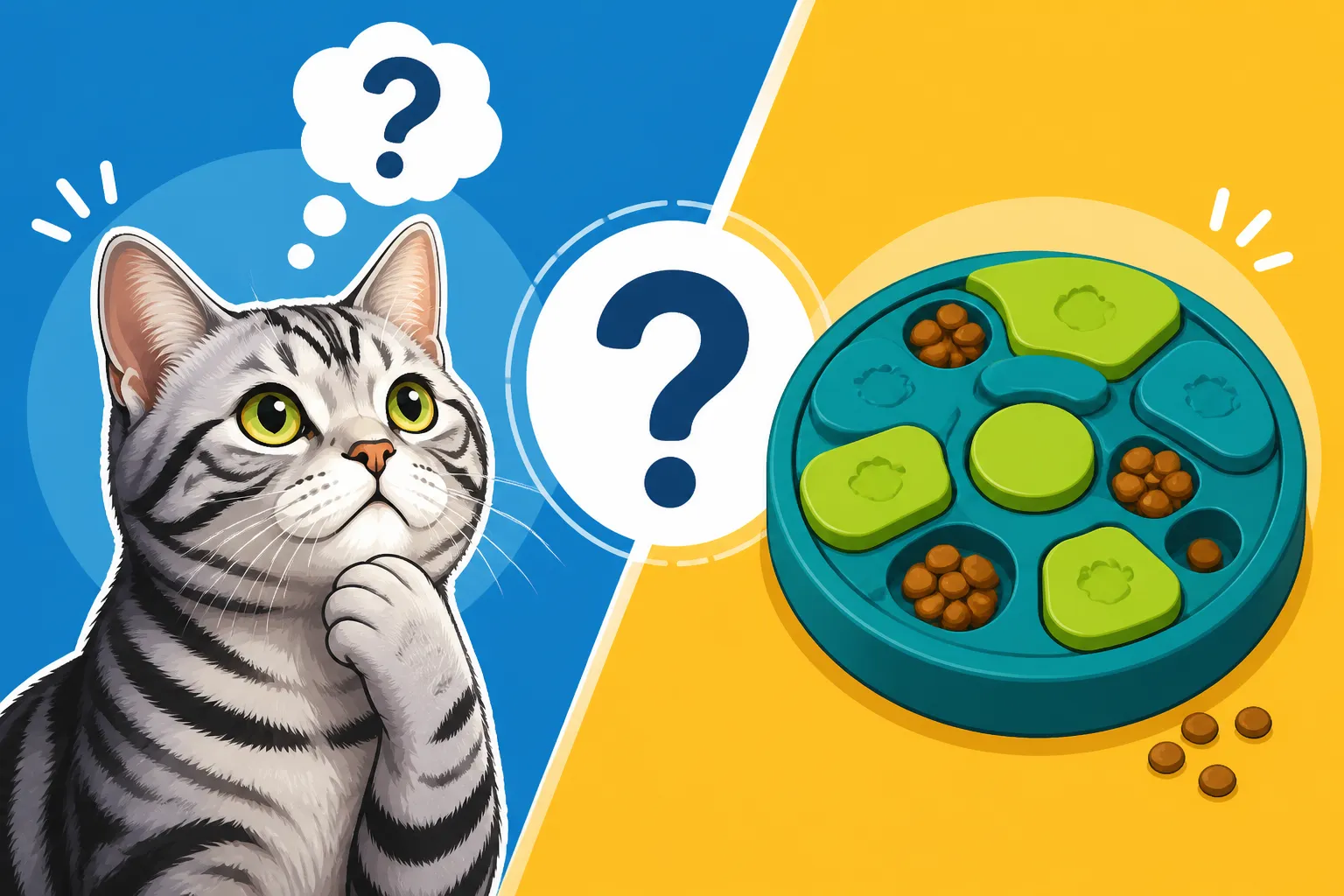
It’s a common dilemma for American Shorthair owners: you know your beloved cat has that deep-seated hunting instinct, that heritage as a diligent mouser, but they’re living the good life indoors, far from mice and outdoor adventures. You want to keep their brilliant minds engaged and their bodies active, so you try puzzle feeders. But the big question looms – does a puzzle feeder truly satisfy an American Shorthair, or is it just a temporary distraction? Let’s dive into what makes these cats tick and how to genuinely fulfill their intrinsic needs.
The American Shorthair's Innate Drive for the Hunt
Your American Shorthair isn't just a pretty face; they carry centuries of working-cat DNA in their sleek, muscular bodies. Their ancestors weren't pampered pets; they were essential members of households and ships, valued for their prowess in pest control. This isn't just a cute quirk; it's a fundamental part of who they are.
The Hunter's Mind in a House Cat
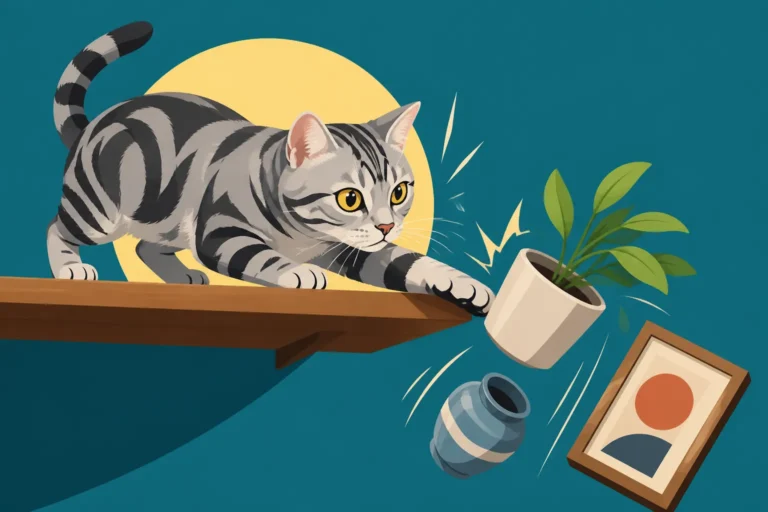
Think about what a hunt entails for a cat. It's not just about eating; it's a complex sequence of behaviors. First, there's the stalk, that intense focus and low crawl, assessing the "prey." Then comes the chase, a burst of speed and agility. Finally, the capture and the simulated kill, often involving playful batting and a decisive bite. After all that effort, the reward is the meal. When a cat simply eats from a bowl, that entire rich sequence, filled with mental and physical stimulation, is completely bypassed. It's like asking a marathon runner to just walk to the finish line – they'd reach it, but where's the satisfaction, the challenge, the thrill of the run?
For an American Shorthair, this drive is particularly strong. They are known for being robust, intelligent, and highly capable hunters. Even if your cat has never seen a live mouse, their instincts are still telling them to engage in this behavior. Providing a bowl of food, no matter how delicious, only addresses one small part of their natural feeding cycle. The mental satisfaction of earning that meal, of engaging their predatory skills, is crucial. This is why you might see your cat "hunting" dust bunnies, your feet, or even imaginary prey – their brains and bodies are wired for it. If you've ever wondered why your American Shorthair still has that drive, consider The American Shorthair Still Hunts, Whether You Want It To or Not.
What Happens Without Mental Stimulation
When an American Shorthair doesn't get enough outlets for their hunting instincts, it’s not just a matter of boredom; it can lead to a host of behavioral and even health issues. Picture a highly intelligent, active cat with nothing challenging to do all day. They might become restless, destructive, or even withdrawn. We often see behaviors like:
- Excessive vocalization: That persistent meow or chirp might be a plea for more engagement.
- Destructive scratching: They need to condition their claws, but a lack of appropriate outlets or general frustration can lead them to target furniture.
- Overeating and weight gain: Without the energy expenditure of hunting, and with easy access to food, it's very easy for an American Shorthair to become overweight. This is a common problem when their "mousing job" ends, as discussed in Why Ending the Mousing Job Made the American Shorthair Heavy.
- Aggression: Redirected aggression towards other pets or even owners can sometimes stem from pent-up energy and frustration.
- Apathy or depression: Some cats might simply become lethargic and uninterested in their surroundings if their intellectual and physical needs aren't met.
These aren't signs of a "bad" cat, but rather a cat whose fundamental needs are not being met by their environment.
How Puzzle Feeders Mimic the Hunt (and Where They Fall Short)
Puzzle feeders are fantastic tools in an American Shorthair owner's arsenal, offering a way to engage their cat's mind and make them work for their food. However, it's important to understand their strengths and limitations.
The "Work-for-Food" Principle
At their core, puzzle feeders introduce a challenge between your cat and their meal. Instead of simply scooping kibble into a bowl, the food is hidden, requiring your cat to paw, nudge, roll, or even think their way to their dinner. This taps into the "search" and "capture" aspects of hunting, albeit in a modified way. It encourages problem-solving and dexterity, which are highly stimulating for an intelligent breed like the American Shorthair.
Many types of puzzle feeders are available, from simple treat balls that dispense kibble as they roll, to more complex mazes and towers that require cats to extract food with their paws. These encourage slower eating, which can aid in digestion and prevent gulping. They also transform mealtime from a passive activity into an active engagement, burning a few extra calories and, more importantly, engaging their brains. You can find a vast array of options on Amazon, from beginner-friendly slow feeders to more advanced interactive toys, giving you plenty of choices to suit your cat's learning curve.
The Missing Pieces: Why a Puzzle Feeder Isn't a Perfect Substitute
While puzzle feeders offer undeniable benefits, they don't fully replicate the entire hunting sequence, and this is where the question of satisfaction becomes nuanced. Here's what's often missing:
- The Chase: A puzzle feeder typically stays put, or at least doesn't flee. The thrill of the chase, the burst of speed and agility, is largely absent. This intense physical exertion is a key part of the natural hunting cycle that keeps cats fit and mentally sharp.
- The Real Capture and Kill: While a puzzle feeder involves "capturing" the food from its confines, it lacks the visceral, instinctive "kill" bite and manipulation of actual prey. That final, satisfying crunch or shake of the prey is a powerful psychological component.
- Variety and Unpredictability: Once a cat masters a puzzle feeder, it can become repetitive. Natural hunting involves endless variables: different prey, different terrains, different outcomes. A puzzle feeder, by its design, offers a limited range of interactions.
- Consumption of Fresh Prey: While not something we want our indoor cats doing, the act of consuming the prize immediately after the hunt is part of the natural cycle. A puzzle feeder separates the "hunt" (the puzzle) from the "kill" and immediate consumption.
So, while puzzle feeders provide mental engagement and slow down eating, they generally fall short of providing the full physical and psychological catharsis that a complete hunting sequence offers. They are a wonderful part of a comprehensive enrichment plan, but rarely a complete solution on their own.
Let's look at how puzzle feeders stack up against natural hunting:
| Hunting Aspect | Natural Hunting (Prey) | Puzzle Feeder | Satisfaction Level for ASH |
|---|---|---|---|
| Stalking/Search | Yes (active pursuit) | Yes (mental search for food) | High |
| Chase/Capture | Yes (physical exertion) | Limited (object manipulation) | Moderate |
| "Kill" Sequence | Yes (final bite/play) | Limited (extraction) | Low |
| Consumption | Yes (immediate reward) | Yes (delayed reward) | High |
| Mental Engagement | High | High | High |
| Physical Exertion | High | Moderate/Low | Moderate |
| Variety/Surprise | High | Low (repetitive mechanism) | Moderate |
As you can see, puzzle feeders excel in mental engagement and rewarding the search, but they don't quite hit the mark on the physical thrill and the "kill" component that satisfies the American Shorthair's core instincts.
Maximizing Satisfaction: Combining Puzzle Feeders with Other Enrichment
The key to truly satisfying your American Shorthair isn't relying on one tool, but rather creating a rich, varied environment that addresses all aspects of their innate behaviors. Puzzle feeders are excellent, but they shine brightest when integrated into a broader strategy.
Integrating Active Play and "Kills"
This is where you step in to be the ultimate "prey." Interactive wand toys that mimic the movement of birds or small rodents are invaluable. These allow your American Shorthair to fully engage in the stalk, the chase, the pounce, and, crucially, the "kill." Let them catch the toy at the end of the session. That final, satisfying capture, where they get to bite, rake, and "kill" their prey, completes the hunting sequence and provides immense psychological satisfaction.
Aim for a few short, intense play sessions throughout the day, especially around their natural hunting times (dawn and dusk). This not only provides physical exercise but also allows them to fully express those deep-seated instincts. Consider looking into Play That Finishes the Hunting Sequence for an American Shorthair to understand the importance of this completion. After a good, strenuous play session where they've "killed" their prey, they're much more likely to feel satisfied and then settle down for a nap, just as a wild hunter would. How Much Simulated Hunting an American Shorthair Needs is also a good read to guide your play efforts.
Rotating Enrichment and Territory Exploration
Cats are creatures of habit but also thrive on novelty and the ability to patrol their territory. Think about how a wild cat explores its domain, checking for changes, new scents, and potential prey. You can replicate this indoors.
- Rotate puzzle feeders: Don't just leave one out all the time. Bring different ones out on different days, or hide them in new locations. This keeps the challenge fresh.
- Hide food: Instead of putting all their kibble in one puzzle feeder, scatter a portion around the house. Hide it in different rooms, on low shelves, or inside cardboard boxes. This encourages them to "patrol" and "forage" for their meals, engaging their sense of smell and exploration.
- Vertical space: American Shorthairs love to climb and observe their territory from above. Provide tall cat trees, shelves, or even window perches. These vantage points allow them to survey their domain, which is a key part of their patrol instinct. How an American Shorthair Splits Its Day Between Patrol and Sleep details just how important this is for their well-being.
- Novelty: Introduce new textures, scents, or safe objects regularly. Even a fresh cardboard box can provide hours of investigative fun.
By combining puzzle feeders with active play and varied environmental enrichment, you're building a comprehensive approach that truly respects and satisfies your American Shorthair's nature. This holistic approach helps prevent boredom, reduces undesirable behaviors, and supports a happier, healthier cat.
Choosing the Right Puzzle Feeder for Your American Shorthair
Selecting the right puzzle feeder isn't a "one size fits all" situation. What works for one cat might be too easy or too frustrating for another. Your American Shorthair's intelligence means they'll likely master simple feeders quickly, so you'll want to think about progression and variety.
Types of Puzzle Feeders
There's a fantastic range of puzzle feeders out there, each with different mechanisms that tap into various cat skills:
- Treat/Kibble Dispensing Balls: These are often the entry point. Your cat rolls the ball, and kibble falls out. Great for encouraging movement and initial problem-solving. Look for ones that allow you to adjust the difficulty by changing the size of the holes.
- Slow Feeder Bowls/Inserts: While not "puzzles" in the interactive sense, these bowls have mazes or raised obstacles that force your cat to eat more slowly, preventing gulping. This is particularly useful if your American Shorthair is prone to eating too fast, especially since their appetite outlasted their working job.
- Interactive Towers/Mazes: These require your cat to use their paws to extract kibble from different levels or compartments. They engage fine motor skills and strategic thinking. Brands like Catit and Nina Ottosson are popular for their thoughtful designs that cater to a cat's natural hunting motions.
- Puzzle Boards: Flat boards with various compartments, pegs, or sliding covers. These are excellent for mental stimulation, as they often require different techniques to access the food.
- DIY Puzzles: Don't underestimate the power of a simple cardboard toilet paper roll with kibble inside, or a muffin tin where you cover some wells with lightweight toys. These are cheap, cheerful, and can be changed up frequently.
When searching for these, don't forget to check retailers like Amazon. They offer a wide selection, and you can often read reviews from other cat owners, which can be really helpful in gauging how well a particular feeder might suit an intelligent and capable cat like your American Shorthair.
Gradual Introduction and Variety
Introducing puzzle feeders should be a positive experience. Start simple and make it easy for your cat to succeed at first. Place a few pieces of their favorite kibble or a high-value treat in a very accessible spot on the feeder, or make the dispensing holes as wide as possible. Once they understand the basic concept and are having fun, you can gradually increase the difficulty.
Remember, novelty is key. No single puzzle feeder will satisfy your American Shorthair indefinitely. Just as a hunter wouldn't pursue the same prey in the same way every day, your cat will benefit from variety.
- Rotate your feeders: Have a collection of 2-3 different types and rotate them throughout the week.
- Change the food: Sometimes, a new type of kibble or a novel treat can reignite interest in a familiar puzzle.
- Hide the feeder: Instead of leaving it in the same spot, hide the puzzle feeder in a new location each time you use it, making them "hunt" for the feeder itself.
By combining the mental challenge of puzzle feeders with vigorous interactive play that allows for a satisfying "kill" sequence, and enriching their environment with opportunities for exploration and patrol, you can indeed satisfy your American Shorthair's profound hunting instincts. It’s about understanding their heritage and providing outlets that honor the magnificent, capable hunters they truly are, even in the comfort of your home. This multi-faceted approach goes a long way in ensuring your American Shorthair is not just fed, but genuinely fulfilled.
Disclaimer
This article is for general informational purposes only and does not constitute professional advice. Laws, prices and regulations vary by location and change over time. Consult a qualified professional for guidance on your specific situation.