How Much Water an American Shorthair Should Drink
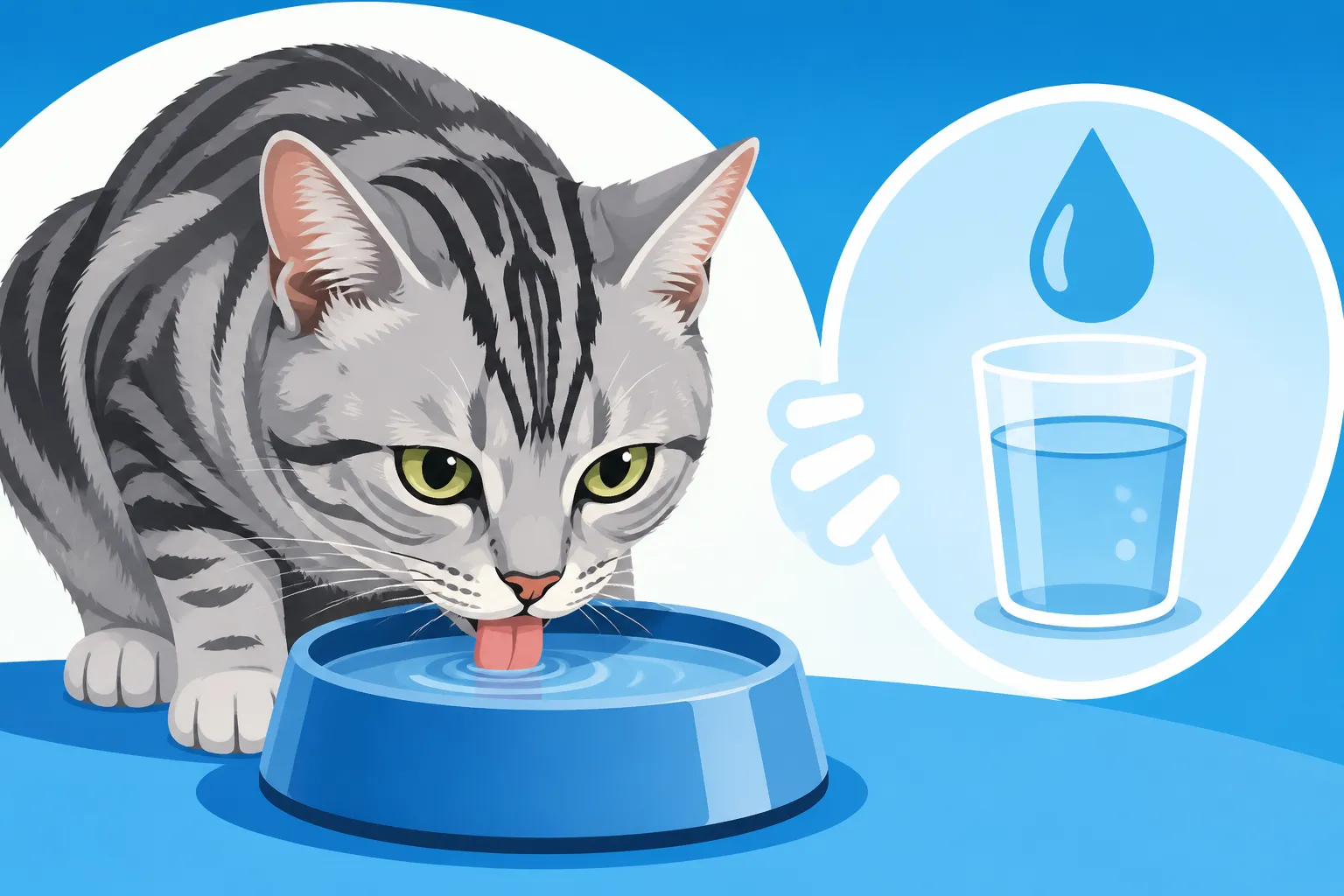
It's a common worry for many American Shorthair owners: "Is my cat drinking enough water?" It's a valid concern because, unlike us, cats aren't always great about showing when they're thirsty, and their health is intimately tied to proper hydration. This guide will walk you through understanding your American Shorthair's unique hydration needs, how various factors play a role, and practical steps you can take to ensure they're getting enough, keeping them happy and healthy for years to come.
Understanding Your American Shorthair's Hydration Needs
Hydration is one of those fundamental pillars of health that often gets overlooked until there's a problem. For our American Shorthairs, who are known for their robust health and long lifespans, maintaining proper water intake is crucial, perhaps even more so than for some other breeds. Their physiological makeup and historical lineage mean they aren't always driven to drink voluntarily, making it our responsibility to understand and encourage good habits.
The Ancestral Link to Water Intake
Think about where the American Shorthair comes from. These aren't creatures bred in the desert for generations; they descended from hardy working cats brought over on ships to control rodent populations. These "ships' cats" and later, farm cats, often supplemented their water intake directly from their prey, which is naturally high in moisture. A mouse, for instance, is about 70-80% water. So, historically, American Shorthairs weren't wired with an overwhelming drive to seek out standing water because their diet provided a significant portion of their needs.
This ancestral trait still lives in our modern house cats. Even an American Shorthair in your cozy living room retains that instinct. When they eat a diet consisting primarily of dry kibble, which is typically only 5-10% moisture, they often don't compensate by drinking enough from their water bowl. Their bodies simply aren't screaming "drink more!" the way a desert-adapted animal's might. This mismatch between their evolutionary diet and a modern dry food diet is a significant reason why we, as owners, need to be proactive about their hydration.
Why Adequate Water is So Important for American Shorthairs
Proper hydration is far more than just quenching thirst; it's vital for every single bodily function. For your American Shorthair, sufficient water intake supports everything from nutrient transport and temperature regulation to joint lubrication and waste removal. Without enough water, their systems simply can't operate efficiently.
One of the most critical areas impacted by hydration is kidney health. Cats, including American Shorthairs, are notoriously prone to kidney issues as they age. When a cat doesn't drink enough water, their kidneys have to work harder to concentrate urine, which can put a strain on these vital organs over time. Adequate water helps flush out toxins and keeps the urinary tract healthy, reducing the risk of urinary crystals, stones, and bladder infections. This is particularly important for male American Shorthairs, who are more susceptible to urinary blockages due to their narrower urethras. Knowing Why a Male American Shorthair Tom Blocks helps emphasize the preventive role of good hydration. Hydration also plays a role in digestion, helping food move through the system and preventing constipation, which can be a common issue, especially in older cats or those on dry diets.
Factors That Influence Your Cat's Daily Water Intake
It's not a one-size-fits-all situation when it comes to how much water your American Shorthair needs. Several factors play a significant role in their daily intake, making it essential for you to consider your individual cat's circumstances. Understanding these variables will help you tailor your approach to their hydration needs, ensuring they stay well-hydrated throughout their lives.
The Role of Diet: Wet Food vs. Dry Kibble
The type of food you feed your American Shorthair is arguably the most significant factor influencing their water consumption. This goes back to their ancestral feeding patterns. Cats are obligate carnivores, and in the wild, their prey provides most of the moisture they need.
Dry kibble, while convenient and often more affordable, contains very little moisture – typically around 5-10%. This means a cat eating an exclusively dry diet needs to drink a substantial amount of additional water to meet their hydration requirements. However, as we discussed, their thirst drive isn't always strong enough to achieve this. Many cats on dry food live in a state of chronic, mild dehydration without their owners even realizing it. This can quietly contribute to long-term health issues, particularly concerning their urinary and kidney systems.
On the other hand, wet cat food usually contains around 70-80% moisture, closely mimicking the water content of natural prey. An American Shorthair on a wet food diet will naturally consume a large portion of their daily water requirements simply by eating. This significantly reduces the pressure on them to drink from a bowl, making it a fantastic tool for promoting overall hydration. If your American Shorthair tends to gain weight easily, knowing How Wet Food Helps an American Shorthair's Waistline further highlights the benefits of a moisture-rich diet, as it can help them feel fuller and manage calorie intake more effectively while staying hydrated. Many owners find a combination of wet and dry food works best, balancing convenience with nutritional and hydration benefits.
Activity Level, Age, and Environment
Beyond diet, your American Shorthair's lifestyle and surroundings will also dictate their hydration needs. An active, playful American Shorthair, especially a younger one, will naturally burn more energy and lose more fluid through respiration and waste, necessitating a higher water intake than a senior cat who spends most of their day napping. Think about a kitten full of zoomies – they're expending a lot of energy! Similarly, a working-bred American Shorthair still has significant energy reserves, and if they're engaging in active play, they will require more water. You might be surprised How Much Water an Active American Shorthair Gets Through on a busy day.
Age also plays a crucial role. Older American Shorthairs, generally those past the age of twelve, often experience a decline in kidney function and may become more prone to dehydration, especially if they are also dealing with conditions like hyperthyroidism or diabetes. For these senior cats, monitoring water intake becomes even more critical. Caring for an American Shorthair Past Twelve often involves a closer look at their diet and hydration to support aging organs. Environmental factors are equally important. During hot summer months or in dry indoor environments, your cat will lose more moisture to evaporation, increasing their need for water. Conversely, in cooler, more humid conditions, their requirements might slightly decrease. Factors like stress or changes in routine can also sometimes affect how much a cat chooses to drink.
Health Conditions That Affect Thirst
Certain health conditions can significantly alter your American Shorthair's thirst levels, sometimes making them drink far more, or much less, than usual. It's crucial to be aware of these potential changes as they can be early indicators of underlying problems that require veterinary attention. For example, conditions like diabetes often cause increased thirst and urination, as the body tries to flush out excess sugar. If your American Shorthair suddenly seems insatiably thirsty, it's a definite red flag.
Kidney disease, particularly as it progresses, can also lead to increased water consumption. Damaged kidneys struggle to concentrate urine, leading to dilute urine and a greater need for the cat to drink more to stay hydrated. This is a common concern as cats age, and knowing How Kidney Disease Creeps Up on an Old American Shorthair can help you recognize the signs. Hyperthyroidism, another common ailment in older cats, can also cause increased thirst and appetite. Conversely, a cat experiencing nausea, pain, or oral issues might drink less. Dental problems, for instance, can make drinking uncomfortable. Any sudden or sustained change in your American Shorthair's drinking habits, whether it's drinking much more or much less, warrants a trip to the vet. As we'll discuss, Why a Thirsty American Shorthair Should Be Tested isn't just a recommendation; it's often a necessity for early diagnosis and treatment.
Estimating Your American Shorthair's Ideal Water Consumption
So, how much water should your American Shorthair be drinking? This isn't always an easy question, as cats are notoriously subtle creatures, and their needs fluctuate. However, there are general guidelines that can help you understand if your cat is within a healthy range, along with practical ways to monitor their intake and adjust as needed. It’s all about becoming attuned to your individual cat's patterns.
General Guidelines for Daily Intake
A good rule of thumb for cats, including the American Shorthair, is that they should consume approximately 2-4 ounces of water per 5 pounds of body weight per day. Let's break that down. If your American Shorthair weighs a healthy 10-12 pounds, they should ideally be consuming about 4-10 ounces of total water daily. This total includes water from both their food and their water bowl.
Here's a quick reference table based on average American Shorthair weights and dietary moisture:
| American Shorthair Weight | Dry Food (5-10% moisture) Estimated Water Needed (ounces) | Wet Food (70-80% moisture) Estimated Water Needed (ounces) |
|---|---|---|
| 8 lbs | 3.2 – 6.4 oz | 0.8 – 2.4 oz (additional from bowl) |
| 10 lbs | 4.0 – 8.0 oz | 1.0 – 3.0 oz (additional from bowl) |
| 12 lbs | 4.8 – 9.6 oz | 1.2 – 3.6 oz (additional from bowl) |
| 15 lbs | 6.0 – 12.0 oz | 1.5 – 4.5 oz (additional from bowl) |
Keep in mind that if your cat eats only wet food, much of their daily water requirement is met through their meals. For example, a 5.5-ounce can of wet food contains about 4 ounces of water. If your 10-pound American Shorthair eats two such cans a day, they're already getting 8 ounces of water from their food! This means they might only need to drink a small amount, if any, from their bowl to reach their target. However, if they are on an exclusively dry food diet, that 10-pound American Shorthair might need to drink 4-8 ounces of water from the bowl each day, which is a significant amount for a cat not strongly driven to drink. This is why paying attention to How Many Calories a Working Framed American Shorthair Needs a Day is important, as diet directly impacts hydration.
How to Monitor and Adjust Intake
Monitoring your American Shorthair's water intake can feel like detective work, but it's a crucial part of ensuring their well-being. The simplest way is to use a measured bowl or fountain. Fill it to a specific mark at the beginning of the day and note the level 24 hours later. Subtract any water that evaporated or was splashed out (which you'll get a feel for over time) to estimate how much your cat actually consumed. If you have multiple cats, this becomes much harder, of course, but observing who drinks when can give you clues.
Another excellent indicator is the frequency and volume of urination. A well-hydrated cat will urinate regularly, and their urine should be a pale yellow or straw color. Dark, highly concentrated urine is a sign they might not be getting enough fluid. Litter boxes can be surprisingly informative tools here; a good clump means good hydration. Beyond direct measurement, pay attention to their overall demeanor. Are they energetic? Is their coat shiny? Are their gums moist? These are all signs of good health, which includes proper hydration. If you're struggling, consulting your vet can offer personalized advice on How to Tell If an American Shorthair Drinks Enough, perhaps even suggesting blood tests if dehydration is suspected. If you discover your Why a Neutered American Shorthair Needs Less Food due to a metabolism change, adjusting their diet can also indirectly affect their water needs, making monitoring even more important.
Spotting the Signs: Dehydration and Excessive Thirst
As devoted American Shorthair parents, one of our most important jobs is to recognize when something isn't quite right with our furry friends. Changes in water consumption, whether too little or too much, are often the body's way of signaling a problem. Knowing what to look for can help you intervene early and seek veterinary care when necessary, potentially preventing more serious health complications down the line.
Recognizing Dehydration in Your American Shorthair
Dehydration can creep up on an American Shorthair, especially since they're often stoic about discomfort. It’s not always obvious until it’s quite advanced, which is why regular observation is so important. One of the classic signs is checking their skin elasticity. Gently tent the skin between their shoulder blades by lifting it with two fingers. In a well-hydrated cat, the skin should snap back almost instantly. If it retracts slowly, or worse, stays tented for a moment, your cat is likely dehydrated. This is sometimes called "skin turgor."
Another critical indicator is the condition of their gums. Healthy gums should be moist and pink. If they feel tacky or dry to the touch, and appear pale or even brick red, it's a strong sign of dehydration. You can also check their capillary refill time by pressing a finger gently on their gum until it turns white, then release. The color should return to pink within 1-2 seconds. A delayed refill time can indicate poor circulation, often associated with dehydration. Beyond these physical checks, look for general lethargy, decreased appetite, sunken eyes, and a dry nose. A decrease in urination or very dark, strong-smelling urine are also clear signals. If you notice any of these signs, especially a combination, don't wait – contact your vet immediately.
When "Too Much" Water Signals a Problem
While we often focus on encouraging cats to drink more, an excessive increase in water intake, known as polydipsia, can be just as concerning as dehydration and should never be ignored. Your American Shorthair suddenly drinking significantly more water, refilling their bowl much faster than usual, or visiting the water source with unusual frequency, is a strong signal that something is amiss internally. It's not usually a sign of simply being "extra healthy" with their hydration; it's often the body trying to compensate for an underlying issue.
As mentioned earlier, some common culprits behind excessive thirst in cats include diabetes mellitus, where the body tries to flush out excess sugar, and chronic kidney disease, where the kidneys can no longer concentrate urine effectively, leading to increased fluid loss. Hyperthyroidism, a condition where the thyroid gland produces too many hormones, can also lead to increased thirst, often accompanied by weight loss despite a good appetite. Less common but still possible causes include liver disease, certain infections, or electrolyte imbalances. Since the American Shorthair is known for its longevity, and Why Hyperthyroidism Catches a Long Lived American Shorthair is a real concern, this kind of vigilance is vital. If you notice your cat consistently drinking more than the general guidelines suggest, even with a wet food diet, or if you observe a sudden, dramatic change, it's time for a vet visit. It’s much better to catch these conditions early than to wait until they progress.
Practical Ways to Encourage Your American Shorthair to Drink More
It can be frustrating when you know your American Shorthair needs more water but they just don't seem interested in their bowl. Thankfully, there are many strategies you can employ to make drinking a more appealing and accessible activity for them. These methods often tap into their natural instincts and preferences, turning what might seem like a chore into a more enjoyable and beneficial routine for your feline friend.
The Right Water Bowls and Placement
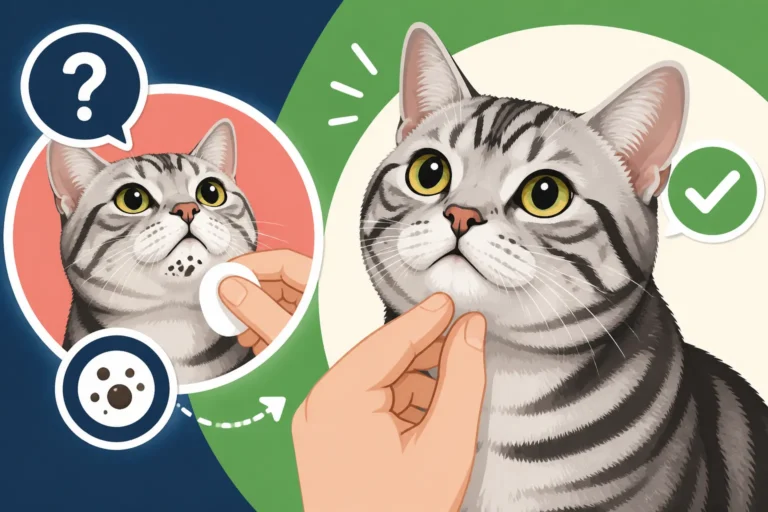
Cats can be surprisingly picky about their water bowls. One of the first things to consider is the material. Plastic bowls can sometimes retain odors or develop scratches where bacteria can harbor, potentially leading to "feline acne" on their chin or simply making the water less appealing. Stainless steel or ceramic bowls are often preferred because they are easy to clean, non-porous, and don't retain odors. Just make sure ceramic bowls are heavy enough not to tip over easily and are lead-free.
Beyond material, consider the shape and size. Many cats dislike bowls that are too deep or too narrow, as these can irritate their whiskers – a phenomenon known as "whisker fatigue." Wide, shallow bowls are often more comfortable. Placement is equally critical. Imagine if your only source of clean water was right next to your toilet or your dinner plate! Cats don't like to eat and drink in the same spot, or near their litter box, as it feels unsanitary to their instincts. Place multiple bowls around the house in quiet, low-traffic areas, away from food dishes and litter boxes. Experiment with different locations – on a counter, in a quiet corner, or even in a different room. Which Water Bowl an American Shorthair Prefers often comes down to personal taste and comfort, so don't be afraid to try a few options. Regularly cleaning the bowls is paramount; fresh water in a clean bowl is always more enticing.
The Appeal of Water Fountains
Many cats are instinctively drawn to running water. In nature, flowing water is often perceived as safer and fresher than stagnant water, which could be contaminated. This instinct is why many American Shorthairs completely ignore a full water bowl but will happily lap from a dripping faucet. This is where a cat water fountain can be a game-changer. Fountains not only provide a continuous flow of fresh, filtered water but also aerate it, which can improve its taste and make it more inviting.
There's a wide variety of cat fountains available, from ceramic to stainless steel to plastic, with different flow styles (bubbling, free-falling stream). Some cats prefer a gentle bubble, while others love a strong stream. You might need to experiment to find the perfect fit for your American Shorthair. Brands like Pioneer Pet or PetSafe offer various designs that cater to different feline preferences. Just like with bowls, ensure the fountain is kept meticulously clean and the filters are changed regularly according to the manufacturer's instructions. If you're wondering Whether an American Shorthair Bothers With a Fountain, the answer is often a resounding yes for many cats, but it's not a guarantee for all. Persistence and trying different models can pay off. You can often find a good selection of these on Amazon or Chewy.
Enhancing Hydration Through Food
As we discussed, food is a significant source of moisture for cats. If your American Shorthair is primarily on a dry kibble diet, one of the most effective ways to boost their hydration is by incorporating more wet food. This doesn't necessarily mean switching entirely, though that's an option. Even adding a small amount of wet food to their daily routine can make a big difference. You could offer wet food as a separate meal, or mix a spoonful into their dry kibble.
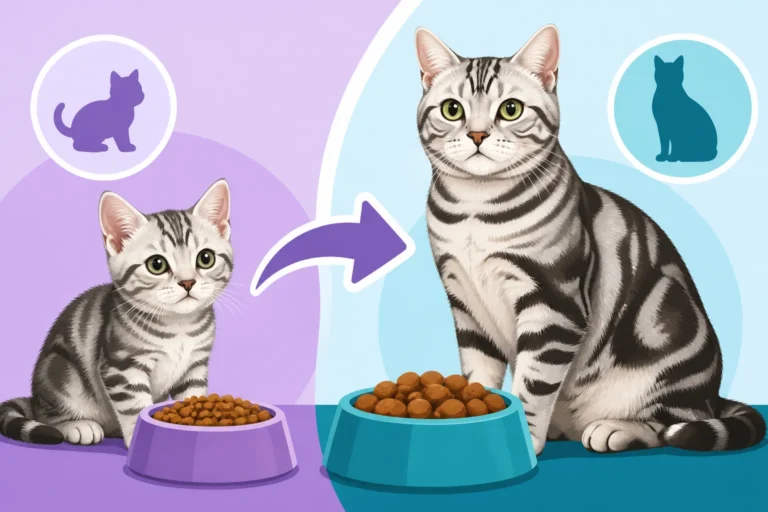
Another clever trick is to add a bit of water, warm broth (low sodium and cat-safe, of course!), or even a small amount of tuna juice (in water, not oil) to their dry food. Just a tablespoon or two can significantly increase their moisture intake. Some owners even soak kibble for a few minutes before serving. For cats who are really resistant to drinking, this can be an excellent way to sneak in extra fluids. Remember that What an American Shorthair Kitten Should Eat might be different from an adult, but the principle of moisture-rich food applies at all ages. Fresh, human-grade cat food naturally boasts high moisture content, which can be an excellent choice for finicky drinkers or those needing extra hydration support. Puzzle feeders can also make mealtime more engaging while still ensuring hydration.
When to Consult the Vet About Your Cat's Water Habits
Knowing the typical drinking patterns of your American Shorthair is your superpower as an owner. Any significant deviation, whether they're suddenly drinking much less or far more, should always raise a red flag. While some fluctuations are normal, persistent or drastic changes in hydration habits can be critical indicators of underlying health issues that require professional attention. Don't play guessing games with your cat's health – when in doubt, call your veterinarian.
Persistent Low Intake or Refusal to Drink
If your American Shorthair consistently drinks less than the recommended amount, especially if they are on a dry food diet, it's a concern that needs addressing. Beyond offering various water sources and wet food, if you notice your cat is actively avoiding water, seems lethargic, or shows any signs of dehydration (like tacky gums or reduced skin elasticity), it's time to see the vet. A lack of thirst or refusal to drink could indicate a variety of issues, ranging from nausea and pain to dental problems that make drinking uncomfortable, or even more serious systemic illnesses.
Sometimes, cats simply don't like the taste of their water, perhaps due to chemicals in tap water or an unclean bowl. However, if you've ruled out environmental factors and tried all the tricks to encourage drinking, and your cat is still barely touching their water, a vet visit is essential. Your vet can perform a thorough examination, including blood work and urinalysis, to check for any underlying medical conditions that might be suppressing their thirst or causing them to feel unwell. It's always best to be proactive, as chronic dehydration, even mild, can lead to long-term kidney and urinary tract issues that are much harder to manage once they've progressed.
A Sudden or Drastic Change in Thirst
Just as alarming as too little water is a sudden, dramatic increase in your American Shorthair's thirst. As we've covered, this isn't just a sign of a healthy drinker; it's almost always a symptom of a health problem. If you notice your cat constantly hovering around the water bowl, draining it much faster than usual, or suddenly asking for water in places they never did before, take it seriously. This increased thirst, often accompanied by increased urination, is frequently associated with conditions like diabetes, kidney disease, or hyperthyroidism.
These conditions, if left untreated, can have severe consequences for your American Shorthair's health and quality of life. Early diagnosis is key to effective management and often means a better prognosis. Your vet will likely want to run diagnostic tests, such as blood chemistry panels and urinalysis, to pinpoint the cause of the increased thirst. Catching these diseases early allows for prompt treatment, which can help manage symptoms, slow disease progression, and keep your American Shorthair feeling better for longer. Never dismiss a sudden change in drinking habits as just "a phase" – it's your cat's way of telling you they need help.
Disclaimer
This article is for general informational purposes only and does not constitute professional advice. Laws, prices and regulations vary by location and change over time. Consult a qualified professional for guidance on your specific situation.