Why an American Shorthair That Sharpened Its Own Claws Needs Fewer Trims
You know, one of the quiet victories of having an American Shorthair is how often they take care of themselves, especially when it comes to those sharp claws. Many of us fret constantly about keeping our cat's nails trimmed, envisioning scratched furniture and accidental nips, but the truth is, a well-supported American Shorthair is usually a pro at maintaining their own paw health. This comprehensive guide is here to shed light on why your American Shorthair's natural sharpening instincts are so effective and how you can empower them to keep those claws in top condition, potentially saving you a lot of wrestling and worry.
The American Shorthair's Innate Need to Scratch
Let's be real, your American Shorthair isn't trying to destroy your sofa out of spite. Their scratching is a deeply ingrained, completely natural behavior that's essential for their physical and mental well-being. It’s a legacy from their working cat ancestors who relied on sharp claws for hunting and climbing, long before they became beloved household companions. Trying to stop this instinct entirely is not only futile but also detrimental to your cat's health and happiness.
Deep-Rooted Instincts: More Than Just Sharpening
The act of scratching serves multiple vital purposes for your American Shorthair. Firstly, it’s a way to mark their territory. Those little scent glands in their paw pads leave a chemical message, visible to other cats, that says, "I was here!" This is especially important in multi-cat households or if your cat can see other felines outside. Secondly, scratching is a fantastic full-body stretch, working muscles in their back, shoulders, and legs. Think of it as their daily yoga session, keeping them limber and agile.
Beyond these, scratching helps relieve stress and provides a natural outlet for their energy. If you've ever watched your American Shorthair intently working on a scratching post, you'll see a focused, almost meditative act. Denying them this outlet can lead to frustration, anxiety, and even redirecting that energy into less desirable behaviors, like excessive grooming or aggression. It’s a primal need, not a behavioral flaw.
Understanding the "Shred and Peel" Action
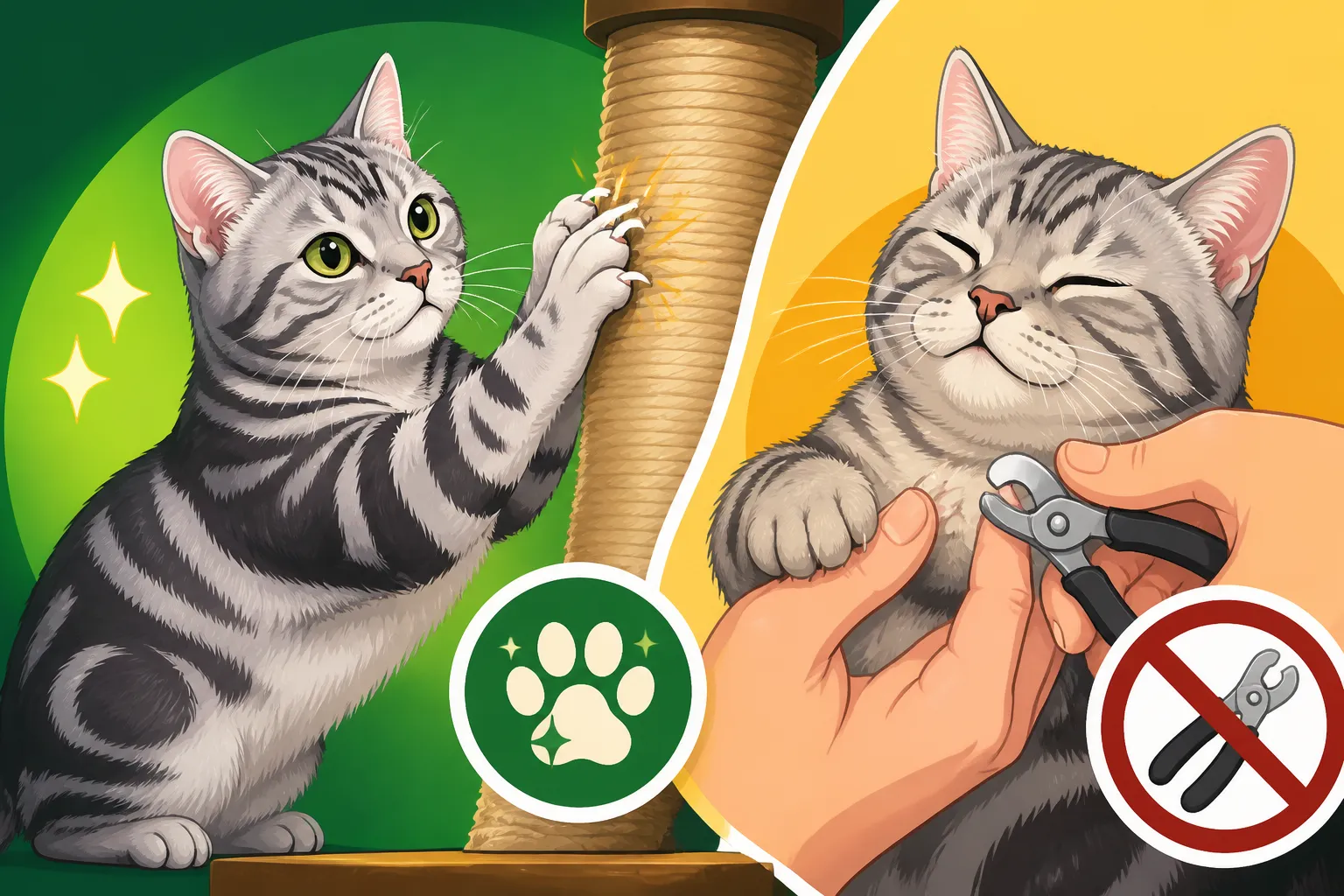
What we observe as "sharpening" is actually a process called 'shedding the claw sheath'. Cats have multiple layers to their claws, much like an onion. As the outermost, dull layer wears down, they scratch vigorously to peel it away, revealing the fresh, razor-sharp claw underneath. This isn't about grinding the tip to a point, but rather about removing the old casing to expose the new. This is why you sometimes find little hollow "nail clippings" around their favorite scratching spots – those aren't pieces of their actual claw, but rather the discarded outer sheaths.
This natural "shred and peel" cycle is incredibly efficient. A healthy American Shorthair, given the right tools and encouragement, can keep their claws in excellent condition all on their own. They instinctively know how to apply the right amount of pressure and angle to achieve this, a skill they hone from kittenhood. It’s a testament to their self-sufficiency, a trait that makes The American Shorthair Still Hunts, Whether You Want It To or Not so true for these resilient felines.
How Natural Scratching Maintains Claw Health
When your American Shorthair consistently engages in natural scratching, it's not just their instincts being satisfied; it's a vital part of their overall paw health regimen. This behavior is far more than just a preference; it’s a biological necessity that prevents a host of potential problems.
The Mechanics of Self-Grooming: Keeping Tips Sharp
The rough texture of a scratching post provides the perfect friction for your American Shorthair to work on their claws. As they pull downwards, or occasionally sideways depending on the surface, the old, dull outer layers of their claws are stripped away. This continuous renewal ensures that the sharp, strong inner claw is always ready for action, whether that's climbing to a high perch, engaging in playful wrestling, or simply getting a good grip on the carpet as they zoom through the house.
This self-grooming isn't just about sharpness; it's also about shape. Regular scratching helps maintain the natural curvature of the claw, preventing it from growing too long and straight, which can lead to problems. It allows them to maintain the ideal hook shape for grasping and climbing, mimicking the demands their ancestors faced in varied environments. Without this constant maintenance, claws can become brittle, dull, or grow in an unnatural direction.
Preventing Overgrowth and Ingrown Claws
One of the biggest concerns for cat owners is overgrown claws. When a cat doesn't have sufficient opportunity or suitable surfaces to scratch, their claws can continue to grow unchecked. This leads to them becoming excessively long, curling under and eventually growing into the paw pad. This is not only incredibly painful but can also lead to serious infections and mobility issues. An ingrown claw can make walking, jumping, or even simply bearing weight a nightmare for your feline friend.
By allowing your American Shorthair to naturally maintain their claws through scratching, you drastically reduce the risk of such painful occurrences. The constant shedding of the outer sheath ensures the claw tips remain relatively short and sharp, preventing them from becoming dangerously long or curving inwards. This active engagement with appropriate scratching surfaces helps keep their paw pads healthy and intact, something that regular How Often an American Shorthair's Paws Should Be Checked vet visits will certainly appreciate.
Creating the Ideal Environment for Self-Maintenance
To truly leverage your American Shorthair's natural self-grooming abilities, you need to provide them with the right tools and an inviting environment. This isn't a "one and done" situation; variety and strategic placement are key to encouraging consistent, healthy scratching habits.
The Importance of Varied Scratching Surfaces
Just like humans have preferences for certain textures, cats do too! Some American Shorthairs adore sisal rope, which is tough and provides excellent shredding resistance. Others might prefer corrugated cardboard, which offers a satisfying tear and is often a more budget-friendly option. Then there are carpeted posts, wooden surfaces, or even natural logs for outdoor-access cats. The best approach is to offer a variety to see what your particular cat gravitates towards. You can find a fantastic selection of different materials on retailers like Chewy or Amazon, allowing you to experiment without breaking the bank.
Consider the orientation too: vertical posts allow for a full-body stretch, while horizontal scratchers are great for those who prefer to scratch while lying down or leaning. Some cats even love ramp-style scratchers that combine both. Providing options caters to their individual preferences and ensures they won't seek out your furniture as the only suitable alternative. Remember, a cat that ignores one type of scratcher might fall in love with another, so don't give up after just one try! You might also find Whether an American Shorthair Prefers Sisal or Cardboard helpful for making an informed choice.
Strategic Placement of Scratching Posts and Pads
Location, location, location! It’s not enough to just buy a scratching post; where you put it makes all the difference. Think about where your American Shorthair naturally likes to stretch and scratch. Often, this is right after waking up from a nap, near their favorite sleeping spots, or in prominent areas of the house where they feel the need to mark territory. Placing a scratching post right next to your sofa, for example, gives them an acceptable alternative to your upholstery. If you've been wondering Why an American Shorthair Keeps Its Claws Conditioned on Your Sofa, often it's because that's the most convenient and available vertical surface for them!
You'll also want multiple scratching stations, especially in a larger home or if you have more than one cat. A good rule of thumb is at least one scratching surface per room where your cat spends a lot of time, and definitely near every exit/entry point or social hub. Consider a tall, sturdy cat tree, which provides both vertical scratching opportunities and elevated perches for observation and security. This comprehensive approach gives your American Shorthair ample opportunities to engage in their natural behavior without resorting to inappropriate surfaces.
Encouraging a Natural Routine
Sometimes, a new scratching post needs a little introduction. You can entice your American Shorthair to use it by rubbing catnip on it, dangling a favorite toy near it, or even gently guiding their paws to the surface in a scratching motion (never force them, though!). Positive reinforcement is key – when they use the post, offer praise, treats, or a short play session. Make it a rewarding experience!
Consistency is also vital. Keep the scratching posts clean and in good repair. If a cardboard scratcher is shredded beyond recognition, replace it. If a sisal post is wobbly, tighten it or invest in a sturdier option. By providing a reliable and appealing outlet, you’re encouraging a lifelong habit of natural claw care. This dedication ensures they have the resources for effective Which Post Lets an American Shorthair Condition Its Claws throughout their lives.
When Even a Self-Sufficient American Shorthair Needs a Manicure
While American Shorthairs are generally excellent at self-maintenance, there are definitely times when human intervention is necessary. Relying solely on natural scratching might not be enough for every cat, in every situation. Knowing when and how to step in can prevent discomfort and maintain their health.
Identifying When Claws Are Still Too Long
Even with ample scratching opportunities, some American Shorthairs might still end up with claws that are a bit too long. A good indicator is if you can hear their claws clicking on hard floors when they walk, or if their claws are visibly extending beyond their paw pads when their paws are relaxed. If they seem to get snagged on carpets or blankets frequently, that's another sign. You can gently press on their paw pads to extend the claws and examine them. If the tips are needle-sharp but also look quite long, or worse, if they're starting to curl, it's time for a trim.
Factors like diet, activity level, and even genetics can influence claw growth and wear. A less active, older American Shorthair, for example, might not put as much wear and tear on their claws, leading to faster growth than a younger, more energetic cat. It's a balance, and sometimes that balance tips in favor of needing a little help from you.
Addressing Age-Related Changes in Claw Health
As our beloved American Shorthairs age, their needs inevitably change. Older cats, especially those in their senior years, often become less active. They might sleep more, play less vigorously, and even experience conditions like arthritis that make stretching and scratching painful. This reduced activity means their claws might not wear down as effectively as they once did. Moreover, senior cats' claws can become thicker, more brittle, or grow more quickly, making them prone to splitting or ingrown issues. This makes understanding Caring for an Old American Shorthair even more critical.
For these reasons, senior American Shorthairs typically require more frequent claw checks and trims from their human companions. What was once an almost entirely self-sufficient process might now need a helping hand. Regular, gentle examination of their paws and claws is essential to catch any issues early. If your senior cat shows reluctance to use their favorite scratching post, or seems to be struggling, it’s a good idea to consult your vet.
The Unique Needs of Indoor vs. Outdoor Cats
The environment in which your American Shorthair lives also plays a significant role in their claw care needs. An outdoor American Shorthair, much like its historical ancestors, is constantly engaging with varied textures: climbing trees, walking on rough ground, hunting through bushes. This natural environment provides constant opportunities for vigorous scratching and wearing down their claws, making trims far less frequent, if ever needed. They are, in many ways, living out the ancestral role that shaped their breed.
Indoor American Shorthairs, however, don't have the same natural advantages. While scratching posts help immensely, the soft floors and predictable surfaces of our homes don't offer the same level of abrasive wear. They also often have fewer opportunities for intense climbing or hunting, which would naturally abrade their claws. Therefore, indoor cats, even those with excellent scratching habits, are more likely to need occasional trims. It's a trade-off for their safety and comfort indoors, and it means being more vigilant about their claw length. If you're wondering How to Cut the Claws of an American Shorthair That Uses Them, it's important to do so carefully to avoid cutting the quick.
The Comprehensive Benefits of Proactive Claw Care
Whether through self-maintenance or occasional assistance from you, ensuring your American Shorthair's claws are in good condition has wide-ranging benefits that go far beyond just saving your furniture. It deeply impacts their comfort, health, and overall quality of life.
Beyond Length: Impact on Mobility and Comfort
Healthy claws are critical for your American Shorthair's mobility. Claws that are too long can alter their gait, making walking awkward and uncomfortable, almost like trying to walk in shoes that are too big. This can put undue stress on their paw joints, leading to pain or even long-term orthopedic issues. Imagine trying to run or jump if your toes were constantly catching on the ground; it's a similar experience for them.
When claws are well-maintained, whether by your cat or by you, they can walk, run, jump, and climb with confidence and ease. They can grip surfaces effectively, preventing slips and falls, especially as they age. This freedom of movement contributes immensely to their physical comfort and their ability to engage in normal, joyful cat behaviors like exploring their territory or batting at a toy. The muscular build that defines What an American Shorthair Looks Like by the Standard relies on functional, healthy paws.
Protecting Your Home (and Yourself)
Let's face it, one of the most immediate and tangible benefits of good claw care is protecting your home and yourself. Sharp, untrimmed claws can wreak havoc on upholstery, curtains, and even wooden furniture. While scratching is natural, redirecting it to appropriate surfaces and ensuring claws aren't excessively long minimizes damage to your cherished belongings. Investing in good quality scratching posts and pads from trusted suppliers like Chewy and Amazon, and ensuring they are appealing to your cat, is a small price to pay for peace of mind.
Furthermore, well-maintained claws are less likely to cause accidental scratches to you or other family members during play or affectionate interactions. Nobody wants to be the recipient of an unintentional swipe, and keeping those tips blunted, even if sharp underneath, makes a big difference. It fosters a more harmonious household where everyone, felines and humans alike, can live comfortably and safely, enjoying the calm and quiet companionship the American Shorthair is known for.
Maintaining Overall Paw Health
Claw care is just one piece of the puzzle when it comes to your American Shorthair's paw health. A holistic approach that considers everything from diet to regular inspections ensures their paws remain robust and ready for all their feline adventures, whether they're patrolling the house or just enjoying a sunbath.
The Role of Nutrition in Strong Claws and Pads
Just like our nails reflect our overall health, so too do your cat's claws. A balanced, high-quality diet rich in essential nutrients, particularly protein and fatty acids, contributes significantly to strong, healthy claws and resilient paw pads. Poor nutrition can lead to brittle, weak claws that break easily, or dry, cracked paw pads that are uncomfortable and prone to infection.
Ensure your American Shorthair is eating a diet formulated for their life stage and activity level. If you're ever in doubt about the best food for your cat, discussing it with your veterinarian is always a good idea. Hydration is also key; adequate water intake supports healthy skin and tissues, including those in their paws. Good nutrition supports their strong, working frame, which also means good foundational health for their paws and claws.
Regular Paw Inspections and Grooming
Even if your American Shorthair is a master of self-grooming, regular, gentle paw inspections are still crucial. Take a moment once a week or so to carefully examine each paw. Check between their toes for any debris, matted fur, or signs of irritation. Look at their paw pads for any cuts, cracks, or tenderness. Feel their claws to assess their length and look for any splitting or discoloration. This is also a good time to check for any signs of parasites, especially if your cat has any outdoor access.
If you find a claw that's grown too long, or a splinter lodged in a paw pad, this is your opportunity to intervene proactively. If you're unsure about trimming or removing something, always err on the side of caution and consult your vet. Early detection of problems can prevent minor issues from escalating into serious health concerns. While your American Shorthair's coat may be low maintenance, their paws still deserve your attention. How Little Combing an American Shorthair Actually Needs is a testament to their easy-care coat, but paws are a different story.
Recognizing and Addressing Paw Injuries
Despite their natural agility and self-care, American Shorthairs can still incur paw injuries. A sharp object on the floor could cause a cut, or vigorous play might lead to a strained toe. Even an outdoor adventure can result in scrapes, punctures, or thorns embedded in their paw pads. Knowing what to look for can help you respond quickly. Signs of a paw injury might include limping, excessive licking or chewing of a paw, reluctance to bear weight, swelling, or visible bleeding.
If you notice any of these signs, it's important to gently clean the area if possible and then contact your veterinarian for advice. They can properly assess the injury, clean any wounds thoroughly, and prescribe necessary treatments like antibiotics or pain relief. Leaving paw injuries untreated can lead to infection, prolonged discomfort, and long-term issues that could impact your American Shorthair's quality of life. A quick response helps ensure your stoic American Shorthair gets the care they need, especially since Why a Limp in a Stoic American Shorthair Is Never Minor can be easily overlooked.
Disclaimer
This article is for general informational purposes only and does not constitute professional advice. Laws, prices and regulations vary by location and change over time. Consult a qualified professional for guidance on your specific situation.