Whether an American Shorthair Needs Its Chin Cleaned
Seeing those little black specks or crusty bits on your American Shorthair's chin can be quite alarming. You might wonder if it's just dirt, if your otherwise fastidious feline has suddenly forgotten how to groom herself, or if it's something more serious that needs your immediate attention. It's a common concern among cat parents, and it can definitely make you feel a bit helpless when you're not sure what you're looking at. This comprehensive guide is here to unravel the mystery of chin issues in American Shorthairs, helping you understand why they occur, how to address them safely, and when it’s time to call in the professionals.
Understanding Feline Chin Acne and Other Chin Issues
When you first notice something amiss on your American Shorthair's chin, your mind probably races through a hundred possibilities. Is it a bug? A scratch? Something they ate? More often than not, it's a condition that, while not life-threatening, can certainly be uncomfortable for your furry friend and warrants your attention. The most common culprit is feline chin acne, but it's important to know what else might be going on to ensure you're providing the right care.
What is Feline Chin Acne?
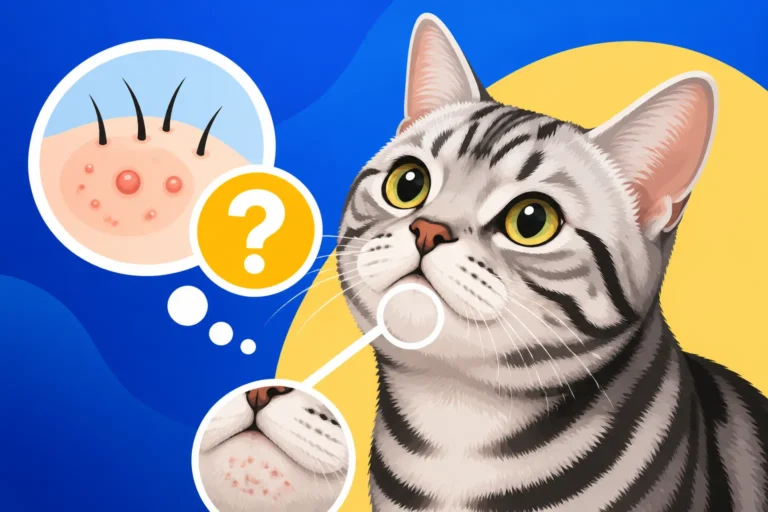
Feline chin acne is essentially the cat version of pimples and blackheads. It occurs when the hair follicles on the chin become clogged with excess sebum, a natural oily substance produced by the skin's sebaceous glands. When these glands become overactive, often due to stress, hormonal imbalances, poor grooming, or even irritation from certain materials, the follicles can't "breathe" properly. This leads to the formation of blackheads (comedones), which look like tiny dark specks or dirt caught in the fur.
In more severe cases, these clogged follicles can become inflamed and infected with bacteria, leading to redness, swelling, and even pustules or painful bumps. You might notice small scabs where your cat has scratched at the itchy area, or even some hair loss if the condition is particularly irritated. While it can affect any cat, American Shorthairs, with their dense coats, can sometimes hide the early signs. It's a bit like a teenage breakout, but for your cat's chin! It's not usually a sign of a deeper health crisis, but it certainly can become a source of irritation and discomfort if left unchecked, potentially progressing from mild blackheads to a full-blown bacterial infection.
Distinguishing Chin Acne from Other Concerns
It’s easy to look at a few black specks and immediately assume chin acne, but sometimes, what you're seeing could be something else entirely. Being able to differentiate between common gunk and actual skin conditions is crucial for knowing when to try home remedies and when to seek veterinary advice.
First, let's talk about simple dirt. Cats are generally meticulous groomers, but sometimes they just get into things. If your American Shorthair has been nosing around in the garden or had a messy meal, some food debris or soil might simply be clinging to their chin fur. This usually wipes away easily with a damp cloth and leaves no lasting irritation.
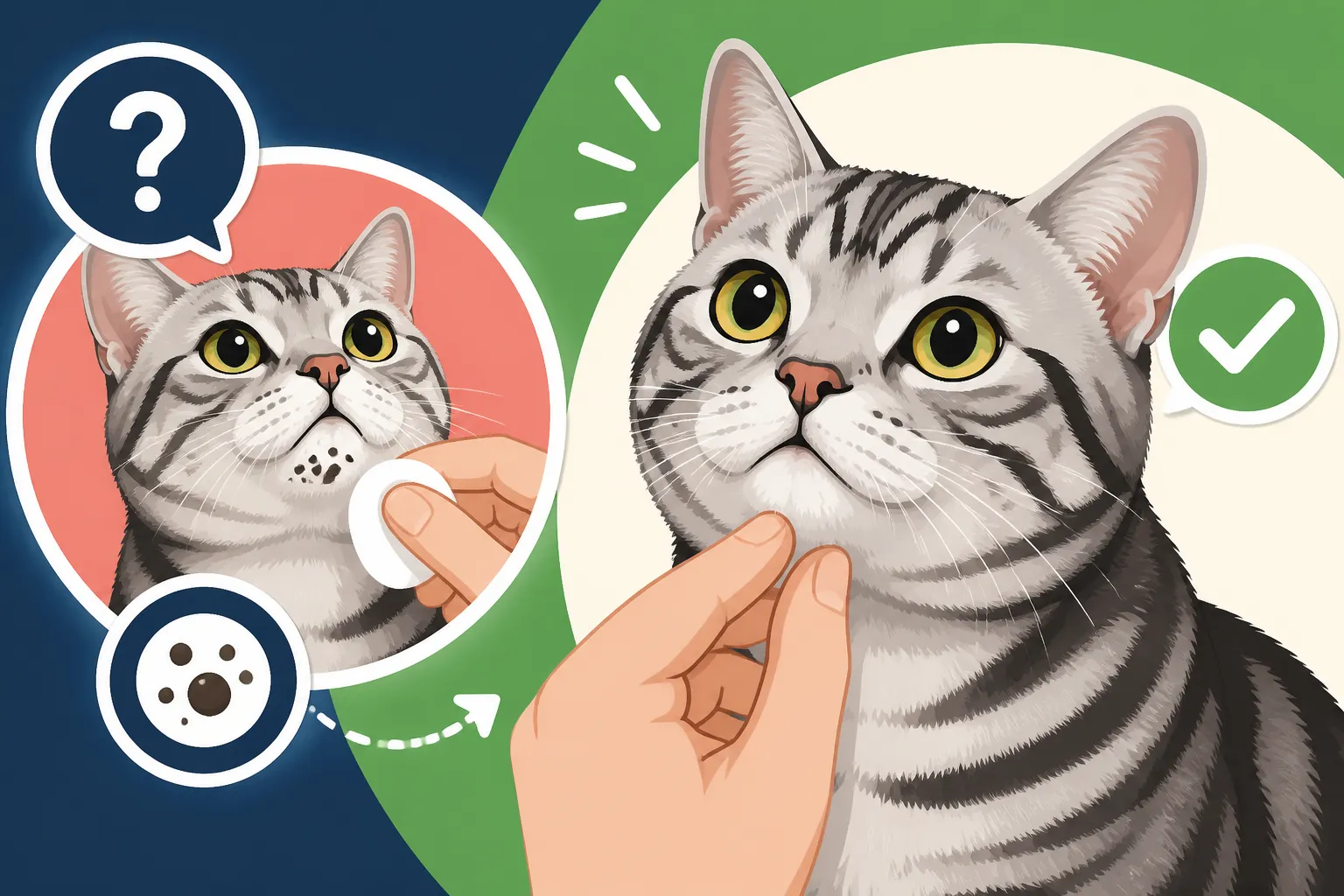
Then there's flea dirt, which can look very similar to blackheads. Flea dirt, or flea feces, is essentially digested blood. To test if those tiny black specks are flea dirt, gently scrape a few onto a damp white paper towel. If they dissolve into a reddish-brown smear, you're likely dealing with fleas, and you'll need to address that with appropriate flea treatment. Chin acne blackheads, on the other hand, will remain black and granular when dampened.
More serious conditions can also manifest on the chin. Bacterial infections, separate from or secondary to chin acne, can cause more significant redness, swelling, pus, and pain. Fungal infections, like ringworm, might cause circular patches of hair loss, scaling, and itchiness. While How Rarely an American Shorthair Gets a Skin Complaint means these are uncommon, they can happen. In extremely rare cases, parasitic mites could also be a cause of skin irritation, though they're less common on the chin itself unless widespread. Always be on the lookout for signs like excessive scratching, visible pain when the area is touched, widespread hair loss, or open sores. These are definite red flags that warrant a trip to the vet, rather than just a gentle wipe.
When and How to Clean Your American Shorthair's Chin
So, you've identified some chin issues, or perhaps you're just being proactive. Knowing when to intervene and how to do it safely and effectively is paramount. Your American Shorthair might be a stoic and independent breed, but even they appreciate a little help when they're feeling uncomfortable. The goal here is gentle care, not aggressive scrubbing that could worsen irritation.
Daily Inspection and Gentle Cleaning
When it comes to keeping your American Shorthair's chin healthy, consistency is far more effective than sporadic, intense cleaning. Make it a habit to perform a quick daily inspection of their chin and lower lip area. This can be done during your regular petting sessions or after their meals. Just gently lift their chin and run your fingers through the fur, looking for any new black specks, redness, or bumps. Early detection can prevent minor issues from escalating.
If you spot a few blackheads or some mild crustiness, the best approach is gentle cleaning. Take a soft cloth, like a cotton ball or a clean washcloth, and dampen it with warm water. Hold it against the affected area for a few seconds to soften any debris, then gently wipe away. Avoid any harsh rubbing or scrubbing, as this can irritate the skin further and even push bacteria deeper into the follicles. You're not trying to exfoliate; you're just trying to remove surface grime and excess sebum. For a little extra help, especially if there's mild inflammation, you can use a vet-approved antiseptic wipe or a mild chlorhexidine solution diluted as per your vet's instructions. Products specifically designed for feline skin can be found at pet supply stores like Chewy or on Amazon, but always consult your vet before introducing new medicated products. Remember, the American Shorthair is usually excellent at grooming itself, so if you're stepping in, it's often because their natural defenses need a little boost.
Addressing Persistent or Worsening Chin Issues
While gentle daily cleaning can resolve many mild cases of chin acne, there are times when it’s simply not enough. If you notice the blackheads are spreading, becoming redder, swelling, developing pus-filled bumps, or if your American Shorthair seems to be in pain when the area is touched, it's definitely time for a veterinary visit. These signs indicate that a secondary bacterial infection may have taken hold, or that the condition is more severe than simple chin acne.
Your vet will be able to properly diagnose the issue and rule out other potential causes like fungal infections, mites, or even allergic reactions. They might take a small skin scraping or a swab for laboratory analysis to identify any underlying pathogens. Treatment for persistent or worsening chin issues often involves prescription medications. This could include topical antibiotic creams or gels to reduce bacterial growth, medicated shampoos or wipes with ingredients like benzoyl peroxide or chlorhexidine to cleanse the follicles, or oral antibiotics if the infection is widespread or severe. In some cases, anti-inflammatory medications might be prescribed to reduce swelling and discomfort. Never try to squeeze or pop your cat's chin bumps, as this can introduce more bacteria and lead to scarring or deeper infections. Trusting your vet to guide the treatment is the safest and most effective way to get your feline friend comfortable again.
Preventive Measures for a Healthy American Shorthair Chin
An ounce of prevention is worth a pound of cure, and that certainly holds true for maintaining your American Shorthair's chin health. While some cats are just more prone to chin acne due to individual skin chemistry, many cases can be mitigated, if not entirely avoided, by addressing certain environmental and lifestyle factors. By making a few thoughtful changes, you can help keep those pesky chin issues at bay.
The Importance of Bowl Material and Hygiene
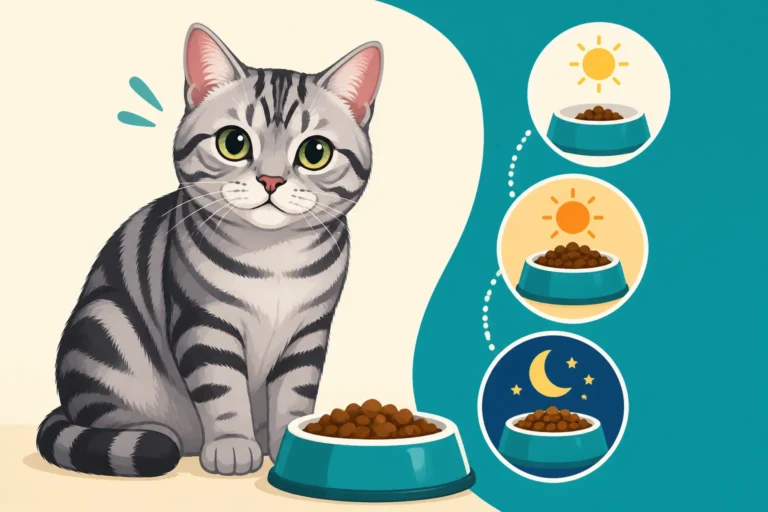
One of the most common, yet often overlooked, culprits behind feline chin acne is the material and cleanliness of your cat's food and water bowls. Plastic bowls, while convenient and inexpensive, are notorious for harboring bacteria. Their porous surface can develop tiny scratches over time where bacteria can hide, even after washing. When your American Shorthair rubs their chin against these bowls while eating and drinking, they're essentially pressing bacteria and irritants directly into their hair follicles, which can trigger or exacerbate chin acne.
Instead, opt for bowls made of non-porous materials like stainless steel, ceramic, or glass. These materials are much easier to keep clean and are less likely to harbor bacteria. You can find a great selection of high-quality stainless steel and ceramic bowls on platforms like Chewy and Amazon, often designed with non-slip bottoms which is a nice bonus. More importantly, regardless of the material, daily washing of all food and water bowls is crucial. Think about it: you wouldn't eat off the same plate day after day without washing it, and neither should your cat. Use warm, soapy water and rinse thoroughly. This simple, consistent hygiene routine can significantly reduce the bacterial load around your cat's mouth and chin, making a big difference in preventing irritation and acne breakouts. This also ties into keeping their water intake healthy, as discussed in Which Water Bowl an American Shorthair Prefers.
Diet and Environmental Factors
Beyond bowl hygiene, what your American Shorthair eats and their general environment can also play a significant role in chin health. While not every case of chin acne is diet-related, some cats can be sensitive to certain ingredients in their food. If you've tried all the other preventive measures and the chin acne persists, discussing a dietary change with your vet might be worthwhile. They might suggest a limited ingredient diet or a novel protein source to see if an allergic reaction is contributing to the skin inflammation. High-quality food options with fresh, less processed ingredients might be beneficial for cats with sensitivities. How Often an American Shorthair Reacts to a Food might shed more light on this.
Environmental stress can also manifest as skin issues. Cats are creatures of habit, and disruptions to their routine, new pets, loud noises, or even changes in furniture can cause stress. A stressed cat might have a compromised immune system, making them more susceptible to skin problems. Ensuring a calm, predictable environment with plenty of safe spaces and enrichment can contribute to overall well-being, including skin health. While American Shorthairs are generally known for their placid and adaptable nature, even they have their limits. Finally, consistent, gentle grooming, even for a self-sufficient breed, can help. Although Why an American Shorthair Grooms Itself Better Than You Can for general coat care, if your cat is prone to chin issues, a little extra attention from you can make a big difference.
The American Shorthair's Natural Grooming and Chin Health
The American Shorthair is celebrated for its robust health and low-maintenance nature, traits deeply rooted in its heritage as a working cat. Their natural resilience extends to their grooming habits, making them generally excellent at keeping themselves tidy. However, even the most self-sufficient cat can sometimes need a helping hand, especially as they age or if specific issues arise.
How the American Shorthair's Self-Sufficiency Plays a Role
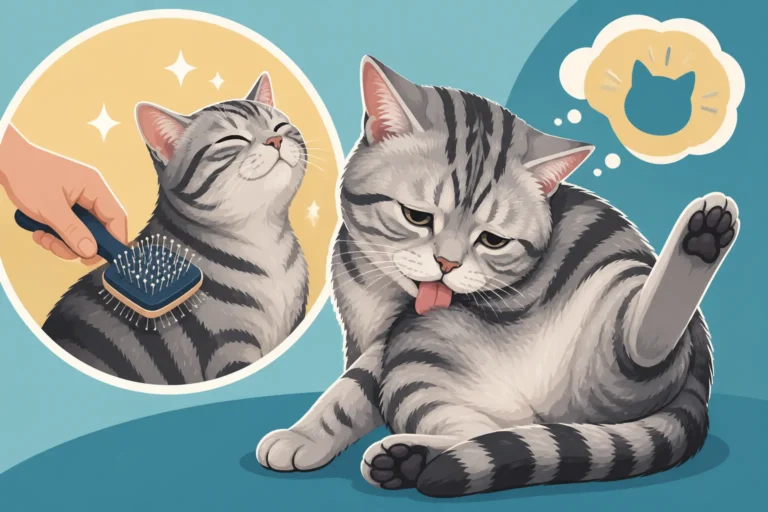
American Shorthairs were, for centuries, relied upon to keep rodent populations in check on ships and farms. This lifestyle demanded a cat that was physically hardy, intelligent, and fiercely independent. Part of this independence meant they had to be exceptional self-groomers. Their short, dense coats are designed to be weather-resistant and shed dirt easily, and they are incredibly efficient at keeping their fur clean and free of debris. This inherent ability often means that routine chin cleaning isn't a necessary part of their regular care.
For a healthy, young to middle-aged American Shorthair, their daily self-grooming rituals are typically sufficient to keep their chin area clean and free from the build-up of oils and dander that can lead to issues like chin acne. They will often rub their chin on surfaces or use their front paws to meticulously wipe away anything clinging to their face after a meal. This natural behavior, combined with their resilient skin and coat, means you rarely have to intervene. In fact, How Much Time an American Shorthair Spends Grooming Itself will show you just how dedicated they are to their personal hygiene. It’s usually only when these natural processes are somehow compromised or overwhelmed that you'll see a need for human intervention.
Recognizing When Natural Grooming Isn't Enough
While the American Shorthair is a master of self-care, there are certain life stages and circumstances where their natural grooming prowess might not be quite enough. Just like humans, cats can face challenges that impact their ability to maintain optimal hygiene, and their chin is one area that can be easily overlooked by a struggling groomer.
One of the most common scenarios is with aging cats. As American Shorthairs enter their senior years, which can be as early as 12, they may develop arthritis or other mobility issues. Stiffness in their neck, back, or shoulders can make it painful or simply impossible for them to twist and reach their chin effectively. You might notice them slowing down, perhaps not jumping as high, or hesitating before stretching. How to Tell an American Shorthair's Stiffness From Middle Age can offer more insights into identifying these subtle changes. When they can no longer comfortably groom their chin, oils and debris can start to accumulate, making them more prone to chin acne or other skin irritations. When an Old American Shorthair Needs Combing Help isn't just about their back; it extends to their face too.
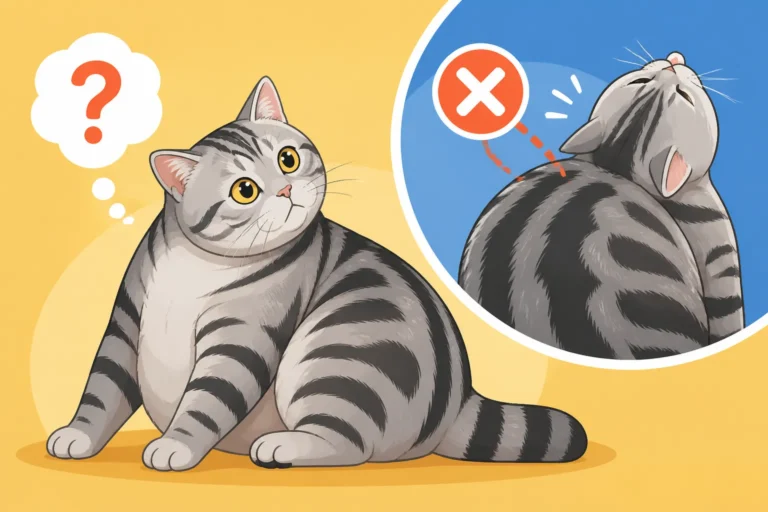
Similarly, obesity can be a significant hurdle for self-grooming. An overweight American Shorthair might find their ample proportions physically prevent them from reaching their chin or other parts of their body. Their short, muscular frame, while handsome, can become a hindrance when extra weight makes it hard to bend and stretch. Why an Overweight American Shorthair Cannot Reach Its Back highlights how excess weight impacts mobility and grooming access. In these cases, you'll definitely need to step in with regular, gentle chin cleaning to prevent issues from flaring up. It's also a good reminder that keeping your American Shorthair at a healthy weight is crucial for their overall well-being, not just to avoid conditions like diabetes but also to ensure they can maintain their natural grooming habits.
Comparison of Common Chin-Related Issues in American Shorthairs
| Issue | Appearance | Common Causes | Recommended Action |
|---|---|---|---|
| Chin Acne | Black specks, redness, bumps, pustules | Overactive sebaceous glands, plastic bowls, stress, diet | Gentle cleaning, non-plastic bowls, vet consult for severe cases |
| Flea Dirt | Tiny black specks that turn reddish-brown when wet | Flea infestation | Flea treatment, thorough cleaning of home |
| Plain Dirt/Debris | Loose dark specks, food particles | Environmental exposure, messy eating | Gentle wiping with a damp cloth |
| Bacterial Infection | Widespread redness, swelling, pain, pus, hair loss | Untreated chin acne, wounds, immune compromise | Immediate vet consult, possibly antibiotics |
| Fungal Infection (e.g., Ringworm) | Circular patches of hair loss, scaling, itchiness | Contagious fungal spores | Immediate vet consult, antifungal treatment |
Ultimately, whether your American Shorthair "needs" its chin cleaned is a nuanced question. For most healthy cats of this breed, their innate grooming habits are perfectly adequate. However, staying observant and understanding the potential issues, coupled with knowing when and how to offer a little help, ensures you're providing the best possible care for your beloved companion throughout their long and happy life. What an American Shorthair Breeder Should Have Screened can give you an idea of the breed's general hardiness.
Disclaimer
This article is for general informational purposes only and does not constitute professional advice. Laws, prices and regulations vary by location and change over time. Consult a qualified professional for guidance on your specific situation.