How to Tell If an American Shorthair Drinks Enough
As a cat parent, few things tug at your heartstrings more than worrying about your furry friend's health. One concern that often flies under the radar, especially with stoic breeds like the American Shorthair, is whether they're getting enough water. Our American Shorthairs are champions at being subtly unwell, and figuring out if they're properly hydrated can feel like solving a feline mystery. This comprehensive guide is here to unravel that mystery, helping you spot the tell-tale signs of thirst and implement simple strategies to keep your beloved companion well-hydrated and thriving.
Why Hydration Matters So Much for Your American Shorthair
It’s easy to overlook water intake when you see your cat napping for hours or casually strolling past the water bowl. But for American Shorthairs, good hydration isn't just a nice-to-have; it's absolutely fundamental to their overall health, particularly given their predispositions and quiet nature. These aren't creatures that often beg for a drink, so we need to be proactive.
The Silent Threat of Dehydration in Cats
Cats, by their very nature, are not big drinkers. Their ancestors evolved in arid environments, getting most of their moisture from the prey they consumed. This means they have a naturally low thirst drive, which worked fine when their diet was 80% moisture-rich mice and birds. However, in our modern homes, many American Shorthairs primarily eat dry kibble, which offers very little moisture. This ancestral trait, combined with a dry diet, creates a silent threat: chronic low-grade dehydration.
Your American Shorthair, known for its calm and hardy demeanor, might be particularly adept at masking discomfort, including the early signs of dehydration. They won't always cry out or make a fuss. Over time, even mild dehydration can put a strain on their kidneys, making them work harder to filter waste. It can also contribute to urinary tract issues, which are already a concern for some cats, especially males. Why a Male American Shorthair's Urethra Blocks First is a serious topic, and proper hydration is a key preventative measure. Without sufficient water, their bodily systems just can't function at their best, slowly chipping away at their well-being without you even realizing it until more serious symptoms emerge.
How Water Supports Their Robust Health
Water is the unsung hero of your American Shorthair's internal world. Think of it as the oil that keeps a well-oiled machine running smoothly. It's crucial for virtually every bodily function, from digesting their meals efficiently to ensuring their blood circulates properly, carrying oxygen and nutrients to every cell. Without adequate water, their digestive system can slow down, leading to constipation and less efficient nutrient absorption, which ultimately affects their energy levels and coat health.
Moreover, water plays a vital role in regulating their body temperature, especially important for a cat with a dense coat, even if it's a short one. It helps lubricate their joints, which is essential for maintaining the agility and muscular frame that American Shorthairs are known for, even as they age. A well-hydrated cat can flush out toxins more effectively, supporting a stronger immune system and reducing the likelihood of certain illnesses. Essentially, every purr, every playful pounce, and every quiet moment of contentment is underpinned by a healthy, hydrated body.
Obvious and Subtle Signs Your American Shorthair Isn't Drinking Enough
Sometimes, the signs of dehydration are stark, like a cat clearly in distress. But more often, especially with an American Shorthair's stoic personality, they're subtle, creeping in slowly. Learning to recognize these cues can make all the difference in catching an issue before it becomes serious. It's about becoming a keen observer of your particular cat's normal patterns.
Checking Their Physical Cues
One of the most common and accessible ways to check your cat's hydration status is by performing a simple skin turgor test at home. Gently pinch the loose skin over their shoulder blades, lifting it slightly. When you release it, the skin should snap back into place almost immediately. If it takes a second or two to flatten, or if it stays tented, that's a red flag. This indicates a loss of elasticity due to dehydration. Practice this when you know your cat is healthy so you know what "normal" looks like for them.
Another key area to check is their gums. Gently lift your American Shorthair's lip and look at their gums. They should be moist and a healthy pink color, similar to your own gums. If they feel sticky or tacky to the touch, or appear pale, it's a strong indicator that your cat isn't getting enough fluids. A quick capillary refill time (press on the gum and see how fast the color returns) can also tell you about their circulation, which is affected by hydration. In more advanced stages of dehydration, you might even notice their eyes appearing a little sunken into their sockets, or their coat looking dull and less lustrous than usual. A once-vibrant coat that looks a bit 'off' can be a subtle sign of underlying issues.
Finally, pay attention to their energy levels. While American Shorthairs enjoy their naps, a truly dehydrated cat will often seem lethargic, weak, and less interested in their usual activities. They might not greet you at the door with their customary calm acknowledgment, or they might forego their usual playful swat at a dangling toy. If your usually robust companion is suddenly moving slower or seems unusually quiet and withdrawn, it's definitely time to investigate further. This kind of change is often a sign that something deeper is going on.
Observing Their Litter Box Habits and Appetite
The litter box is a goldmine of information about your cat's health, especially concerning hydration. When an American Shorthair is properly hydrated, they should be urinating regularly, producing decent-sized, firm clumps if you use clumping litter. If you start noticing smaller, less frequent clumps, or if the litter box seems suspiciously dry compared to usual, it’s a strong signal that they might not be drinking enough. Keep an eye on the color of the urine too; darker, more concentrated urine can suggest dehydration. How Much Water Keeps an American Shorthair's Bladder Clear is a crucial piece of the puzzle, and the litter box offers daily feedback.
Beyond urination, dehydration can significantly impact their bowel movements. Cats who aren't getting enough fluid often become constipated, leading to hard, dry stools that are difficult for them to pass. You might see your cat straining in the litter box, or even find small, hard pellets outside the box if they're struggling. This discomfort can deter them from using the litter box, creating further issues.
Sometimes, what we perceive as a reduced appetite can actually be linked to dehydration. A cat that's not feeling well due to a lack of fluids might not have much interest in food. Conversely, some cats might try to eat more wet food out of a subconscious need for moisture. It’s a delicate balance, and any significant change in their eating habits, particularly a decrease, warrants a closer look at their hydration. If your American Shorthair suddenly turns up their nose at a favorite meal, consider how much they've been drinking.
Behavioral Changes You Might Miss
American Shorthairs are generally known for their placid and adaptable temperaments, but even they can show behavioral shifts when they're not feeling well, including when dehydrated. You might notice your cat becoming more withdrawn, seeking out unusual hiding spots, or simply being less interactive than their typical calm self. While they aren't usually lap cats, a noticeable decrease in their usual companionable presence could be a sign. They might also seem more irritable or sensitive to touch, as feeling unwell can make even the most patient cat a little grumpy.
One less common, but serious, sign of dehydration in cats is excessive panting. Unlike dogs, cats rarely pant, and when they do, it's often a sign of significant stress, pain, or overheating, all of which can be exacerbated or directly caused by severe dehydration. If you see your American Shorthair panting, especially without recent strenuous activity, it's a definite red flag that needs immediate attention.
Lastly, observe their engagement with their environment and their usual play routine. A healthy American Shorthair loves to "patrol" their territory, whether it's exploring the house or observing the world from a window perch. If they suddenly lose interest in these activities, are less inclined to play with their favorite wand toy, or seem generally listless, it could be a subtle manifestation of not feeling adequately hydrated. These gentle shifts in behavior are often the first, quiet warnings from your usually undemanding companion.
Practical Ways to Encourage Your American Shorthair to Drink More
It's clear that getting enough water is essential for your American Shorthair, but how do you actually get a notoriously finicky feline to drink up? It often takes a bit of creativity and understanding their unique preferences. Remember, they're not always going to queue up at the tap, so we need to make water irresistible.
Rethinking Their Water Sources
One of the simplest yet most effective strategies is to offer multiple water stations throughout your home. Think about your cat's patrol routes: where do they typically pass through? Place bowls in these strategic locations. This increases the chances they'll stumble upon a water source during their daily rounds. Don't just put one bowl next to their food; cats often prefer to drink away from where they eat, a throwback to instincts to avoid contaminating their water source with prey.
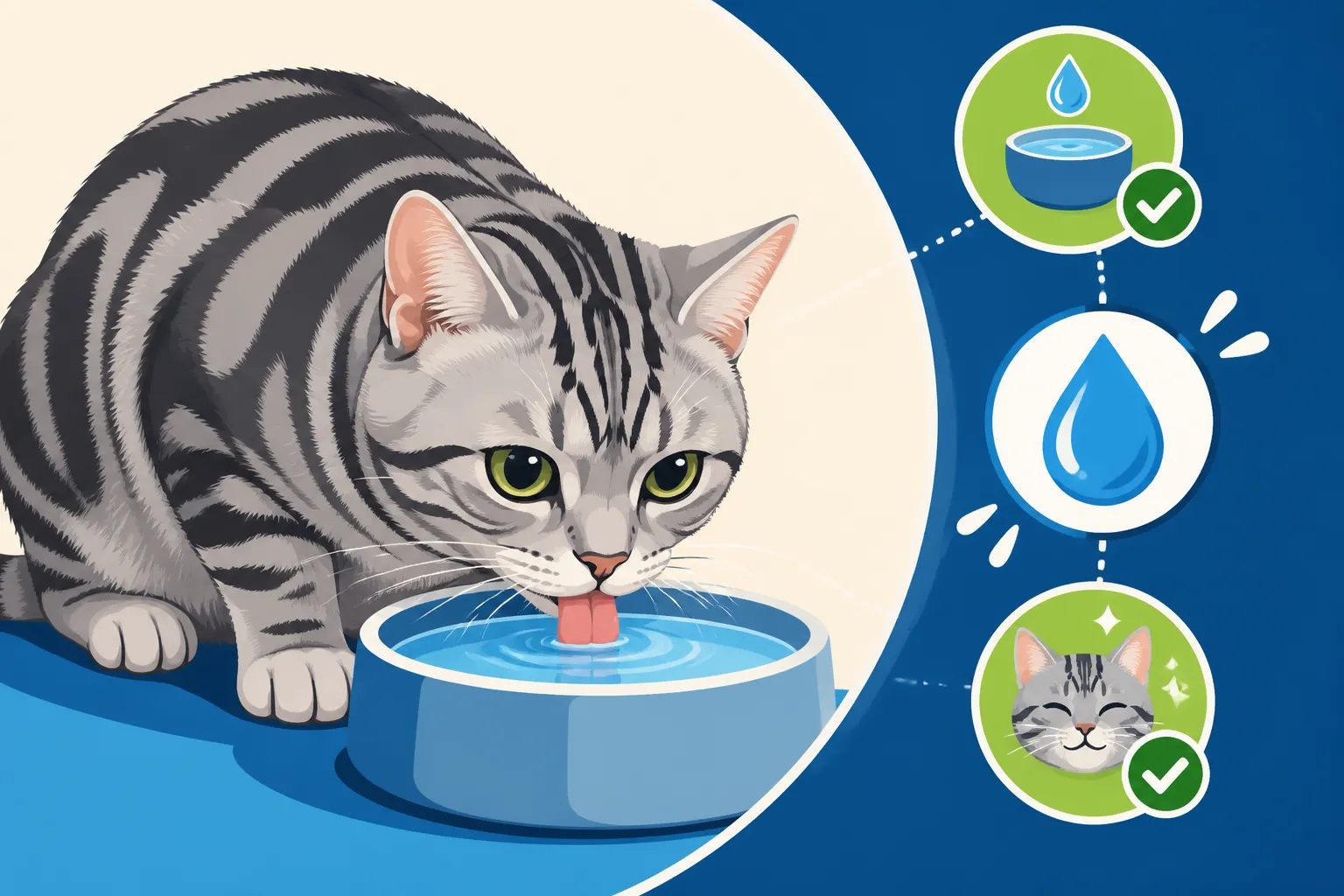
Experimenting with different bowl types can also yield surprising results. Some cats prefer ceramic bowls over plastic, which can sometimes impart a strange taste or harbor bacteria. Others might favor stainless steel, glass, or even a simple human mug. The size and depth of the bowl can also matter; many cats dislike having their whiskers touch the sides of a deep, narrow bowl. A wide, shallow dish might be more appealing. You can find a wide variety of options on retailers like Amazon or Chewy, so don't be afraid to try a few different styles.
Perhaps the most universally acclaimed method for encouraging feline hydration is investing in a cat fountain. Many American Shorthairs are captivated by the sound and movement of running water, which often seems fresher and more appealing to them than stagnant water in a bowl. A fountain mimics natural water sources, triggering their instinct to drink. Whether a Water Fountain Suits an American Shorthair is a question many owners ponder, and often, the answer is a resounding yes. Just remember to keep fountains meticulously clean and change filters regularly, as a dirty fountain can quickly become a deterrent.
Boosting Hydration Through Food
While offering appealing water sources is crucial, one of the most significant ways to increase your American Shorthair's overall fluid intake is through their diet. Dry kibble, while convenient, typically contains only about 5-10% moisture. Compare that to the approximately 70-80% moisture found in wet, canned cat food. Making a switch, or even partially transitioning, to wet food can dramatically boost their hydration without them even realizing they're "drinking."
If a full switch to wet food isn't feasible or desired, you can still enhance the moisture content of their existing diet. For kibble eaters, try adding a tablespoon or two of warm water, or even a low-sodium, cat-safe broth, to their dry food right before serving. Stir it in to create a sort of gravy. Many cats find this more palatable and it's an easy way to sneak in extra fluids. Just be sure to discard any uneaten moistened food after a short period to prevent bacterial growth.
You might also consider looking into fresh food options. Fresh, human-grade cat food recipes are naturally high in moisture content. While specific offerings can vary, the principle remains: these foods are closer to what a cat would naturally consume in terms of hydration, making them excellent choices for ensuring your American Shorthair stays well-hydrated from the inside out. Always check the nutritional balance for “complete and balanced” options if you're considering a change in their core diet.
Making Water Fun and Appealing
Sometimes, the trick isn't just offering water, but making the act of drinking more engaging. A simple ice cube dropped into their water bowl can transform it into a game. Many American Shorthairs are curious creatures and will bat at the ice cube, often taking a few sips of water in the process. You can even make flavored ice cubes with diluted, cat-safe broths (ensure they are very low in sodium and free of onion or garlic).
Another way to entice them is with cat-safe broths or tuna water. Plain, unsalted chicken or beef broth (again, double-check for ingredients like onion, which is toxic to cats) can be incredibly appealing. Offer a small amount in a separate bowl as a treat, or as mentioned, mix it into their food. The strong scent can often pique their interest and encourage them to lap up more liquid. Be mindful of introducing new foods slowly to avoid upsetting their stomachs.
Finally, think about interactive play near water sources. While you don't want to spray your cat, a gentle play session with a wand toy that ends near their water bowl might encourage them to take a drink afterward. Making the environment around their water sources calm and appealing, free from loud noises or busy foot traffic, can also help. A relaxed cat is more likely to settle down and drink. Remember, How Much Water an American Shorthair Should Drink can vary based on their diet, activity level, and health, but making it available and appealing is always a good starting point.
When to Consult Your Vet About Dehydration Concerns
While many dehydration issues can be managed at home with increased water intake, there are definitely times when a lack of fluids signals a more serious underlying problem or requires immediate professional intervention. Knowing when to call your veterinarian is crucial for your American Shorthair's health and well-being.
Recognizing Red Flag Symptoms
If you observe any of the severe signs of dehydration in your American Shorthair, it's not a wait-and-see situation. These "red flag" symptoms demand immediate veterinary attention. These include extreme lethargy or unresponsiveness, where your cat seems unusually weak, listless, or difficult to rouse. Persistent vomiting or diarrhea, especially when it's severe or prolonged, can quickly lead to dangerous levels of fluid loss and electrolyte imbalance. If your cat hasn't eaten or drunk anything for a full day, or if they appear disoriented or are stumbling, these are also critical signs.
Any indication that your American Shorthair is struggling with their urinary habits, such as straining to urinate with little to no output, could be a medical emergency, particularly for male cats. This can be a sign of a urinary blockage, which is life-threatening. What a Straining American Shorthair Needs Within Hours is a crucial article to read if you ever suspect this. Don't hesitate or try home remedies; get to the vet immediately. Cats can decline very quickly when severely dehydrated or suffering from related conditions, so swift action is always the best approach.
The Vet's Role in Diagnosing and Treating Dehydration
When you bring your American Shorthair to the vet with concerns about dehydration, they will conduct a thorough physical examination, checking many of the same cues you've learned to look for, such as skin turgor, gum moisture, and eye appearance. However, they can also perform more definitive diagnostic tests. Blood tests can provide a comprehensive picture of your cat's electrolyte levels, kidney function, and red blood cell count, all of which are impacted by hydration status. A urinalysis can also reveal valuable information about urine concentration and overall kidney health.
Treatment for dehydration depends on its severity and underlying cause. For mild to moderate cases, your vet might administer subcutaneous fluids (fluids given under the skin). This is a relatively quick procedure, often done in the clinic, and provides a significant hydration boost that is slowly absorbed by your cat's body. For severe dehydration, or if there's an underlying illness causing the dehydration, intravenous (IV) fluids might be necessary, requiring a hospital stay. Your vet will also work to diagnose and treat any primary illness contributing to the dehydration, as simply rehydrating won't solve the core problem. Remember that preventative care, including annual check-ups, is key. Why an American Shorthair Still Needs a Yearly Heart Scan and other routine screenings are vital to catch problems early, before they manifest as severe dehydration or other critical symptoms. And, as your American Shorthair enters their golden years, Caring for an American Shorthair Past Twelve requires extra vigilance regarding hydration and overall health.
Disclaimer
This article is for general informational purposes only and does not constitute professional advice. Laws, prices and regulations vary by location and change over time. Consult a qualified professional for guidance on your specific situation.