What Twenty Years of American Shorthair Care Looks Like
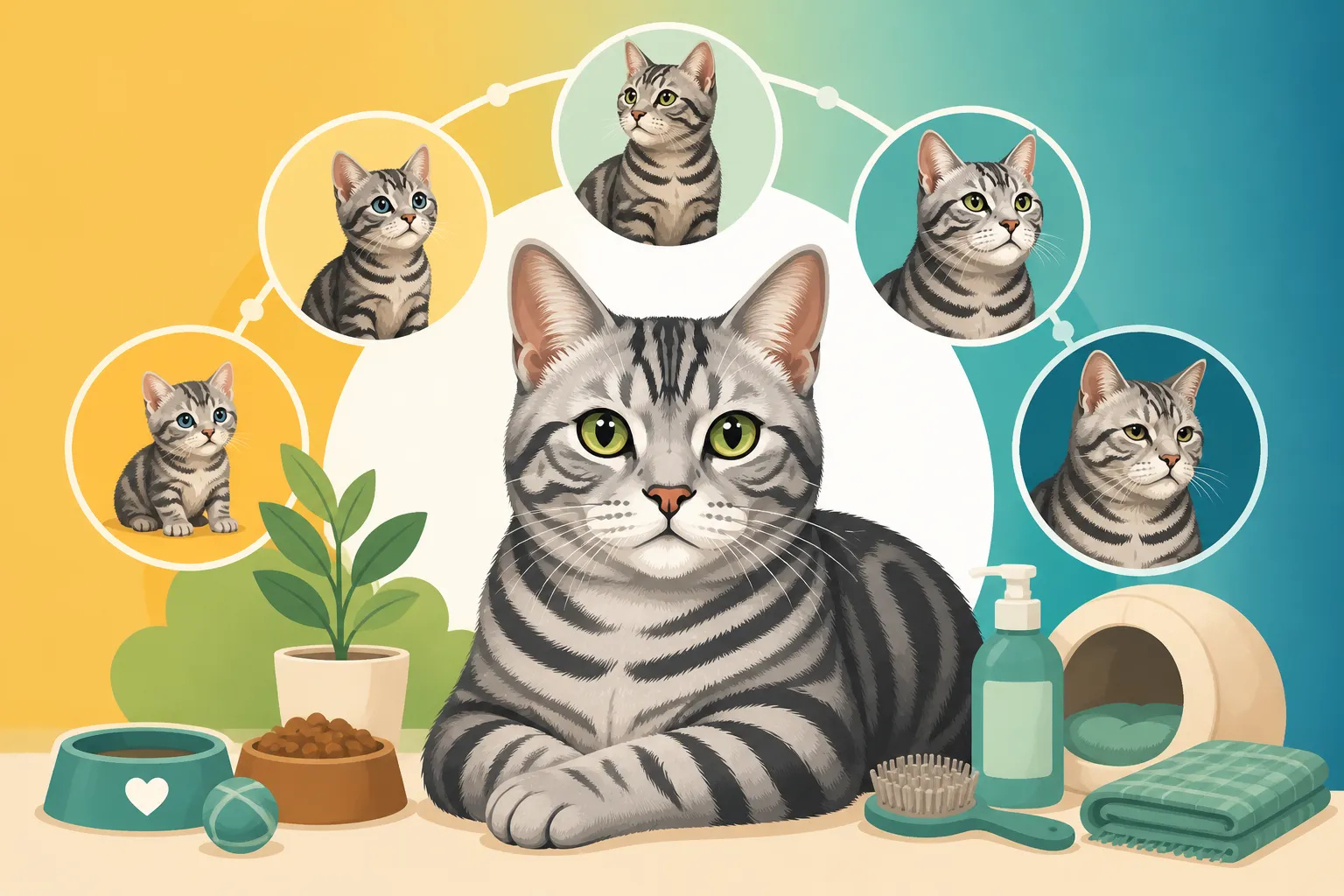
Bringing an American Shorthair into your home is a commitment that often stretches far beyond a few years – we're talking about a true companion who could be with you for upwards of two decades. This incredible longevity is a blessing, but it also means a lifetime of evolving care needs that many new owners don't fully anticipate. This comprehensive guide will walk you through what two decades of American Shorthair care actually looks like, from their playful kittenhood through their serene senior years, helping you prepare for every stage of this beautiful journey.
The Foundation Years: Kitten to Young Adult (Years 1-5)
When you first welcome an American Shorthair kitten, it's a whirlwind of energy and curiosity. These early years are all about setting a strong foundation for a healthy, happy, and well-adjusted adult cat. It's not just about providing food and shelter; it's about establishing habits, routines, and a bond that will last for their The Fifteen to Twenty Years the American Shorthair Was Given. Many people think a cat's care is static, but trust me, it’s a dynamic process from day one.
Setting the Stage: Early Nutrition and Training
Your American Shorthair kitten needs a diet specifically formulated for growth, packed with the right balance of protein, fats, and essential nutrients. This isn't the time to skimp on quality, as proper nutrition in these formative months contributes directly to their long-term health and development. Think of it as building a house – a strong foundation now prevents cracks later. You might spend a bit more upfront, but it pays dividends in fewer vet visits down the line. We discuss What an American Shorthair Kitten Should Eat in depth in another post, but the general rule is high-quality, kitten-specific food until they're about a year old, and sometimes longer if they're a large, late-maturing cat.
Beyond food, these early years are crucial for socialization and basic training. While American Shorthairs are generally laid-back, consistent positive reinforcement helps them adapt to household rules. This includes litter box training (which they often pick up quickly thanks to their sensible nature), getting them comfortable with grooming, and establishing boundaries around scratching furniture. Investing in good scratching posts early on, perhaps from an online retailer like Amazon or a dedicated pet supply store like Chewy, can save your sofa from becoming a target. Remember, they are intelligent creatures, descendants of working cats, and respond well to routine and clear expectations.
Establishing Routines and Preventive Care
Establishing a routine for feeding, play, and sleep helps your American Shorthair feel secure and can prevent behavioral issues. Cats thrive on predictability, and American Shorthairs are no exception, even with their independent streak. Regular play sessions, ideally structured to mimic hunting, are vital for physical exercise and mental stimulation, preventing boredom and potential weight gain. These aren't demanding cats, but they still need an outlet for their natural instincts.
Preventive veterinary care is non-negotiable in these foundational years. This means a series of vaccinations as a kitten, regular deworming, and consistent flea and tick prevention. Annual check-ups are critical for catching any potential issues early, before they become serious problems. Your vet can advise on the best schedule for these, tailored to your cat's lifestyle (indoor vs. outdoor). Early spaying or neutering is also a key part of responsible care, preventing unwanted litters and reducing the risk of certain health problems later in life, such as mammary tumors in females or prostate issues in males. This proactive approach saves stress and often money in the long run.
The Prime of Life: Middle Age and Peak Health (Years 6-12)
As your American Shorthair enters its middle years, roughly from age six to twelve, you'll likely see them in their prime. They're usually fully grown, settled into their personality, and generally robust. This is often the easiest phase of their care, but it's also a critical period for maintaining good health and preventing the onset of age-related issues. Don't fall into the trap of thinking "no news is good news" and letting regular care slide. This is where consistent, mindful care truly shines.
Maintaining Ideal Weight and Activity Levels
One of the biggest challenges for many American Shorthairs in their prime is maintaining a healthy weight. Their ancestors were working cats, constantly on the move, hunting for their meals. Modern indoor life, combined with a good appetite, can easily lead to excess weight. Why Indoor Life Made the American Shorthair Fat is a common issue for this breed. Monitoring their food intake and ensuring they get enough exercise is paramount. Free-feeding, where a bowl of kibble is left out all day, can be a recipe for obesity. Instead, portion control with specific meal times is usually best. Many owners find success with high-quality wet food, which provides more moisture and can help with satiety.
Engaging them in play that simulates hunting is still incredibly important. Feather wands, crinkle balls, and even puzzle feeders from places like Chewy can keep them active and mentally stimulated. Remember, their minds and bodies are still sharp, and they need that outlet. Regular weighing, perhaps every few months, can help you catch weight creep before it becomes a significant problem. Your vet can help you determine What an American Shorthair Should Weigh at Its Frame, providing a target for their body condition. Early intervention for weight gain is much easier than tackling full-blown obesity later.
Proactive Dental and Health Monitoring
Dental health often becomes a silent issue during these middle years. Many cat owners overlook their cat's teeth until problems are advanced, leading to painful extractions and expensive procedures. Why Gum Disease Is the American Shorthair's Quietest Problem is a serious concern for most cats, including American Shorthairs. Regular brushing, if your cat tolerates it (starting young helps!), can make a huge difference. If not, dental treats or water additives recommended by your vet can provide some benefit.
Even with the best home care, professional dental cleanings under anesthesia will likely be necessary at some point during their lives. We've got a whole article on How Many Dentals an American Shorthair Needs in Twenty Years, but suffice it to say, neglecting their teeth can lead to systemic health problems, affecting their kidneys, heart, and overall well-being. Continue with annual vet check-ups. Even if your American Shorthair seems perfectly healthy, these visits allow your vet to perform a thorough physical exam, check for subtle changes, and run routine blood work as a baseline for future comparison. Catching issues like early kidney changes or a developing heart murmur in their prime can give you more options for management and a better prognosis.
Embracing the Golden Years: Senior Care (Years 13-20+)
This is where the true dedication of an American Shorthair owner shines. Once your beloved cat reaches the age of twelve or thirteen, they officially enter their senior years. While many American Shorthairs remain remarkably spry well into their teens, their needs will inevitably change. This phase requires a deeper level of empathy, observation, and adjustment to ensure their comfort and quality of life. Caring for an American Shorthair Past Twelve truly becomes a different kind of commitment, but it's incredibly rewarding.
Adapting Diet and Environment for Comfort
As your American Shorthair ages, their metabolism slows down, muscle mass can decrease, and their activity levels naturally decline. Their dietary needs will shift to support these changes. Often, a senior-specific diet, lower in calories but still rich in high-quality protein, is recommended to help maintain muscle mass without promoting unwanted weight gain. Some older cats might develop a preference for wet food due to dental issues or a decreased sense of smell, making it more palatable. You might even explore fresh food options if your vet agrees they're suitable, as these can be highly appetizing and hydrating. We've talked about What an Old American Shorthair Needs Food It Can Manage in more detail, but the key is adaptability.
Environmental adjustments can make a world of difference. Your once agile American Shorthair might find jumping to high places more challenging due to arthritis or general stiffness. Providing ramps or steps to their favorite sleeping spots or window perches can help them maintain their independence and enjoyment of their established territory. A softer, easily accessible bed in a warm, quiet spot will be appreciated. Make sure litter boxes have lower sides for easier entry and exit, and consider adding more litter boxes around the house if mobility becomes a significant issue.
Managing Age-Related Health Challenges
Unfortunately, aging often brings a higher risk of health issues. Conditions like kidney disease, hyperthyroidism, arthritis, and even cognitive dysfunction can start to appear. Regular vet check-ups become even more crucial, often recommended twice a year for senior cats. This allows for closer monitoring, early detection through blood and urine tests, and prompt intervention. For instance, How Kidney Disease Creeps Up on an Old American Shorthair is a common concern, and early dietary changes can significantly slow its progression.
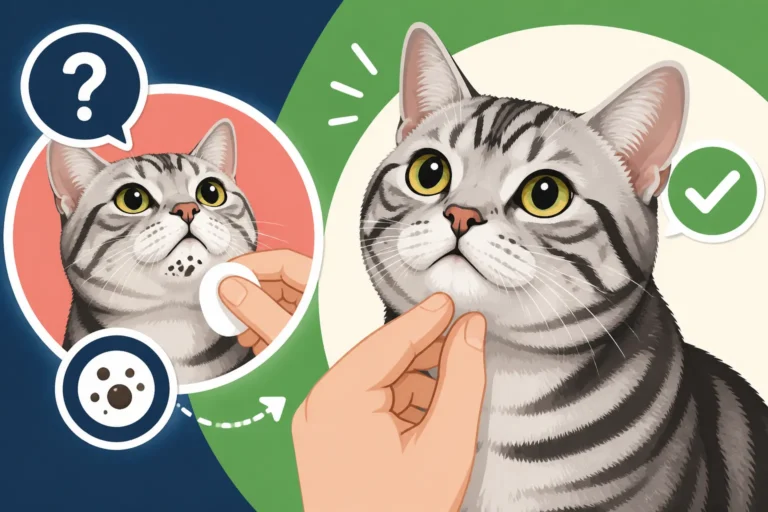
Arthritis is another frequent companion to old age. While American Shorthairs are stoic and Why a Stoic American Shorthair Hides Pain the Longest, look for subtle signs like hesitation before jumping, difficulty using the litter box, or a general reduction in activity. Your vet can prescribe pain management or joint supplements, which can vastly improve their comfort. Also, keep an eye out for How to Check an American Shorthair for Lumps as the risk of tumors increases with age. While some lumps are benign, it's always best to have them checked by a vet promptly.
| Life Stage | Key Care Considerations | Common Health Focus | Environmental Adaptations |
|---|---|---|---|
| Kitten (0-1 yr) | High-quality kitten food, socialization, basic training | Vaccinations, deworming, spay/neuter | Safe play spaces, accessible scratching posts |
| Young Adult (1-5 yrs) | Adult diet, active play, routine grooming | Annual vet checks, dental care, weight management | Consistent routine, engaging toys |
| Middle Age (6-12 yrs) | Portion control, mental stimulation, regular brushing | Dental health, early disease screening, weight vigilance | Comfortable resting spots, continued enrichment |
| Senior (13-20+ yrs) | Senior diet, pain management, frequent check-ups | Arthritis, kidney disease, hyperthyroidism, cognitive decline | Ramps/steps, low-sided litter boxes, warm beds, quiet areas |
Sustaining Mental Engagement and Quality of Life
Just like humans, older cats benefit from mental stimulation. Continue to engage them with gentle play sessions, even if they're shorter and less intense than before. Interactive toys, soft feather wands, or even just talking to them and petting them can keep their minds active. If they're prone to hiding their food, or you want to provide enrichment, companies like Amazon offer a wide array of puzzle feeders that can be adapted for older cats, turning mealtime into a fun challenge.
Quality of life is paramount in their final years. This involves ensuring they are comfortable, pain-free, and still enjoying their favorite activities, even if those activities are now simply napping in a sunbeam or receiving gentle head rubs. It means being attentive to their subtle cues. How to Tell an American Shorthair's Stiffness From Middle Age is important, but even more so as they become true seniors. There will come a time when difficult decisions need to be made about their comfort and well-being, and having a long-standing, trusting relationship with your veterinarian will be invaluable during these challenging moments.
The Emotional Investment: Beyond the Daily To-Do List
Caring for an American Shorthair for two decades isn't just a list of tasks; it's a deep, emotional journey. These quiet, steadfast companions burrow their way into our hearts with their calm demeanor and loving, though often subtle, affection. The practical aspects of their care are intertwined with the profound bond you develop over years of shared moments.
Understanding Your American Shorthair's Changing Needs
Over twenty years, your American Shorthair will go from a bouncy, curious kitten to a dignified, wise elder. Their needs will evolve, and your role as their caregiver will shift from establishing boundaries and routines to providing comfort and managing complex health issues. It requires patience, keen observation, and an ability to adapt. For example, a young American Shorthair might enjoy chasing a laser pointer, but an older one might find the lack of a "catch" frustrating. You'll learn to read their subtle body language, their soft chirps, and the way they rub against your leg to communicate their needs. This intuition, honed over years, becomes one of the most valuable tools in providing exceptional care.
Sometimes, the changes are gradual, almost imperceptible day to day, but looking back at old photos can highlight how much they’ve aged. It's easy to miss the early signs of stiffness or reduced hearing when you see them every day. Regular vet visits help with this, as an objective professional can spot things you might overlook. While American Shorthairs are typically robust, remember Why an American Shorthair Costs a Vet Less Than a Persian isn't a license to neglect routine care; it simply means they start with a good genetic foundation that still needs proactive maintenance.
The Unspoken Bond and End-of-Life Considerations
The bond with an American Shorthair deepens over time, growing richer with every quiet moment shared, every gentle head-butt, and every time they choose to nap near you. They become family members, silent witnesses to our lives, offering unconditional companionship. This deep connection makes the inevitable end-of-life decisions incredibly difficult, yet they are a crucial part of the twenty-year commitment.
Planning for this final stage, while painful to consider, is an act of love. Discussing quality of life indicators with your vet, understanding what to expect, and making arrangements for their comfort and dignity can ease the burden when the time comes. Whether it's in-home palliative care or making the difficult choice for euthanasia, your love and presence will be the most important part of their final moments. Twenty years of care is a testament to the profound connection we share with these magnificent cats, and honoring their journey from playful kitten to cherished elder is the ultimate expression of that bond.
Disclaimer
This article is for general informational purposes only and does not constitute professional advice. Laws, prices and regulations vary by location and change over time. Consult a qualified professional for guidance on your specific situation.