What an American Shorthair Kitten Should Eat
It can feel overwhelming, can't it? You've brought home this adorable American Shorthair kitten, a tiny ball of fur and boundless energy, and suddenly you're staring at an aisle full of kitten food, wondering if you're making the right choices. After all, their little bodies are growing at an incredible rate, and what they eat now sets the stage for their entire life. This guide is all about helping you navigate the world of kitten nutrition, ensuring your American Shorthair gets everything they need to grow into a strong, healthy, and happy companion.
Understanding Your American Shorthair Kitten's Unique Nutritional Needs
Bringing home an American Shorthair kitten means welcoming a tiny powerhouse into your family. These cats, with their robust build and active heritage, have specific nutritional demands during their early months that are crucial for their long-term health. It’s not just about filling a bowl; it’s about fueling a remarkable period of rapid growth and development.
The Rapid Growth Phase and Energy Demands
Think about it: in just a few short months, that tiny kitten will transform into a sturdy, well-muscled adolescent, and eventually, a magnificent adult. This isn't magic; it's a testament to incredible biological processes, all of which require a massive amount of energy. Kittens burn calories at a much faster rate than adult cats, needing dense, nutrient-rich food to keep up with their metabolic demands. Their little bodies are constantly building new cells, developing organs, and strengthening bones and muscles. It's like building a house from the ground up – you need premium materials and a steady supply of them.
Historically, the ancestors of the American Shorthair were working cats, constantly on the move, hunting for their meals. This active lifestyle meant their bodies were naturally designed to process a high-protein, moderate-fat diet gleaned from fresh prey. While our modern indoor American Shorthair kittens aren't out catching mice for dinner every day, their genetic blueprint still expects a similar kind of fuel to support their inherent vitality and growth potential. This rapid development means skipping meals or offering inadequate nutrition can have serious, lasting consequences, impacting everything from bone density to immune system function.
Essential Nutrients for Developing Muscle and Bone
For an American Shorthair, known for its solid, muscular physique and sturdy bone structure, the right balance of essential nutrients is absolutely paramount. Their diet needs to be meticulously formulated to support this impressive physical development.
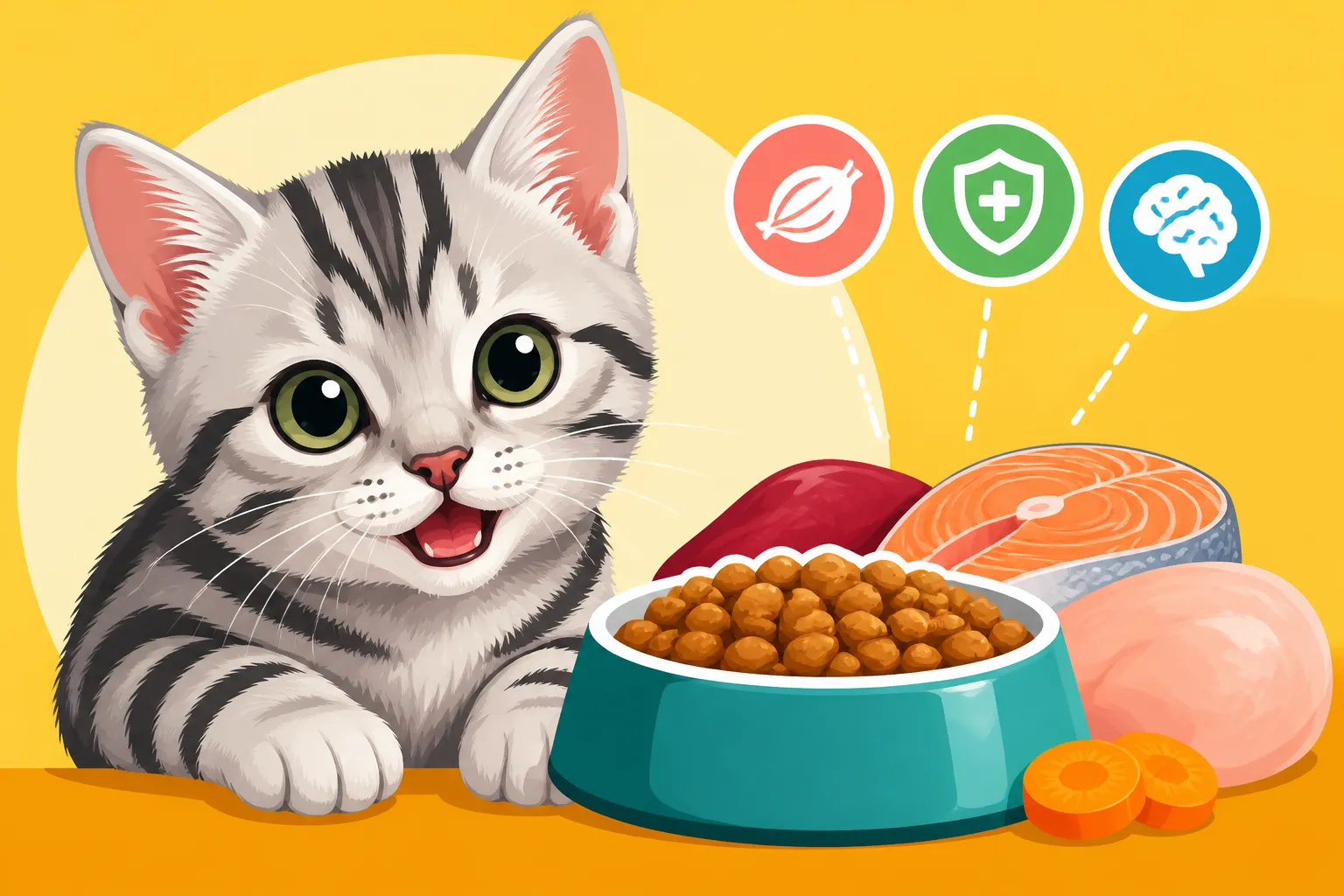
Protein is the undisputed champion here. As obligate carnivores, cats, especially growing kittens, require a high amount of animal-based protein. This isn't just a preference; it's a biological necessity. Protein provides the amino acids, the building blocks, for muscle growth, tissue repair, enzyme production, and a healthy immune system. For your American Shorthair kitten to develop that characteristic strong, broad chest and well-defined musculature, a high-quality protein source is non-negotiable. Look for real meat as the first ingredient, not just vague "meat by-products" or plant-based proteins that cats struggle to utilize effectively.
Then there are fats, which are an incredibly concentrated source of energy for active kittens. Healthy fats also play a vital role in nutrient absorption, supporting healthy skin and a lustrous coat – something the American Shorthair is celebrated for. Essential fatty acids, like Omega-3 and Omega-6, are particularly important for brain and vision development. Imagine trying to build a complex machine without proper lubrication; healthy fats are that essential lubrication for your kitten’s rapidly developing systems.
Lastly, vitamins and minerals might be needed in smaller quantities, but their impact is huge. Calcium and phosphorus, in the correct ratio, are critical for strong bone development, preventing issues later in life. Vitamin D supports calcium absorption. Other vitamins like A, E, and B-complex vitamins support everything from vision and skin health to energy metabolism. Zinc, selenium, and iron are also vital for immune function and overall growth. A high-quality kitten food should have these balanced appropriately, ensuring your kitten grows strong and resilient, ready for The Fifteen to Twenty Years the American Shorthair Was Given.
Deciphering Kitten Food Labels and Choosing the Right Diet
Walking down the pet food aisle, it’s easy to feel overwhelmed. Every bag and can promises the best for your kitten. But knowing what to look for, and what to avoid, can make all the difference in selecting a diet that truly supports your American Shorthair’s growth.
High-Quality Protein Sources: The Foundation of Growth
When you pick up a bag or can of kitten food, the first place your eyes should go is the ingredient list. For an American Shorthair kitten, with its inherent need for a strong, athletic build, high-quality animal protein needs to be at the very top of that list. Why? Because cats are carnivores through and through. Their digestive systems are designed to process meat, not grains or vegetables, as their primary energy source.
Look for named meat sources like “chicken,” “turkey,” “salmon,” or “beef” as the first one or two ingredients. These indicate a substantial amount of animal protein. If you see phrases like “meat meal” or “chicken meal,” don't be alarmed; these are often concentrated protein sources, meaning much of the water has been removed, making them even more potent. The key is that the source is named. Avoid foods where the first ingredients are vague “meat by-products” without specific identification, or worse, plant-based proteins like corn gluten meal as primary sources. While some plant ingredients might be present, they should never overshadow the animal protein content for a growing American Shorthair. Foods that focus heavily on fresh, human-grade meat align perfectly with this need. You can often find a wide selection of reputable brands that prioritize high-quality protein on sites like Chewy or Amazon, allowing you to compare labels easily.
The Role of Fats and Carbohydrates
Beyond protein, fats and carbohydrates play their own important roles in a kitten's diet. It’s about balance, especially for an active, growing American Shorthair.
Fats are a kitten’s primary non-protein energy source. They provide twice the calories per gram compared to protein or carbohydrates, making them incredibly efficient fuel for rapidly developing bodies. But not just any fat will do. Look for healthy fats from animal sources, such as chicken fat, salmon oil, or beef fat. These provide essential fatty acids like Omega-3s and Omega-6s, which are vital for healthy brain and vision development, a strong immune system, and maintaining that glossy, dense American Shorthair coat. Without adequate healthy fats, kittens can struggle with energy levels, skin issues, and even stunted growth.
Carbohydrates are a bit more controversial in feline nutrition. While cats don't require carbohydrates in their diet in the same way omnivores do, a small to moderate amount can provide readily available energy and assist in forming kibble. However, excessive carbohydrates, especially from fillers like corn, wheat, or soy, can be difficult for a kitten's digestive system to process and can contribute to weight gain without providing much nutritional value. For a cat bred for utility like the American Shorthair, whose ancestors thrived on hunting, their system is optimized for meat, not grains. Opt for kitten foods that use easily digestible complex carbohydrates like peas, sweet potatoes, or tapioca in modest amounts, and ensure they are well down the ingredient list, long after the primary protein sources.
Wet Food vs. Dry Food: Pros and Cons for Kittens
Deciding between wet food, dry food, or a combination is a common dilemma for new kitten parents. Each has its advantages and disadvantages for your growing American Shorthair.
Wet Food (Canned or Pouches):
- Pros: High moisture content is a huge plus, promoting excellent hydration, which is vital for kidney health throughout a cat's life. It's often highly palatable, making it easier to ensure picky eaters consume enough calories. Wet food typically has higher protein and lower carbohydrate levels, aligning well with a kitten's carnivorous needs. The texture can also be easier for young kittens with developing teeth to eat.
- Cons: Can be more expensive than dry food. Once opened, it spoils quickly and needs refrigeration. Some cats may develop dental issues if fed exclusively wet food without any other dental care.
Dry Food (Kibble):
- Pros: Convenient to store and serve, and can be left out for longer periods, which can be useful for kittens who prefer to graze. It's generally more cost-effective. Some argue the crunchy texture helps scrape plaque off teeth, though this benefit is often minimal without dedicated dental-specific kibble.
- Cons: Low moisture content means your kitten needs to drink more water independently, and cats are notoriously bad at this. It often contains higher carbohydrate levels and can be less palatable for some cats. Over-reliance on dry food can contribute to urinary tract issues later in life if hydration is insufficient.
Many American Shorthair owners find a combination approach works best: offering wet food for primary meals to ensure good hydration and nutrient intake, and leaving a small amount of high-quality dry kibble out for grazing during the day, especially for energetic kittens who need frequent fuel. This gives you the best of both worlds.
Here's a quick look at the benefits of each:
| Feature | Wet Food | Dry Food |
|---|---|---|
| Hydration | Excellent (High moisture content) | Poor (Low moisture content) |
| Palatability | Often very high | Varies, can be lower for some cats |
| Cost | Generally higher | Generally lower |
| Storage | Requires refrigeration after opening | Easy to store, lasts longer |
| Dental Health | Minimal benefit (can contribute to issues) | Minimal benefit (unless specifically designed) |
| Nutrient Density | Often higher protein, lower carbs | Varies, often higher carbs |
| Feeding Style | Best for scheduled meals | Good for free-feeding/grazing |
Remember, the goal is to provide a balanced diet. Whether you lean more towards wet, dry, or a mix, prioritize quality ingredients.
Establishing Healthy Feeding Habits from the Start
Beyond what to feed, how you feed your American Shorthair kitten is equally important. Establishing good habits early can prevent issues like overeating, finicky eating, and even behavioral problems down the road.
How Much and How Often to Feed Your Growing American Shorthair
Kittens have tiny stomachs but enormous energy needs. This means they need to eat small, frequent meals throughout the day. When your American Shorthair is very young, typically under six months, they often benefit from being free-fed, meaning food is available to them at all times. This allows them to graze whenever hunger strikes, fueling their continuous growth. However, this approach isn't always sustainable or ideal long-term, especially given how Why an American Shorthair's Appetite Outlasted Its Job.
As they get a bit older, generally around six months to a year, or if you notice your kitten starting to get a little too chunky, you might want to transition to scheduled meals. Typically, kittens around this age thrive on 3-4 meals per day. Always, always, always refer to the feeding guidelines on your chosen kitten food packaging. These guidelines are usually based on your kitten's age and current weight, and they provide an excellent starting point. For example, a three-month-old American Shorthair kitten might need more calories per pound of body weight than a six-month-old. Remember, these are just guidelines, and every kitten is an individual. Observe your American Shorthair: is he leaving food behind? Is he constantly begging for more? Is his body condition ideal? How to Find the Ribs on a Square Built American Shorthair can help you assess this.
When portioning, resist the urge to just eyeball it. Use a measuring cup for kibble and be precise with wet food servings. This consistency helps you manage their caloric intake and ensures they're getting the right amount of nutrients without overdoing it. A robust, well-muscled American Shorthair can look bigger than they are, but extra weight is never healthy.
Transitioning from Kitten Food to Adult Food
The transition from kitten food to adult food is a significant milestone, typically occurring between 10 months and 1 year of age, though for a sturdy breed like the American Shorthair, it might be slightly later, as they can take up to three years to fully fill out their muscular frame. This is why Why an American Shorthair Kitten Stays on Kitten Food Longer is a good read. Kitten formulas are specifically designed with higher calories, protein, and fat to support rapid growth, which an adult cat simply doesn't need. Switching too early can lead to nutritional deficiencies, while waiting too long can contribute to obesity.
The key to a successful transition is gradualism. Never switch cold turkey; it can lead to an upset stomach, diarrhea, or even food refusal. Here’s a typical schedule:
- Day 1-2: Mix 75% kitten food with 25% adult food.
- Day 3-4: Mix 50% kitten food with 50% adult food.
- Day 5-6: Mix 25% kitten food with 75% adult food.
- Day 7+: Feed 100% adult food.
Monitor your American Shorthair carefully during this period. Watch for any signs of digestive upset, changes in appetite, or reluctance to eat. If you notice any issues, slow down the transition or consult your veterinarian. They can offer tailored advice based on your individual cat's health and development.
Avoiding Common Feeding Mistakes
Even with the best intentions, it's easy to fall into some common feeding traps. Being aware of them can help you keep your American Shorthair kitten healthy.
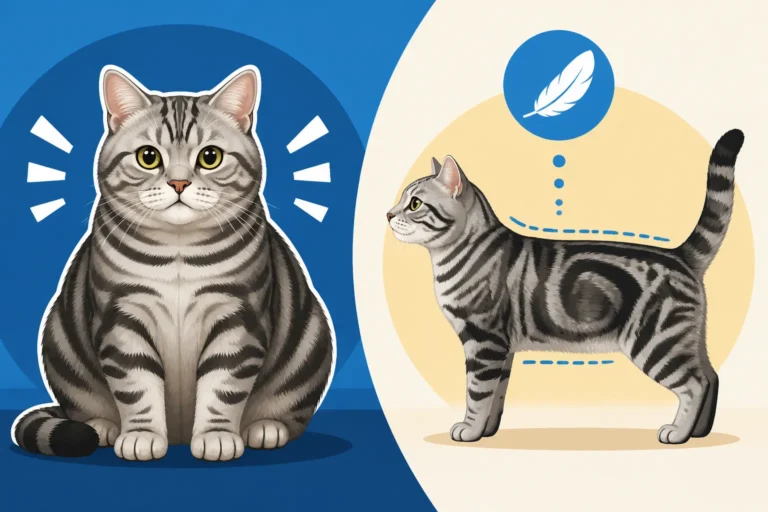
- Overfeeding or Underfeeding: This is perhaps the most common mistake. Overfeeding leads to obesity, which can cause a cascade of health problems later in life, from joint issues to diabetes. Underfeeding, especially during the crucial growth phase, can lead to stunted development and nutritional deficiencies. Always refer to those package guidelines, but more importantly, regularly assess your kitten’s body condition. You should be able to feel their ribs easily, but not see them prominently. Their waist should tuck in slightly when viewed from above. Remember, What an American Shorthair Weighs can vary, but healthy body condition is universal.
- Feeding Too Many Treats: While it’s tempting to spoil your adorable American Shorthair kitten with treats, they are often high in calories and low in essential nutrients. Treats should make up no more than 10% of their daily caloric intake. Think of them as occasional rewards, not meal supplements. Overdoing it can easily lead to weight gain, especially since How Few Calories an Indoor American Shorthair Burns.
- Sharing Human Food/Table Scraps: This is a big no-no. Many human foods are toxic to cats (like onions, garlic, chocolate, grapes, raisins), and even seemingly harmless scraps can be too rich, fatty, or salty for their delicate digestive systems, leading to stomach upset, pancreatitis, or long-term health issues. Plus, it encourages begging behaviors you'll surely regret later.
- Sudden Food Changes: As mentioned with the transition to adult food, sudden changes in any food can cause digestive upset. If you ever need to switch brands or formulas, do it gradually over several days. Even switching flavors within the same brand should ideally be done incrementally.
- Leaving Food Out Indefinitely (Especially Wet Food): While some dry food can be left out, especially for kittens, wet food should never be left out for more than an hour or two. It quickly spoils and can harbor harmful bacteria, leading to food poisoning. If your kitten doesn't finish their wet food, pick it up and discard it. This is particularly important for active American Shorthairs who might come back to graze at intervals.
Hydration and Supplemental Needs
Beyond the food in their bowl, ensuring your American Shorthair kitten is properly hydrated and receives all necessary micronutrients is crucial for their overall health and development.
The Importance of Fresh Water
Water is arguably the most vital nutrient, and it’s something cats, as a species, can be notoriously bad at consuming enough of. Wild cats historically got most of their moisture from their prey, which is typically 70-80% water. Modern kibble, on the other hand, contains only about 10% moisture. This discrepancy means that even if your American Shorthair kitten is eating a fantastic diet, they could still be chronically dehydrated if they're not drinking enough water.
For your American Shorthair kitten, always provide fresh, clean water in multiple locations throughout your home. Some cats prefer ceramic or stainless steel bowls over plastic, as plastic can sometimes impart an odor or taste. Others are drawn to moving water. This is why many cat owners invest in pet water fountains. You might be wondering, Whether an American Shorthair Bothers With a Fountain? Many do! The circulating water can be more enticing, mimicking a fresh stream rather than a stagnant puddle, and it can encourage them to drink more. Regularly clean water bowls and fountains to prevent bacterial buildup and ensure the water is appealing. Paying attention to How Much Water an American Shorthair Should Drink can make a real difference to their long-term urinary and kidney health.
When (and If) Supplements Are Necessary
The world of pet supplements can be a confusing maze, with every product promising a miracle cure or enhanced health. However, for a healthy American Shorthair kitten fed a high-quality, complete, and balanced commercial kitten food, dietary supplements are generally not necessary.
Reputable commercial kitten foods are formulated to meet all the nutritional requirements for growing felines, including the right balance of vitamins, minerals, proteins, and fats. Adding extra supplements without veterinary guidance can actually be detrimental, leading to nutrient imbalances or even toxicities. For instance, too much calcium can be just as harmful as too little, potentially causing skeletal issues in rapidly growing kittens.
There are, of course, exceptions. If your American Shorthair kitten has a specific health condition, a dietary deficiency, or is on a homemade diet (which we generally don't recommend without expert veterinary nutritional guidance), your veterinarian might recommend specific supplements. This could include things like probiotics for digestive issues, or particular fatty acid supplements for skin conditions. However, these decisions should always be made in consultation with your vet. Avoid self-diagnosing or self-prescribing supplements based on online research or advice from well-meaning friends. Your vet knows your kitten’s individual needs and can provide tailored advice, ensuring your American Shorthair continues to thrive without unnecessary additives.
Disclaimer
This article is for general informational purposes only and does not constitute professional advice. Laws, prices and regulations vary by location and change over time. Consult a qualified professional for guidance on your specific situation.