How an American Shorthair Asks Without Nagging
Many cat owners feel frustrated when they can't quite figure out what their feline friend wants, especially with a quietly independent breed like the American Shorthair. These wonderful cats aren't known for being overly vocal or demanding, which can lead to confusion if you're not attuned to their subtle signals. This guide is here to help you decode the nuanced ways your American Shorthair communicates its needs without ever having to resort to nagging.
The Subtle Art of American Shorthair Communication
American Shorthairs are magnificent, self-possessed creatures, rooted in a history of being working cats. They weren't bred to sit on laps all day or to constantly chirp for attention. Their independence and quiet nature mean they've mastered a subtle language, one that often flies under the radar for owners used to more boisterous breeds. Understanding this inherent stoicism is the first step to truly "hearing" your cat. They aren't trying to be mysterious; they're simply communicating in a way that aligns with their ancestry.
The Legacy of Quiet Independence
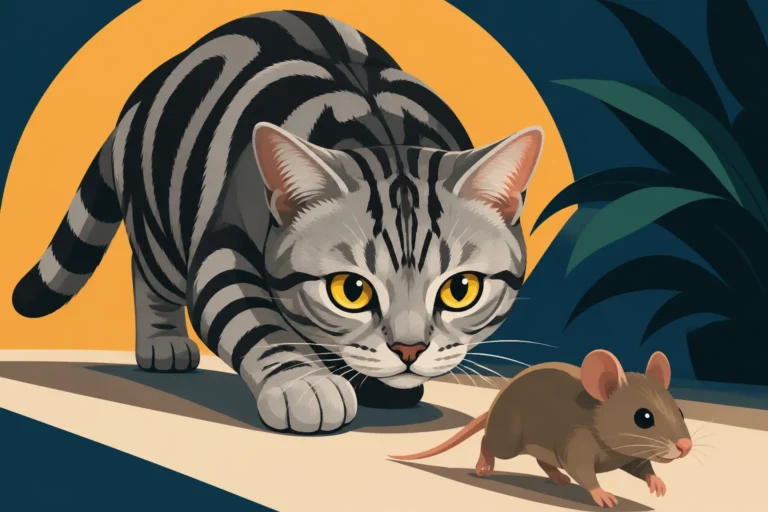
Think about their history: these cats were invaluable on ships and farms, keeping pests at bay. They had to be alert, efficient, and largely self-sufficient. There wasn't a human around to cater to every whim; they learned to take care of themselves. This deep-seated independence is why your American Shorthair likely isn't the type to follow you around loudly demanding dinner or constantly batting at you for play. They express themselves, but in a refined, understated manner. Why an American Shorthair That Hunted Alone Stayed Quiet is a key part of their character. This means their "asks" are often quiet gestures, a shift in gaze, or a change in routine that can be easily missed if you're not paying close attention. They might simply sit quietly, observing you, waiting for you to pick up on their silent prompts rather than making a big fuss. This patient approach is a hallmark of the breed.
Why They Avoid Nagging
The concept of "nagging" simply isn't in an American Shorthair's behavioral playbook. Their communication style is more about presenting opportunities or initiating interactions and then patiently waiting for your response. They don't typically persist with loud meows or incessant pawing because their survival historically didn't depend on constant human intervention. Instead, they operate on a principle of quiet suggestion, preferring to observe your reactions before deciding their next move. This makes them incredibly respectful companions, but it also places the onus on us, their humans, to learn their subtle language. What an American Shorthair Does Instead of Demanding really highlights this aspect of their personality. They understand that you have your own routine, and they generally expect you to eventually notice their needs, rather than feeling the need to constantly interrupt you. This can be a double-edged sword, however, as it requires their owners to be particularly observant.
Decoding the Silent Signals of Your American Shorthair
Since loud meows are often not their go-to, an American Shorthair's communication relies heavily on body language, subtle vocalizations, and behavioral patterns. Learning to read these cues is like learning a new dialect, and it’s incredibly rewarding. You'll find your bond deepens when you can anticipate their needs before they even "ask" explicitly. It's about looking beyond the obvious and tuning into the nuances, becoming a true student of your cat's individual quirks and habits.
Body Language: The Primary Translator
Your American Shorthair's posture, tail position, ear movements, and even eye contact are rich with information. A slightly flattened ear, for example, might indicate irritation or a desire to be left alone, while slowly blinking at you is a profound sign of trust and affection, often referred to as a "cat kiss." A tail held high with a slight twitch at the end might signal curiosity or readiness for interaction, whereas a tucked tail suggests anxiety or submissiveness. They often use their eyes to draw your attention, holding a steady gaze in the direction of what they want, then perhaps shifting their gaze to you. You might notice them sitting a specific way near the food bowl, or by a closed door they wish to enter. These aren't random behaviors; they are deliberate, if understated, attempts to communicate. Understanding How an American Shorthair Shows Affection Between Patrols can help you recognize their subtle expressions of love, which are often non-verbal and might include a gentle head bunt or a slow lean into your hand.
Subtle Vocalizations and Routine Shifts
While they are quiet, American Shorthairs do have a range of vocalizations beyond the typical "meow." You might hear soft trills, chirps, or even a low rumble when they're content or trying to get your attention without being overly loud. What an American Shorthair's Voice Sounds Like is often much softer and less insistent than other breeds, almost conversational when they do choose to speak. Beyond sounds, pay close attention to changes in their routine. If your typically independent cat suddenly starts appearing in the kitchen ten minutes earlier than usual, or spends more time near a particular window, these are often silent "asks." A shift in their sleep patterns, like being more active when you are, could also be a subtle bid for engagement, indicating they want you to initiate some play or interaction. Even a slight change in their favorite sleeping spot or their chosen perch can signify a need or desire. How Little an American Shorthair Bothers to Say is a testament to their self-reliance, making these small changes even more significant.
Understanding Specific "Asks" Through Subtle Cues
Knowing how they communicate is one thing, but understanding what they're asking for is the next level. American Shorthairs tend to have clear, if quiet, ways of signaling their desires for food, play, attention, and comfort. Interpreting these cues requires patience and a good understanding of your individual cat's personality.
The Call for Food and Water
This is probably one of the most common "asks." An American Shorthair seeking food or water might sit patiently by their bowl, often making eye contact with you, then glancing pointedly at the bowl. They might do a soft, almost inaudible meow or trill as you approach, a gentle invitation. If they're feeling a bit more insistent, they might lead you to the kitchen with slow, deliberate steps, perhaps looking back to ensure you're following. They rarely jump on the counter or loudly protest. Instead, they might rub against your legs while you're in the kitchen, a gentle reminder that their stomach is rumbling. If you have a timed feeder, they might start hovering around it just before it's due to dispense, a quiet anticipation rather than a demand. What an American Shorthair's Appetite Outlasted Its Job explains why they're still food-motivated, even without hunting for every meal.
Requesting Play and Engagement
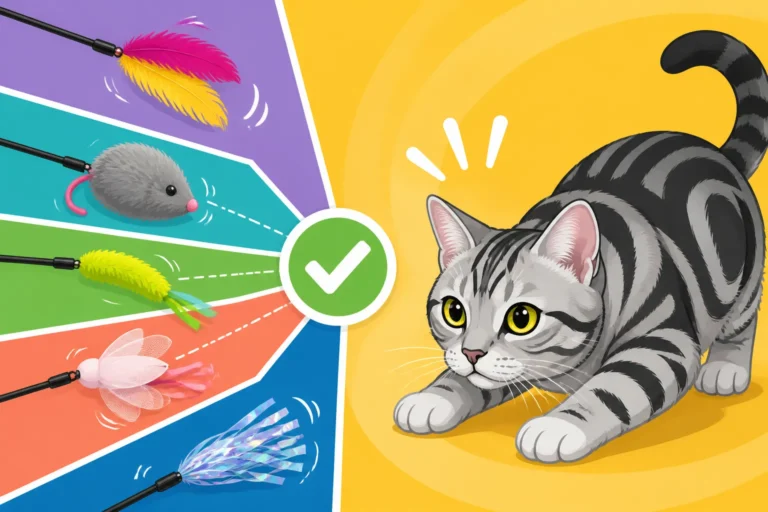
For a breed with a strong prey drive, play is essential for their well-being. When an American Shorthair wants to play, it's often a subtle invitation. They might bring a favorite toy and drop it near you, then sit and watch expectantly. They might stalk a toy from across the room, mimicking their hunting behavior, hoping you'll join in. You might see a "play bow," where their front end lowers, and their rear end stays elevated, ready to pounce. A great way to engage them is with interactive toys you can find on Amazon, like wand toys with feathers or small plush mice, which tap into their natural instincts. Look for signs of "the hunt" in their eyes and posture – dilated pupils, ears swiveled forward, and a slight twitch of the tail. Which Wand Toy Reads as Prey to an American Shorthair can help you select a toy that truly captures their attention.
Seeking Affection and Comfort
American Shorthairs are affectionate, but often on their own terms and with a sense of dignity. They aren't typically "cuddle bugs" in the same way some other breeds might be, preferring to sit near you rather than on you for prolonged periods. When they want affection, they might jump onto the sofa next to you, perhaps nudging your hand with their head or rubbing their cheek against your leg, depositing their scent as a sign of belonging. They might stretch out on the floor nearby, presenting their belly (a sign of immense trust), or simply settle down for a long nap in the same room. A quiet purr as you pet them is their ultimate sign of contentment. Sometimes, just having you in the same room is enough, providing a comforting presence without direct interaction. Cozy beds and soft blankets, easily found on Amazon, can encourage them to seek comfort in shared spaces. Why a Working Bred American Shorthair Sits Beside You Rather Than On You explains this gentle closeness.
Expressing a Need for Space or Solitude
Just as they subtly ask for interaction, they also subtly ask for space. This is crucial to respect for a cat that values its independence. If your American Shorthair turns its head away, twitches its tail, or walks slowly to another room when you approach, they're politely telling you they need a moment alone. They might move to a higher perch, like a sturdy cat tree (many great options on Amazon), or retreat to a quiet corner, signaling their desire for an undisturbed nap or simply some solitude. They generally won't hiss or scratch unless their boundaries are repeatedly ignored. Learning to recognize these cues prevents misunderstandings and strengthens your bond based on mutual respect. Recognizing When an Already Quiet American Shorthair Has Gone Too Quiet is also important, as this could sometimes indicate discomfort or illness, requiring veterinary attention.
Here's a quick guide to some common American Shorthair "asks":
| Subtle Ask | Common Behaviors | What it Often Means | Your Best Response |
|---|---|---|---|
| Hunger/Thirst | Sits by bowl, looks at you then bowl, gentle leg rubs, soft trill | "My food/water bowl is empty." | Check and refill bowls promptly. |
| Playtime | Brings toy, stalks object, "play bow," intent gaze, soft chirps | "I'm ready to hunt and play!" | Engage with a wand toy or toss a favorite toy. |
| Affection/Attention | Nudges head, rubs against legs, jumps on sofa near you, slow blink | "I'd like some gentle attention." | Offer a stroke, a quiet word, or simply sit near them. |
| Comfort/Security | Seeks high perch, retreats to quiet room, stretches out, purrs | "I need a safe, quiet spot to rest." | Ensure safe spots are accessible; respect their space. |
| Litter Box Needs | Excessive digging in box, pacing near box, looking at you, unusual vocalization at the box | "My litter box needs cleaning." | Scoop the litter box immediately. |
| Exploration/Outdoors | Sits by door/window, looks intently outside, sometimes a quiet meow | "I'm curious about the outside." | Consider supervised outdoor time or a catio for safe exploration. |
Fostering a Deeper Connection by Responding Effectively
Once you've started to recognize your American Shorthair's unique way of communicating, the next step is to respond in a way that builds trust and strengthens your relationship. These cats thrive on routine and predictability, and consistent, thoughtful responses to their subtle cues will make them feel understood and secure. This consistent interaction, even if it's not overly effusive, is key to their well-being.
Establish and Respect Routines
American Shorthairs appreciate a predictable schedule. Knowing when meals, play sessions, and quiet times generally occur helps them feel secure and reduces the need for them to "ask" overtly. For example, if you consistently play with them for 15-20 minutes every evening before dinner, they'll learn to anticipate this and might simply appear near their favorite toy around that time. Consistent care also means regular litter box cleaning; a clean box is a quiet ask for good hygiene and prevents behavioral issues. An American Shorthair Asks You for Almost Nothing is often true because they adapt so well to a consistent environment you've established. A stable routine reduces anxiety and the need for them to signal their basic needs.
Provide Appropriate Outlets for Instincts
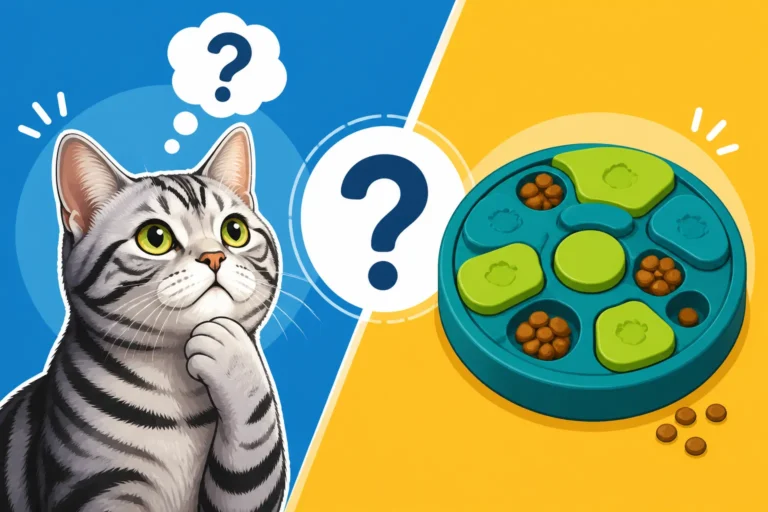
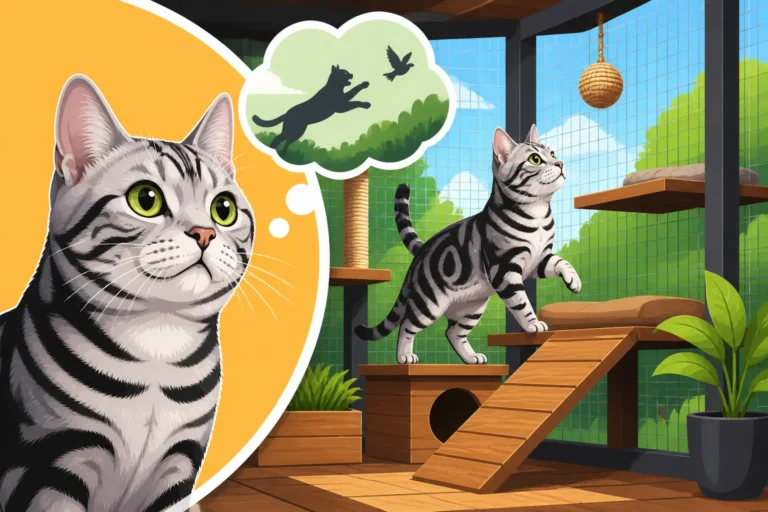
Their hunting heritage is strong, even if they're indoor cats. Provide plenty of enrichment that allows them to express these natural behaviors. Interactive toys, puzzle feeders you can find on Amazon, and climbing structures satisfy their instincts and reduce boredom, which can sometimes manifest as subtle, frustrated "asks" or even destructive behavior. A tall cat tree offers vertical territory and a vantage point for observation, fulfilling their patrol instinct and providing a sense of security. How Much Simulated Hunting an American Shorthair Needs is crucial for their mental and physical well-being, keeping them engaged and preventing them from becoming withdrawn or listless. You might also consider toys that dispense treats, engaging their intellect as well as their predatory drive.
Practice Active Observation
Make it a habit to simply observe your American Shorthair throughout the day. Not just when they're interacting with you, but when they're resting, grooming, or exploring. Notice their default body language and vocalizations. This baseline understanding will make it easier to spot deviations or subtle signals when they do need something. The more you watch, the more fluent you'll become in their language, able to interpret even the slightest twitch of an ear or flicker of an eye. Even their sleeping habits can tell you a lot; How Much an American Shorthair Sleeps can be an indicator of their general health and contentment, and changes might warrant closer attention. Dedicate a few minutes each day to simply observing them without expectation, and you'll be amazed at what you learn.
Building Trust Through Consistency
Responding promptly and appropriately to their subtle cues builds immense trust. If your cat nudges your hand for a pet, and you offer it, they learn that their communication is effective and that you are receptive to their overtures. If they sit by the door to an unused room, and you open it for them to explore, they understand you respect their curiosity and desire for novelty. This consistency reinforces their natural quiet communication style and makes them less likely to feel the need to escalate their "asks" into more insistent behaviors. Remember, How Long an American Shorthair Copes Alone in the Day is often well, due to their independent nature, but regular, reliable interaction when you are home reinforces your bond. By consistently showing that you understand and meet their needs, you create a stronger, more harmonious relationship built on mutual understanding and respect. Why an American Shorthair Suits an Older Owner often comes down to this mutual respect and understanding of a calm, independent nature, as they often appreciate a peaceful and predictable household.
By taking the time to truly see and respond to your American Shorthair's quiet requests, you'll not only meet their needs more effectively but also deepen the incredible bond you share with these wonderful, self-possessed felines.
Disclaimer
This article is for general informational purposes only and does not constitute professional advice. Laws, prices and regulations vary by location and change over time. Consult a qualified professional for guidance on your specific situation.