Why a Limp in a Stoic American Shorthair Is Never Minor
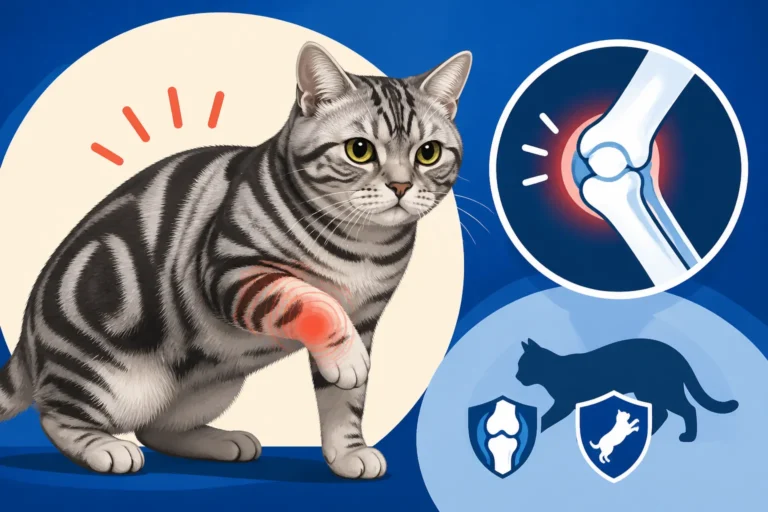
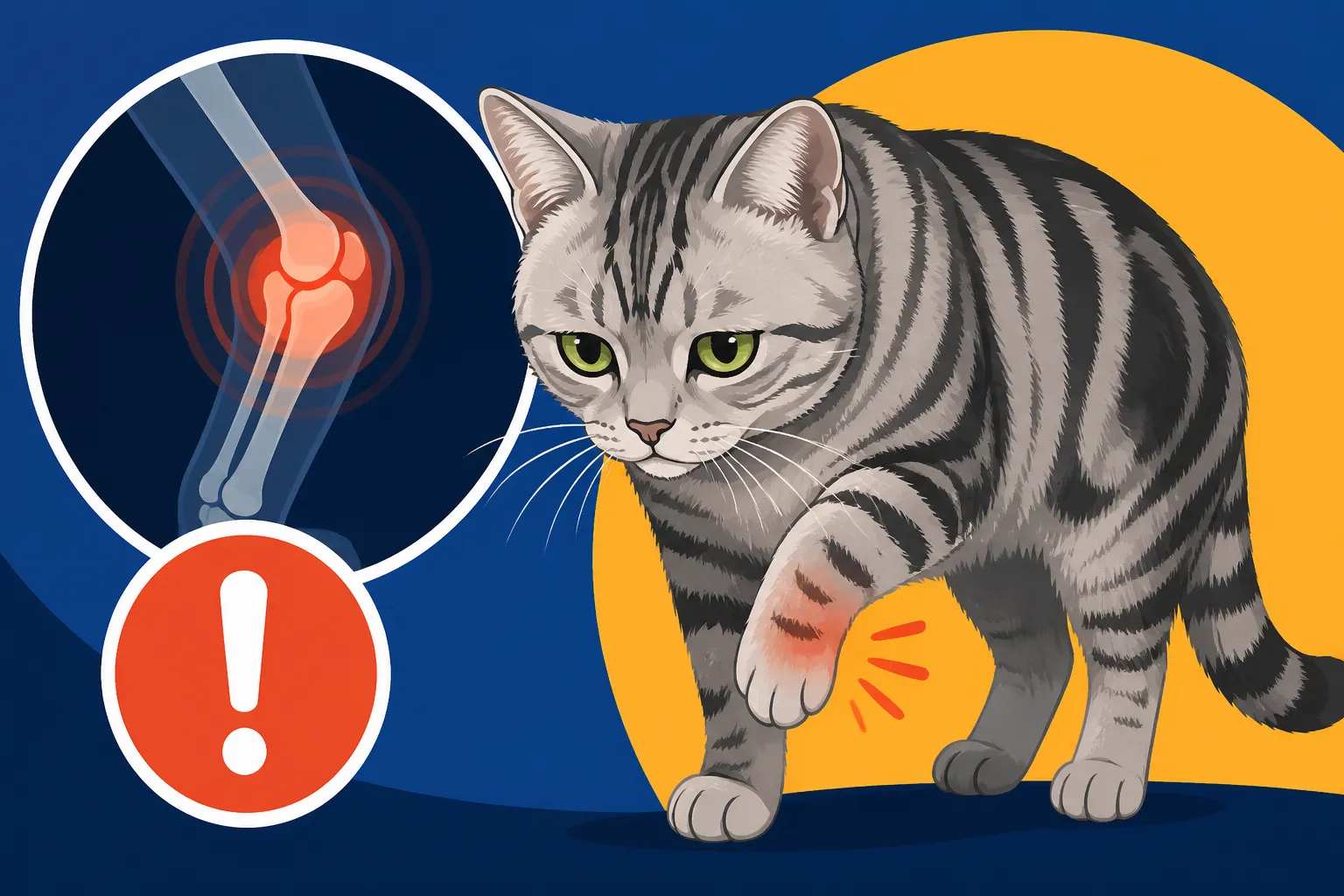
When your otherwise robust American Shorthair starts limping, it’s a moment that should never be brushed aside as "just a little stumble." These incredible cats, with their deep-rooted working ancestry, are masters of disguise when it comes to pain. They are incredibly stoic creatures, a trait that allowed their ancestors to thrive in challenging environments, but one that can make recognizing distress in our modern companions incredibly difficult. This comprehensive guide will delve into why any limp, no matter how seemingly minor, warrants immediate attention and how best to care for your American Shorthair.
The American Shorthair's Stoic Nature and Pain Masking
It’s easy to misunderstand a cat’s quiet demeanor as a sign that nothing serious is wrong. For American Shorthairs, this stoicism is part of their charm and heritage, but it also means that by the time a visible limp appears, the underlying issue might be more advanced than you think. They simply don't complain easily, making every overt sign of discomfort a red flag.
Why Cats Hide Pain (Evolutionary Instinct)
Imagine a wild cat, a true survivor. In nature, showing weakness is a death sentence. A limping predator might become prey, and a limping prey animal is certainly doomed. This deeply ingrained evolutionary instinct means cats are wired to conceal pain and illness until it becomes absolutely impossible to hide. They'll push through discomfort, alter their behavior subtly, and generally try to maintain a normal facade.
This instinct is particularly strong in a breed like the American Shorthair, whose lineage traces back to working cats on farms and ships. These were felines that earned their keep, where physical prowess and resilience were not just desirable traits, but essential for survival. A little ache wasn't an excuse to stop hunting; it was a reason to hide it better. So, when your American Shorthair, a descendant of these tough, self-sufficient hunters, finally displays a noticeable limp, it's often because the pain has reached a level that even their formidable pain tolerance can no longer mask. This makes a visible limp far more significant than it might appear in a human or even another less stoic animal.
Recognizing Subtle Signs in an American Shorthair
Since overt limping can be a late sign, it's crucial to be attuned to the more subtle indicators that your American Shorthair might be in pain or discomfort, especially concerning their mobility. What might look like a "minor" limp could actually be the tip of a much larger iceberg.
One of the first things you might notice isn't the limp itself, but a change in their routine or behavior. Perhaps your usually agile cat hesitates before jumping onto their favorite window perch, or they choose to sleep on the floor instead of their elevated cat tree. They might be reluctant to engage in play sessions that involve running or chasing, or they might simply be less active overall. You may observe a slight stiffness when they first get up, which seems to improve as they move, only to return later.
Look for subtle shifts in posture, too. Is one paw being favored, even just slightly? Are they holding it a bit differently when resting? Are they grooming less thoroughly in certain areas, particularly around their back or hips, because it’s painful to twist? Some cats might hide away more, become less interactive, or show a decreased appetite. Even slight irritability when touched in a particular area can be a sign. Any change in their usual confident gait, even a barely perceptible shift in weight or a shorter stride, is your American Shorthair communicating, in their quiet way, that something isn't quite right. For more insights into recognizing pain in older cats, you might find How an Old American Shorthair Shows Its Joints Hurt helpful.
Common Causes Behind an American Shorthair's Limp
A limp can stem from a wide array of causes, ranging from acute injuries to chronic conditions that have been slowly developing. Pinpointing the exact reason without professional help is incredibly difficult, which is why a vet visit is non-negotiable.
Traumatic Injuries and Acute Issues
Many limps are the result of an injury, often something we didn't even witness happening. Cats are curious and agile, but they're not immune to accidents.
Sprains, strains, and even fractures can occur from what seems like a simple misstep during play or an awkward landing after a jump. A cat might misjudge a leap from a countertop, or get a paw caught in something. Even playing too enthusiastically with another pet or a child can lead to an acute injury. Paw pad injuries are also surprisingly common. They can step on something sharp, like a stray piece of glass or a thorn if they venture outside. Burns from hot surfaces or chemicals are less frequent but can also lead to limping and discomfort.
For American Shorthairs that have any outdoor access, bite wounds and abscesses are a significant concern. A seemingly minor cat fight can result in a puncture wound that quickly becomes infected and painful, leading to a noticeable limp. These can fester quickly and cause intense pain and swelling, making a trip to the vet essential. If your American Shorthair enjoys the outdoors, understanding Which Injuries an Outdoor American Shorthair Comes Home With or How an Abscess Forms After an American Shorthair's Cat Fight could be very informative. Even our indoor-only American Shorthairs can experience trauma; a rough landing from a cat tree or a tumble off a high shelf can easily cause a soft tissue injury or worse.
Degenerative Conditions and Chronic Pain
While acute injuries are often sudden, many limps, particularly in older American Shorthairs, are due to underlying degenerative conditions that develop slowly over time. The limp might be intermittent at first, only becoming constant as the condition progresses.
Arthritis, or osteoarthritis, is incredibly common in aging cats, just like in humans. The cartilage in their joints wears down, leading to bone-on-bone friction, inflammation, and pain. You might notice your cat moving more stiffly, being less inclined to jump or climb, or even struggling to use the litter box if it has high sides. This is a common culprit when an older American Shorthair starts to show discomfort or hesitation in movement. Medications and supplements can help manage the pain, but early detection is key. For more on managing stiffness, read When a Stiff American Shorthair Needs Joint Support.
Another less common, but potential, concern is hip dysplasia. While more frequently associated with certain dog breeds, cats, especially those with sturdy, muscular builds like the American Shorthair, can also develop it. This is a malformation of the hip joint, leading to instability and pain. The constant pressure on the joint can lead to early onset arthritis. A broad-chested cat might naturally put more weight through its hips, potentially exacerbating such conditions, as discussed in Why a Broad Chested American Shorthair Puts Weight Through Its Hips. Disc disease or other nerve issues in the spine can also manifest as limping, weakness, or an altered gait, particularly in the hind limbs, due to nerve compression or damage. These conditions often creep up slowly, and a limp is often the point at which the silent suffering becomes too much to bear.
Other Underlying Health Concerns
Sometimes, a limp isn't directly related to a bone or joint injury but is a symptom of a broader health issue. These cases can be more challenging to diagnose but highlight the importance of a thorough veterinary examination.
Infections, such as osteomyelitis (bone infection), can cause severe pain and lameness. These might arise from an untreated wound or spread from an infection elsewhere in the body. Systemic infections can also cause generalized body aches and joint pain, leading to a hesitant gait. While rare, tumors or cancers can develop in bones or soft tissues, causing pain, swelling, and a limp. These growths can be insidious, slowly eroding bone or pressing on nerves, and the limp might be one of the first overt symptoms.
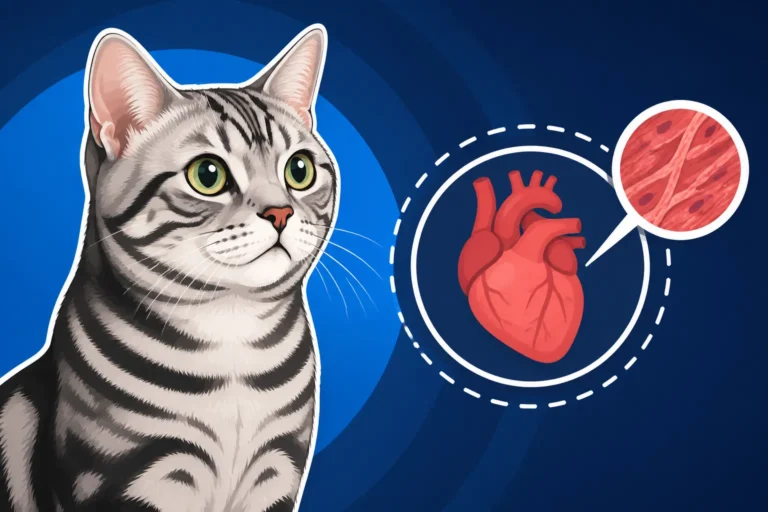
One particularly critical, though less common, cause of sudden hind leg lameness is related to heart disease. Hypertrophic cardiomyopathy (HCM), which can affect American Shorthairs, can lead to the formation of blood clots. If one of these clots travels and lodges in the arteries supplying the hind legs (a condition called a saddle thrombus), it can cause sudden, excruciating pain and paralysis or severe limping in one or both hind legs. This is a life-threatening emergency. If you notice your American Shorthair suddenly unable to use its back legs, or severe lameness with obvious pain, this could be the cause, and immediate veterinary attention is paramount. Understanding How a Thickened Heart Throws a Clot in an American Shorthair or Why an American Shorthair Suddenly Loses Its Back Legs can shed more light on this serious condition. While less dramatic, nutritional deficiencies, though rare in well-fed cats, could theoretically impact bone density and strength, making them more prone to injury.
The Urgency of Veterinary Examination
Given the American Shorthair’s propensity for hiding pain, any limp demands prompt veterinary attention. Waiting to see if it improves on its own is a gamble you don't want to take with your beloved companion.
Why Immediate Vet Attention is Crucial
It's tempting to think a "minor" limp will just get better with rest, but for a cat, especially a stoic American Shorthair, that assumption can be dangerous. As we've discussed, they hide pain so effectively that a visible limp often indicates a significant problem. Delaying a vet visit not only prolongs your cat's discomfort but can also allow a treatable condition to worsen, potentially leading to more complex and costly interventions, or even irreversible damage.
Self-diagnosis, while often well-intentioned, is rarely accurate with animals. You might assume a simple sprain, when in reality it could be a fracture, a severe infection, or even something systemic. Without a proper veterinary assessment, you're flying blind. For instance, if an abscess from a bite wound goes untreated, the infection can spread, causing more pain and requiring more intensive medical care. If it's a fracture, proper stabilization is needed quickly for optimal healing. Even for chronic conditions like arthritis, early diagnosis allows for pain management strategies that can significantly improve your cat's quality of life for years to come. In essence, immediate veterinary attention isn't just about treating the symptom; it's about uncovering the hidden cause before it escalates, giving your American Shorthair the best chance for a full recovery.
What to Expect at the Vet
When you bring your limping American Shorthair to the vet, they'll begin with a thorough physical examination. This is more than just a quick look; it's a detailed process where they will carefully palpate your cat's legs, joints, and spine, checking for swelling, heat, pain, or instability. They'll also gently assess the range of motion in each joint, looking for stiffness or abnormal movements.
To get a clearer picture, your vet will likely recommend diagnostic imaging. X-rays are a common and invaluable tool. They can reveal fractures, dislocations, signs of arthritis, bone infections, or even some types of tumors. In some complex cases, they might suggest more advanced imaging like an ultrasound, CT scan, or even an MRI, though these are typically reserved for when X-rays are inconclusive or a soft tissue injury is suspected. Blood tests might also be recommended, especially if your vet suspects an infection, inflammation, or other systemic health issues. These tests help ensure your cat is healthy enough for any sedation or anesthesia that might be needed for X-rays or potential treatments, as American Shorthairs are generally considered a low anesthetic risk, which is a relief for owners. Learn more about this by reading Why an American Shorthair Is a Low Anesthetic Risk. Your vet will also ask you many questions about the onset of the limp, any potential incidents, your cat's activity level, appetite, and general health history to help piece together the puzzle.
Treatment Options and Long-Term Management
Once the vet has a diagnosis, they can formulate a targeted treatment plan. This plan will vary greatly depending on the cause of the limp. For acute injuries like sprains or minor fractures, treatment might involve pain relief medication, anti-inflammatory drugs, and strict rest for a period. More severe fractures may require surgical repair, often involving pins or plates to stabilize the bone. If an infection like an abscess is the culprit, antibiotics will be prescribed, and the abscess might need to be drained.
For chronic conditions such as arthritis, the approach shifts towards long-term management aimed at controlling pain and improving mobility. This can include daily pain medications, joint supplements (like glucosamine and chondroitin), and sometimes therapeutic laser treatments or physical therapy exercises. Weight management is also crucial, as extra pounds put more stress on aching joints. Your vet might suggest a prescription diet formulated for joint health. Environmental modifications at home, such as ramps or steps to help your cat access favorite elevated spots, soft orthopedic bedding, and easily accessible litter boxes, can make a huge difference.
Unexpected vet bills can be a significant concern for cat owners, especially when urgent care or long-term medication is needed. Having pet insurance, like a policy from Healthy Paws, can provide immense peace of mind, allowing you to make medical decisions based on what's best for your American Shorthair, rather than being solely driven by cost. It helps cover those unforeseen expenses, ensuring your cat gets the care it needs without undue financial stress.
| Cause of Limp | Typical Onset | Common Symptoms Beyond Limp | Diagnostic Tools |
|---|---|---|---|
| Traumatic Injury (Sprain, Fracture, Cut) | Sudden | Swelling, visible wound, holding paw up, intense pain on touch | Physical exam, X-rays |
| Abscess | Within days of bite/puncture | Swelling, warmth, fever, lethargy, reluctance to eat | Physical exam, palpation |
| Arthritis/Osteoarthritis | Gradual, often in older cats | Stiffness (especially after rest), reluctance to jump, decreased activity | Physical exam, X-rays |
| Hip Dysplasia | Can be gradual or sudden worsening | "Bunny hopping" gait, difficulty rising, decreased activity | Physical exam, X-rays |
| Saddle Thrombus (from HCM) | Very sudden and severe | Acute hind leg paralysis/weakness, intense pain, cold hind paws | Physical exam, Doppler, ultrasound |
| Tumor/Bone Cancer | Gradual, progressive | Swelling, visible mass, persistent pain, weight loss (later stages) | Physical exam, X-rays, biopsy |
Supporting Your American Shorthair During Recovery
Once your American Shorthair has been diagnosed and treatment has begun, your role in their recovery is paramount. Providing the right environment and diligently following veterinary instructions will ensure they heal as quickly and comfortably as possible.
Creating a Safe and Comfortable Environment
When your American Shorthair is recovering from an injury or managing chronic pain, their home environment needs to become a sanctuary. The first step is to restrict their activity. This might mean confining them to a smaller, single room or a large dog crate, especially if they are usually very active. The goal is to prevent re-injury or unnecessary strain on healing tissues. Ensure they have easy access to everything they need – food, water, and their litter box – without having to jump or travel far.
Comfort is key. Provide soft, supportive bedding where they can rest without putting pressure on painful areas. Consider orthopedic beds, which offer extra cushioning. If your cat usually enjoys high perches, temporarily block access or provide ramps or sturdy steps to reduce the need for jumping. Even if the limp isn't directly related to jumping, any sudden impact can exacerbate pain. A quiet, stress-free environment will also aid in recovery, as stress can impede healing. Keep other pets or small children from disturbing them, ensuring they have their own peaceful space to recuperate.
Administering Medication and Monitoring Progress
Administering medication to a cat can sometimes feel like a battle, but it's a critical part of the recovery process. Whether it's a pill, liquid, or topical treatment, follow your vet's instructions precisely regarding dosage and frequency. Never stop medication early, even if your cat seems to be improving, unless specifically advised by your vet. If you struggle to give medication, don't hesitate to ask your vet for tips or demonstrations – they've seen it all! Many cats respond well to pill pockets or having liquid medicine mixed into a small amount of palatable wet food.
Equally important is monitoring your American Shorthair's progress. Observe their demeanor: Are they more comfortable? Is the limp improving, staying the same, or worsening? Are they eating and drinking normally? Are they using the litter box without difficulty? Look for any new swelling, redness, or discharge around an injury site. Keep a journal if it helps you track changes and report these observations back to your vet during follow-up appointments. Promptly contact your vet if you notice any concerning changes, such as increased pain, lethargy, loss of appetite, or difficulty breathing, as these could indicate a complication.
Preventative Measures and Ongoing Care
While not all limps can be prevented, especially those from unforeseen accidents, proactive care can significantly reduce the risk and severity of many mobility issues in your American Shorthair. Regular veterinary check-ups are paramount. Even if your cat seems perfectly healthy, a yearly visit allows your vet to catch subtle issues early, perform routine screenings, and discuss preventative strategies. A general check-up includes assessing their gait and mobility, which might reveal nascent problems before they become obvious. Learn more about how often your cat needs a check-up in How Regularly a Healthy American Shorthair Still Needs Checking.
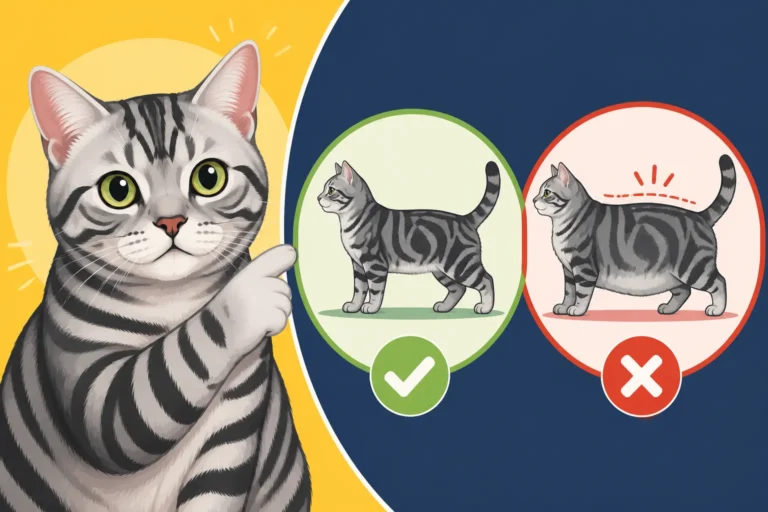
Maintaining a healthy weight is another critical preventative measure. American Shorthairs are muscular cats, and extra weight puts immense strain on their joints, predisposing them to arthritis and other orthopedic problems. Consult your vet to determine What an American Shorthair Should Weigh at Its Frame and discuss appropriate feeding plans. Provide safe, enriching play opportunities that encourage healthy activity without risking injury. This includes sturdy cat trees, scratching posts (which help stretch muscles), and interactive toys that simulate hunting. Consider adding ramps or steps for older cats to access elevated areas safely. By being vigilant about your American Shorthair's weight, diet, and environment, you can help ensure they lead a long, active, and limp-free life.
Disclaimer
The information provided in this article is for general informational purposes only and is not a substitute for professional veterinary advice, diagnosis, or treatment. Always seek the advice of your veterinarian or other qualified animal health provider with any questions you may have regarding a medical condition. Never disregard professional veterinary advice or delay in seeking it because of something you have read in this article.