Why a Male American Shorthair’s Urethra Blocks First
It's one of the most terrifying things a cat owner can face: seeing your beloved male American Shorthair straining in the litter box, crying out in pain, and knowing something is terribly wrong. Urinary blockages are not just an inconvenience; they are a life-threatening emergency, and sadly, male cats, particularly those wonderful, sturdy American Shorthairs, are far more susceptible than their female counterparts. This guide will walk you through precisely why male American Shorthairs are at a higher risk, what causes these blockages, and most importantly, how you can help prevent them and recognize the warning signs early.
Understanding Feline Lower Urinary Tract Disease FLUTD
Before we dive into the specifics of why male American Shorthairs face this particular challenge, it's crucial to understand the umbrella term often used by vets: Feline Lower Urinary Tract Disease, or FLUTD. This isn't a single diagnosis but rather a collection of conditions that affect a cat's bladder and urethra. It can be incredibly frustrating for owners because the symptoms often look very similar, regardless of the underlying cause, making it difficult to pinpoint the exact problem without veterinary intervention.
What FLUTD Actually Is
FLUTD encompasses a range of issues, from bladder inflammation (cystitis) to urinary stones, bacterial infections, and, yes, those dreaded urethral obstructions. The symptoms you might observe in your American Shorthair could include frequent trips to the litter box, straining to urinate (which can often be mistaken for constipation), passing only small amounts of urine or no urine at all, crying or vocalizing while attempting to urinate, urinating outside the litter box, or blood in the urine. It’s a miserable experience for them, and watching your stoic American Shorthair in distress can be heartbreaking. These conditions are complex, and what starts as simple irritation can quickly escalate for a male cat. This is why understanding Which Bladder Stones an American Shorthair Forms is so crucial, as they are a common component of FLUTD.
The Stress Connection
One of the most perplexing aspects of FLUTD, particularly for cases where no obvious stones or infection are found, is the undeniable link to stress. Our American Shorthairs, despite their calm and adaptable nature, are creatures of routine, and changes in their environment can trigger internal distress that manifests physically. Things like changes in household dynamics, a new pet, moving furniture, even changes in your work schedule can throw them off. This psychological stress can lead to inflammation in the bladder lining, a condition often called Feline Idiopathic Cystitis (FIC), which then contributes to the problem. It’s a harsh reality that even the most well-adjusted cat can experience this. Understanding Whether Stress Cystitis Affects a Placid American Shorthair can shed more light on this often-overlooked trigger.
The Anatomical Truth Why Males Are More Vulnerable
This is where the real physiological difference comes into play, making male American Shorthairs inherently more susceptible to blockages. It's not about their breed specifically, but about the general feline male anatomy.
The Narrower Urethra
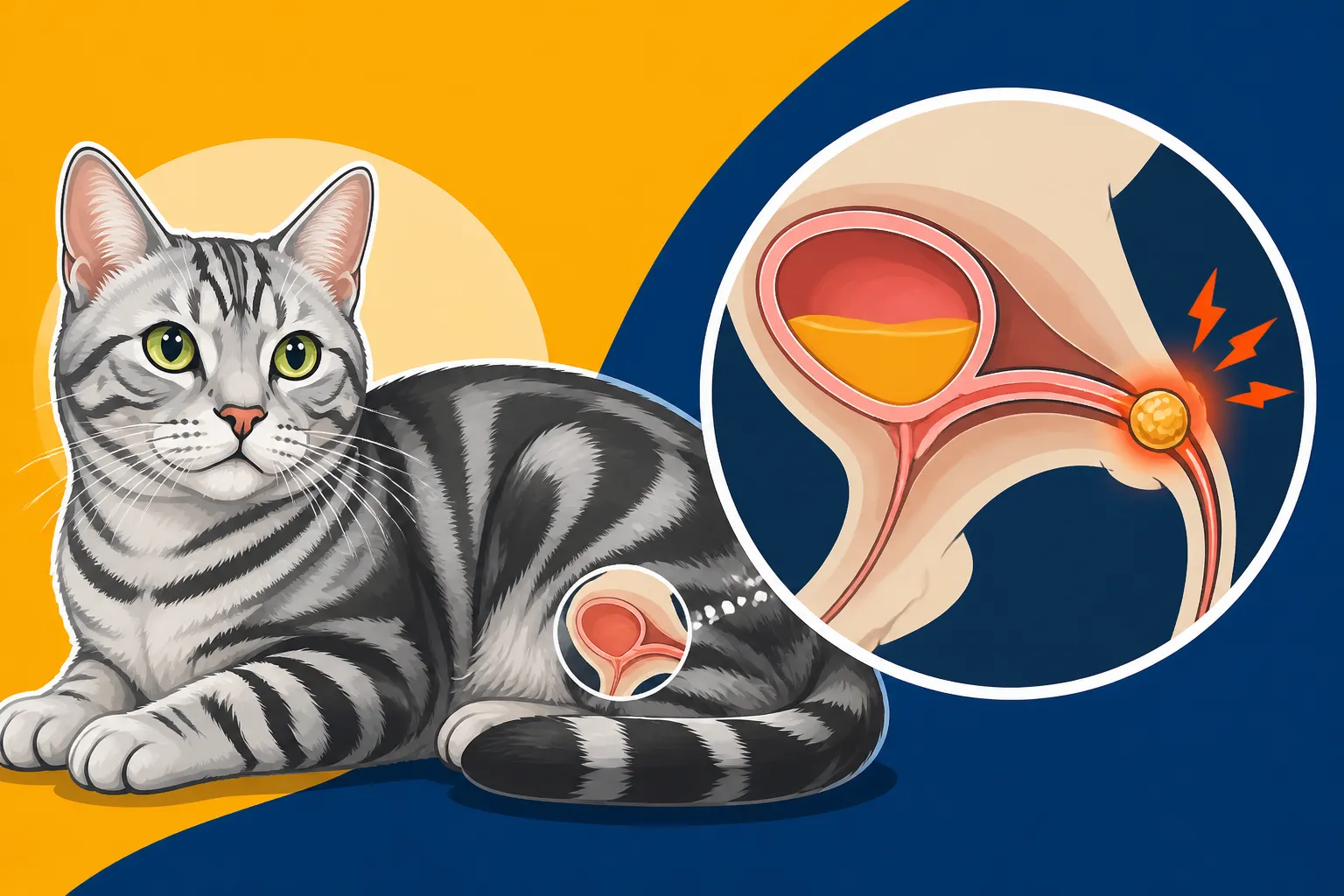
Imagine trying to push a larger object through a smaller pipe. That’s essentially what happens with a male cat's urethra. The urethra is the tube that carries urine from the bladder out of the body. In male cats, this tube is significantly narrower and longer than in females. This physiological difference means that any debris – be it tiny crystals, mucus, inflammatory cells, or even small stones – has a much higher chance of getting stuck and completely blocking the flow of urine. For a female American Shorthair, her wider, shorter urethra often allows these materials to pass more easily, meaning she might develop bladder stones or cystitis, but a full blockage is much rarer. It’s an unfortunate lottery of birth for our male feline friends.
The "S"-Shaped Bend
Adding to the challenge of the narrow urethra is the unique "S"-shaped bend as it passes through the penis. This anatomical curve acts almost like a natural trap, a perfect spot for any accumulating material to lodge firmly. It's like having a kink in a garden hose; even if the opening is small, the bend makes it even harder for anything solid to get through. This combination of a narrow diameter and a tight bend makes the male American Shorthair’s urethra particularly vulnerable to becoming fully obstructed, turning a simple bladder issue into an urgent, life-threatening crisis.
Common Causes of Blockages in Male American Shorthairs
Now that we understand the anatomical predisposition, let's look at what specifically forms these blockages. It’s rarely just one thing; often, it’s a perfect storm of factors.
Urethral Plugs The Most Frequent Culprit
By far, the most common cause of complete urethral obstruction in male cats is what vets call a urethral plug. These aren't solid stones in the traditional sense, but rather a sticky, gelatinous mix of materials that congeals and gets lodged in the urethra. Think of it like a dense blob of slime. This plug is typically composed of:
- Crystalline material: Often struvite or calcium oxalate crystals, which are microscopic mineral formations in the urine.
- Mucus: Secretions from the irritated bladder lining.
- Inflammatory cells: White blood cells that rush to the site of inflammation.
- Tissue debris: Shed cells from the bladder wall.
When these components come together, especially in a cat with an inflamed bladder and concentrated urine, they can form a solid obstruction. The male American Shorthair, with his narrow, kinked urethra, is the perfect candidate for these plugs to get firmly stuck. It's a quick, silent threat that can go from "just straining" to "fully blocked" in a matter of hours.
Urinary Stones Uroliths When Crystals Grow Up
While urethral plugs are more common, actual urinary stones, also known as uroliths, can also cause blockages. These are hard, solid mineral formations that develop in the bladder. They're basically what happens when those tiny crystals we mentioned earlier grow larger and consolidate. The two most common types are:
- Struvite stones: These often form in alkaline (high pH) urine and can sometimes be dissolved with a special prescription diet. They are made of magnesium ammonium phosphate.
- Calcium oxalate stones: These tend to form in acidic (low pH) urine and typically require surgical removal as they cannot be dissolved.
A stone might sit in the bladder for a long time, causing irritation and inflammation, but the real danger emerges when a stone, or even multiple small stones, pass from the bladder into the urethra. Again, the male American Shorthair’s narrow passageway makes it much easier for these stones to become trapped, leading to a complete blockage. For more on what these specific stones entail, reading Which Bladder Stones an American Shorthair Forms could be very enlightening.
Inflammation Without Stones or Plugs Feline Idiopathic Cystitis
Sometimes, a male American Shorthair can block even without obvious urethral plugs or stones. This is often due to severe Feline Idiopathic Cystitis (FIC), also known as interstitial cystitis. In these cases, intense inflammation within the bladder and urethra causes the lining of the urethra to swell significantly. This swelling, combined with muscle spasms in the urethral wall, can narrow the passage to the point of complete obstruction. It’s a frustrating diagnosis because there’s no "smoking gun" like a stone or a plug to remove. The problem is the inflammation itself, often exacerbated by stress, which we discussed earlier. Managing this often involves a multi-pronged approach targeting both inflammation and environmental stressors.
Recognizing the Emergency Signs of a Blocked American Shorthair
Time is absolutely critical when it comes to urethral blockages. The faster you recognize the signs and seek veterinary help, the better your American Shorthair's chances of a full recovery. Never, ever wait to see if it improves on its own.
The Subtle Early Warning Signs
Initially, the signs might be easy to miss or dismiss. Your American Shorthair, typically a stoic and independent breed, might not be overtly dramatic at first. Keep an eye out for:
- Frequent trips to the litter box: They might go in and out multiple times, or spend a long time squatting.
- Straining: You'll see them pushing, but little or no urine comes out. This is often mistaken for constipation. If you're unsure, watch closely for urination or defecation.
- Vocalizing: Soft meows or cries while in the litter box.
- Licking genitals excessively: An attempt to soothe irritation.
- Urinating in unusual places: This isn't spite; it's usually an urgent attempt to relieve pressure, and they may associate the litter box with pain.
- Blood-tinged urine: This indicates inflammation or irritation, even if they are still passing urine.
These subtle changes can escalate rapidly. If you notice your American Shorthair showing any of these signs, it's time for a vet visit. Early intervention can prevent a full blockage. It's also worth familiarizing yourself with Why a Male American Shorthair Tom Blocks to understand the full context of why these issues are so prevalent.
The Critical Signs of Complete Blockage
Once a full blockage occurs, your cat's condition will deteriorate rapidly, becoming a dire emergency. If you observe any of these, drop everything and head to the emergency vet immediately.
- Persistent, unproductive straining: Your cat will be trying to urinate but literally nothing will come out. They may groan or cry in discomfort.
- Increasing lethargy and weakness: As toxins build up in their system, they will become progressively weaker, withdrawn, and unresponsive.
- Vomiting and loss of appetite: These are signs of systemic illness due to toxin buildup.
- Abdominal pain: Your cat may resent being touched, especially around their abdomen, which will feel distended and firm due to the full bladder.
- Collapse: In severe, untreated cases, the buildup of toxins (especially potassium) can lead to heart failure and collapse.
A blocked cat cannot excrete toxins, and their kidneys will fail. The bladder can also rupture, which is fatal. This is a medical emergency that requires immediate veterinary care. Every minute counts. If you’re ever in doubt about what a straining American Shorthair needs within hours, always default to contacting your vet.
Prevention Strategies for Your Male American Shorthair
While you can't change your American Shorthair's anatomy, there's a lot you can do to minimize the risk of a blockage. Proactive care is truly the best medicine here.
Dietary Management The Right Food Makes a Difference
Diet plays a monumental role in managing urinary health. The goal is to create an environment in the bladder that is less hospitable to crystal formation and to promote overall urinary tract health.
- Prescription Urinary Diets: If your American Shorthair has had a blockage or persistent urinary issues, your vet will likely recommend a prescription urinary diet. Brands like Purina Pro Plan Veterinary Diets, Royal Canin Veterinary Diet, or Hill's Prescription Diet offer formulas specifically designed to manage urine pH, dilute urine, and reduce the concentration of minerals that form crystals. These diets are not just "low ash" cat food; they are carefully formulated therapeutic tools.
- Wet Food is Your Friend: Regardless of whether your cat is on a prescription diet, feeding wet food is incredibly beneficial. Wet food significantly increases your cat's water intake, leading to more dilute urine. Dilute urine means lower concentrations of crystal-forming minerals and a greater likelihood that any small debris will be flushed out before it can form a plug or stone. It’s one of the easiest, most impactful changes you can make. It also helps to understand How Wet Food Helps an American Shorthair's Waistline, given their propensity for weight gain.
Regular vet check-ups are also crucial to monitor your cat’s urinary health, and a good pet insurance plan from a company like Healthy Paws can provide significant peace of mind when these specialized diets and vet visits are needed.
Hydration is Key Encouraging Water Intake
Beyond wet food, actively encouraging your American Shorthair to drink more water is fundamental to preventing blockages.
- Water Fountains: Many cats prefer moving water to still water in a bowl. A good quality pet water fountain can entice them to drink more frequently.
- Multiple Water Stations: Place several water bowls throughout your home, away from food and litter boxes. Experiment with different types of bowls – ceramic, stainless steel, glass – as some cats have preferences.
- Add Water to Food: If your cat eats dry kibble, you can add a small amount of water to it, essentially turning it into a "soup."
- Flavoring Water: Some cats respond well to a tiny bit of tuna juice (water-packed, unsalted) or low-sodium chicken broth mixed into their water. Just be careful not to add too much, as it can be high in sodium.
Ensuring your American Shorthair is well-hydrated helps flush out their urinary system, making it harder for plugs and stones to form. You can learn more about How Much Water Keeps an American Shorthair's Bladder Clear to optimize their hydration strategy.
Stress Reduction in the Home Environment
Since stress is such a major component of FIC and, subsequently, blockages, creating a calm and predictable environment for your American Shorthair is vital.
- Predictable Routine: Cats thrive on routine. Try to feed, play, and interact with your cat at consistent times each day.
- Environmental Enrichment: Provide plenty of resources and stimulating activities. This includes scratching posts, cat trees for climbing and perching, puzzle feeders to make them "hunt" for food, and regular interactive play sessions. A well-exercised cat is often a less stressed cat, so engaging their natural hunting instincts with wand toys, as discussed in Play That Finishes the Hunting Sequence for an American Shorthair, can be very beneficial.
- Multiple Resources: In multi-cat households, ensure there are enough litter boxes (rule of thumb: number of cats + 1), food bowls, water bowls, and resting spots to minimize competition and stress.
- Safe Spaces: Every cat needs a quiet, secure place where they can retreat and feel safe, away from noise or activity.
- Pheromone Diffusers: Products like Feliway diffusers release synthetic feline facial pheromones that can help create a calming environment for some cats.
- Minimize Changes: When changes are unavoidable (like moving or introducing a new pet), do so gradually and provide extra reassurance and resources for your American Shorthair.
Being attentive to your cat's behavior and recognizing signs of stress can go a long way in preventing these painful urinary episodes. Even a placid American Shorthair can be affected, so it's always worth considering if subtle stressors are at play.
Male vs. Female Urethral Blockage Risks
Here's a quick comparison to highlight the key differences we've discussed, emphasizing why male American Shorthairs face a unique challenge.
| Feature | Male American Shorthair Urethra | Female American Shorthair Urethra | Risk of Blockage |
|---|---|---|---|
| Length | Longer | Shorter | Higher |
| Diameter | Significantly narrower | Wider | Higher |
| Anatomical Shape | Features an "S"-shaped bend near the penis | Straight and more direct | Higher |
| Common Issues | Urethral plugs, stones, severe FIC inflammation | Cystitis, bladder stones (less common for blockage) | Lower |
| Emergency Severity | Life-threatening obstruction, rapid deterioration | Generally less acute, though still painful | Lower |
| Symptoms | Straining, vocalizing, no urine, lethargy, vomiting | Frequent urination, straining, blood in urine | Lower |
Remember, while females are less prone to blockages, they can still suffer from painful urinary tract issues. It's the complete obstruction that makes the male situation so critical.
The reality of a male American Shorthair's urethra blocking first is a stark reminder of their unique physiological vulnerabilities. As responsible cat parents, understanding these differences, staying vigilant for warning signs, and implementing preventative strategies like dietary management, promoting hydration, and stress reduction are your best lines of defense. Being prepared and knowing when to act immediately can make all the difference for your beloved feline companion.
Disclaimer
This article is intended for informational purposes only and does not constitute veterinary advice. If you suspect your American Shorthair has a urinary blockage or any other health concern, please contact your veterinarian immediately. Prompt professional medical attention is crucial for your pet's well-being.