How an American Shorthair Splits Its Day Between Patrol and Sleep
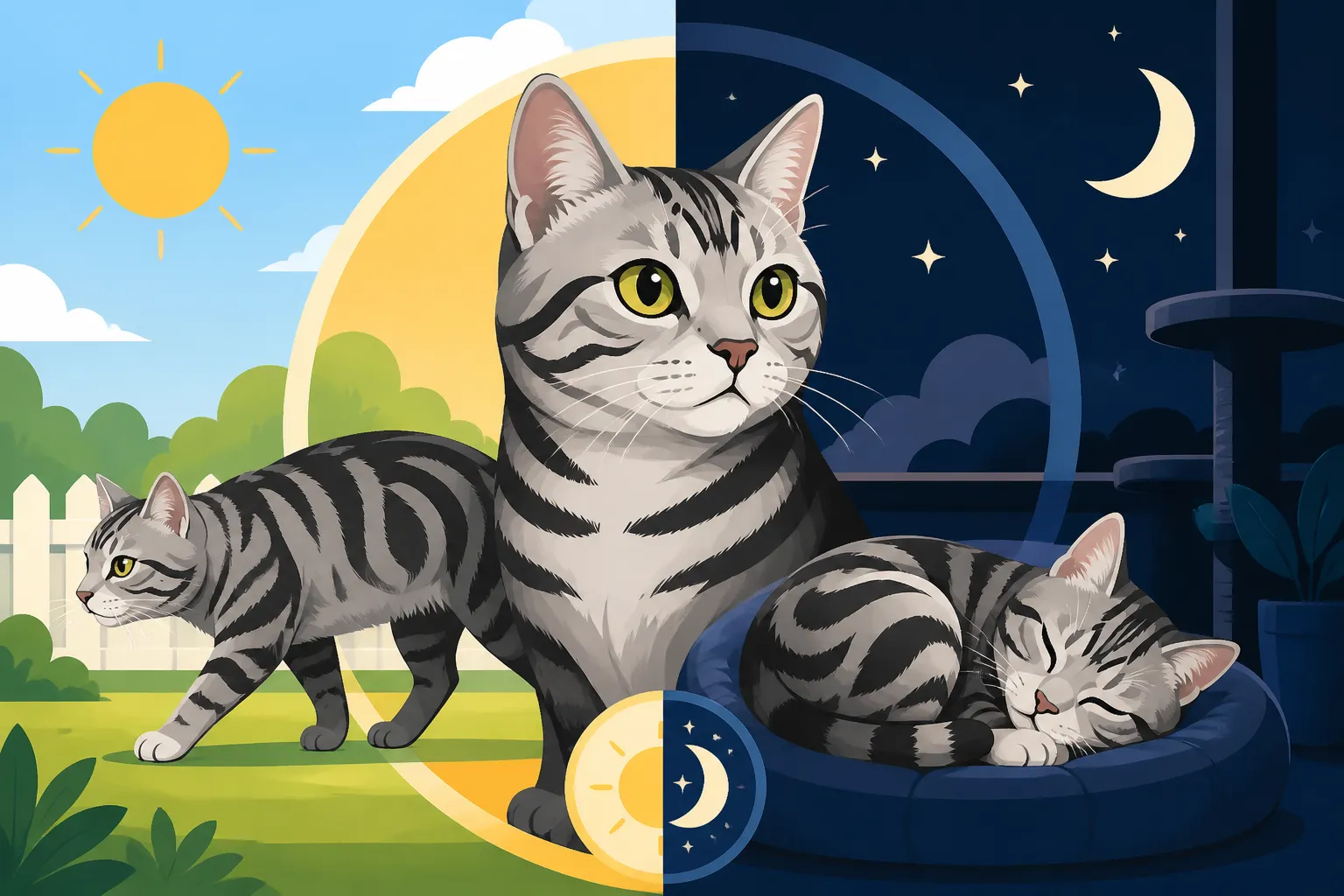
If you've ever watched your American Shorthair gracefully glide through your living room, stopping to survey a sunbeam before settling for a nap, only to spring back into action moments later, you're witnessing the beautiful ballet of instinct meeting domestic life. It can feel like your placid companion is constantly calculating, balancing periods of intense observation with profound relaxation. This guide is here to unravel the daily rhythm of an American Shorthair, showing you how their deep-seated patrol instincts intertwine with their love for a good snooze, helping you understand their seemingly contradictory behaviors.
The Echoes of a Working Past: Understanding the American Shorthair's Instincts
When we talk about an American Shorthair, we're not just talking about a pretty face with a beautiful tabby coat. We're talking about a cat with centuries of history as a working animal, a true survivor. These aren't creatures bred purely for aesthetics; they earned their keep as mousers on ships and farms, diligently protecting stores and homes from pests. This deep lineage has left an indelible mark on their daily habits, shaping how they interact with their environment and even how they choose to spend their downtime. It's why they seem so self-sufficient and often prefer to observe before engaging.
The Primacy of Patrol: Why Exploration is Key
For an American Shorthair, their home isn't just a place to eat and sleep; it's their territory, their domain. And like any good sentinel, they feel an innate need to patrol it. This isn't about anxiety or restlessness; it's a fundamental part of their genetic makeup. They're checking for changes, ensuring everything is in its proper place, and essentially "owning" their space. You might see them walk the perimeter of a room, jump onto a high shelf to get a better vantage point, or meticulously sniff a new object you've brought in. This constant, almost subconscious, exploration is how they maintain a sense of security and control. It's their way of keeping tabs on their world, a quiet reassurance that all is well.
Think about it from their perspective: their ancestors literally kept entire ships safe from vermin. That vigilance doesn't just vanish because they now live on a cozy sofa. They might not be hunting rats anymore, but the drive to survey and protect remains. This also explains why they might suddenly bolt through the house for no apparent reason, or why they're so acutely aware of sounds outside a window. Their senses are always on, always processing. The American Shorthair Still Hunts, Whether You Want It To or Not explores this instinct further.
The Genetic Blueprint: What Drives Their Day
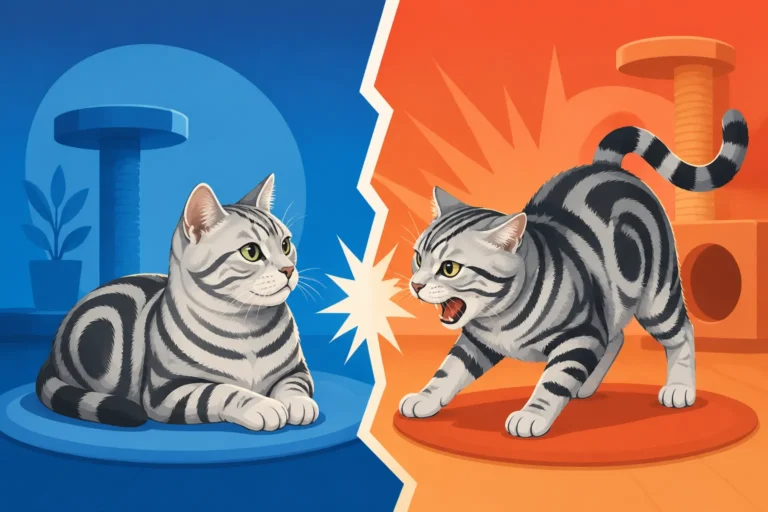
The daily schedule of an American Shorthair is heavily influenced by their evolutionary roots. Their ancestors were crepuscular hunters, most active at dawn and dusk when their prey was most vulnerable. This means their internal clocks are still largely wired for peak activity during these transitional periods of light. You’ll often find them most playful, most attentive, and most "on patrol" during the early morning hours and again as evening approaches. This isn't them trying to annoy you; it's simply their natural rhythm playing out.
Beyond the timing of their activity, their entire approach to life is driven by a genetic blueprint that prioritizes efficiency and self-reliance. They are typically not "velcro" cats, meaning they aren't constantly demanding your attention. Instead, they operate on an independent cycle of activity and rest, punctuated by brief, intentional interactions. This self-sufficiency, honed over generations of solitary hunting, means they're quite good at entertaining themselves and managing their own energy levels. What an Indoor American Shorthair Does With a Mouser's Instinct delves into how these instincts manifest in a modern home.
The Dawn Patrol: American Shorthair Mornings
For many American Shorthair owners, mornings begin not with an alarm clock, but with a gentle nudge, a quiet purr, or the distinct sound of paws exploring the house. These cats are not known for sleeping in late, especially once they've reached adulthood. Their internal clocks, as we discussed, are naturally aligned with the rising sun, triggering their patrol instincts and a surge of energy. It's a fundamental part of their day, and trying to fight it usually just leads to a very persistent, if quiet, feline alarm.
The Early Bird Catches the… Kibble
Just as the first hint of daylight graces your windows, your American Shorthair is likely already up and about, initiating their first patrol of the day. This often coincides perfectly with their hunger pangs. Their history as efficient hunters means they're wired to seize opportunities, and an empty food bowl is definitely an opportunity to be addressed! You might find them sitting patiently by your bed, perhaps nudging your hand or even giving a soft, insistent meow. They're not being rude; they're simply following their natural urge to get the day started and ensure their most basic needs are met.
After a long night, their metabolism is ready for fuel, preparing them for the morning's activities. This also explains why many owners report that their American Shorthairs are most vocal and active around dawn. It's prime time for them. If you’re a light sleeper, you’ll definitely get to know this morning routine intimately! For a deeper dive into this phenomenon, read Why an American Shorthair Wakes at Dawn.
The Post-Breakfast Territory Survey
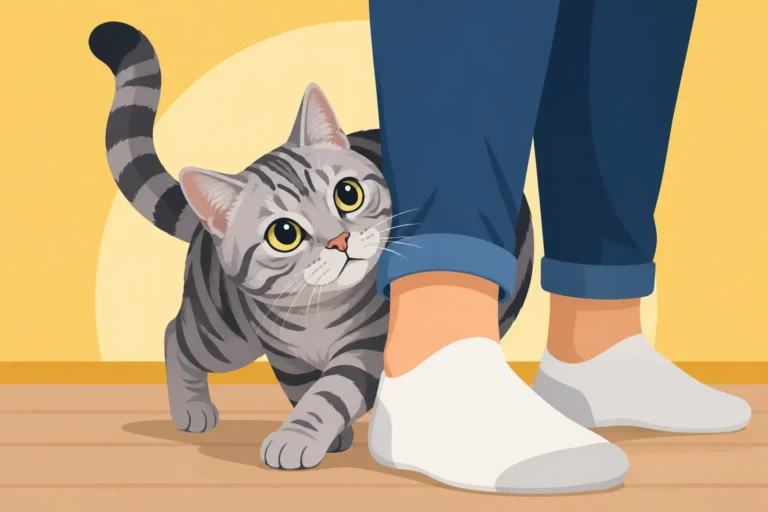
Once breakfast has been served and devoured (often with methodical precision), the true morning patrol begins. This isn't just a quick walk-through; it's a thorough inspection. Your American Shorthair will systematically move from room to room, checking various spots. They might jump onto a favorite windowsill to observe the outdoor world, ensuring no squirrels or birds have dared to trespass on their perceived territory. They'll walk along furniture, rub against doorframes, and perhaps even spend a few minutes simply sitting in the middle of a room, absorbing all the sensory information.
This post-breakfast survey is crucial for their sense of security. It's how they confirm that their environment is safe and predictable. It’s their equivalent of checking all the locks and ensuring the perimeter is clear. You might notice them sniffing at recent deliveries, investigating a moved piece of furniture, or even giving a suspicious glance at a door you left open by accident. These are all part of their thorough morning routine, driven by that intrinsic need to patrol.
Mid-Day Lulls: The Art of American Shorthair Napping
After their energetic morning patrols and diligent surveillance, even the most dedicated American Shorthair needs to recharge. This is where their talent for napping truly shines. These aren't just random catnaps; they are strategic, deeply ingrained periods of rest that allow them to conserve energy and remain alert. Observing an American Shorthair during their mid-day lulls reveals a lot about their innate ability to balance activity with profound relaxation, a skill perfected over generations of self-sufficient living.
Strategic Sleep: Why Location Matters
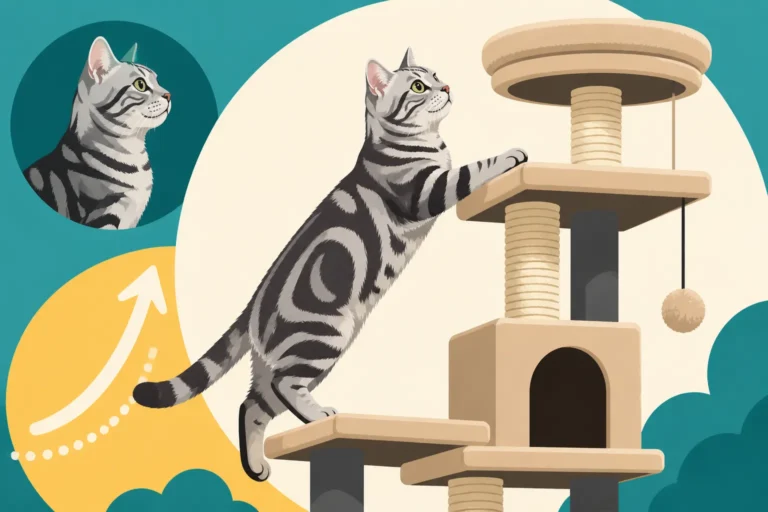
An American Shorthair doesn't just flop down anywhere for a nap. Their chosen sleeping spots are often quite strategic, reflecting their desire for security, warmth, and an advantageous vantage point. You might find them curled up in a sunbeam, absorbing warmth and vitamin D, or tucked away in a quiet corner where they can't be easily disturbed. Elevated positions are also popular – a tall cat tree, the back of a sofa, or even a bookshelf – offering a sense of safety and allowing them to survey their domain even while dozing.
These choices aren't accidental; they stem from their ancestral need to remain aware of their surroundings. Even in the deepest sleep, an American Shorthair is often partially attuned to sounds and movements. A strategic napping spot allows them to rest effectively while minimizing vulnerability and maintaining a subtle awareness of their territory. It's their natural defense mechanism, integrated seamlessly into their daily repose.
The Power Nap: Recharging for the Next Shift
American Shorthairs are masters of the "power nap." Unlike humans who often struggle to fall asleep quickly, these cats can transition from alert to deep slumber in mere moments, only to wake up just as quickly, fully refreshed and ready for action. These naps might range from a quick 15-minute doze to a couple of hours of uninterrupted sleep, depending on their activity levels and the peace of their environment. They are experts at optimizing their rest periods, ensuring they're always primed for their next patrol or hunting simulation.
This ability to take frequent, efficient naps is crucial for maintaining their energy reserves throughout the day, especially given their crepuscular nature. It allows them to conserve the energy needed for their peak activity periods around dawn and dusk. So, if you see your American Shorthair suddenly wake with a jolt and immediately begin scanning the room, know that they've likely just completed a perfectly executed power nap, ready for their next "shift" of observation. How Much an American Shorthair Sleeps discusses their sleep patterns in more detail.
Afternoon Reconnaissance: Engaging Their Minds and Bodies
As the afternoon wears on, you'll often notice a subtle shift in your American Shorthair. Their mid-day slumber begins to give way to renewed alertness, a gentle stir that signals the approach of their next active phase. This period isn't usually as frantic as the dawn patrol, but it's a vital time for mental and physical engagement, keeping their instincts sharp and their bodies agile. It’s when they start to reconnect with their inner hunter, even within the confines of a comfortable home.
Simulated Hunts: Keeping the Hunter Sharp
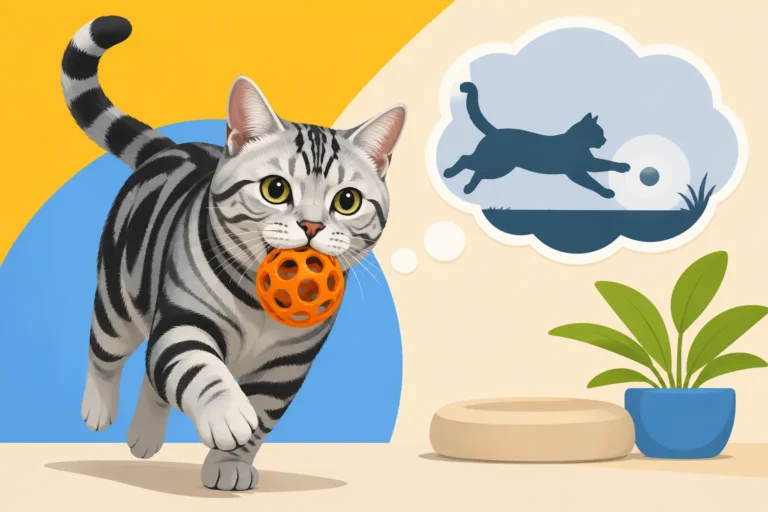
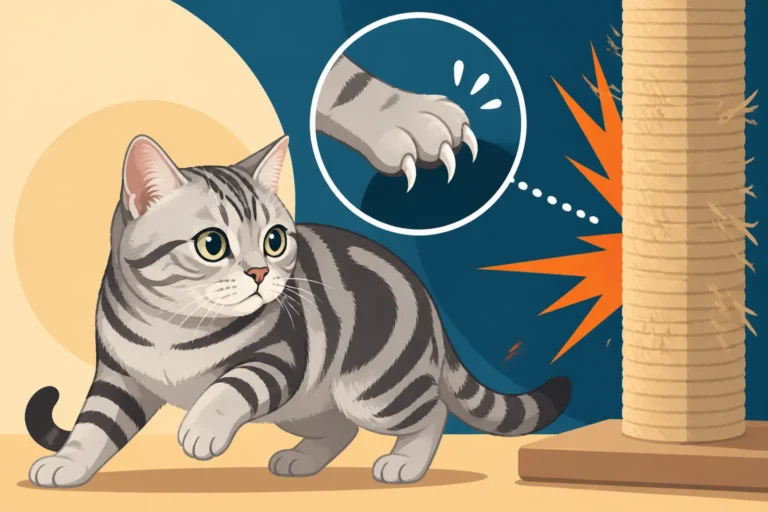
With their natural hunting instincts running deep, American Shorthairs thrive on opportunities to engage in simulated hunts. This is especially true in the afternoon, as they begin to shake off their sleepy state. They might start by batting at a toy mouse, chasing a crumpled piece of paper, or intently watching a dust motte float through a sunbeam. For an indoor cat, these activities are not just play; they are crucial mental and physical exercises that fulfill their innate drive. It allows them to practice stalking, pouncing, and capturing, even if their "prey" is just a feather wand.
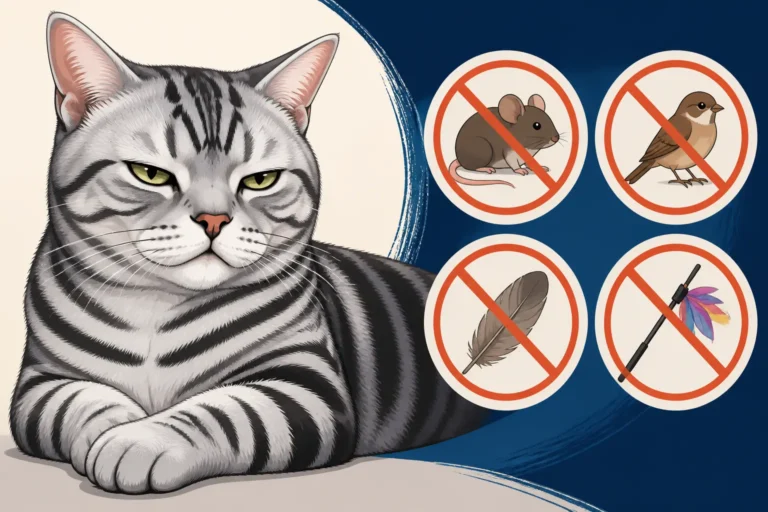
Providing appropriate toys during this time is essential. Interactive toys, like those found on Amazon, that mimic prey movements can be particularly engaging. Think about wand toys with feathers or small, crinkly balls that can be batted around. This structured play helps them expend pent-up energy in a constructive way, preventing them from finding less desirable "prey" like your toes or expensive draperies. Which Wand Toy Reads as Prey to an American Shorthair offers great ideas for toys.
Surveillance Points: Watching the World Go By
Beyond active play, a significant portion of their afternoon reconnaissance involves observation from strategic surveillance points. Window sills, cat trees positioned near windows, or even the top of a tall dresser become prime real estate. From these vantage points, they can watch the world outside, tracking birds, squirrels, and passing cars. This activity, while seemingly passive, is deeply engaging for an American Shorthair. It provides mental stimulation, fulfills their curiosity, and allows them to monitor the broader "territory" beyond their immediate indoor space.
They are incredibly observant creatures, and these quiet moments of surveillance are as important as their active patrols. It’s how they gather information about their environment, anticipate potential changes, and keep their keen senses honed. A comfortable perch with a good view can be one of the most enriching additions to an American Shorthair's home, offering them endless hours of quiet contemplation and vital mental engagement.
The Evening Watch: Peak Activity and Social Time
As the sun begins its descent, casting long shadows across your home, your American Shorthair gears up for their most energetic phase: the evening watch. This period, from late afternoon through early evening, mirrors their ancestral prime hunting hours and is often when they are most playful, engaged, and yes, sometimes a little mischievous. It's also typically when they are most open to social interaction, seeking out their human companions after a day of independent activity.
Dusk Til Dawn: The Prime Hunting Hours
Just like their early morning burst, the time around dusk triggers a primal switch in your American Shorthair. This is their second wind, their opportunity to really stretch their legs and engage their hunting instincts. You'll often see them moving with a renewed purpose, stalking unseen "prey," dashing from room to room, or engaging enthusiastically with their toys. This is the perfect time for an intense play session with a wand toy, allowing them to truly run, jump, and "capture" their mock prey.
Ignoring this peak activity period can lead to restless behavior later in the night. Dedicated play sessions during this time are essential for their physical and mental well-being. It's their natural inclination to be active, and providing an outlet for this energy is key to having a happy, well-adjusted American Shorthair. How Many Hunts a Day an Indoor American Shorthair Needs underscores the importance of this playtime.
Seeking Connection: Affection on Their Terms
While American Shorthairs are generally known for their independent nature, the evening often brings out their more affectionate side. After their vigorous play and patrols, they are usually ready to settle down, and this is when they might seek out your company. You might find them jumping onto your lap, rubbing against your legs, or simply settling beside you on the sofa. They're not demanding constant attention, but rather offering a quiet, comforting presence.
This interaction is typically on their terms. They'll initiate it, and they'll decide when they've had enough. Respecting these boundaries is crucial for building a strong bond with your American Shorthair. They appreciate a calm, predictable environment and a companion who understands their need for both independence and occasional connection. Why an American Shorthair Makes So Few Demands sheds more light on their unique approach to affection.
Night Shifts: The Secret Life of Your American Shorthair
Even after you've tucked yourself into bed and the house falls silent, your American Shorthair's day isn't entirely over. While they will certainly spend a good portion of the night sleeping, their crepuscular nature means they also have periods of quiet activity that often go unnoticed by their human companions. This "night shift" is another layer of their natural rhythm, a continuation of their patrol duties and a time for uninterrupted exploration and sustenance.
Nocturnal Wanderings: What Happens After You Sleep
Once the lights are out and the household is quiet, your American Shorthair embarks on its nocturnal wanderings. This isn't usually a boisterous activity; rather, it's a quiet, stealthy patrol of the now-darkened domain. They might silently stalk through hallways, jump onto counters (if permitted, or if they're particularly adventurous!), or simply sit and observe the moonlit rooms. This is often when they feel most secure and unobserved, allowing them to thoroughly investigate any corners or objects they might have missed during the day.
This private patrol helps reinforce their sense of ownership over their territory. In the quiet of the night, their senses are even more heightened, allowing them to detect subtle sounds and movements that would be lost during the day. Don't be surprised if you occasionally hear a soft thud or a rustle; it's likely just your American Shorthair conducting their nightly rounds. If you have an indoor security camera, you might be surprised at just how active they are when you’re sound asleep!
The Midnight Munchies and Water Breaks
Just like their daytime routine, the night also includes essential pit stops for food and water. American Shorthairs, especially those with their hunting instincts intact, are often grazers, preferring small, frequent meals throughout the 24-hour cycle rather than one or two large ones. This means they will often visit their food and water bowls during the night. A fresh bowl of water and perhaps a puzzle feeder filled with a small portion of their daily kibble (available from Amazon) can cater to these nocturnal needs, preventing them from waking you up for a snack.
Ensuring they have access to water is particularly important. While they might not be as overtly thirsty as after a vigorous daytime play session, consistent hydration is vital for their health. Many American Shorthairs prefer running water, so a quiet cat fountain can be a great investment, encouraging them to drink more frequently, even during their solitary night excursions.
Balancing the Scales: Ensuring a Fulfilling Day
Understanding the American Shorthair's innate need for both active patrol and deep, restorative sleep is the first step toward providing them with a truly fulfilling life. It's about recognizing that their behaviors, which might sometimes seem odd or demanding, are actually rooted in centuries of evolutionary programming. By thoughtfully integrating enrichment that caters to both sides of their daily rhythm, we can ensure they are happy, healthy, and well-adjusted companions.
Enrichment for Both Patrol and Rest
The key to a happy American Shorthair lies in providing opportunities for them to express both their active and passive instincts. For their "patrol" side, this means offering plenty of chances for simulated hunting and exploration. How Much of a Working Cat's Energy the American Shorthair Kept can give you an idea of their energy levels. Think about:
- Interactive Play: Daily sessions with wand toys that mimic prey movement. Aim for short, intense bursts rather than one long, tedious session.
- Puzzle Feeders: These turn mealtime into a mental hunt, making them "work" for their food, satisfying their foraging instincts. You can find many varieties on Amazon.
- Vertical Space: Cat trees, shelves, and window perches provide elevated vantage points for observation, fulfilling their need to survey their territory from above.
- Safe Exploration: Allowing them access to different rooms or even a secure catio can enrich their environment.
For their "sleep" side, focus on creating comfortable, secure resting spots:
- Cozy Beds: Offer soft, warm beds in quiet, undisturbed locations.
- Sunbeams: Ensure they have access to sunny spots for napping.
- Safe Retreats: Provide hidden napping spots, like a cat cave or a bed tucked under a table, where they can feel secure and truly unwind.
- Predictable Routine: A consistent schedule for meals and play helps them feel secure and allows them to relax more fully during their downtime.
| Activity Type | Purpose | Examples of Enrichment | Benefit for American Shorthair |
|---|---|---|---|
| Patrol/Hunting | Fulfills innate prey drive, provides mental & physical stimulation | Wand toys, laser pointers (with a catch!), puzzle feeders, hidden treats | Reduces boredom, prevents destructive behaviors, keeps instincts sharp |
| Exploration | Reinforces territorial ownership, satisfies curiosity | Cat trees, window perches, Catios, varied room access, new scents | Promotes confidence, mental engagement, sense of security |
| Observation/Rest | Conserves energy, processes information, feels safe | Cozy beds in strategic locations, sunbeams, quiet corners, high perches | Reduces stress, allows for deep rest, maintains alertness |
| Social Interaction | Strengthens bond, provides emotional comfort | Gentle petting, lap time (on their terms), quiet presence near owner | Fosters companionship, reinforces sense of belonging |
Recognizing Imbalances: When Behavior Shifts
While American Shorthairs are generally very good at balancing their day, significant shifts in their routine or behavior can be a subtle sign that something is amiss. A sudden increase in restless nighttime activity, an unusual decrease in playfulness, or a change in their chosen sleeping spots might indicate underlying issues. It could be a sign of boredom, stress, a change in their environment, or even a health concern.
For example, if your typically placid American Shorthair suddenly seems agitated or is waking you up constantly at night, it might be time to assess their daily enrichment. Are they getting enough simulated hunts? Is their environment providing enough mental stimulation? Conversely, if they are sleeping much more than usual or seem uninterested in their typical patrol routes, it could be a sign of discomfort or illness. What Confusion Looks Like in an American Shorthair Past Sixteen might offer insights for older cats. Paying close attention to these subtle changes in their patrol and sleep patterns is crucial for addressing potential problems early and ensuring your American Shorthair remains the calm, independent, and content companion you adore.
Disclaimer
This article is for general informational purposes only and does not constitute professional advice. Laws, prices and regulations vary by location and change over time. Consult a qualified professional for guidance on your specific situation.