What an American Shorthair Shows Before Its Heart Fails
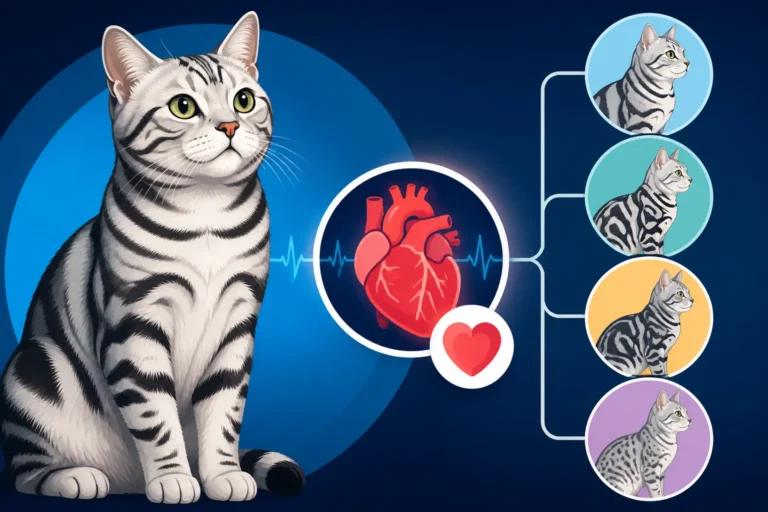
It's truly heartbreaking and frustrating when our beloved American Shorthairs, often so stoic and independent, start showing subtle signs of ill health. One of the most insidious conditions is heart disease, specifically hypertrophic cardiomyopathy (HCM), which can creep up without obvious fanfare. This guide will walk you through the often-missed signals your American Shorthair might display before heart failure becomes critical, helping you understand what to look for and when to act.
The Unsettling Shift in Your Cat's Demeanor
American Shorthairs are renowned for their calm, adaptable, and often reserved nature. They aren't usually demanding, which can, unfortunately, make it harder to spot when something is truly amiss. Many owners dismiss early signs of illness as merely "getting older" or "being lazy," especially in a breed that already enjoys a good nap. However, a significant change in their usual habits or energy levels can be a quiet alarm bell ringing. It’s important to remember that cats are masters at masking discomfort, a survival instinct from their wild ancestors. They might not cry out or overtly limp; instead, they might just slowly withdraw or reduce their activity.
A Decline in Playfulness and Interaction
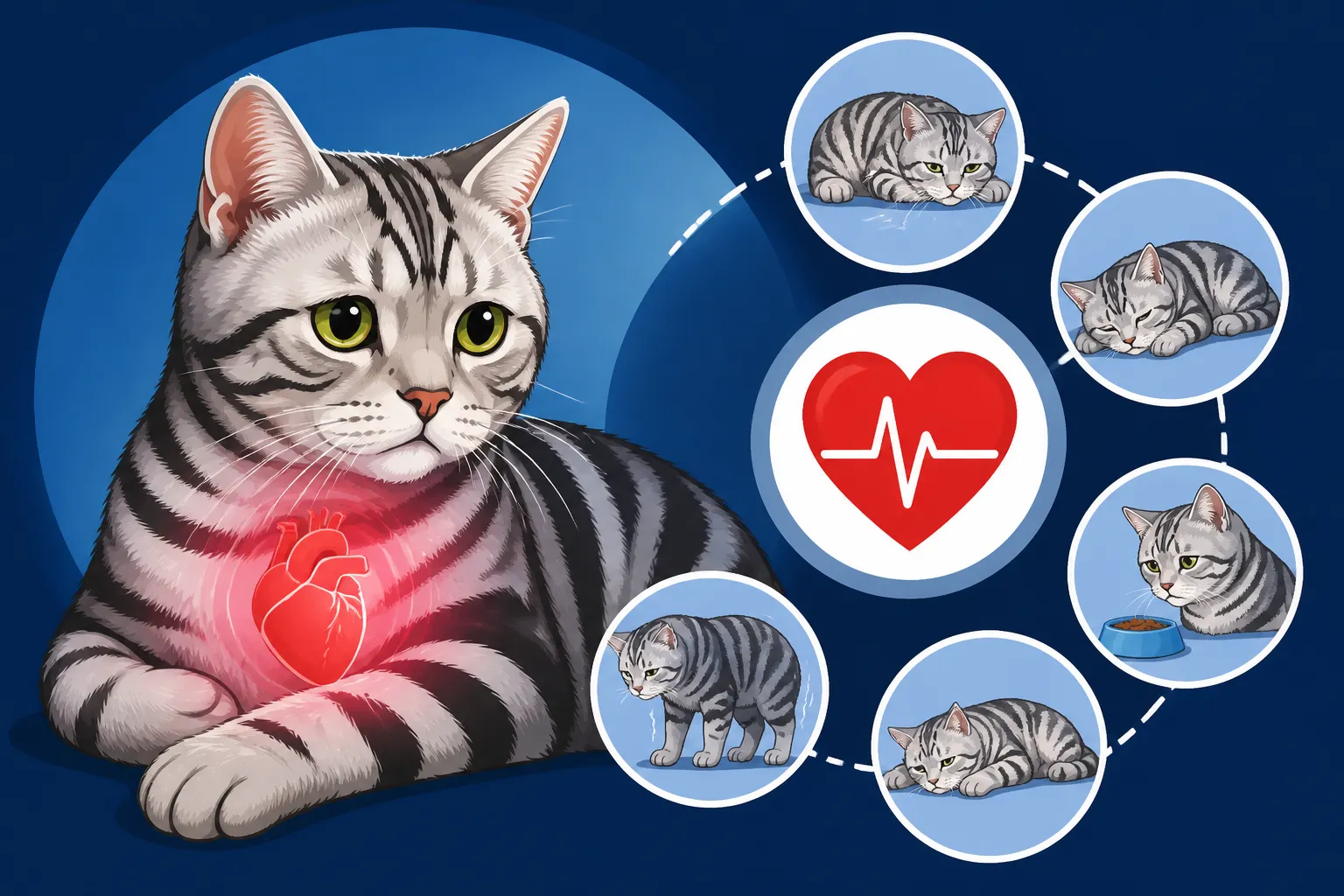
One of the first things you might notice, if you're truly observing, is a gradual drop in their usual zest for life. Your American Shorthair, which might have once enjoyed chasing a feather wand with gusto, may now just eye it lazily from the sofa. They might still acknowledge your presence, perhaps with a slow blink or a gentle headbutt, but the energetic purr-filled greeting could become less frequent. This isn't just a sign of maturity; it's a potential indicator that their body is working harder than it should be, leaving less energy for frivolous activities. They might stop jumping to the counter or even struggle with their favorite high perch. For an active, intelligent breed, a decrease in their hunting drives or curiosity should never be ignored. Consider if they're still playing games that finish the hunting sequence for an American Shorthair, or if those activities have waned.
Increased Hiding or Solitude
While American Shorthairs are certainly independent creatures, they still thrive on connection with their human families, even if it's just quiet cohabitation. If your cat starts seeking out unusually secluded spots more often, or seems less inclined to be in the same room as you, it could be a sign of discomfort. This isn't them being "grumpy"; it's their natural instinct to hide when they feel vulnerable or unwell. A cat in the wild that shows weakness becomes prey. In a domestic setting, this translates to seeking out dark, quiet places away from the hustle and bustle of family life. It's a significant shift from their typical behavior of splitting its day between patrol and sleep around the house. They might be trying to conserve energy or find a quiet space where their labored breathing or general malaise is less noticeable.
Observing Subtle Breathing Abnormalities
Breathing issues are some of the most critical, yet often overlooked, early indicators of heart failure in felines. Unlike humans who might complain of shortness of breath, cats rarely make a fuss until they are in severe distress. Their breathing rate, depth, and effort can all change subtly long before you see overt panting or gasping. It’s worth noting that cats should not pant like dogs; panting in a cat, especially at rest, is always an emergency. However, there are more nuanced signs that appear first.
Rapid or Labored Breathing at Rest
Take a moment to simply observe your American Shorthair while they are completely relaxed or sleeping. Count their breaths per minute. A normal resting respiratory rate for a cat is typically between 15 to 30 breaths per minute. If you consistently notice rates higher than this, especially above 40, it's a serious red flag. You might also see their flanks moving more significantly with each breath, or their chest heaving visibly. This is known as tachypnea, and it indicates that their lungs might be filling with fluid (pulmonary edema) because their failing heart can't effectively pump blood, causing it to back up into the lungs. This is a common consequence of heart conditions like HCM Is the One Inherited Disease the American Shorthair Kept. Don’t wait for severe signs; even subtle changes need veterinary attention.
Coughing and Gagging
While not as common in cats as in dogs, a cough or gagging sound can sometimes indicate fluid in the lungs, a sign of congestive heart failure. Cats rarely "cough" as we understand it; instead, their cough might sound more like a hacking hairball attempt, a dry retch, or even just a subtle throat clearing. If your American Shorthair is regularly making these sounds, and no actual hairball or vomit is produced, it's crucial to consider the possibility of cardiac involvement. It’s easy to dismiss these as normal cat behaviors, but persistent or unusual coughing should prompt a visit to your veterinarian. They can help differentiate between respiratory issues, hairball problems, and cardiac concerns.
Changes in Appetite, Thirst, and Weight
An American Shorthair that once worked for meals naturally had a robust appetite. Even pampered house cats retain some of that instinct. So, changes in how they eat, how much they drink, or their overall body condition are vital clues. These changes can often be gradual, making them easy to miss until they become quite pronounced. Don't assume your cat is just being "picky" or "getting old" if their eating habits change dramatically.
Reduced Appetite or Anorexia
One of the most concerning signs of illness in any cat is a decrease in appetite or a complete refusal to eat. A cat with heart disease might feel nauseous or generally unwell, leading them to turn their nose up at even their favorite foods. They might eat only a small amount before walking away, or pick at their food half-heartedly. This isn't just about weight loss; prolonged anorexia in cats can quickly lead to serious secondary health issues, such as hepatic lipidosis (fatty liver disease), which is itself a life-threatening condition. If your American Shorthair is consistently eating less than usual, it’s time for a vet visit. This could be an early warning sign that something deeper is affecting their overall well-being.
Unexplained Weight Loss Despite Eating
Sometimes, a cat might still eat, but you'll notice they're losing weight. This can happen with various chronic illnesses, including advanced heart disease. Their body might be struggling to process nutrients effectively, or the underlying disease could be increasing their metabolic rate. It’s important to monitor your American Shorthair's weight regularly. While a healthy weight for an American Shorthair by its frame is sturdy, any unexplained drop, even if they appear to be eating normally, warrants investigation. If you're finding it hard to tell if your square-built American Shorthair is losing or gaining weight, consider regularly checking their body condition score or weighing them on a sensitive scale at home.
Increased Thirst and Urination
While not a direct sign of heart failure, increased thirst (polydipsia) and urination (polyuria) can be indicators of underlying kidney disease, which often co-occurs with or is exacerbated by heart disease, especially in older cats. When the heart isn't pumping efficiently, it can affect blood flow to the kidneys. Furthermore, some medications used to manage heart disease, like diuretics, will naturally increase thirst and urination. If you notice your American Shorthair draining their water bowl faster than usual or making more frequent trips to the litter box, it's an important symptom to discuss with your vet. A thirsty American Shorthair should always be tested. This could be a sign of kidney issues, diabetes, or other serious conditions that need prompt attention.
Physical Manifestations and Urgent Signs
Beyond the subtle behavioral and physiological shifts, there are more overt physical signs that demand immediate attention. These often indicate a more advanced stage of heart disease or an acute crisis, and swift veterinary intervention is crucial to save your cat's life.
Weakness and Lethargy
A cat with a failing heart will experience reduced blood flow and oxygen to its muscles and organs, leading to profound weakness and lethargy. Your American Shorthair might appear unusually tired, reluctant to move, or generally "flat." They might struggle to stand, walk with a slow, hesitant gait, or spend almost all their time sleeping. This isn't just an increase in their normal patrol and sleep cycle; it’s a debilitating weakness that significantly impacts their quality of life. Even typically robust cats like the American Shorthair can be brought low by the insidious progression of heart disease.
Hind Limb Weakness or Paralysis
One of the most terrifying and acute emergencies associated with feline heart disease, particularly HCM, is a sudden hind limb weakness or paralysis. This occurs when a blood clot (thromboembolism) forms in the heart dueats of turbulent blood flow, then travels down and lodges in the arteries supplying the hind legs. This sudden blockage causes extreme pain, paralysis, and coldness in the affected limb(s). The American Shorthair will typically cry out in pain, drag its back legs, or be unable to use them at all. This is a critical medical emergency requiring immediate veterinary care. Prognosis can be guarded, but rapid intervention can sometimes improve outcomes. Understanding How a Thickened Heart Throws a Clot in an American Shorthair is crucial for recognizing this devastating complication.
Fainting or Collapse
Though less common, a cat with severe heart disease can suddenly faint or collapse. This happens when the heart's pumping action becomes so inefficient that the brain temporarily doesn't receive enough oxygenated blood. The cat might suddenly fall over, be unresponsive for a few seconds or minutes, and then slowly regain consciousness. Any episode of fainting or collapse, no matter how brief, is a grave sign and requires an emergency vet visit immediately. This indicates a very serious underlying cardiac issue that could lead to sudden death if not addressed.
The Critical Importance of Early Veterinary Intervention
Recognizing these signs is just the first step; acting on them promptly is what truly makes a difference. Many of these symptoms are non-specific, meaning they can point to a variety of conditions, but in an American Shorthair, particularly one of middle age or older, heart disease should always be high on the list of possibilities. Don't hesitate to consult your veterinarian even for subtle changes.
The Role of Routine Check-ups and Screening
Regular veterinary check-ups are paramount, especially as your American Shorthair ages. During these visits, your vet will listen to their heart for murmurs or abnormal rhythms, which can be early indicators of cardiac issues. They may also discuss the importance of specific cardiac screenings. For instance, an echocardiogram (an ultrasound of the heart) is the gold standard for diagnosing HCM. While some breeders screen, it's vital to know that a gene test cannot clear an American Shorthair's heart; only an echo can truly assess the heart's structure and function. This is why Why an American Shorthair Still Needs a Yearly Heart Scan is so critical, even for seemingly healthy cats.
Regular check-ups also allow your vet to establish a baseline for your cat's health, making it easier to spot deviations over time. Remember, pets age much faster than humans, so yearly check-ups are equivalent to several years for us. Catching signs of disease early, even chronic conditions like heart failure, often means more effective management and a better quality of life for your cat.
What to Expect at the Vet
When you bring your American Shorthair in with concerns about potential heart issues, your vet will conduct a thorough physical examination, listening carefully to their heart and lungs. They may recommend diagnostic tests such as:
- Blood tests: To check for other systemic diseases that might mimic or complicate heart disease, and to assess organ function before prescribing medications.
- X-rays: To look for an enlarged heart silhouette and fluid accumulation in or around the lungs.
- Echocardiogram (Cardiac Ultrasound): This is the most definitive test, allowing the vet to visualize the heart's chambers, walls, and valves, and measure blood flow. This is how a cardiologist reads an American Shorthair's scan to diagnose conditions like HCM.
- Electrocardiogram (ECG): To assess the heart's electrical activity and identify any arrhythmias.
- Blood Pressure Measurement: To check for hypertension, which can both cause and be caused by heart disease.
It's a good idea to discuss options like pet insurance, for example, Healthy Paws, early on to help manage the potential costs of these diagnostics and any long-term treatment plans. Many owners find peace of mind knowing they have support for unexpected health issues.
| Symptom Category | Specific Symptom | What It Looks Like | Urgency (Vet Visit Priority) |
|---|---|---|---|
| Behavioral | Decline in Playfulness/Interaction | Less interested in toys, less active greetings, avoiding usual jumping spots. | Moderate (within a few days) |
| Increased Hiding/Solitude | Seeking out quiet, secluded spots more often; less time spent with family. | Moderate (within a few days) | |
| Respiratory | Rapid/Labored Breathing at Rest | More than 30 breaths/minute while sleeping; visible chest/flank movement. | Urgent (same day) |
| Coughing/Gagging (no hairball) | Dry hacking sounds, retching without producing anything, consistent throat clearing. | Moderate-High (within 24 hrs) | |
| Appetite/Weight | Reduced Appetite/Anorexia | Turning nose up at food, eating very little, not finishing meals. | High (same day if not eating at all) |
| Unexplained Weight Loss | Visibly thinner despite seemingly normal eating. | Moderate (within a few days) | |
| Increased Thirst/Urination | Drinking more, more frequent litter box visits. | Moderate (within a few days) | |
| Acute Physical | Weakness/Lethargy | Unusually tired, reluctant to move, struggling to stand/walk. | High (same day) |
| Hind Limb Weakness/Paralysis | Sudden inability to use back legs, dragging legs, crying out in pain, cold paws. | Emergency (IMMEDIATE) | |
| Fainting/Collapse | Sudden loss of consciousness, falling over, unresponsive. | Emergency (IMMEDIATE) |
Managing Heart Disease in Your American Shorthair
If your American Shorthair is diagnosed with heart disease, it's not the end of the world, but it does mean a commitment to ongoing care. The goal of treatment is to manage symptoms, slow the progression of the disease, and improve your cat's quality of life. Your vet will develop a tailored plan, which might include medications to help the heart pump more efficiently, reduce fluid buildup, or prevent blood clots. Many pet owners find a comprehensive pet insurance plan, such as those from Healthy Paws, invaluable for covering the recurring costs of medications and follow-up visits.
Long-term management often involves regular re-check appointments, sometimes with a veterinary cardiologist, to monitor your cat's condition and adjust medications as needed. This proactive approach can significantly extend the time your cat has with you, even with a heart condition. Being observant and working closely with your vet is the best way to ensure your American Shorthair lives as comfortably and happily as possible, even with a delicate heart.
The Emotional Toll on Pet Parents
Let’s be honest, realizing your beloved cat is sick, especially with something as serious as heart failure, is incredibly tough. We often form deep bonds with our pets, seeing them as cherished family members. The stoicism of an American Shorthair, which makes them such wonderful, low-maintenance companions, also means they often suffer in silence. This can leave us feeling guilty for not noticing sooner or overwhelmed by the prospect of complex medical care.
It's okay to feel these emotions. Your cat's health is a major concern, and the uncertainty can be draining. Remember that you are doing your best by learning to recognize these signs and seeking help. The journey of caring for a cat with a chronic condition can be challenging, but it is also a testament to the love and dedication you have for your furry friend. Don't hesitate to lean on your veterinary team for support and guidance, and connect with other pet parents who understand what you're going through. Your American Shorthair is counting on you, and by staying informed and proactive, you're giving them the best chance at a longer, more comfortable life.
Disclaimer
The information provided in this article is for general informational purposes only and is not a substitute for professional veterinary advice, diagnosis, or treatment. Always seek the advice of your veterinarian or other qualified animal health provider with any questions you may have regarding a medical condition.