Why an American Shorthair Makes So Few Demands
It's a common tale: you spend your day at work, dreaming of that moment you walk through the door and are greeted by your furry companion, only to be met with insistent meows, demands for immediate play, or a cat that simply won't leave you alone. But if you've brought an American Shorthair into your life, you might notice something wonderfully different. This guide will delve into why American Shorthairs are often described as remarkably undemanding, exploring the historical roots and inherent traits that make them such easygoing companions.
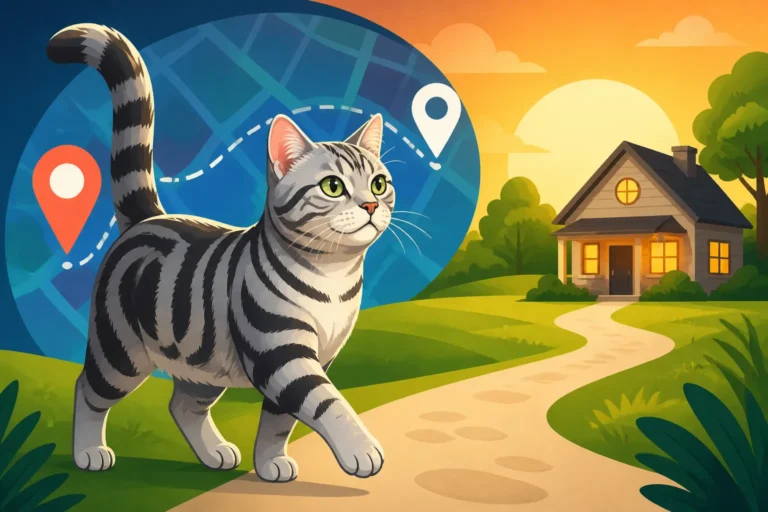
The Enduring Legacy of Self-Sufficiency: A Working Cat's Roots
The American Shorthair didn't start its journey as a pampered pet designed for lap-sitting. Their ancestors were the robust, no-nonsense working cats of early America, sailing across oceans and patrolling farms. This isn't just a quaint historical fact; it’s the bedrock of their easygoing temperament today. These were cats valued for their utility, not their cuteness or their vocal prowess. They were expected to be competent, quiet, and capable, traits that have been deeply ingrained over centuries.
Centuries of Independence and Purpose
Imagine a cat on a ship, navigating rough seas, or patrolling a vast barnyard. Its survival and success depended entirely on its ability to handle situations independently. There was no one there to constantly entertain it, feed it on demand, or soothe its anxieties. These cats learned to be resourceful, to find their own purpose, and to be content with their own company. This historical role meant that only the most self-sufficient cats thrived and passed on their genes. As a result, the modern American Shorthair carries this genetic blueprint for independence. They are innately wired to be self-reliant, a characteristic that truly sets them apart in a world of increasingly dependent companion animals. It's a fundamental aspect of The Mayflower Cats Behind the American Shorthair and their subsequent life on land.
Hunting Instinct and Satisfied Contentment
One of the primary "jobs" of their ancestors was pest control. They were expert hunters, relying on stealth, patience, and effective execution. This strong, inherent prey drive is still very much alive in the American Shorthair. However, unlike some breeds that might become destructive or frustrated if their hunting instincts aren't channeled, the American Shorthair often finds deep satisfaction when this drive is properly engaged. A good hunting session, whether it's chasing a toy mouse or a feather wand, completes a natural behavioral sequence for them. Once they've "caught" their prey, they're often quite content to settle down, groom themselves, and enjoy a quiet nap. This satisfaction means they aren't constantly seeking external stimulation or demanding engagement because their internal programming has been fulfilled. You can really see How Strong an American Shorthair's Hunting Drive Is even in a pampered house cat.
Adapting to Modern Human Households
This heritage of independence and satisfied instinct means American Shorthairs are incredibly adaptable to a wide range of human households. They don't typically demand constant interaction or supervision. If you have a busy household with kids, other pets, or a demanding work schedule, an American Shorthair will often find its own rhythm. They’re happy to observe the household hustle from a comfortable perch, take long naps in a sunbeam, or quietly explore their territory. They thrive on routine but aren't thrown into a tailspin by minor deviations. This adaptability is a huge part of their appeal, making them ideal companions for those who love cats but can't commit to a high-maintenance, attention-seeking breed. Their ability to integrate seamlessly without constant fuss is truly remarkable.
Communication Style: Quiet Observers, Not Demanding Divas
If you're used to cats that vocalize loudly for every need—dinner, attention, a door opened—the American Shorthair might surprise you. Their communication style is generally much more subtle, a reflection of their history as solitary hunters who didn't need to loudly announce their presence or intentions. This isn't to say they're mute, but rather that their "volume" is usually set much lower, requiring a keen observer to understand their gentle requests.
The Silent Request and Subtle Cues
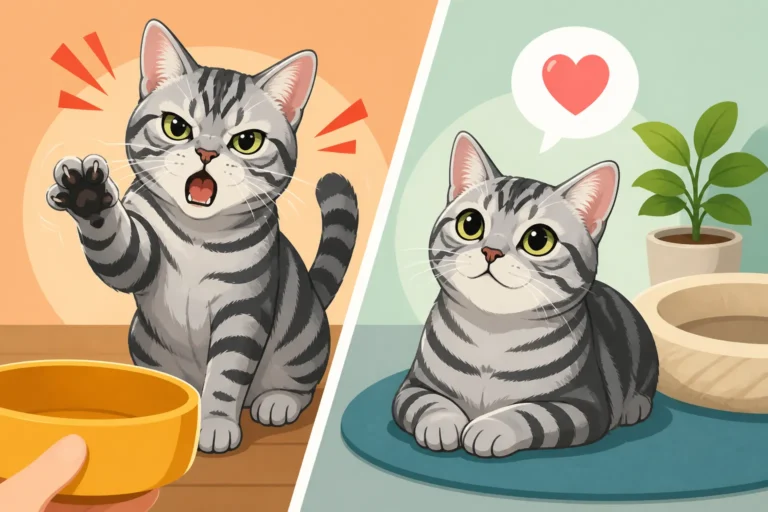
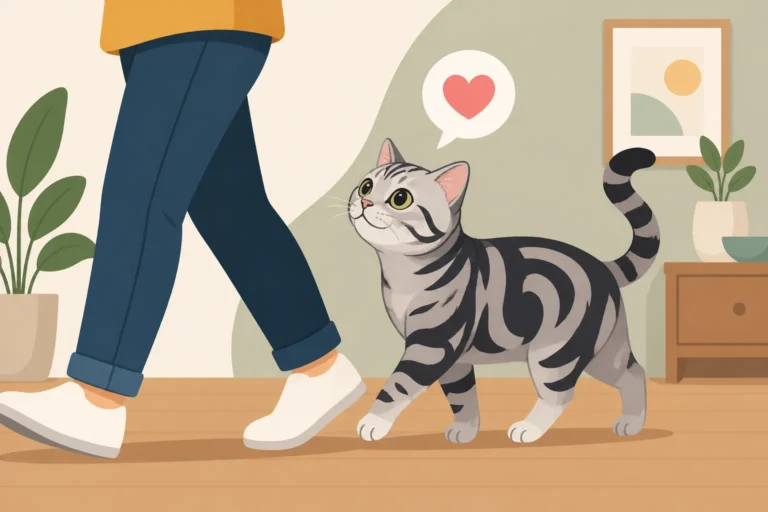
Instead of a piercing meow, an American Shorthair might choose to simply appear in the room and sit near you, making eye contact. A soft brush against your leg, a quiet purr, or a slow blink can be their way of asking for affection or a treat. They might lead you subtly to their food bowl or a favorite toy, rather than vocalizing persistently. It's like they prefer to convey their messages through telepathy or polite suggestion. Learning to read these subtle signals is key to forming a strong bond with an American Shorthair, as they appreciate an owner who understands their unspoken language. This quiet nature is a characteristic rooted in Why an American Shorthair That Hunted Alone Stayed Quiet.
Body Language Over Vocalizations
The American Shorthair is a master of body language. Their tails, ears, and even the set of their whiskers can tell you volumes about what they're feeling or what they want. A relaxed posture, a slow wag of the tail, or a gentle headbutt are all clear signs of contentment and affection. If they want to play, they might crouch in a playful stance, twitching their tail slightly, or bring a toy to your feet and drop it expectantly. If they're hungry, they might sit by their bowl, looking at you then at the bowl, repeating the gesture. These non-verbal cues are their primary method of communication, making them feel like a sophisticated, silent partner in your home. It’s a wonderfully understated way of interacting. You'll quickly learn How an American Shorthair Shows Affection Between Patrols.
Respecting Boundaries and Personal Space
Part of being undemanding means having a natural respect for personal space, both yours and theirs. An American Shorthair isn't typically one to climb all over you, insist on being picked up, or force prolonged cuddles. They’re usually happy to be near you, perhaps on the sofa beside you, or even just in the same room. They value their independence and expect you to value theirs. This mutual respect creates a very harmonious living situation. They're not aloof; they simply understand that closeness doesn't always mean physical contact. This trait makes them incredibly easy to live with, especially for people who appreciate a cat's companionship without feeling overwhelmed by constant demands for attention.
Simple Needs, Deep Contentment: Fulfilling an American Shorthair's World
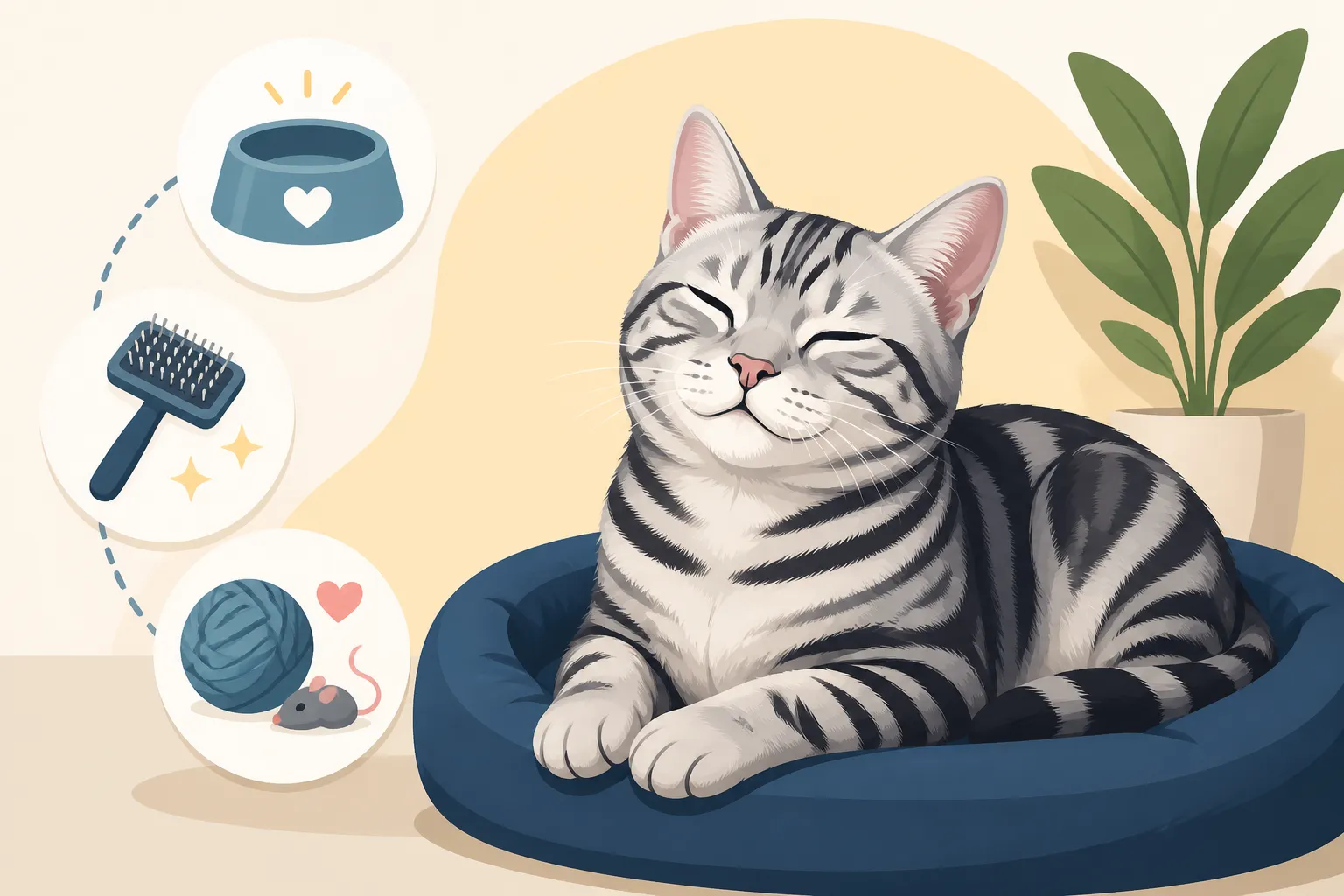
The beauty of an American Shorthair's undemanding nature is that it doesn't take elaborate schemes or constant effort to keep them happy. Their contentment stems from having their fundamental, primal needs met in a predictable, stable environment. Providing a few key elements can unlock a deeply satisfied and remarkably low-maintenance companion.
The Importance of a Defined Territory and Routine
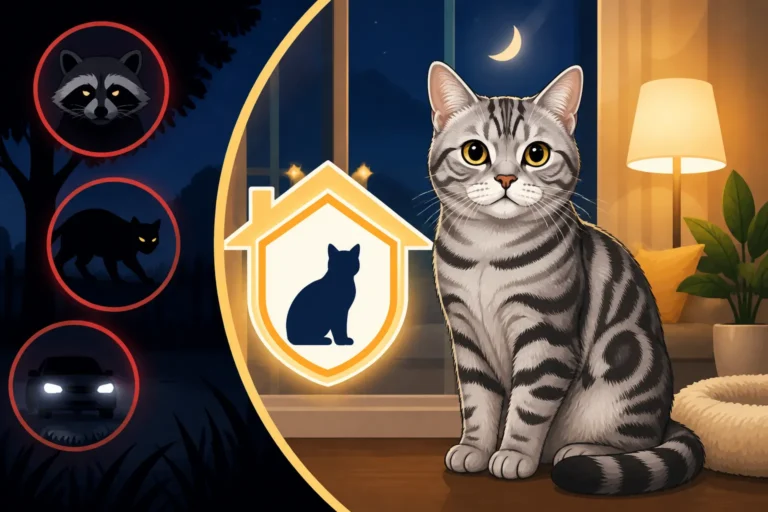
Just like their ancestors who patrolled their farms or ships, an American Shorthair thrives on having a well-defined territory and a consistent routine. Knowing where their food, water, litter boxes, and favorite sleeping spots are, and that these things will be there day after day, provides them with a profound sense of security. This predictability reduces anxiety, eliminates the need for them to "ask" repeatedly for basic necessities, and frees them up to enjoy their environment. A comfortable cat tree, a window perch for bird watching, and a few hidey-holes can be more valuable than endless toys or constant attention. They are creatures of habit in the best possible way. Understanding How an American Shorthair Splits Its Day Between Patrol and Sleep is crucial to setting up their ideal environment.
Enrichment That Satisfies the Inner Hunter
While they are undemanding, it’s a mistake to think they don’t need enrichment. The key is providing enrichment that taps into their natural instincts without creating a need for constant human intervention. Interactive toys that mimic prey, like a feather wand, are fantastic. Puzzle feeders, which require them to "hunt" for their food, are another excellent way to engage their minds and bodies. You can find a wide variety of these items on platforms like Amazon, from simple treat balls to more complex mazes. These types of activities allow them to exercise their intelligence and hunting skills independently, leading to a truly fulfilled cat. For instance, exploring options like Which Wand Toy Reads as Prey to an American Shorthair can make a huge difference.
Consider the difference in how various types of enrichment satisfy their natural drives:
| Enrichment Type | Cat's Instinct Engaged | Impact on Demanding Behavior |
|---|---|---|
| Feather Wand Play | Hunting, chasing, pouncing | Satisfies prey drive; leads to contented resting post-play. |
| Puzzle Feeder | Foraging, problem-solving | Engages mind for food; reduces boredom and food demands. |
| Cat Tree/Perch | Observing, territory patrol | Provides secure vantage point; reduces anxiety, fosters independence. |
| Laser Pointer (alone) | Chasing | Can cause frustration without a "catch"; may increase demands for resolution. |
| Cuddling (forced) | Affection, bonding | Can lead to withdrawal if boundaries ignored; may make cat more wary of interaction. |
| Window Perch | Observation, stimulation | Offers passive entertainment; fulfills need to watch the world. |
It's about quality, not necessarily quantity, when it comes to interaction. You might be surprised at How Many Hunts a Day an Indoor American Shorthair Needs to truly feel satisfied.
Quality Time Over Quantity of Attention
An American Shorthair often prefers short, meaningful interactions over prolonged, forced attention. A quick play session with a favorite toy (again, Amazon has some fantastic options), a few minutes of gentle petting, or simply sharing a quiet moment together on the couch can be incredibly fulfilling for them. They'll initiate interaction when they're ready, and they'll let you know when they've had enough by simply walking away. This makes them perfect for busy individuals who want to enjoy their cat's company without feeling guilty if they can't dedicate hours to playing or cuddling every day. Their low-key nature means that the moments you do share are truly cherished by both of you.
What "Few Demands" Truly Means for an Owner
Embracing an American Shorthair means adopting a cat that respects your space and time while still offering profound companionship. Their undemanding nature isn't a lack of affection, but rather a different, perhaps more mature, way of expressing it. This trait has significant benefits for owners, making the American Shorthair a truly exceptional choice for many lifestyles.
Less Stress, More Enjoyment
For owners, the American Shorthair's laid-back personality translates into a remarkably stress-free experience. You won't constantly worry about destructive behaviors stemming from boredom or separation anxiety. They're generally not clingy, nor are they prone to excessive vocalizations that can grate on your nerves. This means you can truly relax and enjoy your cat's presence without feeling like you're constantly catering to an insatiable need for attention. They fit into your life, rather than demanding that your life revolve around them, fostering a calm and harmonious home environment.
Ideal for Various Lifestyles and First-Time Owners
Their adaptability and low-demand nature make American Shorthairs suitable for almost any living situation. Whether you live in a bustling apartment in the city or a quiet house in the suburbs, they adjust beautifully. They tolerate children well, often retreating if things get too boisterous rather than reacting aggressively. They can coexist peacefully with other pets, provided proper introductions are made. For a first-time cat owner, this breed is an absolute dream, as their straightforward needs and forgiving temperament provide a gentle introduction to cat guardianship. It’s no wonder Why an American Shorthair Suits a First Time Owner. This breed is a testament to how a cat can be a wonderful companion without being an imposition.
Recognizing Subtle Changes in a Stoic Companion
Even though American Shorthairs are undemanding, it's vital not to mistake their stoicism for a lack of needs or problems. Their quiet nature means they can sometimes hide discomfort or illness longer than more vocal breeds. As a responsible owner, you'll need to be observant of subtle changes in their behavior, appetite, or routine. A slight shift in litter box habits, a change in grooming patterns, or an unusual withdrawal can all be signs that something is amiss. What Confusion Looks Like in an American Shorthair Past Sixteen is a good example of why observation is key as they age. Since they generally make How Little an American Shorthair Bothers to Say, you are their first line of defense in noticing when something isn't quite right. While they don't demand attention, they absolutely deserve your thoughtful observation and care.
Disclaimer
This article is for general informational purposes only and does not constitute professional advice. Laws, prices and regulations vary by location and change over time. Consult a qualified professional for guidance on your specific situation.