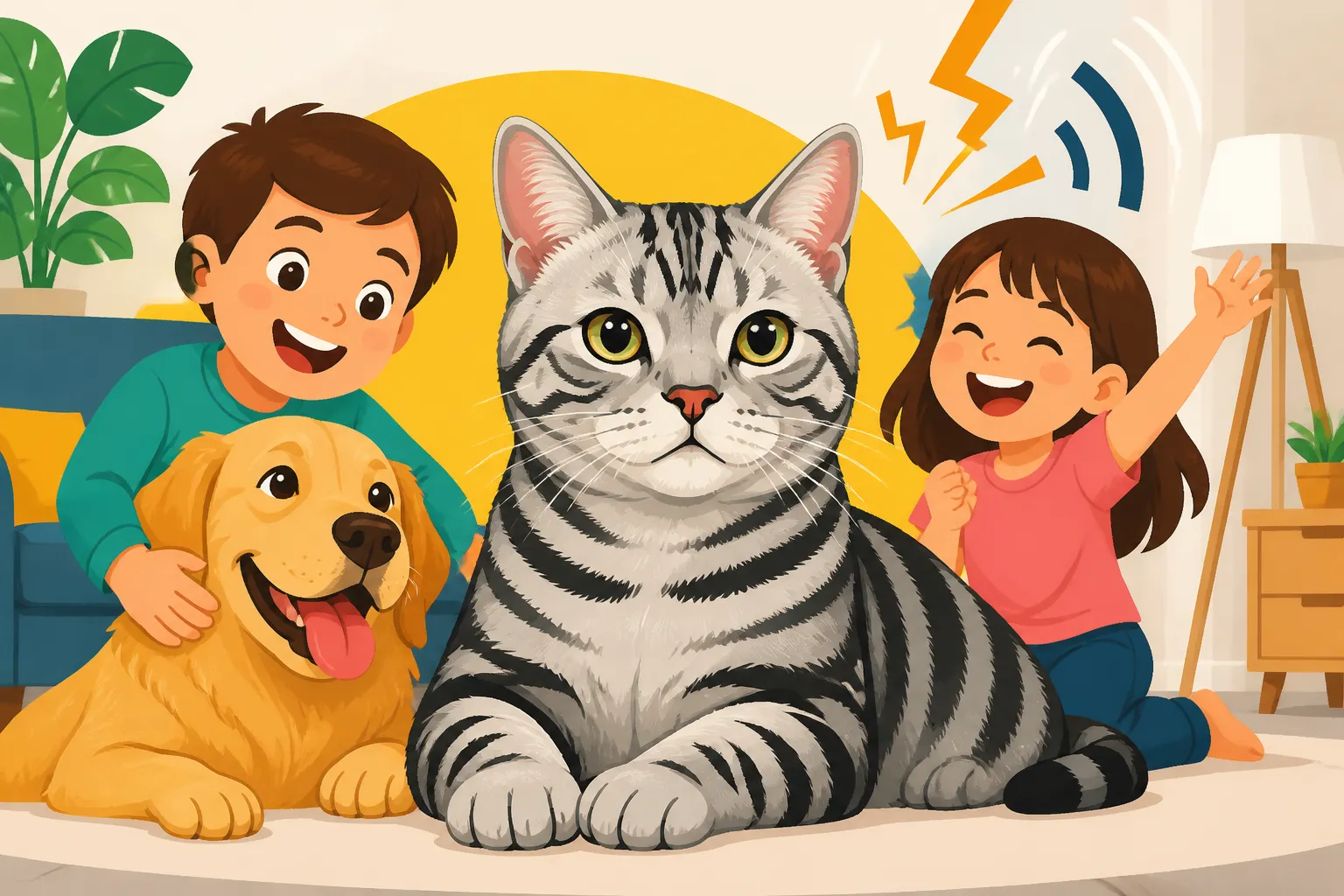
An American Shorthair With Children, Dogs and Noise
Bringing a new cat into a bustling household filled with the joyous chaos of children, the playful energy of dogs, and the constant hum of daily life can feel like a daunting task. Many prospective cat owners worry that a feline friend won't be able to handle the high-octane environment, leading to stress for both the pet and the family. This comprehensive guide will explore why the American Shorthair, with its adaptable and placid temperament, is often a surprisingly perfect fit for homes that aren't exactly quiet sanctuaries, offering peace of mind and practical advice for a harmonious household.
The American Shorthair's Origin: A Foundation of Tolerance
You might be wondering how a cat, often stereotyped as aloof or easily startled, could thrive in such a dynamic setting. The secret lies deep within the American Shorthair's very origins. Unlike many highly specialized pedigree breeds, the American Shorthair wasn't initially bred for delicate features or a quiet, pampered existence. Their history is one of resilience and practicality, shaping a cat that is remarkably well-suited to handle the everyday ebb and flow of a busy family home.
Life as a Working Cat
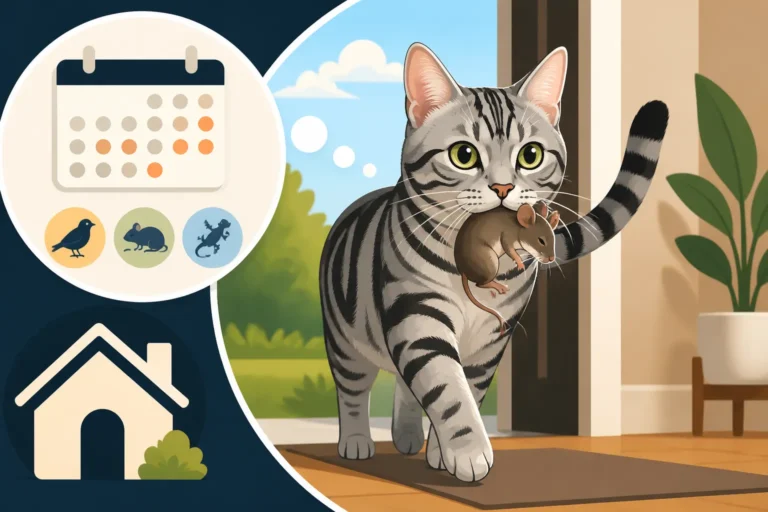
Imagine a cat that spent generations earning its keep on transatlantic ships, navigating cramped, noisy decks, constant human activity, and the unpredictable rocking of the ocean. These were the ancestors of the American Shorthair. They then transitioned to farms and early American settlements, where they were tasked with pest control. Farm life meant exposure to loud machinery, the lowing of cattle, the barking of working dogs, and the daily hustle and bustle of families. These cats weren't coddled; they were integral members of the working household. This constant exposure to diverse stimuli, rather than isolating them from the world, forged a breed that learned to observe, adapt, and remain unruffled by a dynamic environment.
Their survival and success depended on their ability to integrate into these environments, not retreat from them. They had to be alert enough to hunt, yet calm enough not to be constantly stressed by their surroundings. This practical evolution gifted them an incredible capacity for tolerance and a robust constitution, both physically and temperamentally. It’s why when people ask What an American Shorthair Bred Only for Usefulness Turns Out Like, the answer often includes a creature with a rock-solid, unflappable nature.
Bred for Self-Sufficiency, Not Sensitivity
The selective pressures that shaped the American Shorthair favored self-sufficiency and a pragmatic approach to life. A cat that panicked at every sudden noise or cowered from every child's playful shout wouldn't have been effective on a ship or a farm. Instead, natural selection (and later, early breeders who recognized these valuable traits) rewarded cats that were observant, calm under pressure, and capable of handling a wide range of sensory input without becoming overwhelmed. This isn't to say they don't have feelings or prefer peace, but their default setting isn't one of extreme skittishness.
This inherent robustness means that their natural inclination is often to assess a situation rather than to immediately flee or react aggressively. They're more likely to find a quiet perch to watch the action unfold from a distance, rather than to sprint under the bed and stay there for hours. This foundational trait is a huge relief for families who are concerned about finding a cat that can genuinely be part of their vibrant home life without living in a constant state of anxiety. It's truly a testament to Whether a Landrace Origin Explains the American Shorthair's Health and temperament.
American Shorthairs and Children: A Surprisingly Good Match
One of the biggest concerns for parents considering a cat is how the feline will interact with children. Will the cat scratch? Will it hide all the time? Will it tolerate a toddler's clumsy affection? For many breeds, these are valid worries, but the American Shorthair often defies expectations, proving to be a wonderfully patient and understanding companion for kids of all ages.
Calm Demeanor Amidst Chaos
The American Shorthair's placid nature truly shines when it comes to children. They are typically not prone to the high-strung reactions that can lead to scratches or bites when a child inadvertently oversteps a boundary. Instead, they tend to be wonderfully even-tempered, absorbing the joyful exuberance of kids without becoming overly agitated. Think of them as the calm eye of the storm. A child's sudden shout or a dropped toy might make a more sensitive cat bolt, but an American Shorthair is more likely to give a slow blink, perhaps twitch an ear, and continue their nap or observation.
This doesn't mean they are indifferent; it means they are measured in their responses. They often exhibit a quiet dignity, observing the flurry of activity with a detached amusement. They possess a remarkable ability to remain present in the family space, even during periods of high energy, without needing to be the center of attention. This makes them excellent background companions, always there but rarely demanding, allowing children to be children without constant worry about disturbing the cat. This trait is a key reason Why a Farm Bred American Shorthair's Tolerance Suits a House With Children.
Respecting Boundaries and Teaching Them
While remarkably tolerant, an American Shorthair still has its limits, just like any living creature. The beauty of their temperament, however, is that these limits are usually communicated through subtle cues rather than aggression. They might gently walk away, find a higher perch, or simply turn their back as a gentle hint that they need a moment of space. They are excellent at retreating before they resort to scratching, which is a huge bonus for families with young, enthusiastic children who are still learning appropriate pet interaction.
It's crucial for parents to teach children how to respect these boundaries from day one. Explain that the cat is not a toy, and show them how to offer gentle pets, recognizing when the cat has had enough. Designating "cat-free" zones, like a high cat tree or a cozy cubby where the cat can retreat undisturbed, is vital. This teaches children valuable lessons about empathy and respecting others' space, while giving the American Shorthair a secure haven. Engaging with children and cats through interactive wand toys, perhaps picked up from Amazon, can also create positive, fun associations without direct physical handling.
Safe Play and Interaction
Facilitating positive interactions between American Shorthairs and children is all about supervised, appropriate engagement. Instead of letting children grab or chase the cat, encourage them to use toys that mimic hunting, like feather wands or laser pointers (used responsibly, ensuring the cat gets a "catch" at the end). This taps into the cat's natural instincts while keeping little hands safe. Teaching children to offer a gentle hand for sniffing before petting, and to stroke along the back rather than grabbing, goes a long way.
Create a culture of kindness around your American Shorthair. Reward gentle behavior from both child and cat. If your cat tolerates being brushed, let a child gently brush the cat's back under supervision. This builds trust and positive associations. Remember, the goal isn't necessarily for the cat to be constantly snuggled, but for them to feel safe and comfortable in their environment, allowing for genuine, warm interactions on their own terms. This breed tends to appreciate quiet companionship over constant handling, aligning perfectly with a child who is learning to be gentle.
American Shorthairs and Dogs: Coexistence is Possible
Another common concern for multi-pet households is the cat-dog dynamic. Will they fight? Will the cat be perpetually stressed by the dog's presence? Again, the American Shorthair's history often provides a surprisingly positive starting point, and with thoughtful introductions, many can learn to coexist peacefully, if not become outright friends.
Farm-Bred Companionship
The American Shorthair's ancestors on farms weren't just sharing space with humans; they were also sharing it with dogs. These were often working dogs, accustomed to other animals, and the cats learned to navigate their canine counterparts. This historical context means that, unlike some breeds developed in isolation, the American Shorthair often possesses an innate level of tolerance towards dogs. They're not necessarily friends in the cuddly sense, but they often approach dogs with a pragmatic "live and let live" attitude.
This isn't a guarantee of instant friendship, but it means they often lack the ingrained fear or aggression towards dogs that might be seen in cats without such a history. They understand, from a deep ancestral level, that dogs can be part of the household landscape. This foundational tolerance significantly improves the chances of a peaceful cohabitation, making the introduction process less fraught with anxiety than it might be with other, more high-strung breeds. It perfectly illustrates Why a Barn Bred American Shorthair Was Raised Alongside Dogs.
Gradual Introductions are Key
Even with an inherently tolerant breed like the American Shorthair, successful integration with a dog requires careful, gradual introductions. Never just throw them together and hope for the best. Start with scent swapping: let them smell each other's bedding or toys before they even see each other. Then, move to supervised visual introductions through a baby gate or carrier, allowing them to see each other without direct contact. Keep these initial sessions short and positive, ending before either animal shows signs of stress.
Once they tolerate sight without histrionics, move to supervised interactions on a leash, always ready to intervene. Reward calm behavior from both the dog and the cat with treats. It's a marathon, not a sprint. The goal is for them to eventually ignore each other or share space peacefully. The American Shorthair's patient demeanor makes this process smoother, as they are less likely to escalate a tense situation with reactive aggression, preferring to observe and retreat if necessary. Finding a cat tree tall enough for your American Shorthair to escape to, like some of the robust models available on Amazon, can be a lifesaver during this stage.
Establishing Individual Territories
For any multi-pet household, but especially one with cats and dogs, defining individual territories is paramount. Both your American Shorthair and your dog need their own safe spaces where they can retreat and feel secure, away from the other. For the cat, this means vertical spaces like tall cat trees, shelves, or catio access that a dog cannot reach. These elevated perches offer a sense of security and a bird's-eye view, which American Shorthairs, with their inherent patrol instincts, naturally appreciate.
Ensure food and water bowls are kept separate, ideally with the cat's food in a place inaccessible to the dog (e.g., on a counter or behind a pet gate that only the cat can squeeze through). Separate litter boxes are also crucial, placed in quiet, private areas. By respecting their individual needs for space and resources, you minimize potential conflict and allow your American Shorthair to feel truly at home, even with a canine companion roaming nearby. Understanding How to Introduce an American Shorthair Without a Territory Fight is fundamental to this success.
Handling Household Noise: A Cat That Doesn't Flinch Easily
The sounds of a modern home are constant and varied: vacuum cleaners, blenders, video games, bustling conversations, music, and the general cacophony of family life. Many cat owners dread these noises, fearing their feline will be perpetually stressed. However, the American Shorthair's historical background provides a unique advantage in navigating the sonic landscape of a busy home.
The Sounds of a Busy Home
Unlike delicate breeds that might have been developed in quiet, insulated environments, the American Shorthair's ancestors were accustomed to far louder and more unpredictable noises. Imagine the clang and creak of a wooden ship, the commotion of a busy dock, or the shouts and bangs of a working farm. Compared to that, a vacuum cleaner or a lively children's game is often just background noise. They don't have the deeply ingrained "flight" response to sudden, loud noises that some other cats might exhibit.
This doesn't mean they won't react at all; a startling sound might make them jump or briefly pause. But it's rarely a full-blown panic attack. They're more likely to observe the source of the noise, perhaps from a safe distance, and then quickly resume their activities once they've deemed it non-threatening. This equanimity is a huge benefit for families, as it means less worry about traumatizing their feline friend during everyday activities. They simply possess a higher threshold for auditory stimulation, making them truly adept at handling How an American Shorthair Handles Household Noise.
Adapting to the Urban Symphony
If you live in a city apartment, or a home near a busy street, you know that ambient noise is a constant companion. The rumbling of traffic, construction sounds, sirens, and the general hustle and bustle of urban life can be a lot for a sensitive pet. Here again, the American Shorthair's history of adaptability comes into play. Their ancestors' lives were far from tranquil, making them inherently better equipped to cope with a steady stream of external sounds.
They learn to filter out the irrelevant noises, much like a human living in a city eventually tunes out the constant hum. This ability to habituate to a diverse soundscape means your American Shorthair is less likely to be a nervous wreck constantly on edge. While every cat is an individual, the breed's general tendency is towards a remarkable resilience, allowing them to settle into even the most vibrant and vocal urban environments with relative ease, finding comfort in the routine rhythms of life around them.
Providing Quiet Retreats
Even the most tolerant and adaptable American Shorthair will appreciate having a dedicated quiet space. While they might not flinch at every loud noise, prolonged, inescapable clamor can be draining for any creature. Providing a quiet retreat isn't about protecting them from noise, but about offering them a choice and a place for decompression. This could be a spare room, a cat tree nestled in a peaceful corner, a cozy bed under a table, or even just a high shelf that's out of the main thoroughfare.
This quiet zone should be consistently available and respected by all family members, especially children and dogs. It's their personal sanctuary where they can nap undisturbed, observe from a distance, or simply enjoy a moment of peace. Knowing they have this option empowers them to cope better with the noisier parts of the house, as they know they can always "check out" when needed. Even if they rarely use it, the mere existence of this safe haven contributes significantly to their overall sense of security and well-being.
Socialization and Early Experiences: Laying the Groundwork
While the American Shorthair possesses a naturally tolerant and adaptable temperament, like any animal, early experiences play a crucial role in shaping their adult personality. Proper socialization during kittenhood can amplify their inherent good nature, ensuring they grow into well-adjusted, confident companions in a busy household.
Kittenhood Exposure
The period between 3 and 14 weeks of age is a critical socialization window for kittens. During this time, positive exposure to a wide variety of sights, sounds, smells, and gentle interactions with different people (including children, if applicable) and other animals (like calm, cat-friendly dogs) can profoundly impact their future adaptability. A responsible breeder will have already started this process, exposing kittens to normal household noises, different textures, and frequent, gentle handling. When looking for an American Shorthair kitten, ask breeders about their socialization practices.
A kitten that has been raised in a lively home, accustomed to the sounds of a family and the presence of other pets, will have a much easier time adjusting to a similar environment. This early conditioning helps them develop confidence and a sense of security, teaching them that the world, even a noisy one, is generally a safe place. They learn to differentiate between everyday sounds and potential threats, reducing reactivity later in life. This foundation is invaluable for any family seeking a well-integrated pet.
Continued Positive Reinforcement
Socialization isn't a one-and-done event; it's an ongoing process. Once your American Shorthair kitten or adult cat is home, continue to reinforce positive associations with the elements of your busy household. If a child approaches gently, reward both the child (with praise) and the cat (with a treat or a favorite toy). If the dog walks by calmly, offer your cat a treat to create a positive link. Associate loud, but non-threatening, noises with something good, like a special treat after the vacuum has been put away.
This consistent positive reinforcement helps solidify their understanding that these everyday occurrences are not to be feared. It builds their confidence and trust in their environment and in their human family members. The American Shorthair's intelligence and their food motivation (a remnant of their working past) make them quite receptive to this type of conditioning, turning potential stressors into neutral or even positive experiences. Puzzle feeders, easily found on Amazon, can also be a great way to engage their minds during noisy periods.
Understanding Individual Personalities
It's important to remember that while breed characteristics provide a general blueprint, every cat is an individual. Just as within a family of humans, some American Shorthairs might be naturally more outgoing and bold, while others are more reserved and quiet. One might adore chasing a feather wand with the kids, while another prefers to observe the commotion from a high perch. Respecting these individual differences is crucial for a happy cat and a harmonious home.
Don't force interactions or expect your American Shorthair to be a carbon copy of the breed description. Pay attention to their body language: flattened ears, a swishing tail, or dilated pupils indicate stress; relaxed posture, slow blinks, and a gently swishing tail indicate comfort. Tailor your interactions and environmental provisions to your specific cat's personality. While How Undemanding an American Shorthair Really Is as a breed, listening to your individual cat's subtle cues will ensure they truly thrive in your unique household.
Creating a Harmonious Multi-Species, Multi-Human Home
Successfully integrating an American Shorthair into a busy home with children and dogs, amidst various noise levels, isn't about eliminating all the potential challenges. It's about strategically managing the environment and interactions to foster a sense of security and belonging for your feline friend. This involves routine, enrichment, and attentive observation.
Routine and Predictability
Cats, including the adaptable American Shorthair, are creatures of habit. A consistent daily routine provides a sense of predictability and security, even in a bustling household. Knowing when meals are served, when play sessions typically occur, and when quiet times are expected can significantly reduce stress. Even if the house is noisy and full of activity, the underlying structure of a routine offers a reassuring anchor for your cat.
Try to feed your American Shorthair at roughly the same times each day, and establish regular play sessions. These predictable moments become positive touchstones in an otherwise dynamic environment. This structure allows your cat to anticipate events, which is calming, and it minimizes anxiety about when their needs will be met. Even simple things like having the litter box scooped at the same time can contribute to their sense of well-being, proving that How an American Shorthair Copes With Change is often linked to the consistency provided by their human companions.
Enrichment in a Busy Environment
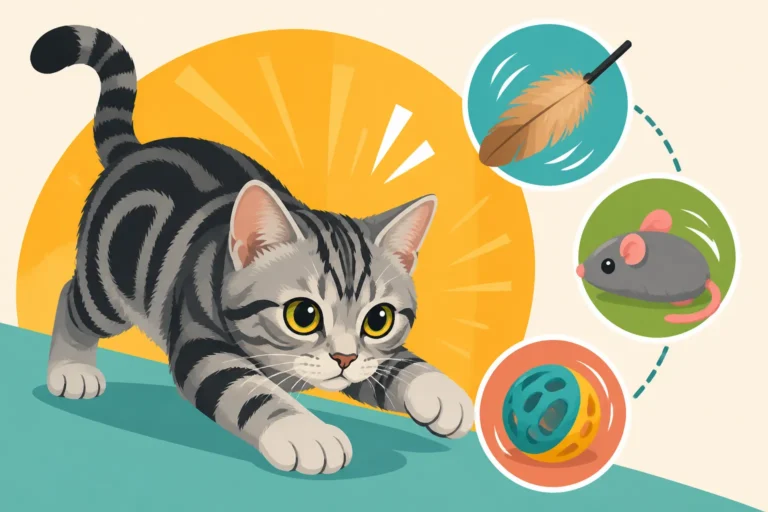
An American Shorthair, with its strong hunting instincts and intelligent mind, still needs mental and physical enrichment, regardless of how busy the house is. In a home with children and dogs, this might require a bit more creativity to ensure the cat's needs are met without conflict. Interactive play, using wand toys that simulate prey, is essential. Schedule dedicated playtimes where the cat has your undivided attention, allowing them to "hunt" and "catch" the toy, completing their natural predatory sequence.
Puzzle feeders are another excellent tool for enrichment, making your cat "work" for their food, stimulating their minds, and slowing down their eating. You can find many engaging options on Amazon. Vertical space is also key; cat trees, wall shelves, and window perches give your American Shorthair places to climb, observe, and feel safe above the fray. These elements allow them to express their natural behaviors and remain stimulated, preventing boredom and potential behavioral issues that can arise from a lack of appropriate outlets.
Signs of Stress and How to Address Them
Even with the most tolerant American Shorthair, it’s vital to be vigilant for subtle signs of stress or discomfort. Because they are generally stoic, these signs can be easy to miss. Look for changes in appetite or litter box habits, excessive grooming (leading to bald patches), hiding more often than usual, flattened ears, dilated pupils, or a crouched posture. They might also become unusually vocal or, conversely, uncharacteristically quiet and withdrawn. These are all indicators that something might be amiss.
If you notice these signs, first rule out any medical issues with a vet visit. Then, assess the household environment. Is there enough quiet retreat space? Have interactions with children or dogs been too intense or unsupervised? Are they getting enough dedicated playtime? Sometimes, simply adjusting the routine, providing more high perches, or increasing quiet one-on-one time can make a significant difference. Understanding these cues helps you preemptively address potential problems and ensure your American Shorthair remains a happy, well-adjusted member of your family, rather than a stressed observer. For insights into deeper feline communication, you might explore When an Already Quiet American Shorthair Has Gone Too Quiet.
Comparing American Shorthairs to Other Breeds in Family Settings
When choosing a cat for a busy family, breed temperament is often a deciding factor. While many wonderful cats can adapt to a lively home, the American Shorthair offers a unique blend of traits that makes them particularly well-suited for such environments. Their storied history has truly set them apart.
Why Their Temperament Stands Out
Many purebred cats have been selectively bred for specific, sometimes extreme, aesthetic traits or temperaments that might not always align with the demands of a chaotic family home. Some are incredibly vocal, others highly sensitive, and some require constant attention. The American Shorthair, however, retains much of its original, pragmatic disposition. They are generally calm, good-natured, and adaptable without being overly demanding. They enjoy companionship but are perfectly content to entertain themselves or simply share space.
This balanced temperament means they are less likely to exhibit extreme reactions to the typical hubbub of a busy family. They aren't prone to excessive anxiety, aggression, or attention-seeking behaviors that can strain a household. Instead, they offer a steady, reassuring presence, making them a reliable choice for families who want a cat that can genuinely integrate into their lifestyle without constant high-maintenance needs. It's truly a testament to Why an American Shorthair Fits Any Household.
What Makes Them the "Every Cat"
The American Shorthair is often referred to as the "every cat" or the "control group" of cat breeding for good reason. They embody what a cat should be: healthy, robust, intelligent, and even-tempered, without the exaggerated features or specialized needs of many modern breeds. Their body type is moderate, their coat is easy to care for, and their overall disposition is remarkably stable. This lack of extremes is precisely what makes them so versatile in a family setting.
They don't have the high energy of some Siamese, the vocal demands of a Bengal, or the long grooming requirements of a Persian. Instead, they represent a comfortable middle ground, offering a perfect blend of independence and affection. This "average" quality, far from being a flaw, is their greatest strength, allowing them to seamlessly blend into various family dynamics and home environments. Indeed, The American Shorthair Is the Control Group of Cat Breeding because they represent a baseline of what a well-adjusted feline can be.
The Advantage of a 'Natural' Breed
Their "natural" breed origins, stemming from working cats rather than designer breeding, contribute significantly to their suitability for busy, noisy homes. They evolved to survive and thrive in real-world conditions, interacting with a diverse range of people and other animals, and coping with unpredictable environments. This means they carry an innate resilience and a genetic predisposition towards adaptability that can be harder to find in breeds that have been more heavily manipulated for specific, sometimes impractical, traits.
This isn't to say other breeds can't be wonderful family pets; many are. However, the American Shorthair offers a statistically higher chance of success for families who are looking for a cat that will not only tolerate but genuinely thrive amidst the delightful chaos of children, dogs, and the lively soundtrack of a bustling home. They are a living testament to the idea that sometimes, the most enduring qualities are found in those closest to their natural, functional roots.
| Trait / Challenge | American Shorthair Disposition | Benefit in Busy Home |
|---|---|---|
| Children's Energy | Patient, observant, tends to retreat rather than react | Less risk of scratching; provides a calm presence; models gentle interaction |
| Dog Companionship | Historical tolerance, pragmatic approach to cohabitation | More likely to accept gradual introductions; can learn to share space peacefully |
| Household Noise | High tolerance, not easily startled, adapts to background sounds | Less stress from vacuums, loud play, music; maintains calm demeanor |
| Need for Attention | Independent, enjoys companionship but not overly demanding | Content to self-entertain; less prone to destructive behaviors from boredom; ideal for busy schedules |
| Adaptability | Highly flexible, copes well with routine changes | Adjusts well to new schedules, visitors, or environmental shifts; resilient in varied living situations |
| Physical Robustness | Strong, healthy, moderate body type | Less prone to stress-induced illness; can withstand accidental bumps from children or pets |
This article is for general informational purposes only and does not constitute professional advice. Laws, prices and regulations vary by location and change over time. Consult a qualified professional for guidance on your specific situation.