What an American Shorthair Bred Only for Usefulness Turns Out Like
Many cat lovers find themselves drawn to the American Shorthair, perhaps for their striking good looks or their reputation for being a truly "classic" cat. But beneath that calm exterior lies a history of honest work, of paws firmly on the ground, and a purpose that shaped their very being. If you've ever wondered why your American Shorthair seems so independent, so capable, and yet so quietly affectionate, it's because they were originally bred for usefulness, not just beauty or cuddles. This guide will delve deep into what an American Shorthair truly is when its lineage is steeped in practical roles, and how those inherited traits manifest in the beloved companions we share our homes with today.
The Foundation of Function: A History of Purpose
The American Shorthair isn't a designer breed dreamt up in a fancy cattery; their roots are deeply embedded in the practical needs of early American settlers. They weren't bred for extreme features or delicate constitutions, but for their ability to thrive and contribute in often harsh environments. This history has left an indelible mark on their physical prowess, their keen intelligence, and their easygoing nature.
Life Aboard the Ships: The Original Pest Control
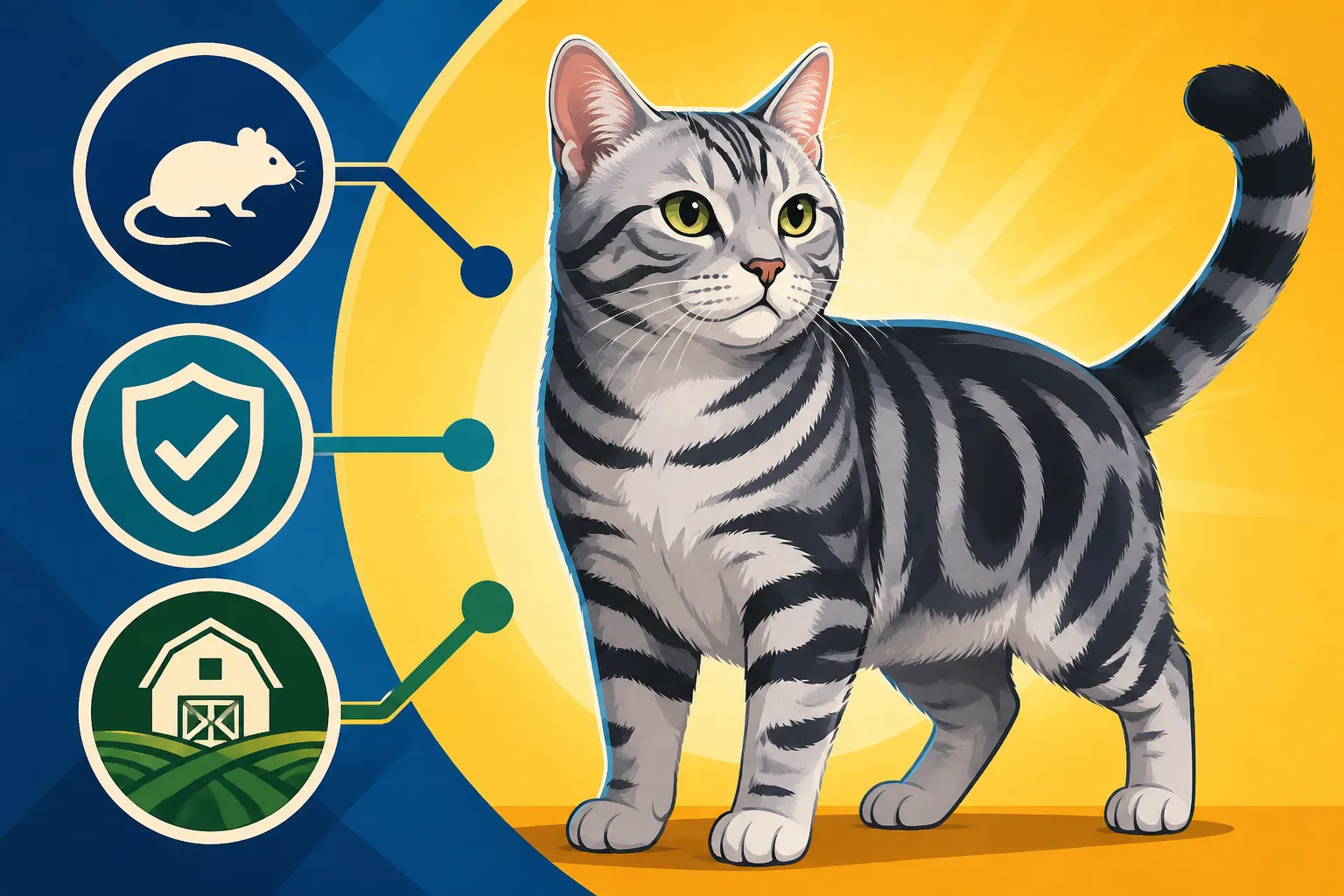
Imagine cramped, damp sailing ships crossing vast oceans, filled with cargo and, inevitably, pests. Rats and mice were not just a nuisance; they were a threat to food supplies, ship integrity, and human health. This is where the ancestors of the American Shorthair truly began their career. These cats were indispensable crew members, their hunting prowess critical to survival. They learned to be adaptable, to cope with constant motion, and to work independently without needing human direction for every task. They had to be robust, quick-witted, and utterly dedicated to their job.
This life forged a cat that was physically hardy, with excellent balance and agility. They developed powerful jaws and strong bodies, essential for tackling larger prey and navigating challenging spaces. Their keen senses were honed by the need to detect pests even in dim light or behind crates. This demanding existence meant that only the fittest and most effective hunters survived and reproduced, naturally selecting for traits that would become hallmarks of the breed.
Farm and Homestead Guardian: A Breed Forged in Necessity
Once ashore, these working cats transitioned seamlessly into their next vital role: guardians of farms and homesteads across the burgeoning American colonies. Barns, granaries, and root cellars were prime targets for rodents looking for an easy meal, and a good mouser was worth its weight in gold. Farmers didn't need a lap cat; they needed a proficient, no-nonsense pest controller who could patrol large territories and protect valuable crops.
This shift from ship to farm reinforced their independence and intelligence. They learned to navigate complex outdoor environments, understand boundaries, and maintain vigilance over their designated areas. Their physical build remained stout and muscular, perfect for maneuvering through fields, climbing rafters, and enduring varying weather conditions. The easygoing disposition we often see today also stems from this period, as a cat that was overly skittish or aggressive wouldn't have been tolerated on a busy farm where children, dogs, and livestock coexisted. They needed to be calm, focused, and adaptable.
Why Function Left the American Shorthair Fewer Faults
When a breed's very existence is tied to its functional performance, there's little room for detrimental traits to persist. Unlike some breeds where aesthetic preferences have, unfortunately, led to health compromises, the American Shorthair's development was a natural selection for health, hardiness, and utility. A cat with breathing difficulties, skeletal problems, or a weak immune system simply couldn't perform its duties effectively, nor would it survive long enough to pass on those genes.
This constant pressure for functionality meant that genetic weaknesses were naturally weeded out over generations. Breeders, when they eventually stepped in, largely aimed to preserve these valuable traits, rather than introduce new, potentially harmful ones. This is a significant reason why the American Shorthair is often seen as a benchmark for feline health and longevity, a stark contrast to some breeds with a more convoluted breeding history focused on extreme looks. You'll find fewer of the exaggerated features that can lead to health problems in other pedigrees.
The Quiet Competence: Temperament Born from Independence
The history of the American Shorthair didn't just shape their bodies; it profoundly influenced their temperament. These aren't cats designed to be constantly underfoot or to demand endless attention. Instead, they embody a quiet competence, a self-assured independence that makes them wonderful, yet undemanding, companions.
The Self-Reliant Spirit: A Cat That Doesn't Demand
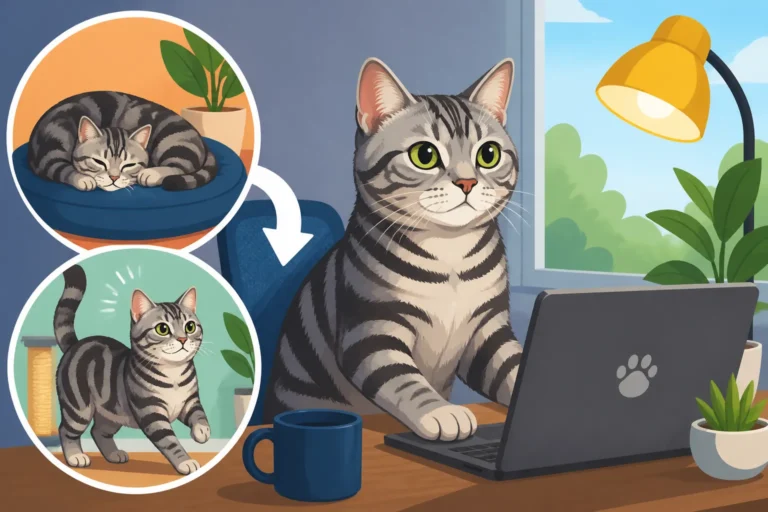
Growing up on ships and farms, these cats had to be capable of looking after themselves. They weren't pampered pets; they were workers. This heritage manifests today as a remarkable self-reliance. Your American Shorthair might enjoy a good cuddle session, but they are equally content to entertain themselves, observe their surroundings, or simply nap in a quiet corner. They don't typically "nag" for attention or food, preferring a more dignified approach.
This isn't to say they don't love you or crave affection; quite the opposite. Their affection is often offered on their own terms, a quiet presence by your side, a gentle head rub, or a slow blink from across the room. It's a subtle bond built on mutual respect, rather than constant neediness. For busy households or individuals who appreciate a less demanding pet, this self-sufficient nature is a huge draw. Why a Self Reliant American Shorthair Rarely Panics Alone speaks directly to this calm demeanor, a testament to their inherent ability to cope with solitude.
Observant and Thoughtful: Assessing Before Engaging
A working cat needed to be constantly aware of its surroundings, assessing potential threats or opportunities. This translates into a highly observant and thoughtful nature in the modern American Shorthair. They often prefer to survey a new situation from a distance, taking in all the details before deciding how to act. They're not typically prone to impulsive behavior or sudden panics.
When a new person enters the home, or a new object is introduced, an American Shorthair will likely watch from a safe vantage point. You'll see them calculating, processing, and then, only when they feel comfortable, will they approach. This makes them incredibly adaptable to change once they've had a chance to process it, but it also means they won't be the first to rush headlong into an unknown situation. Their calm, steady presence is a direct result of generations spent assessing their environment for survival.
Why a Working Bred American Shorthair Sits Beside You Rather Than On You
The ancestors of the American Shorthair often worked alone, and while they might have tolerated humans, close physical contact wasn't part of their job description. They developed a strong sense of personal space and a preference for shared, rather than invasive, companionship. This is why many American Shorthairs love being near you, sitting on the sofa next to you, or following you from room to room, but might not be a "lap cat" in the traditional sense.
Their affection is often demonstrated through proximity and quiet companionship. They want to be part of your world, but on their terms, respecting personal boundaries. It's a wonderful trait for those who appreciate a feline presence without the constant demand for physical contact. They are excellent companions for reading, watching TV, or simply enjoying a quiet evening at home, always nearby but rarely overwhelming. They were bred to be partners in work, not personal adornments.
Instincts Intact: The Modern Hunter
Despite generations of domestication and a comfortable indoor life, the American Shorthair's core hunting instincts remain incredibly strong. Their lineage as working mousers means that prey drive is hardwired into their DNA, influencing their play, their curiosity, and even how they interact with their environment.
The Unwavering Prey Drive: What an Indoor American Shorthair Hunts Instead
The primal urge to hunt doesn't simply disappear because there are no actual mice in your living room. Instead, an indoor American Shorthair will redirect this energy towards whatever captures their attention. That dust bunny under the couch? A prime target. A reflection dancing on the wall? A mysterious "prey" to be stalked. They are constantly scanning, alert to any movement or sound that might signal a hunting opportunity. This innate drive is a huge part of their charm and needs to be understood and managed. How Strong an American Shorthair's Hunting Drive Is highlights just how deeply ingrained this behavior is.
You might find your American Shorthair "hunting" imaginary prey, practicing their stalk-and-pounce routine on shadows, or meticulously tracking a fly buzzing near the window. These behaviors aren't just cute; they are essential outlets for their genetic programming. Providing appropriate toys and play opportunities is crucial to their well-being, otherwise, they might turn their hunting instincts to less desirable targets, like your feet under a blanket!
The Art of the Stalk and Capture
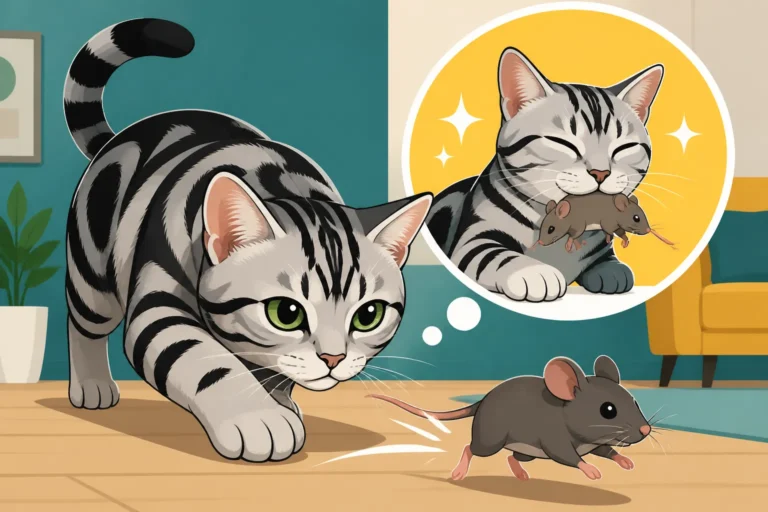
Watching an American Shorthair engage in play is like watching a miniature predator at work. They exhibit the full sequence of the hunt: stalk, chase, pounce, and "kill." This isn't just random batting at a toy; it's a carefully orchestrated sequence of behaviors honed over centuries of successful hunting. They'll flatten themselves, eyes fixed, tail twitching almost imperceptibly, before launching themselves with surprising speed and precision.
They derive immense satisfaction from the "capture" phase, often carrying their "kill" away to a secluded spot as if to eat it. This complete hunting cycle is vital for their mental and physical health. Simply chasing a laser pointer, for example, can actually be frustrating because it never allows them to complete the "capture" and feel successful. Instead, interactive toys that they can truly catch and "defeat" are far more fulfilling. Which Toys Finish an American Shorthair's Hunt can provide excellent ideas for play that truly satisfies this deep-seated need.
Why an American Shorthair Presents Its Kill
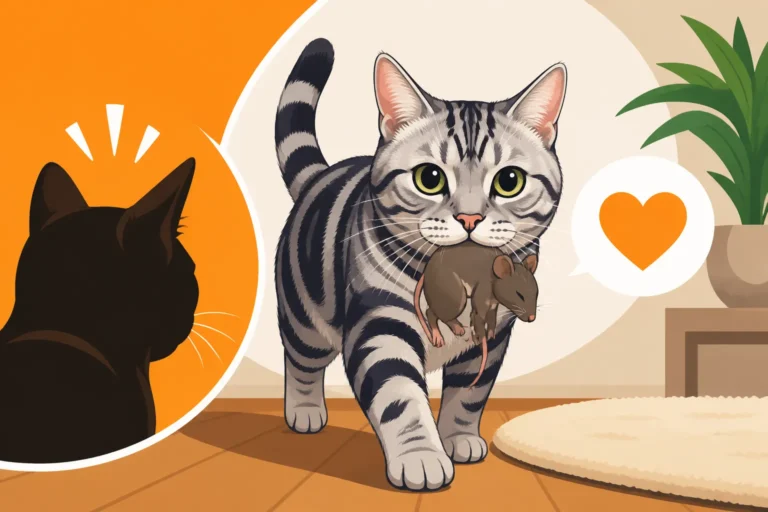
Sometimes, your American Shorthair might bring you a toy, a hair tie, or even, if they're particularly successful, a real insect they've caught. This behavior, often seen as a "gift," is actually rooted in their hunting past. In the wild, successful hunters might bring prey back to the den for their young or as a contribution to the group. When your American Shorthair presents you with their "kill," they are, in their own way, sharing their success with their trusted family.
It's a profound gesture of trust and inclusion. They see you as part of their pride, and they are demonstrating their capability as a provider, even if their contribution is just a crinkled ball. Acknowledging this behavior positively, perhaps with a soft "good cat!" and a gentle stroke, can reinforce the bond and encourage them to continue these endearing displays of affection and partnership. It's a direct echo of their ancestry, a time when sharing the bounty was a critical social behavior.
Adapting to the Home: From Barn to Living Room
Bringing a cat with such a strong working heritage into a modern home environment might seem like a challenge, but the American Shorthair's inherent adaptability and calm nature make them remarkably well-suited to domestic life, even with its varied inhabitants and routines.
Tolerance for the Unpredictable: Children, Dogs, and Noise
Life on a farm or a bustling ship was anything but predictable. These cats encountered children, dogs, other animals, and constant noise and activity. This history instilled in them a high degree of tolerance and an ability to cope with a dynamic environment without becoming stressed or aggressive. They learned to assess and adapt, rather than react impulsively.
This makes them excellent family pets. While they might prefer to observe boisterous children from a safe perch, they are generally not prone to lashing out. They'll often simply remove themselves from the situation if things get too overwhelming, preferring quiet retreat to confrontation. How an American Shorthair Handles Household Noise highlights their ability to take things in stride. Similarly, they can coexist peacefully with well-behaved dogs, often developing a quiet camaraderie rather than a demanding friendship.
Territory and Routine: Creating a Secure Environment
Despite their adaptability, American Shorthairs, like all cats, benefit greatly from a sense of territory and a predictable routine. Their history as independent patrols means they appreciate having distinct zones for eating, sleeping, eliminating, and observing. A dedicated space for their litter box, food bowls, and a comfortable bed or cat tree contributes significantly to their feeling of security.
While they are generally unfazed by minor changes, a consistent schedule for feeding and play helps them feel secure and understood. They are creatures of habit to some extent, and knowing when their meals will appear or when their favorite play session typically occurs can reduce any underlying anxiety. Think of it as mapping their new "territory" for them and establishing reliable "patrol" times.
Whether an Apartment Gives an American Shorthair Enough Territory
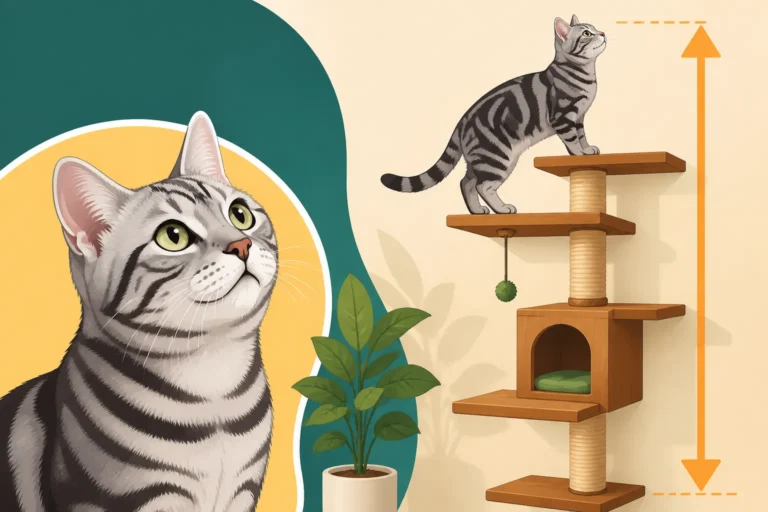
Many prospective owners worry that an apartment might be too small for a cat with a history of roaming farmyards. However, an American Shorthair's "territory" isn't solely defined by horizontal square footage. They are expert climbers and observers, and they utilize vertical space just as readily as floor space. A well-designed apartment with cat trees, shelves, and window perches can offer ample territory for exploration and observation.
Providing vertical enrichment allows them to survey their domain from a height, a behavior rooted in their mousing days when an elevated position offered a better vantage point for spotting prey. A tall cat tree near a window overlooking a busy street or a bird feeder, for instance, can provide hours of mental stimulation. This clever use of vertical space means that even a smaller apartment can feel like a vast and interesting territory to an American Shorthair. You can find some fantastic multi-level cat trees and window perches on Amazon to help them maximize their vertical real estate.
Low Maintenance, High Reward: What They Don't Ask Of You
One of the most appealing aspects of an American Shorthair bred for usefulness is their refreshingly low-maintenance nature. They were designed to thrive with minimal intervention, making them an ideal companion for many different lifestyles.
Minimal Demands: Affection on Their Terms
Forget the stereotype of the clingy cat that demands constant attention. The American Shorthair, a product of independence, offers affection on its own terms, making it incredibly rewarding when they do choose to engage. You'll find them content to be in the same room as you, perhaps curled up on a nearby chair or observing from a window perch. They appreciate your presence without needing to be the constant center of attention.
When they do seek interaction, it's often a deliberate choice: a gentle nudge with their head, a soft rub against your leg, or a quiet jump onto your lap for a brief cuddle. This makes their displays of affection feel all the more special because you know it's genuine and freely given, not a desperate plea for attention. For someone who appreciates a companion that respects boundaries and offers warmth without overwhelming demands, an American Shorthair is a perfect fit. How Undemanding an American Shorthair Really Is truly captures this essence.
Independent Grooming Habits
The American Shorthair's coat was developed for function, not fuss. It's a short, dense coat designed to offer protection from the elements, shed water, and require minimal upkeep. Unlike long-haired breeds that can demand daily grooming to prevent mats, the American Shorthair is remarkably self-sufficient in this regard. Their ancestors certainly didn't have humans to brush them regularly, so they evolved to keep themselves pristine.
They are diligent self-groomers, ensuring their coat stays clean and healthy. While a weekly brush-through can help remove loose hair and distribute natural oils, it's more for bonding and minor assistance during shedding seasons than a critical need. This low-maintenance coat means less time spent on grooming chores and more time enjoying their company. During heavier shedding periods, a good deshedding tool, readily available on Amazon, can be a lifesaver for your furniture!
Robust Health and Hardiness
Centuries of natural selection for survival and effective hunting means the American Shorthair generally boasts a robust constitution and excellent health. They weren't selectively bred for delicate features that could lead to genetic predispositions for illness. Instead, their genetic pool was shaped by the demands of a working life, favoring strength, resilience, and a strong immune system.
Of course, like all living beings, they can still face health challenges, especially as they age, but compared to many highly bred pedigrees, they tend to be quite hardy. This innate hardiness means fewer trips to the vet for breed-specific issues, though regular check-ups remain crucial. It's one of the quiet benefits of owning a cat whose ancestors valued practicality above all else. What an American Shorthair With No Designer Defect Gets Instead delves into this aspect of their health profile.
Building an Enriched Life for a Working Cat
Even though they are low-maintenance, an American Shorthair still thrives on enrichment that taps into their deeply ingrained working instincts. Providing outlets for their intelligence and prey drive is key to a happy, well-adjusted cat, preventing boredom and potential behavioral issues.
Engaging Their Hunting Instincts Safely
Since an indoor American Shorthair doesn't have actual mice to hunt, it's our job to provide safe, stimulating alternatives that allow them to express their natural predatory behaviors. Interactive wand toys are fantastic because they simulate the erratic movements of prey, allowing your cat to stalk, chase, pounce, and "kill" the toy. Remember, the "kill" is important for psychological satisfaction, so let them catch it frequently!
Puzzle feeders are another excellent tool, turning mealtime into a mental and physical challenge. Instead of simply eating from a bowl, your cat has to "hunt" for their food, batting it out of crevices or solving a simple puzzle. This slows down their eating, engages their problem-solving skills, and satisfies a bit of that innate drive to work for their meals. You can find a wide variety of puzzle feeders on Amazon suitable for different skill levels. Even hiding portions of their regular kibble around the house can turn a boring meal into an exciting "hunt."
Providing Mental Stimulation for a Smart Cat
An American Shorthair is a smart cat, and a bored smart cat can sometimes become a destructive one. Beyond physical play, mental stimulation is vital. Window perches are simple yet effective, allowing them to indulge their observational skills, watching birds, squirrels, or neighborhood activity. This satisfies their natural curiosity and provides a sense of "patrol" over their territory.
Introducing new textures, smells, and sounds (within reason) can also keep their minds engaged. A box with crinkly paper, a new scent from a catnip toy, or even a rotating selection of toys can prevent stagnation. Regularly varying play routines and introducing new challenges, like teaching them simple tricks with positive reinforcement, can keep their sharp minds active and prevent boredom from setting in.
The Importance of Routine and Consistency
While independent, American Shorthairs still appreciate a predictable routine. Knowing when meals are served, when play sessions typically occur, and when you're generally home helps them feel secure in their environment. This predictability reduces stress and allows their calm, self-assured nature to shine through.
However, "routine" doesn't mean "rigid." Their adaptable nature means they can cope with occasional deviations, but a general rhythm to their day will contribute significantly to their overall well-being. This balance between structure and flexibility allows them to feel confident and content, reflecting the very best of their useful, working-class origins.
Disclaimer
This article is for general informational purposes only and does not constitute professional advice. Laws, prices and regulations vary by location and change over time. Consult a qualified professional for guidance on your specific situation.