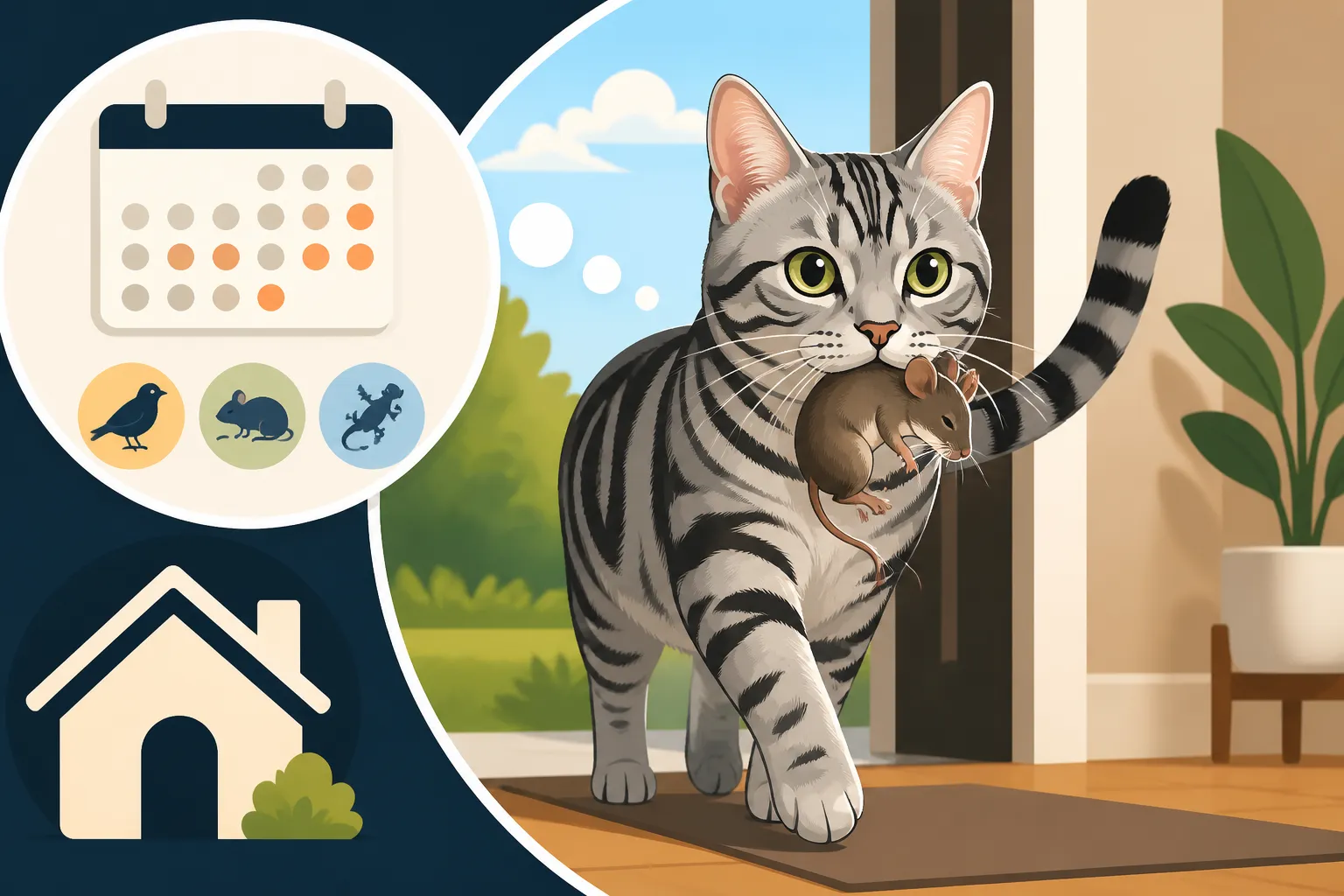
How Often an American Shorthair Brings Prey Indoors
It's a familiar scene for many American Shorthair owners: you wake up to a chirping sound that isn't your alarm clock, or you step out of bed right onto something crunchy that definitely shouldn't be there. The culprit? Your beloved furball, who has once again decided to share the fruits of their nocturnal (or daytime) labor with you. This guide is here to shed some light on why your American Shorthair brings prey indoors and what you can realistically do about it.
Understanding the American Shorthair's Deep-Seated Hunting Instinct
The American Shorthair is a breed steeped in history, tracing its lineage back to the working cats brought over on ships to control rodent populations. These weren't pampered pets; they were essential crew members, valued for their prowess as mousers. This legacy means that the hunting instinct in an American Shorthair isn't just a quirk; it's a fundamental part of who they are, woven deeply into their genetic makeup. They literally come from generations of cats whose survival, and that of their human companions, depended on their ability to hunt.
A Legacy of the Hunt
Imagine an American Shorthair's ancestors, patrolling the decks of a ship or the barns of a colonial farm. Their keen senses, agility, and powerful build were honed over centuries of active hunting. They didn't just like to hunt; they had to hunt to survive and to earn their keep. This isn't something that breeding for temperament has completely erased, nor should we expect it to. Even the most laid-back American Shorthair has that ancient predator lurking just beneath the surface, waiting for the rustle of leaves or the scurry of tiny paws. It's a testament to their heritage that The American Shorthair Still Hunts, Whether You Want It To or Not, even if their "prey" is now often a dust bunny or a misplaced sock. Their physical structure, too, with its strong, muscular body and agile frame, is perfectly suited for quick bursts of speed and effective capture, mirroring the design of a true hunter.
The "Gift" or the "Stash"?
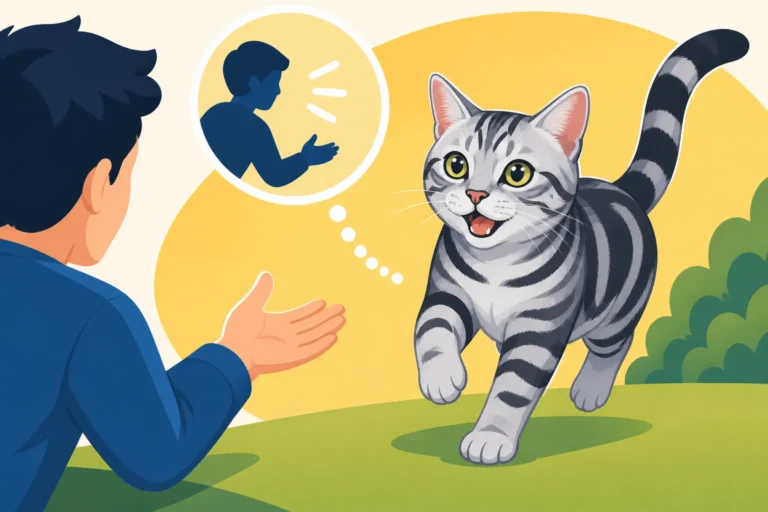
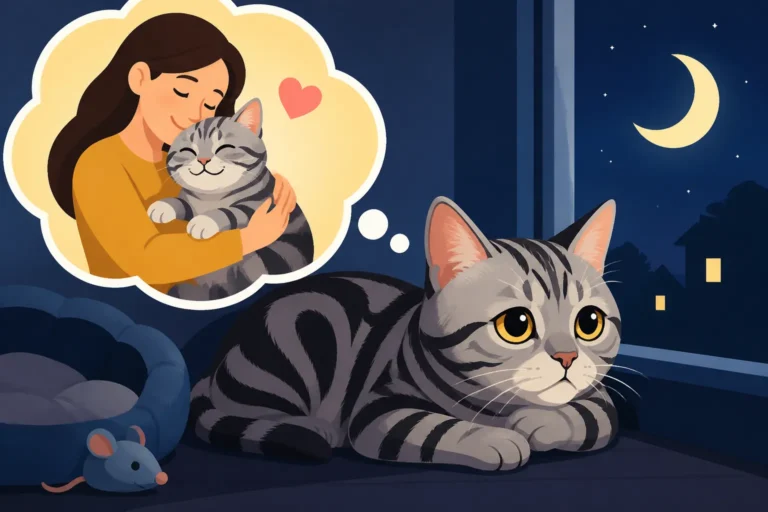
When your American Shorthair proudly drops a mouse or a bird at your feet, it's easy to be grossed out or even annoyed. But for your cat, this act often has a much different meaning. One popular theory is that they are bringing you a "gift" – sharing their bounty with their family, much like a mother cat teaches her kittens to eat prey. It can be a sign of affection, a gesture that says, "Look what I did! And I want to share it with you, my somewhat less capable provider." Another theory suggests it's simply about finding a safe, familiar place to eat their catch or to stash it for later. Your home, with its predictability and security, is their territory, and what better place to enjoy a hard-won meal than right in the middle of it? Understanding this helps us validate their natural behavior, even if we'd prefer a cuddly toy to a half-eaten vole.
Natural Hunting Rhythms
Cats are crepuscular creatures, meaning they are most active during dawn and dusk. This is a prime hunting time in the wild, when many small prey animals are also active. So, if you're finding "presents" on your doorstep or in your kitchen early in the morning or as evening sets in, it's perfectly in line with your American Shorthair's natural internal clock. This instinctual timing means they are primed to hunt when the opportunity is greatest, leading to more successful captures during these hours. It's why Why an American Shorthair Wakes at Dawn is a common experience for owners – they're ready to patrol their territory and perhaps find a meal.
Factors Influencing Prey-Bringing Frequency
How often your American Shorthair brings prey indoors isn't a fixed number; it's a dynamic interplay of several factors, from their environment to their individual personality. Understanding these can help you anticipate and potentially mitigate the frequency of these unwanted surprises.
The Outdoor Explorer vs. The Indoor Guardian
This is, by far, the most significant factor. An American Shorthair with unrestricted outdoor access is going to have vastly more opportunities to hunt and bring prey indoors than one who lives solely within your four walls. Think about it: a cat roaming fields, gardens, or even suburban yards encounters a much wider array of potential prey, from mice and voles to birds and even large insects. A cat that lives strictly indoors might still bring you a spider or a rogue fly, but the likelihood of larger, more unsettling creatures appearing is practically nil. Why Letting an American Shorthair Outside Is a Real Decision becomes a very personal calculation for owners, weighing the cat's enrichment against the risks and, yes, the potential for unwanted deliveries.
Consider the landscape where you live. If your home backs onto undeveloped land, a forest, or even just a particularly wild garden, your American Shorthair's "delivery service" might be quite active. In contrast, a cat living in a high-rise apartment in a bustling city is unlikely to encounter anything beyond a housefly.
The Local Ecosystem's Role
Beyond just outdoor access, the type of outdoor environment matters. A home in a rural area surrounded by fields will naturally have a higher population of rodents and ground-nesting birds than a house in a neatly manicured suburban development. If your American Shorthair has free range in an area rich with wildlife, you can expect more frequent deposits. This isn't just about the sheer number of animals, but also their accessibility. Small, slow-moving prey or those easily cornered are prime targets. The more robust the local ecosystem, the more "gifts" you're likely to receive.
Temperament and Drive
Even within the American Shorthair breed, which is known for its strong hunting instinct, individual personalities vary. Some cats are simply more driven hunters than others. You might have two American Shorthairs from the same litter, raised in the same environment, and one is a prolific hunter while the other prefers napping in sunbeams. This can come down to subtle genetic variations in their prey drive, or simply their personal enjoyment of the "sport." Some cats are more intense and determined in their pursuit, leading to a higher success rate. This innate How Strong an American Shorthair's Hunting Drive Is can be surprising even to experienced cat owners.
Owner Reaction and Reinforcement
Believe it or not, your reaction (or lack thereof) can sometimes inadvertently play a role in how often your cat brings prey indoors. If your cat brings you a mouse and you gasp, shriek, or rush to dispose of it, your cat might interpret this as excitement or attention. For a cat, any attention can be good attention. While you certainly don't want to encourage the behavior, a dramatic response might make them think, "Aha! This definitely gets a reaction from my human!" It's a fine line to walk, as your initial shock is perfectly natural. Learning How to React When an American Shorthair Brings You Something in a calm, neutral way can help, though it takes practice.
Managing the "Gifts" and Reducing the Frequency
While you can't completely extinguish an American Shorthair's hunting instinct, you can certainly manage the frequency of those unwelcome indoor "gifts." It's all about redirecting their natural behaviors and making adjustments to their environment.
Controlling Access to the Wild
The most straightforward way to reduce outdoor prey being brought inside is to control or limit your American Shorthair's access to the outdoors. This isn't always easy or desirable for every owner, as many believe cats thrive with outdoor exploration. However, if indoor deliveries are a significant problem, it's the most effective strategy.
- Supervised Outings: Instead of free-roaming, consider leashed walks in safe areas or creating a secure outdoor enclosure, often called a "catio." A catio allows your American Shorthair to enjoy fresh air and the stimulation of the outdoors without being able to hunt live prey. Whether a Catio Satisfies an American Shorthair's Drive is a good question to ponder, and for many cats, a well-designed catio can be a fantastic compromise.
- Time Restrictions: You might choose to allow outdoor access only during daylight hours, as many nocturnal animals are more active at night, and dawn/dusk are prime hunting times. Keeping them in at night also offers protection from other dangers. Why an American Shorthair Should Be Kept In at Night for safety reasons also applies to reducing hunting opportunities.
- Bells and Bright Collars: Attaching a bell to your American Shorthair's collar can give prey a slight warning, making it harder for your cat to get close undetected. This isn't foolproof, as some cats quickly learn to move in a way that minimizes the bell's sound, but it can make a difference. Brighter, more visible collars can also alert birds sooner. When choosing a collar, always ensure it's a quick-release safety collar to prevent snagging. You can find a variety of safety collars and bells on platforms like Amazon.
Enriching the Indoor Environment
Since their hunting drive is innate, the goal isn't to stop it, but to redirect it. Provide plenty of indoor enrichment that satisfies their natural predatory instincts.
- Interactive Play Sessions: Dedicate regular time each day to play that mimics the hunt. Use wand toys with feathers, furs, or other enticing attachments that simulate the movement of prey. Let your cat stalk, chase, pounce, and catch the "prey" at the end of the session. This "catch" is crucial; a laser pointer, while stimulating, can be frustrating because it never allows them to complete the hunting sequence. Which Wand Toy Reads as Prey to an American Shorthair will likely be one that allows for that satisfying capture.
- Puzzle Feeders: These toys make your cat "work" for their food, engaging their minds and instincts. Instead of simply eating from a bowl, they have to manipulate the feeder to release kibble. This simulates the mental and physical effort involved in hunting for food. There are many excellent puzzle feeders available on Amazon that cater to different levels of difficulty. Whether a Puzzle Feeder Satisfies an American Shorthair often depends on the individual cat and the feeder's challenge.
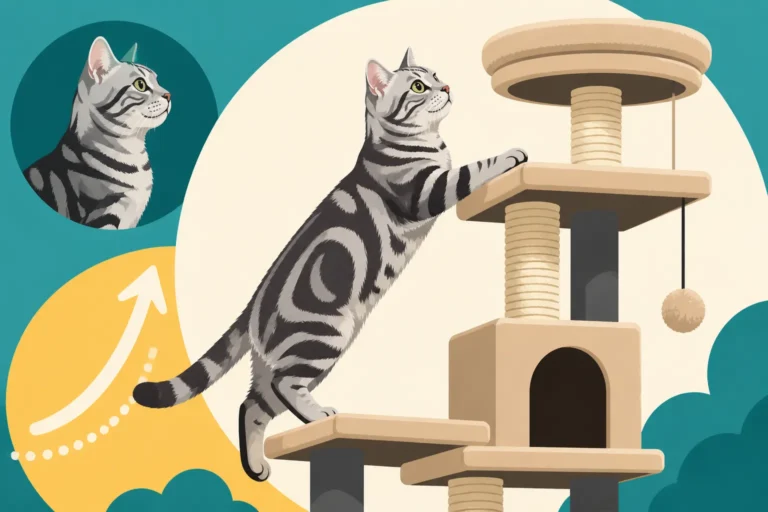
- Vertical Space and Hiding Spots: American Shorthairs love to survey their territory and have elevated vantage points. Provide cat trees, shelves, or even just secure furniture where they can climb and observe. These spots also serve as excellent ambush points for their toy "prey."
Handling the Unwanted Presents
When your American Shorthair does bring you a "gift," your reaction is important.
- Stay Calm and Neutral: As hard as it is, try not to react with shouts, screams, or elaborate chasing. This can either scare your cat or, worse, reinforce the behavior with attention. Simply acknowledge the cat calmly, then focus on the prey.
- Dispose Discreetly: If it's dead, calmly pick it up (with gloves, of course!) and dispose of it. If it's still alive, the situation is a bit trickier. Try to contain it if possible (a box or laundry basket can work), then release it outdoors far away from your home. If your cat sees you release it, they might just bring it back again! This is where you might need to act quickly and without much fanfare.
- Clean Thoroughly: After removing the prey, clean any soiled areas with an enzymatic cleaner to remove odors that might attract your cat to bring more "gifts" to the same spot.
When It Becomes a Problem and Seeking Advice
While an occasional "gift" is part of living with a feline hunter, there are times when frequent indoor prey delivery warrants a closer look, especially concerning your cat's health and your household's hygiene.
Health Risks for Your Feline Hunter
When your American Shorthair is regularly catching and consuming wild prey, they are exposed to a range of potential health risks. This is perhaps the most serious concern for owners of outdoor hunters.
- Parasites: Wild rodents and birds can carry various internal and external parasites, including fleas, ticks, tapeworms, and roundworms. If your cat eats infected prey, they can easily become infested themselves. Which Parasites an Outdoor American Shorthair Picks Up is a comprehensive list, and many require specific medications to treat. Regular deworming and flea/tick prevention, especially for outdoor cats, becomes paramount. Discuss with your vet the best schedule and products for your American Shorthair.
- Injury: Hunting is not without its dangers. Prey animals, even small ones, can bite or scratch, leading to infections or abscesses. Birds might peck, and a struggling rodent can inflict significant injury. These injuries, if left untreated, can become serious.
- Disease: Wild animals can also carry diseases that can be transmitted to your cat, such as toxoplasmosis from rodents or certain bacterial infections. While the American Shorthair is generally a healthy breed, any exposure to wild animals increases health risks. This makes regular veterinary check-ups even more important for a cat that hunts outdoors.
Addressing the Human "Ewww" Factor and Hygiene
Let's be honest: finding a half-eaten mouse under your kitchen table or a live bird fluttering in your living room is not a pleasant experience. Beyond the initial shock and disgust, there are real hygiene concerns.
- Disease Transmission to Humans: While rare, some diseases carried by wild rodents can potentially be transmitted to humans, especially through direct contact with infected prey or their droppings. This is why it's crucial to always use gloves when handling any wild animal and to thoroughly clean and disinfect affected areas.
- Allergens and Contaminants: Dead or dying prey can leave behind bodily fluids, fur, or feathers that can be unsanitary and even trigger allergies in sensitive individuals. Prompt and thorough cleaning with disinfectants is key to maintaining a healthy home environment.
Understanding the "Why" Behind Excessive Hunting
If your American Shorthair suddenly increases their hunting efforts, or if the behavior seems obsessive, it might be a sign that something else is going on.
- Boredom and Lack of Stimulation: For an intelligent and active breed like the American Shorthair, a lack of mental and physical stimulation can lead to an over-reliance on hunting as a form of entertainment. If your cat is bored, hunting, even if it's just a housefly, provides a thrill. Review your cat's daily routine: are they getting enough interactive play? Is their environment stimulating enough with toys, climbing opportunities, and window perches?
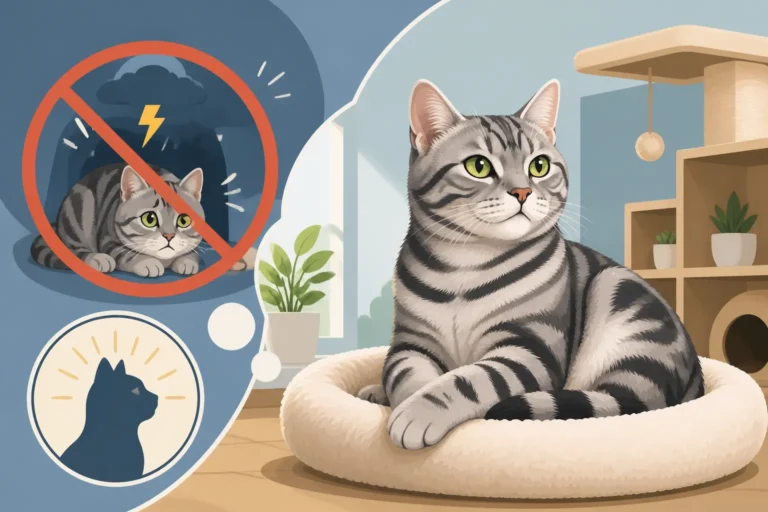
- Stress or Anxiety: Sometimes, an increase in hunting or prey-bringing can be a displacement behavior, a way for your cat to cope with stress or anxiety in their environment. Changes in the household, new pets, or even a change in routine can trigger stress. Observe your cat for other signs of stress, such as changes in eating habits, litter box issues, or increased hiding.
- Underlying Health Issues: While less common, a sudden, drastic change in behavior, including hunting frequency, can sometimes indicate an underlying health problem. If you notice other concerning symptoms, a vet visit is always a good idea to rule out any medical causes.
Factors Influencing How Often an American Shorthair Brings Prey Indoors
To help visualize the interplay of these factors, here's a table summarizing how different conditions can affect the frequency of your American Shorthair's "gifts":
| Factor | Condition | Likelihood of Bringing Prey Indoors (Outdoor Prey) | Impact on Indoor Prey (e.g., insects) | Notes |
|---|---|---|---|---|
| Outdoor Access | Unrestricted Free Roaming | High | Low | Cat has constant access to wild prey. |
| Supervised Only / Catio Access | Low to Moderate | Moderate | Reduced direct hunting opportunities for wild prey; may still find insects. | |
| Strictly Indoor | Very Low (only insects/escaped pets) | High (if insects present) | No access to outdoor wild prey. Focus shifts to indoor pests or toys. | |
| Prey Availability | Rural/Wilderness Area | Very High | N/A | Abundant wild prey (rodents, birds). |
| Suburban with Gardens | Moderate to High | N/A | Some wild prey, especially mice/voles and garden birds. | |
| Urban/Dense Residential | Low | N/A | Limited wild prey; primarily insects or occasional city rodents. | |
| Individual Drive | High Natural Prey Drive | High (given opportunity) | High | Some American Shorthairs are simply more driven hunters regardless of environment. |
| Moderate/Low Natural Prey Drive | Low to Moderate | Moderate | Less inclined to hunt frequently, even with opportunities. | |
| Indoor Enrichment | Poor Enrichment (Boredom) | High (if indoor, will hunt anything) | High | Cat seeks out any form of stimulation, including hunting. |
| Good Enrichment (Interactive Play, Toys) | Low to Moderate | Moderate | Redirects hunting energy to appropriate outlets. Less need to seek out real prey for stimulation. Many engaging toys can be found on Amazon to keep even the most driven American Shorthair entertained. | |
| Owner Reaction | Enthusiastic/Dramatic Reaction | Can inadvertently reinforce | Can inadvertently reinforce | Cat associates bringing prey with attention, even negative attention. |
| Calm/Neutral Reaction | Less likely to reinforce | Less likely to reinforce | No perceived "reward" for bringing prey inside. |
Living with an American Shorthair means embracing their magnificent, ancient instincts, even the less charming ones. With understanding, patience, and some thoughtful management strategies, you can reduce the frequency of those unexpected indoor deliveries and ensure both you and your feline companion live in harmony.
Disclaimer
This article is for general informational purposes only and does not constitute professional advice. Laws, prices and regulations vary by location and change over time. Consult a qualified professional for guidance on your specific situation.