Why an American Shorthair Fits Any Household
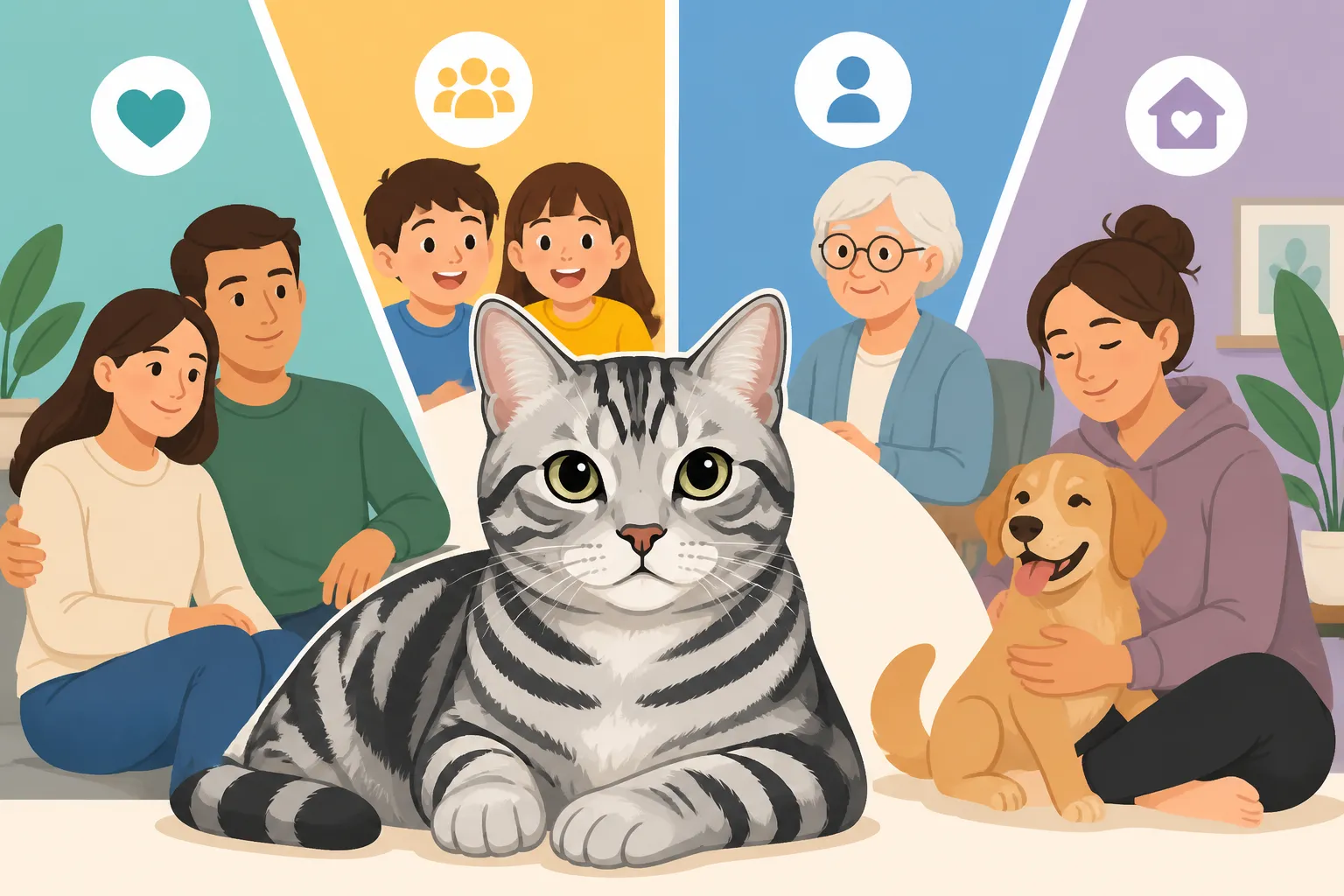
One of the most common worries new cat parents have, or even seasoned owners looking to add to their family, is whether a new feline friend will truly fit into their existing lifestyle. Between children, other pets, busy schedules, or even just the size of your home, it feels like there are a million variables that could make a cat a bad fit. But when it comes to the American Shorthair, you're looking at a breed that historically perfected the art of adapting, making them an incredibly versatile and forgiving addition to almost any household. This guide will explore the unique traits and long-standing history that makes them such a wonderfully adaptable companion, ready to integrate seamlessly into your family, no matter how varied or lively it might be.
A History of Adaptability: How the American Shorthair Was Shaped for Any Setting
The American Shorthair isn't a breed conjured up in a lab for specific aesthetic traits. Quite the opposite, really. Their story is deeply intertwined with human history, forging a temperament and physical build that was all about survival and utility. This isn't a delicate show cat by nature; it's a hardy, practical animal whose ancestors earned their keep, often in challenging and constantly changing environments. That deep-rooted history of independence and versatility is precisely what makes them so well-suited to modern homes, even those vastly different from the barns and ships of old.
From Ships to Settlements: Mastering Diverse Environments
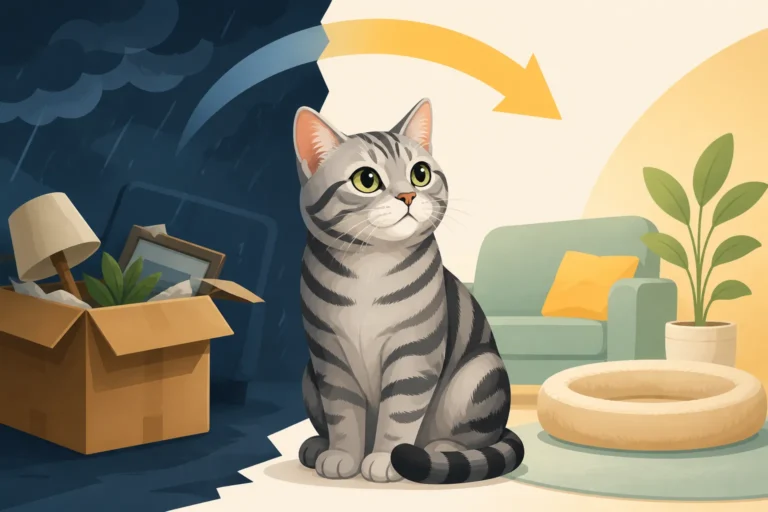
Imagine the early voyages to the Americas. These ships were far from luxurious, often crowded, and certainly not built with a cat's comfort in mind. Yet, American Shorthair ancestors were essential crew members, valued for their ability to control rodent populations. They had to be adaptable, able to adjust to the rocking of the ship, the confined spaces, and the diverse personalities of the sailors. They couldn't be overly sensitive or prone to stress; they had a job to do, and they did it. This period of their history really drilled in their robust nature and remarkable ability to acclimatize to new and unpredictable surroundings, which is a fantastic trait for any family home that experiences its own ebb and flow.
Once ashore, these cats faced new challenges in burgeoning settlements and vast farmlands. They transitioned from ship mouser to barn cat, a role that again demanded resilience. They weren't pampered pets; they were integral parts of the household economy, working alongside people and other animals. This constant exposure to different situations, from the bustling port to the quiet farm, meant that only the most flexible and easygoing cats thrived. This natural selection carved out a breed that inherently possesses a calm disposition and a self-assured confidence, allowing them to take new sights, sounds, and people in stride. Why a Farm Bred American Shorthair's Tolerance Suits a House With Children is something you see played out in their temperament today.
The Genetic Legacy of a Self-Sufficient Survivor
Centuries of being a working cat meant that their survival wasn't dependent on human pampering or constant attention. Instead, it relied on their keen intelligence, their robust health, and their independent spirit. They had to find their own food, navigate varied terrains, and understand social dynamics without being overly dependent. This self-reliance is a huge part of their genetic makeup. They weren't selectively bred for extreme looks that might come with health compromises or temperamental quirks. They were bred, implicitly, for competence and hardiness.
What this translates to in your home is a cat that is deeply comfortable in its own skin. They don't panic when you're late from work, nor do they constantly demand your undivided attention. They are perfectly capable of entertaining themselves, observing their surroundings, and simply being a calm presence. This self-sufficiency, honed over generations, makes them a wonderful choice for busy families, individuals with demanding jobs, or anyone who appreciates a companion that isn't excessively needy. They bring a quiet confidence to the home, rather than an anxious attachment. Why an American Shorthair Was Never Bred to Need You really encapsulates this aspect of their personality.
The American Shorthair's Balanced Temperament: Calmness in the Chaos
One of the most celebrated aspects of the American Shorthair is their wonderfully balanced temperament. They strike a harmonious chord between affectionate companion and independent explorer. They aren't aloof, but they're not clingy either. They possess a quiet dignity and a gentle nature that allows them to navigate the often unpredictable waters of a busy household with grace. They are the Zen masters of the cat world, rarely ruffled and always composed.
Not a Clingy Cat, But a Confident Companion
Many people love the idea of a cat that's always in their lap, purring and demanding cuddles. While American Shorthairs can certainly be affectionate and enjoy a good snuggle, they tend to express their love in a more understated way. They are more likely to be found quietly observing you from a comfortable perch nearby, or perhaps gently head-bunting your leg as you pass. They appreciate your presence and enjoy being part of the family action, but they don't need to be the center of attention all the time. This makes them ideal for households where constant interaction isn't always possible.
For instance, if you're working from home, your American Shorthair might choose a sunbeam on your desk to nap, or settle in a cat bed nearby, occasionally opening an eye to check on you. They respect your space and your tasks, understanding the rhythm of the household without feeling ignored. This confidence in their bond with you means they don't resort to destructive behaviors or excessive vocalization out of anxiety. They trust that you'll be there when you're able, and they're perfectly capable of enjoying their solitude until then. An American Shorthair Asks You for Almost Nothing truly describes their serene demeanor.
Observational Nature: They Size Up Situations
Have you ever noticed how an American Shorthair will often sit and watch a new person or object for a while before deciding to approach? This isn't shyness; it's their deeply ingrained observational intelligence at work. They are assessing the situation, taking in all the cues, and making a calculated decision about whether it's safe or interesting to engage. This trait, honed from generations of needing to understand their environment to survive, means they rarely react impulsively or with aggression.
This careful assessment is particularly valuable in a home with varied activities. A new vacuum cleaner, a loud game console, or even just a boisterous guest might warrant a moment of quiet observation from your American Shorthair, perhaps from under a chair or from the top of a cat tree. But once they've deemed it non-threatening, they're likely to carry on with their day, unfazed. This calm, analytical approach to new stimuli prevents a lot of the stress and skittishness you might see in more sensitive breeds, making them a wonderfully grounding presence in any home. Why an American Shorthair Assesses Before It Approaches explains this behavior beautifully.
Coexisting with All Walks of Life: Children, Other Pets, and Visitors
One of the biggest concerns for potential cat owners is how a new cat will integrate into an already bustling household. Will they tolerate the playful chaos of children? Can they get along with the family dog? How will they react to unfamiliar faces coming through the door? The American Shorthair's historical role as a working cat, accustomed to diverse environments and social dynamics, has equipped them with an exceptional ability to coexist peacefully with a wide array of household members and situations.
Navigating the World of Kids and Toddlers
Children, especially young ones, can be a lot for any pet. Their movements are unpredictable, their voices can be loud, and their desire to "love" an animal can sometimes be overwhelming. The American Shorthair, however, often excels in homes with kids. Their inherent patience and sturdy build mean they're less prone to flight or fright responses. Instead of lashing out, they are far more likely to simply remove themselves from an uncomfortable situation. They teach children boundaries through gentle retreat rather than aggressive defense.
Think of it this way: an American Shorthair has a quiet confidence that means they don't feel the need to prove anything. If a toddler gets a bit too enthusiastic, the cat might just hop onto a higher surface, like a cat tree or a bookshelf, to observe from a safe distance. They understand how to self-regulate their interactions, choosing when and how to engage. Of course, supervision is always key, but their natural inclination towards tolerance and avoidance of conflict makes them a truly family-friendly feline. You'll often find them patiently enduring a child's gentle pets, a testament to their calm demeanor. An American Shorthair With Children, Dogs and Noise highlights their easygoing nature in such environments.
Sharing Space with Canine Companions and Feline Friends
Their long history of coexisting with other barn animals, including dogs, has wired the American Shorthair to be remarkably accepting of other species. They aren't typically dominant or aggressive, preferring a peaceful coexistence. Introducing an American Shorthair to a well-behaved dog often goes smoothly, as they're not easily intimidated and can hold their own with quiet confidence. They observe, they assess, and they generally find a way to share territory without much fuss.
With other cats, the American Shorthair often adopts a similar philosophy. They're not looking for fights; they're looking for order. They'll establish their own routines and preferred sleeping spots, often content to share common areas with other felines without much drama. If you have multiple cats, an American Shorthair can often be the peacemaker or the quiet observer, bringing a sense of calm to the group dynamic. Their self-reliant nature means they don't feel the constant need to compete for resources or attention, making them a stable anchor in a multi-pet home.
Welcoming Guests and New Faces
Does your home often host friends, family, or even just repair technicians? Some cats are notorious for bolting under the bed at the first sign of an unfamiliar footstep. Not so with the American Shorthair. While they might not immediately greet strangers with effusive purrs, they are far more likely to remain present, perhaps observing from a distance or even making a cautious approach once they've deemed the new person non-threatening. Their curiosity often outweighs their fear.
They view new people as interesting additions to their territory, something to be investigated rather than feared. This means your guests are less likely to wonder if you even have a cat, and more likely to catch glimpses of your American Shorthair patrolling the living room or napping on a sun-drenched rug. This unflappable nature makes them an excellent choice for social households, or even just those with occasional visitors, as they won't add extra stress to an already busy event.
Embracing Independence: Perfect for Busy Modern Lives
In today's fast-paced world, many cat owners feel a pang of guilt leaving their beloved pets alone for hours while they're at work or running errands. The American Shorthair’s inherent independence, a trait refined over centuries of self-sufficiency, makes them an ideal companion for busy individuals and families. They genuinely thrive on their own terms, finding contentment in solitude without becoming anxious or destructive.
The Art of Being Contentedly Alone
Unlike some breeds that can develop separation anxiety or require constant mental stimulation from their humans, the American Shorthair is a master of self-entertainment. Their strong hunting instincts mean that even an empty house is full of potential "prey"—dust bunnies under the sofa, a sunbeam on the floor, or the intriguing sounds from outside the window. They are perfectly content to patrol their territory, take long naps in sunny spots, and simply be. This doesn't mean they don't love you or miss you; it simply means their emotional well-being isn't solely dependent on your physical presence every waking moment.
If you have a demanding job or a schedule that often takes you out of the house for extended periods, an American Shorthair is a fantastic choice. You won't come home to shredded curtains or stressed-out meows. Instead, you'll likely be greeted by a calm, happy cat who is genuinely pleased to see you but hasn't spent the entire day in a state of distress. Providing them with a few engaging toys, a comfortable bed, and access to fresh water is often all they need to enjoy their solo time. How Long an American Shorthair Copes Alone in the Day highlights this remarkable trait.
Thriving on Routine, Not Constant Interaction
While American Shorthairs are independent, they do appreciate a predictable routine. They enjoy knowing when mealtime is, when their humans are generally around, and when their favorite play session might occur. This doesn't mean you need to adhere to a rigid schedule, but rather that a general rhythm to the day helps them feel secure and settled. What they don't demand, however, is constant, unsolicited interaction. They are not the type of cat that will jump on your keyboard every five minutes or constantly rub against your legs while you're trying to cook.
Their ability to self-regulate their need for attention means they'll often initiate interactions when they feel like it, usually with a quiet request like a soft head-nuzzle or a contented purr as they settle near you. This makes them incredibly respectful companions. They understand boundaries, both yours and theirs. For someone who appreciates a cat's companionship but doesn't want an animal that constantly vies for attention, this characteristic is truly golden. You get all the warmth of a feline friend without the feeling of being constantly "on call" for their needs.
Mental Engagement and Play: Satisfying the Inner Hunter Indoors
Despite their calm demeanor and self-sufficient nature, American Shorthairs are still cats, and cats are predators. Their ancestors were expert mousers, and that instinct is very much alive and well, even in a pampered indoor pet. Providing appropriate mental engagement and play that taps into these innate behaviors is crucial for their well-being, but it's also wonderfully easy to achieve in any household size or type. You don't need acres of land; you just need to understand their natural drives.
Creative Outlets for Their Natural Instincts
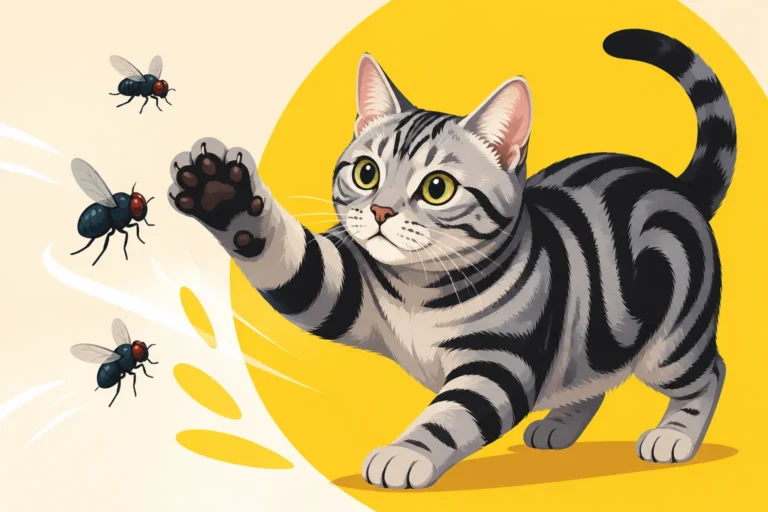
The American Shorthair Still Hunts, Whether You Want It To or Not. This is a fundamental truth about the breed. If you don't provide outlets for this instinct, they might find their own, which could mean "hunting" your feet, household objects, or even small, innocent dust bunnies. The key is to channel this prey drive into constructive and fun activities. This can be as simple as a regular play session with a wand toy, mimicking the erratic movements of a small animal. Toys that encourage stalking, pouncing, and batting are always a hit.
You don't need expensive gadgets; even a crumpled piece of paper or a small, lightweight ball can become the target of an epic hunt. Rotate toys to keep things interesting, and consider hiding treats around the house to encourage their natural foraging behavior. This kind of environmental enrichment prevents boredom and ensures their sharp minds stay engaged, making them happier and healthier pets, no matter the size of your living space.
Beyond the Laser Pointer: Play That Truly Satisfies
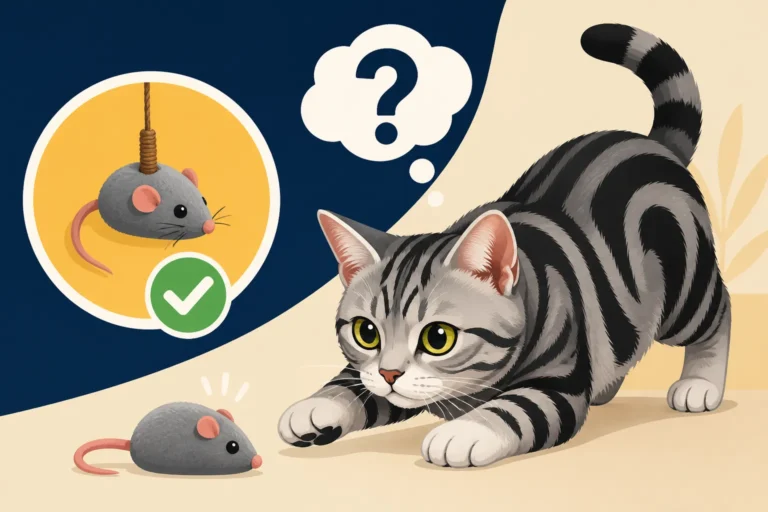
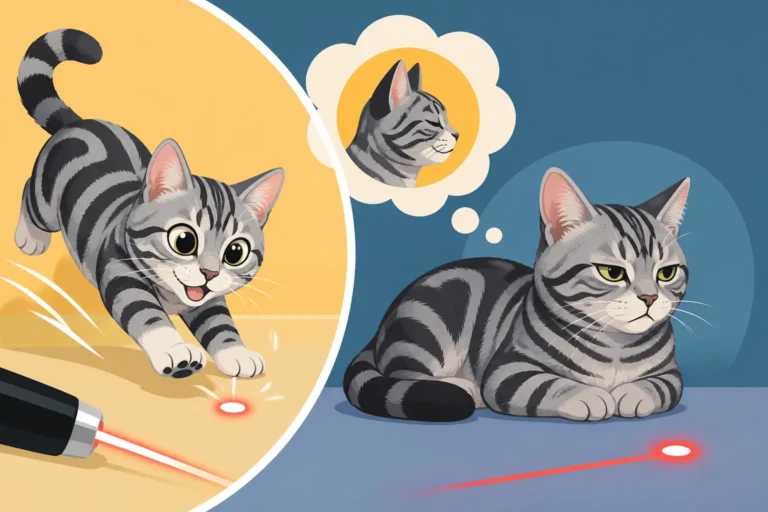
While laser pointers can be fun for a quick chase, they don't fully satisfy an American Shorthair's hunting sequence. A true hunt involves the stalk, the chase, the capture, and the "kill." With a laser pointer, they never actually get to "catch" anything, which can lead to frustration. For a truly satisfying play experience, opt for toys they can sink their claws and teeth into. Feather wands, crinkle balls, and small stuffed mice are excellent choices. Play That Finishes the Hunting Sequence for an American Shorthair is paramount for their mental well-being.
Consider puzzle feeders or treat-dispensing toys, which challenge their intelligence and reward their problem-solving skills. Filling these with a portion of their daily kibble or a few favorite treats from a brand like Amazon Basics can turn mealtime into a stimulating "hunt." This mental and physical exertion is vital for preventing boredom and behavioral issues, ensuring your American Shorthair remains a well-adjusted and content member of the family, even if their "prey" now consists of a fluffy toy mouse instead of actual rodents. What an Indoor American Shorthair Does With a Mouser's Instinct should always be considered when planning enrichment.
Adapting to Varied Living Spaces: From City Apartments to Sprawling Homes
The American Shorthair's physical versatility, combined with their calm temperament, means they are equally at home in a cozy studio apartment or a large house with a sprawling yard. Their happiness isn't dictated by square footage, but by thoughtful environmental enrichment and the presence of their beloved humans. They don't need vast outdoor spaces to thrive; they just need their indoor territory to feel engaging and secure.
Making a Small Space Feel Like a Kingdom
For apartment dwellers, the idea of owning a cat might seem daunting, especially a muscular, medium-sized breed like the American Shorthair. However, these cats are masters of vertical space. They don't just occupy floors; they utilize shelves, cat trees, window perches, and furniture tops as part of their territory. A tall cat tree from a retailer like Amazon can provide multiple levels for climbing, scratching, napping, and observing, effectively multiplying their usable living space without taking up much floor area.
By strategically placing scratching posts, beds, and observation points, you can turn even a modest apartment into a stimulating and comfortable "kingdom" for your American Shorthair. They love looking out windows, so a sturdy window perch is always a hit. This ability to make the most of their surroundings, combined with their self-sufficient nature, means they truly can thrive in smaller environments, disproving the myth that only large homes are suitable for cats. Whether an Apartment Gives an American Shorthair Enough Territory is a common question, and the answer is usually a resounding yes, with proper setup.
The Importance of Vertical Territory and Observation Posts
In any home, regardless of size, providing vertical territory is key for an American Shorthair. This fulfills their instinct to climb, to observe their surroundings from a safe vantage point, and to have clear escape routes if they feel overwhelmed. A cat tree isn't just a piece of furniture; it's a multi-functional hub that caters to their need for exercise, security, and mental stimulation. Cats feel safer and more confident when they have elevated spots from which to survey their domain.
Consider placing these observation posts strategically. A cat tree near a window allows them to watch the "outside world," providing endless entertainment. Shelves specifically designed for cats, or even clear sections of existing bookshelves, can become part of their patrol route. This focus on creating interesting and accessible vertical spaces ensures that your American Shorthair feels secure and stimulated, contributing to their overall happiness and making them feel perfectly at home, whether they're in a sprawling suburban house or a compact urban flat.
Their Unique Communication Style: Quiet, Yet Expressive
If you're looking for a cat that will engage in lengthy "conversations" with you, the American Shorthair might surprise you with their relatively quiet nature. They are not known for being overly vocal, a trait that stems from their working cat past where loud meows might have alerted prey. However, this doesn't mean they aren't communicative; they simply express themselves through a rich tapestry of subtle cues, body language, and soft vocalizations that, once understood, tell you everything you need to know.
Subtle Signals Versus Demanding Meows
An American Shorthair is far more likely to communicate through a gentle head-butt, a slow blink, a swish of their tail, or a purr that vibrates through their entire body than they are to emit a piercing yowl. They are masters of the understated request. For instance, instead of meowing incessantly for food, your American Shorthair might simply sit by their bowl and look at you, then look at the bowl, then back at you, conveying their hunger with quiet intensity. This polite, non-demanding communication style makes them incredibly easy to live with.
This quietness is a boon for households that appreciate a peaceful atmosphere, or for those who might find constant meowing disruptive. Their serene presence is a comfort, and learning their subtle cues becomes a delightful part of your bond. It's like having a secret language with your cat, where a simple glance or a shift in posture communicates volumes. What an American Shorthair's Voice Sounds Like is often described as soft, chirpy, or a gentle trill, rather than a loud caterwaul.
Understanding the Language of a Low-Key Cat
To truly understand an American Shorthair, you need to pay attention to their body language. A tail held high with a slight curl at the tip often signals happiness and confidence. Ears perked forward indicate curiosity and engagement. A slow blink is the ultimate sign of trust and affection. They might rub against your legs as you walk by, or jump onto the sofa to settle beside you, all non-verbal ways of saying "I appreciate your presence."
This subtle communication style means they fit seamlessly into homes where loud demands would be out of place. They're not going to interrupt your phone calls with insistent meows or demand attention during a quiet family dinner. They are content to be near you, sharing your space and offering their quiet companionship. This makes them a perfect fit for a variety of living situations, from bustling family homes where they can find their quiet corner, to serene single-person households where their calm presence is deeply valued. They teach you to listen with your eyes and heart, rather than just your ears. How an American Shorthair Asks Without Nagging is a lesson in feline etiquette.
Why the American Shorthair Suits First-Time Owners and Seasoned Cat Parents Alike
Whether you're embarking on your very first journey into cat ownership or you're a seasoned cat enthusiast looking for your next furry family member, the American Shorthair presents a compelling case. Their unique blend of independence, adaptability, good health, and gentle temperament makes them an incredibly forgiving and rewarding companion for anyone.
An Introduction to Cat Ownership
For those new to the world of cats, the American Shorthair is often recommended as an excellent "starter cat." Their low-maintenance grooming needs (a quick comb a few times a week, a product like a simple grooming glove from Amazon is usually plenty), generally robust health, and undemanding nature mean that new owners don't get overwhelmed with complex care routines. They are typically forgiving of minor mistakes and resilient enough to adapt as you both learn the ropes of living together.
Their quiet confidence also means they're less likely to develop behavioral issues stemming from anxiety or lack of stimulation, as long as basic needs are met. They offer a fantastic opportunity to learn about feline behavior without the added stress of a highly sensitive or high-energy breed. They are a cat that allows you to ease into the role of a cat parent, building your confidence and knowledge with a steadfast, understanding companion by your side. Why an American Shorthair Suits a First Time Owner is a question many ponder, and their stable disposition is a key reason.
A Reliable Companion for Experienced Homes
Even experienced cat owners, who might have dealt with more challenging or demanding breeds, often find immense joy and satisfaction in the companionship of an American Shorthair. Their no-fuss attitude and solid, predictable temperament are a refreshing change. For those who appreciate a cat that is present but not overpowering, affectionate but not clingy, the American Shorthair is truly ideal. They bring a calming presence and a quiet joy to a home, enriching it without adding unnecessary complexity.
They are reliable, loyal, and consistently themselves, which is a rare and wonderful quality. They represent a return to the foundational qualities that made cats such beloved companions in the first place: intelligence, independence, and a calm, comforting presence. Their enduring popularity is a testament to these qualities, proving that sometimes, the simplest and most natural breeds are indeed the best fit for any household, offering years of steadfast companionship with minimal fuss. How Undemanding an American Shorthair Really Is becomes evident very quickly to those who bring one into their lives.
Table: American Shorthair Traits for Household Fit
To help illustrate just how well-suited the American Shorthair is to a diverse range of living situations, let's break down some key traits and how they translate to different household needs:
| Trait | Benefit for Household | Example Scenario |
|---|---|---|
| Calm Temperament | Reduces stress, gentle with others | Quietly observes a bustling family gathering from a cat tree. |
| High Adaptability | Handles change, new environments, and routines | Adjusts quickly to a new apartment or a shift in owner's work schedule. |
| Self-Sufficient | Thrives on alone time, less prone to separation anxiety | Contentedly naps while owners are at work; doesn't demand constant entertainment. |
| Patient with Kids | Tolerates playful interactions, avoids aggression | Gently retreats to a high perch if a child becomes too boisterous. |
| Good with Other Pets | Peaceful coexistence with dogs and other cats | Shares food and sleeping spaces without significant conflict with a resident dog. |
| Low Vocalization | Quiet companion, doesn't demand attention loudly | Uses soft head-nuzzles or purrs to communicate needs, rather than loud meows. |
| Moderate Energy | Engages in play but also enjoys relaxation | Enjoys a vigorous 15-minute wand toy session, then settles for a long nap. |
| Uses Vertical Space | Maximizes living area, happy in smaller homes | Loves a tall cat tree or window perch, even in a small studio apartment. |
Disclaimer
This article is for general informational purposes only and does not constitute professional advice. Laws, prices and regulations vary by location and change over time. Consult a qualified professional for guidance on your specific situation.