How Trainable an American Shorthair Is
It's a common misconception that cats can't be trained, or that they're too aloof and independent to bother learning anything beyond basic litter box etiquette. Many American Shorthair owners might feel this frustration, assuming their calm, self-reliant feline companion is immune to the kind of training often associated with dogs. However, this perspective overlooks the incredible intelligence and adaptability of the American Shorthair, a breed that, with the right approach and a deep understanding of their unique personality, can absolutely be taught a wide range of commands, tricks, and desirable behaviors. This guide will dive deep into the trainability of your American Shorthair, revealing just how much potential lies beneath that placid exterior.
Understanding the American Shorthair's Nature and Trainability
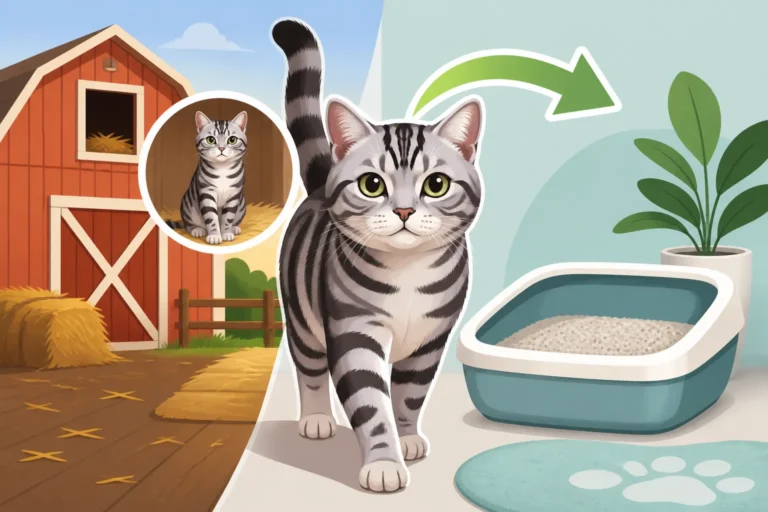
To truly understand how trainable an American Shorthair is, you first have to appreciate their historical roots and inherent personality traits. These aren't creatures bred for intense obedience trials or to fetch slippers on command. Instead, their ancestors were working cats, valued for their sharp minds and keen hunting instincts on ships and farms. This background profoundly influences their learning style and what motivates them.
The Hunter's Instinct and Learning
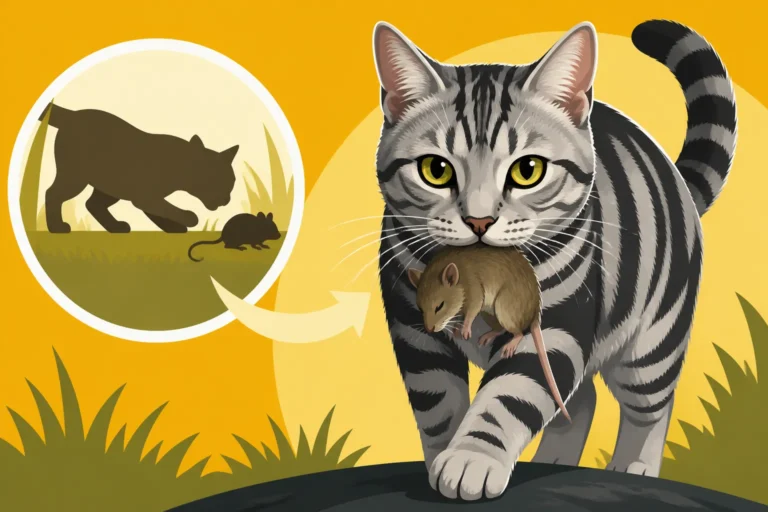
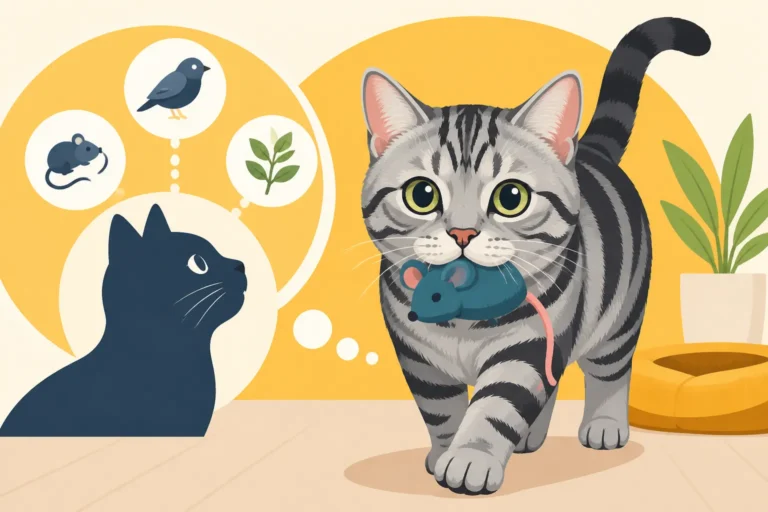
The American Shorthair carries a strong, intrinsic hunting drive, a legacy from their mousing ancestors. This isn't just a cute quirk; it's a powerful tool for training. When a cat has an innate drive to stalk, chase, and 'catch' prey, you can tap into that sequence to motivate them. Treats that mimic a kill, or toys that move like prey, become incredibly high-value rewards. It’s not about forcing them to learn, but about making the learning process feel like a natural extension of their most fundamental desires. For instance, teaching them to "stay" might involve a pause before the "prey" (a feather wand, perhaps) is released for the final pounce. The American Shorthair Still Hunts, Whether You Want It To or Not is a great resource for understanding this deeply ingrained behavior.
This hunting instinct also means they are incredibly observant. They watch, they assess, and they learn patterns. If they see that a particular action from them consistently leads to a desired outcome – whether that's food, a favorite toy, or attention – they are quick to connect the dots. Their intelligence isn't about eager-to-please servitude; it's about efficient problem-solving and understanding cause and effect. This makes them receptive to positive reinforcement, as long as the reward is truly meaningful to their inner predator.
Independence Versus Willingness to Engage
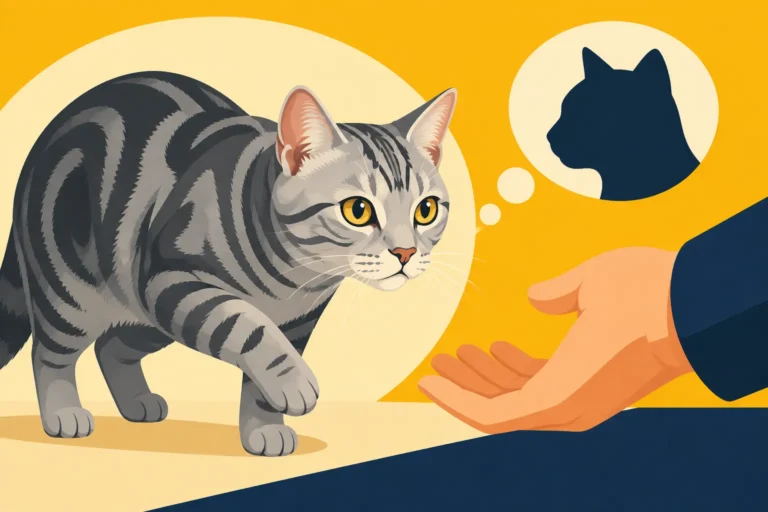
One of the American Shorthair's most cherished traits is its independence. They are not clingy cats, often preferring to be near you rather than on you, and perfectly content to entertain themselves. This independence sometimes gets misinterpreted as a lack of interest in engagement or training. However, it's more about respect. An American Shorthair will engage with you on their terms, and if you approach training with patience and a clear understanding of what motivates them, you'll find a surprisingly willing participant. They don't have that desperate-to-please energy of some dog breeds, but they are intelligent problem-solvers who enjoy mental stimulation, especially when it results in a tangible reward.
Their self-sufficient nature means they don't necessarily need constant human direction to thrive, but they can be incredibly responsive when you offer stimulating activities. Think of it less as "training an animal" and more as "collaborating with a clever companion." You're not breaking their spirit; you're channeling their natural curiosity and intelligence into structured activities. This collaboration can actually strengthen your bond, as they come to view you as the source of engaging play and rewarding experiences.
Patience and Consistency are Key
Training any animal, especially a cat, requires a generous helping of patience and unwavering consistency. American Shorthairs, with their thoughtful and observant nature, will quickly pick up on inconsistencies in your commands or expectations. If "sit" sometimes means they get a treat and sometimes doesn't, or if you ask for it differently each time, they'll be less likely to comply reliably. Short, frequent training sessions are far more effective than long, drawn-out ones. Five to ten minutes, once or twice a day, when your cat is relaxed and receptive, is often ideal.
Consistency extends beyond just the commands themselves. It's about consistent rewards, consistent body language, and a consistent environment for training. If you establish a routine, your American Shorthair will be much more likely to participate. Remember, they are creatures of habit and territory. A predictable training schedule within a familiar space makes them feel secure and more open to learning. Don't get discouraged if progress seems slow at first; small, incremental successes build into impressive achievements over time.
Dispelling Myths About Cat Training and the American Shorthair
For too long, cats have been unfairly labeled as untrainable, largely due to comparing them directly to dogs and using training methods that simply don't resonate with feline behavior. It's time to set the record straight, especially for intelligent breeds like the American Shorthair.
"Cats Can't Be Trained Like Dogs"
This statement, while often used to dismiss cat training entirely, actually holds a kernel of truth – but it's not a negative one. No, cats cannot be trained exactly like dogs, because they are fundamentally different species with different motivations, social structures, and learning styles. Dogs, as pack animals, often have a strong desire to please their human leader. Cats, as solitary hunters (historically, at least), are motivated by self-interest: what's in it for them? This isn't selfishness; it's just how they're wired.
Successful cat training hinges on understanding and leveraging these feline motivations. Instead of demanding obedience, you're offering an exchange. "Do this specific action, and you get a reward." This makes the American Shorthair an excellent candidate for positive reinforcement methods, where desired behaviors are rewarded, making them more likely to be repeated. Trying to use punishment or dominance-based techniques will almost certainly backfire, leading to a stressed, distrustful cat who simply avoids you and the training scenario altogether. Their independent spirit means they won't tolerate being coerced.
The Myth of the Untrainable Feline
The idea that cats are untrainable is deeply ingrained in popular culture, often portrayed in media as lazy, aloof, or stubborn. This couldn't be further from the truth. Cats are highly intelligent animals with complex problem-solving abilities. Think about how quickly they figure out how to open cabinets, get to food they shouldn't have, or manipulate you into giving them attention. That's learning! The challenge isn't their capacity to learn, but our ability as humans to communicate our desired outcomes in a way that makes sense to them.
Many "untrainable" cats are simply bored, under-stimulated, or have owners who haven't discovered the right motivators. An American Shorthair, with its working background, actually thrives on mental enrichment. Training sessions, even short ones, provide this vital mental exercise, preventing boredom and potential behavioral issues that can arise from it. They might not perform tricks for applause like a circus animal, but they absolutely can learn to perform actions for a reward.
Why the American Shorthair Defies Stereotypes
The American Shorthair, in particular, often defies the "untrainable cat" stereotype due to its balanced temperament and inherent intelligence. They are generally calm, good-natured, and adaptable cats. This means they are less prone to extreme anxiety or aggression that might complicate training in other breeds. Their quiet confidence allows them to approach new situations, including training, with a level head. They aren't easily flustered, which makes them patient learners. Whether a Landrace Origin Explains the American Shorthair's Health also touches on their general robustness, which extends to mental resilience.
Their practical, no-nonsense approach to life, rooted in their working heritage, means they appreciate clear communication and tangible results. If a behavior leads to a tasty treat or an engaging play session, they'll put in the effort. They also have good memories, meaning once they've learned something, it tends to stick. You won't find them forgetting a command overnight, provided you maintain consistency.
Practical Training Goals for Your American Shorthair
So, what exactly can you teach your American Shorthair? The possibilities are far more extensive than many people imagine. From essential manners to impressive tricks, their intelligence makes them capable students.
Basic Commands and House Manners
Beyond the litter box, there are many fundamental behaviors that can make living with your American Shorthair more harmonious. Teaching them simple commands like "sit," "stay," or "come" can be incredibly useful. "Sit" can help prevent counter surfing before a meal, while "come" can be a lifesaver in an emergency or simply for getting them back inside. Why an American Shorthair Still Needs a Yearly Heart Scan highlights the importance of regular vet visits, and a cat that tolerates handling and carriers with less stress can make these experiences much easier.
Consider also training them with a "place" command, teaching them to go to a specific bed or mat on cue. This can be great for managing meal times, preventing them from darting out an open door, or simply ensuring they have a safe, quiet spot during busy household moments. Many American Shorthairs take well to this, enjoying having their own designated retreat. Using a verbal cue along with a hand signal helps solidify the command.
Harness Training and Leash Walking
Many American Shorthair owners enjoy taking their cats outside on a harness and leash. This provides safe outdoor enrichment, especially for indoor-only cats, allowing them to explore new scents and sights without the dangers of free-roaming. Training your American Shorthair for a harness involves a gradual, positive introduction. Start by simply letting them wear the harness for short periods indoors, rewarding them with treats. Gradually attach the leash and let them drag it around. Once they're comfortable, take them to a quiet outdoor space.
Patience is paramount here. Your cat isn't going to walk like a dog; they'll often sniff around, pause, and explore. It's more about letting them experience the outdoors safely than going for a brisk walk. Look for a well-fitting, secure harness that prevents escapes. Many options are available on Amazon that are specifically designed for feline comfort and safety. How Well an American Shorthair Walks on a Harness offers more specific advice on this journey.
Advanced Tricks and Problem Solving
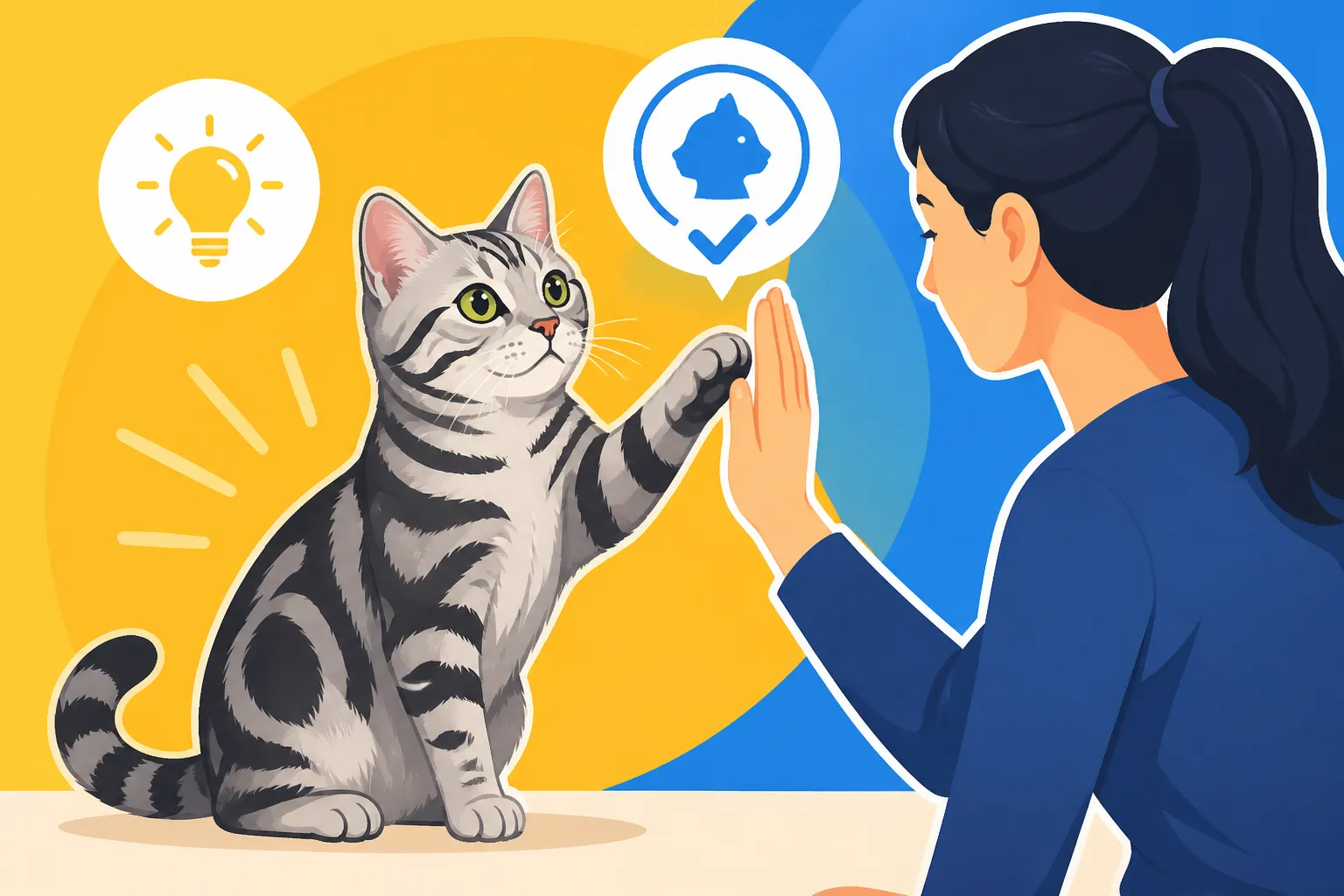
Don't underestimate your American Shorthair's capacity for learning more complex tricks. With consistent positive reinforcement and a clicker, many cats can learn to high-five, roll over, fetch specific toys, or even jump through a hoop. These activities aren't just for show; they provide fantastic mental stimulation and deepen your bond. The key is to break down the trick into tiny, achievable steps, rewarding each successful approximation. For instance, to teach "roll over," you might first reward them for lying down, then for turning their head, then for shifting their body, and so on.
Beyond tricks, American Shorthairs excel at problem-solving toys. Puzzle feeders, for example, tap into their natural hunting drive by requiring them to manipulate objects to get food. This engages their minds and makes mealtime an enrichment activity. You can find a wide variety of interactive puzzle feeders on Amazon that are perfect for keeping your clever cat engaged. These types of activities prove just how much of a working cat's energy the American Shorthair kept, even without a barn full of mice.
Litter Box Habits and Addressing Issues
While most American Shorthairs are naturally fastidious and quickly take to the litter box, training extends to reinforcing good habits and addressing any potential issues. Consistent placement, regular cleaning, and the right type of litter are foundational. If your American Shorthair suddenly starts avoiding the litter box, it's a clear sign that something is amiss. This isn't usually spite; it's a communication of discomfort or stress.
Addressing litter box issues often involves environmental changes or a vet check-up to rule out medical causes. Sometimes, it's as simple as trying a different litter texture or adding another box. Training in this context means reinforcing the positive association with the litter box. Every time they use it correctly, praise them (gently, so as not to startle them) or offer a small, favorite treat afterward. This strengthens the desired behavior. Why a Barn Bred American Shorthair's Habits Make an Easy Litter Box Cat explains their natural inclination towards good habits.
Effective Training Techniques and Tools for American Shorthairs
Now that we know what's possible, let's talk about the how. The right techniques and tools are crucial for successful training with an American Shorthair.
Positive Reinforcement and Clicker Training
Positive reinforcement is the gold standard for cat training. It involves rewarding your cat immediately after they perform a desired behavior, making them more likely to repeat it. This is where high-value treats come in – small pieces of cooked chicken, salmon, or commercial cat treats they absolutely adore. The reward needs to be something they genuinely crave.
Clicker training is an incredibly effective form of positive reinforcement. The clicker acts as a "marker" signal. You click the instant your cat performs the desired behavior, followed immediately by a treat. The click precisely marks the exact moment they did something right, helping them understand what action earned the reward. For an American Shorthair that works for prey, not praise, this clear, immediate feedback is invaluable. How to Clicker Train an American Shorthair That Works for Prey, Not Praise goes into much more detail on this specific method. It’s a powerful way to communicate with a cat that might not be swayed by verbal praise alone.
Utilizing Their Natural Prey Drive
As we've discussed, the American Shorthair's strong prey drive is your secret weapon. Incorporate it into your training sessions. Instead of just giving a treat, use a wand toy or a feather on a string as the reward after the desired behavior. Let them "catch" and play with the toy for a few moments as their ultimate reward. This taps into their deepest instincts and makes training feel like a natural, fulfilling activity. Which Toys Finish an American Shorthair's Hunt are excellent for this purpose.
For example, when teaching "come," call their name, and when they approach, immediately click and then quickly present a wand toy for a short play session. This sequence makes "come" not just about getting a treat, but about initiating a fun, predatory interaction with you. This also ensures that the "hunt" feels complete, which is crucial for their satisfaction. How Much Simulated Hunting an American Shorthair Needs further explains why this is so important for their overall well-being.
Essential Training Tools
Having the right equipment can make all the difference in your training journey.
- Clicker: An absolute must for positive reinforcement training. Simple, inexpensive, and effective. You can find multi-packs of clickers on Amazon to keep one in every room where you train.
- High-Value Treats: These are your primary currency. Experiment to find what your American Shorthair truly loves. Small, easily consumable treats are best for quick rewards.
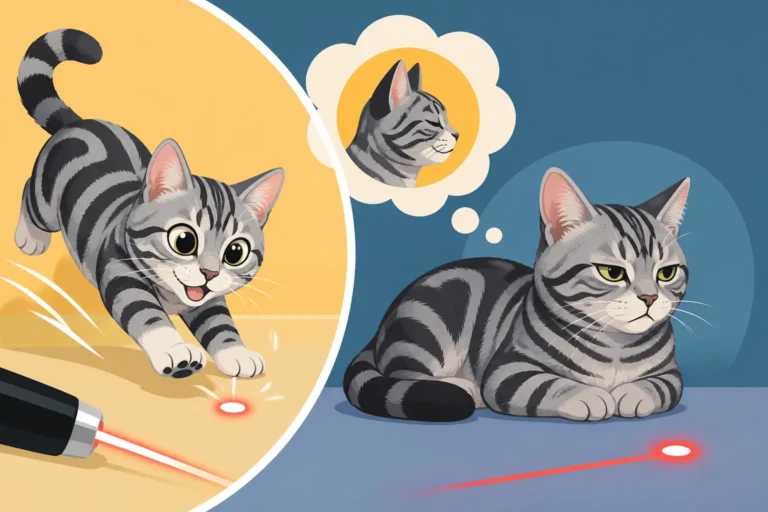
- Wand Toys and Laser Pointers: Excellent for engaging their prey drive. Remember with laser pointers, always end with a tangible 'catch' (like a treat or a real toy) to prevent frustration, as Why an American Shorthair Loses Interest in a Laser explains. You can find durable, engaging wand toys suitable for your robust American Shorthair on Amazon.
- Harness and Leash: If you plan on outdoor excursions. Opt for a comfortable, escape-proof design.
- Puzzle Feeders: To provide mental enrichment during meal times and extend their "hunting" activities.
- Cat Tree/Vertical Space: While not a direct training tool, ample vertical space provides security and exercise, contributing to a happy, well-adjusted cat who is more receptive to training. How Much Vertical Space an American Shorthair Needs is a useful guide for this.
Challenges and Considerations When Training an American Shorthair
Even with the best intentions and techniques, you might encounter some bumps in the road. Understanding common challenges and how to address them will lead to a more rewarding training experience for both you and your American Shorthair.
Managing Frustration and Short Attention Spans
Cats, including the American Shorthair, generally have shorter attention spans for formal training compared to many dog breeds. Trying to push them beyond their natural engagement window will lead to frustration for both of you. If your cat walks away, loses interest, or starts swatting at the clicker instead of focusing on the command, it’s time to end the session. Always try to end on a positive note, even if it's just rewarding them for a simple "sit" or for coming to you.
Your own frustration can also be a barrier. If you're feeling impatient or annoyed, your cat will pick up on that energy. Keep your voice calm, your movements gentle, and your expectations realistic. Remember, every session doesn't have to be a major breakthrough. Sometimes, simply reinforcing a learned behavior is a win. Their independent nature means they won't feel obligated to continue if they're not enjoying it, so keep it fun and rewarding.
The Importance of Socialization
While American Shorthairs are generally placid and adaptable, proper socialization, especially during kittenhood, can significantly impact their trainability and overall demeanor. A well-socialized kitten is more likely to be comfortable with new people, places, sounds, and experiences. This translates to a cat that is less fearful and more receptive to learning in various environments. A kitten that has positive experiences with gentle handling, exposure to different household noises, and interactions with a variety of people will grow into a more confident and trainable adult.
Even if you have an adult American Shorthair, slow and careful socialization can still be beneficial. Positive introductions to new experiences, always paired with high-value rewards, can help them build confidence. A cat that feels safe and secure is more likely to engage in learning. This also plays a role when introducing new cats or even dogs to the household; a well-adjusted American Shorthair handles change better. How an American Shorthair Adapts to a New Baby and How an American Shorthair Handles Household Noise discuss their general adaptability.
When to Seek Professional Help
Sometimes, despite your best efforts, you might encounter persistent behavioral challenges that seem resistant to training. This could include issues like consistent litter box avoidance, aggression, excessive vocalization, or destructive scratching. In these cases, it's always wise to consult with your veterinarian first to rule out any underlying medical conditions. A physical ailment or discomfort can often manifest as a behavioral problem.
If health issues are ruled out, a certified feline behaviorist or a professional cat trainer can provide invaluable guidance. They have specialized knowledge of feline behavior and learning theory and can help you identify the root cause of the problem, develop a tailored training plan, and teach you advanced techniques. Don't view seeking professional help as a failure; view it as an investment in your American Shorthair's well-being and a testament to your commitment to their happiness. They can offer insights into Why an Already Quiet American Shorthair Has Gone Too Quiet or When an American Shorthair's Ear Wax Means Something, which may point to underlying issues affecting their behavior.
By understanding the unique blend of independence and intelligence that defines the American Shorthair, and by employing patient, positive, and consistent training methods, you can unlock a world of potential. These wonderful cats are far more trainable than many give them credit for, proving that with the right approach, a well-behaved and mentally stimulated feline companion is well within reach.
Disclaimer
This article is for general informational purposes only and does not constitute professional advice. Laws, prices and regulations vary by location and change over time. Consult a qualified professional for guidance on your specific situation.