Why an American Shorthair That Hunted for Meals Takes What It Finds
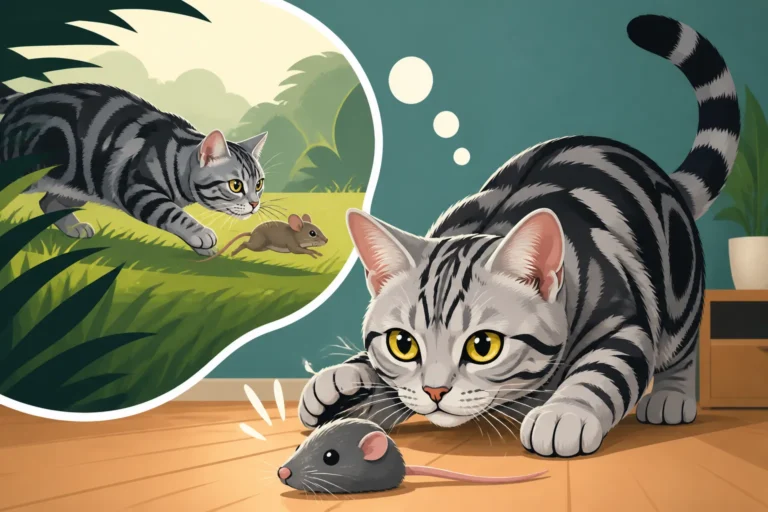
It's a familiar scenario for many American Shorthair owners: you turn your back for just a moment, and suddenly your perfectly fed cat is on the counter, sniffing out crumbs, or worse, making off with a piece of your sandwich. It’s enough to make you throw your hands up in exasperation, wondering why your well-loved and clearly well-fed companion acts like they're starving. The truth is, this isn't about hunger or being ungrateful; it's a deeply ingrained instinct passed down through generations of hard-working ancestors, a drive to "take what it finds" that simply never went away. This guide will help you understand and manage this fascinating, sometimes frustrating, aspect of your American Shorthair's personality.
The Deep Roots of the American Shorthair's Foraging Instinct
When you look at your sleek, contented American Shorthair lounging on a sunbeam, it’s easy to forget their humble, industrious origins. These aren't cats bred for delicate features or extreme traits; they were bred, or rather, selected, for sheer utility. Their ancestors weren't sitting in laps; they were earning their keep. This history is crucial to understanding why your cat still has that urge to "find" food, even when their bowl is full.
Centuries of Self-Sufficiency
Imagine a time before commercial cat food, before cozy beds and designated meal times. The cats that would become the American Shorthair were essential members of ships' crews, protecting valuable cargo from rats on long voyages across oceans. Once on land, they became the undisputed masters of barns, farms, and homes, keeping vermin populations in check. Their survival depended entirely on their ability to hunt, scavenge, and adapt. There was no guarantee of a meal, no consistent feeding schedule. If they didn't find food, they didn't eat.
This constant need to secure their own sustenance meant that a strong foraging instinct was a matter of life or death. Cats that were good at finding hidden prey, quick to snatch an unattended scrap, and resourceful in diverse environments were the ones that thrived and passed on their genes. This isn't just about catching mice; it's about a broader drive to investigate, explore, and utilize any potential food source. Even a cat that’s never seen a mouse in its life might feel this compelling internal nudge when it smells something interesting. This deep-seated wiring ensures that the American Shorthair remains incredibly self-sufficient, a trait that we sometimes see manifest as counter-surfing or raiding the pantry.
The Genetic Blueprint of a Hunter
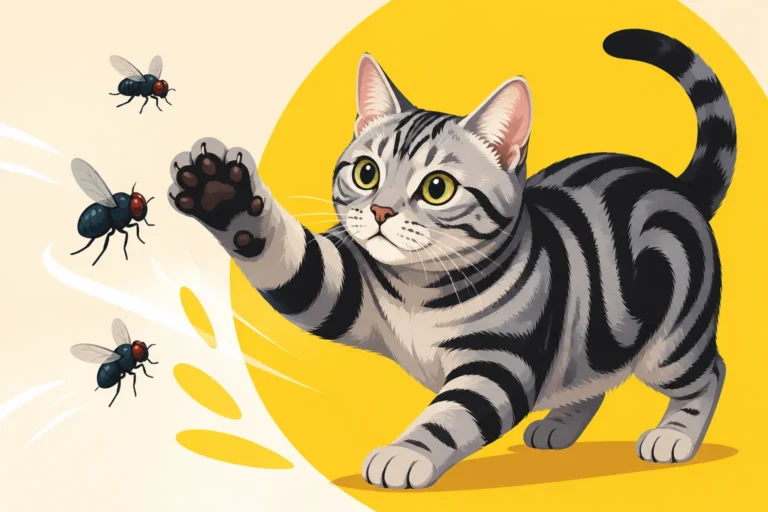
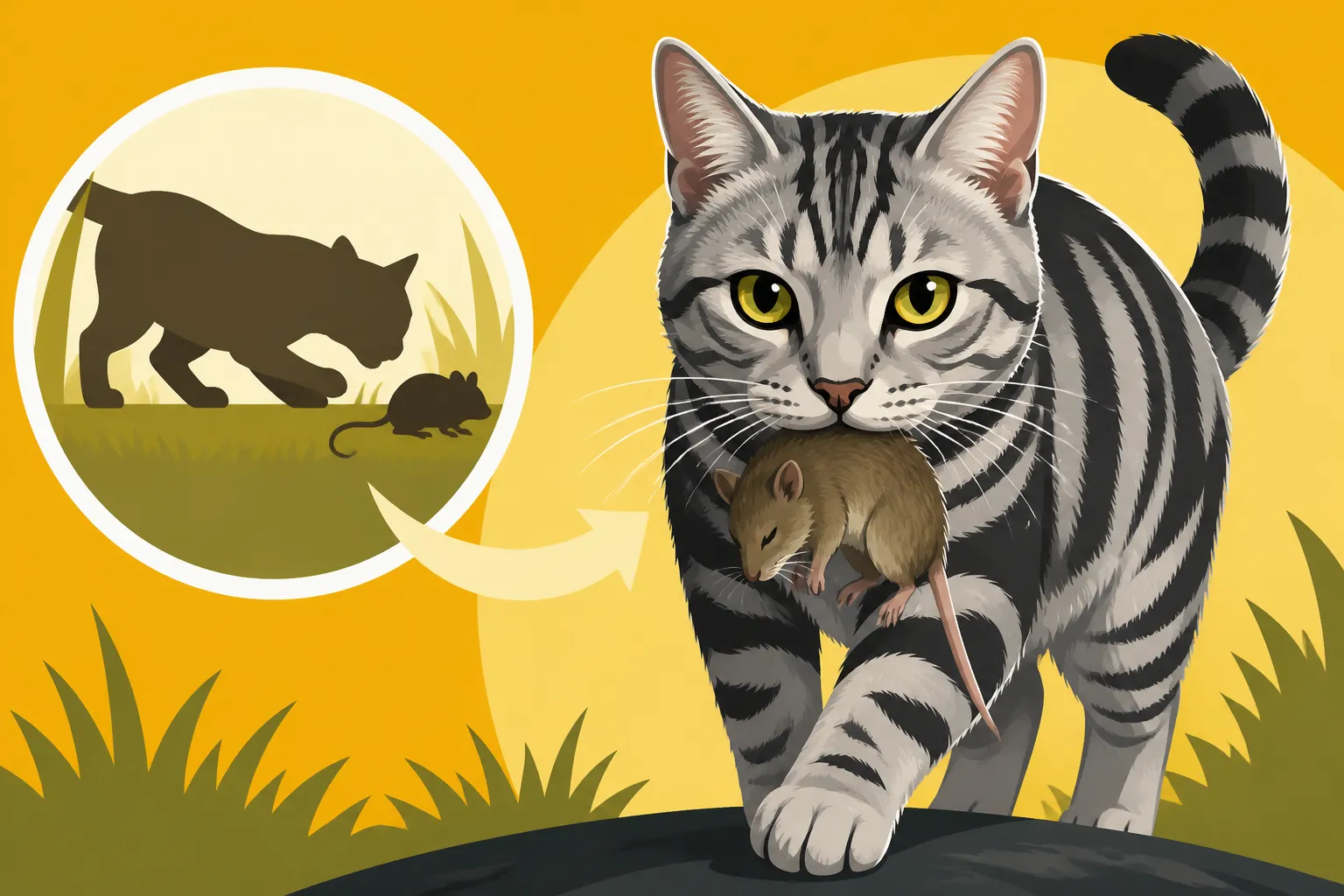
The American Shorthair's physique and temperament are living testaments to their working heritage. They are built squarely, muscular, and agile, perfectly designed for stalking, pouncing, and navigating complex environments. This isn't just a physical characteristic; it's intrinsically linked to a powerful mental and behavioral blueprint. Their prey drive, the instinct that compels them to chase and capture, is incredibly strong. When we talk about finding food, it's often an extension of this same drive. The thrill isn't always about hunger; it's about the entire sequence of the hunt, from seeking and stalking to the satisfying 'capture' of the prize, even if that prize is a piece of kibble that fell under the refrigerator or a half-eaten snack left on the coffee table.
This innate drive isn't something that can simply be "trained out." It’s part of who they are, a fundamental aspect of their breed character. In fact, one of the reasons the American Shorthair has remained such a robust and healthy breed is precisely Why Function Left the American Shorthair Fewer Faults. Breeders focused on maintaining their natural abilities and sound conformation, rather than selecting for extreme aesthetic traits that might compromise their working instincts. This means that while they might be pampered housecats now, deep down, they still carry the spirit of their independent, resourceful ancestors. They are constantly scanning their environment, assessing opportunities, and responding to scents and movements that might signal a potential "catch." It’s an evolutionary success story playing out in your kitchen.
Understanding "Finding" vs. "Stealing" in Your American Shorthair
As humans, we tend to project our own moral codes onto our pets. When your cat grabs food from your plate, it feels like "stealing" – a deliberate act of defiance. But for your American Shorthair, the concept is far more primal. It's about an opportunistic acquisition of resources, rooted in their past, rather than a malicious act of disobedience.
It's Not About Disobedience, It's About Opportunity
From your cat's perspective, there's no inherent "ownership" of food beyond what they currently possess. If food is out in the open, it's fair game. That unattended sandwich on the counter isn't "yours"; it's simply a potential resource that has presented itself. The American Shorthair, with its strong foraging instinct, is hardwired to seize such opportunities. This isn't a judgment on your parenting skills or a sign that your cat doesn't love you; it’s a pure, instinctual response. They aren't thinking, "I'm going to annoy my human." They're thinking, "Food! Right there! Must get!"
Think about it from their evolutionary past. In a barn or on a ship, any food left exposed, whether a fallen grain sack or a forgotten morsel, was a chance for survival. Cats didn't wait for permission; they took what they could. This instinct means that vigilance is key. If you leave food accessible, your American Shorthair will almost certainly explore it. They might even view your attempts to reclaim it as you "stealing" their newly found treasure. It's a fundamental difference in perception that can lead to a lot of frustration for us, but it’s a perfectly normal behavior for a cat with this breed's history.
The Lure of Novelty and Scent
Even if your American Shorthair has just eaten a full meal, a plate of human food can represent an irresistible puzzle or an exciting new discovery. Cats are highly olfactory creatures, and the complex aromas of human cooking, with all its spices, fats, and varied ingredients, are incredibly enticing. It's not just the smell; it's the novelty. Their regular kibble, while nutritious, can become routine. Your spaghetti, however, is a sensory adventure! Different textures, temperatures, and tastes awaken their natural curiosity and drive to explore potential food sources.
Foods left cooling on the counter, a plate unattended for a moment, or even crumbs dropped on the floor become beacons for investigation. To an American Shorthair, this isn't just about hunger; it's about satisfying that deep-seated instinct to "find" and explore. They're drawn in by the promise of something new, something that requires a bit of effort to acquire, which taps directly into their hunting instincts. This is also why they might show particular interest in certain items, even if they don't actually eat them, simply because the process of "getting" it is satisfying. It's a game, a puzzle, and a triumph all rolled into one.
Managing the Foraging Instinct in a Modern Home
While you can't erase centuries of evolutionary programming, you absolutely can manage your American Shorthair's foraging instinct in a way that keeps both of you happy and safe. The key lies in understanding their motivation and providing appropriate outlets while minimizing problematic opportunities.
Proactive Prevention is Key
The easiest way to prevent your American Shorthair from "finding" your food is to make sure there's nothing for them to find. This sounds simple, but it requires consistent effort from everyone in the household. Think of your cat as a furry, four-legged detective constantly searching for vulnerabilities in your food security.
- Clear Counters and Tables: This is non-negotiable. As soon as you're done preparing or eating food, put it away or cover it. Don't leave plates unattended, even for a minute. Your cat is quicker than you think. Wiping down surfaces immediately removes tempting crumbs and enticing smells.
- Secure Pantries and Cabinets: Many American Shorthairs are surprisingly adept at opening cabinets or even prying open loosely sealed food containers. Consider childproof latches on lower cabinets if your cat is particularly persistent. Dry food, treats, and even human snacks should be stored in airtight containers that are difficult for paws to manipulate.
- Immediate Cleanup: Spills and dropped food should be cleaned up instantly. A tiny dropped noodle might seem insignificant to you, but to your American Shorthair, it's a treasure map leading to deliciousness. This also extends to rubbish bins; make sure they are cat-proof and lidded to prevent rummaging.
Training your family, especially children, to be just as vigilant is crucial. One slip-up can reinforce the behavior, making it harder to manage. Consistency is the name of the game here. If the reward (the food) is never present, the behavior will eventually diminish, though the underlying instinct will always remain.
Redirecting the Drive Through Enrichment
Since the foraging instinct is hardwired, the goal isn't to eliminate it, but to redirect it into acceptable and enriching activities. This is where The American Shorthair Still Hunts, Whether You Want It To or Not really comes into play. You need to provide opportunities for your American Shorthair to "hunt" and "find" in a safe and appropriate manner.
- Puzzle Feeders and Foraging Toys: These are fantastic tools for making your cat work for their food, mimicking the challenge of a hunt. Instead of simply putting their entire meal in a bowl, divide a portion of their kibble into various puzzle feeders. These can range from simple balls that dispense treats when rolled to more complex mazes. You can find a great variety of these on platforms like Amazon, offering different levels of difficulty. This taps into their problem-solving skills and satisfies that seeking instinct. For more ideas, explore Making an American Shorthair Work for Its Dinner Again.
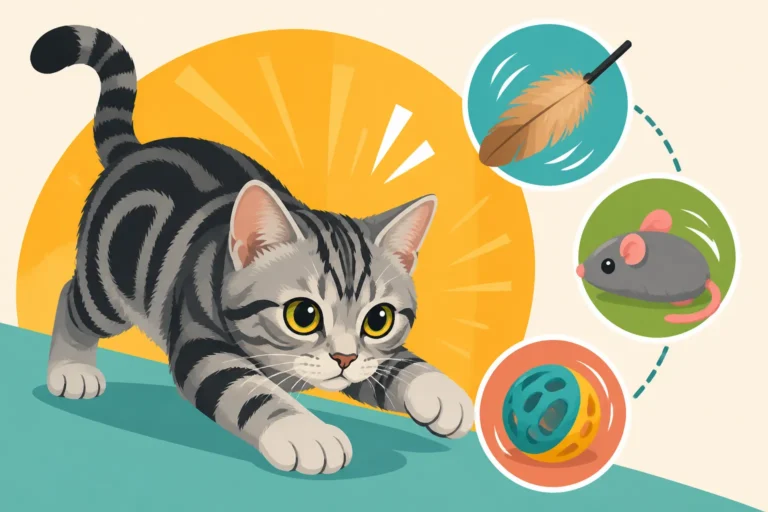
- Interactive Play Sessions: Structured play that simulates the hunting sequence is vital. Use wand toys, feather teasers, or small plush mice to engage your cat in stalking, chasing, pouncing, and "killing." Make sure the play session ends with your cat successfully "catching" the toy, as this completes the hunting cycle and provides satisfaction. Try to have several short play sessions throughout the day, especially around their natural hunting times (dawn and dusk). If you're looking for specific ideas, consider Which Toys Finish an American Shorthair's Hunt and How Much Simulated Hunting an American Shorthair Needs.
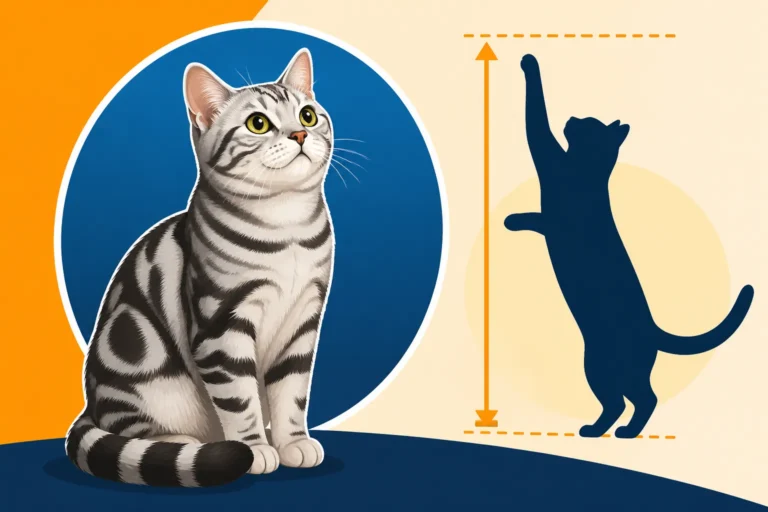
- Vertical Space and Environmental Enrichment: American Shorthairs are natural climbers and observers. Provide cat trees, shelves, or even window perches where they can survey their "territory." Hiding treats in different locations around these elevated spots can also turn their home into a giant scavenger hunt. This allows them to patrol and explore, fulfilling a part of their instinct without needing to raid your dinner.
By providing these outlets, you’re telling your American Shorthair, "Yes, you can still hunt and find, but let's do it this way." This redirection is far more effective than simply punishing the undesirable behavior, which can lead to stress and anxiety for your cat.
Consistent Feeding Schedules
While free-feeding might seem convenient, it can actually contribute to your American Shorthair’s inclination to forage for extra food. When food is always available, it loses its value as a "hunt" and can lead to overeating or a lack of appreciation for their regular meals.
- Scheduled Meals: Establishing a consistent feeding schedule with two to three meals per day can make a significant difference. This helps regulate their appetite and creates a predictable routine. They learn that food will arrive at specific times, reducing the urgency to scavenge. For insights into proper meal planning, check out Portioning for an American Shorthair That Once Worked for Meals.
- Appropriate Portions: Consult with your vet to determine the right calorie intake for your American Shorthair based on their age, activity level, and ideal weight. Overfeeding, even with scheduled meals, can still lead to a cat that feels perpetually full yet still seeks out new food sources purely for the thrill of the "find." Underfeeding, of course, would genuinely drive them to seek out extra food.
- Avoid Leaving Bowls Down: The old habit of leaving a bowl of kibble down all day, hoping your cat will graze as needed, can be problematic. This is especially true for the American Shorthair, whose appetite often outlasts their actual caloric needs. As mentioned in Why a Bowl Left Down Ruins an American Shorthair, this practice can lead to weight gain and a lack of respect for mealtime structure. Once the meal is finished, the bowl should be put away. This reinforces the idea that food is provided at specific times, not constantly available to be "found."
By combining prevention with redirection and a solid feeding routine, you create an environment where your American Shorthair's natural instincts are honored and managed, rather than suppressed.
When "Finding" Becomes a Problem: Health and Behavior Concerns
While the foraging instinct is natural, unchecked "finding" can lead to serious health issues and escalate into more problematic behaviors. Understanding these risks is vital for ensuring your American Shorthair’s long-term well-being.
The Risks of Unsupervised Snacking
Allowing your American Shorthair to freely access human food or other inappropriate items can have several detrimental effects on their health.
- Toxicity and Indigestion: Many human foods are simply not safe for cats. Onions, garlic, chocolate, grapes, raisins, and even excessive amounts of tuna (which can lead to mercury poisoning) can be toxic. Even seemingly harmless foods can cause severe digestive upset, vomiting, and diarrhea because a cat's digestive system is designed for a very specific diet. How to Find the Ribs on a Square Built American Shorthair becomes a relevant article if they're gaining weight from these extra "finds."
- Obesity: This is perhaps the most common and insidious risk. A few stolen bites here and there might seem minor, but they add up quickly. American Shorthairs, with their solid build and historical appetite, are already prone to weight gain if their energy expenditure doesn't match their caloric intake. Obesity can lead to a cascade of health problems, including diabetes, arthritis, heart disease, and a shortened lifespan. This is exactly what Obesity Is What Ending the American Shorthair's Job Cost It warns against.
- Dietary Imbalance: A cat's nutritional needs are very specific. Regular "snacking" on human food can disrupt the carefully balanced diet provided by their commercial cat food. They might miss out on essential nutrients or consume too much of others, leading to long-term health issues that are hard to pinpoint.
It’s crucial to remember that what's safe for humans isn't always safe for cats. A small amount of cheese might seem innocent, but it can cause stomach upset, and certain preservatives or seasonings in human food can be genuinely harmful over time.
| Food Category | Safe for Cats (Small Amounts) | Unsafe for Cats (Avoid) |
|---|---|---|
| Proteins | Cooked chicken, turkey, beef (plain, no bones) | Raw meat, deli meats, high-fat meats, salted meats |
| Fish | Cooked salmon, tuna (packed in water, small) | Raw fish, canned tuna in oil, excessive tuna |
| Vegetables | Cooked pumpkin, green beans, peas, carrots | Onions, garlic, chives, leeks, avocado, rhubarb, wild mushrooms |
| Fruits | Small amounts of apple (no seeds), banana | Grapes, raisins, citrus fruits, cherries, persimmons |
| Dairy | Small amounts of plain yogurt, hard cheese | Milk (many cats are lactose intolerant), ice cream |
| Grains/Breads | Plain cooked rice, oatmeal (small amounts) | Bread dough (raw yeast), highly processed snacks |
| Miscellaneous | Cat grass | Chocolate, coffee, tea, alcohol, xylitol, nuts, human medication |
Behavioral Escalation
Beyond health risks, unchecked foraging can lead to a worsening of undesirable behaviors and stress within the household.
- Persistent Counter-Surfing: If your cat consistently gets rewarded by finding food on counters, the behavior will become deeply ingrained and incredibly difficult to break. They’ll learn that persistence pays off, and they might become more bold in their attempts.
- Aggression Around Food: In some cases, a cat that is allowed to constantly forage might start to develop resource guarding behaviors. This means they might become aggressive or defensive if you try to take food away from them, or even become agitated around meal times.
- Stress and Anxiety: Ironically, a cat that is constantly "on the hunt" for unauthorized food might also be a stressed cat. The constant vigilance, the thrill of the illicit snatch, and the potential punishment can create an underlying layer of anxiety. A well-enriched cat with a predictable routine is generally a happier, more relaxed cat.
Addressing this behavior early and consistently is key. It's not about being mean to your cat, but about setting clear boundaries and fulfilling their natural instincts in appropriate ways. A cat that understands the rules and has ample opportunities for enrichment will be less likely to raid your dinner, and much healthier and happier in the long run.
Disclaimer
This article is for general informational purposes only and does not constitute professional advice. Laws, prices and regulations vary by location and change over time. Consult a qualified professional for guidance on your specific situation.