Why an American Shorthair Still Needs a Yearly Heart Scan
It's easy to fall into the trap of thinking your American Shorthair, with their robust, no-nonsense heritage, is practically indestructible. They’re renowned for their health and longevity, often shrugging off the ailments that plague more selectively bred cats. But even these hardy, sensible felines aren't immune to every health challenge, and one particular silent threat, hypertrophic cardiomyopathy (HCM), makes a yearly heart scan a crucial part of their preventive care. This guide will walk you through why this regular check-up is so vital for your beloved companion.
The American Shorthair's Reputation for Robust Health
When you choose an American Shorthair, you're investing in a cat built for resilience. Their history isn't one of delicate beauty pageants or extreme features; it's a story of survival and utility. These cats were the working-class heroes of early America, keeping rodents at bay on farms and ships, a job that demanded strength, agility, and above all, good health.
A History Forged in Function, Not Fanciness
Centuries of natural selection and a focus on practicality meant that only the healthiest, most adaptable cats thrived. Their lineage traces back to the hardy European cats brought over by settlers, which had to prove their worth by keeping vermin populations down. This wasn't about looking a certain way; it was about doing a job. The cats that were weak, prone to illness, or lacked the stamina for hunting simply didn't pass on their genes as effectively. This rigorous "survival of the fittest" environment instilled a genetic blueprint of excellent health, a cornerstone of the breed we recognize today. This deep-rooted health is one of the reasons why the breed is often used as a health benchmark in the feline world.
Understanding Their Natural Vigor
The American Shorthair's body is a testament to this functional heritage. They possess a muscular, medium-to-large build, broad chests, and powerful jaws, all perfectly adapted for their ancestral role as skilled hunters. Their dense, short coats offer protection from the elements, and their intelligence and calm demeanor made them easy to live with, even in bustling farm environments. This combination of physical prowess and steady temperament contributes to their reputation for vigor, making them low-maintenance companions. It's truly a testament to what a landrace origin explains about the American Shorthair's health – they were shaped by real-world needs.
What an American Shorthair With No Designer Defect Gets Instead
Unlike some modern cat breeds that have been bred for exaggerated physical traits, often at the expense of their health, the American Shorthair has largely been spared from "designer defects." There's no flat face to cause breathing issues, no folded ears leading to cartilage problems, and no extreme body type inviting orthopedic woes. Instead, what you get is a cat that is structurally sound, genetically diverse, and generally robust. This means fewer trips to the specialist for inherited conditions directly linked to breed-specific aesthetics, leaving owners with peace of mind and, often, lower vet bills for the majority of their cat's life.
Unmasking the Silent Threat: Hypertrophic Cardiomyopathy (HCM)
Despite their admirable health profile, no breed is entirely immune to all health concerns. For the American Shorthair, the primary inherited health risk that diligent owners need to be aware of is Hypertrophic Cardiomyopathy, or HCM. It's a condition that can lurk silently, making regular screening incredibly important.
What Exactly is HCM in Cats?
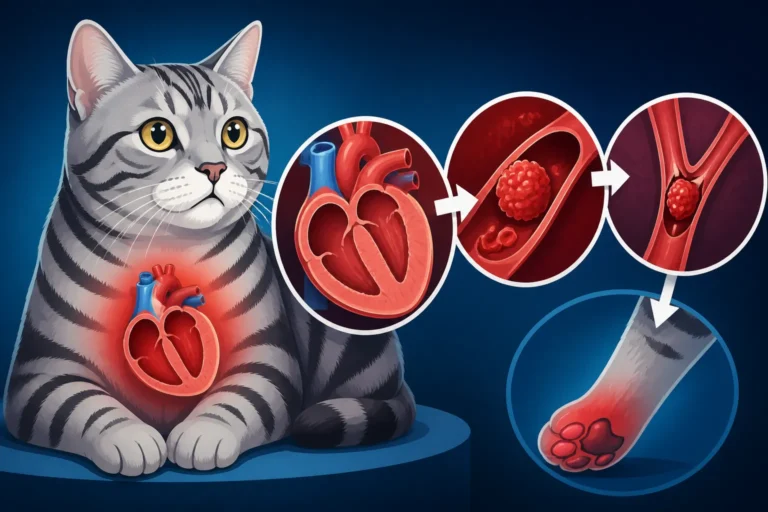
Hypertrophic Cardiomyopathy is a heart disease where the walls of the heart's main pumping chamber, the left ventricle, become abnormally thick. Imagine the muscle of your bicep getting so big and stiff that it struggles to relax properly. This thickening reduces the chamber's ability to fill with blood and pump it effectively to the rest of the body. Over time, this can lead to symptoms like lethargy, difficulty breathing, or even sudden collapse. It's a progressive disease, meaning it tends to worsen over time, and tragically, it can sometimes be the cause of sudden cardiac death in seemingly healthy cats. This is the one inherited disease the American Shorthair kept, highlighting its subtle but persistent nature.
Why HCM Survived in the American Shorthair
You might wonder how a breed so selectively bred for health could still carry an inherited heart condition. The reality is that HCM isn't exclusive to "designer" breeds; it's the most common heart disease in all domestic cats, pedigree or not. While some breeds, like Maine Coons and Ragdolls, have specific genetic mutations identified for HCM, the picture is more complex for the American Shorthair. It's not always a single, easily identifiable gene at play, and environmental factors might also have a role. Because the signs can be so subtle in its early stages, often presenting as asymptomatic for years, it can slip through the cracks even in robust breeding programs that prioritize overall health. This insidious nature allows it to persist within populations, even those with broad gene pools. The difficult truth is that even in a breed known for its health, how rare HCM is in an American Shorthair doesn't make it non-existent.
The Insidious Nature of HCM's Progression
One of the most frustrating and heartbreaking aspects of HCM is its silent progression. A cat can appear perfectly healthy, active, and happy for years while their heart silently thickens. Owners might not notice any outward signs until the disease is quite advanced, when the cat may suddenly become lethargic, start breathing rapidly, or even experience a thromboembolism (blood clot), which can paralyze their back legs. By the time these severe symptoms appear, the disease has often progressed significantly, making management more challenging and the prognosis less favorable. This is why early detection, before symptoms even begin, is so critical; it truly can be the difference between effective management and a devastating emergency.
Why a Yearly Scan is Not Overkill for a Healthy American Shorthair
Given the silent nature of HCM, relying solely on your cat's outward appearance or a routine physical exam simply isn't enough. A yearly heart scan, specifically an echocardiogram, provides an invaluable window into your American Shorthair's cardiac health, offering peace of mind or, if needed, the chance for early intervention.
The Limitations of Physical Exams Alone
During a routine veterinary visit, your vet will listen to your cat's heart. They'll be checking for murmurs – abnormal sounds caused by turbulent blood flow. While a heart murmur can be an indicator of HCM or other cardiac issues, it's not a definitive diagnosis, and crucially, not all cats with HCM have a murmur. Many cats with early-stage HCM have perfectly normal-sounding hearts. Conversely, some cats can have innocent murmurs that don't indicate any underlying heart disease. Relying solely on a stethoscope means potentially missing early-stage HCM, or causing undue worry over a benign murmur. A simple physical exam, while important for overall health, just can't peer inside the heart muscle to assess its thickness and function. This is why a gene test cannot clear an American Shorthair's heart; it only looks for known mutations, and many forms of HCM don't have an identified genetic marker.
The Age an American Shorthair's Heart Starts to Thicken
HCM can manifest at any age, but it often becomes detectable in adult cats, typically between one and five years old, though it can appear later in life as well. This wide age range means that even a young, seemingly healthy American Shorthair could be developing the condition without showing any outward signs. For breeding cats, annual screening is recommended to ensure that affected individuals are not inadvertently passing on the trait. For pet cats, starting regular scans around one year of age and continuing yearly is a proactive approach to catch the disease early, giving you the best chance to manage it effectively.
Early Detection: The Key to Management and Quality of Life
Catching HCM in its early stages, before clinical signs develop, is incredibly important. If thickening is detected, your veterinarian or a veterinary cardiologist can begin monitoring the progression and, if necessary, initiate treatments to slow the disease, improve heart function, and prevent complications like blood clots. Medications can help relax the heart muscle, improve blood flow, and manage fluid buildup if heart failure starts to occur. Early intervention can significantly extend your American Shorthair's lifespan and, more importantly, maintain their quality of life for much longer than if the disease is only diagnosed once symptoms are severe. This proactive approach saves your cat from discomfort and can spare you the stress of an emergency situation.
What Happens During an Echocardiogram (Heart Scan)
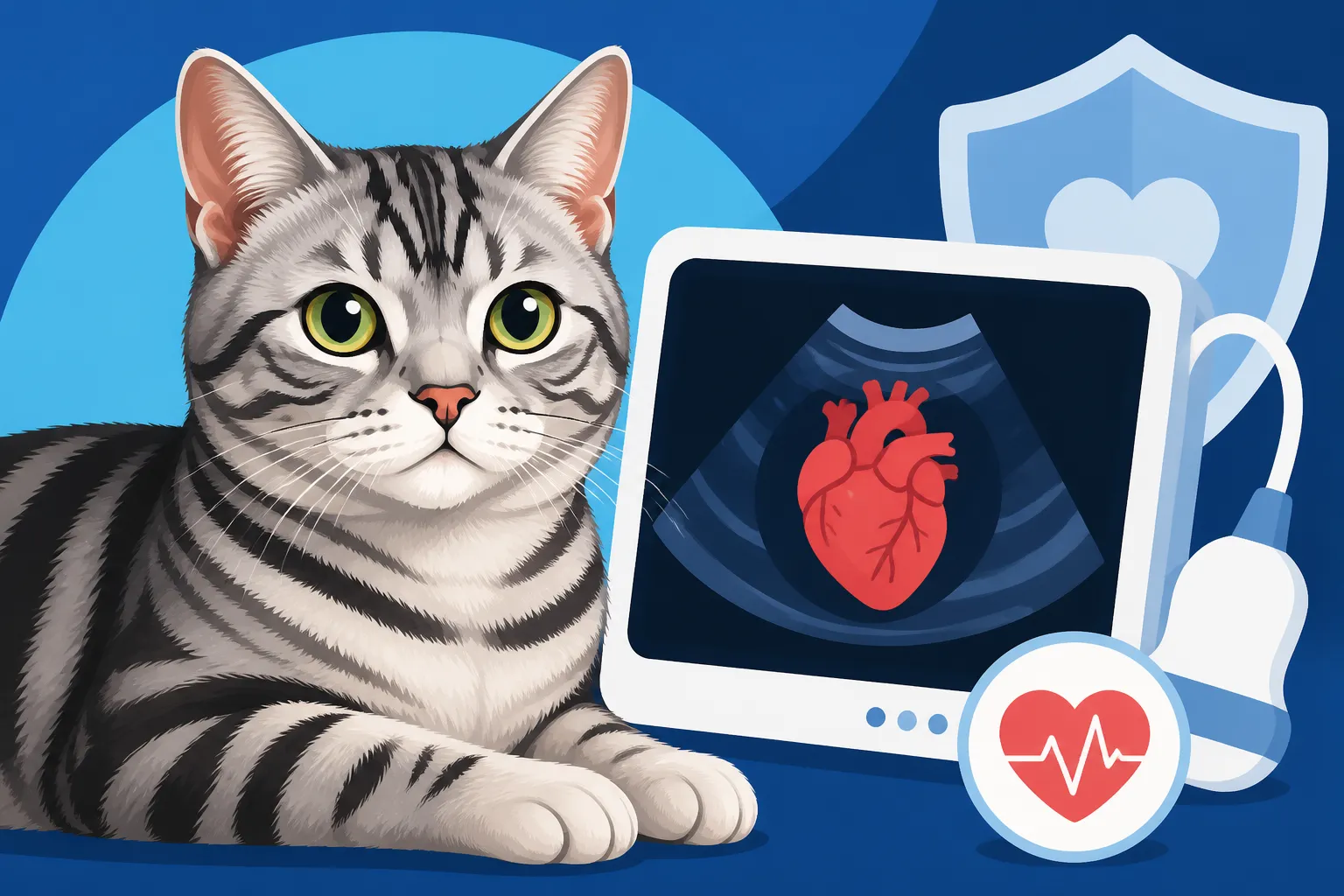
An echocardiogram is a non-invasive, painless procedure that uses ultrasound waves to create real-time images of your cat's heart. It's essentially an ultrasound for the heart, allowing veterinarians to visualize its structure, measure the thickness of the heart walls, and assess its pumping function.
Preparing Your American Shorthair for the Scan
One of the best things about an echocardiogram is that it generally doesn't require any special preparation from you or your American Shorthair. Unlike some other diagnostic tests, your cat doesn't need to be fasted or sedated for the procedure, although some particularly anxious cats might benefit from a mild sedative to help them relax. The technician or vet will usually shave a small patch of fur on your cat's chest, right where the ultrasound probe will be placed, to ensure good contact and clear images. This is usually a very small, unobtrusive spot that grows back quickly. It's often helpful to bring a favorite blanket or toy to help keep your cat comfortable during the scan, though many American Shorthairs, with their typically placid dispositions, handle the procedure remarkably well.
The Scan Process: What to Expect
During the echocardiogram, your cat will lie comfortably on a special table with a cutout, allowing the technician to access their chest. A water-soluble gel will be applied to the shaved area to help the ultrasound probe glide smoothly and ensure optimal image transmission. The technician will then gently move the probe over your cat's chest, capturing various views of the heart from different angles. You'll likely see the images on a screen, showing the heart beating in real-time. The entire process typically takes about 30 to 60 minutes, depending on the cat's cooperation and the complexity of the findings. Most American Shorthairs tolerate the procedure very well, often purring or even falling asleep during the gentle handling. You'll likely be able to stay with your cat, offering reassurance and comfort.
How a Cardiologist Reads an American Shorthair's Scan
A board-certified veterinary cardiologist is specially trained to interpret these intricate images. They meticulously measure the thickness of the ventricular walls, the size of the heart chambers, and the efficiency of the valves. They'll also assess blood flow through the heart using Doppler technology, looking for any turbulence or abnormalities. These measurements are then compared against established normal ranges for a cat of your American Shorthair's size and breed. They're looking for specific patterns of thickening and changes in function that are characteristic of HCM. The cardiologist provides a detailed report to your primary vet, outlining any findings and recommending a course of action. This expertise is crucial, as what a cardiologist charges to scan an American Shorthair isn't just for the machine time, but for the intricate interpretation of those images that forms the basis of any treatment plan.
Interpreting the Results and Next Steps
Once the echocardiogram is complete and the cardiologist has reviewed the images, you'll receive the results. This can be an anxious time, but understanding what the findings mean is crucial for your cat's future health.
What a Clear Scan Means for Your Cat (and Your Peace of Mind)
If your American Shorthair's echocardiogram comes back clear, it's wonderful news! It means that, at the time of the scan, there's no evidence of HCM or other structural heart disease. This offers immense peace of mind, knowing that your beloved companion's heart is healthy. A clear scan also provides a baseline for future comparisons. While it doesn't mean your cat will never develop HCM (as it can develop at any age), it does mean they are currently healthy in that regard. However, it's still recommended to continue with yearly scans, especially for a breeding American Shorthair, as the disease can manifest later. For pet cats, some vets might suggest scans every other year if multiple consecutive scans are clear, but yearly is generally the safest approach for vigilance.
Navigating an HCM Diagnosis
Receiving an HCM diagnosis can be daunting and heartbreaking. It's completely normal to feel a range of emotions, from fear to confusion. The good news is that an early diagnosis, detected before your cat shows symptoms, allows for proactive management. Your vet, often in consultation with a cardiologist, will develop a personalized treatment plan. This typically involves medications designed to relax the heart muscle, improve blood flow, and potentially prevent clot formation. Regular follow-up scans will be scheduled to monitor the disease's progression and adjust medication as needed. It's important to remember that while HCM is not curable, it is often manageable, and many cats can live comfortably for years after diagnosis with appropriate care. Understanding how a vet manages an American Shorthair with HCM is crucial for extending their healthy years.
The Importance of Regular Follow-Ups
Whether your American Shorthair receives a clear diagnosis or an HCM diagnosis, regular follow-ups are critical. For cats with HCM, these follow-ups involve repeat echocardiograms, blood pressure checks, and sometimes blood tests to monitor medication efficacy and potential side effects. These appointments allow your vet to track the disease's progression, make necessary adjustments to treatment, and ensure your cat remains as comfortable and healthy as possible. Even with a clear scan, ongoing yearly check-ups, including heart auscultation and considering future echocardiograms, are important, particularly as your American Shorthair ages. The lifespan of American Shorthairs is typically long, which means staying vigilant over many years, understanding how many months follow an American Shorthair's HCM diagnosis can vary widely based on early detection and diligent management.
The Financial and Emotional Investment in Heart Health
Considering the generally healthy nature of American Shorthairs, some owners might wonder if the cost and effort of yearly heart scans are truly justified. It's a valid concern, but when weighed against the potential consequences of missed diagnosis, the investment becomes clear.
Understanding the Cost of Regular Scans
The cost of an echocardiogram for a cat can vary widely depending on your location, the veterinary clinic, and whether it's performed by a general practitioner with specialized training or a board-certified veterinary cardiologist. Typically, you can expect a heart scan to range anywhere from $300 to $700 or more. While this might seem like a significant upfront cost, especially on a yearly basis, consider it an investment in preventive care. It's often far less expensive than emergency treatment for advanced heart failure or a sudden, catastrophic event like a blood clot, which can involve thousands of dollars in diagnostics, hospitalization, and intensive care. Knowing what yearly heart screening costs an American Shorthair breeder, it's clear that this level of care is a commitment that extends to pet owners as well.
The Role of Pet Insurance
This is where pet insurance can truly shine. Many pet insurance providers, like Healthy Paws, offer comprehensive plans that cover diagnostic tests, specialist consultations, and treatments for chronic conditions like HCM. If your American Shorthair develops HCM, the ongoing cost of medications, follow-up scans, and vet visits can add up quickly. Having a good pet insurance policy in place before a diagnosis occurs can significantly alleviate the financial burden, allowing you to focus on your cat's health rather than worrying about the bills. It’s worth checking with providers like Healthy Paws to understand their coverage for breed-specific conditions and routine cardiac screening. Don't assume that because your American Shorthair is generally healthy, insurance isn't worth it; it's precisely for these unexpected, potentially costly conditions that it provides a safety net. Whether insurance pays for an American Shorthair's echo often depends on the specifics of your policy, so always read the fine print.
The Peace of Mind a Healthy Heart Provides
Beyond the financial considerations, there's the invaluable emotional peace of mind that comes with knowing your cat's heart health is being proactively monitored. American Shorthairs typically live long lives, often into their mid-to-late teens, and some even longer, with "The Fifteen to Twenty Years the American Shorthair Was Given" being a testament to their longevity. Throughout those years, having regular check-ups, especially for their heart, helps ensure they remain active, comfortable, and happy. It allows you to address potential issues early, giving you more quality time with your feline companion, free from the worry of a hidden illness suddenly appearing. This proactive approach allows you to enjoy every purr, every playful pounce, and every quiet moment with confidence.
Beyond the Scan: Holistic Heart Care for Your American Shorthair
While yearly heart scans are critical for early detection of HCM, supporting your American Shorthair's overall cardiovascular health involves more than just diagnostic tests. A holistic approach to their care can help keep their heart strong and their body resilient for years to come.
Maintaining Ideal Weight and Activity Levels
One of the biggest silent threats to a cat's health, including their heart, is obesity. An overweight American Shorthair carries extra strain on their entire cardiovascular system, contributing to higher blood pressure and increased workload for the heart. Their strong, muscular build means they need consistent activity to maintain a healthy weight. Regular interactive play sessions, using wand toys, puzzle feeders, or even teaching them to retrieve, can simulate the hunting behaviors they were historically bred for and burn calories. Remember, their ancestors were active mousers, and while your cat might not be catching actual rodents, their genetic programming still demands movement. If your cat is struggling with weight, it's important to understand how to spot weight gain on a square built American Shorthair. Keeping them lean and active is one of the best gifts you can give their heart.
The Impact of Nutrition on Cardiac Health
Feeding a high-quality, balanced diet is fundamental for heart health. Look for cat foods with high-quality protein sources, moderate fat, and appropriate levels of essential nutrients like taurine, which is vital for cardiac function in cats. While commercial cat foods are typically supplemented with taurine, ensuring a diet that supports muscle mass and avoids excessive calories is key. Avoid overfeeding, especially free-feeding, as American Shorthairs, with their strong appetites stemming from their working heritage, can easily become overweight. Portion control based on their ideal weight and activity level is crucial. Consider wet food options, which provide higher moisture content and can be more satisfying, helping to manage their caloric intake and kidney health in the long run. Feeding an American Shorthair that no longer hunts its food requires a thoughtful approach.
Recognizing Subtle Signs of Trouble at Home
Even with regular vet visits and a healthy lifestyle, it's important for owners to be vigilant for subtle changes that might indicate a developing heart issue. American Shorthairs are often stoic, and they may hide discomfort or illness very well. Keep an eye out for changes like increased lethargy, reduced tolerance for exercise (e.g., stopping play sooner, not jumping as high), changes in breathing patterns (faster, more labored breathing, or open-mouthed breathing), or a decrease in appetite. Any persistent cough, unexplained weakness, or difficulty moving could also be a sign. While these symptoms can indicate various health problems, they warrant an immediate vet visit. Paying attention to what an American Shorthair shows before its heart fails can literally save their life. Always err on the side of caution; if something feels off, get it checked.
Debunking Myths About American Shorthair Health
Because American Shorthairs are so famously healthy, it's easy for misconceptions to arise, leading owners to believe they're immune to certain conditions. Addressing these myths is important to ensure proper care for your cat.
The "Bulletproof" Breed Fallacy
The idea that the American Shorthair is a "bulletproof" breed, completely impervious to health problems, is a dangerous oversimplification. While it's true they possess remarkable genetic soundness compared to many other pedigreed cats, they are not invincible. Every living creature is susceptible to disease, and American Shorthairs can and do develop common feline ailments, including dental disease, kidney issues, arthritis, and yes, heart conditions like HCM. Their robustness means they might cope better or hide symptoms longer, but it doesn't mean these issues won't occur. A responsible owner understands that "generally healthy" doesn't mean "never sick," and proactive care is always the best policy.
Why an Untested Adult American Shorthair Should Still Be Scanned
Perhaps you've adopted an adult American Shorthair with an unknown history, or maybe your cat is several years old and has never had a heart scan. The myth here might be that if they haven't shown symptoms by now, they must be fine. This couldn't be further from the truth. As mentioned, HCM can progress silently for years, and symptoms often don't appear until the disease is quite advanced. An untested adult American Shorthair should absolutely still be scanned. This is particularly true if they are entering a breeding program, but it's equally important for pet cats to establish a baseline and catch any existing conditions. Many times, what an untested American Shorthair usually dies of could have been managed or prevented with early diagnostic efforts. Don't let their age or lack of obvious symptoms deter you from seeking this vital diagnostic information.
How Many Years a Clear Scan Covers a Breeding American Shorthair
For American Shorthair breeders, the standard protocol for HCM screening is typically annual echocardiograms for all breeding cats. A "clear scan" is usually considered valid for one year. This rigorous schedule is in place because HCM can develop at any time, and annual screening helps breeders ensure they are not inadvertently breeding cats that have developed the condition since their last check, thereby minimizing the risk of passing on affected genes. For pet owners, while annual scans are ideal, some vets might suggest less frequent scans (e.g., every two years) after several consecutive clear results, especially for non-breeding cats. However, for maximum vigilance, especially as your American Shorthair enters their senior years, continuing with annual screenings provides the most comprehensive monitoring.
| Aspect of Care | Routine Annual Exam | Specialized Yearly Heart Scan (Echocardiogram) |
|---|---|---|
| Purpose | General health check, vaccinations, parasite control, basic physical assessment. | Detailed visualization of heart structure and function, specific screening for HCM. |
| Detection of HCM | Can detect murmurs (not always present with HCM), but cannot diagnose thickening. | Directly measures heart wall thickness, chamber size, and blood flow; provides definitive HCM diagnosis. |
| Non-invasive? | Yes | Yes |
| Sedation Needed? | Rarely | Rarely, but can be used for anxious cats |
| Cost | Moderate (varies by clinic) | Higher (typically $300-$700+) |
| Peace of Mind | General health reassurance | Specific heart health reassurance, vital for early HCM detection |
| Frequency | Recommended annually | Recommended annually for breeding cats and early detection in pets |
Disclaimer
This article is intended for informational purposes only and does not constitute veterinary advice. Always consult with a qualified veterinarian for any health concerns or before making any decisions about your American Shorthair's care.