How Much Simulated Hunting an American Shorthair Needs
Many American Shorthair owners find themselves scratching their heads, wondering why their seemingly placid indoor cat still acts like a wild hunter, stalking shadows or suddenly pouncing on their ankles. This isn't naughtiness; it's a deep-seated instinct yearning for an outlet. This guide will delve into just how much simulated hunting your American Shorthair truly needs to thrive, exploring why these instincts are so strong and how to fulfill them in a safe, enriching way that benefits both of you.
Understanding the American Shorthair's Innate Hunting Drive
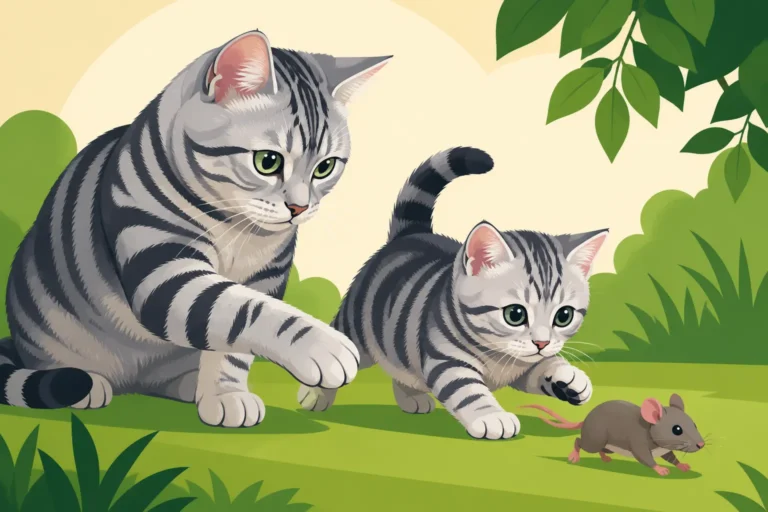
Let's be real, the American Shorthair didn't evolve to be a decorative lap cat. Their ancestors were the hardworking felines who sailed the seas and patrolled barns, keeping rodent populations in check. This history is etched into their very DNA, giving them an incredibly strong prey drive that doesn't just vanish because they're now living the cushy indoor life.
The Deep Roots of Their Prey Drive
Imagine generations of cats whose survival depended on their ability to stalk, chase, and capture prey. That's the lineage of your American Shorthair. They weren't bred for extreme features or delicate temperaments; they were bred for function. This means their bodies and minds are finely tuned for hunting. They possess powerful musculature for short bursts of speed, keen senses for detecting subtle movements, and an intelligent, strategic approach to their quarry. When we talk about The American Shorthair Still Hunts, Whether You Want It To or Not, we're talking about a fundamental aspect of their being, not a fleeting impulse. This isn't something you can train out of them; it's part of who they are, and it needs a healthy, appropriate outlet. Denying it can lead to all sorts of behavioral issues that are often misunderstood as mere naughtiness.
Why Indoor Life Doesn't Erase Instincts
It’s a common misconception that because your American Shorthair lives indoors, surrounded by soft beds and a steady food supply, their hunting instincts will simply fade away. Nothing could be further from the truth. In fact, for many indoor cats, these instincts become even more pronounced because they lack natural opportunities for expression. Think about it: an outdoor cat might spend hours tracking, pouncing, and ambushing, getting a full physical and mental workout. An indoor cat, on the other hand, might just see a dust bunny or your wiggling toes, and suddenly, that ancient programming kicks in. They don't have to hunt for survival anymore, but the urge to hunt is still there, strong and insistent. This is why understanding What an Indoor American Shorthair Does With a Mouser's Instinct is crucial for their well-being; they will find something to hunt if you don't provide it.
Recognizing the Signs Your American Shorthair Needs More "Hunting"
How do you know if your American Shorthair is getting enough mental and physical stimulation from simulated hunting? Well, they'll tell you, but not always in words we easily understand. Their behavior is the clearest indicator, and learning to read these cues can prevent a lot of frustration for both of you.
Behavioral Cues of Boredom and Frustration
An American Shorthair that isn't getting enough hunting stimulation can become a bit of a menace, or even withdraw. You might notice them becoming more destructive, perhaps scratching furniture more often than usual, or even chewing on things they shouldn't. They might start "attacking" your feet or hands more frequently, or perhaps become overly clingy and vocal, almost demanding attention in a way that feels different from their usual quiet companionship. Another common sign is lethargy; if your typically active cat seems to be sleeping more than usual and generally disinterested in their surroundings, it could be a sign of boredom. They might pace restlessly or gaze longingly out windows, even if they're not an outdoor cat, simply because they're seeking something to engage with. How Strong an American Shorthair's Hunting Drive Is directly impacts how dramatically these signs will manifest.
Misdirected Energy and Unwanted Behaviors
When that powerful hunting energy has nowhere to go, it doesn't just disappear; it gets redirected, often in ways that are unwelcome in a human home. This can manifest as stalking other pets or even children, not out of malice, but because they're looking for an appropriate "prey" to engage with. You might find them knocking items off shelves – sometimes it's accidental, but often it's a deliberate act of seeking interaction or creating a "prey" object to chase. Why an American Shorthair Brings You Things is often linked to this, as they might bring you their toys, trying to initiate a game of hunt. Aggression towards other cats in the household, or even occasional nips at your hands during petting, can sometimes stem from pent-up hunting frustration. These aren't signs of a "bad" cat, but rather a cat whose primal needs aren't being met.
Designing an Effective Simulated Hunting Routine
Okay, so your American Shorthair needs to hunt. But how do you recreate the thrill of the chase, the capture, and the "kill" in your living room without live prey? It's all about thoughtful, consistent, and engaging play.
Incorporating Variety and Unpredictability
Cats are incredibly intelligent, and they learn quickly. If your play routine is too predictable, they'll lose interest fast. Imagine a wild cat hunting the same mouse in the same spot every day – that mouse wouldn't last long, and the cat wouldn't be challenged. The key is to make each play session a new adventure. Vary the toys you use, change up the "prey's" movements, and alter the environment. Use different rooms, hide toys behind furniture, or drape a blanket over a chair to create a new "bush" for your "prey" to hide behind. Don't always lead the toy in the same pattern; sometimes it should dart quickly, other times it should slowly creep. This keeps your American Shorthair guessing and fully engaged, tapping into their natural problem-solving skills that would be used in a real hunt.
The Right Tools for the Job
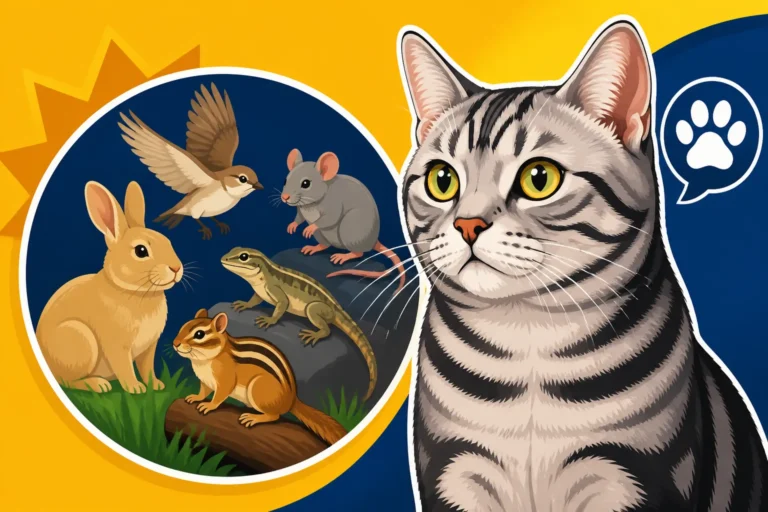
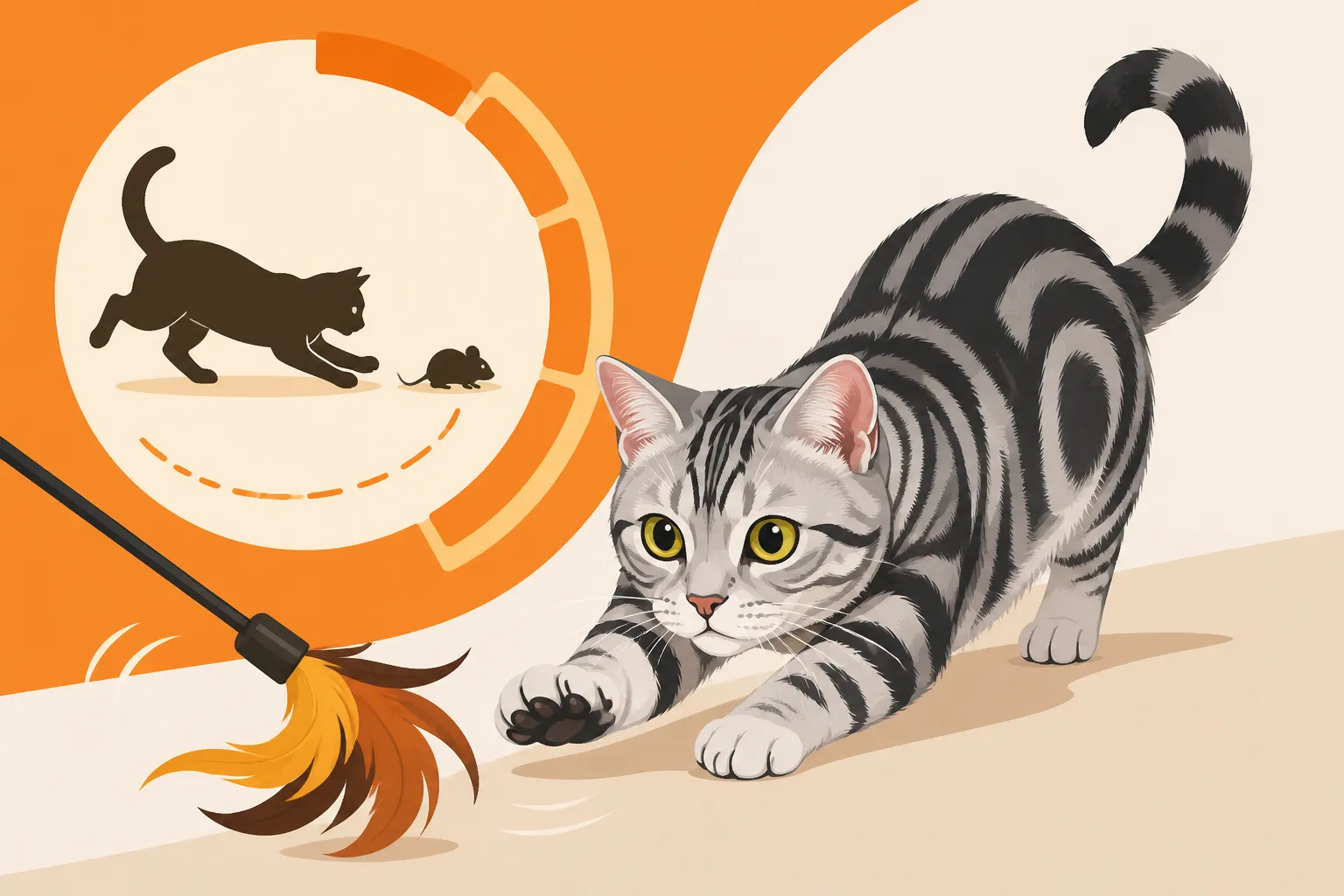
Not all toys are created equal when it comes to simulating a hunt. Skip the laser pointer for now – we'll talk about why in a bit – and focus on toys that mimic actual prey. Wand toys with feathers, soft lures, or even crinkly plastic attachments are excellent. The long stick allows you to create realistic movements, making the "prey" dart, hide, and pounce in ways that are incredibly satisfying for your cat. Think about what a mouse or a bird would do, and try to replicate those movements. Small, soft "kicker" toys or catnip-filled mice are great for the "kill" phase, allowing them to grab, bite, and bunny-kick to their heart's content. You can find a fantastic selection of these on platforms like Amazon, offering a wide array of textures and shapes to keep things fresh. Interactive puzzle feeders, which require your cat to "work" for their food, are also brilliant for engaging their minds and instincts. Which Wand Toy Reads as Prey to an American Shorthair will give you some great ideas for getting started.
Recommended Hunting Toy Types
| Toy Type | Description | Best for | Notes |
|---|---|---|---|
| Wand Toys | Long stick with string/wire and various lures (feathers, soft toys) | Stalking, chasing, pouncing, simulating movement | Allows human control for realistic "prey" behavior. |
| Kicker Toys | Soft, elongated toys often filled with catnip | "Kill" phase, bunny-kicking, biting | Provides a satisfying, safe object for intense "capture" play. |
| Puzzle Feeders | Dispenses food only when manipulated or solved | Mental stimulation, "earning" food, slow eating | Mimics foraging, prevents boredom, good for all ages. |
| Crinkle Balls | Lightweight balls that make noise when moved | Chasing, batting, sound stimulation | The sound mimics rustling, adding an extra layer of engagement. |
| Automated Toys | Battery-operated toys that move unpredictably (e.g., mice, lasers*) | Independent play, sudden movements | Good for when you're busy, but ensure "catch" options are available. |
Note on lasers: While they can get a cat moving, they don't allow for a physical "catch," which can lead to frustration. More on this later!
Scheduling the "Hunts" for Optimal Engagement
Consistency is key, but so is understanding your cat's natural rhythms. American Shorthairs, like most cats, are crepuscular, meaning they are most active at dawn and dusk. These are ideal times for intense play sessions. Aim for at least two dedicated play sessions a day, each lasting about 10-15 minutes. It's better to have several shorter, high-intensity sessions than one long, desultory one. Think quality over quantity. If you can fit in a midday session, even better. The goal is to mimic the natural hunting patterns, where a cat might have several brief but focused hunts throughout their active periods. Try to schedule these sessions before mealtimes. This simulates earning their food through a successful hunt, making their meal even more satisfying and reinforcing natural behaviors. Don't underestimate the benefit of establishing a routine; cats thrive on predictability. For more specific guidance, consider How Many Hunts a Day an Indoor American Shorthair Needs.
The Importance of the "Catch" and "Kill" Sequence
This is perhaps the most critical, yet often overlooked, aspect of simulated hunting. A real hunt doesn't end with the chase; it ends with the capture and consumption of prey. Failing to provide this resolution can leave your American Shorthair feeling deeply frustrated.
Why Resolution Matters for Satisfaction
Imagine chasing something exhilaratingly, putting all your energy and focus into it, only for it to disappear into thin air every single time. That's what a laser pointer often does to a cat, and Why a Laser Frustrates an American Shorthair That Needs the Catch highlights this perfectly. For your American Shorthair to feel truly satisfied and fulfilled by their play, they need to complete the entire hunting sequence: stalk, chase, pounce, and catch. The "catch" provides a physical, tangible reward, and the subsequent "kill" (the vigorous biting and bunny-kicking of a soft toy) allows them to release all that pent-up energy and predatory instinct. Without this resolution, the hunting drive remains unfulfilled, leading to frustration and potential behavioral problems. Always let them "win" by catching the toy at the end of each session.
Preventing "Frustration-Induced Aggression"
When an American Shorthair is repeatedly denied the satisfaction of a catch, that unresolved hunting energy can boil over into what's sometimes called "frustration-induced aggression." This isn't your cat being mean; it's their primal brain struggling with unreleased tension. This can manifest as swatting at your legs as you walk by, ambushing your hands during petting, or even becoming irritable with other pets. They might try to substitute their human companions for "prey" if they can't get that crucial "catch" from their toys. To prevent this, always ensure your play sessions end with a definitive capture. Allow them a minute or two to "kill" their toy before gently putting it away. This full completion of the hunting cycle is vital for their mental well-being and helps reinforce positive associations with play, reducing the likelihood of them redirecting their hunting urges onto inappropriate targets. This is why Play That Finishes the Hunting Sequence for an American Shorthair is so important.
Adapting Hunting Play to Different Life Stages
An American Shorthair's need for simulated hunting doesn't diminish with age, but the way you provide it needs to evolve. What works for a boisterous kitten might be too much for a senior cat, and vice versa.
Kittenhood: Developing Hunting Skills
American Shorthair kittens are little bundles of energy, naturally curious and eager to explore their hunting prowess. This is the prime time to introduce them to a variety of safe, engaging toys and play styles. Their play is how they learn crucial motor skills, coordination, and predatory tactics. Use wand toys to teach them stalking, pouncing, and batting. Encourage them to chase, but also to observe and strategize. These early experiences will shape their adult hunting behaviors. Keep sessions frequent but short, matching their attention span. Offer a mix of toys they can bat around themselves and interactive play with you. Remember, even at this young age, they need that satisfying "catch." Whether an American Shorthair Kitten Needs an Early Vet Check is a good time to discuss play with your vet too, ensuring your little hunter is developing correctly.
Adult Cats: Maintaining Fitness and Mental Sharpness
For adult American Shorthairs, simulated hunting becomes about maintaining their physical fitness, preventing boredom, and keeping their minds sharp. These cats can be quite robust – remember What an American Shorthair Weighs can be substantial – so they need play that challenges their strength and agility. Continue with daily interactive wand play, ensuring the "prey" moves in unpredictable ways to keep them engaged. Introduce new toys regularly to prevent boredom. Puzzle feeders are excellent for adult cats, providing mental stimulation and slowing down meal times. Consider rotating toys to keep them novel and exciting. For those moments when you're busy, interactive automated toys can be a good supplement, though they shouldn't replace human-led play entirely.
Senior Shorthairs: Gentler, Thoughtful Engagement
As your American Shorthair ages, their energy levels and physical capabilities will naturally change. They might not be able to leap as high or chase as vigorously as they once did, but their hunting instinct remains. For senior cats, the focus shifts to gentler, more thoughtful engagement. Instead of high-impact jumps, encourage slow stalks and pounces on toys moved closer to the ground. Use softer, lighter toys. Puzzle feeders are still fantastic, as they engage their minds without requiring intense physical exertion. You might find that your senior cat prefers to observe and track the "prey" before a slow, deliberate pounce. The key is to keep them moving and mentally active, adapting the play to their comfort level. A little gentle play each day can help maintain muscle tone and cognitive function, enriching their golden years.
Beyond Play: Other Enrichment for a Hunting Breed
While simulated hunting play is absolutely paramount for an American Shorthair, it's not the only thing that contributes to their well-being. A well-rounded environment will also fulfill their natural instincts.
Environmental Enrichment and Vertical Space
Remember, American Shorthairs are territorial and active. Their environment should reflect this. Providing ample vertical space is incredibly important. Cat trees, shelves, and window perches allow them to survey their "territory" from a height, a natural instinct for a predator that also enjoys a safe vantage point. These elevated spots also offer opportunities for climbing and stretching, which are beneficial for their strong, muscular bodies. Consider where a cat would naturally climb and rest. A sturdy cat tree can become a prime hunting lookout, a place to stalk imaginary prey or simply observe the household from above. How Much Vertical Space an American Shorthair Needs is often more than owners realize, as they love to explore and claim high ground.
Mental Stimulation Beyond the Hunt
Beyond the physical act of hunting, these intelligent cats also crave mental stimulation. This can come in many forms. Window watching, especially if there's a bird feeder outside, provides hours of "armchair hunting." You might think this is passive, but for a cat, it's intense observation, tracking, and mental engagement. Sensory toys, like crinkly balls, textured mats, or even a cardboard box to explore, can tap into their curiosity. Rotate these items to keep them new and exciting. Consider planting cat grass for them to nibble on, engaging their sense of taste and touch. Even simple things like leaving a crumpled paper ball for them to discover can provide a moment of engagement. The goal is to keep their world interesting and dynamic, offering them varied opportunities to use their sharp senses and clever minds, preventing the boredom that can lead to destructive behaviors.
Disclaimer
This article is for general informational purposes only and does not constitute professional advice. Laws, prices and regulations vary by location and change over time. Consult a qualified professional for guidance on your specific situation.