Why Pay for an American Shorthair That Looks Like a Shelter Cat
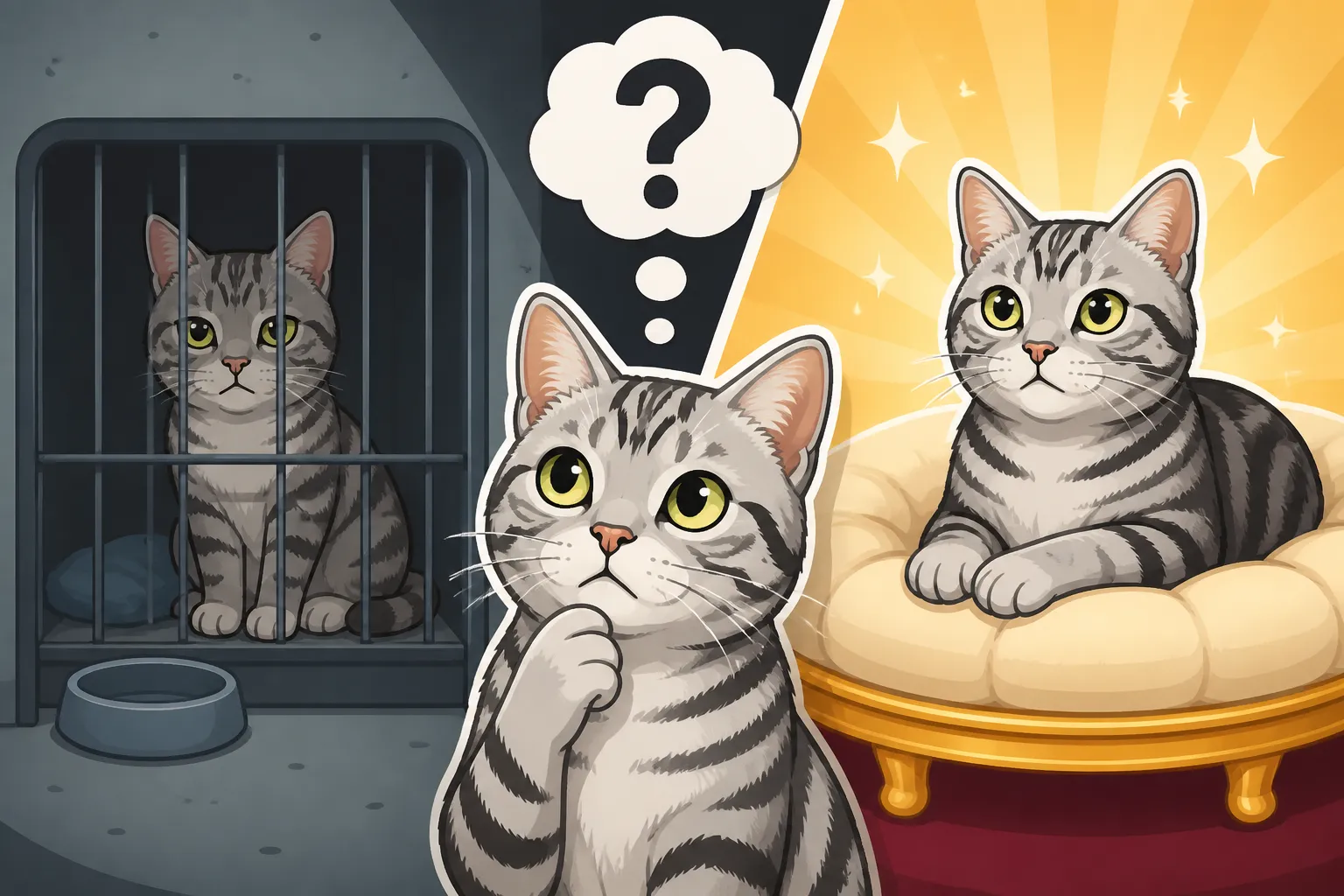
It’s a fair question, and one I hear all the time: "Why would I pay good money for an American Shorthair when I can find a perfectly lovely tabby at the local shelter that looks exactly the same?" This thought isn't just common; it's completely understandable. On the surface, many American Shorthairs do bear a striking resemblance to the everyday domestic shorthair cat, especially the beloved tabby. But beneath that familiar pattern lies a world of difference in lineage, predictability, health assurances, and temperament. This guide will walk you through precisely what that investment truly buys you, helping you understand the distinction and decide if a pedigree American Shorthair is the right fit for your home and heart.
The Core Difference: Pedigree vs. Appearance
The most significant point of confusion often boils down to appearance. Many people equate a cat with a tabby pattern and a sturdy build to an American Shorthair, and while there’s a visual overlap, the underlying genetic and historical foundations are vastly different. When you’re looking at a pedigree American Shorthair, you’re not just seeing a cat that looks like a tabby; you’re seeing a cat that is a specific breed, with generations of documented ancestry and a carefully maintained breed standard.
Beyond the Striped Coat: What Defines a Pedigree American Shorthair
Let's talk about what truly sets an American Shorthair apart from its non-pedigree counterparts. It's not just the stripes, though the classic tabby pattern is indeed iconic for the breed. A pedigree American Shorthair is defined by a breed standard – a detailed blueprint established by feline registries like the Cat Fanciers' Association (CFA) or The International Cat Association (TICA). This standard outlines everything from the shape of the head and the placement of the ears to the musculature, coat texture, and even the personality traits. Breeders work diligently to produce cats that consistently meet these specific criteria across generations.
This focus on a consistent standard means that when you acquire a registered American Shorthair, you're buying into a certain level of predictability. You can expect a certain size, a specific body type – that strong, square build that made them such efficient working cats – and a particular coat quality, often described as hard and dense, built for protection rather than softness. This isn't something you can guarantee with a domestic shorthair, no matter how handsome or charming they may be. The genetic blueprint is intentionally narrow, aimed at reproducing specific, desirable traits.
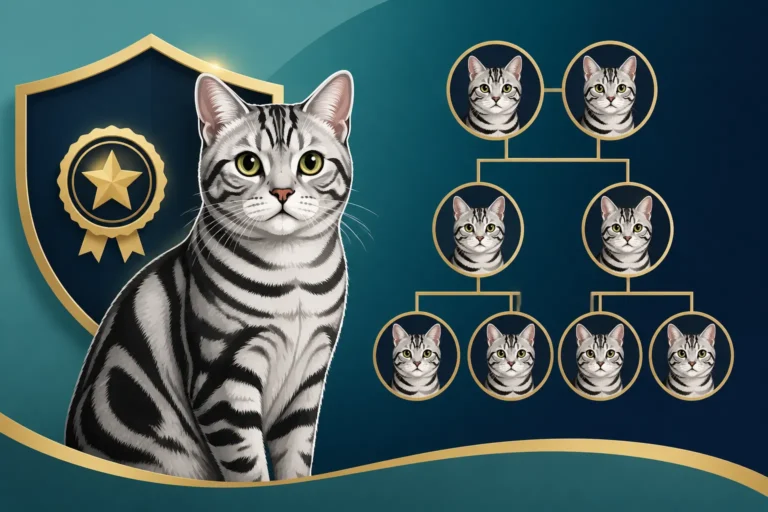
Furthermore, a pedigree comes with a documented family tree, often going back many generations. This lineage isn't just for show; it's a critical tool for ethical breeders. It allows them to track health issues, genetic diversity, and temperament trends within their lines. This rigorous record-keeping helps to avoid inbreeding and ensure the continued health and vigor of the breed. Understanding What an American Shorthair Pedigree Buys That a Free Tabby Does Not truly highlights this distinction.
The Allure of the Familiar: Why Many American Shorthairs Resemble Tabbies
It’s true, the vast majority of American Shorthairs are seen in various tabby patterns, with the silver classic tabby being perhaps the most famous and recognizable. This isn't a coincidence; it's deeply rooted in the breed's history. The ancestors of today's American Shorthairs were the common working cats of North America, brought over by European settlers to control rodent populations. These cats were chosen for their robust health, hunting prowess, and adaptable nature, not for fancy colors or extreme features. Many of them were, naturally, tabbies, as tabby is a common and dominant coat pattern in the general cat population.
Over centuries, these working cats thrived and evolved into the distinct type we recognize today. When breeders began to formalize the breed in the early 20th century, they selected individuals that embodied these practical qualities and familiar appearances. The result was a breed that intentionally preserved the look and working abilities of these "everyday" cats. So, while your charming domestic shorthair tabby from the shelter might share a similar appearance, their genetic background is usually a diverse mix, whereas the American Shorthair's lineage has been purposefully curated for specific traits within that familiar aesthetic.
This historical context is why the American Shorthair so often looks like a cat you might find anywhere. They represent the "original" North American cat, before extensive selective breeding for more exotic looks took hold. It’s a testament to their utilitarian origins that their appearance has largely remained true to their working-class roots. However, it's also why it's vital to know How to Tell a Pedigree American Shorthair From a Domestic Shorthair because outward appearances can be wonderfully deceptive.
The Investment in Health: What You're Really Paying For
One of the most compelling arguments for investing in a pedigree American Shorthair is the emphasis on health. While no living creature comes with a lifetime guarantee, responsible breeding significantly stacks the odds in your favor, reducing the likelihood of certain costly and heartbreaking health issues down the line. This proactive approach to health is a cornerstone of ethical breeding and a major differentiator from a cat with an unknown background.
Health Screening and Genetic Peace of Mind
A reputable American Shorthair breeder doesn't just breed two cats together; they make informed decisions based on extensive health screening. This often includes screening for specific genetic conditions that, while rare, can appear in the breed. The most notable of these is Hypertrophic Cardiomyopathy (HCM), a common form of heart disease in cats. While the American Shorthair is generally very healthy, HCM Is the One Inherited Disease the American Shorthair Kept from its wider gene pool. Ethical breeders will have their breeding cats undergo regular echocardiograms (heart scans) performed by a board-certified veterinary cardiologist to check for any signs of the condition before breeding.
Beyond HCM, some breeders might also screen for hip dysplasia, a condition more commonly associated with dogs but sometimes seen in larger, stockier cat breeds. While less prevalent in American Shorthairs than some other pedigrees, responsible breeders take every precaution. What you're paying for here is the breeder's dedication to minimizing the risk of these conditions being passed on to kittens. This means expensive veterinary consultations, specialized diagnostic tests, and often, removing otherwise lovely cats from their breeding program if they show even early signs of a genetic issue. This is a significant investment of time, money, and emotional commitment on the breeder's part, and it's reflected in the purchase price of a kitten.
Contrast this with a shelter cat, whose health history is often a complete mystery. You might adopt a cat only to discover a few years later that they have a costly, chronic condition that could have been identified or prevented with careful breeding practices. While many shelter cats are perfectly healthy, there's a higher degree of uncertainty. With a pedigree American Shorthair, you receive health certificates for the parents, and often a health guarantee for your kitten, giving you a level of genetic peace of mind that is simply unavailable otherwise. This is why How Rare HCM Is in an American Shorthair due to diligent breeder screening.
The Lifespan Advantage: Longevity and Predictability
The American Shorthair is celebrated for its robust health and impressive longevity. These are sturdy, well-built cats designed for function, not exaggerated features that can compromise health. This breed typically enjoys a long, healthy life, often reaching The Fifteen to Twenty Years the American Shorthair Was Given, sometimes even longer, with proper care. This extended lifespan isn't just a happy accident; it's a direct result of their natural origins and the breed's commitment to maintaining a broad gene pool and avoiding extreme traits.
The predictability that comes with knowing your cat's genetic background can translate into fewer unexpected and expensive veterinary emergencies throughout their life. While routine vet care, vaccinations, and dental cleanings are a given for any cat, the likelihood of dealing with severe congenital or inherited diseases is significantly reduced with a responsibly bred American Shorthair. This doesn't mean you'll never face a health issue, but it means you're less likely to encounter certain breed-specific genetic predispositions that could lead to chronic illness and substantial medical bills.
Think of it as long-term planning for your pet's well-being. The initial investment in a healthy pedigree kitten can, in some cases, mitigate future financial strain from treating complex conditions. It's about reducing the element of surprise and being better prepared for the common ailments of aging, rather than the unforeseen genetic predispositions. This can make Why an American Shorthair Costs a Vet Less Than a Persian over its lifetime, as Persians are known for a higher incidence of breed-specific health issues.
Temperament and Consistency: A Predictable Companion
Beyond health, one of the most compelling reasons to choose a pedigree American Shorthair is the remarkable consistency in their temperament. If you've ever adopted a shelter cat, you know that while they can be wonderfully surprising, their personality can also be a bit of a lottery. With a well-bred American Shorthair, you’re making a much more educated guess about the kind of companion you’re bringing into your home.
The Calm, Even-Keeled American Shorthair Disposition
The American Shorthair is renowned for its placid, adaptable, and affectionate nature. They are often described as easygoing, good-natured cats that make wonderful family pets. They aren't typically "lap cats" in the demanding sense, but they love to be near their people, often choosing a spot on the sofa next to you rather than directly on your lap. They are generally quiet, intelligent, and possess a gentle curiosity about their surroundings. This consistent personality has been cultivated over generations of selective breeding, where breeders not only focused on physical traits but also on maintaining these desirable behavioral characteristics.
This predictability is incredibly valuable, especially for families who want to know what they're getting into. If you're looking for a cat that is generally unflappable, tolerant, and not prone to extreme anxiety or aggression, an American Shorthair bred to standard is an excellent choice. They are known to be independent enough not to demand constant attention, yet always appreciative of affection when it's offered. Truly, An American Shorthair Asks You for Almost Nothing, making them a low-maintenance companion in terms of emotional demands.
They rarely display the skittishness or hyperactivity sometimes seen in other breeds or mixed-breed cats. Their calm demeanor means they integrate smoothly into a household without causing undue disruption. This inherent "chill" factor is a significant part of their appeal and a key aspect of what you're paying for: a proven track record of a harmonious disposition that brings joy without excessive drama. Their steady nature is a testament to their heritage as working cats who needed to be alert but not neurotic.
Integrating into Diverse Households: Kids, Other Pets, and Noise
One of the American Shorthair's standout qualities is its remarkable adaptability, making them an ideal choice for a variety of household environments. They tend to cope exceptionally well with the hustle and bustle of family life, including the presence of children and other pets. This isn't something you can easily predict with a domestic shorthair, where temperament can vary wildly depending on their unique mix of genetics and early life experiences. An American Shorthair is often bred with this household compatibility in mind, selecting parents who demonstrate patience and tolerance. They are the kind of cat that understands how to retreat gracefully if a toddler gets too enthusiastic, rather than resorting to aggression.
Their history as barn cats and ship cats meant they often coexisted with various animals and were exposed to constant activity and noise. This heritage has instilled in them a natural resilience. An American Shorthair With Children, Dogs and Noise is typically a calm presence, not easily startled by loud noises, sudden movements, or the playful antics of other animals. They often form bonds with dogs and other cats, provided introductions are handled properly, and they enjoy observing family life from a comfortable vantage point. They become a beloved, stable fixture in the home, rather than a hidden, anxious presence.
This makes them an excellent choice for first-time cat owners or families with young children who might be worried about introducing a new pet. You're investing in a cat that has a strong likelihood of being a stable, friendly, and non-reactive member of your family, integrating seamlessly into the existing dynamic. It's this reliable, easygoing nature that truly defines the breed and explains Why an American Shorthair Fits Any Household.
The Breeder's Role: Expertise, Ethics, and Support
The breeder-purchaser relationship is a crucial aspect of acquiring a pedigree American Shorthair, and it's a layer of value that you simply don't get when adopting from a shelter or taking in a stray. A responsible breeder is more than just a seller of kittens; they are a mentor, a resource, and a custodian of the breed.
Selecting a Reputable American Shorthair Breeder
Choosing an American Shorthair means engaging with a breeder, and this is where a significant portion of your "payment" goes. A reputable breeder pours countless hours, resources, and emotional energy into their breeding program. This isn't a hobby for them; it's a passion and a commitment. They meticulously research pedigrees, select breeding pairs based on health, temperament, and adherence to the breed standard, and provide optimal care for their queens and kittens. This involves proper nutrition, regular veterinary check-ups for the parents and the growing litter, and extensive socialization for the kittens.
When you find a good breeder, they will be transparent about their practices. They should happily provide you with health certificates for both parents, including recent HCM screening results, and be able to explain their breeding philosophy. They will ask you as many questions as you ask them, ensuring their kittens are going to loving, appropriate homes. They'll have a clear contract outlining health guarantees, spay/neuter agreements, and their policy on taking a cat back if circumstances change. This level of ethical practice ensures that you are receiving a healthy, well-adjusted kitten, and it's a service that comes at a cost, reflecting the expertise and integrity involved. This comprehensive approach is key to knowing How to Find an American Shorthair Breeder Worth Paying For.
The price of a pedigree American Shorthair kitten directly supports these responsible breeding practices. It covers the costs of high-quality food, veterinary care, health screenings, registration fees, showing expenses (if the breeder exhibits their cats), and the significant time commitment involved in raising a healthy, well-socialized litter. Without this financial support, ethical breeding programs would simply not be sustainable, and the qualities that make the American Shorthair such a cherished breed would diminish.
Ongoing Support and Community
One of the often-underestimated benefits of purchasing from a reputable American Shorthair breeder is the access to ongoing support and expertise. A good breeder doesn't just hand you a kitten and disappear; they become a lifelong resource. Have questions about diet, behavior, or health concerns as your kitten grows? Your breeder is usually just a phone call or email away, ready to offer advice and guidance based on their years of experience with the breed. This personal connection and support network can be invaluable, especially for first-time cat owners or those new to pedigree breeds.
Furthermore, being part of the pedigree American Shorthair community means connecting with other enthusiasts, breeders, and owners. There are breed clubs, online forums, and social media groups dedicated to the American Shorthair where you can share experiences, ask questions, and learn more about your cat. This sense of community fosters responsible ownership and provides a wealth of collective knowledge, ensuring that you and your cat have access to the best possible resources and advice throughout their life. This is a support system that simply doesn't exist to the same degree for a generic domestic shorthair, no matter how much you love them.
It's about having an established network of people who understand the specific nuances of the breed. If an issue arises, whether behavioral or health-related, you have a direct line to someone who knows the lineage, the common traits, and the best approaches. This isn't just about problem-solving; it's about enriching your experience as an American Shorthair owner and ensuring your cat thrives.
The Financial Landscape: Understanding the Costs Beyond Purchase
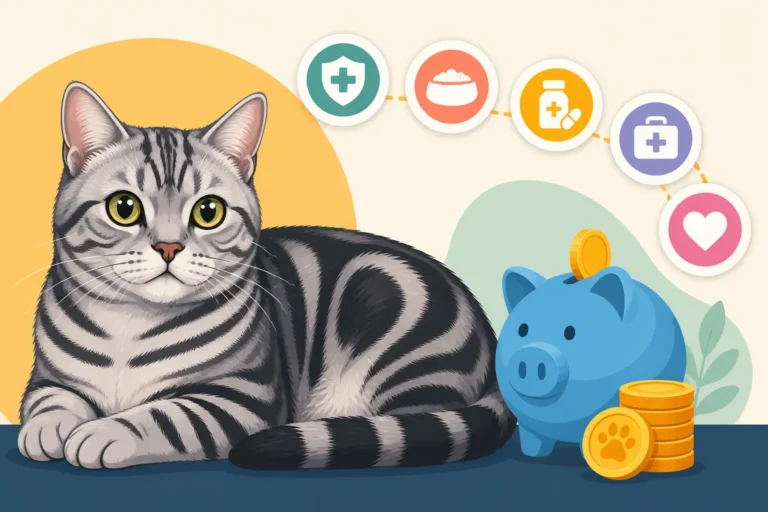
When considering the cost of an American Shorthair, it’s crucial to look beyond the initial purchase price. The total financial commitment encompasses a wide range of expenses throughout the cat's lifetime, and understanding these can help you appreciate the value proposition of a pedigree. While the upfront cost is higher, the long-term financial picture can sometimes offer different insights.
Initial Costs: Purchase Price, Vet Checks, and Supplies
Let's break down the initial outlay. The purchase price of a pedigree American Shorthair kitten will vary significantly based on factors like the breeder's reputation, the kitten's pedigree (whether it's pet quality or show quality), and geographic location. This fee, as discussed, covers the breeder's extensive investment in health screenings, excellent care, and socialization. When you compare this to an adoption fee at a shelter, which can be considerably lower, the difference is stark. However, shelter fees often include initial vaccinations, spay/neuter surgery, and microchipping, which are costs you will still need to cover if your breeder doesn't provide them.
Beyond the kitten's price, you'll have immediate expenses to set up your home. This includes essentials like food and water bowls, a litter box (or several, ideally large enough for a sturdy American Shorthair), appropriate litter, a carrier for vet visits, scratching posts, and a variety of toys to fulfill their hunting instincts. While you might pick up some basic items at your local pet store, shopping online at retailers like Chewy can often provide a wider selection and competitive pricing for these initial supplies. Don't forget the first vet check-up after bringing your kitten home, even if they've been vetted by the breeder, just to establish care with your chosen veterinarian.
The grand total for these initial costs can quickly add up, easily reaching into the hundreds, if not thousands, of dollars. It's a significant investment, but it lays the foundation for a healthy, happy life for your new companion. Being prepared for these expenses upfront prevents financial surprises and ensures your kitten has everything they need to thrive in their new environment.
Long-Term Expenses: Food, Insurance, and Healthcare
The costs don't stop after you bring your American Shorthair home. Over their typical 15-20 year lifespan, ongoing expenses will form the bulk of your financial commitment. High-quality nutrition is paramount for a muscular, active breed like the American Shorthair. While they don't necessarily need exotic diets, a balanced, protein-rich food is essential. Fresh, human-grade diets can be an excellent option for owners looking for premium nutrition, though they naturally come at a higher price point than conventional kibble.
Veterinary care is another major long-term expense. This includes annual check-ups, vaccinations, parasite prevention (flea, tick, and worming treatments), and dental care. Unexpected illnesses or injuries can lead to significant bills, which is where pet insurance comes into play. Companies like Healthy Paws offer comprehensive coverage that can help mitigate the financial impact of emergencies or chronic conditions. While Whether Insurers Price the American Shorthair Low is often true due to their general health, having a policy provides critical financial security.
Here's a simplified breakdown of typical annual expenses for an American Shorthair, keeping in mind that these are estimates and can fluctuate widely based on location, brand choices, and individual cat needs:
| Expense Category | Description | Estimated Annual Cost |
|---|---|---|
| Food & Treats | High-quality wet and/or dry food, including specialized diets if needed. Treats for training and enrichment. | Varies by brand/diet |
| Vet Visits | Annual check-ups, vaccinations, parasite prevention (flea, tick, worming). More frequent visits for senior cats or those with health conditions. How Regularly a Healthy American Shorthair Still Needs Checking is important to maintain. | Varies by clinic |
| Litter & Supplies | Cat litter (clumping, non-clumping, eco-friendly), litter box liners, scoop. Also includes replacement toys, scratching post refills, brushes, and occasional catnip. (Chewy offers good deals on bulk supplies.) | Varies by product |
| Pet Insurance | Monthly premiums for accident and illness coverage. (Providers like Healthy Paws are popular for comprehensive plans). This can be a wise investment for a long-lived breed. | Varies by plan |
| Grooming | While American Shorthairs are low-maintenance, occasional nail trims, and brushes are needed. Professional grooming is rarely required for their short, dense coats. | Minimal |
| Miscellaneous/Emerg | Unexpected vet visits, emergency care, boarding fees if you travel, pet sitters, or replacement items. It's always wise to have an emergency fund. | Variable |
These figures highlight that the purchase price, while significant, is just the beginning. Responsible pet ownership is a long-term financial commitment, and it's essential to budget for these ongoing expenses to ensure your American Shorthair lives a comfortable and healthy life.
Value Proposition: Is the American Shorthair Worth the Price Tag?
So, after all this, the question remains: is paying for an American Shorthair truly worth it, especially when there are so many cats in shelters needing homes? The answer, like most things in life, isn't a simple yes or no. It depends on your priorities, your lifestyle, and what you seek in a feline companion. For many, the unique benefits offered by a pedigree American Shorthair justify the investment.
The Intangible Benefits of Predictability and Preparation
The peace of mind that comes with a responsibly bred American Shorthair is an intangible but incredibly valuable benefit. You're not just buying a cat; you're buying a degree of predictability in health and temperament that is hard to replicate. Knowing that your kitten comes from a lineage of cats screened for genetic diseases means you're less likely to face unexpected, heartbreaking, and expensive health crises related to inherited conditions. While an individual cat can always face unforeseen issues, the odds are significantly reduced when proper screening and ethical breeding practices are in place.
Furthermore, the consistency in temperament means you can have a reasonable expectation of your cat's personality, how they'll interact with children, other pets, and changes in the household. This allows for better preparation and integration into your family, leading to a more harmonious home environment. You can anticipate their needs and behaviors, fostering a stronger bond built on understanding. This predictability reduces stress for both the cat and the owner, contributing to a more satisfying long-term relationship. It's an investment in a smoother, more prepared journey with your pet.
Ultimately, the value lies in the reduced risk, the increased knowledge, and the support system that comes with a pedigree. For those who want to minimize surprises and maximize the chances of a healthy, well-adjusted pet that fits seamlessly into their life, the American Shorthair's pedigree provides a strong case for its worth. It’s about choosing a companion where a significant amount of groundwork has already been laid to ensure a positive experience.
When a Shelter Cat is Still the Right Choice
It's important to acknowledge that a pedigree American Shorthair isn't for everyone, and for many, adopting a cat from a shelter or rescue organization is absolutely the right choice, and a profoundly rewarding one. Shelter cats, often domestic shorthairs, are wonderful companions who desperately need loving homes. Many are healthy, have fantastic personalities, and offer just as much love and joy as any pedigree cat. The adoption fee is often lower, and it goes directly towards supporting the shelter's crucial work, which is a powerful ethical consideration for many.
If your primary goal is to provide a home to a cat in need, or if you're not particularly concerned with specific breed traits, a shelter cat can be an incredible addition to your family. While their background might be unknown, their capacity for affection and companionship is boundless. You might even find a domestic shorthair at a shelter that happens to look remarkably like an American Shorthair, and perhaps even share some of their resilient temperament, purely by chance. The emotional reward of giving a second chance to a deserving animal is immeasurable.
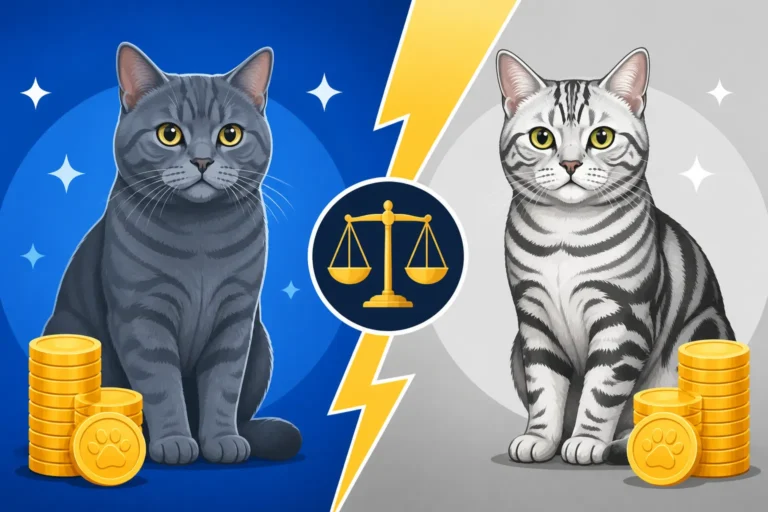
The choice between a pedigree American Shorthair and a shelter cat ultimately comes down to personal priorities, budget, and what you value most in a pet. Both options offer the opportunity for deep companionship. The American Shorthair offers a pathway of predictability and specific traits, backed by generations of careful breeding, while a shelter cat offers the joy of rescue and the delightful surprise of an individual personality revealing itself over time.
Beyond the "Looks Like a Shelter Cat" Misconception
To truly understand why a pedigree American Shorthair commands a price, we need to delve a bit deeper into their historical context and what makes their "common" appearance so significant within the world of cat breeding. Their appearance isn't a defect or a lack of distinction; it's a badge of honor, representing a commitment to natural form and function.
The History and Purpose of the American Shorthair
The American Shorthair’s history is a story of practicality and survival. Their ancestors were the cats that sailed with early European settlers to North America, performing the vital job of rodent control on ships and in new settlements. These were not pampered pets; they were essential working animals, selected not for fancy looks but for their sturdy build, sharp hunting instincts, and robust health. They were the original "utility" cats of America.
This working heritage forged the breed's fundamental characteristics: a strong, muscular body, a broad chest, powerful jaws, and a dense, short coat perfectly suited for outdoor conditions. Ships Carried the American Shorthair's Ancestors as Ratters, ensuring the preservation of food stores and preventing disease. When breeders began to formalize the breed in the late 19th and early 20th centuries, their goal was to preserve these functional attributes, not to transform the cat into something new and extreme. The American Shorthair's appearance is, therefore, a direct reflection of its purpose-driven past, embodying the ideal of a healthy, capable feline.
So, when you see an American Shorthair that looks like a domestic tabby, you're not seeing a cat that lacks distinction; you're seeing a cat that intentionally retained the ancestral traits that made it so successful and beloved for centuries. Their familiar appearance is a deliberate nod to their roots, a celebration of the quintessential American working cat.
The American Shorthair as a "Control Group" in Cat Breeding
In a world where many cat breeds have been selectively bred for increasingly exaggerated features – flat faces, extreme ear sets, ultra-long coats – the American Shorthair stands out as a beacon of moderation. In fact, The American Shorthair Is the Control Group of Cat Breeding. This means they serve as a benchmark for what a healthy, functional cat should look like, with a minimal incidence of breed-specific health issues stemming from extreme conformational traits.
While other breeds might face challenges due to narrowed gene pools or the pursuit of highly specialized looks, the American Shorthair's standard has consistently emphasized health, robustness, and natural form. This conservative approach to breeding has preserved their genetic diversity and inherent vigor. You're not paying for a "designer" cat with potential built-in vulnerabilities; you're paying for a breed that represents the enduring qualities of the domestic cat, refined and perpetuated through careful, responsible breeding practices.
This makes the American Shorthair a fantastic choice for those who appreciate natural beauty and sound health without the potential complications that can accompany more "modern" or extreme breeds. Their moderate features and strong constitution are a direct result of breeders prioritizing wellness and longevity, making them a truly well-rounded and resilient companion.
Disclaimer
This article is for general informational purposes only and does not constitute professional advice. Laws, prices and regulations vary by location and change over time. Consult a qualified professional for guidance on your specific situation.