Whether Eye Color Changes an American Shorthair’s Price
When you're looking for an American Shorthair, it's easy to get caught up in the visual details, wondering if a specific coat pattern or eye color will impact the price you pay. Many prospective owners get frustrated when they see similar-looking cats with wildly different price tags, and it’s natural to question if something as striking as eye color plays a significant role. This guide will delve into whether an American Shorthair's eye color truly influences its cost, helping you understand what factors genuinely matter in a reputable breeder's pricing.
Understanding the American Shorthair's Appeal Beyond Eye Color
It's tempting to get drawn in by beautiful eyes, but for true American Shorthair enthusiasts and responsible breeders, the breed's appeal runs much deeper than a single aesthetic trait. These cats aren't just pretty faces; they're known for a whole host of wonderful qualities that make them cherished family members.
The Core Value Proposition of the American Shorthair
The American Shorthair has a rich history as a working cat, originally valued for its prowess as a mouser on ships and farms. This history has imbued the breed with a robust constitution, an easygoing temperament, and a solid, healthy build. People are drawn to American Shorthairs not just for their classic tabby patterns or striking eye colors, but for their incredible adaptability, their calm demeanor, and their generally good health. They're often described as the "control group" of cat breeding because they haven't been selectively bred for extreme physical traits, meaning fewer inherent health problems. This focus on soundness and temperament is a huge part of their enduring popularity. They are famously low-maintenance in terms of grooming and typically fit well into a variety of household environments, making them ideal companions for many different families. Why an American Shorthair Fits Any Household
What truly sets them apart is their balanced nature. They're affectionate without being clingy, playful without being destructive, and intelligent without being demanding. When you bring an American Shorthair into your home, you're investing in a stable, predictable companion, a cat that’s generally unfazed by the hustle and bustle of family life. These are the qualities that truly represent the breed's value, far beyond any specific color.
What Truly Drives Pedigree Cat Prices
When you're looking at the price of a pedigree American Shorthair kitten, eye color is almost never the primary driver. Instead, what you're really paying for is the meticulous care, health screening, and genetic heritage that a responsible breeder invests in. Think of it like this: a high-end automobile isn't expensive just because of the paint color; it's the engine, the safety features, the engineering, and the brand reputation.
The biggest factors influencing price include:
- Breeder Reputation and Ethics: A breeder with a long-standing reputation for producing healthy, well-socialized kittens, who adheres to breed standards and provides excellent after-sales support, will command a higher price.
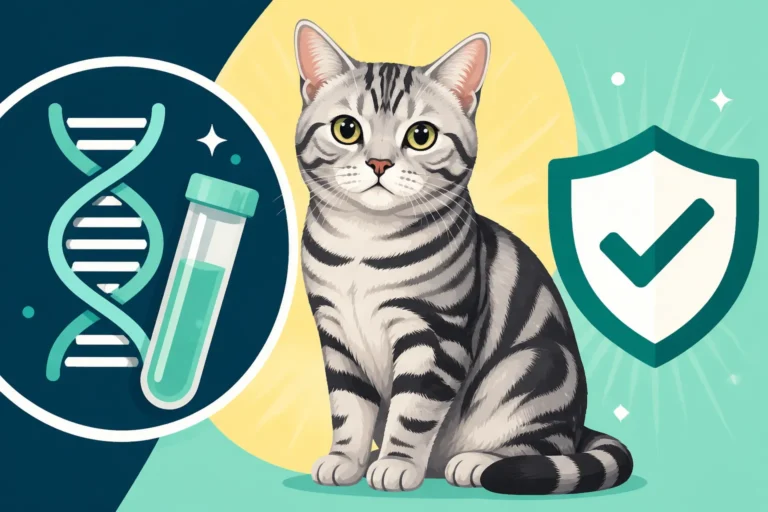
- Health Screening: This is paramount. Reputable breeders invest significantly in screening their breeding cats for genetic conditions like hypertrophic cardiomyopathy (HCM) and hip dysplasia. This can involve regular echocardiograms, genetic testing, and hip X-rays. These costs are a crucial part of the kitten's price because they help ensure you're getting a healthy pet with a long lifespan. What an American Shorthair Breeder Should Have Screened
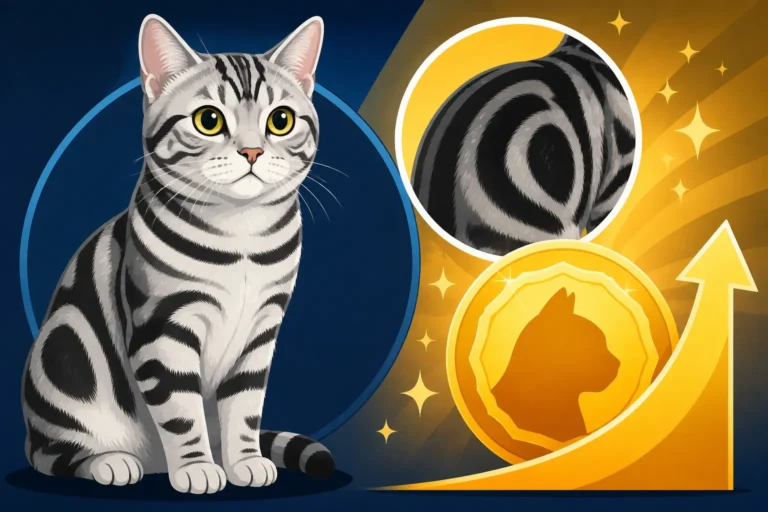
- Lineage and Show Potential: Cats from championship bloodlines, especially those with parents who have achieved Grand Champion status, will naturally be more expensive. These kittens have the potential to do well in the show ring, which adds to their value. However, even if you just want a pet, a strong lineage often means better adherence to the breed standard in terms of temperament and conformation. What a Championship Line American Shorthair Costs
- Veterinary Care for the Mother and Kittens: High-quality prenatal and postnatal care for the queen, along with comprehensive veterinary checks, vaccinations, and deworming for the kittens, are significant costs.
- Socialization and Early Enrichment: Kittens raised in a home environment, handled regularly, and exposed to various sights and sounds will be better adjusted and therefore more valuable.
- Registration Papers and Pedigree: While these don't add inherent value to the cat's physical traits, they verify the cat's lineage and breed purity, which is what distinguishes a pedigree American Shorthair from a domestic shorthair. Whether an American Shorthair Kitten Comes With Papers
Eye color, in most cases, is a minor aesthetic detail compared to these foundational elements.
The Standard and Eye Color in American Shorthairs
The American Shorthair breed standard, set by organizations like the Cat Fanciers' Association (CFA), details all the physical characteristics that define the ideal American Shorthair. While coat pattern, body type, and head shape are meticulously described, eye color is usually addressed in relation to the coat.
Acceptable Eye Colors by Breed Standard
American Shorthairs come in a fantastic array of colors and patterns, and their eye colors are typically specified in relation to these. It's not so much that a specific eye color is preferred universally, but rather that certain eye colors are considered correct for certain coat colors.
Here's a general breakdown of typical acceptable eye colors:
- Green or Gold/Hazel: These are perhaps the most common and widely accepted eye colors, seen across many different coat patterns, including various tabbies (brown, red, blue, cream).
- Brilliant Copper or Gold: Often seen with solid black, blue, or cream coats, providing a striking contrast.
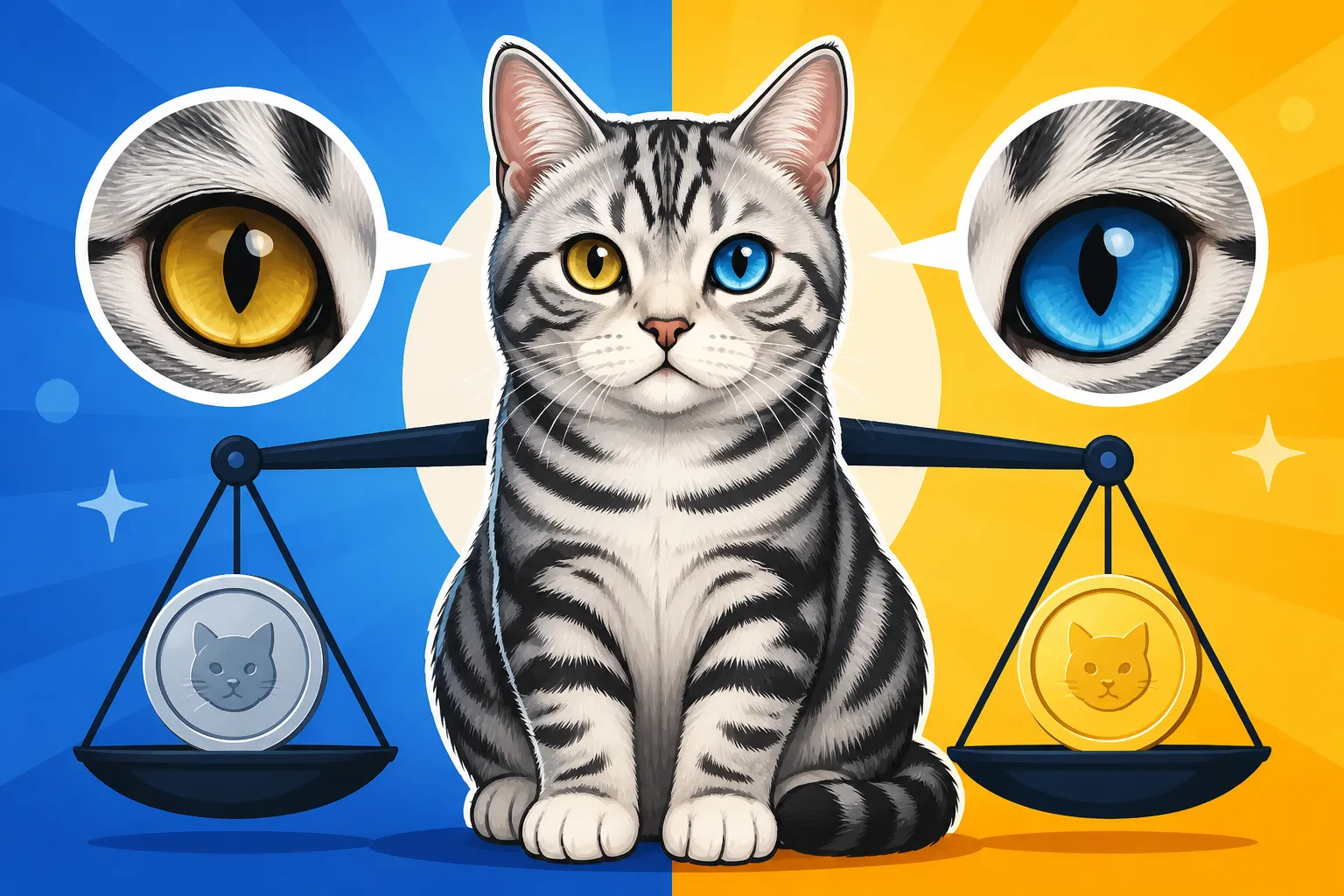
- Blue: This is reserved almost exclusively for white American Shorthairs, or occasionally for cats with specific dilute colors or patterns that carry the blue-eye gene. Odd-eyed white American Shorthairs (one blue, one copper/gold) are also recognized.
- Green/Blue-Green: Sometimes seen in silver tabbies, though green or gold is more common and often preferred for a classic silver.
- Any color (Heterochromia): For white cats, having one blue eye and one eye of another acceptable color (like gold or copper) is permissible and can be quite striking.
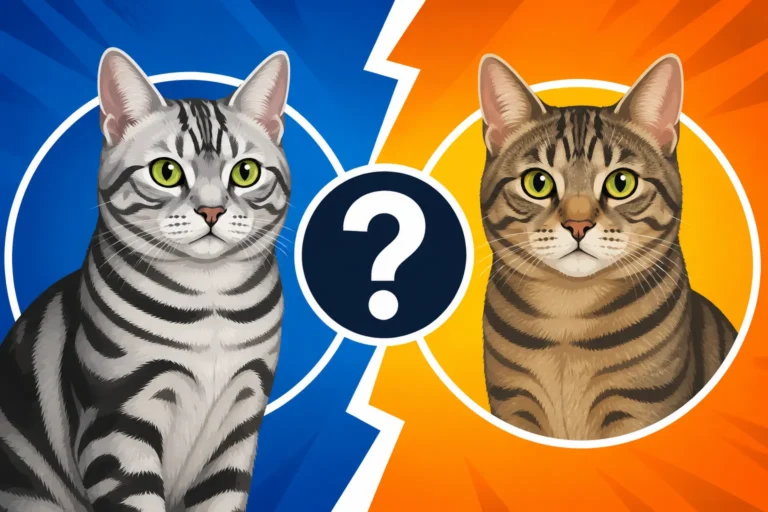
The key takeaway is consistency and intensity. The eyes should be clear, bright, and an appropriate, deep shade for the cat's coat. A cat with muddy or dull eye color, regardless of the shade, might be penalized in the show ring, but the specific color itself rarely dictates a higher or lower price for a pet-quality kitten, unless it's a particularly rare or desirable combination for show purposes that a specific buyer is seeking out. Which Eye Color Goes With Each American Shorthair Color
The Role of Eye Color in Show vs. Pet Quality
For the vast majority of American Shorthairs sold as pets, eye color is a matter of personal preference for the buyer, not a pricing factor. If you love a cat with green eyes, you'll look for one with green eyes, but you wouldn't expect to pay more for it than for an otherwise identical cat with gold eyes, assuming both are healthy and well-socialized.
In the world of cat shows, however, adherence to the breed standard is everything. An American Shorthair aiming for championship status must meet every aspect of the standard, including eye color. If a particular silver tabby has eyes that aren't the desired shade of green, it might score lower or be overlooked by judges. A cat with excellent conformation, a perfect coat, and a classic "M" marking on its forehead but slightly off-color eyes might be considered "pet quality" rather than "show quality" by a breeder, even if it's otherwise perfect.
This distinction is where eye color can indirectly influence price. A breeder might price a kitten with a minor "fault" like a less-than-perfect eye color slightly lower, designating it as a "pet" rather than a "show prospect." But this isn't about the eye color itself being inherently more or less valuable; it's about its conformity to a very specific, detailed standard that few cats fully embody. For a pet owner, these small deviations from the "perfect" standard are largely irrelevant.
Market Realities: Does Eye Color Actually Impact Price?
In the practical world of buying an American Shorthair, what truly impacts the price often comes down to a blend of responsible breeding practices, supply and demand, and less to do with the specific hue of a kitten's eyes.
Breeder Focus and Buyer Preferences
Responsible breeders are primarily focused on health, temperament, and maintaining the integrity of the breed standard across all traits, not just one. They aim to produce well-rounded cats that are true to the American Shorthair type. While they appreciate a stunning set of eyes, it's never the only thing they breed for.
Buyer preferences, on the other hand, can sometimes create minor shifts in demand for certain aesthetic traits. For instance, the classic Silver Tabby with its striking green eyes is incredibly popular and widely recognized. If a buyer specifically wants a Silver Tabby with emerald green eyes, they might be willing to wait for such a kitten. This might seem like eye color is driving the price, but it's more about the overall popularity of a particular look (Silver Tabby) that happens to include a specific eye color. It's the whole package, often influenced by media or general perception, rather than the eye color in isolation.
It’s crucial to understand that even with such demand, a truly reputable breeder won't inflate prices for a specific eye color if it means compromising on health or temperament. Their ethical obligations dictate a fair price based on their investment in the cat's overall well-being. This is why it's so important to find a breeder who prioritizes the breed first. How to Find an American Shorthair Breeder Worth Paying For
Comparing Eye Color to Other Pricing Factors
To really put it into perspective, let's look at a quick comparison of how much various factors tend to influence the price of an American Shorthair kitten.
| Factor | Influence on Price (General) | Notes |
|---|---|---|
| Health Screening | High | Extensive testing for HCM, hip dysplasia, etc., directly contributes to a higher, but justified, price. |
| Pedigree/Lineage | High | Championship bloodlines, proven genetics, and registration papers indicate a significant investment by the breeder. |
| Temperament/Socialization | Medium-High | Well-socialized, confident kittens raised in a home environment are highly desirable and reflect breeder effort. |
| Rarity of Coat Color/Pattern | Medium | Some rare or unique coat patterns (e.g., certain bicolors or smokes) might fetch a slightly higher price due to novelty or difficulty in breeding. |
| Show Potential | High (for show homes) | Kittens deemed to have strong potential for showing and breeding will be priced significantly higher for those specific purposes. |
| Eye Color | Low (usually none) | While an ideal eye color is part of the breed standard, it rarely drives price unless it's a perfect match for a high-demand show prospect, and then it's secondary to other traits. |
| Breeder Support | Indirect (value add) | Ongoing support, health guarantees, and a commitment to taking back a cat if needed add immense value but aren't always a separate line item in the price. |
As you can see, eye color is at the very bottom of the list in terms of direct price influence. It's more of a "nice-to-have" aesthetic rather than a core value driver. When discussing costs, focusing on the quality of care and genetic health is far more important than a specific color. For ongoing health needs, having good pet insurance like that offered by Healthy Paws can really make a difference, covering those unexpected veterinary bills that certainly impact your overall ownership costs far more than the initial purchase price might have.
The True Cost of a Well-Bred American Shorthair
Buying a cat is a long-term commitment, and the initial purchase price, regardless of eye color, is just the tip of the iceberg. A truly well-bred American Shorthair offers value that extends far beyond a single aesthetic feature, largely through its health and temperament.
Health Screenings and Responsible Breeding
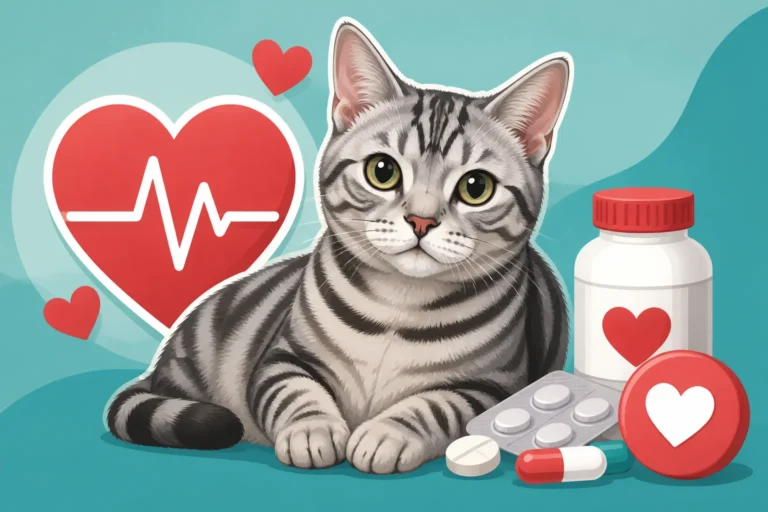
When you see a higher price tag on an American Shorthair from a reputable breeder, a significant portion of that cost goes directly into ensuring your kitten has the best possible start in life and the fewest potential health issues down the road. This means regular health screenings for both parents. We're talking about extensive checks for common feline issues. For instance, many breeders perform regular echocardiograms to screen for HCM, a heart condition. They may also perform hip x-rays to check for hip dysplasia, though it's less common in cats than dogs, it can still be a concern in stockier breeds like the American Shorthair. Why an American Shorthair Still Needs a Yearly Heart Scan
These screenings aren't cheap, and they’re recurring costs for breeders who want to ensure they’re not passing on genetic predispositions. A breeder who proudly shares health certificates and explains their screening protocols is providing immense value. That initial investment in a kitten from such a breeder often saves you far more in potential veterinary bills over the cat's lifespan. It's why many owners consider pet insurance from providers like Healthy Paws as a smart investment, precisely because even with the best breeding, accidents and unexpected illnesses can happen. Knowing your breeder has done their utmost to mitigate inherited risks gives you peace of mind.
Long-Term Ownership Costs vs. Initial Purchase Price
Let's be realistic: the purchase price of your American Shorthair, whether it has green, gold, or copper eyes, is typically a fraction of what you'll spend over its lifetime. These cats can live 15-20 years, and during that time, you’ll be responsible for their daily care, which adds up considerably. Twenty Years of an American Shorthair, Priced Out
Consider the ongoing costs:
- Food: High-quality nutrition is crucial for maintaining an American Shorthair's robust health. These costs are significant over two decades. Expect to spend a fair bit each month on premium food, especially if your cat has specific dietary needs as they age.
- Veterinary Care: Routine check-ups, vaccinations, parasite prevention (fleas, ticks, worms), and occasional dental cleanings are essential. As cats age, they often need more frequent vet visits and potentially medication for conditions like arthritis or kidney disease. These are inevitable costs that dwarf any difference in initial price based on eye color. How Regularly a Healthy American Shorthair Still Needs Checking
- Litter and Supplies: Litter, litter boxes, scratching posts, toys, and grooming tools are all necessary expenses. While American Shorthairs are low-maintenance, they still need basic care items.
- Enrichment: Providing mental and physical stimulation through toys, cat trees, and interactive play is important for their well-being. A happy cat is a healthy cat. Play That Finishes the Hunting Sequence for an American Shorthair
The value of an American Shorthair truly lies in its potential for a long, healthy, and happy life as your companion. A cat with striking blue eyes but a history of inherited health problems will cost you far more in stress, worry, and vet bills than one with perfectly standard gold eyes and a clean bill of health. Focus your budget and your search on a cat whose health and temperament are paramount, and you'll find that the initial price, regardless of eye color, is money well spent.
Disclaimer
This article is for general informational purposes only and does not constitute professional advice. Laws, prices and regulations vary by location and change over time. Consult a qualified professional for guidance on your specific situation.