The Fifteen to Twenty Years the American Shorthair Was Given
It's a wonderful thing to dream of many years with your beloved American Shorthair, isn't it? When you welcome one of these sturdy, dependable felines into your home, you're often told they're a "healthy breed," capable of living a good 15 to 20 years. That's a huge chunk of a lifetime, and it immediately sparks questions: What truly contributes to such a long existence? Is it really possible for my cat to reach those golden years, or are those figures just an optimistic average? It’s a completely valid concern, and this guide is here to unravel the truth behind the American Shorthair's impressive longevity, exploring everything from their inherent robustness to the day-to-day care that helps them thrive for nearly two decades.
Understanding the American Shorthair's Genetic Legacy
When we talk about the American Shorthair living a long, healthy life, it's not just luck; it's deeply rooted in their history and genetics. These cats weren't bred for extreme looks or fleeting trends; they were bred for function, for survival, and that has left them with an incredibly robust foundation.
The Foundation of a Hardy Breed
The American Shorthair's ancestors weren't pampered pets; they were working cats, sailing across oceans and patrolling farms and homesteads across North America. This isn't just a charming historical footnote; it's the very crucible that forged their remarkable resilience. These were the cats that had to be tough, resourceful, and inherently healthy to survive and pass on their genes. There was no room for delicate constitutions or inherent weaknesses in such a demanding environment. Generations of natural selection meant that only the strongest, most adaptable individuals thrived.
Unlike many modern purebreds that have been selectively bred for specific, sometimes exaggerated, physical traits over relatively short periods, the American Shorthair's development was a slow, organic process driven by necessity. This foundational history means they essentially started as the control group of cat breeding, possessing a general hardiness that sets them apart. They retain much of the genetic diversity and vigor of their "domestic shorthair" forebears, a natural robustness that contributes significantly to their ability to live a long life.
How a Broad Gene Pool Contributes to Longevity
One of the American Shorthair's greatest assets for longevity is its relatively broad and open gene pool. In the world of purebred cats, sometimes intense selective breeding for specific looks can inadvertently lead to a narrowing of the gene pool, concentrating certain genetic predispositions to health issues. Think about some breeds known for their specific facial structures or coat types; sometimes, these come with an increased risk of inherited diseases.
However, the American Shorthair benefited from a history where the gene pool remained quite open for a long time. Early breeders often registered well-typed domestic shorthairs, allowing for continuous introduction of new, healthy genes into the pedigreed lines. This practice helps dilute the chances of harmful recessive genes becoming widespread within the breed. A diverse gene pool means more genetic variation, and genetic variation generally equates to greater resilience against diseases and a stronger overall constitution. It's like having a deep well of genetic defenses, making them less susceptible to the kind of "designer defects" seen in some other breeds. This robust genetic heritage is a major reason why the American Shorthair's lifespan can often reach and even exceed that impressive 15 to 20-year mark.
Common Health Challenges and Lifespan Impact
While the American Shorthair is generally a picture of health, it's not entirely immune to genetic predispositions or the pitfalls of modern pet life. Understanding these potential challenges allows us to be proactive, ensuring they enjoy those long, healthy years.
The Reality of Hypertrophic Cardiomyopathy (HCM)
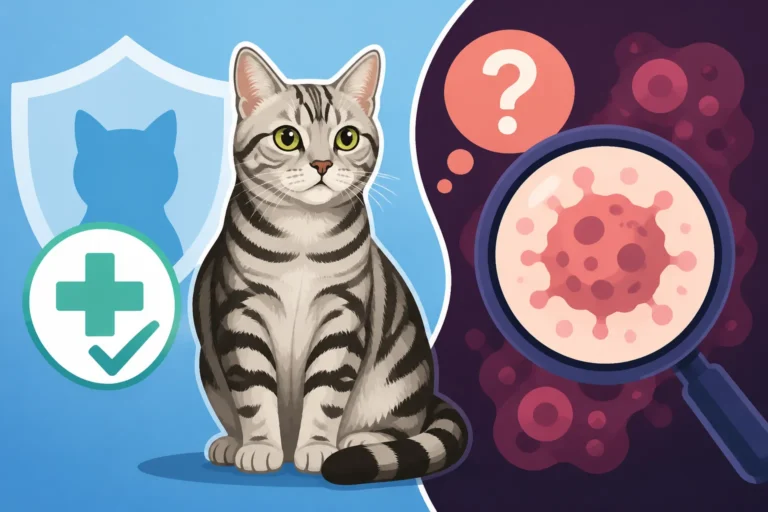
Even a naturally robust breed like the American Shorthair isn't entirely without its specific health considerations, and Hypertrophic Cardiomyopathy (HCM) is the one inherited disease that has unfortunately found its way into some lines. HCM is a progressive heart condition where the muscular walls of the heart, particularly the left ventricle, thicken over time. This thickening reduces the heart's ability to pump blood effectively, leading to a range of potential complications, including congestive heart failure, blood clots, and sudden death.
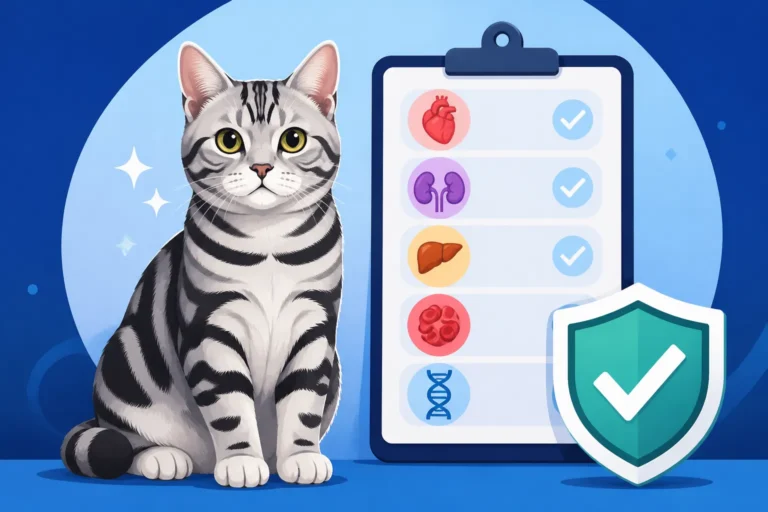
The frustrating part about HCM is that it can often be silent in its early stages. A cat can appear perfectly healthy for years, showing no outward symptoms until the disease is quite advanced. This makes regular screening absolutely crucial, especially for breeding cats, but also for pet cats as they age. An annual heart scan by a veterinary cardiologist is the gold standard for early detection, as a gene test alone cannot completely clear an American Shorthair's heart due to the complex inheritance patterns of the disease in some feline populations. Catching HCM early allows for management strategies that can slow its progression and significantly improve a cat's quality of life and longevity.
Overcoming Obesity: A Modern Threat
Here's where the American Shorthair's fantastic heritage can sometimes become a double-edged sword in our modern homes. Their ancestors were active hunters, constantly on the move, burning calories to survive. Their metabolism is still geared for that kind of high-energy output. However, our beloved indoor American Shorthairs often lead a much more sedentary life, with food readily available in a bowl. This disconnect between their historical metabolic needs and their current lifestyle makes obesity a prevalent and serious threat to their potential lifespan.
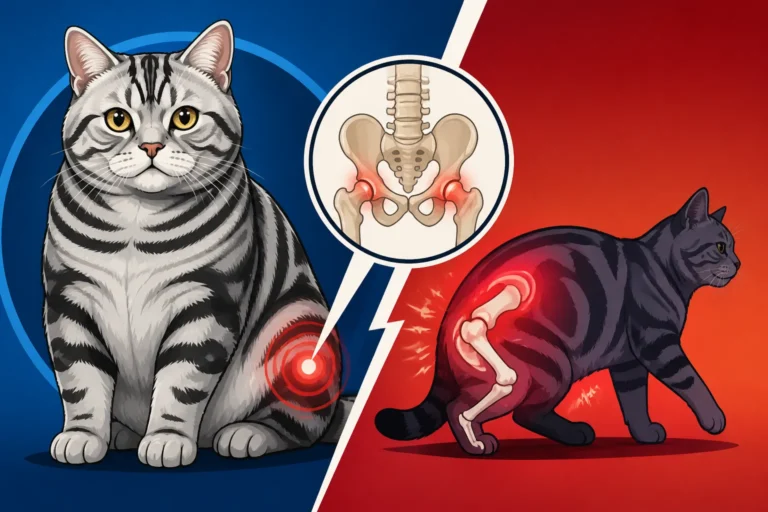
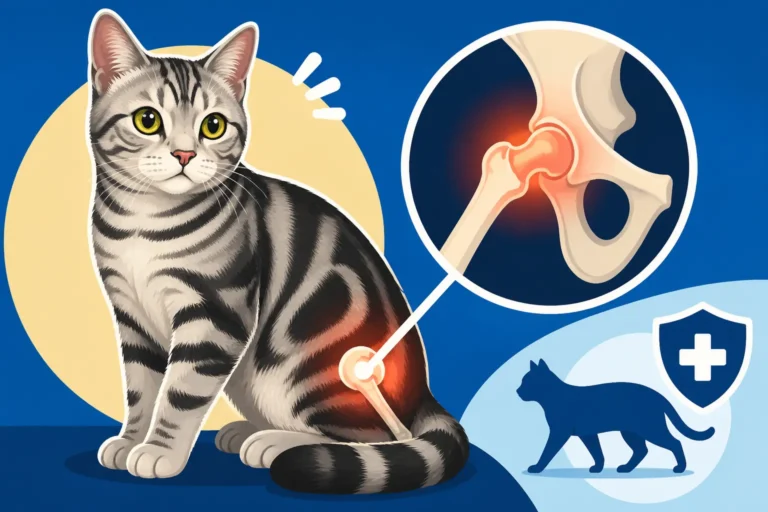
Extra weight isn't just a cosmetic issue; it's a profound health detriment. An overweight American Shorthair is at a significantly higher risk for a whole host of problems that can dramatically shorten their life. We're talking about conditions like diabetes mellitus, which can require daily insulin injections, and joint pain, which impacts their mobility and quality of life as they age. Their sturdy, square build, which once supported an active hunting life, now puts immense pressure on their hips and joints when burdened by excess weight. Furthermore, obesity can exacerbate existing heart conditions and even lead to liver disease. The shift from a demanding mousing job to a comfy couch life meant that obesity became a silent, yet potent, enemy for the breed, making careful portion control and engagement in playful "hunts" essential for their long-term health.
The Lifespan Advantage of an Indoor American Shorthair
It’s a debate many cat owners grapple with: should my cat be an indoor-only pet, or should they have outdoor access? For the American Shorthair, a breed valued for its longevity, the answer leans heavily towards keeping them safely indoors. This choice drastically reduces risks and sets the stage for a longer, healthier life.
Mitigating Environmental Risks
Let's be brutally honest about the outside world for a cat, even one as capable and robust as an American Shorthair: it’s fraught with danger. The primary reason an indoor American Shorthair lives longer than its outdoor counterpart is simply exposure reduction. An outdoor cat, no matter how street-smart, is constantly at risk from road traffic accidents, which are a leading cause of premature death for felines. Beyond cars, there are territorial fights with other cats, often resulting in painful abscesses, bite wounds that can transmit deadly viruses like Feline Immunodeficiency Virus (FIV) or Feline Leukemia Virus (FeLV), and the constant threat of encounters with predators like coyotes, foxes, or even aggressive dogs.
Then there’s the myriad of parasites and diseases. Fleas, ticks, and various internal worms are constant companions of outdoor cats, requiring diligent and often expensive preventative treatments. Exposure to toxic substances like antifreeze, pesticides, or rat bait is also a real concern, and these can be incredibly difficult to detect before it's too late. By choosing to keep your American Shorthair indoors, you're essentially building a protective bubble around them, shielding them from the vast majority of these life-threatening hazards. This single decision, more than almost any other, can add years to their life, transforming those potential 15-20 years into a much more achievable reality.
Creating an Enriched Indoor Environment
Just because your American Shorthair lives indoors doesn't mean their life has to be dull or unfulfilling. In fact, providing a stimulating indoor environment is absolutely key to their physical and mental well-being, which directly impacts their longevity. Remember, these cats still carry the strong hunting drive of their ancestors. If this instinct isn't channeled appropriately, it can lead to stress, boredom, destructive behaviors, and even overeating due to a lack of mental stimulation.
To truly support an American Shorthair's long lifespan indoors, you need to think about enrichment that mirrors their natural behaviors. Vertical space is paramount; sturdy cat trees, wall-mounted shelves, and window perches allow them to survey their territory from above, fulfilling their need for observation and security. Regular, interactive play sessions are non-negotiable. Using wand toys that mimic the erratic movements of prey, allowing them to stalk, chase, pounce, and "catch" the toy, is vital for satisfying their predatory sequence. Consider rotating toys to keep things fresh and engaging. Puzzle feeders are excellent tools that make them "work" for their food, slowing down mealtime and providing mental exercise. Even a carefully secured catio can offer a safe taste of the outdoors, fresh air, and new scents without the inherent dangers. A well-designed indoor environment not only prevents boredom but actively promotes physical fitness and reduces stress, ensuring your American Shorthair remains engaged, healthy, and happy for years to come.
The Critical Role of Preventative Veterinary Care
Even with good genetics and a safe indoor environment, an American Shorthair's journey to 15-20 years requires a consistent partnership with your veterinarian. Preventative care isn't just about fixing problems; it's about anticipating them, detecting them early, and preventing them from ever taking hold.
Regular Check-ups and Early Detection
It's tempting to think, "My American Shorthair seems perfectly fine, why bother with a vet visit?" But that seemingly healthy exterior can often mask subtle signs of illness that only a trained professional might catch. Routine veterinary check-ups, ideally once a year for adult cats and twice a year for seniors, are absolutely non-negotiable for maximizing their lifespan. During these visits, your vet performs a thorough physical examination, checking everything from their teeth and gums to their heart, lungs, and abdominal organs. They'll assess body condition, discuss diet, and evaluate any behavioral changes you might have noticed.
The power of these regular visits lies in early detection. Many chronic diseases, like kidney disease, hyperthyroidism, or even the subtle onset of arthritis, are much easier to manage and slow down if caught in their infancy. Waiting until your cat is visibly sick often means the condition has progressed significantly, making treatment more challenging and potentially less effective. For instance, tiny shifts in blood values or a slight change in heart rhythm might not be obvious to you, but they can be crucial indicators to your vet. Catching these early gives you and your vet a head start, allowing for interventions that can truly make a difference in your American Shorthair's comfort and extend their healthy years.
Vaccinations, Parasite Control, and Dental Health
Beyond the general check-up, several specific preventative measures are cornerstones of American Shorthair longevity. Vaccinations are essential for protecting against common and potentially deadly infectious diseases. Even indoor cats need core vaccines like rabies and feline distemper (FVRCP), as pathogens can still enter the home on clothing or shoes. For those with any outdoor access, or who might ever go to a boarding facility, additional vaccines like FeLV (Feline Leukemia Virus) become crucial. Your vet will tailor a vaccination protocol based on your cat's individual risk factors.
Parasite control is another vital aspect. Regular flea and tick prevention, even for indoor cats (fleas are masters at finding their way inside!), prevents discomfort and secondary issues. Likewise, deworming protocols protect against internal parasites that can lead to malnutrition and digestive upset. Don't forget about heartworm prevention, particularly in warmer climates, as treatment for this can be difficult and costly.
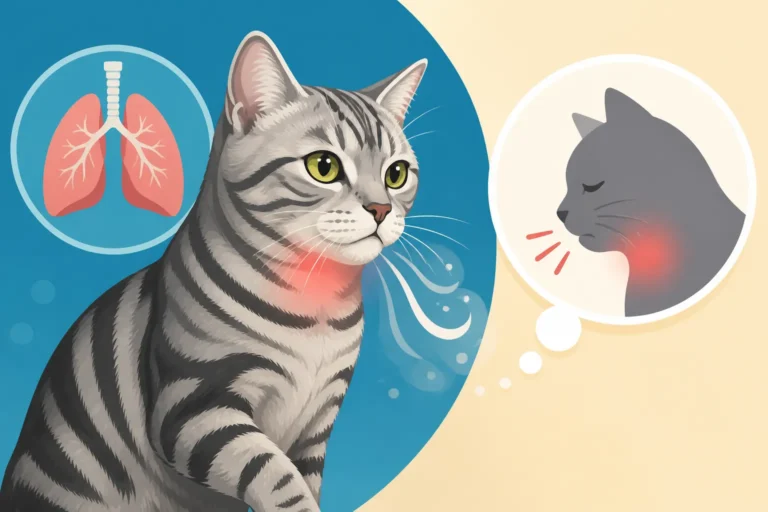
Perhaps one of the most overlooked, yet critical, factors in a cat's overall health and lifespan is dental care. Gum disease is the American Shorthair's quietest problem, often progressing silently but causing immense pain and leading to systemic health issues. Bacteria from infected gums can enter the bloodstream and affect major organs like the heart, kidneys, and liver, severely impacting longevity. Regular professional dental cleanings under anesthesia, along with at-home dental care like brushing (if your cat tolerates it) or dental treats, are crucial. Many American Shorthairs will need multiple dentals over their 15-20 year life, and investing in this preventative care can truly safeguard their long-term well-being. Thinking ahead about pet insurance like Healthy Paws can certainly alleviate the financial burden of these essential preventative and diagnostic measures.
Nutrition and Weight Management for Long Life
The right diet and diligent weight management are foundational pillars for an American Shorthair striving for a long and vibrant life. Their ancestral wiring for hunting makes this a unique challenge, but one that's easily overcome with a thoughtful approach.
Tailoring Diet to a Non-Working Lifestyle
The American Shorthair's dietary needs are still largely dictated by its past as an efficient hunter. This means they thrive on a diet that is high in animal protein, moderate in fat, and low in carbohydrates. Their bodies are designed to process protein as a primary energy source, not carbohydrates. The problem is, most modern American Shorthairs are no longer expending the massive amounts of energy their ancestors did stalking, chasing, and catching prey all day. They're often living comfortable, indoor lives.
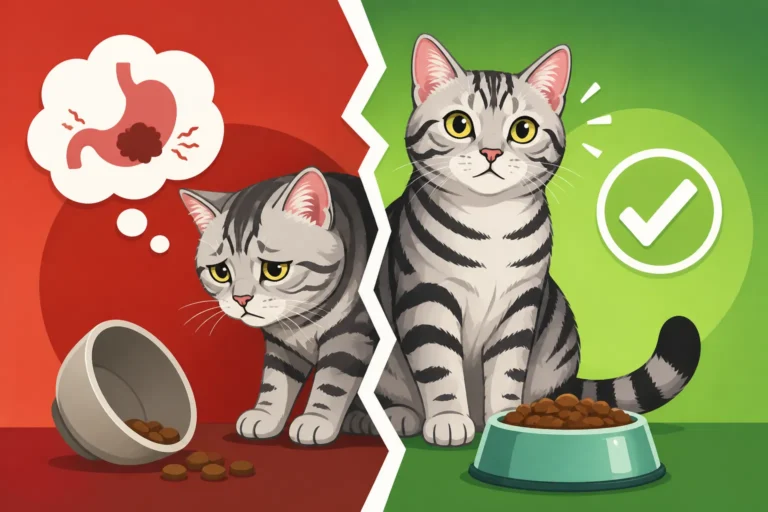
This shift in lifestyle, coupled with their inherent predatory appetite, means that simply free-feeding a bowl of dry kibble all day long is a recipe for disaster. Dry kibble, while convenient, can often be too high in carbohydrates and lower in the moisture content essential for feline health. Instead, focus on high-quality wet food that prioritizes meat-based protein. Wet food also provides crucial hydration, which supports kidney and urinary tract health, two areas where cats can be prone to issues as they age. Your vet can help you determine the precise caloric needs for your individual cat based on their age, activity level, and ideal body weight, ensuring they get the right fuel without the excess that leads to weight gain. Think of it as fueling a finely tuned, albeit less active, athletic machine.
Strategies for Maintaining a Healthy Weight
Given their propensity for packing on pounds, maintaining an American Shorthair's ideal weight is arguably one of the most critical aspects of their long-term care. It's not just about aesthetics; it's about preventing a cascade of health problems. The first step is to accurately assess your cat's current condition. A healthy American Shorthair should have a discernible waist when viewed from above, and you should be able to feel their ribs easily when gently running your hands along their sides, without them being visibly prominent. If you can't feel those ribs without pressing firmly, it’s likely your cat is carrying too much weight.
Implementing a successful weight management plan involves a multi-pronged approach. Portion control is paramount; instead of leaving a bowl down all day, feed measured meals, ideally two or three small meals a day, rather than one large one. This mimics their natural eating pattern of smaller, frequent hunts. Incorporate interactive feeding methods: puzzle feeders make your cat "work" for their meal, slowing down consumption and providing mental stimulation. Hiding small portions of their daily food allowance in different spots around the house can also encourage natural foraging behavior and increase activity. Increase their activity levels with regular, dedicated play sessions using wand toys that encourage vigorous running and jumping. Even short, consistent bursts of activity throughout the day can make a big difference. Remember, slow and steady wins the race when it comes to feline weight loss; rapid weight loss can be dangerous, leading to conditions like fatty liver disease. Your vet can help you formulate a safe and effective weight loss plan, which often involves a prescription diet designed to support healthy weight reduction while maintaining muscle mass.
Navigating the Senior Years with Your American Shorthair
It’s a beautiful, bittersweet reality that if you’ve done your job well, your American Shorthair will eventually reach their senior years. While it’s wonderful to have them for so long, this stage of life comes with its own set of considerations to ensure their comfort and continued well-being.
Recognizing Signs of Aging
When your American Shorthair reaches around 10-12 years of age, they officially enter their senior years. Just like people, cats experience physical and behavioral changes as they get older, but it’s crucial not to dismiss these as simply "old age" – many are treatable conditions. One of the most common observations is a general slowing down. They might jump less often or struggle to reach their favorite high perches. This is a tell-tale sign that their joints might be hurting, indicating the onset of arthritis. A stoic American Shorthair, true to its independent nature, might hide pain remarkably well, so watch for subtle changes like hesitation before jumping, stiffness after resting, or a decreased desire to play.
Other signs include changes in appetite or thirst. An increase in thirst or urination can be an early indicator of kidney disease or diabetes. A decrease in appetite, or pickiness, might signal dental pain, gastrointestinal issues, or even hyperthyroidism, a common condition in older cats where the thyroid gland produces too much hormone, leading to weight loss despite a ravenous appetite. You might also notice changes in their coat quality – it might become duller, or they may struggle to groom their backs due to discomfort or stiffness. Even subtle shifts in sleeping patterns, vocalization, or a slight increase in confusion around the house can be important clues that something is amiss. Observing these changes closely and communicating them to your vet is paramount for early intervention and maintaining their quality of life.
Supporting Health and Comfort in Old Age
Supporting an aging American Shorthair means proactively addressing their changing needs to keep them comfortable and happy for as long as possible. Continued veterinary care becomes even more critical in these years. Instead of annual check-ups, many vets recommend semi-annual visits for senior cats, allowing for more frequent monitoring of organ function and early detection of age-related diseases. These visits often include a senior panel of bloodwork and urinalysis to check kidney and liver function, thyroid levels, and look for other systemic issues.
Environmental modifications can make a world of difference. Provide ramps or steps to help them reach their favorite sleeping spots on the couch or bed. Ensure their litter box has lower sides for easier entry and exit, especially if they have arthritis. Keep food and water bowls easily accessible, perhaps even elevated slightly if bending down causes discomfort. A soft, orthopedic bed can provide much-needed joint support. Nutritionally, your vet might recommend a specialized senior diet that is often lower in phosphorus to support kidney health, and may contain added joint supplements like glucosamine and chondroitin.
For cats with diagnosed arthritis, pain relief medications or joint supplements can significantly improve their mobility and comfort. If vision or hearing declines, ensure their environment remains consistent and predictable. Gentle grooming can help if they can no longer reach certain areas, preventing mats and skin issues. Remember that every extra year with your American Shorthair is a gift, and by being observant and proactive, you can ensure those years are filled with as much comfort and joy as possible. Pet insurance plans like those offered by Healthy Paws can be invaluable during these later years, covering unexpected costs for diagnostics, medications, and treatments that often arise with age-related conditions.
The American Shorthair Lifespan: Expectations vs. Reality
So, you've heard the numbers – 15 to 20 years. But what does that really mean for your cat? It's a range that inspires hope, but also begs for a realistic understanding of how individual circumstances shape that ultimate outcome.
The "Average" Lifespan and What It Really Means
When we talk about an "average" lifespan of 15 to 20 years for an American Shorthair, it’s a statistic built from a broad spectrum of individual experiences. This average tells us that the breed has excellent potential for longevity, often living longer than many other pedigrees. It reflects their generally robust health, good genetic diversity, and relatively low predisposition to severe inherited diseases compared to some more intensely bred cats. However, an average is just that: an average. It means some American Shorthairs, despite the best care, might pass away earlier due to unforeseen circumstances or aggressive disease, while others, with a touch of good fortune and meticulous care, will happily celebrate their 20th birthday and beyond.
It's natural to want your beloved companion to be among those who reach the upper end of that spectrum. This desire often leads to careful consideration of everything from diet to daily routine. The reality is that while genetics provide a strong foundation, the daily choices you make as an owner significantly influence where your individual cat falls within that range. It's about empowering yourself with knowledge and providing consistent, loving care that taps into the breed's inherent vitality. The American Shorthair was truly given a fantastic genetic blueprint for a long life; our job is to respect that and nurture it.
Maximizing the Quality and Quantity of Years
Ultimately, achieving those impressive 15 to 20 years, and ensuring they are years filled with vibrant health and happiness, comes down to a harmonious blend of factors. It starts with a healthy genetic background, ideally from a responsible breeder who screens for known issues like HCM and provides transparency about their lines. However, even for a rescue American Shorthair whose history is unknown, proactive care can make a monumental difference.
The vast majority of an American Shorthair's longevity is influenced by their environment and the daily care they receive. Keeping them safely indoors drastically reduces risks. A high-quality, protein-rich diet, carefully portioned to maintain an ideal body weight, prevents obesity and its associated health problems. Regular, interactive play sessions, perhaps using puzzle feeders or wand toys that engage their natural hunting instincts, keeps their minds sharp and their bodies lean and muscular. Consistent preventative veterinary care, including annual check-ups, appropriate vaccinations, parasite control, and diligent dental hygiene, forms a crucial safety net, allowing for early detection and management of any health issues that may arise.
When all these elements come together – their natural hardiness, a safe home, excellent nutrition, stimulating enrichment, and vigilant veterinary partnership – you're not just hoping for a long life; you're actively cultivating it. The American Shorthair truly is a breed built for endurance, and with your dedication, they can indeed enjoy the full span of the fifteen to twenty years they were given, living each one with health and contentment.
| Factor Impacting Longevity | Positive Impact on Lifespan | Negative Impact on Lifespan |
|---|---|---|
| Living Environment | Indoor-only, enriched space | Outdoor access, exposed to hazards |
| Diet & Nutrition | High-protein, portion-controlled wet food | Free-fed dry kibble, high carbs |
| Weight Management | Lean body condition, active play | Obesity, sedentary lifestyle |
| Veterinary Care | Regular check-ups, preventative screenings | Reactive vet visits (only when sick) |
| Dental Health | Regular professional cleanings, at-home care | Untreated dental disease, infections |
| Genetic Screening | Responsible breeding, HCM screening | Unknown lineage, no health testing |
| Mental Stimulation | Puzzle feeders, interactive toys, vertical space | Boredom, stress, destructive behaviors |
Disclaimer
The information provided in this article is for general informational purposes only and is not intended as a substitute for professional veterinary advice, diagnosis, or treatment. Always seek the advice of your veterinarian or other qualified pet health provider with any questions you may have regarding a medical condition. Never disregard professional veterinary advice or delay in seeking it because of something you have read in this article.