What a Pedigree American Shorthair Costs Against a Free Tabby
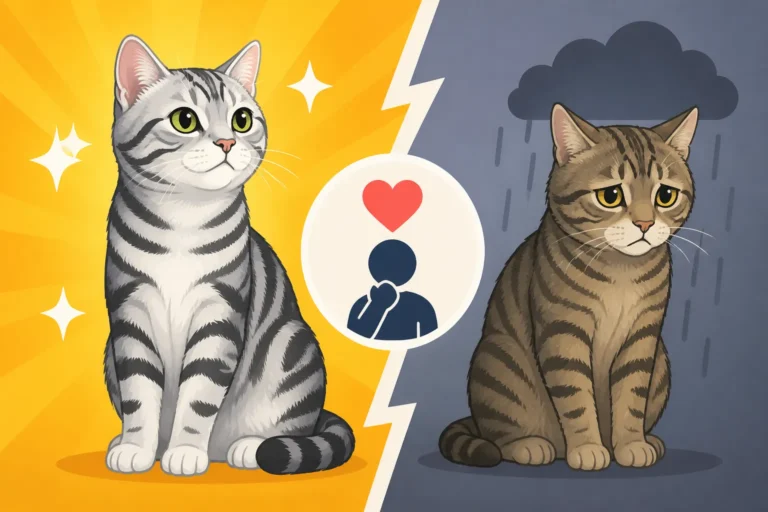
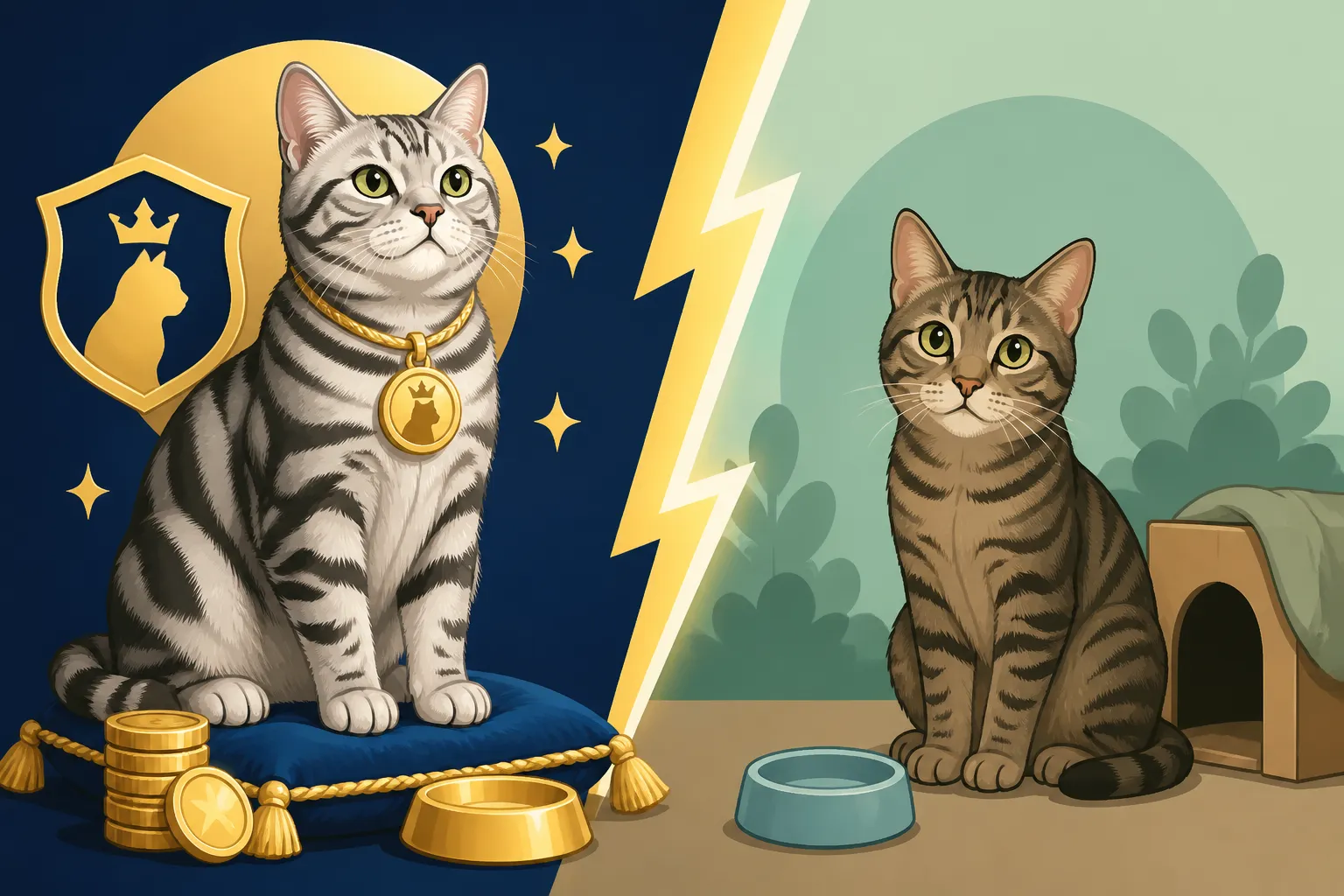
Many aspiring cat parents gaze longingly at the sleek, classic lines of an American Shorthair, then quickly compare them to the lovable tabby cat they might spot at a local shelter. It's easy to assume they're practically the same cat, especially if they share a similar coat pattern, and wonder why anyone would pay a significant sum for a pedigree when a "free" feline companion is just an adoption application away. This perspective often overlooks the vast differences in initial investment and ongoing care costs that truly separate a carefully bred American Shorthair from a domestic shorthair, often found in rescue, and this guide aims to peel back those layers to give you a complete picture.
The Initial Sticker Shock: Why a Pedigree Cat Isn't "Free"
The allure of a "free" cat is powerful, especially when you're just starting your journey as a pet parent. It feels like a heartwarming act of rescue, saving a life without a hefty upfront fee. However, the reality of pet ownership extends far beyond that initial transaction, whether it's zero dollars or several hundred. Understanding this fundamental difference in acquisition cost is the first step in budgeting for your future feline family member, regardless of their origin.
The "Free" Tabby: Understanding Zero Upfront Cost
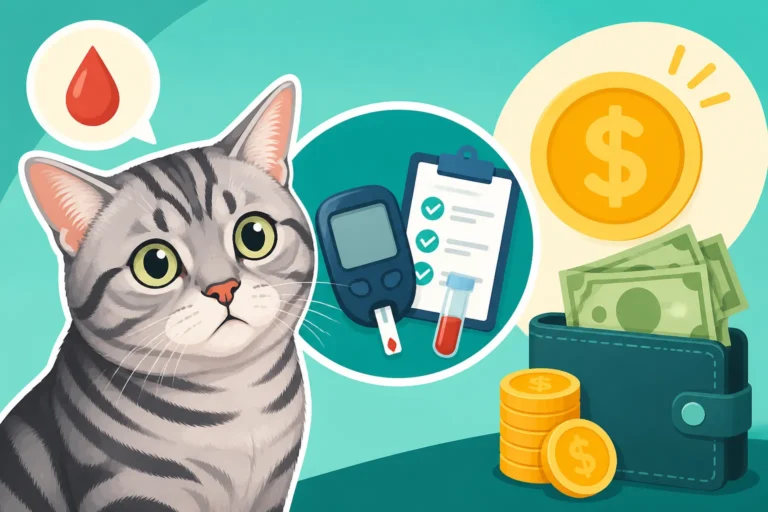
When someone talks about a "free tabby," they often refer to a cat found as a stray, given away by a friend with an accidental litter, or adopted from a private individual who isn't charging a fee. On the surface, this sounds like an incredible deal, a truly benevolent act. You bring home a furry friend, no cash exchanging hands for the cat itself. However, it's crucial to remember that "free" only applies to the acquisition of the animal. These cats often come with a blank slate regarding their health history, vaccination status, and whether they've been spayed or neutered. You might be inheriting a cat that needs its entire initial veterinary work-up done from scratch, which can quickly add up. Think about the immediate needs: a check-up, deworming, flea treatment, vaccinations, and potentially a spay or neuter surgery. These are all essential and non-negotiable costs that you'll bear right away.
The Pedigree Price Tag: What You're Actually Paying For
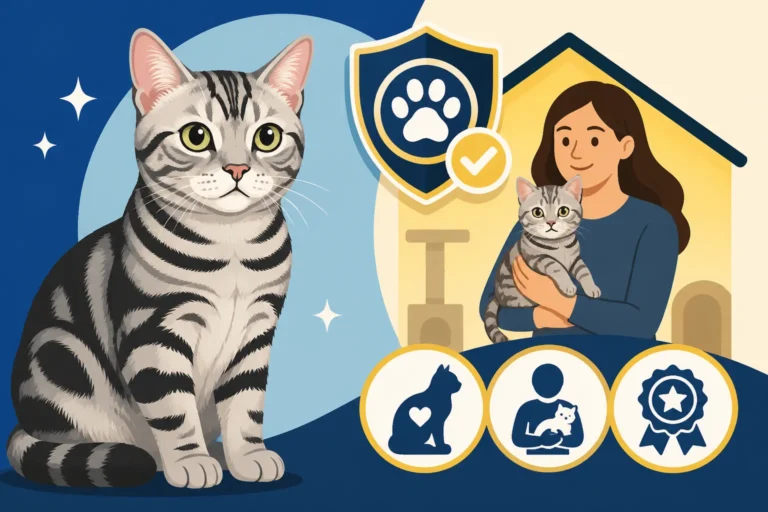
Conversely, the purchase price of a pedigree American Shorthair from a reputable breeder might seem steep, often ranging into hundreds or even thousands of dollars. It's a significant financial commitment upfront, and it's natural to question what justifies such a sum. What you're primarily paying for here is assurance, predictability, and a documented history. This includes the breeder's investment in genetic health screening for diseases common to the breed, ensuring the lineage is sound. Reputable breeders also provide initial vaccinations, deworming, and typically spay or neuter their kittens before they go to their new homes. They've invested time and resources into early socialization, providing a stable, healthy environment, and often offer a health guarantee. The cost also reflects the breeder's expertise, the care given to the breeding pair, and the meticulous record-keeping that verifies the kitten's ancestry and genetic health. When you look at What an American Shorthair Pedigree Guarantees, you start to understand the depth of this investment.
Beyond the Breeder: Adopting a Rescued American Shorthair
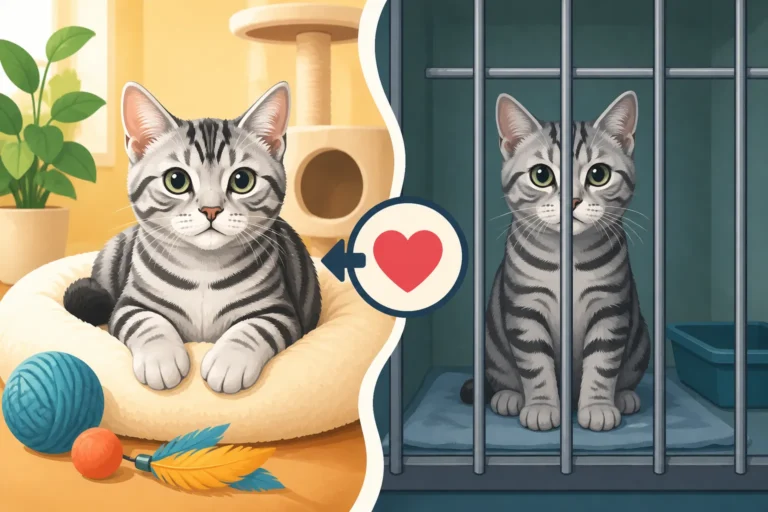
There's a wonderful middle ground for those who appreciate the American Shorthair's temperament and appearance but prefer a rescue route: adopting a purebred American Shorthair or a closely typed cat from a breed-specific rescue or a general shelter. While not "free," the adoption fees for these cats are typically much lower than buying from a breeder. These fees usually cover a significant portion of the initial veterinary care, including spaying or neutering, vaccinations, microchipping, and a general health check. You get the benefit of a cat whose immediate medical needs have largely been addressed, often for a fraction of the cost you'd pay a breeder, and certainly less than if you had to cover all those initial vet bills for a truly "free" cat. It's a fantastic option that balances ethical sourcing with cost-effectiveness, and often means you're giving a second chance to a deserving feline.
Unpacking the Pedigree: What Your Purchase Price Covers (and Doesn't)
When you decide to invest in a pedigree American Shorthair, it’s not just a cash exchange for a cute kitten. You’re buying into a carefully managed program designed to produce healthy, well-socialized animals true to their breed standard. This initial cost encompasses a range of crucial elements that contribute to the kitten's well-being and your peace of mind as an owner. Understanding these components helps demystify the price tag and highlights the inherent value in choosing a reputable breeder.
Health Clearances and the Investment in a Healthy Start
One of the most significant values embedded in the price of a pedigree American Shorthair is the breeder's commitment to health testing. Reputable breeders actively screen their breeding cats for genetic conditions that could impact the offspring. For American Shorthairs, this primarily means screening for Hypertrophic Cardiomyopathy (HCM), a prevalent heart disease in many cat breeds. While HCM is How Rare HCM Is in an American Shorthair compared to some other breeds, it's still a critical consideration. Breeders will often conduct regular echocardiograms on their breeding stock, a specialized heart scan performed by a veterinary cardiologist. This proactive approach significantly reduces the risk of you bringing home a kitten predisposed to serious health issues, potentially saving you thousands in veterinary bills and heartache down the line. It's a foundational investment in your kitten's long-term health, offering a level of certainty that a random-bred cat simply cannot provide.
Registration, Pedigrees, and the Paper Trail
Another aspect included in the purchase price is the formal registration of your American Shorthair kitten with a recognized cat registry, such as The Cat Fanciers' Association (CFA). This registration comes with a pedigree, a detailed family tree that traces your cat's lineage back several generations. This isn't just fancy paperwork; it’s a vital document that verifies your cat's purebred status, proves its ancestry, and allows you to understand the genetics behind your cat's appearance and temperament. The pedigree helps ensure that your cat is truly an American Shorthair, bred to the established breed standard, rather than just a cat that happens to resemble one. It provides assurance about their physical characteristics and behavioral traits, which tend to be more predictable in purebred cats. When considering What an American Shorthair Pedigree Predicts About Temperament, this documentation becomes incredibly valuable.
Initial Kitten Care: Vaccinations, Neutering, and Microchipping
A responsible American Shorthair breeder will also take care of a substantial amount of initial veterinary work before their kittens go to their forever homes. This typically includes their first round of core vaccinations, several rounds of deworming, and usually a microchip for identification. Many breeders also insist on spaying or neutering kittens before placement, to ensure that they are going to pet homes and to prevent accidental litters. While you might initially pay more for a kitten with these procedures already completed, it means you're saving on these significant veterinary costs that would otherwise be due immediately after bringing a "free" or un-prepped cat home. These preventative measures are crucial for a kitten's health and safety, setting them up for a robust start in life and reducing your immediate financial burden post-purchase.
The Unseen Costs: Setting Up for Your New Feline Friend
Whether you're bringing home a pedigree American Shorthair or a rescued tabby, the initial setup costs are a non-negotiable part of pet ownership. These are the expenses that often catch first-time owners by surprise, as they extend beyond the cost of the cat itself. Having the right environment and tools from day one is crucial for your new companion's comfort, safety, and successful integration into your home.
Essential Gear: Bowls, Beds, and Litter Boxes
Before your new cat even steps paw inside, you'll need to have certain essentials ready. This includes food and water bowls, which can range from basic ceramic or stainless steel to more elaborate automatic feeders or water fountains. A comfortable bed or two is a must, even if your cat decides your sofa is better. And, of course, litter boxes. For a sturdy, square-built cat like the American Shorthair, you'll want to ensure you get a box that's adequately sized. A standard box is often Why a Standard Box Is Too Small for an American Shorthair. Beyond these basics, don't forget scratching posts – multiple, if possible – to protect your furniture, and a safe, secure carrier for vet visits. These items, especially if you opt for quality and durability, represent an upfront investment that is necessary regardless of your cat's origin. Many owners find places like Chewy invaluable for stocking up on these essentials, offering a wide range of options to suit every budget and cat.
The First Vet Visit and Ongoing Preventative Care
Even if your pedigree American Shorthair kitten comes with a vet check, vaccinations, and is already spayed/neutered, a visit to your chosen veterinarian within a few days of arrival is highly recommended. This initial appointment allows your vet to establish a baseline for your cat's health, discuss a preventative care schedule, and address any immediate concerns. For a "free" tabby, this first vet visit will likely be much more extensive, covering all the initial vaccinations, deworming, flea treatments, and potentially a spay/neuter surgery if not already done.
Regardless of origin, ongoing preventative care is a lifelong commitment. This includes annual wellness exams, booster vaccinations as needed, and regular parasite prevention. These routine visits are vital for catching potential health issues early, which can save you from more extensive and costly treatments down the line. Keep in mind that How Regularly a Healthy American Shorthair Still Needs Checking is important for maintaining their excellent health profile throughout their life.
Nutrition: Quality Food for a Thriving American Shorthair
The cost of feeding your cat will be one of the most consistent and significant ongoing expenses. While it might seem tempting to opt for the cheapest bag of kibble, investing in a high-quality diet specifically formulated for cats, with appropriate protein levels, is crucial for their long-term health. American Shorthairs, with their muscular build and active nature, thrive on good nutrition. The difference in price between premium cat food and budget brands can be substantial over a cat's lifetime.
Consider whether you'll feed wet food, dry kibble, or a combination. Wet food can be more expensive but offers excellent hydration benefits, especially important for urinary health. Dry kibble is often more economical. You'll also need to consider portion control, particularly as American Shorthairs have a tendency to become overweight if their calorie intake isn't managed. What Feeding an American Shorthair by Portion Costs a Month will vary depending on the brand and type of food you choose, but it's a cost that never goes away. Discussing nutritional needs with your vet can help you select the best food for your cat's age, activity level, and any specific health considerations.
Long-Term Financial Commitments: The Daily Realities of Ownership
Once the initial excitement of bringing your new cat home settles, the long-term financial commitments begin. These are the recurring costs that form the backbone of responsible pet ownership, impacting your budget consistently over the cat's entire lifespan. Ignoring these daily realities can lead to financial strain and, worse, compromise your cat's well-being.
Feeding a Robust American Shorthair: Ongoing Food Costs
As we touched on earlier, feeding is a continuous expense. For a medium to large-sized, muscular cat like the American Shorthair, their caloric needs are significant, even if they're indoor-only and not actively mousing. The type of food you choose — whether it's a high-quality dry kibble, wet food, or a combination — will heavily influence your monthly budget. Premium cat foods, which provide optimal nutrition, often come with a higher price tag than generic supermarket brands, but many owners feel the investment in better ingredients translates to better health and fewer vet visits in the long run.
Beyond the main meals, don't forget treats! While they should be given in moderation, especially with a breed prone to weight gain, they're a part of most cats' lives. Factor in the cost of these little extras. You might also find yourself exploring puzzle feeders or interactive toys that dispense food, which, while an initial purchase, can extend the life of a bag of food by slowing down consumption and providing mental enrichment. Remember that Why an American Shorthair's Appetite Outlasted Its Job means they're always ready for a meal, so managing those portions is key to preventing obesity.
Keeping Them Healthy: Routine Vet Care and Preventative Measures
Annual veterinary check-ups are non-negotiable for all cats, regardless of breed or origin. These routine visits allow your vet to monitor your American Shorthair's overall health, administer necessary booster vaccinations, and screen for age-related conditions as they get older. Preventative treatments for fleas, ticks, and worms are also essential, especially if your cat has any outdoor access. Even strictly indoor cats can pick up parasites, so year-round prevention is often recommended.
As your American Shorthair ages, these routine check-ups might become more frequent, possibly including blood work or other diagnostics to monitor kidney function, thyroid levels, and other common senior cat ailments. Caring for an American Shorthair Past Twelve often involves more specialized care and vigilance. These preventative measures, while an ongoing cost, are key to a long and healthy life and can often help avoid more serious, and expensive, health crises down the road.
Protecting Your Investment: The Value of Pet Insurance
Pet insurance is a component of long-term ownership that many initially overlook but quickly come to appreciate. While an American Shorthair is generally considered a healthy, robust breed, with Why an American Shorthair Is Cheap to Insure compared to some designer breeds, unexpected accidents or illnesses can still occur. A sudden injury, a urinary blockage (especially common in male cats), or the eventual onset of chronic conditions can lead to veterinary bills soaring into the thousands of dollars.
Companies like Healthy Paws offer various plans that can help mitigate these financial shocks, covering a percentage of eligible vet bills after your deductible is met. While it's an additional monthly premium, the peace of mind knowing you can provide the best possible care without devastating your savings account is invaluable. It transforms potentially overwhelming emergency costs into predictable monthly payments, making advanced diagnostics or treatments much more accessible if your beloved American Shorthair ever needs them.
The Unexpected: Emergency Funds and Age-Related Expenses
Even with the best preventative care and pet insurance, life with a cat inevitably throws a curveball now and then. Unexpected emergencies or the natural progression of aging bring with them a unique set of financial considerations that every responsible cat owner needs to be prepared for. These are the costs that can truly test your budget and emotional resilience.
When Things Go Wrong: Emergency Vet Bills
No one wants to imagine their beloved American Shorthair in an emergency situation, but it's a reality that can strike at any time. A sudden fall resulting in a broken bone, an unexpected ingestion of a toxic substance, or a rapid onset illness can all necessitate an emergency vet visit. These visits, especially outside of regular clinic hours, carry a significantly higher price tag than routine check-ups. Diagnostics like X-rays, ultrasounds, blood work, and potential overnight stays or surgeries can quickly escalate into bills of several hundred to several thousand dollars.
This is where a dedicated emergency fund, or comprehensive pet insurance, truly proves its worth. Without one, owners might face agonizing decisions about their cat's care based on financial constraints rather than medical necessity. While the American Shorthair's generally hardy nature might mean fewer emergencies than some more fragile breeds, being prepared for the unforeseen is a critical part of responsible pet ownership.
The Golden Years: Special Care for Senior American Shorthairs
As your American Shorthair enters its senior years – typically around 10-12 years old – their needs will gradually shift, and so will their associated costs. Just like humans, older cats are more susceptible to age-related conditions such as kidney disease, hyperthyroidism, arthritis, and dental issues. How Many Dentals an American Shorthair Needs in Twenty Years can be significant, as dental health often deteriorates with age and requires professional cleanings, sometimes with extractions.
Managing these conditions often involves more frequent vet visits, specialized diagnostic tests, long-term medications, and potentially prescription diets. For instance, a cat with kidney disease might need specific renal support food, while an arthritic cat might benefit from joint supplements or pain management medications. These treatments can be ongoing for years, adding a consistent monthly expense to your budget. Providing comfort and maintaining quality of life for an aging cat is a profound responsibility, and the financial aspect is a significant part of that commitment.
Lifestyle and Enrichment: Preventing Boredom and Behavioral Issues
While not always immediately seen as a "cost," investing in your American Shorthair's mental and physical enrichment can prevent expensive behavioral problems down the line. An American Shorthair still carries a strong hunting instinct, even if it's an indoor cat. The American Shorthair Still Hunts, Whether You Want It To or Not, and without proper outlets, this energy can manifest in destructive ways, such as scratching furniture, aggression, or anxiety.
Providing plenty of appropriate scratching surfaces, interactive toys, puzzle feeders, and regular playtime sessions with wand toys are crucial. Cat trees and vertical spaces cater to their natural climbing instincts. These items, and their eventual replacement, represent an ongoing cost. However, compare the cost of a good quality cat tree to replacing a damaged sofa, or the cost of behavioral training and interventions if your cat develops habits like inappropriate urination due to stress or boredom. Proactive enrichment is an investment in your cat's happiness and your home's integrity.
Comparing the Lifelong Journey: A Financial Overview
When weighing the costs of a pedigree American Shorthair against a rescue tabby, it becomes clear that the initial acquisition price is just the tip of the iceberg. The true financial commitment unfolds over the cat's entire lifespan, presenting a picture that is often far more nuanced than a simple upfront comparison. Let's look at the cumulative impact and the value propositions of each choice.
The Cumulative Cost: Decades of Care
Over a cat's average lifespan, which for a healthy American Shorthair can easily be 15 to 20 years, the recurring costs of food, litter, routine vet care, and preventative treatments will far outweigh the initial purchase or adoption fee.
Let's consider a hypothetical look at the types of costs:
| Cost Category | Pedigree American Shorthair (Breeder) | Rescue Tabby (Shelter/Private) |
|---|---|---|
| Initial Acquisition | Higher (reflects health testing, pedigree, early vetting) | Low/Free (adoption fees may cover some vetting) |
| Initial Vet Visit | Lower (often comes vaccinated, dewormed, spayed/neutered) | Higher (likely needs full initial work-up) |
| Ongoing Food | Moderate to High (quality diet for muscular build) | Moderate to High (quality diet for overall health) |
| Litter | Moderate (consistent usage over lifespan) | Moderate (consistent usage over lifespan) |
| Routine Vet Care | Moderate (annual exams, boosters, parasite control) | Moderate (annual exams, boosters, parasite control) |
| Preventative Health | Moderate (potentially less due to genetic screening) | Moderate to High (unknown genetic history may lead to more screening) |
| Emergency Vet Care | Variable (accidents can happen to any cat) | Variable (accidents can happen to any cat) |
| Pet Insurance | Moderate (good investment for peace of mind) | Moderate (good investment for peace of mind) |
| Age-Related Care | Higher in later years (medication, special diets, more vet visits) | Higher in later years (medication, special diets, more vet visits) |
| Enrichment/Toys | Moderate (essential for mental/physical stimulation) | Moderate (essential for mental/physical stimulation) |
As you can see, beyond the first few months, the day-to-day and year-to-year expenses tend to equalize considerably. The significant difference usually lies in the initial investment and the known health background a pedigree offers. While a pedigree American Shorthair may have a higher entry cost, it can potentially offset some future vet bills due to responsible breeding and genetic screening. However, any cat can fall ill or suffer an accident, so an emergency fund or pet insurance is always paramount.
Value Beyond Money: What Each Option Offers
Beyond the raw numbers, there's immense value in both options that isn't purely financial. Choosing a pedigree American Shorthair means you're getting a cat with a predictable temperament and appearance, thanks to generations of selective breeding. What an American Shorthair Pedigree Predicts About Health and temperament gives owners a clearer expectation of their cat's personality, size, and care needs. This predictability can be incredibly reassuring, especially for first-time cat owners or families with specific lifestyle requirements. You know you're getting a cat that is typically adaptable, good-natured, and Why an American Shorthair Fits Any Household with a generally low-maintenance coat and good health.
Adopting a tabby, whether a domestic shorthair from a shelter or a purebred American Shorthair in rescue, offers the invaluable reward of giving a loving home to a cat in need. These cats, while their exact lineage might be unknown, often come with a clear personality profile from foster parents, and many shelter organizations provide comprehensive veterinary care before adoption. The emotional satisfaction of rescue is profound, and these cats often shower their new families with endless affection, grateful for a second chance.
Making the Right Choice for Your Budget and Lifestyle
Ultimately, the "best" choice isn't about which cat is inherently "cheaper," but which option aligns best with your financial capacity, lifestyle, and values. If upfront predictability, documented health history, and a specific aesthetic are paramount, and your budget allows, a pedigree American Shorthair from a reputable breeder might be the right fit. If you prioritize giving a home to a cat in need, appreciate the unique charm of a mixed breed, or prefer to allocate initial funds toward ongoing care rather than an upfront purchase, then a rescue tabby could be your perfect companion.
Both choices require a significant, long-term financial commitment to ensure a happy, healthy life for your feline friend. The most important thing is to be prepared for all the costs involved, from the day you bring them home to their golden years.
Disclaimer
This article is for general informational purposes only and does not constitute professional advice. Laws, prices and regulations vary by location and change over time. Consult a qualified professional for guidance on your specific situation.