How Often an American Shorthair Should See a Dentist Vet
It's incredibly easy to overlook your American Shorthair's dental health. Unlike dogs who might be more vocal about discomfort, our feline friends, especially stoic breeds like the American Shorthair, are masters at hiding pain and illness. You might not even realize there's a problem until it's advanced, leading to more complex and costly interventions. This guide is here to unravel the mystery of feline dental care, helping you understand just how often your beloved American Shorthair should be visiting the dentist vet to keep those pearly whites in tip-top shape.
Why Dental Health is Crucial for American Shorthairs Beyond Just Bad Breath
When we talk about pet health, dental care often takes a backseat to vaccinations, diet, or exercise. But for an American Shorthair, neglecting their oral hygiene isn't just about bad breath; it's a doorway to a host of other serious health complications that can severely impact their quality of life and longevity. They might be known for their robust health, but their mouths are just as susceptible to issues as any other cat's.
The Silent Threat of Periodontal Disease
The biggest culprit in feline oral health is periodontal disease, an insidious condition that starts quietly and progresses relentlessly. It begins with plaque, a sticky film of bacteria, food particles, and saliva, hardening into tartar on the teeth. This tartar irritates the gums, leading to gingivitis – inflammation of the gums. If left unchecked, gingivitis can escalate into full-blown periodontal disease, where the gums recede, exposing the tooth roots and leading to bone loss in the jaw.
What makes this particularly dangerous for an American Shorthair is their inherently stoic nature. They won't usually cry out in pain or refuse food until the discomfort is extreme. By the time you notice your cat dropping kibble, chewing on one side, or showing reluctance to eat, the disease is often well-advanced, potentially causing significant pain and irreversible damage. This is why understanding "Why Gum Disease Is the American Shorthair's Quietest Problem" is so vital. It's not just a minor issue; it's a major silent aggressor that slowly erodes their dental structures and causes chronic pain that they bravely endure.
The Connection Between Oral Health and Overall Well-being
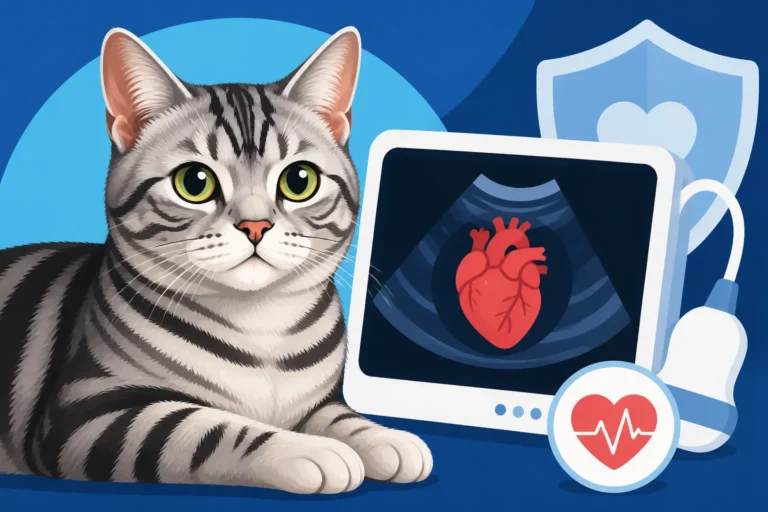
Beyond the mouth, periodontal disease can have far-reaching effects on your American Shorthair's entire body. The bacteria that thrive in an infected mouth don't stay put; they can enter the bloodstream through the damaged gum tissue. Once in the bloodstream, these bacteria can travel to vital organs, including the heart, kidneys, and liver, causing secondary infections and inflammation. This systemic spread can exacerbate existing conditions or even initiate new ones, significantly compromising their overall health.
Imagine your cat developing kidney disease, and while treatment is underway, the underlying dental infection continues to pump toxins into their system, making recovery harder. This isn't a hypothetical scenario; it's a very real risk associated with severe dental disease. Regular dental check-ups and cleanings aren't just about keeping their teeth white; they're about preventing a cascade of health issues that could shorten your American Shorthair's lifespan and diminish their comfort. This holistic view of health underscores why preventative care, including dental, is paramount for a long and healthy life.
Unique American Shorthair Considerations: Stoicism
As mentioned, the American Shorthair's calm and tolerant temperament, while wonderful for companionship, can inadvertently mask dental pain. They aren't prone to histrionics; instead, they might subtly alter their eating habits, become a little less playful, or simply withdraw slightly, behaviors that can easily be attributed to "just being a cat" or getting older. This inherent stoicism means that you, as their dedicated owner, need to be extra vigilant and proactive when it comes to their dental health.
You might not notice the slight flinching when they try to bite into a hard treat, or the way they slightly tilt their head to chew on a less painful side. These are the nuanced cues that American Shorthair owners need to learn to spot. By the time they refuse food entirely, drool excessively, or you can smell a truly foul odor from their mouth, the condition is likely severe, requiring extensive veterinary intervention. Understanding "Why a Stoic American Shorthair Hides Pain the Longest" is key to catching problems before they become emergencies. Their quiet endurance is a testament to their tough breed, but it puts the onus on us to be their advocates.
The Standard Recommendations for Feline Dental Care
Just like humans, cats benefit from a consistent dental care routine, both at home and with professional veterinary help. The frequency of these professional visits isn't a one-size-fits-all answer; it often depends on your cat's age, genetics, diet, and individual oral health. However, there are general guidelines that can help you establish a baseline for your American Shorthair.
Kitten to Adult: The Baseline Schedule
For most American Shorthair kittens, their first veterinary visits will focus on vaccinations, deworming, and general health checks. Dental health typically isn't a primary concern at this stage, as their baby teeth are usually healthy, and adult teeth are still developing. However, a vet will still do a quick oral check to ensure proper tooth eruption and alignment. As they transition into adulthood, around one year of age, a comprehensive oral examination during their annual wellness check-up is crucial.
During this annual exam, your veterinarian will assess the overall condition of your cat's teeth and gums. They'll look for signs of plaque, tartar, gingivitis, and any missing or fractured teeth. If significant tartar buildup or gingivitis is present, a professional dental cleaning under anesthesia will likely be recommended. Many vets suggest that a healthy adult American Shorthair should have a professional dental check-up and cleaning every one to two years, as a preventative measure. This proactive approach can prevent the development of serious periodontal disease, which is much harder to reverse once it takes hold. Think of it as investing in their long-term health.
The Impact of Age on Dental Frequency
As your American Shorthair ages, their dental needs tend to increase. Just like us, older cats are more prone to tartar accumulation, gum recession, and tooth resorption – a painful condition where the tooth structure erodes. For senior American Shorthairs, generally those over 7-10 years old, annual or even semi-annual dental check-ups and cleanings might be advised. The vet will be looking for more advanced signs of disease, and also evaluating their overall health for anesthesia.
An older cat's immune system might not be as robust, making them more susceptible to infections. Regular dental care for senior cats helps prevent these systemic issues from developing. If your American Shorthair is past twelve, then regular and thorough vet visits are crucial not just for their teeth, but for their entire body, as detailed in "Caring for an American Shorthair Past Twelve". A senior panel, including bloodwork and urinalysis, will almost certainly be part of the pre-anesthetic workup, ensuring they are healthy enough for a cleaning. Ignoring dental issues in an older cat can significantly impact their comfort and longevity, especially given how common dental problems become with age.
When Annual Checks Aren't Enough
While annual or bi-annual cleanings are a good general guideline, some American Shorthairs may require more frequent dental attention. Certain genetic predispositions, specific diets (especially those high in carbohydrates or without dental benefits), or even the individual architecture of their mouth can lead to faster plaque and tartar accumulation. If your vet observes rapid tartar buildup during routine exams, they might recommend a dental cleaning every six to nine months.
Furthermore, if your American Shorthair has a history of severe periodontal disease, chronic gingivitis, or a tendency to develop tooth resorption lesions, your vet will likely want to see them more often. These cats might benefit from a cleaning schedule tailored to their specific needs, potentially including more frequent home care efforts in between professional visits. This isn't about arbitrary rules; it's about addressing your cat's unique health profile. Being vigilant about their oral health can significantly reduce the need for extractions later on, saving both pain for your cat and considerable expense for you.
Here's a general guide to professional dental care frequency for your American Shorthair:
| Age Range | Typical Recommendation | Considerations |
|---|---|---|
| Kitten (0-1 year) | Initial oral exam during first vet visit | Ensure proper tooth eruption, check for congenital issues. |
| Adult (1-6 years) | Annual comprehensive oral exam, professional cleaning every 1-2 years | Baseline for healthy cats. May need more if rapid tartar buildup. |
| Middle-Aged (7-10 years) | Annual to semi-annual professional cleaning | Increased risk of periodontal disease, tooth resorption. Pre-anesthetic bloodwork crucial. |
| Senior (11+ years) | Semi-annual professional cleaning, vigilant home care | Higher risk for advanced disease, systemic health impacts. May require more frequent interventions. |
Signs Your American Shorthair Needs a Vet Dentist Sooner
Even with a regular schedule, it's crucial to be aware of the signs that indicate your American Shorthair might need a dental visit before their next scheduled appointment. Because they are so good at hiding discomfort, these signs can be subtle, but recognizing them can make all the difference in preventing advanced disease.
Observable Changes in Behavior and Eating
One of the most common indicators of dental pain is a change in eating habits. You might notice your American Shorthair becoming pickier with their food, particularly hard kibble. They might chew slowly, drop pieces of food, or only eat on one side of their mouth. Sometimes, they'll approach their food bowl eagerly, only to back away after a few tentative bites, suggesting it's too painful to eat. A sudden preference for wet food over dry food can also be a tell-tale sign.
Beyond eating, behavioral shifts can include a decrease in overall activity or playfulness. If your typically energetic American Shorthair is suddenly less interested in chasing toys or climbing their cat tree, it could be due to chronic pain. They might also become withdrawn, less sociable, or even a little grumpy if you touch their face or head. Any unexplained change in their usual routine, especially around meal times, warrants a closer look at their mouth. Remember, they're not complaining loudly, but their actions speak volumes if you're tuned in.
Physical Clues to Look For
While your cat isn't going to open wide for you, there are some physical clues you can often spot without too much trouble. The most obvious is bad breath, or halitosis. While all cats can have "cat breath," a truly foul, rotting odor is a strong indicator of infection and severe dental disease. Other physical signs include red, swollen, or bleeding gums, which are classic signs of gingivitis. You might also see visible tartar buildup, appearing as a brownish-yellow crust on the surface of their teeth, especially along the gum line.
Sometimes, you might notice drooling, which isn't typical for an American Shorthair. This excessive salivation can be a response to pain or irritation in the mouth. Less common but serious signs include pawing at their mouth or rubbing their face against furniture, which suggests significant discomfort. If you can gently lift their lip, check for any broken, chipped, or discolored teeth. Dark spots on teeth can indicate tooth resorption, a very painful condition. If you notice any of these signs, don't wait for the annual check-up; make an appointment with your vet immediately.
Pain Signals That Are Easy to Miss
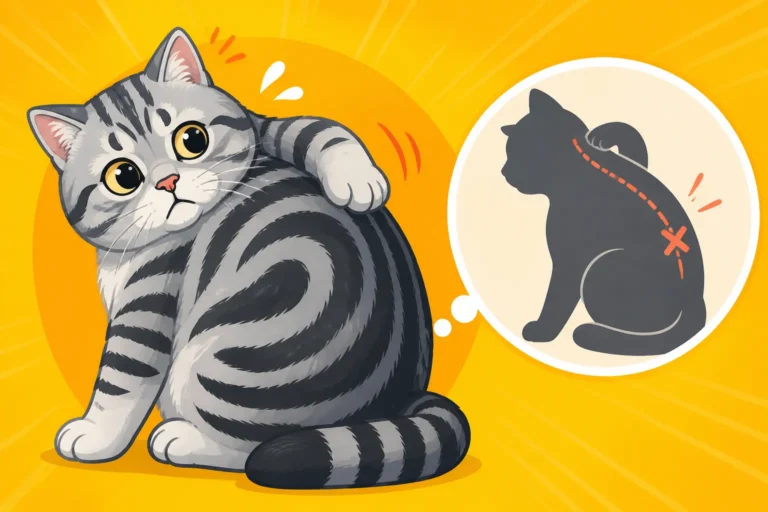
Because American Shorthairs are so adept at concealing pain, their signals can be incredibly subtle. Beyond the eating and behavioral changes, watch for very slight head tilts when chewing, or a tendency to swallow food whole without much mastication. They might also reduce their grooming habits, especially around their face, or stop grooming certain parts of their body because stretching to reach those areas is uncomfortable if they have jaw pain. These are the kinds of cues that many owners unfortunately miss, leading to advanced disease before intervention.
Even something as simple as a subtle shift in their favorite sleeping spot – perhaps moving to a softer surface or a less exposed area – could be an unconscious attempt to minimize discomfort. They might also become less tolerant of being handled, especially around their head and neck. It’s a good idea to consider pet insurance, and companies like Healthy Paws offer various plans that might include coverage for dental ailments, helping you provide the best care without financial strain. Being observant of these quiet indicators is critical, as it allows you to intervene before the problem becomes a crisis, potentially preventing "Why an American Shorthair Loses Teeth Nobody Noticed".
What to Expect During a Professional Dental Cleaning
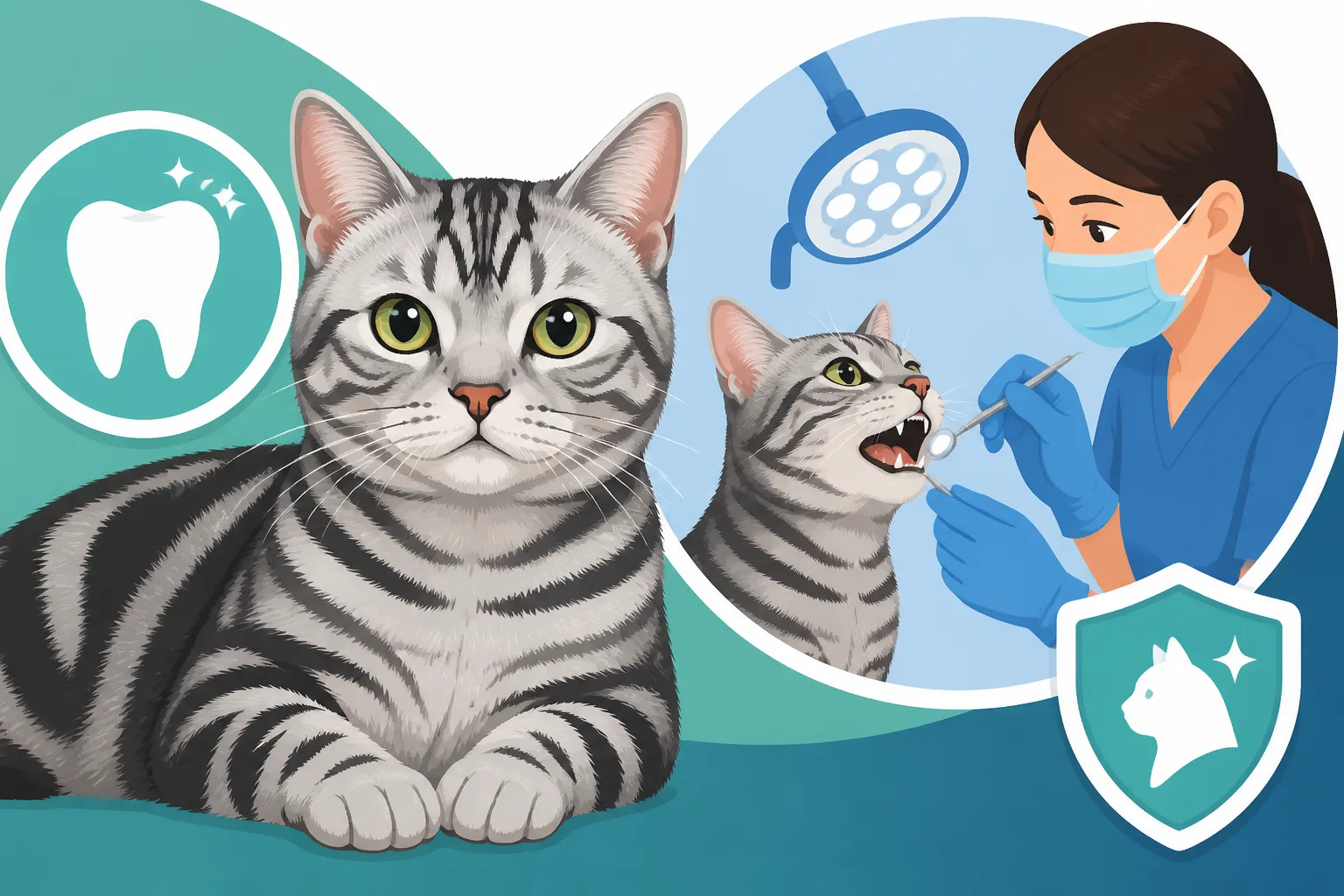
When your American Shorthair needs a professional dental cleaning, it's more than just a quick brush-up. This procedure is a comprehensive medical event designed to thoroughly clean their teeth and address any underlying issues, all performed under anesthesia for their safety and comfort.
The Importance of Anesthesia
You might feel nervous about your American Shorthair going under anesthesia, and that's perfectly normal. However, anesthesia is absolutely essential for a thorough and safe dental cleaning in cats. Unlike humans, cats won't sit still or cooperate while their teeth are scraped and probed, or while X-rays are taken. Anesthesia ensures that your cat remains calm, still, and pain-free throughout the procedure, allowing the veterinary team to work effectively and safely.
Before anesthesia, your vet will conduct a thorough physical examination and often recommend pre-anesthetic bloodwork. This bloodwork assesses your cat's organ function, ensuring they can safely metabolize the anesthetic agents and recover smoothly. This step is particularly important for older cats or those with pre-existing health conditions. Understanding "Whether an American Shorthair Needs Pre Anesthetic Bloodwork" can help ease your concerns, as it highlights the safety measures taken to protect your pet. The veterinary team will monitor your cat's vital signs constantly during the procedure, including heart rate, respiration, blood pressure, and oxygen saturation, providing the highest level of care.
The Cleaning Process: Scaling, Polishing, and X-rays
Once your American Shorthair is safely under anesthesia, the real work begins. The veterinary technician or vet will first perform a full oral examination, often using dental probes to check for pockets under the gum line, which are indicative of periodontal disease. Digital dental X-rays are a crucial part of this process. Unlike what's visible above the gum line, X-rays reveal the health of the tooth roots and jawbone, exposing issues like root abscesses, bone loss, or tooth resorption that would otherwise go undetected.
Next, a special ultrasonic scaler is used to remove plaque and tartar from the tooth surfaces, both above and below the gum line. This is followed by hand scaling to ensure every nook and cranny is clean. Once all tartar is removed, the teeth are polished to smooth the enamel surface, making it harder for new plaque to adhere. If any diseased or damaged teeth are identified, extractions may be necessary. The vet will discuss this with you beforehand if possible, or during the procedure if unexpected issues arise. This comprehensive cleaning is what truly tackles the root cause of dental disease, preventing its progression. Pet insurance, such as plans from Healthy Paws, can be invaluable here, helping to cover the costs of these essential procedures and any unexpected extractions.
Post-Procedure Care and Follow-up
After the cleaning and any necessary extractions, your American Shorthair will be carefully recovered from anesthesia. They might be a bit groggy or disoriented for the rest of the day, which is normal. Your vet will provide detailed post-operative instructions, which may include administering pain medication or antibiotics, especially if extractions were performed. You'll likely need to feed soft food for a few days to allow their gums to heal.
A follow-up appointment might be scheduled to check on the healing process, especially after extractions. It's during this time that your vet might also discuss preventative strategies you can implement at home to extend the benefits of the professional cleaning. This can include home brushing, dental diets, or dental chews. The aim is to keep their mouth as healthy as possible until their next professional cleaning. For an overview of the financial commitment involved, you might want to read "What an American Shorthair Dental Costs With Extractions", which provides helpful context for budgeting.
Preventative Care: What You Can Do Between Vet Visits
Professional dental cleanings are vital, but what you do at home in between those visits can significantly impact your American Shorthair's oral health and potentially extend the time between professional cleanings. Proactive home care is your first line of defense against plaque and tartar buildup.
At-Home Dental Care Techniques
The gold standard for at-home dental care is tooth brushing. Yes, you can brush your cat's teeth! While it might sound daunting, with patience and the right approach, many American Shorthairs can learn to tolerate it. Start slowly, introducing a feline-specific toothbrush and toothpaste (never use human toothpaste, as it contains ingredients toxic to cats). Begin by letting them taste the toothpaste, then gently rub it on a few teeth. Gradually increase the duration and number of teeth you brush. Even brushing a few times a week can make a huge difference in reducing plaque.
If brushing isn't feasible, there are other options. Dental wipes, oral rinses, and water additives can help reduce bacteria and freshen breath. The key is consistency. Make dental care a regular part of your routine, even if it's just a quick check of their mouth or applying a dental wipe. Every little bit helps. For practical tips and tricks, check out "How to Brush an American Shorthair's Teeth", which offers a step-by-step guide to making this process as smooth as possible for both of you.
Dietary Considerations for Dental Health
Your American Shorthair's diet plays a significant role in their oral health. While some believe that dry kibble automatically cleans teeth, this isn't entirely true. Most kibble shatters upon impact, offering minimal abrasive action. However, there are prescription dental diets specially formulated with larger, fibrous kibble that mechanically scrubs the teeth as your cat chews, reducing plaque and tartar buildup. These diets often contain ingredients that inhibit plaque mineralization.
Discussing dental diets with your veterinarian is a great idea, as they can recommend the best option for your cat's specific needs. Even if you feed a regular diet, ensuring it's high-quality and free from excessive sugars can indirectly benefit oral health. Some owners also find adding wet food to their American Shorthair's diet beneficial for overall hydration, which can help with saliva production and rinsing away food particles. While diet alone cannot replace brushing or professional cleanings, it's a valuable tool in your preventative arsenal.
The Role of Toys and Chews
Just like with dogs, certain toys and chews designed for dental health can offer some benefit to your American Shorthair. Look for cat-specific dental treats that have been clinically proven to reduce plaque and tartar. These treats often have a unique texture or contain specific ingredients that work to clean teeth. However, it's important to remember that these are supplementary and not a replacement for brushing or professional care.
Always choose dental toys that are safe and appropriate for your cat's size and chewing habits. Avoid anything too hard that could fracture a tooth, or anything too small that could be swallowed. Supervision is always recommended. While your American Shorthair may not chew on things with the same vigor as a dog, providing appropriate dental chews can offer some mild abrasive action and help satisfy their natural chewing instincts. When combining all these efforts, you're giving your American Shorthair the best chance at a healthy, pain-free mouth for years to come. Ultimately, how many dentals an American Shorthair needs in twenty years largely depends on this comprehensive approach to care.
Disclaimer
This article is for general informational purposes only and does not constitute professional advice. Laws, prices and regulations vary by location and change over time. Consult a qualified professional for guidance on your specific situation.