An American Shorthair Asks You for Almost Nothing
Let's be real: when you think about bringing a cat into your life, you probably imagine a creature with a demanding personality, a furry tyrant who rules the roost with insistent meows and endless requests for attention. Maybe you’ve seen those viral videos of cats knocking things off shelves to get fed, or heard stories of felines who wake their owners at ungodly hours. It’s enough to make anyone wonder if they have the energy for such a demanding companion. But what if I told you that the American Shorthair, with its calm demeanor and storied past, is famously known for asking you for almost nothing at all? This guide is here to shed light on why this wonderful breed truly embodies independence and contentment, proving that a truly happy cat doesn't always need to be the loudest one in the room.
The Quiet Confidence of the American Shorthair's Independence
The American Shorthair is a breed steeped in history, originating from working cats brought over on ships to control rodent populations. These were not pampered lap cats; they were valued for their self-sufficiency and their ability to get the job done without much human intervention. This legacy has deeply ingrained itself into their modern personality, making them incredibly independent companions who are perfectly content to observe and engage on their own terms. If you're looking for a cat that won't constantly be underfoot or demanding your undivided attention, you've found a kindred spirit in the American Shorthair.
A Legacy of Self-Reliance
Imagine a cat whose ancestors were navigating the high seas, then forging a life in new settlements, keeping barns and homes free of pests. These cats didn't have devoted staff to cater to their every whim. They hunted for their own meals, found their own warm spots, and learned to cope with the ebb and flow of a bustling human environment without needing constant reassurance or interaction. This wasn't just a survival trait; it became a defining characteristic of their very being.
This deep-rooted independence means your American Shorthair isn't likely to cling to you or suffer from separation anxiety. While they absolutely adore their human families, they possess an inherent sense of calm and self-assurance that allows them to thrive even when you're busy or away. They understand the rhythm of a household and can occupy themselves with exploring, napping in sunbeams, or simply watching the world go by from a comfortable perch. It’s a quiet strength, a palpable confidence that they can handle whatever comes their way, much like their seafaring forebears.
How Undemanding an American Shorthair Really Is
When we talk about an "undemanding" cat, it's not a euphemism for aloof or uncaring. Far from it. An American Shorthair simply doesn't rely on you for constant entertainment or validation. They appreciate your presence, they enjoy affection, but they don't demand it with incessant vocalizations or destructive behaviors. They possess a remarkable ability to entertain themselves with a stray dust bunny, a ray of sunshine, or a bird outside the window.
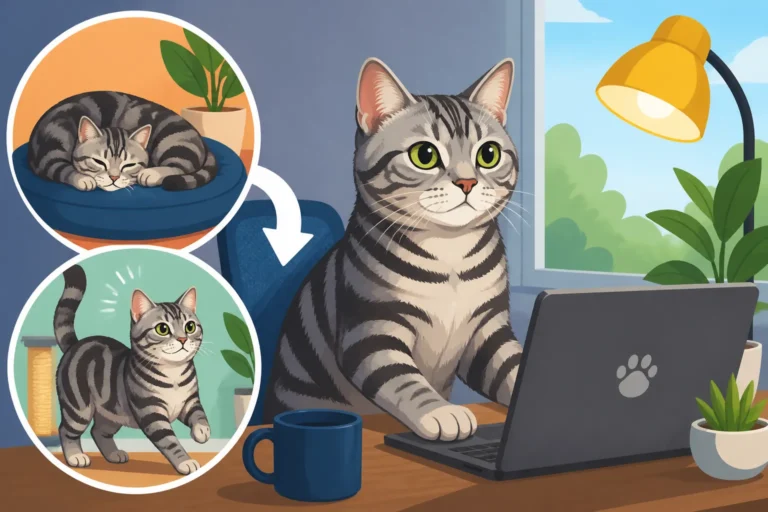
You'll find that an American Shorthair won't usually jump on your keyboard during a work call, nor will they try to trip you as you walk through the house. They're more likely to be curled up nearby, perhaps on a comfy chair in the same room, offering a silent, comforting presence. This makes them ideal companions for busy individuals, families with children, or anyone who appreciates a pet that enhances their life without adding undue stress. They truly embody the phrase "easy living." How Undemanding an American Shorthair Really Is dives deeper into just how little these wonderful cats ask of their humans.
The Subtle Art of Asking Without Nagging
So, if they're not overtly demanding, how do American Shorthairs communicate their needs? It's all in the subtle cues, the quiet nudges, and the gentle eye contact. They are masters of implied requests. Instead of a loud meow for food, you might find them sitting patiently by their bowl, looking at you with soft, expectant eyes. When they want some affection, they might slowly approach, rub against your leg, and then sit down beside you, inviting a stroke.
It’s a language you learn to read over time, a beautiful dance of understanding between you and your feline friend. They respect your space, and in return, you learn to recognize their quiet invitations. This subtle communication style makes interacting with an American Shorthair a truly rewarding experience, devoid of the constant noise and pressure that some other breeds or individual cats might bring. It's a testament to their calm and considerate nature, and honestly, it's one of their most charming qualities. To learn more about their unique vocal habits, check out How Little an American Shorthair Bothers to Say.
Navigating Affection on Their Own Terms
The independence of the American Shorthair doesn't mean they're not affectionate. Oh, quite the contrary! They are incredibly loving cats, but they express it in a way that aligns with their self-reliant nature. They are not typically "velcro cats" who constantly seek to be on your lap. Instead, they offer their love in measured doses, at times that feel natural to them, which makes their displays of affection all the more cherished and meaningful.
Choosing Their Moments for Connection
An American Shorthair's affection often manifests as a quiet companionship. They love being with you, just maybe not on you all the time. You might find them settling on the sofa next to you while you watch TV, or sleeping at the foot of your bed rather than directly on your chest. These are their chosen moments for connection – moments where they initiate the interaction or clearly signal their openness to it.
This independent approach to affection means you'll rarely feel overwhelmed by their neediness. Instead, you get to experience the joy of a cat who genuinely wants to be with you when they seek you out, rather than feeling obligated to provide constant cuddles. It’s a refreshing dynamic for many cat owners, especially those who appreciate their own personal space while still desiring a loving pet. When they do come for a snuggle, it feels earned and incredibly special. How much a self sufficient American Shorthair misses you explores their emotional attachments in more detail.
Why a Working Bred American Shorthair Sits Beside You Rather Than On You
Think back to their roots as working cats. These felines were solitary hunters, adept at surviving and thriving on their own. They formed bonds with humans, yes, but those bonds were built on a foundation of mutual respect and a shared purpose (like keeping rodents at bay). They didn't evolve to be constant lap warmers because their job required them to be alert, mobile, and ready for action. This historical context largely explains their preference for proximity over direct contact.
So, when your American Shorthair opts to sit beside you on the armchair, or perhaps on the table near your workstation, they are showing you profound affection. They are choosing to be in your orbit, sharing your space and absorbing your presence, even if they aren't physically draped across you. This is their way of saying, "I love you, I trust you, and I want to be near you," all while maintaining their comfortable sense of autonomy. It’s a beautiful balance that many American Shorthair owners come to deeply appreciate. You can delve further into this behavior in Why a Working Bred American Shorthair Sits Beside You Rather Than On You.
The Gentle Head Nudge and the Quiet Purr
When an American Shorthair decides it's time for some direct interaction, their methods are often subtle and endearing. A gentle head nudge against your hand, a slow blink, or a soft rub against your leg are common invitations for attention. These aren't forceful demands; they are quiet suggestions, easily accepted or politely acknowledged. And when you respond, you'll be rewarded with one of the most comforting sounds in the feline world: a deep, rumbling purr that vibrates through their solid frame.
This purr isn't always accompanied by frantic kneading or loud vocalizations; sometimes it's almost silent, a quiet motor running in pure contentment as you stroke their fur. It's a sign of profound trust and happiness, a private moment shared between you and your unpretentious companion. These small gestures of affection are incredibly precious because they come from a place of genuine desire, not desperate need. You'll find yourself looking forward to these quiet moments of connection throughout your day. Speaking of greetings, How an American Shorthair Greets You After Work offers more insights.
Minimal Maintenance, Maximum Contentment
One of the most appealing aspects of owning an American Shorthair, particularly for those with busy lifestyles or new to cat ownership, is their remarkably low maintenance requirements. This isn't just about their personality; it extends to their physical care as well. Their heritage as hardy, working cats means they are built for practicality and self-sufficiency, reducing the burden on their human companions significantly.
A Self-Sufficient Groomer
The American Shorthair boasts a short, dense coat that is remarkably easy to care for. Unlike long-haired breeds that require daily brushing to prevent mats and tangles, your American Shorthair is perfectly capable of keeping themselves pristine with minimal help from you. Their practical coat was designed by nature to protect them from the elements, not to win beauty contests, and it excels at its job.
You'll find that a quick weekly brush is usually more than enough to remove loose hair and distribute natural oils, keeping their coat healthy and shiny. In fact, many American Shorthairs even enjoy these short grooming sessions as a bonding experience, but they certainly don't need them to prevent major coat issues. This self-grooming efficiency is a huge plus, freeing up your time and reducing vet visits for coat-related problems. How Much an American Shorthair Spends Grooming Itself goes into detail about their meticulous self-care.
The Easygoing Appetite of a Former Hunter
While American Shorthairs can have a healthy appetite, given their history of hunting for sustenance, they are generally not overly picky eaters. They appreciate a consistent feeding schedule and good quality food, but they won't typically throw a fit if their meal is a few minutes late or if you switch brands gradually. They are adaptable and practical, much like their ancestors who couldn't afford to be fussy in their quest for food.
However, because they no longer have to hunt for every meal, it's important to monitor their portions to prevent them from becoming overweight. These cats enjoy their food, and their muscular build can sometimes hide a few extra pounds. A routine of controlled portions, perhaps with a puzzle feeder from a retailer like Amazon to engage their natural foraging instincts, can keep them trim and happy without turning mealtime into a battle. Their "easygoing appetite" truly means less stress for you, the owner.
Low-Drama Litter Box Habits
Another area where the American Shorthair shines in its low-maintenance appeal is its litter box habits. Descended from cats who were used to being outdoors and finding appropriate places to relieve themselves, they generally take to litter training with ease and are quite fastidious about their bathroom routines. This means fewer accidents and less stress for you.
Providing a clean, accessible litter box (or two, as is often recommended for multi-cat households) is usually all it takes to keep an American Shorthair happy in this department. They don't typically have specific demands about litter types or box styles, although every cat is an individual. Their inherent cleanliness and good sense often translate into a drama-free litter box experience, making them a joy to live with even in smaller spaces like apartments.
Thriving in Solitude and Quiet Spaces
One of the American Shorthair's most celebrated traits is their remarkable ability to be content and secure even when left alone. For those of us with work commitments, busy schedules, or even just a desire for some quiet personal time, this characteristic is an absolute godsend. They don't pine, they don't destroy, and they rarely develop the anxiety issues seen in more co-dependent breeds.
Why a Self Reliant American Shorthair Rarely Panics Alone
Their deep-seated self-reliance, honed over generations of solitary hunting and independent living, means that being left alone isn't a source of anxiety for an American Shorthair; it's simply a part of their natural rhythm. They aren't programmed to rely on constant human interaction for their emotional well-being. Instead, they find comfort in their own company, in exploring their territory, or simply in a long, undisturbed nap.
When you leave for the day, your American Shorthair isn't likely to be pacing frantically or crying at the door. They might watch you go, give a polite blink, and then settle into their routine of patrolling, napping, and self-entertaining. This inherent calmness is a huge relief for owners who worry about their pets' welfare during their absence. They trust that you'll return, and until then, they're perfectly capable of enjoying their quiet domain. To understand more about this trait, see Why a Self Reliant American Shorthair Rarely Panics Alone.
How an American Shorthair Copes Left Overnight
Extending their comfort with solitude, American Shorthairs are generally very adept at coping when left overnight, provided their basic needs are met. This isn't to say you should leave them for extended periods without care, but for a single night or a weekend trip with a trusted pet sitter checking in, they typically manage beautifully. This is a significant advantage for those who travel for work or occasionally enjoy short getaways.
Ensuring they have fresh food, ample water (perhaps a water fountain from Amazon to keep it appealing), and a clean litter box is usually sufficient. Their independent nature means they won't feel abandoned; they'll simply enjoy the quiet house and the opportunity to sprawl out in peace. They might even view it as a mini-vacation from human interruptions, allowing them to fully embrace their inner solitary hunter. This adaptability truly makes them a low-stress pet, even when your schedule dictates a brief absence. How an American Shorthair Copes Left Overnight offers further practical tips.
Creating an Enriching Independent Environment
Even though American Shorthairs are self-reliant, providing an enriching environment is crucial for their well-being, both when you're home and when you're away. The key is to offer opportunities for mental and physical engagement that they can access independently. Think vertical spaces like cat trees or shelves, which appeal to their natural desire to survey their territory from a high vantage point.
Puzzle feeders are excellent for stimulating their minds and making mealtime a fun "hunt." A variety of toys they can bat around themselves, like crinkle balls or soft mice, will also keep them entertained. Even something as simple as a window perch where they can watch birds and squirrels provides hours of quiet amusement. These additions allow them to express their natural behaviors and satisfy their curiosity without needing constant human interaction, reinforcing their innate contentment.
Adapting to Your Life, Not the Other Way Around
One of the most appealing qualities of the American Shorthair is their incredible adaptability. Unlike some breeds that require specific environments or strict routines, the American Shorthair is remarkably flexible and can comfortably integrate into a wide variety of households and lifestyles. They're not the kind of cat that will dictate the flow of your day; instead, they'll simply become a harmonious part of it.
Fitting Into Any Household Rhythm
Whether you have a bustling home with kids and constant activity, or a quiet, single-person dwelling, an American Shorthair can thrive. Their calm and balanced temperament allows them to roll with the punches, adjusting to different noise levels, schedules, and energy dynamics. They aren't prone to being overly timid or excessively boisterous, finding a comfortable middle ground that suits most situations.
They observe more than they participate in household dramas, preferring to find a cozy corner where they can watch the world unfold. This trait makes them an excellent choice for first-time cat owners who might be nervous about managing a more sensitive or demanding breed. You won't feel like you have to tiptoe around them or drastically alter your routine; they simply fit. This easy integration is a true testament to their grounded nature.
An American Shorthair With Children, Dogs and Noise
Many people worry about how a cat will react to children or other pets, envisioning constant stress or conflict. With an American Shorthair, these concerns are often alleviated. Their tolerant and good-natured disposition makes them excellent candidates for homes with kids and even dog companions. They are generally patient and not easily flustered by the exuberance of children or the boisterousness of a canine friend.
They have a remarkable ability to retreat gracefully when they need space, rather than resorting to aggression. If a child is too rough, or a dog too persistent, an American Shorthair will typically just walk away to a calmer spot, teaching boundaries without drama. Their robust build also means they can handle accidental bumps and jostles better than more delicate breeds. This makes them truly versatile family members, capable of sharing their home with diverse occupants. You can learn more about this in An American Shorthair With Children, Dogs and Noise.
How an American Shorthair Copes With Change
Life is full of changes, and moving house, welcoming a new baby, or altering work schedules can be incredibly stressful for pets. Many cats struggle with transitions, exhibiting behavioral issues or anxiety. The American Shorthair, however, tends to handle change with a commendable level of stoicism and adaptability. Their secure nature means they aren't easily thrown off balance.
While any cat will need time to adjust, an American Shorthair is more likely to methodically explore a new environment, establish new routines, and find their comfort zones without prolonged distress. They are pragmatic creatures, understanding that things shift, and they adjust accordingly. This ability to cope with life's inevitable changes makes them incredibly resilient and a less stressful companion during tumultuous times. How an American Shorthair Copes With Change provides further insights into their adaptable nature.
The Difference Between Independent and Aloof
It’s easy to mistake an independent cat for an aloof one, especially if you're used to more demonstrative breeds. But with the American Shorthair, there's a crucial distinction. Their independence is born of self-assurance and contentment, not a lack of desire for connection. They are deeply bonded to their families, but they express that bond in subtle, quiet ways that might be missed if you're not attuned to their particular language of love.
Reading the Subtle Cues of an American Shorthair
Since American Shorthairs aren't often "in your face" with their demands or affection, learning to read their subtle cues is key to understanding their rich inner world. A slow blink from across the room is a sign of immense trust and affection, essentially a cat kiss. A soft chirrup as you walk by indicates acknowledgement and contentment. The way they stretch out confidently in a sunbeam, exposing their belly, speaks volumes about their comfort and security in your presence.
These are not cats that will put on a grand show, but their quiet presence, the way they choose to be in the same room as you, or the gentle brush of their tail against your leg as they pass by, are all profound indicators of their bond. It’s about quality over quantity when it comes to their interactions, and learning to appreciate these nuanced expressions will deepen your relationship immeasurably.
When an Already Quiet American Shorthair Has Gone Too Quiet
While their quiet nature is generally a blessing, it does mean that any significant change in their typical behavior, especially becoming even more withdrawn or quiet, should be a red flag. Because they are so stoic and undemanding, they can be experts at hiding discomfort or illness. They might be hurting or feeling unwell long before they vocalize pain or exhibit obvious symptoms.
If your normally calm and independent American Shorthair suddenly starts hiding more, refusing favorite treats, or showing any change in their routine (like litter box habits or appetite), it’s always worth a call to the vet. Their baseline is already on the quieter side, so any deviation can be a significant indicator that something is amiss. It’s a responsibility that comes with their wonderfully low-key personality. This crucial point is explored further in When an Already Quiet American Shorthair Has Gone Too Quiet.
Respecting Their Need for Space
Understanding and respecting an American Shorthair's need for personal space is fundamental to building a strong, trusting relationship with them. They thrive when they feel they have control over their interactions, knowing they can approach you for affection and retreat when they've had enough. Forcing interaction or constantly picking them up when they don't want to can erode that trust and make them more withdrawn.
Always offer a gentle hand and let them come to you. Pay attention to their body language – a twitching tail, flattened ears, or a stiff posture are all signs they might need a moment to themselves. Providing plenty of high perches and cozy hiding spots gives them safe havens where they can observe or simply rest undisturbed. By honoring their independence, you foster a deeper, more genuine connection with these magnificent, understated companions.
Here's a quick look at their communication style:
| Communication Style | American Shorthair (Subtle) | Other Breeds (Overt/Demanding) |
|---|---|---|
| Hunger | Sits by bowl, gentle eye contact | Loud meows, pawing, knocking items |
| Affection | Head nuzzle, slow blink, sits nearby | Jumps on lap, persistent purring, kneading |
| Play | Watches toys, subtle tail flick | Brings toy, vocalizes, races around |
| Discomfort | Withdraws, slight posture change, quieter | Hiding, hissing, growling, loud cries |
| Attention | Rubs against leg, walks by you | Jumps on keyboard, follows everywhere |
Why This Breed Suits a First-Time Owner
For anyone embarking on the wonderful journey of cat ownership, the American Shorthair stands out as an exceptionally forgiving and delightful choice. Their inherently easygoing nature removes many of the common anxieties and challenges that new cat parents might face, setting the stage for a positive and rewarding experience.
An Excellent Introduction to Feline Companionship
If you've never owned a cat before, or if your previous experiences have been with more high-strung animals, the American Shorthair offers a gentle and straightforward introduction to the world of feline companionship. Their calm demeanor, coupled with their low grooming and attention demands, means there’s less to worry about and more time to simply enjoy their presence.
You won't be grappling with excessive vocalizations, destructive tendencies from boredom, or complicated dietary needs. Instead, you'll get to learn the ropes of cat care with a pet that’s patient and adaptable, building your confidence as an owner. This breed provides a solid foundation for understanding cat behavior and developing a loving bond without the added pressure of managing complex needs. Why an American Shorthair Suits a First Time Owner elaborates on this point.
Building Confidence with a Low-Stress Pet
Starting with a low-stress pet like the American Shorthair allows new owners to build their confidence naturally. You'll quickly see that you can provide a happy, healthy home for a cat without feeling overwhelmed. Their forgiving nature means that minor mistakes or learning curves won't have dire consequences. This ease allows you to focus on the joys of ownership: the quiet purrs, the contented naps, and the playful swatting at toys.
The satisfaction of knowing your cat is happy and thriving, even when you're not constantly doting on them, is incredibly empowering. It teaches you that a deep connection isn't about constant interaction, but about mutual respect and a peaceful shared existence. This positive initial experience often encourages first-time owners to become lifelong cat lovers.
Understanding Expectations for a Long-Term Relationship
Choosing an American Shorthair as your first cat also helps set realistic expectations for a long-term relationship with a feline companion. You learn that not all cats are alike, and that a cat's affection can be expressed in myriad ways, many of them subtle. You come to appreciate the beauty of their independence and the profound comfort of their quiet companionship.
This breed teaches you that a happy cat isn't necessarily the one demanding the most from you, but rather the one that is secure, self-assured, and content within its environment. It’s a wonderful lesson in appreciating the individual personality of your pet, fostering a bond that is built on understanding and respect rather than obligation. This foundation is invaluable for any future pets you might welcome into your home, ensuring a lifetime of loving and informed animal companionship.
Disclaimer
This article is for general informational purposes only and does not constitute professional advice. Laws, prices and regulations vary by location and change over time. Consult a qualified professional for guidance on your specific situation.