Whether Insurers Price the American Shorthair Low
It’s a common thought process, isn’t it? You look at your sturdy, no-nonsense American Shorthair, and then you look at pet insurance premiums, wondering if you're really going to pay the same as someone with a breed known for endless health issues. Many of us grapple with the perceived fairness of insurance costs, especially when our beloved feline companions seem to be the picture of robust health. This guide is dedicated to unraveling whether insurers genuinely price the American Shorthair low, examining the factors that influence those rates, and helping you understand what to expect.
The American Shorthair's Reputation in the Insurance World
The American Shorthair holds a unique position in the cat world, often celebrated for its hardy constitution and relative lack of breed-specific health problems. This isn't just anecdotal; it's a reputation that has been carefully cultivated over centuries of natural selection. Their ancestors were working cats, selected for their ability to thrive in demanding environments, which inherently meant that weak or sickly individuals didn't typically pass on their genes. This history has led many to consider The American Shorthair Is the Control Group of Cat Breeding in the feline world.
This robust genetic background means that American Shorthairs generally face fewer inherent health predispositions compared to many pedigreed breeds developed with more selective breeding practices, which sometimes prioritize appearance over health. Insurers, being businesses built on risk assessment, pay close attention to such breed-specific health data. If a breed is statistically less likely to incur high veterinary costs for congenital or hereditary conditions, that generally translates to lower perceived risk. This can, in turn, influence the premiums offered for policies covering an American Shorthair. Their status as a natural, healthy breed often means they are Why the American Shorthair Is Used as a Health Benchmark for feline health in general.
Factors Influencing American Shorthair Insurance Premiums
While their general health is a huge plus, several factors beyond breed alone will influence the actual premium you pay for your American Shorthair's pet insurance. It's not a one-size-fits-all situation, and understanding these nuances can help you find the best coverage.
Age of Your American Shorthair
Just like with humans, a cat's age is a significant factor in insurance pricing. Kittens, while generally healthy, can be prone to accidents or require initial preventative care. However, the real jump in premiums usually occurs as cats age. Senior cats, typically those over 7 or 8 years old, are more susceptible to age-related conditions like kidney disease, hyperthyroidism, and arthritis. For a breed known to live The Fifteen to Twenty Years the American Shorthair Was Given, these later-life expenses are a reality. Insurers factor in this increased likelihood of illness and injury as your American Shorthair moves into their golden years. If you enroll your cat when they are young, you'll generally lock in lower rates, though those rates will still see incremental increases each year as they age.
Location and Veterinary Costs
Where you live can have a surprising impact on your pet insurance premiums. Veterinary costs vary significantly by region, city, and even neighborhood. A vet clinic in a major metropolitan area like New York City or Los Angeles will likely charge more for services than a clinic in a rural town in Kansas. Since insurance is designed to cover these vet bills, insurers adjust premiums to reflect the average cost of veterinary care in your specific geographical area. This means an American Shorthair living in an expensive urban center might have higher premiums than one living in a more affordable region, even if all other factors are identical. It's a pragmatic consideration for insurance companies like Healthy Paws, who base their pricing models on real-world treatment expenses.
Chosen Coverage and Deductibles
The type and extent of coverage you select will directly impact your premium. Basic accident-only plans are generally the cheapest, covering unexpected injuries like broken bones or poisoning. Comprehensive plans, which cover both accidents and illnesses, are more expensive but offer broader protection. Within these categories, you'll also choose your deductible (the amount you pay before insurance kicks in) and reimbursement level (the percentage of the vet bill the insurer pays).
Consider this table outlining how different plan choices might affect your premium:
| Plan Type | Deductible | Reimbursement | Estimated Monthly Premium (Hypothetical) | Coverage Scope |
|---|---|---|---|---|
| Accident Only | $500 | 80% | $15 – $25 | Covers injuries, broken bones, ingestion of foreign objects, poisonings. |
| Accident & Illness | $500 | 80% | $30 – $50 | Covers accidents, illnesses (e.g., infections, diabetes), chronic conditions, common breed conditions like HCM Is the One Inherited Disease the American Shorthair Kept. |
| Accident & Illness | $250 | 90% | $45 – $75 | Higher reimbursement, lower deductible, covers more of the vet bill. |
| Accident & Illness | $100 | 90% (Unlimited) | $60 – $100+ | Lowest deductible, highest reimbursement (or even unlimited payout), offering the most comprehensive financial protection. |
Note: These are hypothetical ranges and actual premiums will vary based on your cat's age, location, and specific insurer.
Opting for a higher deductible or a lower reimbursement percentage will typically result in a lower monthly premium, but means you'll pay more out-of-pocket when a claim arises. Conversely, a lower deductible and higher reimbursement will mean higher monthly payments but less financial strain during an unexpected vet visit. It's a balancing act that requires you to assess your budget and your comfort level with potential emergency expenses.
Why American Shorthairs Might Still Command Lower Premiums
Despite the various factors that universally influence pet insurance costs, the American Shorthair's inherent health advantages genuinely do tend to put them in a favorable position with insurers. This isn't just wishful thinking; it's backed by breed data and actuarial science.
Fewer Predisposed Hereditary Conditions
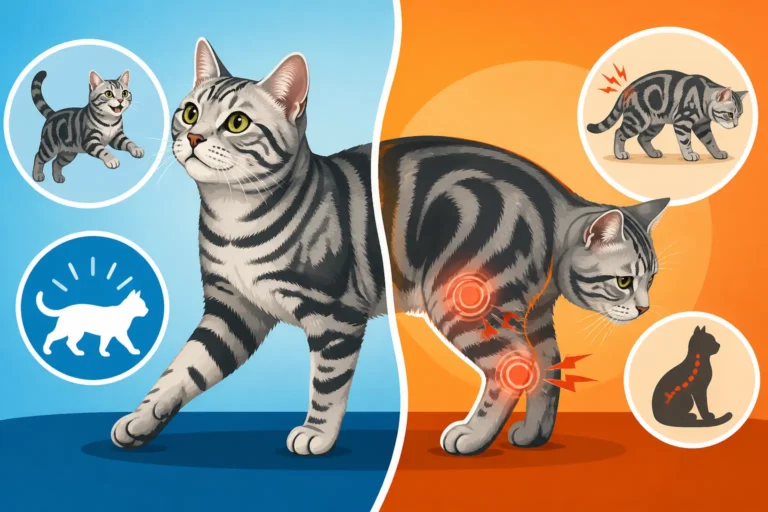
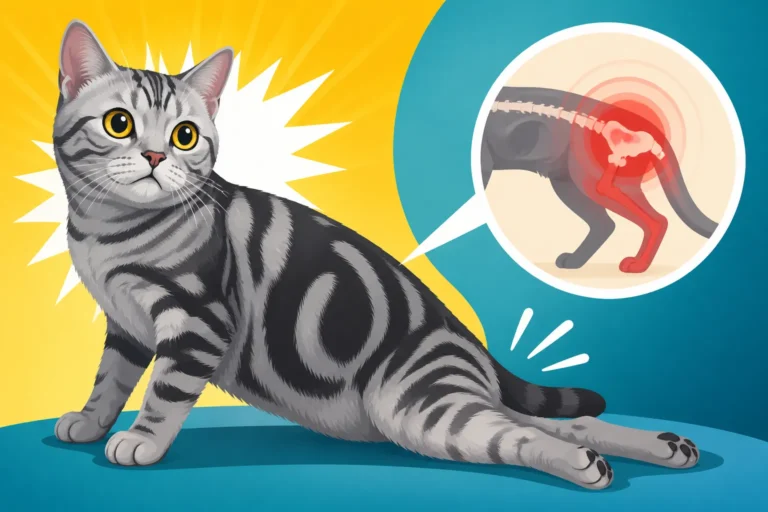
One of the most compelling reasons for lower premiums is the American Shorthair's remarkable genetic health. Unlike many purebreds that have been selectively bred for extreme physical traits, often leading to a higher incidence of specific hereditary diseases, the American Shorthair generally avoids these pitfalls. For example, while some larger breeds are prone to hip dysplasia, and others to polycystic kidney disease, the American Shorthair's sturdy, moderate build and diverse gene pool means they are less susceptible to a long list of genetically linked ailments. This translates directly to a lower statistical risk for insurers.
However, it's crucial to note that "fewer" does not mean "none." Even the healthiest breeds can have a predisposition. For American Shorthairs, hypertrophic cardiomyopathy (HCM) is the most notable concern, though it’s less prevalent than in some other breeds. This is why Why an American Shorthair Still Needs a Yearly Heart Scan remains a vital part of preventative care, especially for breeding cats, and why insurers still account for this possibility in their overall risk assessment. Providers like Healthy Paws understand that while the risk is lower, it's not zero.
Longevity and General Hardiness
The American Shorthair is renowned for its impressive lifespan, with many individuals living well into their late teens and even reaching 20 years. This longevity speaks volumes about their general hardiness and resilience. While older cats inevitably face age-related health issues, a breed that consistently lives a long, healthy life often requires less intensive medical intervention in its middle years. This long health span can result in How Much Less an American Shorthair Owner Spends at the Vet over the course of the cat's life, which is a big draw for insurance companies. They see a lower likelihood of chronic, expensive conditions arising early in life.
This natural hardiness also means they tend to recover well from common ailments and injuries. Their robust immune systems, inherited from generations of adaptable ancestors, often help them fight off infections or recover from minor issues more effectively than more fragile breeds. This overall picture of health and resilience makes them a statistically sound investment for pet insurance providers, often resulting in more favorable premium structures compared to breeds with shorter average lifespans or more frequent health crises.
Comparing American Shorthair Premiums to Other Breeds
To truly understand if insurers price the American Shorthair low, it helps to put it into perspective against other popular pedigreed cats. The differences can be quite stark.
Against Breeds Prone to Health Issues
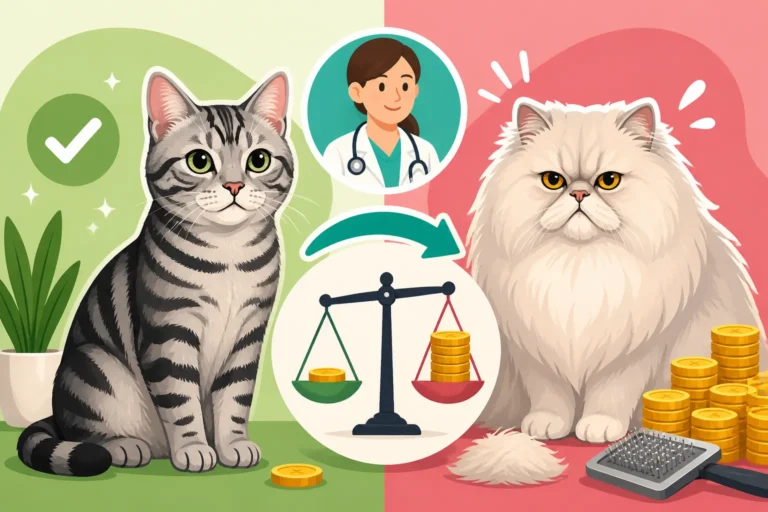
When you look at breeds known for a litany of hereditary conditions, the American Shorthair truly shines in terms of insurance affordability. Consider breeds like Persians or Himalayans, which are famously predisposed to polycystic kidney disease (PKD), breathing difficulties due to their flattened faces (brachycephalic obstructive airway syndrome), and eye issues. These conditions often require extensive, lifelong veterinary care, including specialized diets, medications, and sometimes surgeries, racking up significant bills. As a result, insurers perceive a much higher risk associated with these breeds, leading to substantially higher premiums. It's why Why an American Shorthair Costs a Vet Less Than a Persian is more than just a passing observation; it's a reflection of distinct breed health profiles.
Another example would be Scottish Folds, which are known for a painful genetic cartilage disorder called osteochondrodysplasia, affecting their joints and leading to arthritis. Insuring such a breed would likely incur higher costs due to the almost certainty of future veterinary intervention. The American Shorthair, with its comparatively clean bill of health regarding such debilitating genetic diseases, generally avoids these elevated premium brackets.
Against Other Common Shorthairs
It's also useful to compare the American Shorthair to other popular shorthair breeds. For instance, the British Shorthair, while also robust, can sometimes command slightly higher premiums. While both are generally healthy, British Shorthairs often have a more substantial build and are occasionally prone to conditions like polycystic kidney disease (PKD) or certain blood-type incompatibilities in breeding. These nuances, even if rare, can subtly influence risk assessment.
Another comparison might be to a domestic shorthair, often considered the "mutt" of the cat world. While domestic shorthairs are generally very healthy dueating to their diverse gene pools, an American Shorthair, being a recognized pedigree, might have slightly higher premiums simply because there's a specific breed standard and associated (though minimal) genetic risks documented. However, often the difference is negligible because the American Shorthair's health profile is so close to that of a well-bred domestic shorthair. The main takeaway here is that while slight variations exist, the American Shorthair consistently ranks among the most affordable pedigrees to insure, offering good value and coverage for its How Long the American Shorthair Lives Against Other Pedigrees and generally healthy constitution.
Navigating Insurance for Your American Shorthair
So, your American Shorthair is likely to be on the lower end of the premium scale, but how do you make sure you get the best deal and the right coverage?
When to Get Insurance
The best time to insure your American Shorthair is when they are young, ideally as a kitten. Why? Because pet insurance typically does not cover pre-existing conditions. If your cat develops a chronic illness before you get insurance, that condition (and any related issues) will likely be excluded from coverage. By insuring them early, you ensure that almost everything that might come up later in their life—be it an accident, a sudden illness, or even the slow progression of a condition like Obesity Is What Ending the American Shorthair's Job Cost It as they age—will be covered, provided it wasn't present before the policy started. This proactive approach can make a huge difference in the long run.
What to Look for in a Policy
When comparing policies for your American Shorthair, don't just look at the monthly premium. Dig into the details:
- Annual Payout Limits: Some policies have a maximum amount they'll pay out in a year. For a long-lived, generally healthy breed, a high annual limit or even an unlimited one (offered by some providers like Healthy Paws) is ideal, ensuring you're covered for any major, unexpected costs, especially as your cat reaches old age and might need What an American Shorthair's Senior Panel Costs.
- Deductible Options: As discussed, choose a deductible that balances your monthly budget with your ability to pay out-of-pocket during a claim.
- Reimbursement Percentage: Most policies offer 70%, 80%, or 90% reimbursement. A higher percentage means less out of your pocket.
- Coverage Inclusions/Exclusions: What exactly is covered? Are hereditary conditions covered? What about dental care, behavioral issues, or prescription food? Make sure the policy aligns with your priorities.
- Waiting Periods: All policies have waiting periods before certain coverages kick in. Understand these before you need to make a claim.
- Customer Service and Claims Process: Read reviews about the insurer's customer service and how easy their claims process is. A smooth experience is invaluable during a stressful time.
Ultimately, the decision of Whether Insurance Pays Off on a Low Risk American Shorthair depends on your personal financial situation and risk tolerance, but a good policy provides peace of mind.
Considering Preventative Care Plans
Some pet insurance providers, or even separate wellness plans offered by veterinary clinics, provide options for preventative care. These plans aren't usually considered "insurance" in the traditional sense, as they cover routine things like annual exams, vaccinations, and parasite prevention, rather than unexpected illnesses or accidents. For an American Shorthair, who generally has fewer unexpected issues, a wellness plan could be a cost-effective way to manage predictable annual expenses.
However, be sure to weigh the cost of these plans against the actual services you'd use. Sometimes, paying for these services out-of-pocket might be cheaper than the monthly fee for a wellness plan, especially if your American Shorthair is exceptionally healthy and robust. The key is to run the numbers for your specific cat and your local vet's prices. It's about optimizing your care budget, not just blindly signing up for the cheapest option.
Disclaimer
This article is for general informational purposes only and does not constitute professional advice. Laws, prices and regulations vary by location and change over time. Consult a qualified professional for guidance on your specific situation.