How to Find an American Shorthair Breeder Worth Paying For
It's an exciting time when you decide to bring an American Shorthair into your home, but the journey to finding the right kitten can feel overwhelming. So many ads, so many different price points, and how do you truly know if you're making a responsible choice that benefits both you and the cat? This guide is here to cut through the confusion and help you identify a truly reputable American Shorthair breeder, one who deserves your hard-earned money and will provide you with a healthy, well-adjusted feline companion.
The Initial Search: More Than Just a Cute Kitten Picture
When you first start looking for an American Shorthair, it's easy to get swept up in the adorable photos on various websites and social media groups. But behind those innocent kitten faces can lie a whole host of issues if you're not careful. Finding a breeder "worth paying for" means understanding what that payment truly encompasses: not just a kitten, but a commitment to health, temperament, and ongoing support.
Understanding the "Worth Paying For" Mindset
Let's be honest, it's tempting to jump at the lowest price, especially when you see ads for American Shorthair "types" that seem like a steal. You might think, "Why pay hundreds, even thousands, for a cat when I can get one for much less?" This is where the crucial difference lies. A low price often means corners have been cut. Perhaps the parents weren't health tested, the kittens weren't properly socialized, or the living conditions were less than ideal. You might save money upfront, but you could easily end up paying far more down the line in vet bills and behavioral training, not to mention the heartache of a sick or fearful cat.
A breeder "worth paying for" invests significant time, effort, and money into their breeding program. This includes genetic testing, top-notch nutrition for the breeding cats and kittens, regular veterinary check-ups, appropriate vaccinations and deworming, and creating a stimulating, loving environment for socialization. That higher price isn't just for the kitten; it's for the peace of mind that comes with knowing your new family member has had the best possible start and comes from a lineage of healthy, stable cats. It’s about securing the predictable health and temperament that are hallmarks of a well-bred American Shorthair, contributing to a long and happy life, perhaps even The Fifteen to Twenty Years the American Shorthair Was Given.
Where to Begin Your Search for a Reputable Breeder
Steering clear of those questionable online listings means knowing where to focus your search. The best places to start are typically breed-specific clubs and associations. In North America, the Cat Fanciers' Association (CFA) and The International Cat Association (TICA) are excellent resources. These organizations maintain lists of registered breeders who adhere to their standards and codes of ethics.
Connecting with these official bodies helps filter out casual backyard breeders who might not understand the complexities of genetic health or proper breed stewardship. Attending local cat shows is another fantastic way to meet breeders in person, observe their cats, and ask questions. You can see how their cats interact with people and other animals, and breeders are often thrilled to talk about their passion. Word-of-mouth recommendations from trusted veterinarians or fellow American Shorthair owners can also lead you to hidden gems. Remember, a responsible breeder isn't just selling a cat; they're looking for responsible homes, so they'll be just as keen to vet you as you are to vet them.
Essential Breeder Practices and What to Look For
Once you've narrowed down a few potential breeders, it’s time to dig deeper into their practices. A reputable breeder is transparent and proud of the care they provide, so don't hesitate to ask detailed questions. They should welcome your curiosity, as it shows you're serious about providing a good home.
Health Screening and Veterinary Care You Should Expect
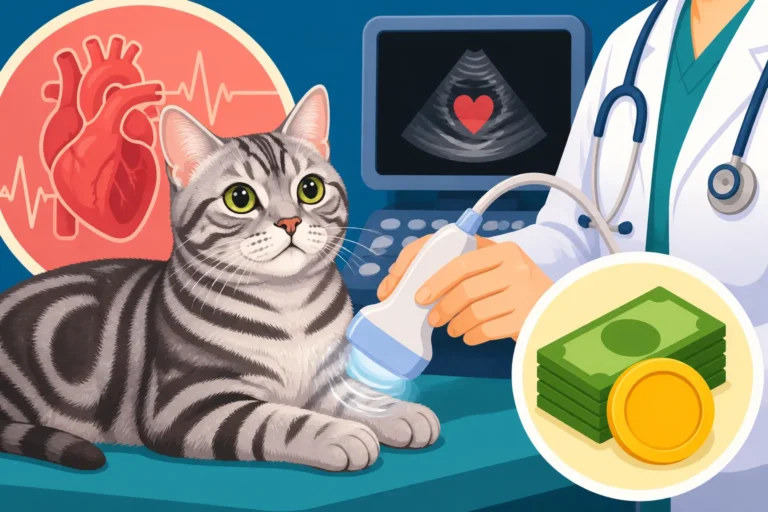
This is non-negotiable. American Shorthairs are generally a robust breed, but like all cats, they can be susceptible to certain inherited conditions. The most significant concern for American Shorthairs, and many cat breeds, is Hypertrophic Cardiomyopathy (HCM). A breeder worth their salt will have their breeding cats regularly screened for HCM by a board-certified veterinary cardiologist. This typically involves an echocardiogram (heart ultrasound). A single gene test cannot clear an American Shorthair's heart definitively, as HCM is complex and multiple genes can be involved. You should be asking about Why HCM Survived in the American Shorthair and Which American Shorthair Lines Are Documented for HCM.
Ask to see certificates for these screenings, not just verbal assurances. You want to see results for both parents. Beyond HCM, inquire about general veterinary check-ups for the parents and kittens. Kittens should have received their first vaccinations and deworming treatments appropriate for their age. They should be microchipped before going to their new homes, and records for all these treatments should be provided. A healthy start from a breeder ensures that How Much Less an American Shorthair Owner Spends at the Vet remains a reality, rather than a hopeful dream.
Temperament, Socialization, and Environment
A well-adjusted kitten starts with a well-adjusted mother and a rich early environment. Observe the breeder's home. Are the kittens raised underfoot, as part of the family, or are they kept isolated in a separate room or outdoor kennel? Kittens exposed to the normal sights and sounds of a household – vacuum cleaners, children playing, general hubbub – from an early age are far more likely to grow into confident, friendly adults. This early exposure helps them adapt readily to new homes and situations, embodying traits like Why an American Shorthair Fits Any Household.
When you visit, pay attention to the kittens' behavior. Are they curious, playful, and willing to approach you? Do they tolerate being handled? A shy or fearful kitten isn't necessarily a bad sign, as some individuals are naturally more reserved, but overall, the litter should display confidence and engagement. A good breeder actively works on socializing their kittens, handling them daily, exposing them to different textures and sounds, and even starting early litter box training. This meticulous effort in their crucial early weeks makes all the difference in their future temperament.
The Importance of a Detailed Contract and Support
A hallmark of a reputable breeder is a comprehensive contract. This isn't just legal mumbo jumbo; it's a statement of their commitment to their cats and their buyers. A good contract typically includes:
- Health Guarantee: Details what the breeder will do if a serious genetic health issue arises within a specified timeframe.
- Spay/Neuter Clause: Often requires pet kittens to be spayed or neutered by a certain age, with proof provided to the breeder.
- Return Policy: A responsible breeder will always take a cat back at any point in its life if you can no longer care for it, ensuring their cats never end up in shelters.
- Pedigree Information: Details the kitten's lineage, providing proof of its American Shorthair status. This addresses concerns like Whether an American Shorthair Kitten Comes With Papers.
Beyond the contract, a truly great breeder offers lifetime support. They are a resource you can call upon for advice on health, behavior, or anything else related to your cat. They genuinely care about the well-being of every kitten they produce. This ongoing relationship is invaluable, far beyond the initial purchase price. For example, if questions arise about long-term health, a breeder might be able to share insights that could help you choose the right pet insurance provider, like Healthy Paws, knowing that the breed's general good health can still be supported by a robust plan.
Red Flags and Questions to Ask (And Why They Matter)
Being prepared to spot warning signs and ask the right questions is crucial. Don't let enthusiasm override your critical judgment. This isn't just about protecting your investment; it's about making an ethical choice and ensuring you're not inadvertently supporting irresponsible practices.
Identifying Potential Red Flags
Walk away immediately if you encounter any of these situations:
- No Questions Asked of You: A good breeder wants to ensure their kittens go to loving, appropriate homes. They'll ask about your living situation, your experience with cats, your family, and your plans for the kitten. If they don't, it's a huge red flag.
- Multiple Breeds or Litters at Once: A breeder focused on quality typically specializes in one or two breeds and manages a limited number of litters to ensure each kitten gets adequate attention. A "kitten mill" will have many litters, often of different breeds, and conditions might be subpar.
- Inability to Visit Premises or Meet Parents: If a breeder refuses an in-person visit or makes excuses for why you can't see where the kittens live or meet the mother cat (and sometimes the father), something is likely being hidden. This is a critical step to ensure the kittens are being raised in a clean, safe, and stimulating environment.
- Kittens Ready Too Young: Kittens should ideally stay with their mother and littermates until at least 12-16 weeks of age. This period is vital for their social development, learning appropriate cat behavior, and weaning properly. Taking a kitten too early can lead to behavioral problems like aggression or separation anxiety.
- Reluctance to Provide Records or Pedigree: As mentioned earlier, transparency with health records, pedigrees, and registration papers is paramount. If a breeder is hesitant or evasive, it's a sign they might not have the proper documentation or worse, their cats aren't truly purebred or healthy. This can quickly answer the question, Whether a Backyard Bred American Shorthair Is Really One.
Crucial Questions to Ask a Prospective Breeder
Prepare a list of questions before you visit or call. A good breeder will appreciate your thoroughness.
- "What health screenings do you perform on your breeding cats, particularly for HCM, and can I see the documentation?" This is the single most important health question. Don't accept vague answers.
- "Can I see the parents' pedigrees and health certificates?" This verifies their purebred status and helps confirm health lineage.
- "How are the kittens socialized, and what kind of environment are they raised in?" Listen for details about exposure to household noises, handling, and interaction with people and other pets.
- "What is your contract like, and what guarantees does it offer regarding health and temperament?" Ask for a copy to review in advance.
- "How long have you been breeding American Shorthairs, and what are your goals for your breeding program?" Experienced breeders often have specific goals for improving the breed.
- "What kind of food are the kittens eating, and what brand do you recommend for their transition to a new home?" Breeders often have preferences and can guide you on nutritional needs.
- "What happens if, for any reason, I can no longer keep the cat?" A responsible breeder will always want their cats returned to them.
| Characteristic | Reputable Breeder | Irresponsible Breeder / Backyard Breeder |
|---|---|---|
| Health Testing | Extensive genetic and health screening (e.g., HCM echo) for breeding cats, documented results provided. | Minimal to no health testing; no documentation. |
| Environment | Kittens raised in a clean, stimulating home environment with socialization. | Kittens kept in cages, isolated, or in unsanitary conditions. |
| Kitten Age | Kittens released at 12-16 weeks, fully weaned and socialized. | Kittens released as young as 6-8 weeks, too young for proper development. |
| Transparency | Welcomes visits, provides full documentation (pedigree, vet records, contract). | Avoids visits, offers excuses, provides little or no documentation. |
| Support | Offers lifetime support, takes cat back if needed. | Sells the kitten and disappears; no follow-up or support. |
| Vetting Buyer | Asks detailed questions to ensure a good home. | Only concerned with payment; no questions asked of the buyer. |
| Price Rationale | Price reflects significant investment in health, care, and quality. | Price is often lower but doesn't reflect responsible care; potential for high future costs. |
The Long-Term Value of a Reputable American Shorthair Breeder
It might seem like a lot of effort and a higher initial cost, but investing in a reputable American Shorthair breeder truly pays dividends over the lifetime of your beloved pet. This isn't just about having papers; it's about bringing a healthy, happy, and well-adjusted companion into your home.
Peace of Mind and Predictable Health
One of the greatest benefits of choosing a responsible breeder is the peace of mind that comes with it. Knowing that your kitten's parents were health-screened and free of common inherited diseases significantly reduces the likelihood of heartbreaking and expensive health issues down the road. While no breeder can guarantee a cat will never get sick, they drastically reduce the risks of preventable conditions. This foresight can save you thousands in potential veterinary treatments and give your American Shorthair the best chance at a long, vibrant life. For more on preventative care, consider How Regularly a Healthy American Shorthair Still Needs Checking. When you adopt from a breeder who has prioritized health, you are investing in a future with fewer worries and more purrs.
A Well-Adjusted Family Member
The early weeks of a kitten's life are foundational for its temperament. A reputable breeder ensures that kittens are exposed to a variety of stimuli, handled gently, and socialized appropriately. This meticulous care results in a confident, friendly, and adaptable cat that integrates seamlessly into your household. An American Shorthair known for its calm and affectionate nature, bred and raised with proper socialization, is more likely to be tolerant of children, other pets, and household activity. This means less stress for you, and a happier, more stable feline friend. You’ll truly understand Why an American Shorthair Suits a First Time Owner when you see how easily a well-bred kitten adapts.
Ongoing Support and Community
The relationship with a good breeder doesn't end when you take your kitten home. Many reputable breeders become a trusted resource for the lifetime of your cat. They're there to answer questions, offer advice on everything from nutrition to behavior, and celebrate milestones. They often foster a community among their kitten owners, creating a network of support and shared experiences. This kind of ongoing relationship is invaluable, especially for first-time cat owners, and can provide comfort and guidance for years to come. This support structure helps ensure your American Shorthair thrives, making the experience of owning such a wonderful breed even more rewarding.
Disclaimer
This article is for general informational purposes only and does not constitute professional advice. Laws, prices and regulations vary by location and change over time. Consult a qualified professional for guidance on your specific situation.