What a Blue American Shorthair Costs Against a Silver Tabby
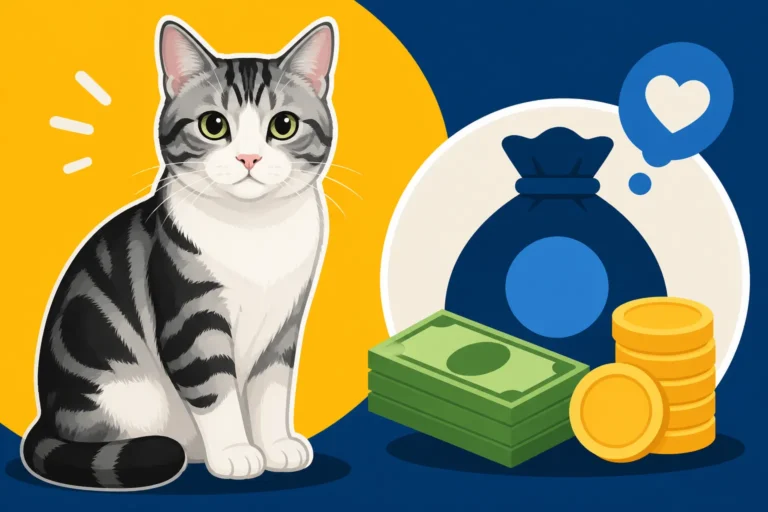
When you're dreaming of bringing an American Shorthair into your home, it's easy to get caught up in envisioning their classic good looks. You might find yourself drawn to the striking patterns of a silver tabby or perhaps the serene elegance of a solid blue. It's a common, and very real, question to wonder if the color of your future feline friend will significantly impact the price tag. After all, certain colors and patterns become breed icons, while others, though equally beautiful, might fly a bit more under the radar. This guide will help you understand the true factors behind an American Shorthair's cost, specifically comparing the beloved silver tabby with the lovely blue, so you can navigate the journey to finding your perfect companion with confidence.
Understanding American Shorthair Pricing Beyond Just Color
It’s a natural assumption that a cat's color might be the primary driver of its price, especially with breeds known for specific, iconic patterns. However, with an American Shorthair, while color plays a part, it’s often just one ingredient in a much larger recipe that determines the final cost. Think of it like buying a car; while the paint job adds to the aesthetic, the engine, safety features, and manufacturer's reputation are far more impactful on the sticker price. The true investment in an American Shorthair goes much deeper than their outward appearance, reflecting the care and dedication behind their lineage.
The Foundation: Breeder Reputation and Health Testing
Any responsible American Shorthair breeder invests significant time, effort, and money into ensuring the health and well-being of their cats. This isn't just a nicety; it's absolutely crucial for the longevity and quality of life of the kittens they produce. These breeders carefully screen their breeding stock for genetic predispositions and inherited conditions, even in a generally robust breed like the American Shorthair. This upfront investment in health testing is a major factor in the price of any kitten, regardless of its coat color.
For instance, responsible breeders will often perform regular echocardiograms to screen for Hypertrophic Cardiomyopathy (HCM), which is the most common heart disease in cats and, unfortunately, can affect American Shorthairs, though it's relatively rare. You might wonder, How Rare HCM Is in an American Shorthair. Such screenings are not cheap, and they need to be performed by a board-certified veterinary cardiologist. Similarly, while not as prevalent a concern as in some other breeds, breeders might also consider hip evaluations to ensure good joint health in this sturdy, muscular breed. These preventative measures mean the kittens come from a healthy background, giving you peace of mind and potentially saving you significant veterinary costs down the line. A higher price often reflects a breeder’s commitment to these vital health protocols. What a Cardiologist Charges to Scan an American Shorthair and What an American Shorthair's Hip X Rays Cost are real expenses that breeders absorb.
Pedigree, Show Potential, and Registration
Beyond health, the lineage and potential of an American Shorthair kitten are enormous contributors to its price. A kitten from champion lines, where its parents or grandparents have excelled in the show ring, will inherently command a higher price. This is because these cats represent the epitome of the breed standard, demonstrating desirable conformation, temperament, and genetic quality. Buyers are paying for the culmination of generations of careful breeding and selection, ensuring that the kitten embodies the ideal characteristics of the American Shorthair.
Furthermore, whether a kitten is sold with breeding rights or as a pet will significantly affect its cost. Most responsible breeders sell kittens designated as pets with a spay/neuter contract, which is generally a lower price than a show-quality kitten or one sold with breeding rights. Registration with reputable associations like the Cat Fanciers' Association (CFA) or The International Cat Association (TICA) also adds to the value. These registrations confirm the cat's pedigree and adherence to breed standards. You might ask, Whether an American Shorthair Kitten Comes With Papers. When you see "papers" mentioned, it often refers to these official registrations, which validate the kitten's heritage and purebred status. This formal recognition of ancestry is a major differentiator from a domestic shorthair and contributes to Why a CFA Registered American Shorthair Costs More.
The Allure and Cost of the Silver Tabby American Shorthair
The American Shorthair comes in a dazzling array of colors and patterns, from solids to smokes to bi-colors. Yet, when most people picture an American Shorthair, a very specific image comes to mind: the majestic Silver Tabby. This particular pattern has become synonymous with the breed, a true icon that has captivated cat lovers for generations. This widespread recognition and demand play a significant role in its pricing.
Why the Silver Tabby Commands a Premium
The Silver Tabby American Shorthair is, without a doubt, the breed's most famous and recognizable variation. It's the "poster cat," the one you see in advertisements, on calendars, and often winning top honors in cat shows. This isn't by accident; the stark contrast of its charcoal markings against a shimmering silver background is incredibly striking and difficult to achieve perfectly. Generations of breeders have strived to produce the ideal Silver Tabby, focusing on clarity of pattern, brilliant silver color, and emerald green eyes. This intense selective breeding and the high demand it creates mean that a well-marked Silver Tabby American Shorthair often fetches a premium price compared to other colors. It’s a testament to its iconic status, a historical favorite that has become the breed's very face. As a result, Why the Silver Tabby Became the American Shorthair's Face, and subsequently, why it can command a higher price. The classic "bullseye" pattern on the sides of a Silver Tabby is particularly sought after.
Variations Within the Silver Tabby Pattern
Even within the Silver Tabby category, there can be price variations based on the specific pattern and the clarity of those markings. The two primary tabby patterns are "classic" (often called blotched) and "mackerel" (stripes). The classic tabby pattern, with its swirling, marble-like markings on the sides and a distinct "bullseye" target, is often considered the quintessential American Shorthair look, especially in silver. A perfectly clear, high-contrast classic silver tabby with crisp markings and no "tarnishing" (brownish tones) in the silver can be at the higher end of the price spectrum.
Mackerel tabbies, with their distinct vertical stripes, are also beautiful but might sometimes be priced slightly differently depending on current trends and the breeder's specific focus. The overall quality and crispness of the markings are paramount. What a Classic Silver Tabby American Shorthair Costs can fluctuate, but it generally remains a strong indicator of breed quality and desirability. A cat whose pattern clarity misses the mark for show standards, even if it's a Silver Tabby, might be priced more as a pet, reflecting the breeder's meticulous standards. Whether Pattern Clarity Changes an American Shorthair's Price is a definite yes in the world of American Shorthairs.
Exploring the Cost of a Blue American Shorthair
While the Silver Tabby enjoys widespread fame, the Blue American Shorthair offers a different kind of understated elegance. This solid color, often described as a soft, dilute gray, presents a striking contrast to the patterned tabbies. It's beautiful in its own right, and its pricing often reflects different market dynamics compared to its more celebrated silver counterpart.
The Appeal and Rarity of Blue Coats
A Blue American Shorthair possesses a quiet charm. Their coat is a uniform, medium gray, ranging from a lighter, powdery shade to a deeper slate, often complemented by copper or gold eyes. This solid color is a dilute version of black, meaning genetically, the cat carries two copies of the dilute gene. While not as universally recognized as the Silver Tabby, the blue coat is quite appealing for its sleekness and sophisticated appearance. It's a color that speaks of calm and elegance, and many owners are drawn to its serene beauty.
The rarity of blue American Shorthairs can vary. Some breeders might focus more heavily on tabby patterns, making solid blues less common in their lines, while others might actively work with blue lines. It's not necessarily "rare" in the sense of being genetically difficult to produce, but simply less frequently seen than the omnipresent tabby patterns. Therefore, while blue is a recognized and beautiful color according to the breed standard, it doesn't carry the same historical "icon" weight as the Silver Tabby. This distinction can sometimes lead to a different price point, but it's important to remember that a well-bred blue American Shorthair is still a testament to responsible breeding practices and the breed's overall health and temperament.
Market Demand and Breeder Focus for Blue
The pricing of a Blue American Shorthair, when compared to a Silver Tabby, often comes down to market demand and specific breeder programs. Because the Silver Tabby is so iconic and universally sought after, the demand often pushes its price higher. Blue, while lovely, might not have the same level of widespread commercial demand that creates a significant premium. This isn't to say a blue American Shorthair is "cheap" or less valuable; it simply means the demand curve might be different.
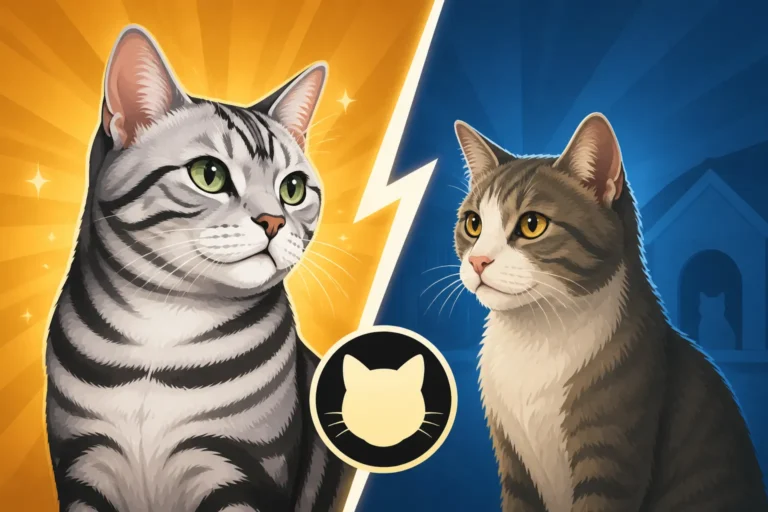
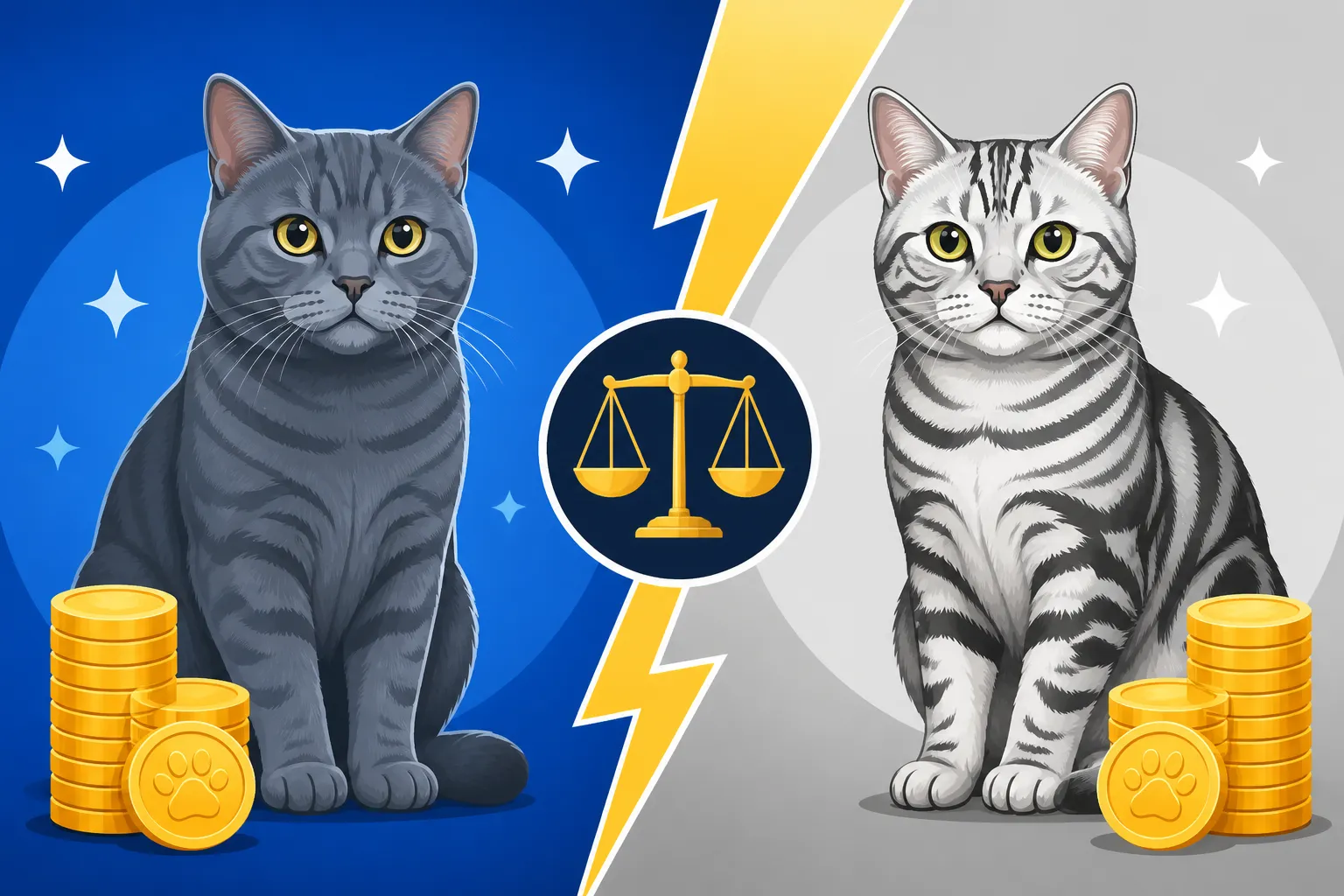
Some breeders might have a passion for working with solid colors, including blue, and will produce stunning examples of the shade. Others might have blue kittens occur naturally within their litters as part of a varied breeding program. The price of a blue American Shorthair can be influenced by the quality of the specific cat – its conformation, temperament, and how closely it meets the overall breed standard, regardless of color. You might find that a show-quality blue American Shorthair from champion lines could still be priced similarly to, or even higher than, a pet-quality silver tabby. The core expenses of responsible breeding, such as health testing and quality care, remain constant across all colors. So, when considering What a Blue American Shorthair Costs Against a Silver Tabby, it's less about a fixed difference in color price and more about the interplay of demand, breeder specialization, and individual kitten quality.
Beyond Purchase Price: Lifelong Costs to Consider
While the initial purchase price of your American Shorthair is a significant factor, it's crucial to remember that it's just the beginning of your financial commitment. Owning a pet, especially a purebred cat, is a long-term investment that spans many years. These furry family members require ongoing care, and anticipating these costs will help you be a truly responsible and prepared owner, ensuring your American Shorthair lives a long, healthy, and happy life. This breed is known for its longevity, so these costs will add up over their The Fifteen to Twenty Years the American Shorthair Was Given.
Initial Setup and Ongoing Care
The first year with your American Shorthair will involve several one-time and recurring expenses. Initially, you'll need to outfit your home with essential supplies. This includes food bowls, a comfortable bed, a sturdy litter box (or several), and high-quality litter. Don't forget toys – lots of them! American Shorthairs are intelligent and active, benefiting greatly from interactive play. Retailers like Chewy offer a wide range of products that can help you get started, from durable scratching posts to engaging puzzle feeders. You’ll also have initial veterinary visits for vaccinations, deworming, and a general check-up to ensure your kitten is thriving. These first-year costs are universal, regardless of whether your American Shorthair is blue, silver tabby, or any other color.
On an ongoing basis, the biggest expenses will be food and routine veterinary care. American Shorthairs are sturdy cats, often with good appetites, so feeding them a high-quality, protein-rich diet is important for maintaining their muscular physique. If you're looking into premium nutrition, some owners explore fresh, human-grade food tailored to their cat's needs. Regular vet check-ups are essential for preventative care, catching any potential issues early. Remember, even a generally healthy breed still needs routine care. For a comprehensive look at the first year's financial outlay, consider reading An American Shorthair's First Year Against a Shelter Adoption.
Health Insurance and Unexpected Expenses
Despite the American Shorthair's robust health and generally low predisposition to many genetic diseases, unexpected accidents or illnesses can still occur. No cat, regardless of breed or lineage, is entirely immune to life's surprises. This is where pet health insurance can become an invaluable financial safety net. Imagine your active American Shorthair taking an unexpected tumble or suddenly developing a mysterious ailment; without insurance, diagnostic tests, medications, or even emergency surgery can quickly become a significant financial burden.
Companies like Healthy Paws offer various plans that can help cover these unforeseen veterinary costs, giving you peace of mind that you won't have to make difficult decisions based solely on your budget during a stressful time. While many assume that a generally healthy breed means insurance isn't necessary, the reality is that all cats, as they age, become more susceptible to conditions like kidney disease, hyperthyroidism, or even certain cancers. Having a policy in place can make all the difference, especially as your American Shorthair enters its senior years. It's worth considering Whether Insurers Price the American Shorthair Low compared to some other breeds, as their solid health can sometimes translate to more favorable premiums. Investing in insurance is a wise way to safeguard your long-term financial health as a pet owner, allowing you to focus on your cat's recovery rather than the accumulating bills.
Cost Comparison Table: Blue vs. Silver Tabby American Shorthair
| Factor | Blue American Shorthair | Silver Tabby American Shorthair | Impact on Price (Relative) |
|---|---|---|---|
| Aesthetic Appeal | Serene, elegant solid dilute gray | Striking, iconic, high-contrast silver with dark markings | Moderate for Blue; High for Silver Tabby (due to fame) |
| Breeder Focus | Can be part of diverse breeding, some specialized lines | Often a primary focus due to high demand and recognition | Varies for Blue; Consistent premium for Silver Tabby |
| Market Demand | Consistent, but generally lower than Silver Tabby | Very high, often driving higher prices | Price influenced more by individual breeder/kitten for Blue; Demand-driven premium for Silver Tabby |
| Rarity (Perceived) | Less common than tabbies overall, but not truly "rare" | Distinct pattern, ideal clarity can be challenging | Can be a factor if a particular shade is sought; High for perfect show quality |
| Genetic Cost | No specific genetic premium for blue color itself | No specific genetic premium for silver tabby itself | Negligible difference based on color alone |
| Breeder's Investment | Identical for health testing, care, pedigree | Identical for health testing, care, pedigree | No difference – responsible breeding costs are consistent regardless of color |
| Show Potential | Can be show quality if meeting breed standard | Often highly sought for show rings due to iconic status | Significant if individual cat is show-quality, regardless of color |
Disclaimer
This article is for general informational purposes only and does not constitute professional advice. Laws, prices and regulations vary by location and change over time. Consult a qualified professional for guidance on your specific situation.