Whether an American Shorthair’s Coat Coarsens With Age
It's a common worry among cat parents: as our beloved felines gracefully enter their golden years, we start noticing subtle changes in their appearance, and the coat is often one of the first things that catches our eye. You might be stroking your senior American Shorthair, and suddenly, that once-sleek, resilient fur feels a little different under your fingertips. You're left wondering if it's just your imagination, or if your American Shorthair's coat is actually coarsening with age. This comprehensive guide is here to walk you through exactly why these changes happen, what's normal, what might be a red flag, and how you can continue to keep your mature companion's coat looking its best.
The American Shorthair's Coat in Its Prime
Before we delve into the changes that come with age, let's take a moment to appreciate the American Shorthair's coat in its prime. This isn't just any cat fur; it's a testament to centuries of working cat heritage, built for practicality and resilience, not just aesthetics. When your American Shorthair is young and healthy, its coat is a marvel of natural engineering.
Understanding the American Shorthair's Unique Coat Texture
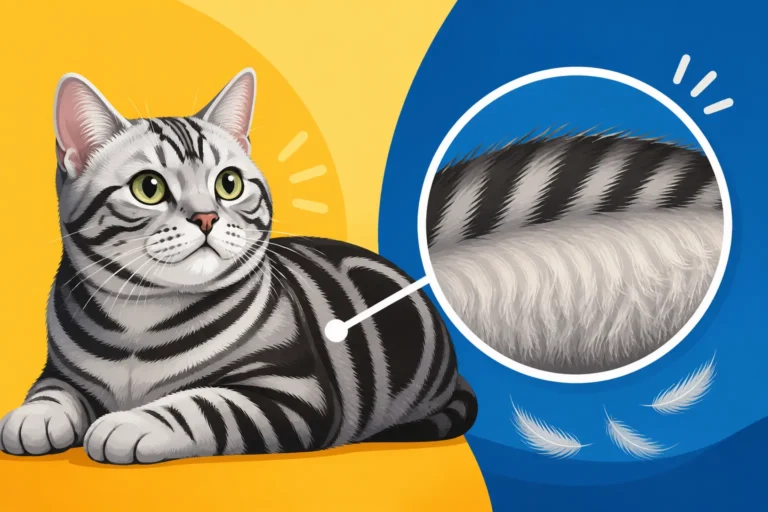
The American Shorthair's coat is distinctly different from many other pedigreed cats, particularly those bred for extreme plushness or silkiness. It's often described as hard, dense, and even somewhat coarse by design, yet still smooth to the touch. This isn't a flaw; it's a feature. This breed's ancestors were ship's cats and barn cats, relying on their coats to protect them from the elements and the rough-and-tumble life of a working animal. The texture is a functional characteristic, meant to repel water and provide insulation. You won't find the super-soft, plush feel of a British Shorthair here; instead, you get a rugged, healthy coat that's built to last. What Makes an American Shorthair's Coat Hard Rather Than Soft
Each strand of hair is strong, and the coat has a natural springiness to it when you run your hand against the grain. This hardiness contributes to its low-maintenance nature, making it less prone to tangles and matting than many other breeds. The density ensures good coverage, and the texture prevents it from feeling flimsy. This is a coat that has served its purpose well for generations, keeping these capable hunters comfortable in varied conditions.
What a Young, Healthy American Shorthair Coat Feels Like
When your American Shorthair is in its younger years, typically up to around 7-8 years old, their coat should feel incredibly resilient and robust. It's thick, with a good, healthy luster that isn't greasy or dull. Running your hand over their back, you'll feel a smooth, even texture, yet with a firm resistance. It's not the feeling of silk or velvet; rather, it's a coat that feels substantial and strong, a natural barrier. You might even notice a slight "crunch" as you pet them, which is a hallmark of the breed's ideal texture. This natural firmness and density mean that the individual hairs have a certain rigidity, allowing the coat to lay flat and shed water efficiently.
The appearance is vibrant, with clear, crisp tabby markings or solid colors that gleam under the light. There's an underlying vitality that speaks volumes about the cat's excellent health, good diet, and efficient self-grooming habits. This healthy coat reflects proper nutrition, hydration, and an active lifestyle, all contributing to its ideal presentation. It's the standard against which any future changes are measured.
Why Coat Changes Occur as Cats Age
Just like with humans, aging brings about a host of physiological changes in our feline companions, and their skin and coat are no exception. It's a natural progression, but understanding the underlying reasons can help you differentiate between normal aging and something that might require a vet's attention. The changes aren't usually dramatic overnight but occur gradually over several years.
The Role of Skin and Oil Glands in Coat Health
As an American Shorthair ages, the skin beneath their magnificent coat undergoes changes. One of the most significant factors contributing to coat coarsening is a decrease in the activity of the sebaceous glands, which are responsible for producing natural oils (sebum) that keep the skin supple and the coat glossy. With reduced oil production, the skin can become drier, and the individual hair shafts lose some of their natural lubrication and flexibility. This lack of natural conditioning can make the coat feel rougher, less smooth, and sometimes even brittle. Think of it like a fine piece of wood that, without regular oiling, starts to dry out and lose its sheen and smooth feel.
Additionally, the skin itself may become thinner and less elastic, which can impact the overall health of the hair follicles. A less healthy follicle produces weaker, duller hair. This is a common part of the aging process across many animal species, and it directly influences the texture and appearance of your American Shorthair's coat.
Hormonal Shifts and Their Impact on Fur
Hormones play a critical role in maintaining healthy skin and hair, and as cats age, their endocrine system can experience shifts that influence coat quality. For example, changes in thyroid hormone levels can manifest quite clearly in the fur. Hypothyroidism (underactive thyroid), though less common in cats than hyperthyroidism, can lead to a dull, dry, and thinning coat. Hyperthyroidism (overactive thyroid), which is more prevalent in older cats, might cause a coat to become unkempt, greasy, or matted due to excessive shedding and increased metabolic rate.
Other hormonal changes, even those not directly disease-related, can affect the hair growth cycle, leading to hair that is less vibrant, grows more slowly, or is shed more frequently. These subtle shifts can contribute to a general decline in coat quality and texture, making it feel rougher or thinner than it once was. It's another piece of the puzzle that explains why your senior American Shorthair's fur might not have the same youthful bounce.
Underlying Health Issues and Their Effect on the Coat
While some coat changes are simply due to the passage of time, it's crucial to remember that your American Shorthair's coat is often a fantastic barometer of their overall health. Any significant or rapid change in texture, luster, or density can be a warning sign of an underlying medical condition that goes beyond normal aging. For instance, kidney disease, diabetes, or even dental problems can all manifest in a poor coat. Cats in pain or discomfort, especially from conditions like arthritis, may also neglect their self-grooming, leading to a matted, greasy, or dull coat that feels rough and neglected.
Parasites, though less common in strictly indoor cats, can also cause coat issues, as can allergies that lead to excessive scratching and secondary skin infections. If you notice dramatic coarsening, balding patches, excessive shedding, or any signs of skin irritation, it's always best to consult your veterinarian. They can perform diagnostic tests, such as blood work, to rule out or address any health concerns that might be impacting your cat's beautiful fur. Caring for an American Shorthair Past Twelve Catching these issues early can make a world of difference in your cat's comfort and coat health.
Does the American Shorthair's Coat Specifically Coarsen with Age?
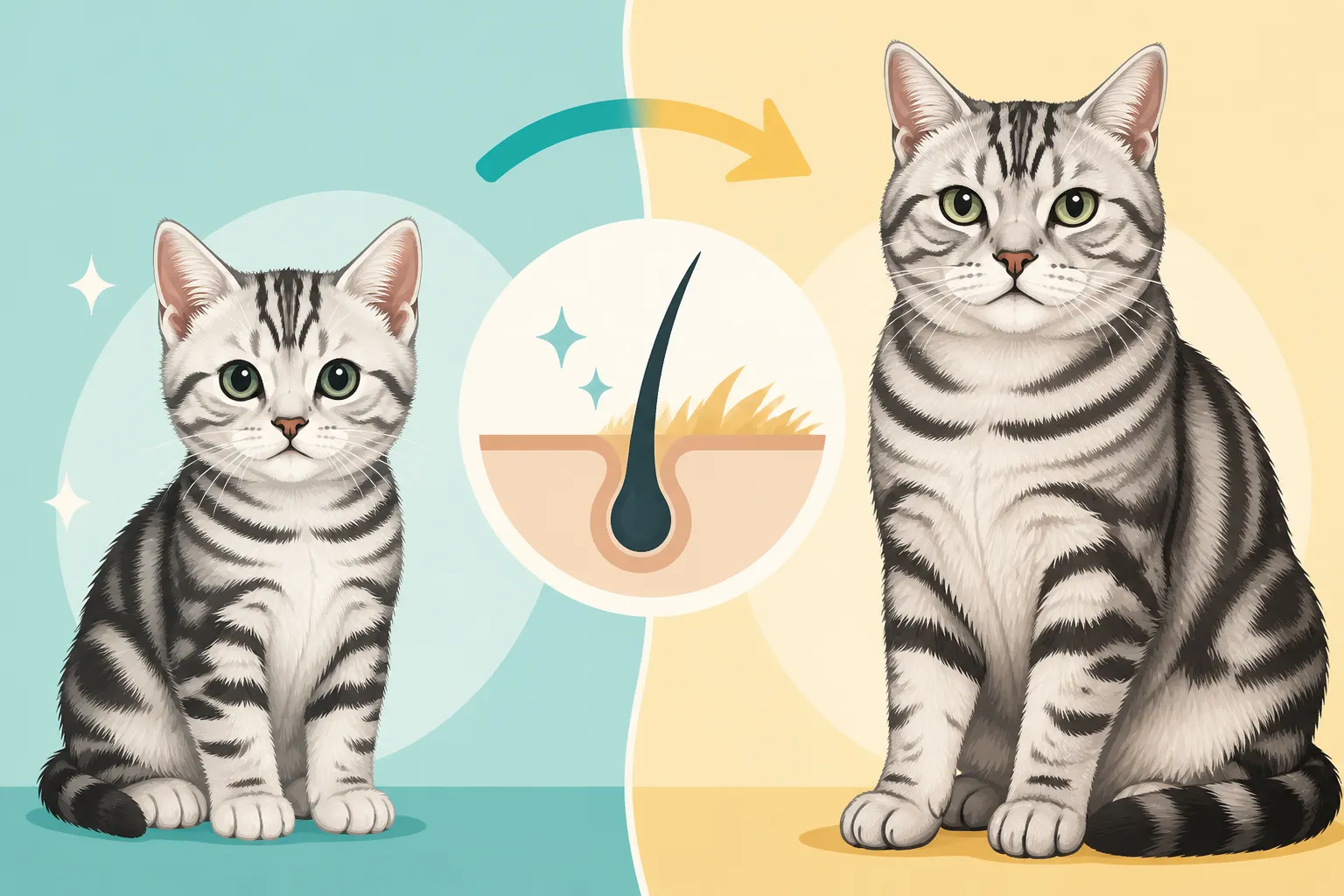
Now for the direct answer to the burning question: yes, an American Shorthair's coat can appear to coarsen with age, though it's often more accurately described as a loss of the original healthy texture, vibrancy, and suppleness rather than becoming genuinely prickly or rough. The "coarsening" you feel might actually be dryness, brittleness, or even a less efficient lying of the hair due to diminished grooming and skin health.
Their naturally strong, hard coat, which was once a point of resilience, can, without the proper oils and grooming, start to feel stiffer or less yielding. It typically doesn't become like steel wool, but it might lose that smooth, springy feel it had in its prime. This change is usually gradual, occurring over years, and is influenced by a combination of the factors we've already discussed: reduced oil production, hormonal shifts, and the cat's ability to maintain its meticulous self-grooming routine. The American Shorthair's protective outer coat, with its stiff guard hairs, will still be present, but without adequate lubrication, it may feel less polished.
Distinguishing Natural Age-Related Changes from Health Concerns
It's vital to develop a keen eye for what's normal and what's not as your American Shorthair ages. Natural age-related coat changes usually involve a gradual dulling of the coat, perhaps a slightly drier texture, and a general thinning, especially on the underside or less-groomed areas. The hair might also become a bit more brittle, leading to more breakage or shedding. You might notice the color isn't as rich or the patterns aren't as defined as they once were. These are typically slow, progressive changes that don't cause the cat any distress.
However, if you observe sudden or severe coarsening, excessive matting in a breed that rarely mats, large patches of hair loss, scabbing, redness, flakiness, or a greasy, unkempt appearance, these are strong indicators that something more serious is at play. Any of these symptoms warrant a prompt visit to your veterinarian. These could be signs of pain preventing self-grooming, internal diseases affecting nutrient absorption, or even parasitic infestations. Don't dismiss these as "just old age"; your vet can often find a treatable cause.
The Difference Between a Coarsened Coat and a Neglected One
This is a crucial distinction. A truly coarsened coat, in the context of aging, refers to the intrinsic changes in the hair shaft and skin health. A neglected coat, on the other hand, is the result of insufficient grooming, whether by the cat itself or by its human companion. Unfortunately, many senior American Shorthairs, despite their inherent meticulousness, struggle to keep up with their own grooming. Why an Overweight American Shorthair Cannot Reach Its Back Arthritis can make twisting and reaching difficult and painful. Dental issues can make self-licking uncomfortable. Decreased flexibility or even cognitive decline can lead to a less thorough grooming routine.
When a cat neglects its grooming, the coat can quickly become greasy, matted, and dull, accumulating loose hairs and dander. This will certainly feel rough and unpleasant to the touch, but it's not the same as a genetically or hormonally coarsened coat. The good news is that a neglected coat is something we can actively help with! Regular brushing, gentle cleaning, and addressing any underlying pain or discomfort can make a world of difference. Your job shifts from simply admiring their self-care to actively assisting them in maintaining their well-being. When an Old American Shorthair Needs Combing Help
| Coat Characteristic | Young, Healthy American Shorthair | Aging American Shorthair (Normal) | Aging American Shorthair (Potential Concern) |
|---|---|---|---|
| Texture | Hard, dense, resilient, smooth | Slightly drier, less elastic, may feel stiffer or somewhat coarse | Brittle, greasy, matted, clumpy, rough with flakes |
| Luster | Vibrant, glossy, healthy sheen | Dull, less reflective, muted | Very dull, unkempt, greasy or excessively dry |
| Density | Thick, full | Slightly thinner, especially in less accessible areas | Patchy hair loss, balding, noticeable thinning |
| Shedding | Moderate, seasonal | May increase or become more constant | Excessive shedding, noticeable clumps |
| Skin beneath | Supple, clear, well-hydrated | Drier, possibly flaky, less elastic | Redness, scabs, sores, lumps, excessive flakiness |
| Self-Grooming | Meticulous, thorough | May be less frequent, less thorough in hard-to-reach areas | Noticeably poor, matted patches, strong odor |
How to Support a Senior American Shorthair's Coat Health
Just because your American Shorthair is getting older doesn't mean you have to surrender to a less-than-lustrous coat. With some mindful adjustments to their care routine, you can help support their skin and fur health, keeping them comfortable and looking their best for many years to come. It’s all about meeting their changing needs with a little extra TLC.
Dietary Adjustments for Aging Cats
Nutrition is the cornerstone of a healthy coat, and this becomes even more critical for older American Shorthairs. Their bodies are less efficient at absorbing nutrients, and their metabolic needs can change. Look for senior-specific cat foods that are formulated with easily digestible proteins and a balanced array of vitamins and minerals. Crucially, consider diets rich in omega-3 and omega-6 fatty acids. These essential fatty acids are vital for skin hydration and a healthy, shiny coat. Many premium senior cat foods specifically incorporate these. You might also discuss with your vet whether a fish oil supplement would be beneficial.
Remember, a high-quality protein source is key for maintaining muscle mass and supporting healthy hair growth. As cats age, their appetite can sometimes wane, or dental issues might make certain textures difficult to eat. Offering wet food can be particularly helpful, not just for hydration, but because it's often more palatable and easier to chew. Why an Old American Shorthair Needs Food It Can Manage
Grooming Routine Tweaks for Older American Shorthairs
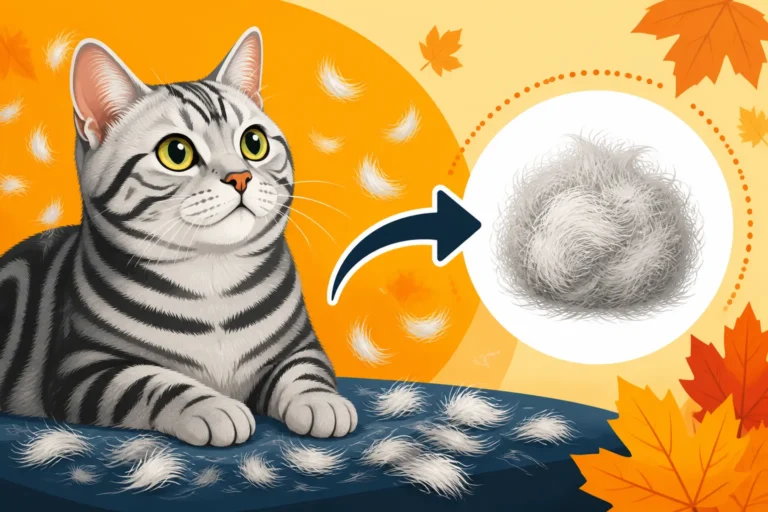
Your senior American Shorthair might not be as agile or enthusiastic about self-grooming as they once were. This is where you step in as their personal groomer! Gentle, regular brushing becomes paramount. A soft-bristled brush or a rubber grooming mitt, readily available on Amazon, can work wonders to remove loose hair, distribute natural skin oils, and stimulate circulation without irritating sensitive older skin. This is especially helpful during their seasonal shedding periods. How Much Comes Off an American Shorthair in Spring Focus on areas they can no longer reach, like their lower back, tail base, and around their hindquarters.
Keep grooming sessions short and positive, turning them into bonding time rather than a chore. If you notice any mats forming, particularly in the armpits or behind the legs, address them gently and carefully with a wide-toothed comb or blunt-nosed scissors (always pointing away from the skin!). If a mat is too close to the skin or too large, please don't try to tackle it yourself; a professional groomer or your vet can safely remove it. You might find your older cat appreciates a gentle massage during brushing, which can also help you feel for any new lumps or bumps.
Ensuring Adequate Hydration
Just like with their diet, hydration is incredibly important for skin and coat health in older cats. Dehydration can lead to dry, flaky skin and a dull, brittle coat. Many older cats don't drink enough water from a still bowl, especially if they've primarily eaten dry kibble for years. Increasing their intake of wet food is one of the most effective ways to boost their hydration. If they are still on dry food, consider adding some water to it, or offering a separate small bowl of chicken or tuna broth (unsalted, of course) as a treat.
Investing in a feline water fountain can also encourage them to drink more, as many cats are attracted to moving water. You can find excellent options on Chewy or Amazon. Make sure fresh water is always available in multiple locations around the house, and consider raising the bowls slightly if your cat has arthritis, making it easier for them to access without bending down too much. How Much Water an American Shorthair Should Drink
The Importance of Regular Veterinary Check-ups
Finally, and perhaps most importantly, never underestimate the power of regular veterinary check-ups for your senior American Shorthair. As discussed, a sudden or significant change in coat quality can be a symptom of an underlying health problem. Your vet is the best person to catch these issues early. During their routine senior exams, vets will not only assess their overall health but also pay close attention to their skin and coat.
They can run diagnostic tests, such as blood panels and urinalysis, to check for conditions like kidney disease, diabetes, or thyroid imbalances, all of which can impact coat health. What a Full American Shorthair Panel Actually Screens For If they suspect pain or arthritis, they can recommend pain management strategies that will make self-grooming much easier for your cat. Early intervention for any health issue can not only improve their quality of life but also significantly help in maintaining the integrity and appearance of their coat well into their golden years. Remember, their coat is a window to their internal health, so keep that window clear with consistent veterinary care.
Disclaimer
This article is for general informational purposes only and does not constitute professional advice. Laws, prices and regulations vary by location and change over time. Consult a qualified professional for guidance on your specific situation.