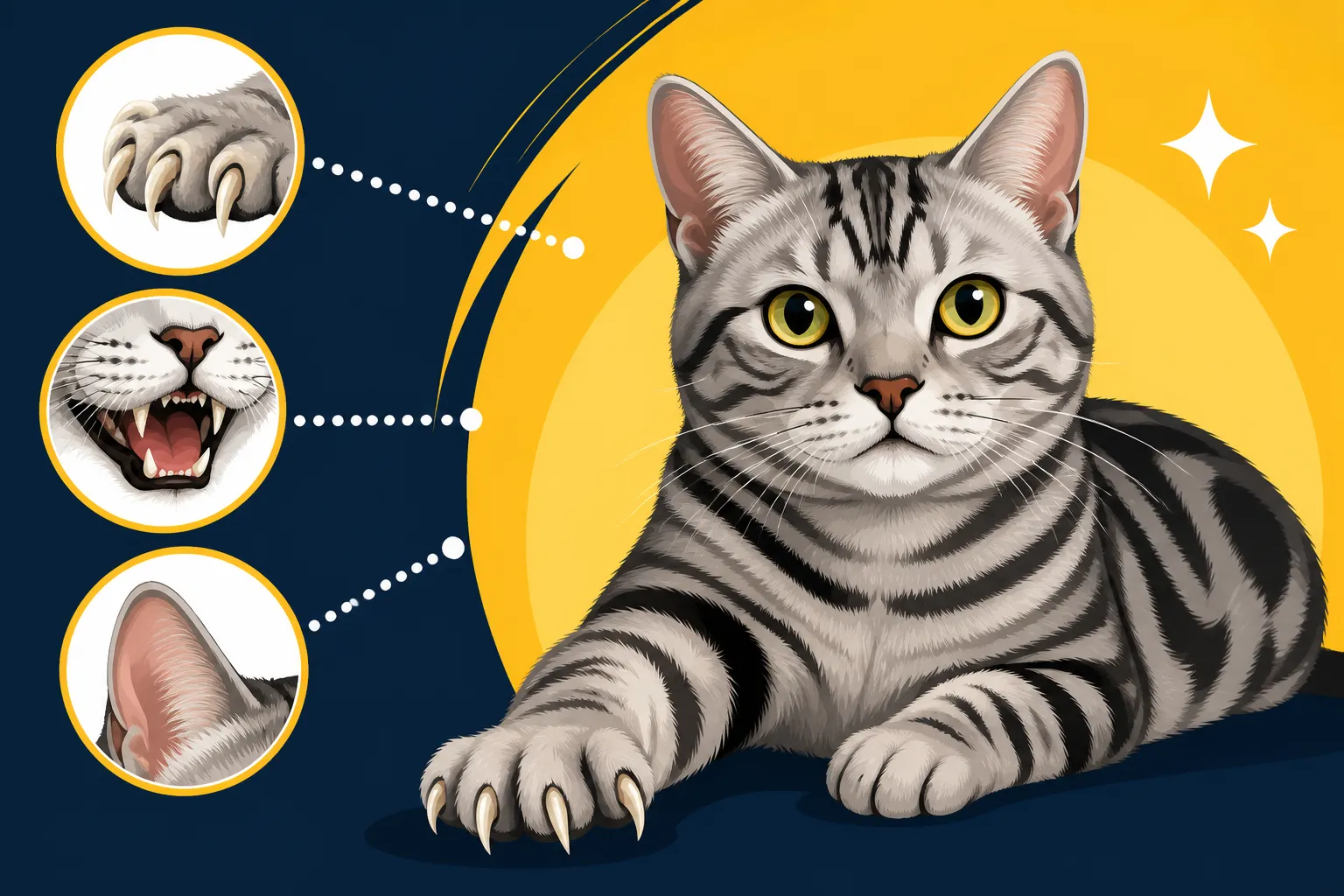
Claws, Teeth and Ears on an American Shorthair That Maintained Itself
As a seasoned American Shorthair owner and enthusiast, I know the common refrain: "My cat takes care of itself!" And while it's true that the American Shorthair, a breed renowned for its self-sufficiency and hardy nature, often appears to manage its own grooming with remarkable efficiency, believing they never need a helping paw can lead to overlooked health issues. This guide will delve deep into the nuances of caring for your American Shorthair's claws, teeth, and ears, ensuring you understand their natural habits and know precisely when and how to step in.
The American Shorthair's Self-Sufficient Grooming History
Our beloved American Shorthairs carry a legacy of independence, a trait honed over centuries as working cats. These weren't pampered show animals; they were indispensable members of the household, keeping ships, barns, and homes free of rodents. This demanding lifestyle meant they had to be tough, resilient, and capable of maintaining themselves without human intervention. Their grooming habits are deeply ingrained, a testament to their ancestors' need to stay clean and agile in often harsh environments.
Nature's Master Groomers
Imagine an American Shorthair's ancestors on a bustling farm or a creaky ship. There wasn't a salon appointment in sight! Their dense, protective coats, robust teeth, and sharp claws were vital tools for survival. They naturally kept their coats clean to regulate temperature and avoid parasites, used their claws to climb, hunt, and defend themselves, and relied on strong, healthy teeth to process their catches. This self-reliance meant that a cat incapable of managing its own basic care likely wouldn't thrive. It's a fundamental part of their genetic makeup, which is why your American Shorthair seems to possess an innate understanding of how to keep itself tidy. They really are incredible creatures in this regard, almost like little self-cleaning machines.
The Trade-Off of Modern Life
While this self-sufficiency is a wonderful quality, modern indoor living presents new challenges. Gone are the days of constant climbing, tearing into prey, and facing the elements. Our cozy homes, while safe, don't always provide the same opportunities for natural wear and tear on claws and teeth. The shift from a hunt-and-eat diet to processed kibble or wet food also changes how their teeth are used. This means that while the instinct for self-maintenance remains strong in your American Shorthair, the environment often doesn't facilitate it as effectively as it once did. It's not that your cat is suddenly lazy; it's simply that the natural processes that kept them perfectly maintained in the past are now a bit out of sync with their domesticated reality. Understanding this modern shift is the first step in responsible ownership.
Understanding American Shorthair Claws: More Than Just Scratching
An American Shorthair's claws are much more than just tools for mischief; they are integral to their anatomy and behavior. In their ancestral role, these claws were crucial for climbing, hunting, and self-defense. They allowed them to grip surfaces, scale heights, and dispatch prey with precision. Even today, for an indoor American Shorthair, claws are essential for stretching, balancing, and expressing natural instincts.
The Purpose of Sharp Claws
The process of scratching helps cats remove the outer, dull layer of their claws, revealing a new, sharper one underneath. This isn't just about keeping them keen for hunting; it's also a form of stretching and marking territory. When your American Shorthair vigorously rakes a scratching post, they're not just sharpening their nails; they're engaging in a full-body stretch that keeps their muscles and joints supple. This act also deposits scent from glands in their paws, serving as a visual and olfactory signal to other cats (or to you!). It's a natural, vital behavior that contributes to both their physical and mental well-being. Providing appropriate outlets for this instinct is paramount to their happiness and preventing damage to your furniture.
When to Trim Those Talons
Despite their best efforts with scratching posts, many American Shorthairs, especially indoor ones, will eventually need a little help keeping their claws at an optimal length. If you notice your cat's claws getting snagged on carpets, hear a distinct "click-click-click" as they walk on hard floors, or feel them becoming uncomfortably sharp during cuddles, it's likely time for a trim. Overly long claws can curl and grow into their paw pads, causing pain, infection, and making walking difficult. This is especially true for older cats who might not scratch as vigorously as they once did. How to Cut the Claws of an American Shorthair That Uses Them offers detailed steps on how to approach this task safely and effectively. Remember, a little maintenance goes a long way in preventing bigger problems down the line.
Investing in the Right Scratching Posts
Because scratching is so vital to an American Shorthair's health and happiness, providing suitable scratching surfaces is non-negotiable. Don't just grab the first flimsy post you see at the pet store. American Shorthairs are sturdy, muscular cats, and they need posts that are tall enough for a full stretch and stable enough not to wobble or tip. They also have preferences for material. Some cats prefer sisal rope, others cardboard, and some even love carpeted posts. Offer a variety of textures and orientations (vertical, horizontal, angled) to see what your cat prefers. Place these posts in prominent areas where your cat likes to stretch and spend time, as this taps into their territorial marking instinct. You can find a wide range of robust scratching posts on platforms like Amazon or Chewy, making it easy to experiment and find the perfect fit for your feline friend's preferences.
Maintaining Those Mighty American Shorthair Jaws and Teeth
The American Shorthair's strong, broad jaw and even teeth were built for one thing: catching and consuming prey. Historically, their diet consisted of small mammals and birds, which provided natural abrasion that helped keep their teeth clean and strong. In our modern homes, however, their dental health can often be an overlooked aspect of their overall care, leading to problems that are easily preventable.
The Impact of Modern Diets on Dental Health
Today's commercially prepared cat foods, while nutritionally complete, often don't offer the same dental benefits as a wild diet. Kibble, despite popular belief, often shatters rather than scrubs the teeth, and wet food leaves little residue for abrasion. This lack of natural cleaning means plaque and tartar can accumulate quickly, leading to gingivitis, periodontal disease, and even tooth loss. This silent problem can lead to significant pain for your cat, making eating difficult and impacting their overall health. Why Gum Disease Is the American Shorthair's Quietest Problem highlights just how insidious these issues can be, often going unnoticed until the disease is advanced.
Recognizing and Addressing Dental Issues
As your cat's primary caregiver, it's crucial to be vigilant for signs of dental trouble. Bad breath is often the first indicator, but don't just dismiss it as "cat breath." Other signs include drooling, difficulty eating (dropping food, chewing on one side), pawing at the mouth, red or swollen gums, and even changes in temperament due to discomfort. Regular vet check-ups are essential, as your veterinarian can assess their dental health and recommend professional cleanings when necessary. Think of it like your own dental care – regular brushing combined with professional cleanings when needed. Ignoring these signs means your American Shorthair could be living with chronic pain. How Many Dentals an American Shorthair Needs in Twenty Years gives you an idea of the commitment to dental health over their lifespan.
Establishing a Dental Care Routine at Home
While professional cleanings are sometimes unavoidable, you can do a lot at home to maintain your American Shorthair's oral hygiene. The gold standard is regular toothbrushing, ideally daily, with a cat-specific toothpaste (never human toothpaste!). Start slowly, introducing the brush and toothpaste gradually, and keep sessions short and positive. If brushing isn't feasible, dental treats, water additives, or specialized dental diets can offer some benefit, though they are generally less effective than brushing. Fresh, less processed food may contribute to better overall health, but even with a premium diet, direct dental care is often still needed. Remember, consistency is key, and even a few times a week is better than nothing. For a step-by-step guide, check out How to Brush an American Shorthair's Teeth.
Keeping a Keen Eye on Your American Shorthair's Ears
The American Shorthair's ears are typically clean and healthy, a testament to their robust genetics and active self-grooming. They don't have excessive hair in their ear canals or floppy ears that trap moisture, which makes them less prone to ear infections than some other breeds. However, that doesn't mean you should ignore them entirely. Regular, gentle checks are still an important part of a comprehensive care routine.
The Anatomy of Healthy American Shorthair Ears
An American Shorthair's ears are perfectly adapted for listening and minimal maintenance. They are medium-sized, slightly rounded at the tips, and set well apart on the head. Their ear canals are generally open and well-ventilated, allowing air to circulate and reducing the risk of moisture buildup that can lead to bacterial or yeast infections. A healthy ear will typically look clean, with no strong odor, excessive wax, or redness. You might see a small amount of light brown earwax, which is normal. Their self-grooming usually takes care of any minor debris, demonstrating their independent nature.
Signs of Ear Trouble to Watch For
Despite their natural resilience, American Shorthairs can still develop ear issues. It's vital to know what to look for so you can intervene early. Common signs of trouble include:
- Excessive scratching or pawing at the ears: This is a clear indicator of irritation or itchiness.
- Head shaking: If your cat is frequently shaking its head, it might be trying to dislodge something from its ear.
- Redness or swelling inside the ear flap: Inflammation is a sign of infection or irritation.
- Unpleasant odor: A strong, yeasty, or foul smell is never normal.
- Dark discharge or crusts: This could indicate ear mites, a bacterial infection, or a fungal infection.
- Changes in behavior: If your cat becomes sensitive to touch around the head or seems withdrawn, ear pain could be the cause.
If you observe any of these symptoms, a vet visit is in order. Never try to diagnose or treat an ear problem yourself, as you could cause more harm than good.
Gentle Cleaning and Routine Checks
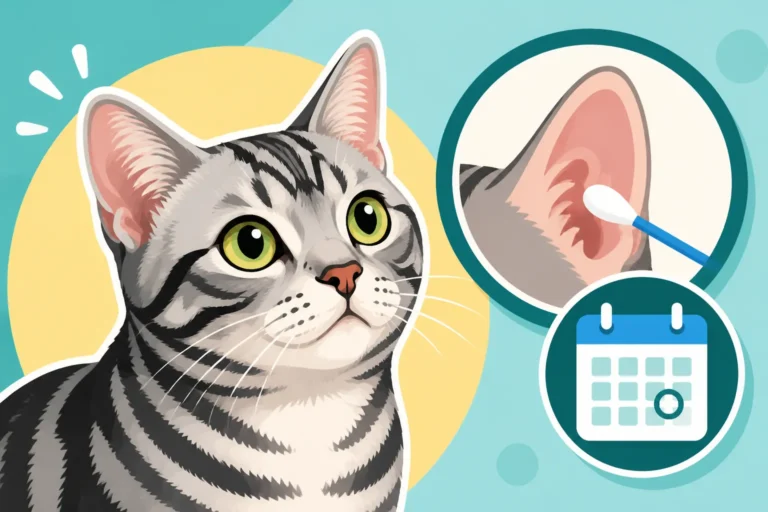
For healthy ears, very little is usually needed in terms of cleaning. In fact, over-cleaning can sometimes disrupt the natural balance and lead to irritation. However, a quick visual check during your regular cuddle sessions is a great habit. Gently fold back the ear flap and take a peek inside. If you see a small amount of normal wax, leave it be. If you notice a bit of dirt or a slight buildup, you can gently wipe the outer part of the ear with a soft cloth or cotton ball dampened with a cat-specific ear cleaner, never using cotton swabs deep inside the canal. You can find appropriate ear cleaners on pet supply sites like Chewy. For guidance on how to perform this delicate task, refer to How to Clean an American Shorthair's Ears. This minimal approach respects their self-sufficient nature while still providing responsible oversight.
When Your American Shorthair Needs a Little Extra Help
While the American Shorthair is a poster child for self-maintenance, there are stages and situations in life where even the most independent feline needs a helping hand. Recognizing these times is crucial for their comfort and long-term health. It's about being proactive and understanding that their natural abilities might wane or be compromised by other factors.
The Challenges of Weight Management
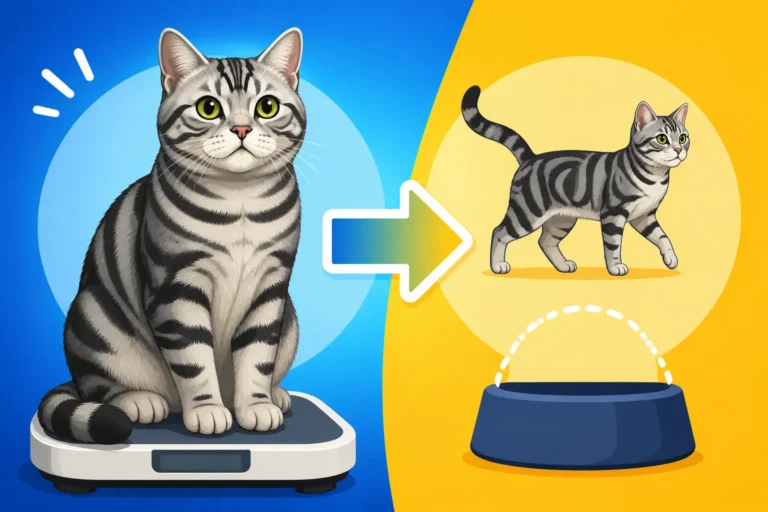
One of the biggest hurdles for an indoor American Shorthair is maintaining a healthy weight. Their ancestors were lean, active hunters, but our modern house cats often have a more sedentary lifestyle with easy access to food. An overweight American Shorthair faces a multitude of health risks, including diabetes, arthritis, and heart disease. Beyond these serious conditions, excess weight severely impacts their ability to self-groom. They simply can't reach all parts of their bodies, especially their backs and hindquarters, leading to matted fur, skin irritation, and even infections. Why an Overweight American Shorthair Cannot Reach Its Back details this frustrating reality. Keeping track of What an American Shorthair Should Weigh at Its Frame is a continuous effort, often requiring careful portion control and engaging play.
Grooming in the Golden Years
As American Shorthairs age, their agility and flexibility naturally decrease. Joints might stiffen, energy levels drop, and some might develop conditions like arthritis. This makes the elaborate contortions required for thorough self-grooming more difficult, if not impossible. You might notice their coat becoming duller, more prone to matting, or even greasy in areas they can no longer reach. Their claws might become thicker and more brittle, and their appetite might change, impacting dental health. This is when your gentle intervention becomes not just helpful, but essential. When an Old American Shorthair Needs Help Grooming delves into the specific needs of senior cats. Regular, gentle grooming sessions, careful claw trims, and diligent dental checks are critical to maintaining their comfort and dignity in their golden years.
Special Needs and Health Conditions
Sometimes, an American Shorthair might face a temporary or chronic health condition that impacts their grooming abilities. This could be anything from a temporary injury that limits movement to a more serious illness that causes lethargy or pain. For example, a cat recovering from surgery might need assistance cleaning areas they can't reach, or a cat with chronic pain might avoid stretching and therefore not use scratching posts effectively. Cats with certain neurological conditions might also struggle with coordination. In these cases, your observation skills are paramount. Work closely with your vet to understand the specific grooming needs related to their condition and how you can best support them during their recovery or ongoing management. It's about tailoring your care to their individual circumstances.
Essential Tools and Products for American Shorthair Care
You don't need a salon full of gadgets to care for your American Shorthair, but having a few key tools on hand can make all the difference when your independent cat needs a little assistance. Just like with any household, having the right tools for the job makes everything easier and more effective. For your American Shorthair, "right" often means durable, comfortable, and designed with a cat's natural anatomy and preferences in mind.
The Must-Have Claw Clippers
When it comes to claw care, a good pair of cat-specific claw clippers is indispensable. There are a few styles: scissor-type and guillotine-type. Many American Shorthair owners find the scissor-type clippers easier to handle, as they offer better visibility of the quick (the pink part of the claw that contains blood vessels and nerves). Invest in a sharp pair, as dull clippers can crush the claw rather than cut it cleanly, causing pain and stress for your cat. You can find excellent quality clippers from various brands on Amazon or at your local pet store. It’s also wise to keep styptic powder nearby, just in case you accidentally cut too close to the quick. Familiarize yourself with the technique, perhaps watching a few reputable online tutorials or asking your vet to demonstrate.
Dental Health Arsenal
For teeth, your primary tool will be a cat toothbrush and cat-specific toothpaste. Toothbrushes come in various designs, including finger brushes, small-headed brushes, and even dental wipes. Experiment to find what works best for your cat and your comfort level. The key is gentle friction and a paste they don't mind. If direct brushing isn't an option, consider dental treats designed to reduce plaque buildup (though these are supplementary, not a replacement for brushing or professional cleanings). Brands available on Chewy often carry a good selection of vet-approved dental care products. Some owners even explore water additives or specially formulated dental diets under veterinary guidance, but these should always be used as part of a broader dental hygiene plan.
Ear Care Essentials
For ear care, you'll mainly need a gentle cat-specific ear cleaner and some cotton balls or soft gauze pads. Avoid cotton swabs, as they can push debris deeper into the ear canal or even damage the eardrum. Look for cleaners that are formulated to be non-irritating and that help break down wax and debris. These are widely available at most pet supply retailers, including online on sites like Amazon. Remember, if your American Shorthair's ears appear clean and healthy, less is more. Only use cleaner when necessary, such as when your vet advises or if you spot a minor external buildup that needs addressing. If there's any sign of infection, a vet visit is the priority over at-home cleaning.
Building a Routine for Your Independent American Shorthair
While American Shorthairs are champions of self-care, incorporating a gentle, consistent routine for their claws, teeth, and ears is a cornerstone of responsible pet ownership. This isn't about micromanaging them; it's about providing preventative care and catching potential issues early. A routine helps your cat become accustomed to handling, making vet visits less stressful and deepening your bond.
The Power of Positive Reinforcement
Cats, especially independent breeds like the American Shorthair, respond best to positive reinforcement. Never force them into grooming or dental care; this will only create negative associations and make future attempts more difficult. Start small, with short, gentle sessions, and always follow up with praise, a favorite treat, or a cherished toy. For example, when introducing toothbrushing, simply let them sniff the toothpaste, then briefly touch the brush to their gums, followed by a reward. Gradually increase the duration and intensity as they become more comfortable. Consistency over intensity is the mantra here. Even if you only manage a quick check or a few seconds of brushing, ending on a positive note sets you up for success next time.
Frequency and Observation
How often should you check? For most healthy American Shorthairs, weekly checks of their claws and ears are a good baseline. Their teeth might benefit from daily or every-other-day brushing, if tolerated. However, your cat's individual needs will dictate the true frequency. Active cats might wear down their claws more naturally, while less active or older cats might need more frequent trims. Pay close attention to subtle changes. Is their breath suddenly worse? Are they scratching their ears more than usual? Are their claws getting caught on things? These observations are your cues to increase your attention or schedule a vet check. Remember that An American Shorthair Asks You for Almost Nothing, so it's up to you to notice these quiet signals.
| Care Area | Recommended Frequency (Healthy Adult ASH) | Signs to Watch For | Action if Issues Arise |
|---|---|---|---|
| Claws | Weekly visual check, trim every 2-4 weeks | Snagging on fabric, audible clicking on hard floors, overgrown into paw pads | Trim claws, ensure multiple sturdy scratching posts are available. Vet visit if injured. |
| Teeth | Daily or every other day brushing (if tolerated) | Bad breath, red/swollen gums, drooling, difficulty eating, pawing at mouth, yellow/brown tartar | Start/increase brushing, dental treats/water additive. Vet exam for professional cleaning. |
| Ears | Weekly visual check, clean only if needed | Excessive scratching/shaking, foul odor, redness, dark discharge, crusts | Use cat-specific ear cleaner gently. Vet visit immediately for infection or mites. |
Making It a Bonding Experience
Instead of seeing grooming as a chore, try to frame it as a special bonding time with your American Shorthair. Their calm and tolerant nature means they can often be gently conditioned to accept these routines. Talk softly to them, offer gentle strokes, and let them know they're doing great. Many cats actually enjoy the attention, even if they aren't thrilled about the actual procedure. This consistent, positive interaction reinforces trust and strengthens your relationship, transforming a necessary task into a shared moment of care.
Common Misconceptions About American Shorthair Self-Care
Despite their legendary self-sufficiency, there are several common myths surrounding the American Shorthair's ability to completely manage its own care. These misconceptions, while often well-intentioned, can inadvertently lead to overlooked health issues. As a responsible cat guardian, it's vital to separate fact from fiction and understand where their natural abilities end and your responsibilities begin.
"Dry Food Cleans Their Teeth" – A Persistent Myth
This is perhaps one of the most widespread and potentially damaging myths. Many cat owners believe that crunchy kibble acts like a toothbrush, scraping tartar off their cat's teeth as they eat. Unfortunately, for most commercial dry foods, this simply isn't true. Standard kibble tends to shatter upon impact, offering minimal abrasive action against the tooth surface, particularly along the gumline where plaque and tartar accumulate most. Think of it this way: eating crackers doesn't clean your teeth, does it? While there are prescription dental diets specially designed with larger, fibrous kibble that can offer some mechanical cleaning, they are the exception, not the rule. Relying solely on regular dry food for dental health is a recipe for gum disease and eventual tooth loss. Why Gum Disease Is the American Shorthair's Quietest Problem becomes particularly relevant here.
"My Cat Hides Pain, So They Must Be Fine"
American Shorthairs are notoriously stoic. This trait, while admirable, can be a double-edged sword when it comes to their health. As descendants of working cats, they evolved to hide vulnerability, as showing weakness in the wild could make them targets. This means that a cat experiencing pain from a dental issue, an ingrown claw, or an ear infection might not cry out or overtly limp. Instead, they might exhibit subtle changes: a slight decrease in appetite, a shift in their favorite sleeping spot, less enthusiastic play, or a general withdrawal. Owners might misinterpret this as just "getting old" or "being grumpy." It's imperative to understand that silence does not equal wellness. Regular, gentle physical checks by you and routine vet visits are essential because Why a Stoic American Shorthair Hides Pain the Longest.
"They Groom Themselves Perfectly – No Need for Brushing!"
While American Shorthairs are indeed meticulous self-groomers, they aren't always perfect, especially as they age or if they become overweight. Their short, dense coat is generally low-maintenance, but seasonal shedding periods can still lead to swallowed hair and hairballs. More critically, an overweight cat often cannot reach its hindquarters or the base of its tail, leading to matted fur, dander buildup, and skin irritation in those areas. Senior cats, with their decreased flexibility and energy, will also struggle to maintain their coat as effectively as they once did. A quick brush a few times a week, particularly during shedding season, can help remove loose fur, stimulate circulation, and provide an opportunity to check for any skin issues or lumps. It's a small act of care that complements their natural grooming efforts. You can find simple brushes on platforms like Amazon that are gentle yet effective for their coat.
Disclaimer
This article is for general informational purposes only and does not constitute professional advice. Laws, prices and regulations vary by location and change over time. Consult a qualified professional for guidance on your specific situation.