How Much Time an American Shorthair Spends Grooming Itself
It's easy to assume that a short-haired cat like the American Shorthair doesn't need much fuss when it comes to grooming, but you'd be mistaken. While they certainly aren't a high-maintenance breed in the way some long-haired pedigrees are, they are incredibly diligent in their self-care. Many owners wonder just how much time their American Shorthair should be spending on grooming, often noticing their feline friend seemingly dedicating a significant portion of their day to licking and tidying. This guide will delve into the fascinating world of American Shorthair self-grooming, exploring their natural habits, what influences them, and when you, as their dedicated human, might need to lend a paw.
The American Shorthair's Natural Grooming Instincts
The American Shorthair is a breed with a long, practical history, descended from working cats who had to be self-sufficient. Part of that self-sufficiency involved meticulous self-grooming, a trait deeply ingrained in their DNA. This isn't just about looking tidy; it's a complex, instinctual behavior vital for their health and survival.
Innate Cleanliness and Survival
Think about their ancestors, the cats that sailed on ships and worked on farms. They didn't have humans with brushes and shampoos. Their very survival depended on keeping themselves clean, scent-free, and healthy. Grooming helps regulate body temperature, removes loose fur, dirt, and parasites, and keeps their skin stimulated. An American Shorthair’s coat, The American Shorthair's Coat Was Built for Weather, Not a Judge, is dense and protective, designed to withstand various conditions. Regular grooming ensures this coat remains functional, shedding off dead hairs that could otherwise trap moisture or harbor irritants.
Beyond physical cleanliness, grooming is also a crucial part of a cat's psychological well-being. It's a calming activity, a way to self-soothe when stressed or anxious. You'll often see an American Shorthair settle down for a good lick and chew after an exciting play session, or perhaps after a loud noise. It's their way of bringing their internal state back to a comfortable equilibrium. This deeply ingrained behavior means they approach grooming with a seriousness that might surprise a new owner, but it's simply a testament to their natural design.
The Role of Saliva and Scent
When an American Shorthair grooms, it's not just about brushing with their tongue; their saliva plays a significant role. Cat saliva contains enzymes that help clean the fur, much like a natural detergent. As they lick, they spread this saliva across their coat, not only cleaning it but also distributing their unique scent. This is a vital form of communication in the feline world. By self-grooming, they reaffirm their own scent, marking themselves as "themselves" within their territory.
This scent distribution is also why cats will often groom themselves after you've petted them, or after interacting with another pet. They're essentially "re-scenting" themselves, layering their own familiar aroma back onto their fur. It's not a rejection of your affection, but rather an affirmation of their identity. Moreover, their rough tongues, covered in tiny backward-facing barbs called papillae, act like a natural comb, efficiently removing loose hairs and debris. This is especially important during shedding seasons, preventing hairballs and keeping their coat in top condition.
Factors Influencing Grooming Time
While the instinct to groom is constant, the actual amount of time an American Shorthair dedicates to it can fluctuate significantly based on several factors. Understanding these can help you better assess if your cat's grooming habits are normal or if something might be amiss.
Age and Activity Level
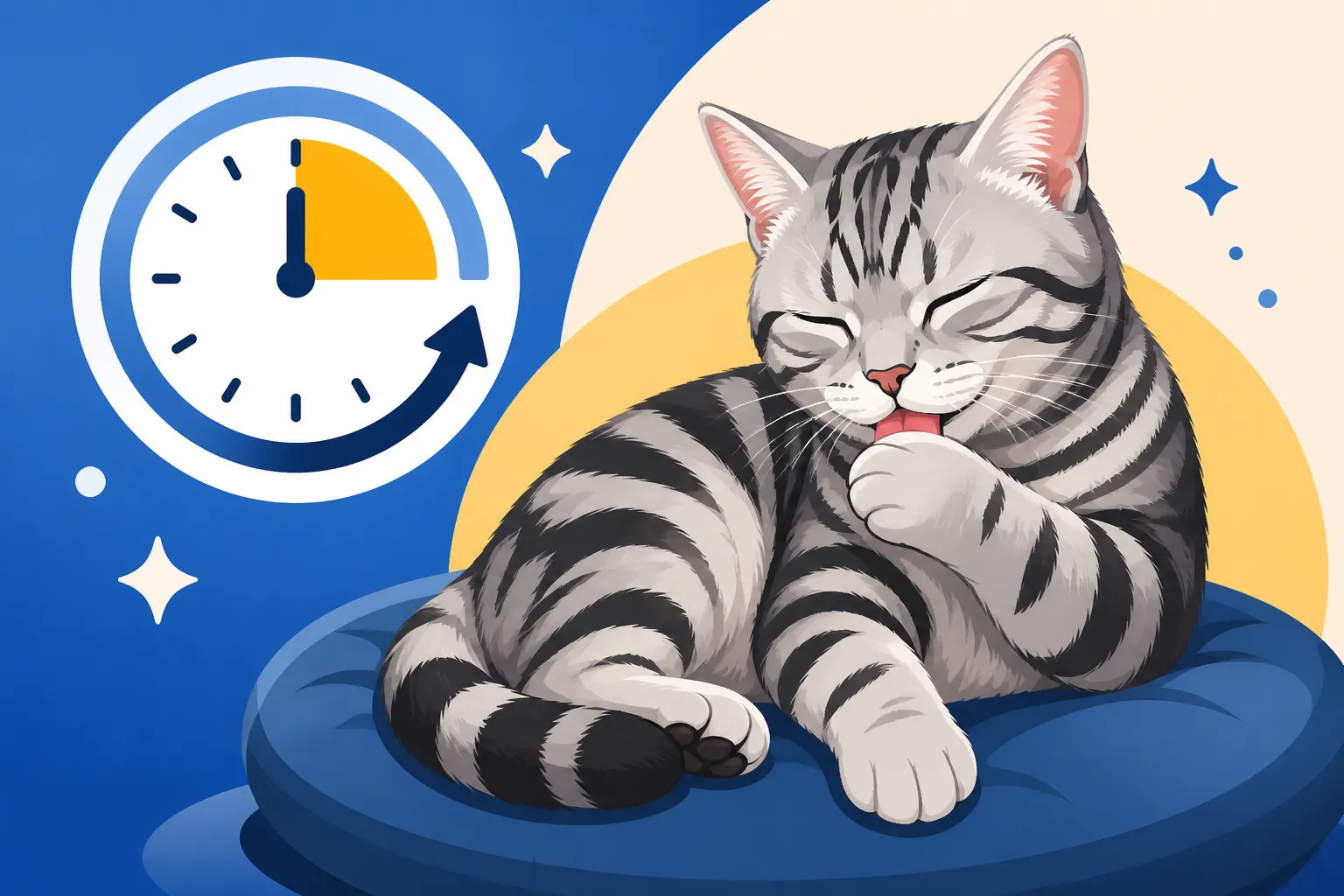
Just like humans, a cat's grooming routine can change as they age. A spry, active American Shorthair kitten will spend a fair amount of time grooming, learning the ropes from their mother and practicing their coordination. However, they might also be so engrossed in play and exploration that their grooming sessions are frequent but shorter. Young adult American Shorthairs, in the prime of their lives, are typically the most efficient and thorough groomers, often spending a solid 30-50% of their waking hours in some form of self-maintenance. They have the flexibility and energy to reach every spot and keep their dense coats immaculate.
As an American Shorthair enters its senior years, you might notice a subtle shift. An older cat, especially one dealing with conditions like arthritis or reduced flexibility, may find it harder to reach certain areas, particularly their back or hindquarters. When an Old American Shorthair Needs Help Grooming discusses this in more detail. They may still try, but their sessions might become less effective or even painful. Conversely, a very bored or stressed younger cat might over-groom as a coping mechanism, turning grooming into a displacement activity. Pay attention to changes in their overall activity levels and how that correlates with their grooming efforts.
Environmental Triggers and Stress
A cat's environment plays a huge role in how much they groom. Dust, pollen, or other allergens in the air can trigger more frequent grooming as they try to remove irritants from their fur. If you've recently used new cleaning products or there's construction nearby, your American Shorthair might groom more to remove foreign scents or particles.
Stress is another major trigger. Cats are creatures of habit, and any significant change in their routine or environment can be a source of anxiety. Moving to a new home, the arrival of a new pet or baby, or even a change in your work schedule can lead to excessive grooming, known as psychogenic alopecia. This isn't usually a conscious act but a nervous habit, and you might notice patches of thinning hair or even bald spots if it becomes chronic. On the flip side, a depressed or unwell cat might reduce their grooming significantly, looking disheveled and greasy. Observing these behavioral changes, especially in combination with environmental shifts, is key to understanding your cat's well-being.
Coat Condition and Shedding Cycles
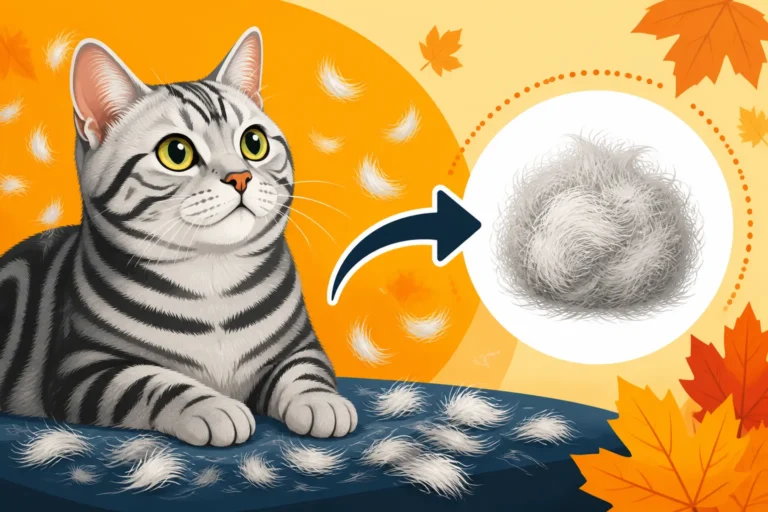
The American Shorthair has a beautiful, dense coat that sheds An American Shorthair Sheds Twice a Year and Asks Nothing Else, typically more heavily in spring and fall. During these peak shedding seasons, your cat will naturally spend more time grooming to remove loose undercoat and guard hairs. Their goal is to prevent matting and keep their insulation effective. How an American Shorthair's Coat Thickens Toward Winter and How an American Shorthair's Coat Thins Toward Summer explain how their coat adapts seasonally. You'll likely see a noticeable increase in the amount of fur they ingest during these times, which can sometimes lead to more hairballs.
Factors like diet also impact coat condition. A diet rich in essential fatty acids can contribute to a healthy, shiny coat that's easier to maintain, while a poor diet might result in a dull, dry, or excessively shedding coat, prompting more grooming. Even humidity levels can affect their fur; drier air might make their coat feel less comfortable, encouraging more licking. Understanding these natural cycles and external influences helps you distinguish between normal, increased grooming due to seasonal shedding and grooming that might indicate an underlying issue.
Observing Healthy Grooming Habits
Knowing what typical American Shorthair grooming looks like is crucial for an owner. This breed is known for its robust health and self-sufficiency, but even they can have changes in their routine that signal a problem.
The Routine of a Well-Adjusted Cat
A healthy, well-adjusted American Shorthair will typically spend a good portion of its waking hours engaging in self-grooming. This isn't one continuous session but rather many short bursts throughout the day, interspersed with naps, eating, playing, and patrolling their territory. You might see them start with their face, using a paw moistened with saliva to wipe behind their ears, around their eyes, and down their cheeks. Then they'll move to their chest, flanks, and belly, eventually twisting to reach their back and tail. Their flexibility is quite remarkable, allowing them to thoroughly clean almost every inch of their body.
During these sessions, their movements should be fluid and uninhibited. They should be able to reach all areas without obvious strain or discomfort. Their coat should appear smooth, clean, and free of tangles, even during heavier shedding periods, thanks to their diligent efforts. A good sign is when their coat has a healthy sheen and feels soft, not greasy or matted. The frequency might increase slightly after meals, particularly if they're messy eaters, or after a dusty play session in the house, but it generally falls into a predictable rhythm. This consistent, thorough self-care is a hallmark of a contented and healthy American Shorthair.
Spotting Red Flags: Too Much or Too Little Grooming
While some variation is normal, significant changes in grooming habits are always a cause for concern. If your American Shorthair suddenly starts grooming excessively, to the point where you notice skin irritation, redness, or bald patches, it's a red flag. This could be indicative of allergies (food or environmental), parasites like fleas or mites, fungal infections, pain in a specific area (they might lick a sore joint), or significant stress or anxiety. It's their way of telling you something is wrong.
Conversely, decreased grooming is just as serious, if not more so. A cat that stops grooming often points to an underlying illness, pain, depression, or even obesity. An overweight American Shorthair, for example, may physically struggle to reach its back or hindquarters, leading to a matted, unkempt coat in those areas. Why an Overweight American Shorthair Cannot Reach Its Back highlights this common issue. If your cat's coat suddenly looks greasy, disheveled, or matted when it usually keeps itself pristine, it warrants immediate veterinary attention. Cats are masters at hiding discomfort, so a visible change in grooming is often a clear signal that they need help.
When Human Intervention Becomes Necessary
Despite their impressive self-grooming abilities, there are times when your American Shorthair needs a little help from their human companions. Knowing when and how to step in can prevent problems and maintain their coat health.
Supporting Grooming During Shedding Seasons
Even the most meticulous American Shorthair can benefit from assistance during their peak shedding periods in spring and fall. During these times, they are working overtime to remove dead hair, and a little extra brushing from you can make a huge difference. By regularly brushing your cat, you're not only helping to remove loose fur before they ingest it (reducing hairballs), but you're also preventing potential mats, especially in denser areas of their coat.
A quick daily or every-other-day brushing session can significantly ease their burden. It's also a wonderful bonding opportunity. Many American Shorthairs enjoy the sensation of a gentle brush, especially if it's introduced positively from a young age. This extra effort during shedding seasons helps keep their skin healthy, reduces the amount of cat hair floating around your home, and supports their natural grooming efforts. Which Two Months an American Shorthair Sheds Hardest can help you anticipate these times.
Addressing Specific Grooming Challenges
Sometimes, challenges arise that your American Shorthair simply can't handle on their own.
Obesity: As mentioned, an overweight cat will struggle to reach many parts of its body. This can lead to matting, skin irritation, and even infections in unreachable areas. If your American Shorthair is carrying too much weight, a vet-guided weight loss plan is crucial, but in the meantime, you'll need to step up and groom those difficult spots for them. Regularly checking How to Spot Weight Gain on a Square Built American Shorthair can help you intervene early.
Mats and Tangles: While rare in a well-groomed American Shorthair due to their short, dense coat, mats can still occur, particularly if they are older, unwell, or overweight. If you find a mat, never try to cut it out with scissors close to the skin, as it's incredibly easy to cut the cat. Instead, try to gently work it out with your fingers and a fine-toothed comb, or better yet, consult a professional groomer or your vet.
Skin Conditions or Parasites: If you notice your cat is excessively scratching, licking, or biting at certain spots, and you see redness, flakes, scabs, or bald patches, it's time for a vet visit. This could indicate fleas, mites, allergies, or a skin infection. Your vet can diagnose the issue and provide appropriate treatment, which might include medicated baths or topical treatments that you'll need to administer. In such cases, your grooming efforts become part of their treatment plan.
Dental Health: While not strictly coat grooming, the mouth is integral to self-grooming. Issues like gum disease can be incredibly painful and affect their ability to groom effectively. Why Gum Disease Is the American Shorthair's Quietest Problem outlines this often-overlooked issue. Regular dental check-ups and, if possible, gentle toothbrushing at home can prevent problems that might inadvertently impact their grooming habits.
Tools and Techniques to Aid Grooming
Helping your American Shorthair maintain their pristine appearance doesn't require a salon visit, but having the right tools and a gentle approach makes all the difference.
Choosing the Right Brushes and Combs
For an American Shorthair's short, dense coat, you don't need a huge arsenal of grooming tools. Simplicity and effectiveness are key.
- Rubber Curry Brush (Grooming Glove): These are fantastic for daily or every-other-day use, especially during shedding season. The rubber nubs gently massage the skin, stimulating blood flow, while effectively grabbing loose fur. Many cats enjoy the feel, making it a pleasant bonding experience. You can find excellent options on Amazon or Chewy.
- Slicker Brush: A slicker brush with fine, wire bristles is good for removing more stubborn loose undercoat and for fluffing up the coat. Use it gently, as the bristles can be sharp if pressed too hard against the skin.
- Fine-toothed Comb (Flea Comb): Even if your cat doesn't have fleas, a fine-toothed metal comb is invaluable for checking for parasites, removing tiny bits of debris, and gently working through any small tangles. It's particularly useful for the face and around the ears.
- Deshedding Tool: Brands like FURminator offer deshedding tools that are very effective at removing significant amounts of undercoat. However, use these sparingly and gently, as over-use can damage the topcoat or irritate the skin. Follow the manufacturer's instructions carefully.
When introducing any new grooming tool, start slowly. Let your American Shorthair sniff it, offer treats, and keep sessions short and positive. The goal is for them to associate grooming with pleasant sensations and your affection.
| Grooming Tool | Best Use | Frequency | Notes |
|---|---|---|---|
| Rubber Curry Brush | Daily loose fur removal, massage | Daily to every other day | Gentle, good for bonding, effective on short coats |
| Slicker Brush | Removing undercoat, smoothing topcoat | 2-3 times a week (more in shed) | Use gently, can be sharp |
| Fine-toothed Comb | Spot checks, small tangles, flea detection | As needed | Excellent for face and sensitive areas |
| Deshedding Tool | Heavy undercoat removal during shedding peaks | Weekly during shedding, monthly otherwise | Use cautiously to avoid skin irritation; follow instructions |
| Nail Clippers | Trimming claws | Every 2-4 weeks | Only the tip; introduce early and gently |
Incorporating Grooming into Daily Life
Making grooming a regular, low-stress part of your American Shorthair's life is more effective than infrequent, intense sessions. Aim for short, consistent interactions.
- Establish a Routine: Try to brush your cat at the same time each day or a few times a week, perhaps after a meal or during a quiet evening cuddle session. Consistency helps them know what to expect.
- Positive Reinforcement: Always make grooming a positive experience. Offer praise, gentle strokes, and even a small treat afterward. If your cat resists, don't force it. End the session gracefully and try again later for a shorter period. The idea is to build trust, not resentment.
- Focus on Problem Areas: Pay particular attention to areas where mats might form if your cat is less flexible, such as around their hips, under their "armpits," or along their spine.
- Water Intake and Diet: Remember that a healthy coat starts from within. Ensure your American Shorthair has access to fresh water at all times. How Much Water an American Shorthair Should Drink is important for overall health. A high-quality diet, potentially with added omega fatty acids, can also contribute to a healthy coat, making self-grooming more effective. Look for reputable brands on Chewy that offer formulas for coat health.
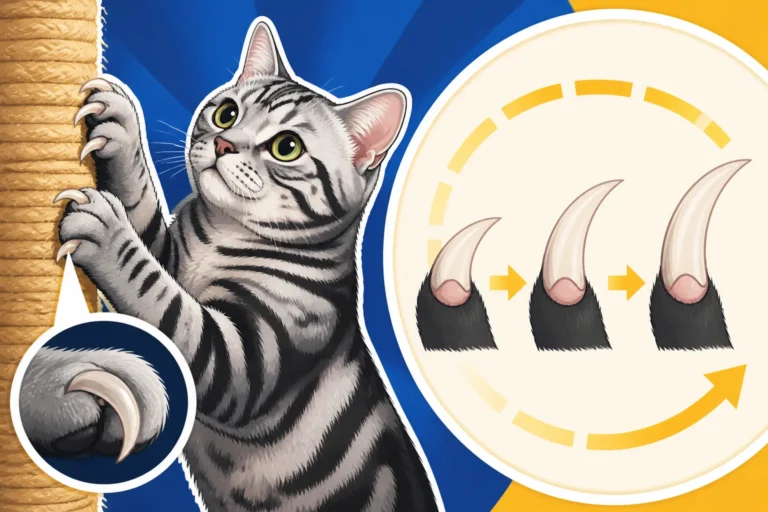
- Nail Trimming: While not directly coat grooming, regular nail trims are part of overall maintenance. An American Shorthair's claws are important for scratching and self-defense, but trimming the tips prevents them from getting caught or growing into their paw pads. This helps them maintain their agility and ability to groom effectively without discomfort.
By proactively supporting your American Shorthair's natural grooming instincts, you're not just ensuring they look their best; you're also contributing to their overall health, comfort, and happiness throughout their long life.
Disclaimer
This article is for general informational purposes only and does not constitute professional advice. Laws, prices and regulations vary by location and change over time. Consult a qualified professional for guidance on your specific situation.