How to Spot Weight Gain on a Square Built American Shorthair
It’s a frustrating reality that our beloved American Shorthairs, with their naturally sturdy and well-muscled builds, can be absolute masters at hiding those extra pounds. You might look at them and think they’re just "big boned" or "solid," completely missing the subtle creep of weight gain until it becomes a significant problem. This guide is here to walk you through exactly how to spot those sneaky signs of weight gain in your square-built American Shorthair, long before it impacts their health and happiness.
The American Shorthair's Unique Physique: A Challenge for Weight Spotting
Let's be real, the American Shorthair isn't built like a dainty Siamese or a sleek Abyssinian. They are descendants of hardy working cats, designed for strength, agility, and a powerful build that served them well as rodent control on ships and farms. This historical background has gifted them with a wonderfully robust physique, characterized by a broad chest, strong musculature, and a generally "square" appearance. While this makes them incredibly handsome and resilient, it also presents a significant challenge when it comes to noticing subtle weight changes.
Why Their "Square" Build Hides Weight So Well
Their dense, muscular frame naturally disguises fat accumulation. Unlike breeds with finer bones or more angular bodies where even a slight padding of fat is immediately visible, an American Shorthair can put on a few extra ounces, or even a couple of pounds, and still look perfectly normal to the untrained eye. Their broad shoulders and deep chest can make a slightly wider waist seem less dramatic, blending seamlessly into their overall powerful silhouette. Many an owner has been surprised at a vet visit when the scale tells a different story than what their eyes perceived. It’s not your fault; it’s just how they’re built! You might even instinctively think they’re simply carrying a little more muscle, when in reality, it's something less healthy.
The Ancestral Need for Muscle, Not Fat
Historically, these cats earned their keep. Their very existence depended on being efficient hunters, which required lean muscle mass and agility, not excess body fat. A fat cat would be a slow cat, a less effective hunter, and ultimately, a less successful survivor. While our modern American Shorthairs largely lead pampered indoor lives, their genetics still drive them to build and maintain that muscular physique. Unfortunately, this genetic predisposition, combined with reduced activity and readily available food, can easily lead to an imbalance where fat starts to replace what once was pure, functional muscle. This shift from working cat to house pet often means that the very traits that made them successful in the past now make them prone to issues like obesity, as explored in articles like Why Indoor Life Made the American Shorthair Fat.
Early Indicators of Weight Creep
Catching weight gain early is absolutely key, but it requires a keen eye and a bit more attention than just a quick glance. Since their build can be deceptive, you need to look for changes in behavior and routine that might signal a problem before it's visually obvious. These early indicators often manifest as subtle shifts in how your American Shorthair moves, plays, and interacts with their environment and food.
Subtle Changes in Activity Levels
One of the first, most common signs that your American Shorthair is starting to carry a bit too much weight is a slight dip in their usual energy levels. This isn't always a dramatic change; it might just be that they're a little less enthusiastic about chasing that feather wand, or they don't quite leap to the top of the cat tree with the same effortless grace they once did. Perhaps they're spending more time napping on the sofa and less time patrolling their territory. You might notice they hesitate before jumping onto a counter or a high perch, or they choose the lower, easier route instead. It’s easy to dismiss these as normal aging, especially if your cat is past kittenhood, but it's often an early red flag. Pay close attention to how they interact with their favorite toys; if play sessions are shorter or less intense, it could be a subtle sign of reduced mobility due to extra weight.
Dietary Habits and Increased Interest in Food
Another crucial early indicator is a change in their relationship with food. Remember, these cats come from a lineage where they worked for their meals. Even though they don't hunt mice for survival anymore, many retain a strong drive to eat. If your American Shorthair suddenly seems ravenous all the time, begging for food more frequently, or finishing their bowl in record time and still looking for more, it's a sign. This can be particularly noticeable if you've recently transitioned them from free-feeding to portion control, as discussed in Portioning for an American Shorthair That Once Worked for Meals. They might start becoming more opportunistic, trying to steal food from other pets or even off your plate. While a hearty appetite is normal for a healthy, active cat, a sudden or excessive increase in food seeking behavior, especially coupled with decreased activity, points directly to a caloric imbalance that's likely leading to weight gain. Don't mistake a constantly empty bowl for a sign of good metabolism; it could just mean they're eating too much, too fast.
The Hands-On Approach to Assessing Body Condition
Because visual cues can be so misleading with a muscular American Shorthair, the most accurate way to assess their weight is through a hands-on examination. This technique, often referred to as Body Condition Scoring (BCS), is what veterinarians use, and it's something you can learn to do at home with a bit of practice. It's about feeling for specific anatomical landmarks rather than just looking.
How to Feel for Ribs and Spine
This is perhaps the most critical part of a manual body condition assessment. Gently run your hands along your cat’s sides, just behind their front legs. You should be able to feel their ribs without having to press hard, much like feeling the knuckles on the back of your hand. If you can't feel the ribs easily, or if you have to apply significant pressure to locate them, it's a strong indicator that there's too much fat covering them. Similarly, run your hand along their spine, from their shoulders down to their tail base. You should be able to feel the individual bumps of the vertebrae with a light touch. If the spine feels like a smooth, unbroken line, or if you can't distinguish the individual bones without pressing, it suggests a layer of fat is obscuring them. For a detailed guide on this, you might find How to Find the Ribs on a Square Built American Shorthair particularly helpful. This tactile method offers a much more accurate picture than simply looking at their outline.
Checking the Waist and Abdominal Tuck
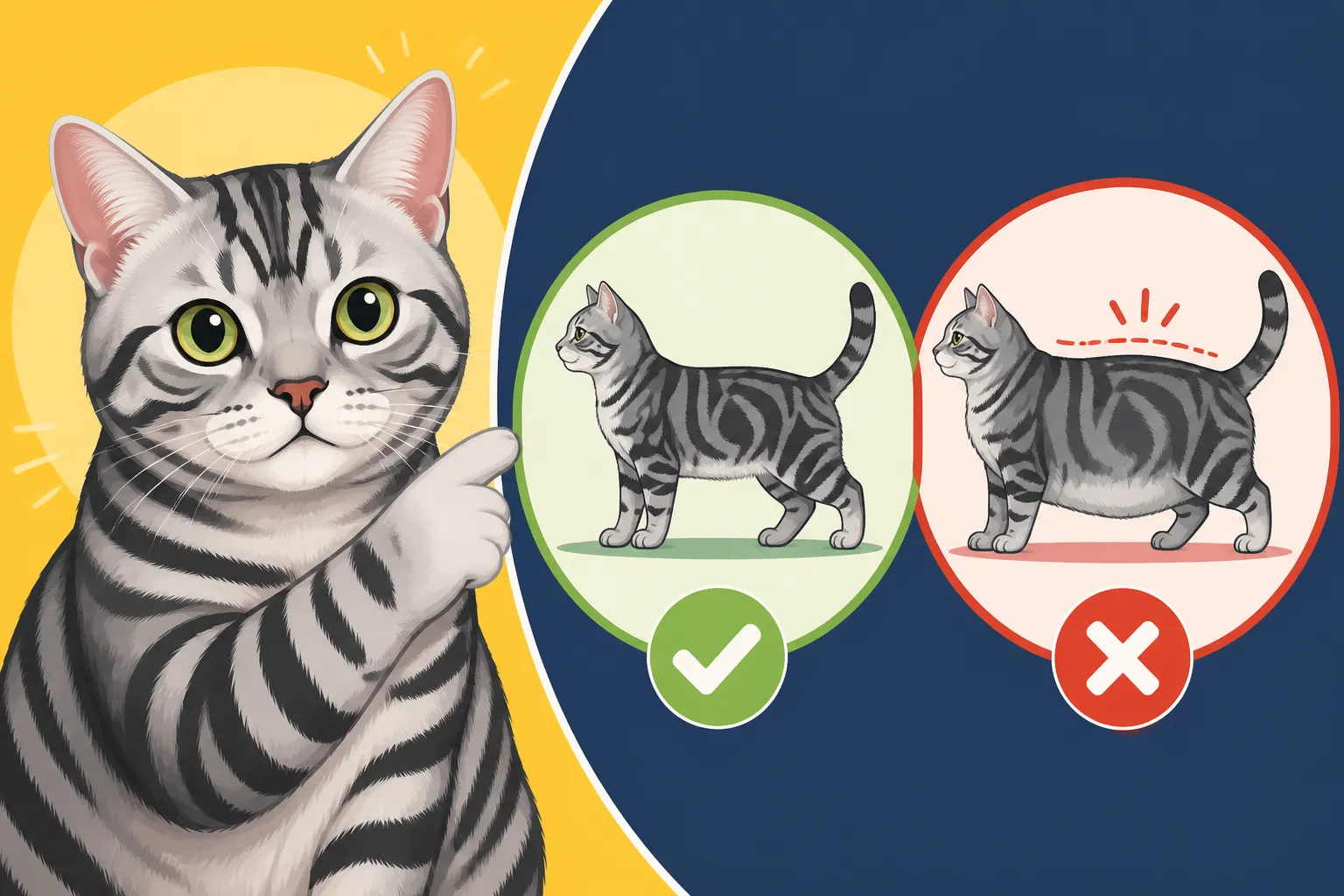
After checking the ribs and spine, move your hands to their waist area, just in front of their hips. From above, a healthy American Shorthair should have a discernible, though not overly dramatic, waistline that tucks in slightly behind their ribs. It shouldn't be a straight line from their chest to their hips, nor should it bulge outwards. When you look at them from the side, a fit American Shorthair should also have a slight "abdominal tuck" – meaning their belly should gently slope upwards towards their hind legs, rather than hanging down or appearing round and full. If their waist is completely straight, or worse, bulges, and their belly sags or has a noticeable pouch (that isn't just primordial pouch skin, which can be tricky to distinguish), these are clear signs of excess weight. This often feels like a soft, doughy layer that moves independently from their muscle.
The Importance of Regular Weighing
While the hands-on assessment is invaluable, it should always be complemented by regular weight checks. Investing in a small, accurate pet scale can be incredibly beneficial. Weigh your American Shorthair at least once a month, ideally at the same time of day (e.g., before breakfast) to get consistent readings. Keep a record of their weight. Even small, consistent increases of a few ounces over several months can add up quickly and indicate a problematic trend. A healthy adult American Shorthair typically weighs between 10-15 pounds, though this can vary based on individual frame size and sex. If your cat's weight starts climbing above their ideal range and the hands-on assessment confirms excess fat, you have solid, measurable data to discuss with your vet. This consistent data is vital for tracking progress, whether they are gaining weight or are on a weight loss journey outlined in How a Vet Builds an American Shorthair's Weight Loss Plan.
| Body Part | Ideal American Shorthair | Overweight American Shorthair |
|---|---|---|
| Ribs | Easily felt with light touch, like knuckles on back of hand. | Difficult to feel without firm pressure; covered by padding. |
| Spine | Individual vertebrae easily palpable with light touch. | Smooth, unbroken line; individual vertebrae difficult to distinguish. |
| Waist (top view) | Discernible tuck behind the ribs, creating a gentle hourglass shape. | No discernible waist; straight line or bulging from ribs to hips. |
| Abdominal Tuck (side view) | Slight upward slope of the abdomen from ribs to hind legs. | Flat or sagging belly, often with a prominent fat pad. |
| Muscle Definition | Firm, well-defined musculature. | Softer, less defined muscles, with a layer of fat. |
Beyond the Scale: Behavioral and Lifestyle Clues
Sometimes, the most telling signs of weight gain aren't just physical, but manifest in changes to your cat's everyday behavior and how they navigate their world. These are often the clues that attentive owners notice first, even before they perform a hands-on examination. These behavioral shifts can be subtle, but they speak volumes about their comfort and mobility.
Changes in Grooming Habits
A clean coat is a hallmark of a healthy cat. American Shorthairs are typically meticulous groomers, keeping their dense, short coats in pristine condition. However, if your cat starts gaining too much weight, they might struggle to reach certain areas of their body. You might notice their back, especially near the base of their tail, becoming matted, greasy, or flaky. They simply can’t bend and twist as effectively to reach those spots. This can lead to skin irritation, dandruff, or even dull, unkempt fur. If you see them struggling, or giving up on grooming tasks they once handled with ease, it’s a strong signal that their increased girth is interfering with their natural abilities, a common issue discussed in Why an Overweight American Shorthair Cannot Reach Its Back. This isn't laziness; it's a physical limitation.
Reduced Agility and Jumping
The American Shorthair is known for its quiet athleticism. They love to explore vertical spaces, jump onto shelves, and generally navigate their home with grace. When they start putting on weight, their agility often suffers. You might observe them attempting a jump to their favorite windowsill only to miss, or resorting to climbing up furniture in stages rather than a single fluid leap. They might completely abandon high perches they once loved, opting for lower, more accessible spots. Their movements may become heavier, less precise, and they might even seem a bit stiff when getting up from a nap. This isn't just an inconvenience; it can be quite disheartening for a cat that naturally loves to climb and survey its domain. Their working frame, which once allowed them effortless movement, now struggles under the added burden.
Impact on Social Interaction
While American Shorthairs are known for their independent nature, they are still social creatures who enjoy interaction. Weight gain can sometimes impact this, too. An overweight cat might become less inclined to play with you or other household pets, not because they don't want to, but because the physical effort is too much. They might seem more withdrawn, less eager to engage in their usual playful antics, or even appear irritable when approached for play. Their discomfort can lead to a more sedentary lifestyle, and in turn, even less interaction. Conversely, some cats might become more demanding around food times, associating human presence with the possibility of a treat or an extra meal. Observing these changes in their usual social patterns can provide another layer of insight into their overall well-being and potential weight issues.
Addressing the Weight: Practical Steps and Prevention
Once you’ve identified that your American Shorthair is carrying extra weight, the next step is to take action. This isn't about shaming your cat or yourself; it's about giving them the longest, healthiest, and happiest life possible. Tackling weight proactively can prevent a host of serious health problems down the line, including diabetes and joint issues.
Adjusting Their Diet Smartly
The cornerstone of weight management is, inevitably, diet. It's crucial not to dramatically cut calories overnight, as this can lead to dangerous health complications like hepatic lipidosis (fatty liver disease) in cats. Instead, aim for a gradual reduction and a focus on nutrient-dense, appropriate food. Many veterinarians recommend transitioning to a high-protein, moderate-fat, and low-carbohydrate diet, often found in high-quality wet food formulations. This aligns better with their natural carnivorous needs and helps them feel fuller on fewer calories. For some American Shorthairs, a switch to wet food alone can make a huge difference, as explored in Whether an American Shorthair Needs Wet Food. Measuring food precisely is paramount; don't eyeball it! Use a kitchen scale for accuracy. If your cat is prone to scavenging, consider a microchip-activated feeder if you have other pets, or feeding in separate, quiet areas. Consult with your vet before making any drastic dietary changes.
Increasing Their Activity Levels Effectively
Just like with humans, diet works best in tandem with exercise. For an American Shorthair that might be less inclined to move, you need to make activity fun and engaging. Remember their hunting instincts! Wand toys that mimic prey movement are fantastic for encouraging leaps, chases, and pounces. Puzzle feeders can make mealtime an active brain game, forcing them to "hunt" for their food rather than just gobble it down from a bowl. Set aside dedicated playtimes multiple times a day, even if they're short 5-10 minute bursts. Vertical space, like cat trees or wall shelves, can encourage climbing and exploration. If safe, a supervised outdoor enclosure (catio) can provide mental stimulation and physical activity. Consistency is key here; a little bit of activity every day is far better than sporadic long sessions. You're not just burning calories; you're also enriching their lives and reinforcing positive behaviors.
Considering Preventative Measures and Pet Insurance
Prevention is always better than cure, and this holds especially true for managing your American Shorthair's weight. Regular check-ups with your veterinarian, even when your cat seems healthy, are crucial for catching weight creep early and addressing any potential underlying health issues. During these visits, your vet can provide an objective body condition score and offer tailored advice. It’s also wise to consider how you’d manage potential future health costs associated with obesity-related conditions, such as diabetes or joint problems. A robust pet insurance plan, like those offered by Healthy Paws, can provide immense peace of mind, covering a significant portion of unexpected veterinary bills. Having insurance can empower you to make treatment decisions based on what’s best for your cat, rather than worrying about the financial strain. Many owners find that early enrollment ensures broader coverage before any conditions manifest.
When to Consult Your Veterinarian
Spotting weight gain is the first step, but involving your veterinarian is absolutely essential, especially if you're unsure or if your cat is already significantly overweight. They are your best resource for creating a safe, effective, and sustainable plan to get your American Shorthair back to a healthy weight.
Discussing Body Condition Scoring
Your vet can provide a professional, objective assessment using a standardized Body Condition Score (BCS) chart, typically ranging from 1 (emaciated) to 9 (morbidly obese), with 5 being ideal. This numerical score helps quantify their current condition and track progress over time. During the consultation, don't be afraid to ask your vet to show you how they feel for the ribs, spine, and waist. This hands-on demonstration can reinforce what you've learned and build your confidence in doing your own regular checks at home. They can also differentiate between normal anatomical variations of the American Shorthair and genuine fat deposits. A vet visit is also an opportunity to rule out any medical conditions that might be contributing to weight gain, although these are less common than simply overfeeding and under-exercising.
Developing a Safe Weight Management Plan
Once your vet has assessed your American Shorthair's body condition, they can help you develop a personalized weight management plan. This isn't a one-size-fits-all approach. It will likely include specific recommendations for caloric intake, dietary changes (perhaps a prescription weight-loss diet, if necessary), and strategies for increasing activity. Your vet can also advise on a safe rate of weight loss, typically around 0.5-2% of body weight per week, to avoid complications. They'll also schedule follow-up appointments to monitor progress, adjust the plan as needed, and provide encouragement. Remember that reducing your cat's weight can significantly improve their overall health and potentially extend their lifespan, as highlighted in How Many Years Extra Weight Takes Off the American Shorthair's Lifespan. Embracing this journey with your vet’s guidance is one of the best things you can do for your American Shorthair, ensuring they remain the healthy, active companion you cherish. For peace of mind about ongoing care, many pet parents use pet insurance from companies like Healthy Paws, knowing they're prepared for any long-term health needs.
Disclaimer
Please remember that this article is intended for informational purposes only and is not a substitute for professional veterinary advice. Always consult with a qualified veterinarian for any health concerns or before making any decisions about your pet's health or treatment.