Whether an American Shorthair Can Live Outdoors Year Round
Many American Shorthair owners ponder whether their robust, historically independent feline companions can truly thrive living outdoors year-round, especially given their breed's lineage as working cats. It's a question that stems from their hardy appearance and calm demeanor, making it easy to imagine them patrolling a backyard, but the reality of modern outdoor living presents a complex set of challenges and risks. This guide will delve into the American Shorthair's inherent traits for outdoor survival, juxtapose them with the very real dangers they face today, and offer practical advice for those looking to safely enrich their cat's life with outdoor experiences.
The American Shorthair's Historical Outdoor Prowess
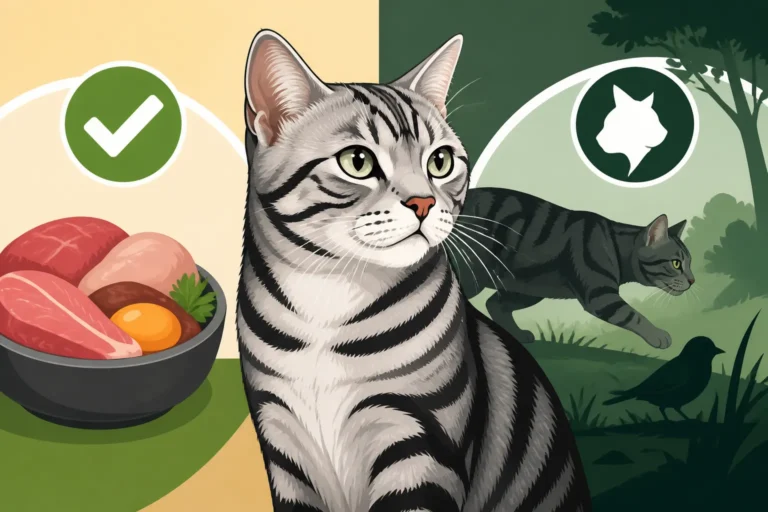
Let's be honest, the American Shorthair wasn't born in a lap. Their ancestors were the ultimate working cats, earning their keep on ships and farms, diligently protecting grain stores and provisions from rodents. This isn't a breed that was bred for delicate features or a pampered lifestyle; they were selected for hardiness, intelligence, and a keen hunting instinct.
Built for the Elements and the Hunt
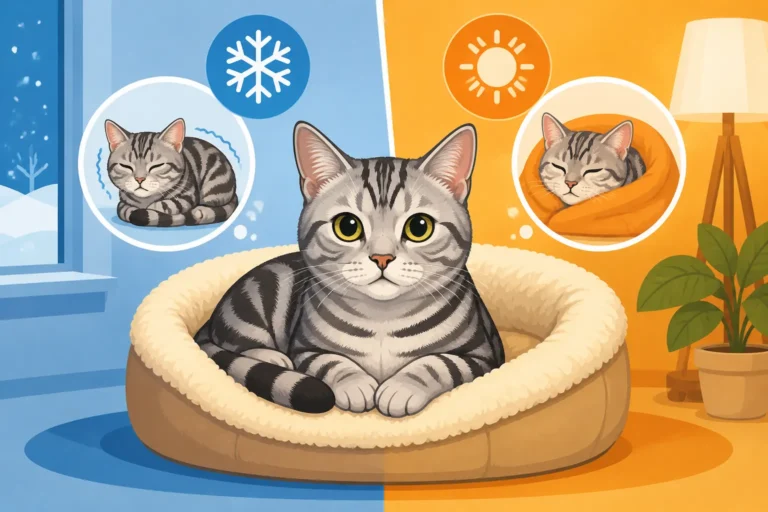
When we look at the physical characteristics of an American Shorthair, it's clear they were equipped for a life outdoors. Their short, dense coat, often described as "hard," isn't just for looks; it's a practical shield against the elements. The American Shorthair's Coat Was Built for Weather, Not a Judge means their fur naturally thickens in winter and thins in summer, offering a decent level of insulation. While it might not make them impervious to extreme cold or heat, it certainly offered more protection than many other breeds.
Beyond their coat, their muscular, well-built bodies are perfectly designed for agile movement, jumping, and chasing prey. Their strong jaws and keen senses were vital tools in their original "job." They were, and still are, highly effective predators, capable of surviving by their wits and skills. Centuries of this kind of life have ingrained a strong prey drive and territorial instinct into the breed, even in the most docile house cat. They are still driven by the impulse to hunt, explore, and patrol.
A Legacy of Self-Reliance
The very nature of their origin meant these cats were largely self-sufficient. They didn't rely on humans for constant entertainment or even, strictly speaking, for all their meals. They were partners in pest control, and that partnership fostered a certain independence. This self-reliance often translates into their modern temperament: generally calm, adaptable, and not overly clingy. This independence might lead some owners to believe they're naturally suited to fend for themselves year-round. After all, if they survived on the Mayflower, surely they can handle your suburban backyard, right?
However, while their genetic blueprint carries the echoes of their working past, the environment itself has drastically changed. What once offered a natural, albeit sometimes harsh, ecosystem for a hardy cat now often presents a minefield of modern dangers their ancestors never encountered.
The Modern Realities and Risks of Outdoor Life
While the American Shorthair has a legacy of being tough and self-reliant, the world they inhabit today is vastly different from the farms and ships of old. Living outdoors year-round now exposes them to a host of dangers that can drastically shorten their lifespan and compromise their well-being.
Environmental Extremes and Health Hazards
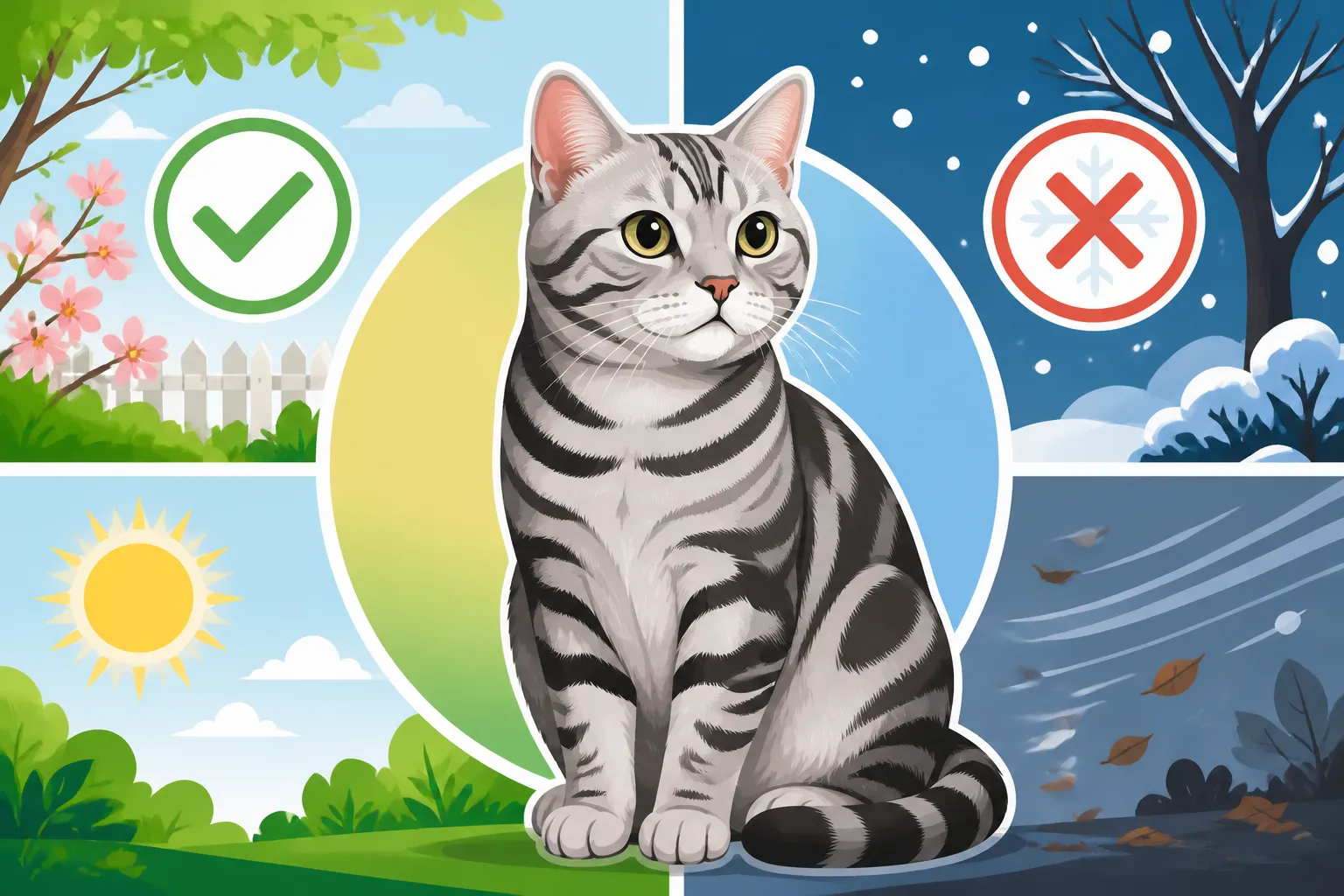
Even with their robust coats, year-round exposure to the elements can take a severe toll. Winter's biting winds, icy rain, and freezing temperatures can lead to hypothermia, frostbite on ears and paw pads, and a constant drain on their energy as they try to keep warm. Conversely, summer's scorching sun and pavement can cause heatstroke, dehydration, and painful burns. How Well an American Shorthair Handles Cold and How Well an American Shorthair Handles Heat are important considerations, and while they handle them better than some breeds, "handling" doesn't mean "thriving without consequence."
Beyond temperature, outdoor cats are at a much higher risk for a myriad of health issues. Parasites like fleas, ticks, and various internal worms are constant threats, requiring vigilant preventative care. Which Parasites an Outdoor American Shorthair Picks Up details just how many unwelcome hitchhikers your cat can acquire. Infectious diseases, such as Feline Leukemia Virus (FeLV) and Feline Immunodeficiency Virus (FIV), are easily transmitted through bites and close contact with other cats, particularly in unaltered feral populations. While vaccinations exist, they don't offer 100% protection, and year-round exposure means continuous risk. Whether an Outdoor American Shorthair Needs FeLV Cover is a critical question for any owner considering outdoor access.
Dangers from Wildlife and Humans
The world is full of creatures that can pose a threat to even a seasoned hunter like the American Shorthair. While they might catch a mouse or a bird, they can also become prey themselves to larger predators such as coyotes, foxes, large birds of prey, and even aggressive dogs. These encounters often result in severe injuries or worse. Which Injuries an Outdoor American Shorthair Comes Home With can range from deep bite wounds that quickly abscess to broken bones or internal trauma.
Perhaps the most significant and often overlooked danger in modern society comes from human-made hazards. Traffic accidents are a leading cause of death for outdoor cats. How Road Traffic Shortens an Outdoor American Shorthair's Life can't be overstated; even in quiet neighborhoods, a moment of distraction can be fatal. Beyond traffic, there are risks from poisons (antifreeze, rat bait, pesticides), intentional harm, getting trapped, or simply getting lost. An American Shorthair, despite its independence, is still a beloved pet, not a wild animal, and deserves protection from these avoidable dangers.
Impact on Local Wildlife
It's also important to consider the impact your American Shorthair has on the local ecosystem. While their ancestors' hunting was crucial for pest control, today's outdoor cats, particularly in suburban and urban environments, contribute significantly to declining bird and small mammal populations. Their natural hunting drive, while fascinating to observe, can have a devastating effect on fragile wildlife. How Much Wildlife an American Shorthair Takes might surprise you. Even a well-fed cat will hunt out of instinct, not hunger.
Mitigating Risks for an Outdoor-Oriented American Shorthair
Acknowledging the inherent desire for exploration in an American Shorthair doesn't mean resigning them to the myriad dangers of unsupervised outdoor life. Instead, it calls for creative solutions that satisfy their instincts while ensuring their safety and well-being.
Catios: The Best of Both Worlds
For many American Shorthair owners, a catio (a secure outdoor enclosure for cats) is the ultimate compromise. These structures provide fresh air, sunshine, and sensory stimulation without exposing your cat to traffic, predators, or infectious diseases. Catios can range from simple window boxes to elaborate, multi-level structures with ramps, shelves, and scratching posts. You can find all sorts of insulated cat houses or even advanced catio components on sites like Chewy or Amazon, allowing you to build or buy something that fits your space and budget.
A well-designed catio can be a true haven, allowing your American Shorthair to observe birds, feel the breeze, and even "hunt" insects safely. It directly addresses their innate curiosity and need for territory without the associated risks. Whether a Catio Satisfies an American Shorthair's Drive is often answered with a resounding yes, as these spaces provide vital mental and physical enrichment.
Supervised Leash Training and Walks
Another way to offer a controlled outdoor experience is through leash training. While it might sound unusual for a cat, many American Shorthairs, with their calm and adaptable nature, can learn to walk on a harness. Start indoors with a comfortable harness, gradually introducing the leash, and then short excursions in a safe, quiet outdoor space. This allows them to explore new scents and sights under your watchful eye, minimizing exposure to dangers.
It's a wonderful way to bond with your cat and provide enrichment, especially if a catio isn't feasible. Remember, consistency and positive reinforcement are key. If your cat resists, don't force it; some cats simply aren't suited to leash walks, and that's perfectly fine.
Enriching the Indoor Environment
Even if year-round outdoor access isn't an option, you can still create an incredibly stimulating and fulfilling life for your American Shorthair indoors. Focus on vertical space: cat trees, wall-mounted shelves, and window perches allow them to survey their territory from above, satisfying their instinct to climb and observe. Puzzle feeders can make mealtime an engaging "hunt," tapping into their natural prey drive. Whether a Puzzle Feeder Satisfies an American Shorthair is another aspect of enrichment that can make a huge difference.
Regular play sessions with wand toys that mimic prey can fulfill their hunting sequence, providing physical exercise and mental stimulation. Rotating toys keeps things fresh and interesting. A high-quality diet can support their energy needs as they engage with their enriched environment. Providing scratching posts and a comfortable, secure home base where they feel safe and loved goes a long way.
Making the Best Decision for Your American Shorthair's Wellbeing
Ultimately, the decision of whether an American Shorthair can live outdoors year-round rests on a careful evaluation of many factors, always prioritizing their health, safety, and happiness. While their historical roots suggest a rugged independence, the modern world presents a very different set of circumstances.
Weighing the Pros and Cons
Let's summarize some of the key points to consider when thinking about year-round outdoor access for your American Shorthair:
| Aspect | Potential Benefits of Outdoor Access (Controlled/Uncontrolled) | Significant Risks of Outdoor Access (Uncontrolled) |
|---|---|---|
| Instincts/Enrichment | Natural hunting opportunities, wider territory, sensory stimulation | Can be satisfied safely through catios, leash walks, indoor enrichment |
| Physical Health | More exercise, natural vitamin D from sun | Higher risk of parasites, infectious diseases (FIV, FeLV), injuries |
| Safety | Traffic accidents, predators, poisons, intentional harm, getting lost | |
| Environmental | Impact on local wildlife (birds, small mammals) | |
| Lifespan | Generally shorter lifespan for outdoor cats (Whether an Indoor American Shorthair Lives Longer) | |
| Care Needs | Increased vet bills for injuries/illnesses, more rigorous parasite prevention |
It becomes clear that the risks of truly unsupervised, year-round outdoor living far outweigh the perceived benefits. While their ancestors thrived in a different landscape, the asphalt, cars, and dense human populations of today are not the natural environment their genes prepared them for.
Consulting Your Veterinarian
Before making any definitive decisions about your American Shorthair's lifestyle, have an open and honest conversation with your veterinarian. They know your cat's individual health history, local disease prevalence, and environmental risks specific to your area. They can provide guidance on appropriate vaccinations, parasite control, and even discuss behavioral enrichment strategies that suit your cat. They can help you understand What an Outdoor American Shorthair Needs That an Indoor One Does Not in terms of preventative care.
Remember, your American Shorthair isn't just a resilient, efficient hunter; they are also a cherished member of your family. Their well-being should be the paramount concern. Providing them with a secure, stimulating indoor environment, perhaps complemented by safe, controlled outdoor access like a catio or supervised leash walks, allows them to live a long, healthy, and happy life, honoring their heritage while protecting them from modern dangers. It's about finding that sweet spot where their natural instincts are met without putting them in harm's way.
Disclaimer
This article is for general informational purposes only and does not constitute professional advice. Laws, prices and regulations vary by location and change over time. Consult a qualified professional for guidance on your specific situation.