Whether a Catio Satisfies an American Shorthair’s Drive
It's a common dilemma for American Shorthair owners: you adore your intelligent, active cat, but you also want to keep them safe from the many dangers of the great outdoors. This often leads to feelings of guilt or frustration, wondering if your indoor companion is truly satisfied or if their natural hunting instincts are perpetually suppressed. This comprehensive guide will delve into the core drives of the American Shorthair and explore whether a catio can genuinely fulfill their deeply ingrained needs, offering practical advice on how to create the most enriching environment possible.
Understanding the American Shorthair's Innate Drive
Before we even consider a catio, it's crucial to truly grasp what makes an American Shorthair tick. These aren't just fluffy companions; they are living, breathing echoes of working cats from centuries past, and their instincts are incredibly powerful, even in the most pampered indoor pet. Ignoring these innate drives is like trying to convince a fish it doesn't need water – it simply goes against their very nature.
The Legacy of a Working Cat
Think back to the origins of the American Shorthair. Their ancestors weren't bred for fancy show rings or designer looks; they were the quintessential "working cats" who earned their keep on ships and farms across continents. These were the cats responsible for controlling rodent populations, protecting precious cargo from vermin, and ensuring the survival of early settlements. Their very existence depended on their hunting prowess, their keen senses, and their ability to navigate complex, often dangerous, environments. This history isn't just a fun fact; it's hardwired into their DNA. The American Shorthair Still Hunts, Whether You Want It To or Not. They developed strong, muscular bodies, quick reflexes, and an insatiable curiosity – all traits that made them exceptional hunters and survivors. These aren't traits that simply disappear because a cat now lives in a comfortable home with a full food bowl.
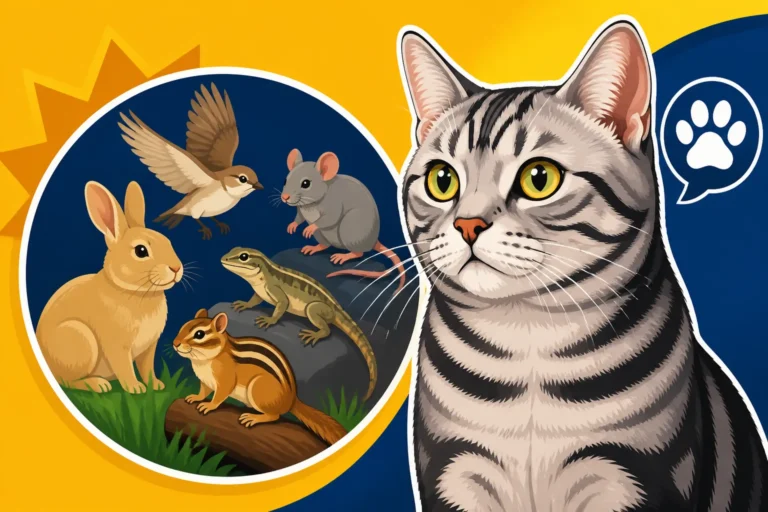
Every stalk, every pounce, every intense gaze out the window is a direct link to this lineage. They needed to be self-sufficient, resourceful, and constantly aware of their surroundings. This isn't just about catching a mouse; it's about the entire sequence: the spotting, the stalking, the chase, the capture, and the "kill." It's a complex behavioral chain that provides immense mental and physical satisfaction. When these opportunities are absent, an American Shorthair can become restless, bored, or even destructive, simply because their core programming isn't being utilized. It's not a flaw in their character; it's a fundamental need.
The Unchanged Instinct in a Modern Cat
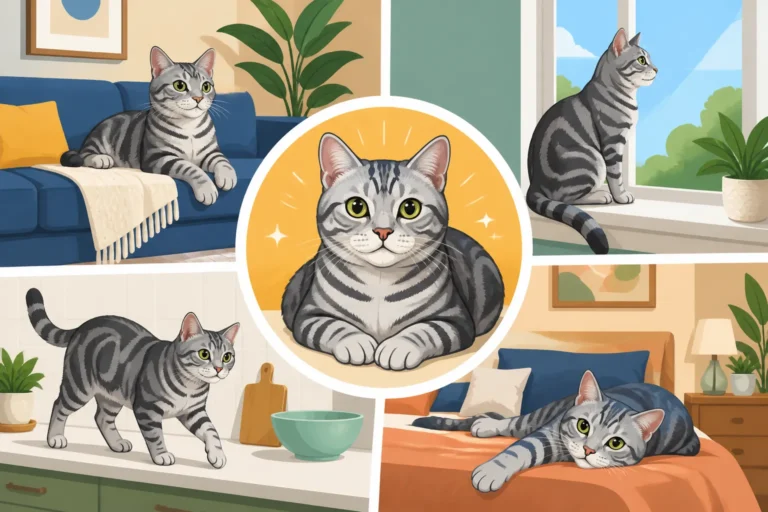
So, you have an American Shorthair curled up on your sofa, perhaps blissfully unaware of their ancestors' arduous sea voyages. Yet, those ancient instincts bubble just beneath the surface. You might notice them "chattering" at birds outside the window, meticulously tracking a dust bunny across the floor, or suddenly pouncing on your feet from under a blanket. These are not just cute quirks; they are manifestations of their deep-seated hunting drive. Even though they don't need to hunt for survival anymore, the urge remains. What an Indoor American Shorthair Does With a Mouser's Instinct.
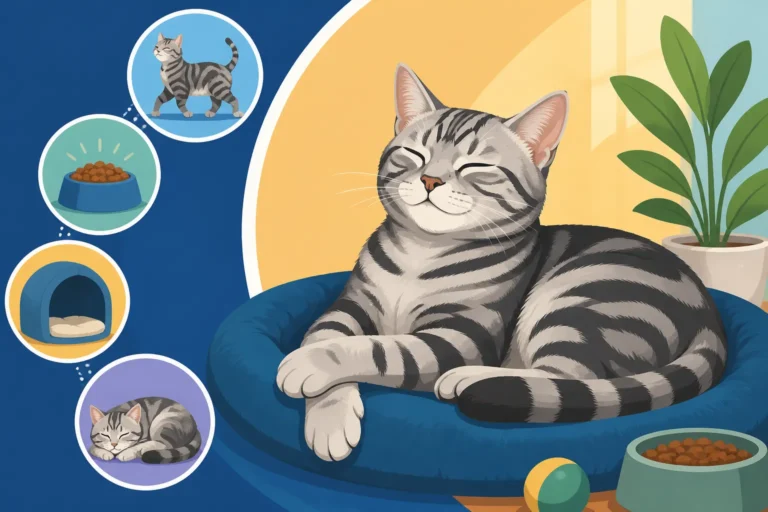
This robust hunting drive means they require outlets for physical activity, yes, but also for mental stimulation. They thrive on observation, problem-solving, and engaging their senses. A cat that is constantly stimulated and allowed to express these natural behaviors is generally a happier, healthier, and more well-adjusted cat. When these drives are consistently denied, it can lead to what we call "boredom behaviors," which might include excessive meowing, destructive scratching, or even aggression born of frustration. Understanding this fundamental aspect of their breed is the first step toward providing an environment that truly fulfills them, and that's where solutions like a catio come into the picture. How Strong an American Shorthair's Hunting Drive Is.
What a Catio Offers for Enrichment
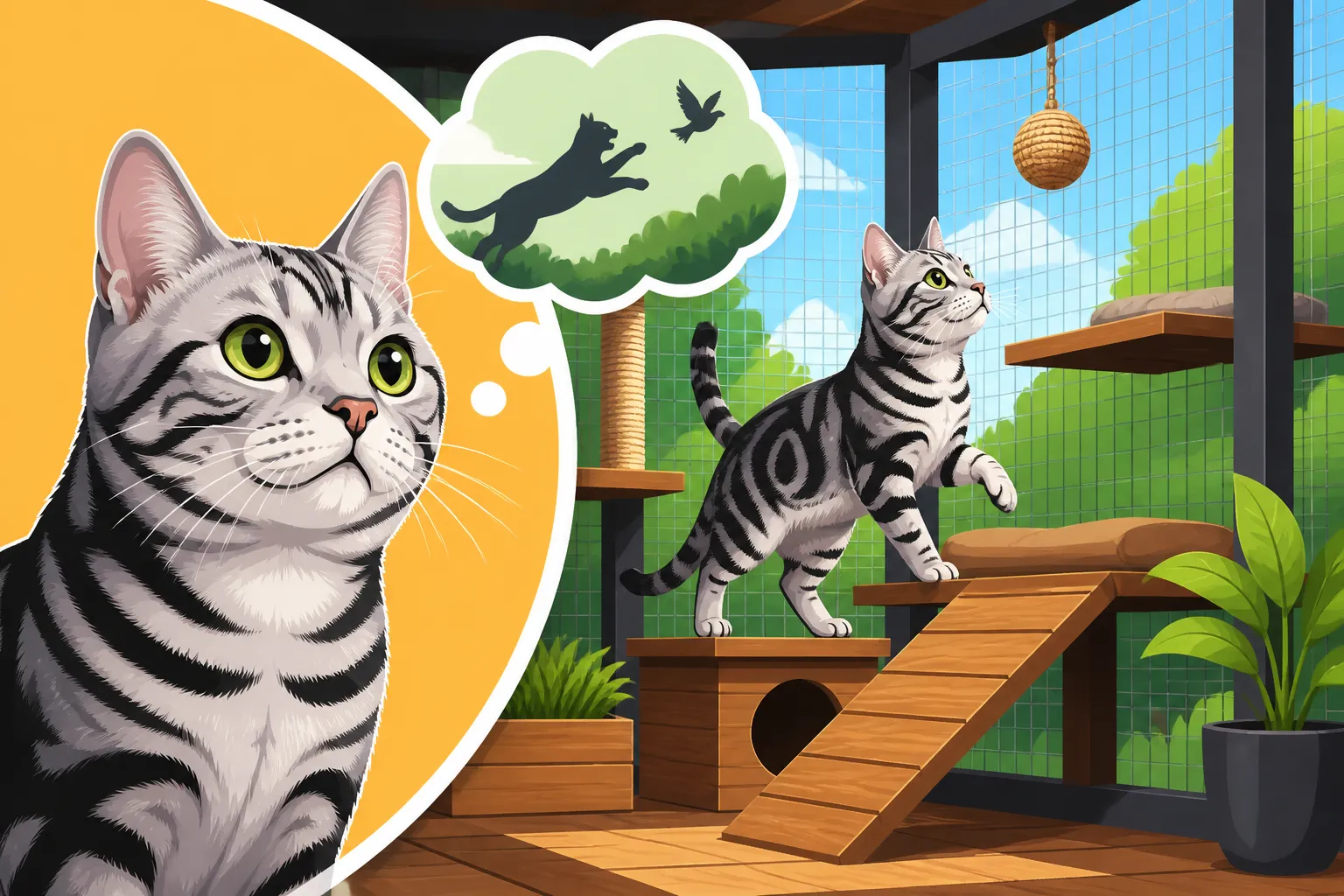
A catio, for those unfamiliar, is essentially an enclosed outdoor space designed for cats. It can range from a small window box to a sprawling, multi-level structure that rivals a human patio. For many American Shorthair owners, a catio seems like the perfect compromise: outdoor access without the dangers. And indeed, catios offer a significant upgrade to an exclusively indoor existence, tapping into several of the American Shorthair's core needs.
Safe Outdoor Exploration
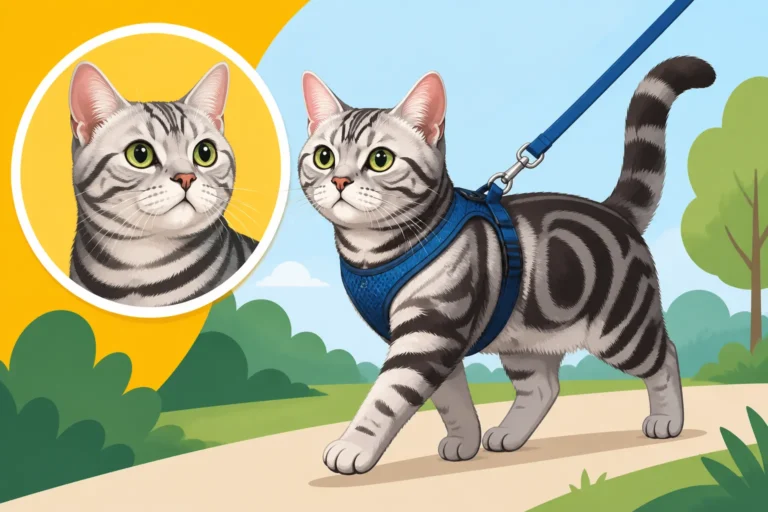
One of the most compelling arguments for a catio is the sheer safety it provides. As much as we know our American Shorthairs yearn for the outdoors, the reality of traffic, predators, parasites, and territorial disputes with other cats is a constant worry for any responsible owner. Why Letting an American Shorthair Outside Is a Real Decision. A catio eliminates these immediate dangers, giving your cat the freedom to breathe fresh air, feel the sun on their fur, and watch the world go by without putting themselves at risk. This feeling of safe exploration is vital. They can stretch out on a sun-drenched perch, nap in a shaded corner, or simply survey their domain from a secure vantage point, all behaviors they would instinctively seek in a natural outdoor setting.
This freedom from immediate threat also allows them to relax and engage with their environment more deeply. Instead of being constantly vigilant against perceived dangers, they can focus on the sensory richness of the outdoors. The mental relief for owners is also immeasurable, knowing their beloved companion is enjoying the outdoors without the accompanying anxiety. It's a controlled exposure to nature, providing a crucial bridge between their ancestral outdoor lifestyle and the safety of modern domesticity.
Sensory Stimulation and Observation
An indoor home, no matter how engaging, can never quite replicate the sheer sensory overload – in a good way! – of the outdoors. Catios expose your American Shorthair to a constant stream of novel stimuli. They can hear birds chirping, leaves rustling, and distant neighborhood sounds that are completely absent indoors. They can feel the breeze, the subtle shifts in temperature, and even experience the gentle patter of rain (if the catio is designed to allow it safely). They can smell the damp earth, blooming flowers, and the faint scent of passing wildlife.
But perhaps most importantly, catios offer unparalleled opportunities for observation. For a cat whose ancestors were master strategists and stalkers, watching birds, squirrels, insects, and even people passing by is incredibly enriching. It taps into their predatory instincts without requiring a kill. They can track movements, calculate trajectories, and remain in a state of alert engagement that is deeply satisfying. A high perch in a catio, looking out over a yard or even a busy street, can become their favorite "hunting blind," providing hours of engrossing "cat TV." This constant flow of new information keeps their minds sharp and prevents the stagnation that can come from a predictable indoor routine.
Opportunities for Vertical and Horizontal Movement
American Shorthairs are solid, muscular cats, and they need space to move, climb, and stretch. Their bodies are built for action, for pouncing and climbing to vantage points. A well-designed catio can provide fantastic opportunities for both vertical and horizontal movement, mimicking the varied terrain they would encounter in a natural environment. Instead of just a single flat floor, a catio can incorporate multiple shelves, ramps, climbing posts, and even sturdy branches. How Much Vertical Space an American Shorthair Needs.
This allows them to ascend to different levels, fulfilling their natural desire to survey their territory from a high point. It encourages them to jump, stretch, and use different muscle groups, promoting physical fitness and preventing boredom-related lethargy. They can patrol the perimeter, chase imaginary prey along a long shelf, or even engage in a playful wrestle with a sturdy scratching post. Many catios are built with tunnels, bridges, and interconnected sections that allow for extensive horizontal exploration as well, giving them a sense of journey and discovery within their safe haven. This physical engagement is crucial for maintaining their health and preventing the joint issues that can sometimes arise from a sedentary lifestyle, especially as they age.
Limitations of a Catio for the American Shorthair's Full Drive
While catios are undeniably a fantastic tool for enrichment, it's important to be realistic about what they cannot provide. An American Shorthair's drive is multifaceted, and simply being outdoors in an enclosure doesn't automatically satisfy every aspect of their deeply rooted instincts. Thinking a catio is a complete substitute for everything they might crave could lead to unmet needs and a less fulfilled cat.
The Missing "Hunt" Component
This is perhaps the biggest limitation. An American Shorthair's drive isn't just about seeing prey; it's about the full hunting sequence. It's the thrill of the chase, the strategic stalk, the explosive pounce, and critically, the final capture and "kill." While they might chatter at a bird outside the catio, they can never truly engage in the hunt. They can't feel the brush of tall grass, the scramble through undergrowth, or the weight of actual prey in their paws. This lack of a tangible conclusion to their predatory sequence can be frustrating for a cat so hardwired to complete it. Why an American Shorthair Needs to Catch the Toy.
Imagine training for a marathon for months, only to be stopped at the finish line every single time. That's a bit like what it can feel like for an American Shorthair with an unfulfilled hunting drive. Without opportunities to "catch" and "kill" (even if it's just a toy), the instinct remains active but unsatisfied. This is why even with a catio, supplemental indoor play that mimics the hunt, complete with a satisfying "capture," is still absolutely essential.
Restricted Territory
In the wild, or even as free-roaming barn cats, American Shorthairs would establish and patrol vast territories. This involves exploring new areas, marking boundaries, and interacting (or avoiding interaction) with other animals. While a catio offers a designated "outdoor territory," it is by definition limited. No matter how large, it's still an enclosure. They can't roam beyond its walls, discover new scents around the corner, or explore an entirely different patch of landscaping.
This restriction can prevent them from fully exercising their natural exploratory behaviors. They can't "find their way home" from an adventure, or scent mark a wide area to claim as their own. While the safety aspect is paramount, this territorial limitation means a catio cannot entirely replace the expansive mental map an outdoor cat would build. The novelty of the catio might wear off if the cat feels too confined within its unchanging boundaries, regardless of how many perches it offers. It's a static piece of territory, rather than an expanding one. How an American Shorthair Handles Leaving Its Territory.
Boredom and Novelty Fade
Initially, a catio is a thrilling new world for an American Shorthair. But like any new toy or environment, the novelty can eventually wear off if it remains static and unchanging. If the same birds visit, the same smells drift by, and the internal layout never alters, even the most engaging catio can become just another room, albeit one with fresh air. An American Shorthair, with its intelligent and curious nature, thrives on variety and new challenges.
If the catio doesn't regularly offer new textures, new climbing opportunities, rotating toys, or even seasonal changes in its immediate environment, a cat can become bored. This is especially true if the owner relies solely on the catio for enrichment without supplementing it with interactive play and other forms of mental stimulation indoors. An empty catio, no matter how well-built, provides little more satisfaction than an empty room. To truly be effective long-term, a catio needs ongoing attention to keep it fresh and exciting, demanding a commitment from the owner to continually reassess and enhance the space.
Maximizing Catio Satisfaction and Supplementing the Drive
So, a catio isn't a magical, one-stop solution for every American Shorthair's instinctual needs. But it can be an incredibly valuable part of a holistic enrichment strategy. The key is to be intentional about its design and to supplement its offerings with other activities. Let's explore how to make your catio truly satisfying and what else you can do to meet your American Shorthair's deep-seated drives.
Designing an Engaging Catio
Simply building a box isn't enough; an engaging catio is a thoughtfully designed miniature ecosystem. First, consider size and verticality. American Shorthairs appreciate ample space. Go as big as your budget and yard allow. Crucially, incorporate multiple levels, shelves, ramps, and even sturdy branches for climbing. These varied heights satisfy their desire to survey their domain from above and provide essential exercise. You can find pre-made catio kits on sites like Amazon that offer modular solutions, allowing you to expand over time if needed.
Next, think about sensory elements. Place feeders or bird baths outside the catio to attract local wildlife for observation. Include different textures within the catio – a patch of cat grass, a rough log, soft bedding, or a sisal-wrapped scratching post. Provide shade and shelter from the elements, ensuring there's always a comfortable spot regardless of the weather. Consider adding a small water fountain, which can entice them to drink more and offers an interesting visual and auditory element. How Much Water an American Shorthair Should Drink.
Finally, focus on accessibility and safety. Ensure easy access from your home, perhaps via a window or pet door. The structure must be secure, using sturdy wire mesh and escape-proof latches. Regular checks for wear and tear are vital to prevent any potential escapes or injuries.
| Catio Feature | How it Addresses ASH Drive |
|---|---|
| Multiple Levels & Shelves | Satisfies climbing, perching, and surveying instincts |
| Varied Textures (grass, wood) | Engages touch and smell, offers scratching surfaces |
| Bird/Squirrel Feeders Nearby | Provides "cat TV" and observational hunting stimulation |
| Secure Enclosure | Offers safe outdoor access, reduces predator/traffic risk |
| Shade & Shelter | Mimics natural hiding/resting spots, adapts to weather |
| Interactive Toys (rotated) | Prevents boredom, offers occasional "catch" opportunities within limits |
Integrating Play and Training
Even with a perfect catio, your American Shorthair still needs interactive play that directly addresses the "hunt, catch, kill" sequence. Think of the catio as their outdoor lounge and observation deck, and interactive play as their dedicated hunting simulation. Use wand toys with feather or fuzzy attachments that mimic prey. Drag them across the floor, hide them, make them dart and pounce, and always, always let your cat "catch" the toy at the end of each session. This is vital for their mental satisfaction. Play That Finishes the Hunting Sequence for an American Shorthair.
Puzzle feeders are another fantastic way to engage their intelligence and predatory instincts. Instead of simply eating from a bowl, they have to "hunt" for their food by solving a puzzle. This slows down their eating, prevents boredom, and provides mental stimulation. You can find a wide variety of puzzle feeders on Amazon, from simple treat balls to more complex mazes. Whether a Puzzle Feeder Satisfies an American Shorthair. Even simple hide-and-seek with treats or small toys around the house can be incredibly engaging. Remember, these cats are smart, and they relish a challenge! How Many Hunts a Day an Indoor American Shorthair Needs.
Variety and Rotation
The biggest enemy of satisfaction for an intelligent American Shorthair is predictability. If your catio, your toys, and your play routines are always the same, they will eventually become boring. The solution is variety and rotation. Don't leave all the toys out all the time. Instead, rotate them every few days or weeks. Introduce new textures, new scents (like catnip or silvervine-infused toys), and new challenges.
Change up your play sessions. Instead of always playing in the living room, try a session in the hallway or even in the catio itself if it's large enough. Regularly move furniture, add new climbing structures (even temporary ones like stacked boxes), or create new hiding spots in the catio. The goal is to keep their environment fresh and stimulating, providing new things to explore, observe, and interact with. This proactive approach to enrichment ensures that your American Shorthair remains engaged, happy, and truly satisfied, leveraging the benefits of a catio while still meeting their full range of inherent drives. How Much Simulated Hunting an American Shorthair Needs.
Disclaimer
This article is for general informational purposes only and does not constitute professional advice. Laws, prices and regulations vary by location and change over time. Consult a qualified professional for guidance on your specific situation.