How Well an American Shorthair Handles Cold
One of the questions I hear most often from new American Shorthair parents, especially as the seasons change and the thermometer dips, is whether their robust-looking cat is truly built for the cold. It’s a valid concern, given that many cats these days are pampered indoor companions, far removed from their rugged ancestors who braved harsh conditions. You might look at your American Shorthair, curled up on a sunny patch, and wonder if their seemingly dense coat is enough when winter truly bites. This guide will delve deep into the American Shorthair's natural resilience to cold, explain how to tell if they're feeling chilly, and offer practical, empathetic advice to ensure your beloved feline stays snug and healthy, no matter how low the temperatures drop.
The American Shorthair's Natural Winter Coat: A Legacy of Resilience
When you run your hand over an American Shorthair's coat, you'll immediately notice it feels quite different from many other breeds. It’s not plush and soft like a British Shorthair's, nor is it long and flowing like a Persian's. Instead, it’s dense, firm, and almost hard to the touch – and there’s a very good reason for that. This isn't a coat bred for aesthetic appeal in a show ring, but rather one forged by centuries of practical, outdoor living. It's a testament to their heritage, designed specifically for protection against the elements, a natural insulation system that served them well for generations.
What Makes Their Coat So Robust?
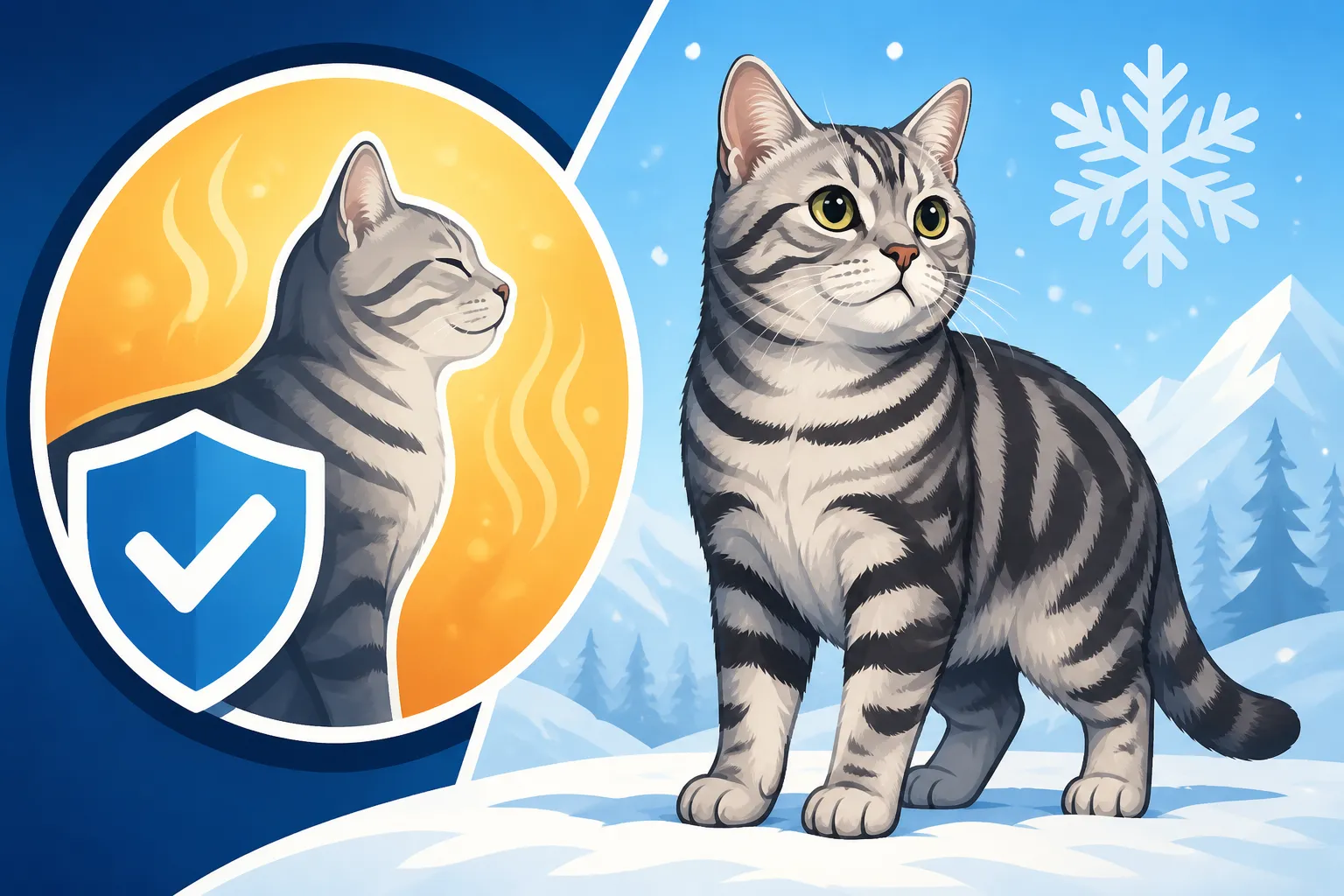
The American Shorthair's coat is a marvel of natural engineering, perfectly adapted for temperate climates, offering both warmth and protection. It's built with purpose, a functional garment passed down through their lineage. The key lies in its structure: it's a double coat, comprised of two distinct layers working in harmony to keep your cat comfortable in fluctuating temperatures. The outer layer, known as the guard hairs, are short, thick, and surprisingly stiff. These aren't just for show; they're designed to be water-resistant, shedding rain and snow rather than absorbing it, much like a natural raincoat. This prevents moisture from reaching the skin, which is crucial for staying warm.
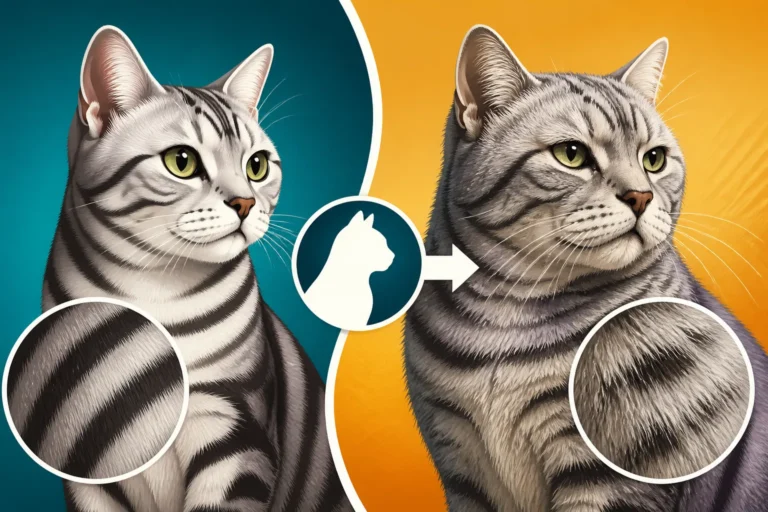
Beneath this protective outer layer lies a softer, denser undercoat. This downy layer acts as a fantastic insulator, trapping a layer of warm air close to the body. Think of it like wearing a thermal shirt under a sturdy waterproof jacket. This combination allows them to regulate their body temperature effectively, even when it’s quite chilly outside. You might notice your American Shorthair's coat How an American Shorthair's Coat Thickens Toward Winter as the colder months approach, a natural physiological response that further enhances their cold-weather capabilities. This adaptation is a clear indicator that their bodies are designed to prepare for and withstand lower temperatures without much human intervention, though a little extra care never hurts.
How Their Ancestry Prepared Them for the Elements
To truly understand an American Shorthair's cold tolerance, we need to look back at their remarkable history. These aren't creatures of luxury; they are descendants of hardy working cats brought to North America by early European settlers. Their ancestors weren't pets in the modern sense; they were invaluable members of the crew on ships, acting as pest control, keeping rats and mice in check during long, arduous voyages across the Atlantic. Whether the Coat Kept Ships' Cats Warm on Deck is a testament to the necessity of their robust fur. Imagine the damp, cold conditions on those old sailing vessels – only the toughest, most well-adapted cats would have survived and thrived.
Once ashore, these cats continued their essential work on farms and in settlements, protecting precious food stores from rodents. They lived largely outdoors, exposed to the changing seasons, from biting winter winds to scorching summer sun. This lifestyle, spanning centuries, naturally selected for traits that ensured survival in a range of environments. Their solid, muscular build, combined with that incredibly efficient double coat, meant they were perfectly equipped to handle the cold. They weren’t bred for delicate features or extreme characteristics; they were bred, or rather, evolved, for function and resilience. This innate hardiness is deeply ingrained in their DNA, making them far more capable of handling cooler temperatures than many other breeds whose ancestry is rooted more in selective breeding for appearance than for utility.
Understanding Their Cold Tolerance vs. Modern Breeds
It's natural to compare your American Shorthair's capabilities to other cats you might have encountered, especially when it comes to something as vital as dealing with cold weather. While all cats have a certain degree of resilience, the variations between breeds can be quite significant, often linked directly to their historical roles and selective breeding paths. Your American Shorthair, with its utilitarian background, stands out as a true survivor in this regard.
Comparing the American Shorthair's Cold Resistance to Other Breeds
When we talk about cold tolerance, the American Shorthair truly shines in comparison to many other popular pedigrees. Take, for example, breeds like the Sphynx, which is entirely hairless and utterly dependent on indoor warmth, often needing sweaters even in mild temperatures. Or consider some of the more exotic shorthairs with finer, silkier coats that offer minimal insulation. Even some long-haired breeds, while seemingly better protected, might have coats that are more decorative than functional for extreme weather, prone to matting and absorbing moisture.
The American Shorthair, on the other hand, possesses a distinct advantage. Its dense, hard coat, as discussed, is a fundamental piece of its survival toolkit. This isn't a fluffy coat that looks warm; it is warm. The tightly packed guard hairs and insulating undercoat work in tandem to create a formidable barrier against the cold. Unlike many breeds that have been refined for specific aesthetic traits over generations, sometimes at the expense of their natural resilience, the American Shorthair has largely retained its original, robust qualities. This means that while a delicate Siamese might shiver at 50 degrees Fahrenheit, your American Shorthair is likely still comfortable and patrolling its territory, even when the mercury drops significantly lower. This natural hardiness is a defining characteristic and a strong reassurance for owners.
The Importance of a Healthy Weight and Muscle Mass
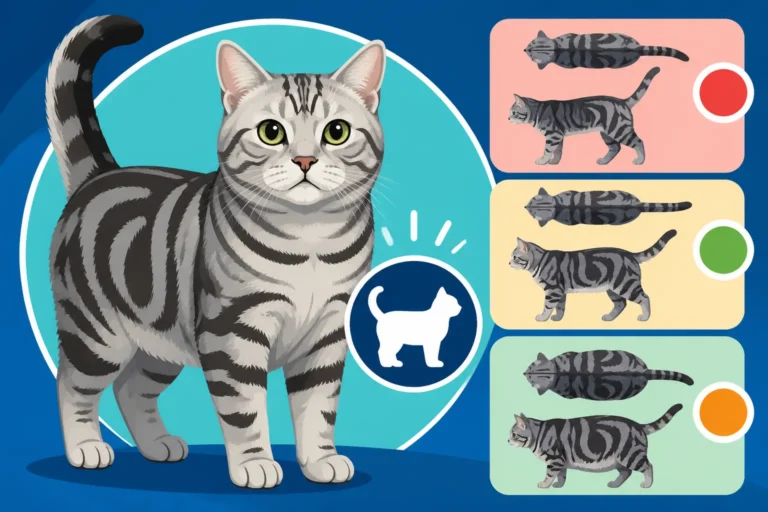
Beyond just their coat, an American Shorthair's overall physical condition plays a crucial role in their ability to handle cold. These are inherently sturdy, well-muscled cats, built for activity and strength. A healthy body weight and good muscle mass contribute significantly to their insulation and energy reserves, which are vital when temperatures drop. Think of it this way: fat provides an extra layer of insulation, much like a natural winter coat, while muscle mass helps maintain a higher metabolic rate, generating more internal heat. This combination means a fit American Shorthair is far better equipped to stay warm than one who is underweight or frail.
However, there’s a fine line to walk here. While a little extra insulation can be helpful, obesity is a significant health risk for American Shorthairs, just as it is for any cat. An overweight cat might struggle with mobility, joint issues, and be predisposed to other serious conditions like diabetes. What an American Shorthair Should Weigh at Its Frame is something to discuss with your vet, ensuring your cat has enough healthy padding without tipping into unhealthy territory. Their historical role as active hunters meant they rarely carried excess weight; they were lean and functional. Modern indoor American Shorthairs, however, can easily become chunky if their diet isn't carefully managed and they don't get enough stimulating exercise. Keeping them at a healthy, athletic weight ensures their natural cold tolerance remains intact without introducing other health complications. Providing high-quality food with good protein content can help maintain that crucial muscle mass and overall vigor.
Recognizing When an American Shorthair is Feeling the Chill
Even with their impressive natural defenses, it’s important to remember that every cat is an individual, and there are limits to even the hardiest breed's cold tolerance. Just like us, they can get too cold. As a devoted cat parent, it’s your job to be attuned to their subtle cues, to understand when their natural resilience is being tested, and when they might need a little extra help to stay warm and safe. Their stoic nature means they might not dramatically shiver or cry out, so you need to be a keen observer.
Subtle Signs Your American Shorthair is Cold
American Shorthairs are typically quite stoic, which can sometimes make it challenging to spot when they're uncomfortable. They're not usually ones to complain loudly. However, there are several subtle signs that indicate your American Shorthair is feeling chilly. One of the most common indicators is their posture. A cold cat will often curl up tightly into a ball, tucking their paws under their body and wrapping their tail snugly around themselves. This position minimizes their exposed surface area, helping to conserve body heat. You might also notice them seeking out unusually warm spots, even if it's not their usual nap locale – perhaps snuggling up right next to a heating vent, burying themselves under blankets, or perching on top of an appliance that radiates warmth.
Their fur might also tell a story. If their coat feels colder than usual to the touch, or if it's standing slightly on end rather than lying sleekly, it could be a sign. Watch for changes in their behavior, too. A cat that's normally active might become more lethargic, preferring to remain still to save energy. They might also appear more withdrawn, less interested in play or interaction. While not always a definitive sign of cold, these behavioral shifts, especially when combined with other indicators and colder temperatures, should prompt you to offer them a warmer environment. Providing extra blankets or a cozy, covered cat bed, perhaps found easily on Amazon, can make a world of difference.
When Cold Exposure Becomes a Health Risk
While American Shorthairs are hardy, prolonged exposure to extreme cold can absolutely become a health risk. We're talking about more than just feeling a little nippy; we're talking about the dangers of hypothermia and frostbite. Hypothermia occurs when a cat's body temperature drops dangerously low, affecting their vital organs. Symptoms can start subtly but progress rapidly. You might initially notice intense shivering, lethargy, and a cold body to the touch. As it worsens, they may become stiff, clumsy, unresponsive, and their breathing and heart rate might slow significantly. This is a medical emergency and requires immediate veterinary attention.
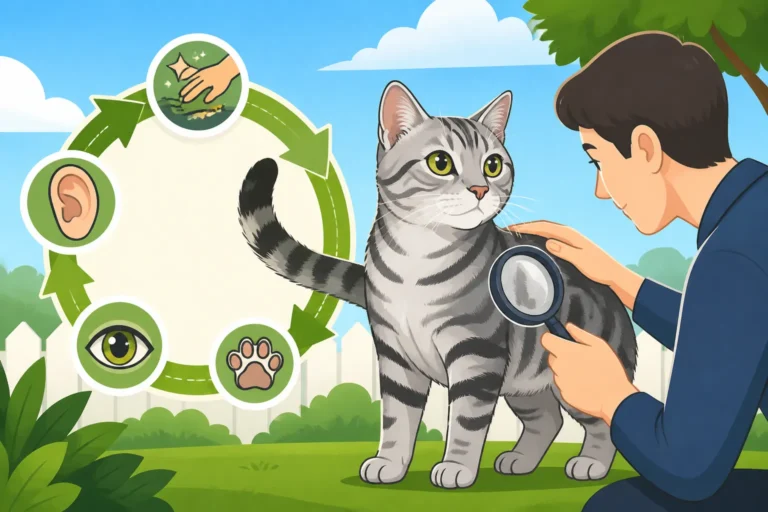
Frostbite is another serious concern, especially for any part of the body that might be thinly covered by fur or poorly circulated, such as ear tips, paw pads, or the tail. These areas are particularly vulnerable in freezing temperatures. The affected skin might appear pale, waxy, or even bluish, and feel unusually cold and hard. Later, it might become red, swollen, painful, and potentially blistered. If you suspect your American Shorthair has frostbite, it’s crucial to seek veterinary care right away, as improper warming can cause further damage. This is why, even for a robust breed like the American Shorthair, allowing them to remain outdoors unsupervised for extended periods in freezing weather, particularly overnight, is a significant gamble with their health. The Risks an Outdoor American Shorthair Takes That an Indoor One Does Not are considerable, and cold exposure is definitely on that list.
Providing Optimal Comfort for Your American Shorthair in Winter
Even though your American Shorthair is a trooper when it comes to cooler temperatures, that doesn't mean they don't appreciate – and indeed, often require – a little extra help to stay cozy when winter truly sets in. Providing a warm, secure environment isn't just about comfort; it's about supporting their long-term health and well-being, especially as they get older. As much as their ancestry predisposed them to handle the elements, our domesticated companions thrive best with our thoughtful care.
Indoor Essentials for Winter Warmth
For indoor American Shorthairs, creating a warm sanctuary is fairly straightforward. Start by identifying any drafty areas in your home, especially near windows and doors. Even a small draft can make a significant difference to a cat trying to conserve heat. Consider draft stoppers or heavier curtains. Next, focus on providing ample warm sleeping spots. Cats love to burrow and feel secure, so soft beds with high sides or igloo-style beds are often a hit. Blankets, especially fleece or wool, are always appreciated. You might even consider a self-warming pet mat, which reflects their body heat back to them, or a low-wattage heated bed for an extra touch of luxury, particularly for older cats. These are readily available from retailers like Chewy.
Placement matters too. Ensure their favorite napping spots aren't directly on cold tile or hardwood floors, unless they have a plush mat underneath. Sunny spots, especially those where a winter sunbeam penetrates, are always prime real estate for a napping cat. Just remember that while they love warmth, direct exposure to a blazing fireplace or a constantly running space heater can be too much and even dangerous. A consistent, comfortable ambient temperature throughout your home is ideal, aiming for something in the mid-60s to low-70s Fahrenheit. This prevents extreme fluctuations that can stress their system and force them to expend more energy to stay warm. A well-placed Whether an American Shorthair Needs a Warm Bed can make all the difference to their comfort.
Considerations for American Shorthairs with Outdoor Access
Allowing your American Shorthair outdoor access, even if they are naturally robust, requires extra caution during cold weather. While their coat provides protection, it's not foolproof against prolonged exposure to freezing temperatures, wind chill, or wet conditions. The greatest risk comes from being caught out in severe weather, or if they get lost. If your American Shorthair goes outside, always ensure they have immediate, easy access to a warm, dry, and sheltered indoor space. A cat flap leading directly into your heated home is ideal.
For those whose cats spend more time outside or who prefer some supervised outdoor time, a dedicated, insulated outdoor shelter can be a lifesaver. These shelters should be waterproof, elevated off the cold ground, and filled with straw (which resists moisture) or warm bedding. However, even with a shelter, limiting their time outdoors in extreme cold is paramount. During blizzards, ice storms, or temperatures that dip below freezing for extended periods, it's truly best to keep them indoors. Check their paws and ears regularly for signs of frostbite if they do venture out. A responsible owner understands that even a tough American Shorthair isn't invincible against the harshest elements, and their safety must always come first. Whether an American Shorthair Can Live Outdoors Year Round is a decision that requires careful thought and a deep understanding of local climate conditions.
Nutritional Needs for Maintaining Warmth
When the weather outside gets frightful, it's not just about providing blankets and warm spots; your American Shorthair's diet also plays a critical role in how well they cope with the cold. Their body is a finely tuned machine, and just like any engine, it needs the right fuel to generate heat and maintain optimal function. This becomes even more important in winter, when their metabolic demands can subtly increase, even if they're mostly indoors.
The Role of Diet in Cold Weather Energy
Think of food as fuel. When it’s cold, bodies naturally burn more calories to maintain core temperature. For an American Shorthair, whose ancestry involved a great deal of outdoor hunting and activity, this need for energy was historically met by their robust diet of prey. While your indoor American Shorthair might not be chasing mice through snowdrifts, their body's underlying mechanisms for thermoregulation still kick in. Therefore, ensuring they receive adequate, high-quality nutrition is crucial.
A diet rich in high-quality protein and healthy fats provides the necessary energy to support their metabolism and generate body heat. Lean muscle mass, built and maintained by proper protein intake, contributes to warmth, and fat offers insulation and a dense energy source. While you shouldn't drastically overfeed, subtly adjusting their portion sizes or ensuring they're on a nutrient-dense food might be beneficial. How Many Calories a Working Framed American Shorthair Needs a Day can fluctuate with activity levels and environmental temperatures. Consult your vet about any dietary changes, but generally speaking, ensuring their regular food is high-quality and complete will support their body's efforts to stay warm. Some owners find that incorporating fresh, human-grade food provides a boost in nutrient density and palatability, which can be great for maintaining vigor.
Hydration is Key, Even in Winter
It's a common misconception that cats need less water in winter because they aren't "hot" or as active. This couldn't be further from the truth! Hydration is just as vital in colder months, and perhaps even more so, especially if your home's heating system makes the air drier. Adequate water intake is essential for all bodily functions, including metabolism and circulation, both of which are critical for maintaining body temperature. Dehydration can lead to lethargy and a compromised immune system, making your cat more vulnerable to illness.
One of the best ways to encourage hydration is through diet. Wet food, with its naturally high moisture content, can significantly boost a cat's overall water intake. If your American Shorthair primarily eats dry kibble, consider adding a portion of wet food to at least one meal a day. Always ensure they have multiple fresh water sources available throughout the house. Some cats prefer running water, so a pet water fountain can be a fantastic investment, enticing them to drink more. You might notice your cat preferring room temperature water over icy cold, so adjust accordingly. How Much Water an American Shorthair Should Drink can vary, but consistent access to clean, fresh water is non-negotiable year-round.
Age and Health: Special Cold Weather Considerations
While American Shorthairs are generally very healthy and resilient cats, their ability to handle cold can change significantly as they age or if they develop certain health conditions. It's important for us, as their caretakers, to recognize these evolving needs and provide the tailored support required to keep them comfortable and safe through the colder months. What was once easy for a spry young American Shorthair might become a challenge for an older, less mobile one.
Senior American Shorthairs and the Cold
As American Shorthairs enter their senior years – typically around 10-12 years old – their physiology begins to change, which can impact their ability to regulate body temperature. You might notice their coat isn't quite as thick or dense as it once was, or that their circulation isn't as robust. Senior cats often have a lower metabolic rate, meaning they generate less body heat naturally. They also tend to be less active, spending more time sleeping or resting, which further reduces internal heat production. Caring for an American Shorthair Past Twelve requires a more attentive approach to their environment.
Arthritis and other joint issues are also common in older cats, and cold, damp weather can exacerbate their discomfort, making them stiff and reluctant to move. This not only causes pain but can also limit their ability to move to warmer spots if they get too cold. For these venerable felines, extra warmth is not just a luxury; it's a necessity. Heated beds, soft ramps to help them reach elevated warm spots, and ensuring their primary resting areas are well-insulated from drafts become even more critical. Keep an eye out for signs like reluctance to jump, difficulty moving, or increased time spent huddled in one spot, as these could indicate they're both feeling the cold and experiencing joint pain. Why an Old American Shorthair Slows Before It Limps is an important distinction to observe.
Managing Chronic Conditions in Cooler Temperatures
Certain chronic health conditions can also make an American Shorthair more vulnerable to cold temperatures. Cats with heart conditions, for instance, may have compromised circulation, making it harder for their bodies to distribute heat efficiently. Similarly, cats with kidney disease might struggle with fluid balance, affecting their overall resilience. Diabetes can also impact a cat's ability to regulate body temperature, and an uncontrolled diabetic cat can be more susceptible to the effects of cold. Any condition that leads to a decrease in overall energy levels or mobility will naturally reduce their ability to cope with cold.
For American Shorthairs with these or other ongoing health issues, close communication with your veterinarian is essential, especially as winter approaches. They might recommend specific dietary adjustments, medications, or environmental modifications. For example, if your cat has arthritis, your vet might suggest joint supplements or pain relief, which can improve their comfort and mobility, allowing them to better seek out warmth. Providing easy access to their food, water, and litter boxes in warm areas of the home, without requiring them to navigate cold floors or drafts, is also vital. These considerations underscore the fact that while the American Shorthair is a hardy breed, thoughtful, individualized care for those with specific needs ensures they remain healthy and comfortable throughout their lives, especially when the weather isn't on their side.
| Factor | Young, Healthy American Shorthair | Senior/Ill American Shorthair | Hairless Breeds (e.g., Sphynx) | Long-haired Breeds (e.g., Persian) |
|---|---|---|---|---|
| Coat Density/Type | Dense double coat, hard guard hairs | Thinner, less dense coat | None | Thick, often ornamental, single/double |
| Natural Insulation | High | Moderate/Low | Very Low | Variable (can mat, absorb moisture) |
| Metabolic Rate | High, generates more heat | Lower, less heat generated | Moderate/High (to compensate) | Moderate |
| Energy Reserves | Excellent, strong muscle mass | Reduced, potential muscle loss | Moderate | Moderate |
| Vulnerability to Cold | Low | Moderate/High | Very High | Moderate |
| Recommended Indoor Temp | Mid-60s to low 70s°F | Upper 60s to mid-70s°F | Mid-70s to 80s°F | Mid-60s to low 70s°F |
| Outdoor Exposure in Cold | Limited periods, supervised | Very limited, supervised | Absolutely none | Very limited, supervised |
| Extra Measures | Cozy beds, draft awareness | Heated beds, ramps, vet consult | Sweaters, heated beds, blankets | Regular grooming, dry environment |
Disclaimer
This article is for general informational purposes only and does not constitute professional advice. Laws, prices and regulations vary by location and change over time. Consult a qualified professional for guidance on your specific situation.