How Fast Treats Undo an American Shorthair’s Weight Plan
It’s a tale as old as time for many cat parents: you’ve got your beloved American Shorthair on a carefully crafted weight loss plan, diligently measuring out their food, encouraging playtime, and watching the scales. Then, suddenly, progress stalls, or worse, they start gaining back the weight you worked so hard to shed. The culprit? More often than not, it's those seemingly innocent treats, given with love but silently sabotaging all your efforts. This guide is going to walk you through just how quickly those little rewards can unravel a well-intentioned weight plan and, more importantly, how you can navigate the world of treats without derailing your cat's health journey.
The Allure of Treats and the American Shorthair's Predisposition to Weight Gain
Our American Shorthairs are magnificent creatures, hearty and robust, with a history rooted in usefulness. They were the original working cats, earning their keep by keeping vermin at bay on ships and farms. This history has instilled in them a strong drive to eat when food is available, a trait that served them well in leaner times but can be a real challenge in our modern, abundant homes.
Why Your American Shorthair Loves Treats (and What It Means for Their Health)
Think about it: for centuries, an American Shorthair's ancestors had to hunt for every meal. There was no guarantee of a full belly, so when prey was caught, they ate. This survival instinct is deeply ingrained. Today, your American Shorthair, living a comfortable indoor life, still carries that genetic programming. Food, especially high-value, tasty treats, triggers a primal satisfaction. It's not just about hunger; it's about the instinctual pleasure of consuming something rich in energy.
However, this deeply rooted drive, combined with a largely sedentary indoor lifestyle, creates a perfect storm for weight gain. An American Shorthair that historically burned hundreds of calories a day patrolling a barn or ship deck now expends far less energy napping on the sofa or playing a short game of chase the feather. When you introduce treats on top of an already appropriate diet, those extra calories accumulate quickly. Their robust build, once an asset for a working cat, becomes a disadvantage when those muscles are replaced by fat. You might find Why Indoor Life Made the American Shorthair Fat helpful for a deeper dive into this phenomenon.
The Sneaky Calorie Bomb: How Quickly Treats Add Up
It's easy to underestimate just how calorically dense some cat treats can be, especially when they're so small. A single tiny treat might seem negligible, but when you consider a cat's small size and lower daily caloric needs compared to a human, those calories become proportionally huge. For instance, a cat might only need 200-250 calories a day to maintain a healthy weight. If they're on a weight loss plan, that number could be even lower, perhaps 150-180 calories.
Now, let's look at some common treats. Many popular crunchy treats can contain anywhere from 2 to 4 calories per piece. If you give your American Shorthair ten of these throughout the day, that's already 20-40 extra calories – a significant chunk of their daily allowance, especially when they're on a restricted diet. Soft, chewy treats or freeze-dried options, while often praised for being “natural,” can sometimes pack an even bigger punch due to their fat and protein content. A small chunk of freeze-dried chicken might be 5-10 calories. Suddenly, a few generous pieces of high-quality, dense treats can add up fast.
Consider this hypothetical: your vet has prescribed a diet that brings your American Shorthair's daily intake down to 180 calories to achieve a healthy weight loss of about 0.5-1% of their body weight per week. If you're feeding a diet food that provides 160 calories, leaving a 20-calorie deficit for weight loss, and then you give them 5 crunchy treats (2 calories each) and 2 freeze-dried chicken pieces (5 calories each), you've just added 10 + 10 = 20 calories. You've completely wiped out their calorie deficit for the day. That's why that progress often stalls.
Understanding Your American Shorthair's Weight Plan
When your veterinarian puts your American Shorthair on a weight loss plan, they're not just guessing. They've assessed your cat's current weight, ideal target weight, and considered factors like age, activity level, and any underlying health conditions. This is a scientific approach to ensure healthy, sustainable weight loss.
How a Proper Weight Loss Plan Works for American Shorthairs
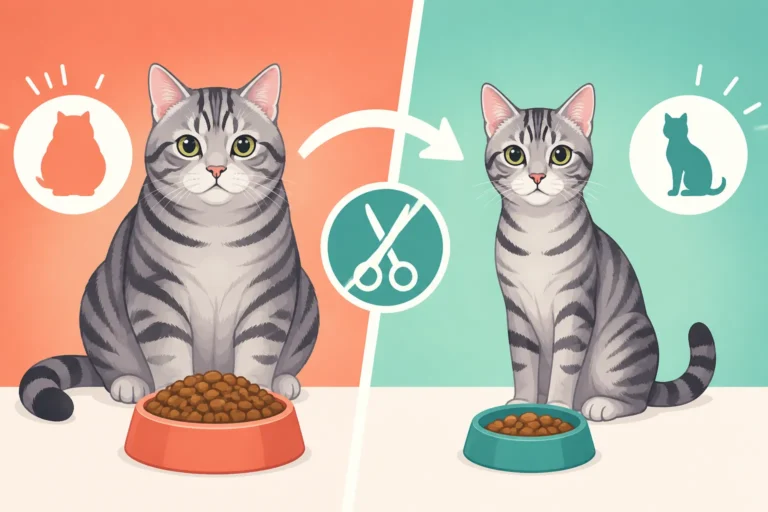
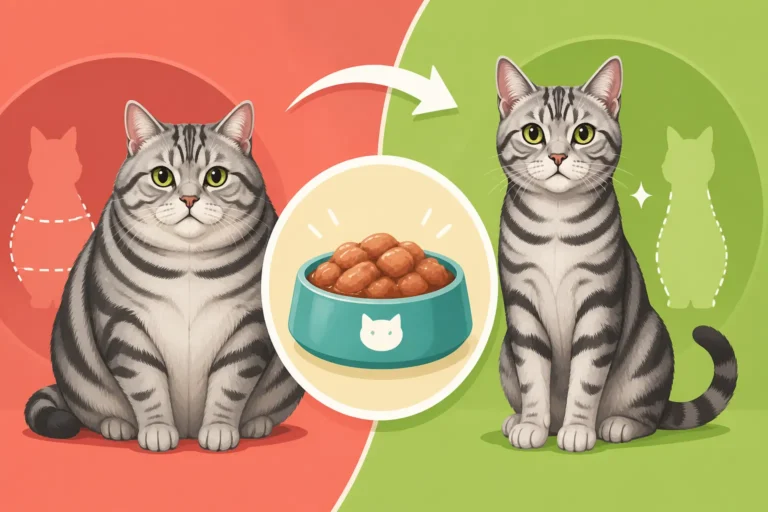
A typical weight loss plan for an American Shorthair revolves around creating a caloric deficit. This means your cat is consuming fewer calories than they burn. The primary way to achieve this is through carefully portion-controlled meals, often using prescription weight loss diets that are formulated to be lower in calories but still provide essential nutrients, protein to maintain muscle mass, and fiber to help them feel full. The goal is a gradual, steady weight loss, as rapid weight loss can be dangerous for cats, potentially leading to conditions like hepatic lipidosis (fatty liver disease). You might want to read How a Vet Builds an American Shorthair's Weight Loss Plan for more insights into this process.
Consistency is absolutely key. Every meal, every snack, every lick from your plate or a forgotten treat on the floor adds to their total caloric intake. Deviating from the plan, even occasionally, can completely undermine the careful balance your vet has established. It’s like trying to fill a bucket with a hole in the bottom – you keep pouring in the good stuff (the diet food), but if you're also adding to the leak (the treats), you'll never get anywhere.
The Impact of "Just One Treat" on Calorie Deficits
The phrase "just one treat" is the silent assassin of many cat weight loss journeys. We love our cats, and it feels mean to deny them something they clearly enjoy. But that "just one" can have a disproportionate impact on an American Shorthair's small metabolism.
Let’s visualize this:
If your American Shorthair needs to eat 180 calories a day to lose weight, and their diet food provides exactly that amount, but you want to include treats:
- Original Plan: 180 calories (diet food) – 0 treats = 180 calories total.
- With "Just One Treat": If that one treat is 5 calories, your cat now consumes 185 calories. That’s a 5-calorie surplus against the weight loss goal, turning a deficit into a maintenance or even slight gain.
- A Few Treats: If you give 3-4 treats throughout the day, easily 15-20 calories, you could be pushing them significantly over their target.
This isn't just about erasing the deficit; it's about potentially reversing progress. Imagine a marathon runner who trains religiously but then eats a huge dessert every night. Their effort in training is heavily diluted by the extra calories. For your American Shorthair, a few extra treats means their body isn't forced to tap into its fat reserves, and instead, it's just maintaining the status quo, or worse, adding more to the reserves. This is why How Many Years Extra Weight Takes Off the American Shorthair's Lifespan is such a critical read.
Here’s a quick table to illustrate the impact:
| Treat Type | Approx. Calories per piece | Number of Pieces | Total Calories Added | Impact on 20-Calorie Deficit |
|---|---|---|---|---|
| Small Crunchy Treat | 2 | 5 | 10 | Half of deficit gone |
| Medium Crunchy Treat | 3 | 5 | 15 | Three-quarters of deficit gone |
| Large Crunchy Treat | 4 | 5 | 20 | Deficit completely gone |
| Freeze-Dried Meat Nibble | 5 | 2 | 10 | Half of deficit gone |
| Small Soft Chew | 7 | 2 | 14 | Over two-thirds of deficit gone |
As you can see, it really doesn't take much to undo the hard work you're putting into their meals.
Strategies for Managing Treats While on a Weight Plan
So, if treats are such a problem, does that mean your American Shorthair can never have one again? Not necessarily! The key is smart management, healthier choices, and rethinking what a "reward" truly means.
Re-evaluating Treat Choices: Healthier Alternatives
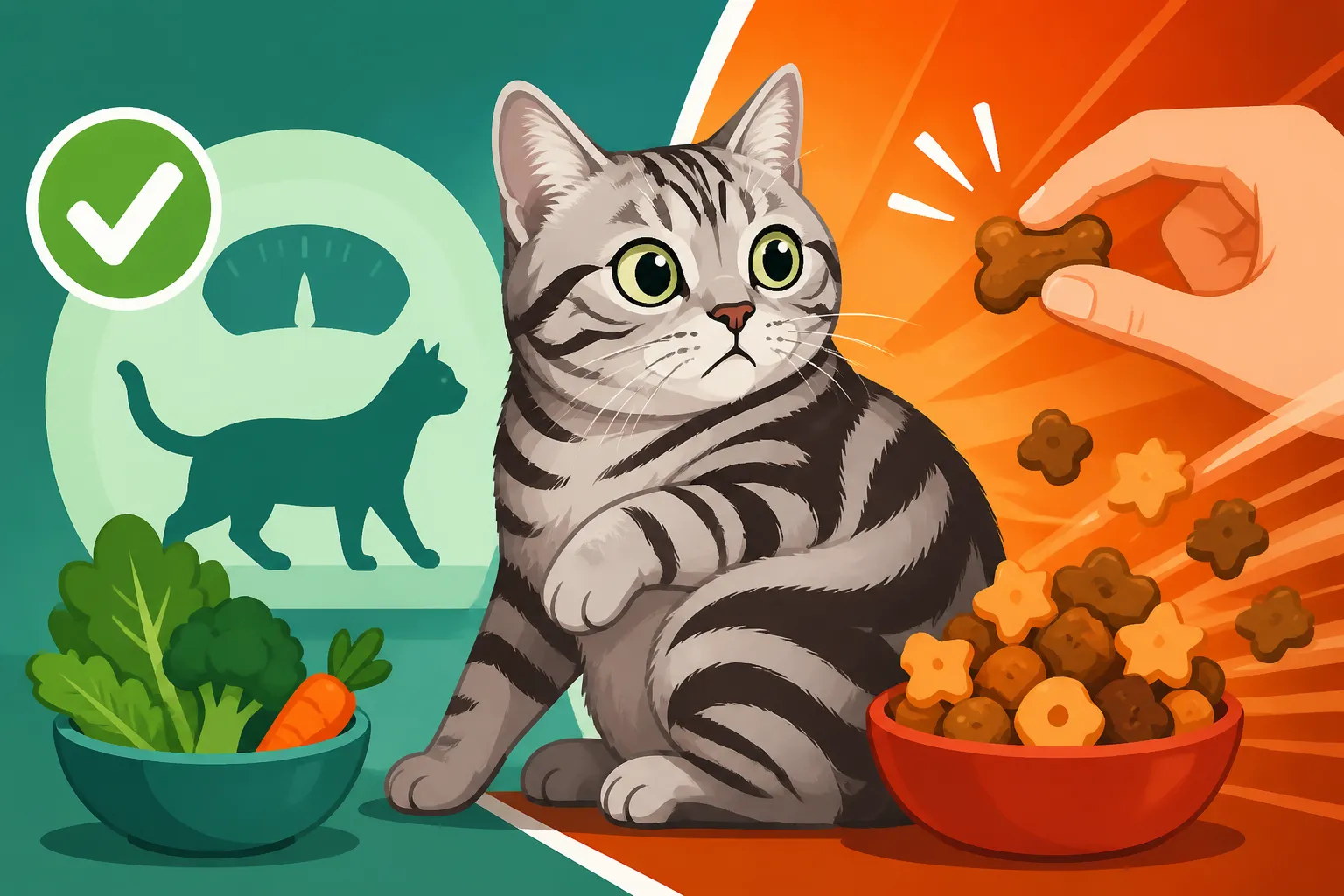
This is where you can get creative and smart. Instead of high-calorie, sugary, or filler-filled commercial treats, consider alternatives that align with your cat's dietary needs.
- Portioned Kibble as Treats: The simplest and most effective strategy is to use a small portion of your American Shorthair's daily kibble allowance as treats. You're not adding extra calories; you're just distributing their existing meal in a different way. This works wonderfully for positive reinforcement during training or just for those moments when you want to bond.
- Plain, Cooked Meats: Very small pieces of cooked, unseasoned chicken breast, turkey, or fish can be high-value treats. Make sure there are no bones, skin, or seasonings, especially onion or garlic, which are toxic to cats. These are rich in protein and generally lower in calories per bite than many commercial treats. Just remember, very small pieces and very occasionally.
- Specific Low-Calorie Commercial Treats: Some brands do offer genuinely low-calorie treats designed for weight management. Always check the calorie count per treat on the packaging. Brands like Chewy often have a wide selection of these specialized options, allowing you to compare calorie content easily. Be incredibly discerning and use them sparingly.
- Vegetables (in tiny amounts): While not every cat will go for them, some cats might tolerate tiny bits of steamed green beans or cooked pumpkin (plain, not pie filling). These are very low in calories, high in fiber, and can offer a novel texture. Introduce them slowly to see if your American Shorthair even considers them a treat.
The goal here is to satisfy that treat-giving impulse in a way that supports, rather than undermines, their weight loss. Remember, even with healthier alternatives, moderation is paramount.
Shifting the Reward System: Beyond Edible Treats
Our cats don't just love treats for the food; they love the attention and positive interaction that comes with them. This is a huge opportunity to shift their reward system to non-food-based reinforcement. Your American Shorthair, with its intelligent and independent nature, will likely respond well to these alternatives.
- Interactive Playtime: This is perhaps the best non-food reward for an American Shorthair, a breed that still carries a strong The American Shorthair Still Hunts, Whether You Want It To or Not instinct. A wand toy that simulates hunting, a laser pointer (with a physical "catch" at the end to prevent frustration), or even a crinkle ball can provide immense satisfaction. Five to ten minutes of engaged play is far more beneficial than a handful of treats. It burns calories, provides mental stimulation, and strengthens your bond. Consider Which Toys Finish an American Shorthair's Hunt for more ideas.
- Cuddle and Pet Sessions: For many American Shorthairs, a good scratch behind the ears, a gentle back rub, or a quiet moment on your lap is a wonderful reward. Pay attention to what your cat enjoys most and offer it generously.
- Verbal Praise and Affection: A calm, happy "Good kitty!" or "You're such a smart boy!" delivered in a soft, loving tone can go a long way. Cats are attuned to our voices and emotions.
- New Toys or Environmental Enrichment: Rotating toys or introducing a new puzzle feeder (using their meal kibble, of course!) can be a form of reward. A sturdy cat tree from a retailer like Amazon can also be an excellent addition, providing vertical territory and a new vantage point, which is incredibly enriching for a territorial cat.
By focusing on these non-food rewards, you're not only helping your American Shorthair lose weight but also enriching their life in ways that are healthier and more sustainable.
Communicating the Plan to the Whole Household
This is often the trickiest part, especially in multi-person households. One person might be meticulously following the diet, while another, perhaps unknowingly or out of misguided affection, is undoing all that hard work with extra treats. Grandparents, children, or even houseguests might be particularly prone to slipping your American Shorthair "just a little something."
- Hold a Family Meeting: Sit everyone down and explain the importance of the weight loss plan for your American Shorthair's long-term health. Emphasize the risks of obesity, such as What Extra Weight Does to an American Shorthair's Working Frame and How Weight Turns Into Diabetes in an American Shorthair.
- Clear Rules and Guidelines:
- No unauthorized treats: Make it clear that only designated individuals (usually you, the primary caregiver) are allowed to give treats, and only under specific circumstances.
- Portion out treats daily: If you absolutely must use treats, portion out a very small, specific amount from their daily kibble allowance each morning. Once that portion is gone, no more treats for the day, from anyone.
- Use non-food rewards: Encourage everyone in the household to use playtime, petting, or praise as alternatives to food.
- Educate on "Forbidden" Foods: Make sure everyone knows which human foods are dangerous or high in calories and should never be given.
- Visible Reminders: Post a friendly but firm note on the fridge or near the cat's food bowls reminding everyone about the treat rules.
- Lead by Example: Be the most consistent person in the house. Your dedication will help reinforce the importance of the plan.
Without a united front, it's incredibly difficult to maintain the consistency needed for successful weight loss. Everyone needs to be on board for your American Shorthair to thrive.
Long-Term Success: Maintaining a Healthy Weight
Achieving your American Shorthair's ideal weight is a huge accomplishment, but the journey doesn't end there. Maintaining that healthy weight requires ongoing vigilance and a mindful approach to their diet, including treats.
Integrating Treats Mindfully into a Maintenance Diet
Once your American Shorthair has reached their target weight, your vet will likely adjust their daily caloric intake to a maintenance level. This level will be slightly higher than the weight loss diet but still carefully calculated. At this point, you might be able to reintroduce a very small, controlled amount of treats, but it's crucial to do so mindfully.
- Keep Calories Accounted For: Any treats given must be factored into their daily caloric allowance. If you give a 5-calorie treat, you need to reduce their regular meal by 5 calories to compensate. This requires careful measurement and consistency.
- Prioritize Healthy Options: Stick to the healthier treat alternatives discussed earlier – small pieces of cooked plain meat or their own kibble. Avoid those calorie-dense, less nutritious commercial treats.
- Limited Frequency: Treats should be an occasional indulgence, not a daily expectation. Perhaps one or two small treats a few times a week, rather than several every single day.
- Use for Training or Enrichment: Reserve treats for specific purposes, such as positive reinforcement during training sessions, or as part of a puzzle feeder to encourage mental stimulation, rather than just handing them out for no reason. This helps tie the treat to an activity and prevents mindless consumption.
The goal is to prevent a relapse into unhealthy weight gain. Your American Shorthair still has that underlying predisposition, so vigilance remains paramount.
Monitoring Progress and Adjusting as Needed
Maintaining a healthy weight is an ongoing process, not a one-time fix. Just like with humans, a cat's metabolism can change with age and activity levels.
- Regular Weigh-Ins: Continue to weigh your American Shorthair regularly, ideally once a month, at home or during vet visits. Small fluctuations are normal, but a consistent upward trend is a red flag. If you notice weight creeping back on, you’ll need to adjust their food intake or increase their activity. You can learn more about this by reading Why an Old American Shorthair's Weight Should Be Tracked.
- Body Condition Scoring: Beyond the scale, learn how to assess your American Shorthair's body condition by feel. You should be able to easily feel their ribs without pressing hard, and they should have a discernible waist when viewed from above. Their tummy should tuck up slightly when viewed from the side. How to Score a Square Built American Shorthair's Body Condition can provide detailed guidance on this.
- Consult Your Vet: If you notice weight gain, or if you're struggling to maintain their ideal weight, don't hesitate to consult your veterinarian. They can help you re-evaluate their diet, activity level, and rule out any underlying medical conditions that might be contributing to weight issues. Your vet is your best partner in ensuring your American Shorthair lives a long, healthy life.
Remember, a healthy weight is one of the most significant factors in your American Shorthair's longevity and quality of life. By being mindful about treats and consistent with their care, you’re giving them the best possible chance at a happy, active future.
Disclaimer
This article is for general informational purposes only and does not constitute professional advice. Laws, prices and regulations vary by location and change over time. Consult a qualified professional for guidance on your specific situation.