Whether an Indoor American Shorthair Lives Longer
It's a question many of us cat parents grapple with, often late at night while watching our furry friends sleep soundly: are we doing right by them by keeping them indoors, or are we denying them some essential feline experience? The anxiety is real, especially when you consider all the dangers lurking outside. This guide is here to shed some light on the crucial topic of indoor versus outdoor living for American Shorthairs, focusing on how living strictly indoors often translates to a significantly longer, healthier life for these wonderful cats.
Understanding the American Shorthair's Robust Nature
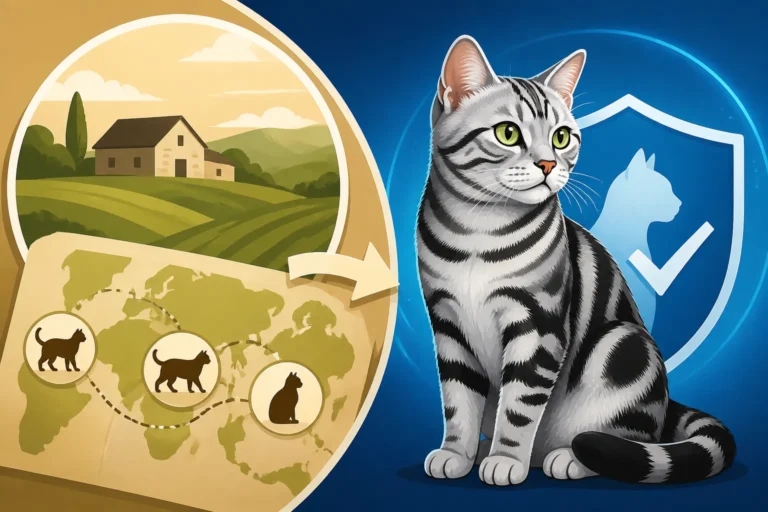
Before we dive into the specifics of indoor versus outdoor life, it's important to remember what kind of cat the American Shorthair truly is. These aren't delicate, hyper-bred felines prone to myriad genetic issues; quite the opposite. The American Shorthair is the control group of cat breeding, known for its hardy constitution and general good health, a legacy of its working-cat origins. They were bred for function, not just fancy, meaning they generally arrive with fewer inherent health faults. This robust foundation means that when given a safe environment, their potential for a long life is already high.
A History of Hardiness
For centuries, the ancestors of the American Shorthair were invaluable members of households and ships, relied upon to keep rodent populations in check. This lifestyle selected for strength, intelligence, and a strong immune system. They were survivors, adaptable to various climates and conditions across North America. This historical context helps explain why the breed, even today, boasts a naturally strong constitution. When people ask, "How long the American Shorthair lives against other pedigrees," the answer often leans towards the longer end of the feline spectrum precisely because of this heritage.
What an American Shorthair With No Designer Defect Gets Instead
Unlike some modern breeds that have been developed with extreme features, leading to structural or health problems, the American Shorthair standard emphasizes a well-proportioned, moderate cat. This means they are less likely to suffer from issues related to facial structure, breathing, or movement. What they get instead is a body built for chasing and pouncing, without the exaggerated traits that often come with a health cost. This focus on natural form contributes significantly to their overall well-being and longevity, providing a fantastic baseline for a long life if external risks are minimized.
The Inherent Dangers of an Outdoor American Shorthair's Life
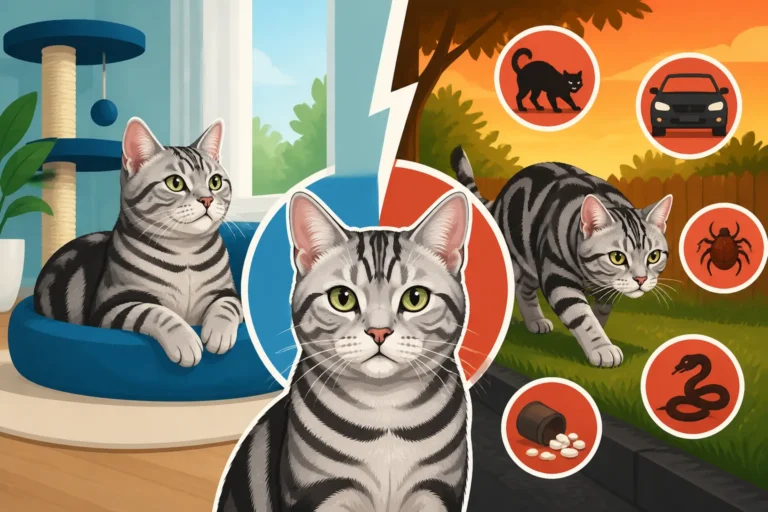
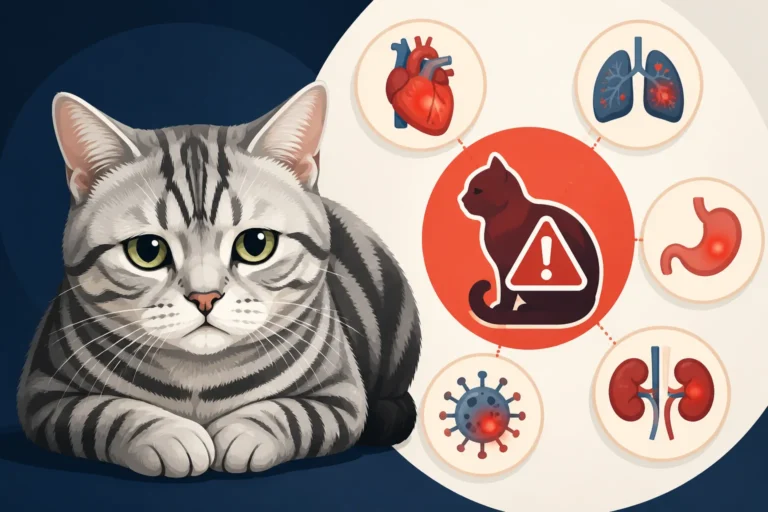
It's a romantic notion, isn't it? A cat freely roaming, chasing butterflies, and exploring its territory under the open sky. But for our beloved American Shorthairs, the reality of outdoor life is far less idyllic and significantly more dangerous. The world outside, while full of tantalizing scents and interesting sights, is also a minefield of risks that can drastically shorten a cat's lifespan. These aren't just minor bumps and scrapes; we're talking about life-threatening hazards that are unfortunately all too common.
Road Traffic Accidents and Their Devastating Impact
One of the most immediate and tragic threats to outdoor cats is road traffic. Even in quiet suburban areas, a sudden dash across a street can lead to a devastating collision. Cats are fast, but cars are faster, and drivers often don't see them until it's too late. The resulting injuries can be catastrophic, from broken bones and internal bleeding to immediate fatality. This is why "How road traffic shortens an outdoor American Shorthair's life" is a crucial discussion point for any owner considering outdoor access. It’s a risk that no amount of training or good fortune can entirely negate.
Confrontations with Other Animals
The great outdoors isn't just about human-made dangers; it's also a wild kingdom with its own hierarchy. Outdoor American Shorthairs frequently encounter other cats, dogs, and wildlife like raccoons, coyotes, and even birds of prey. These interactions can quickly escalate into fights, leading to nasty bite wounds, scratches, and abscesses. These injuries are painful, costly to treat, and can become infected, sometimes leading to life-threatening complications. Moreover, encounters with wildlife can result in severe trauma or even predation. Understanding "Which injuries an outdoor American Shorthair comes home with" often means preparing for deep lacerations, broken bones, and other serious consequences of territorial disputes.
Exposure to Diseases and Parasites
When cats roam freely, they are inevitably exposed to a host of infectious diseases and parasites. Feline Leukemia Virus (FeLV) and Feline Immunodeficiency Virus (FIV) are serious, often fatal, viral diseases spread through bites and close contact with infected cats. Even with vaccinations, the risk isn't entirely eliminated, and outdoor cats are constantly encountering unknown animals. Furthermore, parasites like fleas, ticks, and various internal worms are a constant menace. While regular preventative treatments help, they are not foolproof, and the sheer volume of potential exposure means a higher chance of infestation. Thinking about "Which parasites an outdoor American Shorthair picks up" paints a picture of a cat constantly battling external and internal invaders, even with diligent care. This constant exposure can compromise their immune system and overall health.
Ingestion of Toxins and Hazardous Substances
The human world is full of things that are perfectly safe for us but deadly for cats. Antifreeze, rat poison, slug pellets, pesticides, and certain garden plants are all common outdoor hazards. An American Shorthair, driven by curiosity or hunger, might ingest these substances, leading to severe illness, organ damage, or death. Owners often have no idea what their cat might have encountered while out exploring, making diagnosis and treatment incredibly challenging. It's a silent killer that outdoor cats face every single day.
The Protected Life of an Indoor American Shorthair and Its Longevity
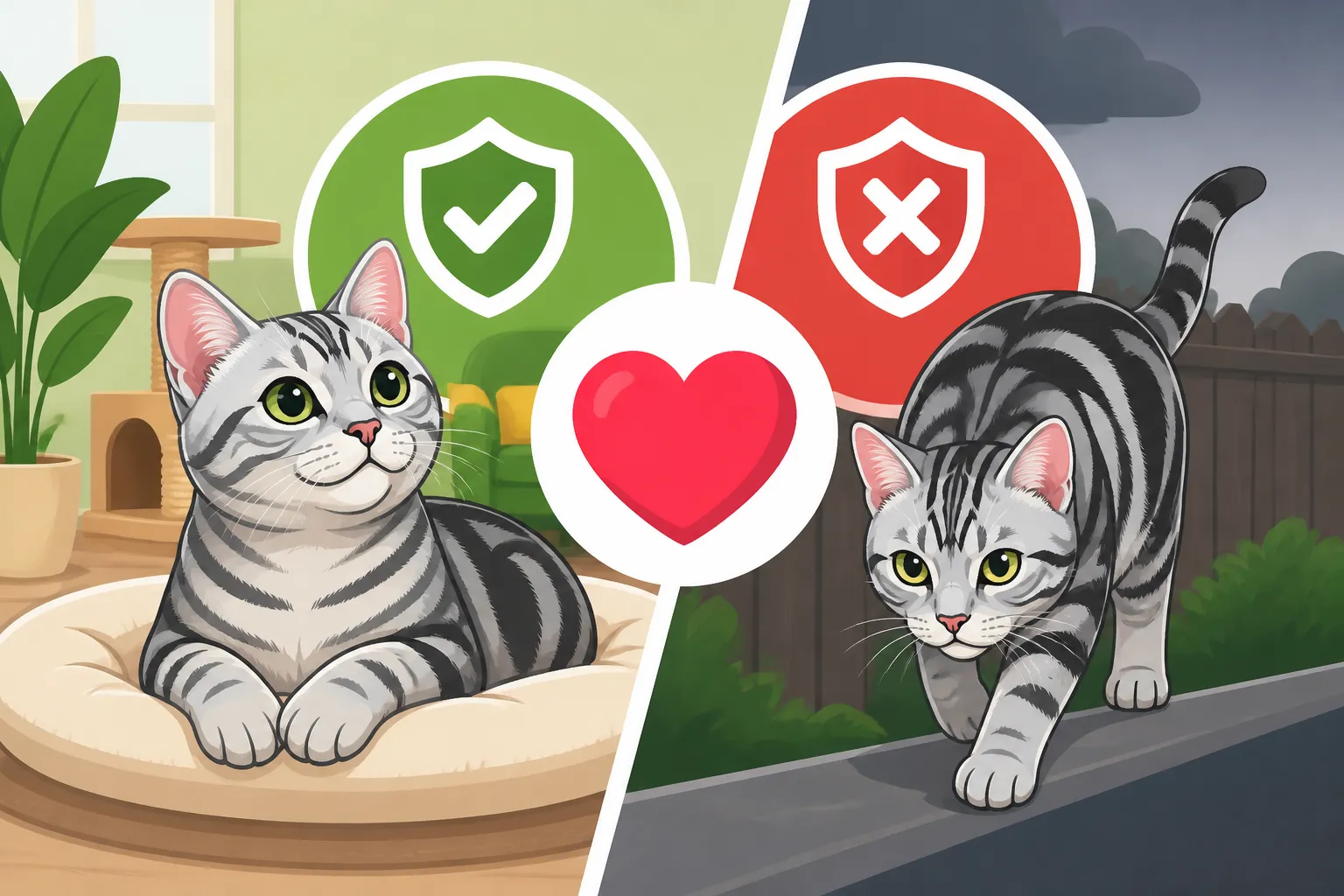
Bringing your American Shorthair indoors dramatically changes the odds in their favor, setting them up for a much longer and healthier existence. By removing the myriad external threats, you’re allowing their natural hardiness to truly shine. This shift isn't about caging them, but about creating a controlled, safe environment where they can thrive without the constant stress of survival.
Shielding from External Threats
The most obvious benefit of an indoor lifestyle is the complete elimination of outdoor dangers. No more worrying about cars, aggressive animals, or accidental poisonings. This peace of mind isn't just for you; it's for your cat too. They can relax and explore their territory without the primal need to be constantly vigilant for threats. This reduced stress load contributes significantly to their overall health, as chronic stress can weaken the immune system and exacerbate existing conditions. When you consider the vast difference between "The Risks an Outdoor American Shorthair Takes That an Indoor One Does Not," it becomes clear that indoor life is a profound act of protection. Pet insurance providers like Healthy Paws often reflect this reduced risk in their policy offerings, understanding that indoor cats generally incur fewer emergency vet visits.
Minimizing Disease and Parasite Exposure
By keeping your American Shorthair indoors, you drastically cut down their exposure to contagious diseases like FeLV and FIV, as well as the constant onslaught of fleas, ticks, and worms. While indoor cats still need routine vaccinations and parasite prevention, the risk of acquiring these issues is significantly lower than for their outdoor counterparts. This means fewer trips to the vet for preventable illnesses, less stress on their immune system, and a greater chance for a long, vibrant life. This is why discussions around "Whether an Outdoor American Shorthair Needs FeLV Cover" are often moot for strictly indoor cats, as their exposure is minimal to non-existent, though core vaccinations are still vital.
Enhanced Monitoring and Preventative Care
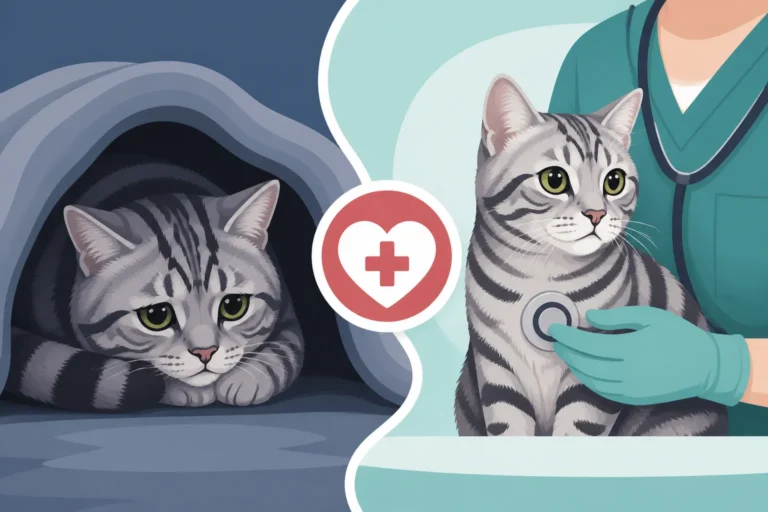
An indoor American Shorthair is simply easier to monitor. You're more likely to notice subtle changes in appetite, litter box habits, energy levels, or coat condition. This early detection can be critical for many feline health issues, from urinary tract infections to the early signs of kidney disease. It allows for prompt veterinary intervention, often before a condition becomes severe. Regular check-ups become truly preventative when external variables are largely controlled. Many owners with Healthy Paws policies find peace of mind knowing that routine wellness exams, where these early signs might be caught, can be part of their coverage, allowing for proactive care that sustains longevity.
Table: Indoor vs. Outdoor Risks and Lifespan Impact for American Shorthairs
To really drive home the point, let's look at a direct comparison of the typical risks and their impact on an American Shorthair's lifespan:
| Factor | Outdoor American Shorthair | Indoor American Shorthair | Impact on Lifespan |
|---|---|---|---|
| Average Lifespan | 2-5 years (highly variable, significantly shorter) | 15-20 years (or more) | Outdoor life drastically reduces lifespan due to increased risks. |
| Traffic Accidents | High risk of severe injury or fatality from vehicles. | Virtually no risk of traffic accidents. | Major cause of sudden death for outdoor cats; entirely avoidable indoors. |
| Animal Fights | Frequent encounters with other cats, dogs, wildlife leading to bites, abscesses, severe trauma. | Minimal to no risk of fights unless multiple cats are poorly introduced in the home. | High risk of injury, infection, and disease transmission outdoors. |
| Diseases/Parasites | High exposure to FeLV, FIV, fleas, ticks, worms, often leading to chronic health issues. | Significantly lower exposure, controlled environment limits spread, easier prevention. | Reduced risk of serious infectious diseases and parasitic infestations. |
| Toxins/Poisons | High risk of ingesting antifreeze, pesticides, rodenticides, toxic plants, leading to poisoning. | Minimal risk if household chemicals and plants are kept safely out of reach. | Major cause of acute illness and death outdoors; preventable indoors. |
| Weather Extremes | Vulnerable to frostbite, heatstroke, hypothermia, dehydration. | Protected from harsh weather conditions, climate-controlled environment. | Outdoor cats face severe health challenges and stress from environmental elements. |
| Predators | Risk of attack from coyotes, foxes, large birds, aggressive dogs. | No risk from natural predators. | Direct threat to life; completely removed indoors. |
| Lost/Stolen | Risk of getting lost, injured away from home, or intentionally taken. | Low risk of getting lost or stolen, confined to a known area. | Outdoor cats face the risk of never returning home. |
This table vividly illustrates why "The Fifteen to Twenty Years the American Shorthair Was Given" is far more likely to be achieved by an indoor cat.
Managing an Indoor American Shorthair for Optimal Health and Happiness
While the statistics clearly favor an indoor lifestyle for longevity, simply keeping your American Shorthair inside isn't the whole story. To truly ensure they thrive, both physically and mentally, you need to actively manage their environment and provide adequate enrichment. An indoor cat needs a stimulating world within the four walls of your home, especially a breed like the American Shorthair, which has a strong, inherent prey drive.
Addressing the Hunting Instinct Indoors
The American Shorthair still hunts, whether you want it to or not. Centuries of natural selection forged them into efficient predators, and that instinct doesn't just disappear because they're inside. Without appropriate outlets, this pent-up energy can lead to destructive behaviors or boredom. That's why providing plenty of engaging play is crucial. Think about regular, interactive play sessions with wand toys that mimic prey. This allows them to stalk, pounce, and "kill" the toy, completing their natural hunting sequence. Puzzle feeders are also fantastic, making them "work" for their meals just as their ancestors did. This isn't just about fun; it’s about mental and physical well-being.
Preventing Obesity: A Common Indoor Challenge
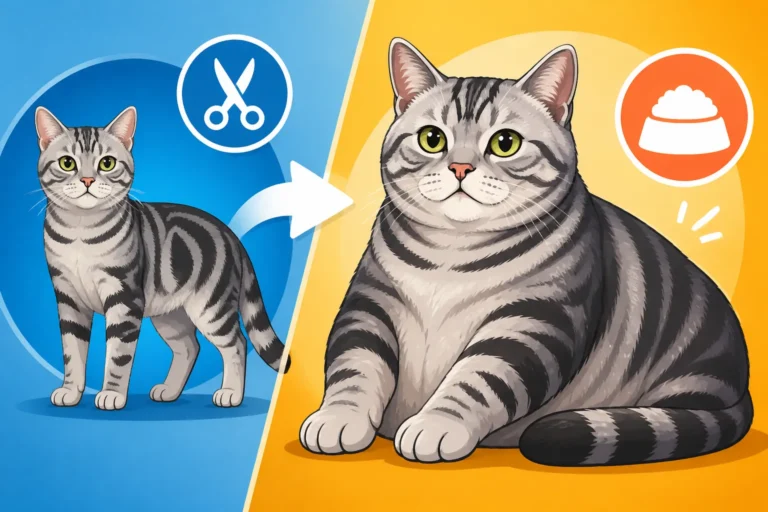
One of the biggest health challenges for indoor cats, including the American Shorthair, is obesity. Without the constant physical exertion of hunting and patrolling a large outdoor territory, they simply burn fewer calories. This often leads to a problem where "Why Indoor Life Made the American Shorthair Fat" becomes a harsh reality for many owners. It’s incredibly easy to overfeed a cat with a healthy appetite, especially when they're not expending much energy.
Portion control is paramount. Instead of free-feeding, measure out their daily food allowance and consider splitting it into smaller, more frequent meals. Engaging them with puzzle feeders can also slow down their eating and provide mental stimulation. Regular play, as mentioned, helps burn calories. Obesity leads to a host of serious health problems like diabetes, joint issues, and even heart disease, significantly impacting "How many years extra weight takes off the American Shorthair's lifespan." It's a silent killer that is entirely preventable with diligent management. Many veterinarians, especially when dealing with preventative care covered by plans from providers like Healthy Paws, will focus heavily on maintaining a healthy weight for indoor cats.
Environmental Enrichment and Mental Stimulation
An indoor cat needs more than just food and a litter box. They need an environment that speaks to their natural instincts. Vertical space is incredibly important for American Shorthairs, allowing them to climb, perch, and observe their territory from a height. Cat trees, shelves, and window perches give them vantage points and exercise. Scratching posts, in various textures and orientations, satisfy their need to maintain their claws and mark their territory.
Regular interaction, toys that mimic prey, and even supervised "catio" time or harness training can provide much-needed mental and physical stimulation. An under-stimulated cat can become bored, stressed, and even develop behavioral issues. A happy, engaged American Shorthair is a healthier one, reducing the likelihood of stress-related illnesses and ensuring they live out their full potential lifespan, potentially reaching "The fifteen to twenty years the American Shorthair was given."
It's clear that while moving your American Shorthair indoors largely eliminates external dangers, it introduces a new responsibility: creating a rich, stimulating, and healthy indoor environment. With mindful care, indoor American Shorthairs absolutely live longer, more fulfilled lives, free from the countless threats of the outside world.
Disclaimer
Please remember that the information provided in this article is intended for general informational purposes only and does not constitute veterinary advice. Always consult with a qualified veterinarian for any health concerns or before making any decisions about your pet's care.