Whether an Outdoor American Shorthair Needs FeLV Cover
It’s a natural worry for any cat parent who lets their beloved American Shorthair venture outdoors: are they truly safe from everything out there? One of the most frightening threats is Feline Leukemia Virus (FeLV), a devastating illness that can silently undermine your cat’s health. Deciding whether your adventurous outdoor American Shorthair needs vaccination against FeLV is a big decision, and this guide is here to walk you through all the considerations.
Understanding Feline Leukemia Virus FeLV
Feline Leukemia Virus, often abbreviated to FeLV, is one of those diagnoses that strikes fear into the hearts of cat owners, and for good reason. It’s a serious, retroviral disease that can severely compromise a cat's immune system, leaving them vulnerable to a host of secondary infections and certain cancers. The very nature of the virus makes understanding its transmission and impact crucial for anyone considering outdoor access for their American Shorthair.
What is FeLV and How is it Transmitted
FeLV is spread primarily through direct, prolonged contact between cats, particularly through saliva. This means activities like mutual grooming, sharing food and water bowls, and especially bite wounds from fights are common ways the virus is passed from an infected cat to a susceptible one. Less commonly, but still a risk, is transmission via blood transfusions, and from a mother cat to her kittens during pregnancy or through nursing. It's not something that can survive long outside a host; you don't generally need to worry about picking it up from contaminated surfaces in your home after an infected cat leaves, but direct interaction is a huge risk. This direct contact is precisely why outdoor cats face a higher risk, as they are far more likely to encounter unknown cats and engage in these close interactions.
The Devastating Impact of FeLV on Feline Health
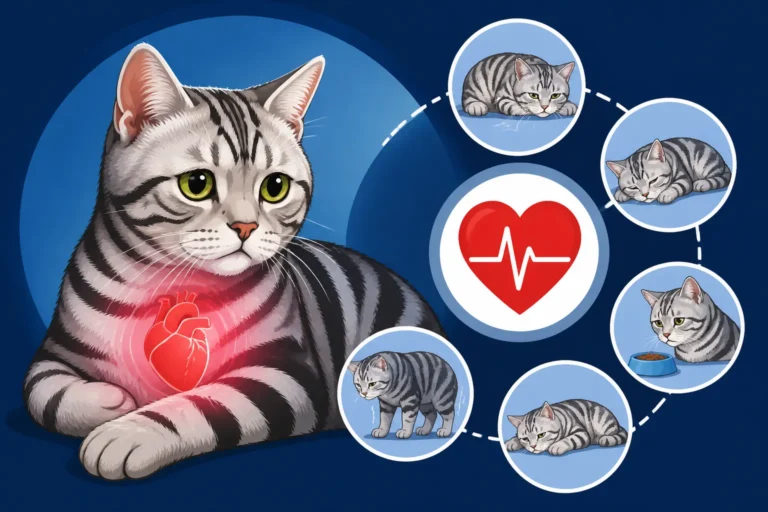
Once a cat is infected with FeLV, the virus can manifest in several ways. Some cats might develop a "transient" infection, where their immune system successfully fights off the virus, and they become immune. However, many cats develop a "persistent" infection, meaning the virus takes hold and replicates throughout their body. These persistently infected cats are the ones who shed the virus and typically go on to develop severe, life-threatening illnesses. FeLV can cause a variety of health problems, including anemia, immunosuppression (making them prone to all sorts of infections, from respiratory issues to skin problems), kidney disease, and various cancers, particularly lymphomas. The signs can be subtle at first – a loss of appetite, weight loss, dull coat, or recurring infections that just don't seem to clear up. Over time, these symptoms worsen, and the disease is ultimately progressive and fatal. This slow, insidious decline is what makes FeLV so heartbreaking for families and why prevention is so vital.
Testing for FeLV Early Detection is Key
Before even considering vaccination, or if your American Shorthair has already been venturing outside, testing for FeLV is absolutely paramount. Many cats can be infected with FeLV for a long time without showing any obvious symptoms, acting as silent carriers who can unknowingly spread the disease. A simple blood test, often an ELISA (Enzyme-Linked Immunosorbent Assay) snap test performed right at your vet's office, can detect the presence of the virus. If the initial test is positive, your vet will likely recommend a confirmatory test, like an IFA (Immunofluorescent Antibody) test, which indicates a persistent infection. It's crucial that any new cat joining your household, or any cat whose FeLV status is unknown, especially if they're going to spend time outdoors, is tested. Knowing their status allows you to make informed decisions about their health, protection, and interactions with other felines. Early detection, or rather, early knowledge of their status, is truly key to managing the risks.
Risks for Outdoor American Shorthairs
The decision to let your American Shorthair explore the great outdoors brings a host of joys for your feline friend, but it also undeniably introduces certain risks that indoor-only cats simply don't face. When it comes to infectious diseases like FeLV, the outdoor environment fundamentally changes the risk profile. Understanding these specific risks is essential for responsible pet ownership and for making an informed choice about protective measures like vaccination.
The Reality of Outdoor Exposure Fights, Shared Resources, and Contact
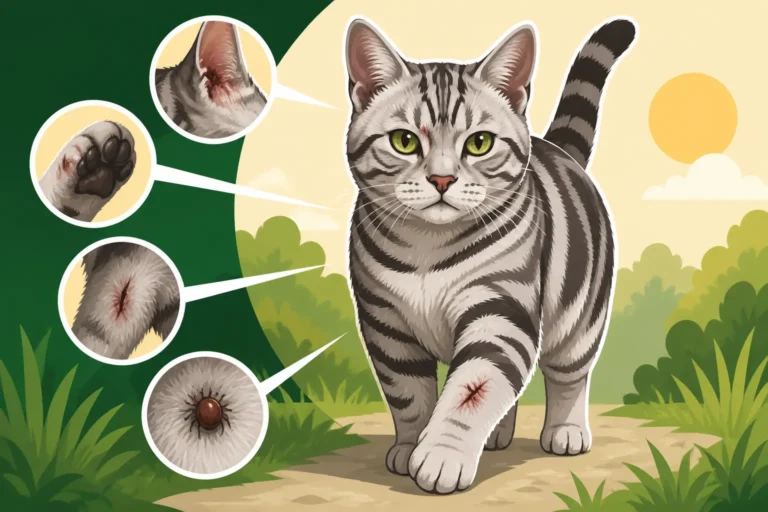
An American Shorthair, no matter how placid or well-behaved they are indoors, still retains a strong, inherent drive to patrol and interact with their environment, a throwback to their working cat ancestors. This means that once they're outside, they're likely to encounter other cats, be they feral, stray, or other neighborhood pets. These interactions are not always friendly. Cat fights are a significant concern, as bite wounds are a direct and efficient way to transmit FeLV. Even seemingly benign encounters can pose a risk; cats may share outdoor food and water bowls left out by well-meaning neighbors, or groom each other, unknowingly passing the virus through saliva. The sheer unpredictability of these interactions means that every time your American Shorthair steps out, they are exposed to potential carriers of FeLV, regardless of how safe your immediate backyard might feel. You can read more about specific external dangers in our article, "Which Injuries an Outdoor American Shorthair Comes Home With".
Why the American Shorthair's Roaming Instinct Increases Risk
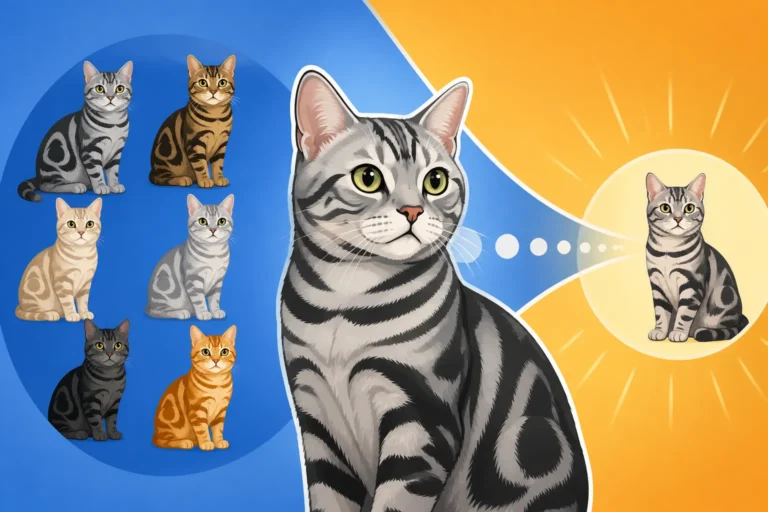
American Shorthairs are known for their calm, adaptable, and generally easygoing temperament. However, beneath that placid exterior lies a curious and capable hunter. Their ancestors were prized for their mousing skills on farms and ships, a trait that still manifests in many modern American Shorthairs as a desire to explore and patrol a territory. This natural inclination to roam means they won't necessarily stay confined to your perfectly manicured yard. They'll wander into neighboring territories, investigate new scents, and potentially engage with other cats they meet along the way. The more extensive their roaming, the greater the number of unfamiliar cats they might encounter, significantly increasing their chances of exposure to FeLV. While a catio can help satisfy some of this drive, you might also be interested in "Whether a Catio Satisfies an American Shorthair's Drive" to fully understand how much a secure outdoor space can mitigate these risks.
Assessing the Local FeLV Prevalence
It’s easy to feel overwhelmed by the thought of FeLV, but it's important to remember that disease prevalence can vary greatly depending on your geographic location and local cat population dynamics. In some areas, particularly those with a large population of unvaccinated or feral cats, FeLV might be more common. In other, more controlled environments, the risk might be lower. The best way to assess the actual risk for your American Shorthair is to speak directly with your local veterinarian. They will have up-to-date knowledge of FeLV cases in your community and can offer insights based on their practice. For instance, if you live in an urban area with a high density of outdoor cats and known feral colonies, the risk is inherently higher than if you reside in a rural area with few other cats nearby. This local perspective is invaluable in helping you make an informed decision regarding FeLV protection.
The FeLV Vaccine What You Need to Know
When you're faced with the potential dangers of diseases like Feline Leukemia Virus, the FeLV vaccine often comes up as the primary line of defense. But like any medical intervention, it's not a one-size-fits-all solution, and understanding its nuances, from efficacy to potential side effects, is crucial. For an outdoor American Shorthair, this vaccine can offer a significant layer of protection, but it's important to have realistic expectations.
Efficacy and Protection Levels
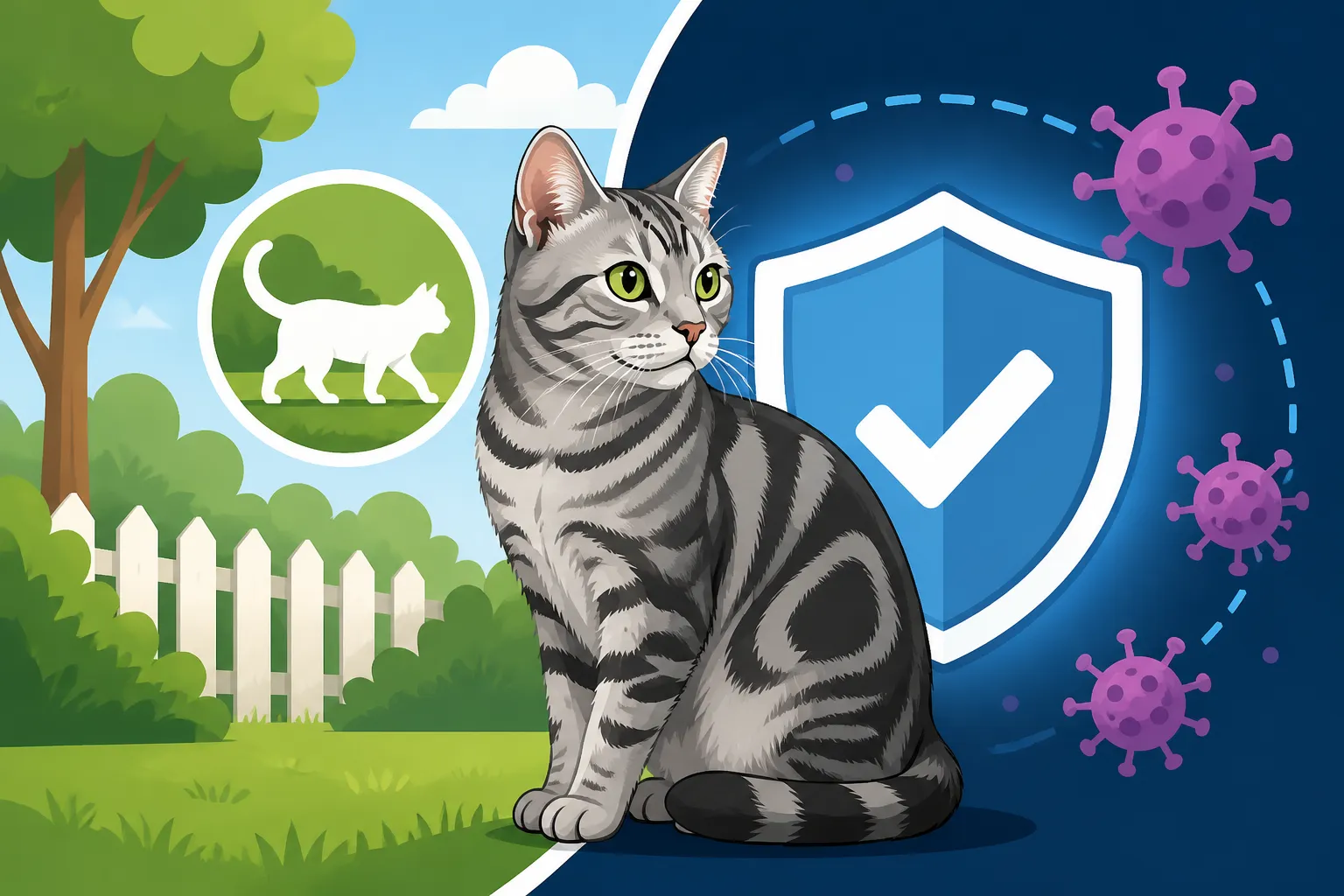
The FeLV vaccine is not 100% effective in preventing infection, but it provides a substantial degree of protection against persistent FeLV infection and the severe diseases associated with it. Most studies suggest the vaccine is highly effective, offering protection in the range of 80-100% against developing persistent viremia and subsequent illness. This means that while a vaccinated cat might still be exposed to the virus, their immune system is much better equipped to fight it off and prevent it from taking hold as a persistent, life-threatening infection. For an American Shorthair that enjoys outdoor adventures, this reduction in risk can offer immense peace of mind. It significantly lowers the chances of your cat suffering from the devastating effects of the virus, even if they encounter an infected cat.
Potential Side Effects and Concerns
No vaccine is entirely without risk, and the FeLV vaccine is no exception. While serious adverse reactions are rare, they can occur. Common, mild side effects might include temporary soreness at the injection site, a low-grade fever, lethargy, or a decreased appetite for a day or two after vaccination. More serious, though very uncommon, reactions can include allergic responses, such as facial swelling or vomiting. Historically, there was a concern about vaccine-associated sarcomas (a type of cancerous tumor) developing at injection sites, especially with older generations of vaccines. However, modern FeLV vaccines, particularly those that are non-adjuvanted (meaning they don't contain substances designed to boost the immune response, which were implicated in sarcoma risk), have a significantly reduced risk. Your veterinarian can discuss the specific type of vaccine they use and address any particular concerns you might have about its safety profile.
Vaccination Protocols and Boosters
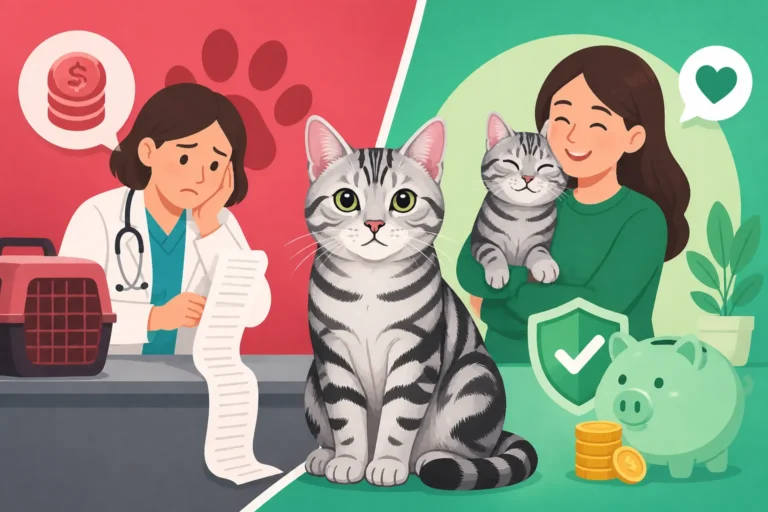
The typical vaccination protocol for FeLV involves an initial series of two doses, administered three to four weeks apart, usually starting when a kitten is around 8-9 weeks old. After the initial series, annual boosters are often recommended for cats who continue to have an outdoor lifestyle and therefore ongoing risk of exposure. However, some vets might suggest a booster every two to three years depending on the specific vaccine used and the cat's individual risk assessment. It's vital that your American Shorthair is tested for FeLV before receiving the vaccine, as vaccinating an already infected cat won't offer protection and is generally not recommended. Your veterinarian will tailor a vaccination schedule based on your cat's age, health status, and estimated risk of exposure. Regular vet visits are key to ensuring your American Shorthair stays up-to-date on their vaccinations and receives the best preventative care possible. Many pet insurance providers, like Healthy Paws, even offer wellness plans that can help cover the cost of these routine vaccinations and check-ups.
Making the Decision for Your Outdoor American Shorthair
The choice to vaccinate your outdoor American Shorthair against FeLV is a deeply personal one, balancing the genuine desire for their health and safety with practical considerations and potential risks. It’s not just about getting a shot; it’s about weighing the overall lifestyle of your cat, their interactions, and the peace of mind you seek as an owner. There’s no single right answer for everyone, which is why a thoughtful, informed approach is so important.
Weighing the Pros and Cons of Vaccination
On the "pro" side, the primary benefit of the FeLV vaccine is the significant protection it offers against a devastating, often fatal disease. For an American Shorthair that spends time outdoors, encountering other cats is almost inevitable. The vaccine greatly reduces the risk of your cat developing a persistent, life-threatening FeLV infection, thereby extending their potential lifespan and quality of life. It provides a crucial layer of defense against an unpredictable environment. Many owners find that this protection offers considerable peace of mind, knowing they've done what they can to shield their cat from a severe illness.
However, there are "cons" to consider. While rare, vaccine reactions can occur, ranging from mild temporary discomfort to more severe allergic responses. There's also the ongoing commitment to booster shots, which means regular vet visits. And, of course, the financial aspect, although many responsible owners factor preventative care into their budget. For cats that are strictly indoors and have no exposure to other cats, the risk of FeLV is virtually zero, making the vaccine unnecessary in such cases. The key is to evaluate these points in the context of your American Shorthair's actual daily life.
Consulting Your Veterinarian A Personalized Approach
Ultimately, the most important step in deciding about FeLV vaccination for your outdoor American Shorthair is to have an in-depth conversation with your veterinarian. They are your best resource for personalized advice. Your vet will consider several factors: your cat's age, overall health, specific outdoor habits (do they just sunbathe in the yard or do they actively patrol the neighborhood?), the prevalence of FeLV in your local area, and whether your cat has tested negative for FeLV prior to vaccination.
They can explain the risks and benefits in detail, tailored to your cat’s individual circumstances. For example, if your American Shorthair has a compromised immune system for other reasons, your vet might weigh the risks differently. They can also advise on the most current and safest vaccine options available. This collaborative discussion ensures that you make a decision that is truly in the best interest of your beloved feline companion.
Considering Lifestyle Changes for Risk Reduction
Beyond vaccination, you might want to consider lifestyle adjustments that can significantly reduce your American Shorthair's exposure to FeLV, even if they still enjoy some outdoor time. The most effective way to prevent FeLV transmission is to limit contact with potentially infected cats. This might mean supervised outdoor time rather than free-roaming, or even exploring options like a secure catio, which allows them to experience the outdoors safely without direct interaction with unknown felines.
Another strategy is to avoid allowing your cat to share food and water bowls that might be accessible to neighborhood strays. If your American Shorthair is prone to cat fights, you might need to reassess their outdoor access, as bite wounds are a major transmission route. Creating a stimulating indoor environment with plenty of vertical space and toys can also help reduce their desire to roam extensively, as discussed in our article, "How Much Vertical Space an American Shorthair Needs". Every little step you take to control their environment contributes to reducing the overall risk.
Beyond Vaccination Comprehensive Outdoor Cat Care
While the FeLV vaccine is a critical tool for protecting your outdoor American Shorthair, it's just one piece of a much larger puzzle when it comes to comprehensive care. An outdoor lifestyle exposes your cat to a wider range of health challenges, and a holistic approach combining regular veterinary attention, preventative measures, and a safe environment is truly essential. Remember, their stoic nature might mean they hide pain longer, so vigilance is key. You can learn more about this in "Why a Stoic American Shorthair Hides Pain the Longest".
Regular Veterinary Check-ups and Monitoring
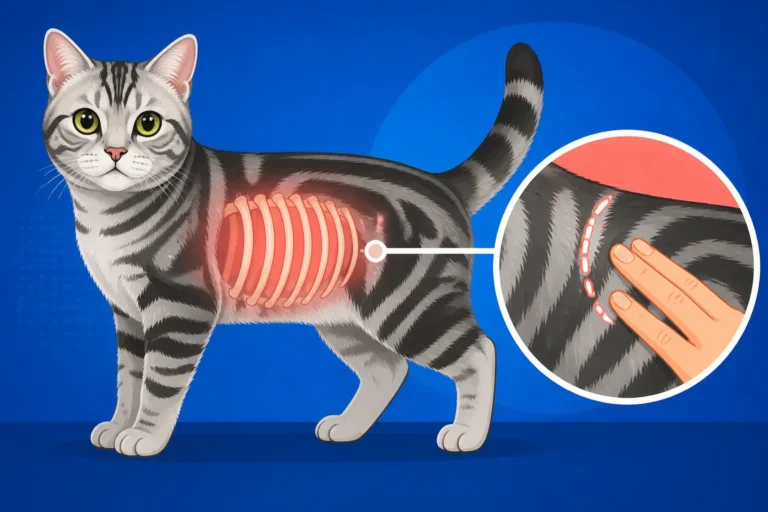
Even with vaccinations, regular veterinary check-ups are non-negotiable for an outdoor American Shorthair. These annual or biannual visits are far more than just "getting shots." They are an opportunity for your vet to perform a thorough physical examination, catching any subtle changes that might indicate illness, injury, or developing issues. For cats that roam, early detection of problems is particularly important, as they might pick up minor injuries or infections that you don't immediately notice.
Your vet can monitor their overall health, dental condition (especially for American Shorthairs who are susceptible to quiet dental issues, as highlighted in "Why an American Shorthair Loses Teeth Nobody Noticed"), and weight, and discuss any behavioral changes you've observed. These check-ups also allow for a discussion about updated local disease risks and any new preventative recommendations, keeping your American Shorthair healthy and happy for as long as possible. A good pet insurance plan, like those offered by Healthy Paws, can certainly ease the financial burden of these essential regular vet visits and any unexpected health issues that might arise.
Parasite Prevention and Other Vaccinations
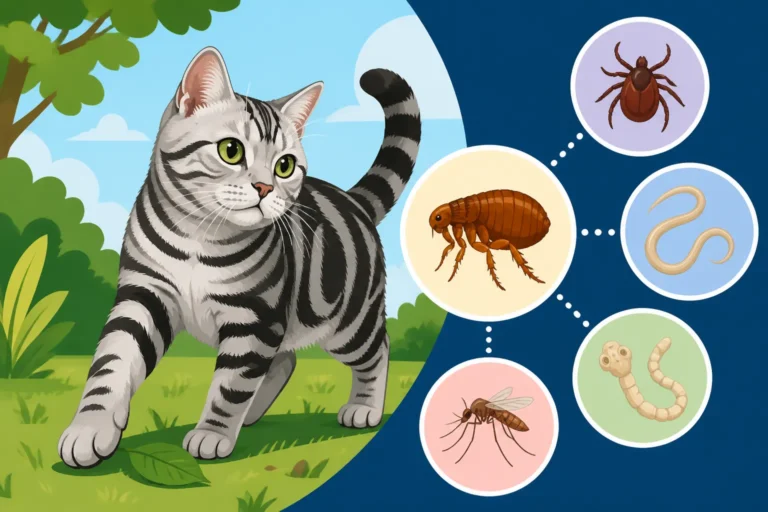
FeLV isn't the only concern for outdoor American Shorthairs. Exposure to fleas, ticks, and various internal parasites is a constant threat. Regular, veterinarian-prescribed parasite prevention is crucial. This typically includes monthly oral or topical treatments for fleas and ticks, and routine deworming. Your vet can recommend the best products for your cat's specific needs and local parasite prevalence. Neglecting this aspect can lead to skin irritation, anemia, and even the transmission of other diseases.
Beyond FeLV, outdoor cats also need protection against other common feline diseases. Core vaccines usually include FVRCP (Feline Viral Rhinotracheitis, Calicivirus, and Panleukopenia) and rabies, which is legally required in many areas. For outdoor cats, your vet might also recommend the Feline Immunodeficiency Virus (FIV) vaccine, as FIV is another disease spread through bites, and like FeLV, it compromises the immune system. You can explore this further in "Whether an Outdoor American Shorthair Should Be FIV Tested". Keeping up with a full vaccination schedule and robust parasite control ensures your American Shorthair has the best possible defense against the myriad of health challenges the outdoors presents.
Creating a Safe Outdoor Environment
While some American Shorthairs thrive with supervised outdoor access, many owners find peace of mind by creating a safer, more controlled outdoor experience. Catios, which are enclosed outdoor spaces, are becoming increasingly popular. They allow your cat to enjoy fresh air, sunshine, and stimulation without the risks of encountering unknown cats, traffic, or predators. Even simple modifications, like ensuring your yard is securely fenced or using a harness and leash for walks, can make a huge difference.
Providing plenty of enrichment inside the home can also reduce the urge to roam dangerously. Think tall cat trees, window perches, puzzle feeders (which help satisfy their hunting instinct safely), and engaging play sessions. A stimulated, happy indoor cat is often less insistent on extensive outdoor adventures. Remember, the goal is to provide a fulfilling life while minimizing risks. You can get more details on managing an outdoor American Shorthair's risks in "The Risks an Outdoor American Shorthair Takes That an Indoor One Does Not".
Here's a table summarizing common risks for outdoor vs. indoor American Shorthairs:
| Risk Factor | Outdoor American Shorthair | Indoor American Shorthair |
|---|---|---|
| FeLV Exposure | High (via fights, shared resources, close contact with unknown cats) | Minimal to None (unless living with an infected cat or escape) |
| FIV Exposure | High (primarily via deep bite wounds from fights) | Minimal to None |
| Parasite Infestation | High (fleas, ticks, intestinal worms from prey/environment) | Low (can still get fleas/worms if brought in by humans/pets) |
| Physical Injuries | High (cat fights, car accidents, falls, animal attacks) | Low (household accidents, falls from high places) |
| Exposure to Toxins | High (antifreeze, pesticides, rodenticides, poisonous plants) | Low (household cleaners, certain indoor plants) |
| Getting Lost/Stolen | Moderate to High | Extremely Low |
| Stress from Other Cats | Moderate to High (territorial disputes) | Low (can be present with multi-cat indoor households) |
Ultimately, deciding whether to vaccinate your outdoor American Shorthair against FeLV is a multifaceted decision that involves careful consideration of risks, benefits, and your cat's individual needs. Open communication with your veterinarian is crucial to making the best choice for their long-term health and well-being.
Disclaimer
Please note that the information provided in this article is for educational and informational purposes only and does not constitute veterinary medical advice. Always consult with a qualified veterinarian for any health concerns or before making any decisions about your pet's health or medical treatment.